
The drive into Regua feels like a slow recalibration. The slopes sharpen, the schist comes forward, the sky opens. Then Vallado appears, not as a staged fantasy but as a grown place: walls, chapel, courtyards, vines, and the calm authority that only long continuity can produce.

The location
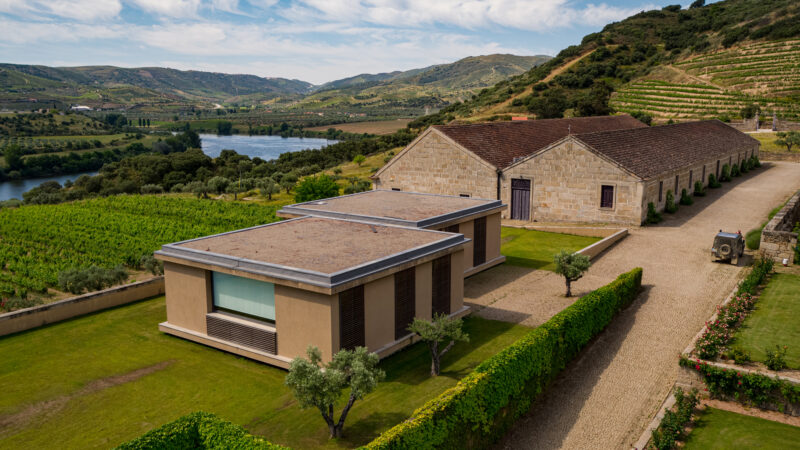
Only a few kilometres from the centre of Peso da Regua, Quinta do Vallado stands on the bank of the Corgo, a tributary of the Douro. The setting combines proximity to town with immediate access to the terraced landscape that defines the valley.

The traditional house with its chapel, winery and hotel buildings sits on the western slope and feels neither isolated nor displayed. Arrival unfolds in layers: first order, then history, then terrain. Around the main estate lie 126 hectares of vineyards; beyond that, Quinta do Orgal in the Douro Superior adds another 35 hectares of certified organic vines. Everything here appears composed, settled and clear.


Backstory
Quinta do Vallado first appears in documents from 1716. In 1818 the property entered the Ferreira family, beginning the line that still shapes it today. The central historical figure is Dona Antonia Adelaide Ferreira, who became one of the defining entrepreneurial personalities of the nineteenth-century Douro.

After 1987 Vallado entered its modern phase: once the Ferreira Port house had been sold, the estate shifted its focus to its own still red and white wines. The vineyards were restructured under Professor Nuno Magalhaes.


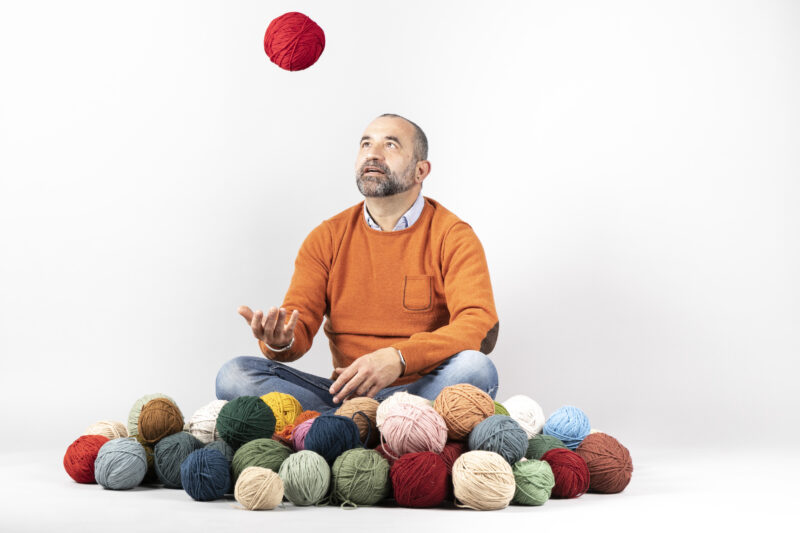
Today the winery is led by Joao Ferreira Alvares Ribeiro and Francisco Ferreira, with Francisco Olazabal as consulting winemaker. Family ownership is not folklore here. It is continuity translated into work, memory, responsibility and daily decisions.
Quinta do Vallado is part of the Douro Boys, a circle of renowned family-owned estates in the Douro that have helped shape the region’s international reputation since 2003—far beyond Port wine alone. Today, the group also includes Niepoort, Quinta do Crasto and Quinta do Vale Meão.


Character of the winery
Vallado takes origin seriously without turning it into a museum. The estate preserves old field-blend parcels, including vines planted from 1929 onwards, while working with a modern, highly precise cellar. Gravity replaces pumping; temperatures are carefully controlled; parcels are clearly read and handled.

Certified organic vineyards in the Douro Superior extend that logic. The result is a profile that needs neither rustic self-folklore nor glossy branding.


Vallado is convincing because vineyards, architecture, hospitality and portfolio all follow the same discipline. Everything points toward legibility, place and measure.


The estate does not explain itself too loudly; it shows what it means. That restraint now feels almost countercultural: not nostalgic, not eager to please, but composed, exact and unmistakably its own.

The wines
Vallado’s range is broad without feeling diffuse. It includes still whites and reds, rose, Port in several categories and its own olive oil. What matters is the internal order of that programme. Even the entry-level wines are meant to read as a serious introduction to the house style.

Above them, reservas and site-specific wines sharpen the profile. Old field-blend parcels are central to that effort; they supply not just a message of origin, but real complexity. Port remains a historical and stylistic core of the estate. At the same time, Vallado helped shape the modern Douro DOC era early on.


That is its position in a sentence: the house commands both worlds without trying to monetise the split. The line-up feels exact rather than expansive, measured rather than restless. Olive oil, too, reads not as a souvenir but as the logical extension of an estate that understands landscape as a whole. Power is present, but it is directed. In the Douro, that is no small achievement.


Quality of winemaking
Quality at Vallado begins visibly in the vineyard. Around the main estate are 126 hectares of vines; Quinta do Orgal in the Douro Superior contributes another 35 hectares of certified organic plantings. More than ten hectares of very old field blends have been preserved, the oldest dating from 1929.

In the Douro this matters, because origin is never abstract. Schist, exposure, altitude, heat and water stress all shape the wine. Vallado’s response is not standardisation but close site work. That suggests care in planting, canopy management, harvest timing and selection. In the cellar, tradition and precision work together.


Grapes are moved by gravity rather than by pump. Fermentation and storage take place in stainless steel, with automated temperature control during maceration. A new winery and ageing cellar opened in 2009, with capacity for 1,200 barriques. The point is not effect but discipline.


Here, quality is not confined to flagship wines; it is built into the structure of the whole estate: old vines, restructured vineyards, organic expansion and accurate cellar work. Nothing feels improvised. The ambition is steady rather than theatrical, and therefore more persuasive.


Accommodation
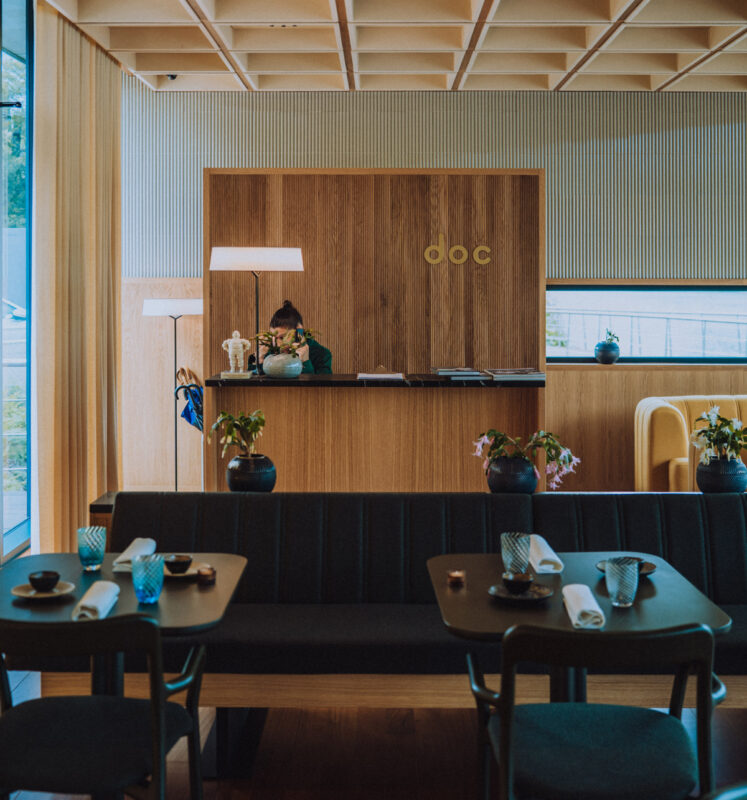
At Vallado, accommodation is not a side business but a second form of hospitality. In 2005 a country hotel opened in the historic main house; in 2012 a contemporary second building followed.

Guests do not stay beside the winery so much as within its rhythm. The closeness of cellar, courtyard and vines changes the scale of the visit.

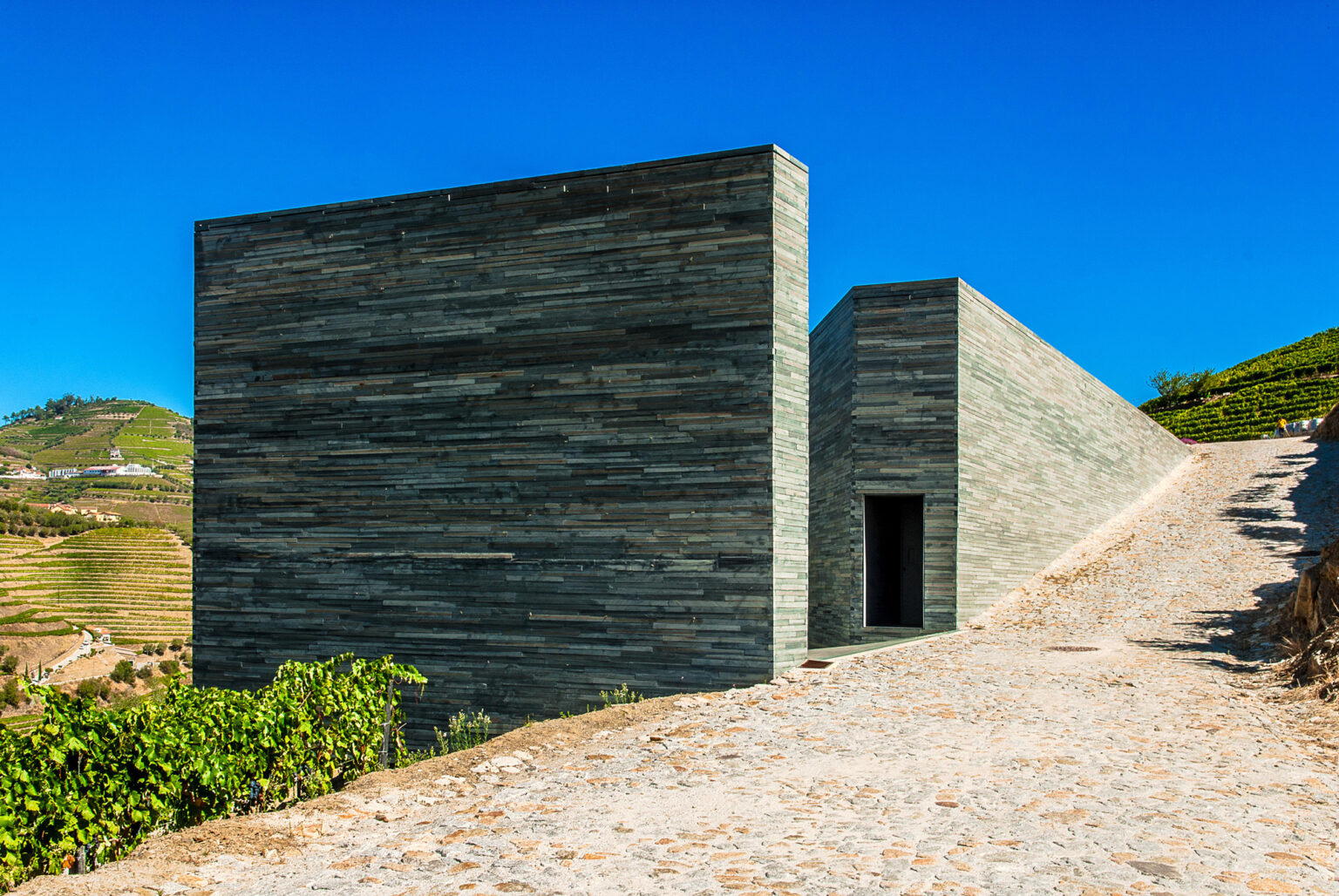
Wine is not only tasted; it becomes part of the environment. Then there is Casa do Rio in the Douro Superior, opened in 2015.


More secluded, more stripped back, it translates the Vallado idea into stillness: less infrastructure, more landscape, more retreat. The two houses complement one another well. One anchors the estate in history and in Regua; the other opens it toward distance, silence and space.


Conclusion
Quinta do Vallado has a clear identity, and that is precisely why it holds interest beyond standard wine tourism. The estate is old without becoming static. It reflects the Douro credibly because it works with old vines, field blends, schist slopes and organic vineyards rather than merely speaking about them.

Vineyard work appears careful, cellar work exact, and the overall structure of the estate coherent. Nothing here requires grand rhetoric. Across the range, the picture remains consistent.


Port is not a dutiful relic but part of a living identity. The still wines are not a side note but the result of a second phase that has been built methodically since 1987.


Add to that a form of wine hospitality that extends the estate’s values in spatial terms rather than turning it into an event machine, and Vallado emerges as something rarer than the industry likes to admit: a winery that does not exploit its history, but continues it.


Details
- Location & region: Vilarinho dos Freires near Peso da Regua, Baixo Corgo, Douro.
- Setting & terroir: bank of the Corgo, western slope, schist landscape; with certified organic vineyards at Quinta do Orgal in the Douro Superior.
- Portfolio: still white and red wines, rose, Port, olive oil.
- Ordering: direct through the estate and official website.
- Accommodation: hotel at the main estate and Casa do Rio in the Douro Superior. Services: tastings, cellar visits, stays on the estate.