
You arrive at the river, not merely at an address. The building hovers lightly above the water, as if extending the first step out of the valley; inside begins a kitchen that does not illustrate the Douro but reads it. That the Michelin Guide lists the house comes as no surprise after a few minutes. The arrival feels calm, yet full of small signals.
By the river, by the road
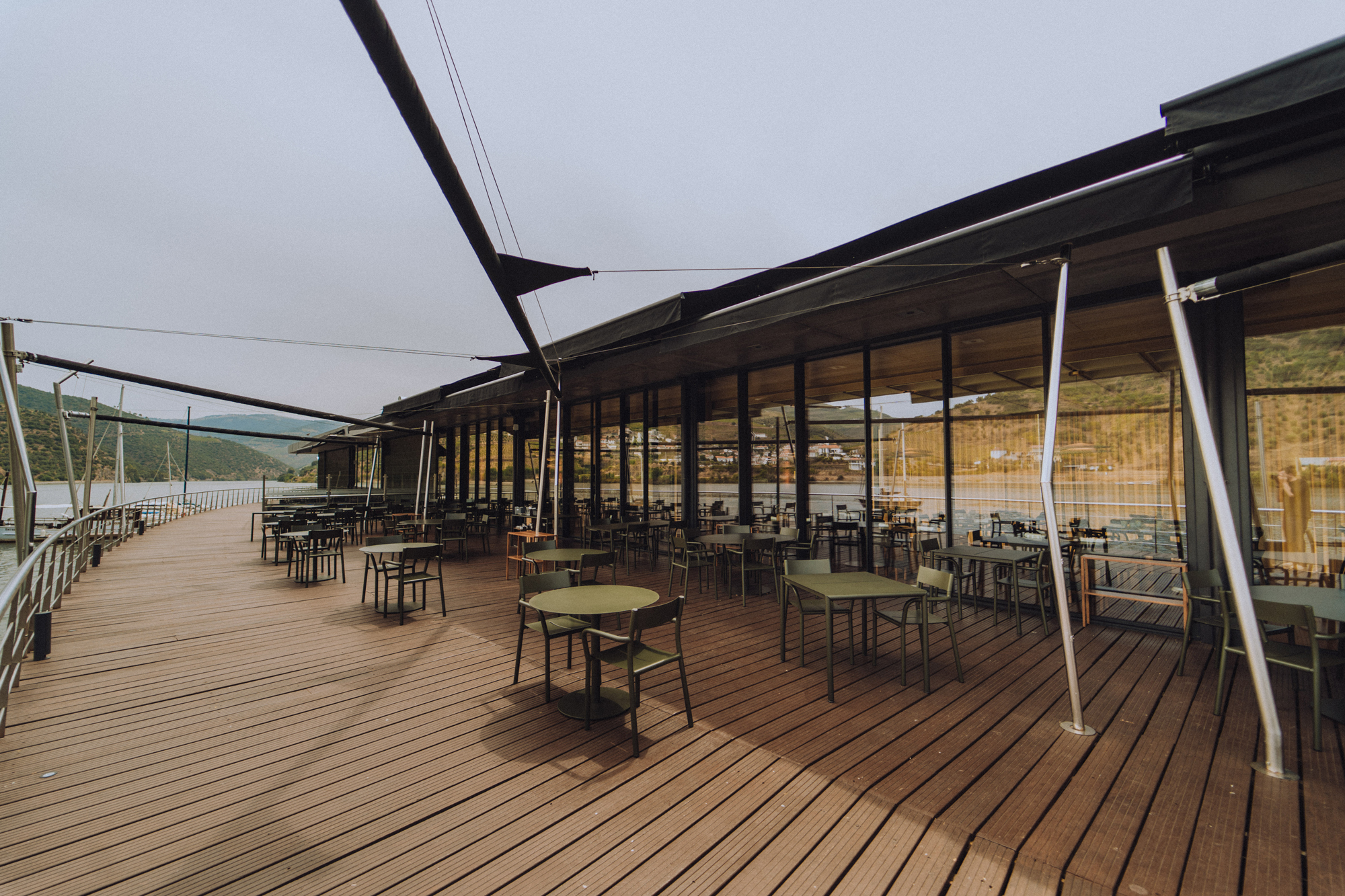
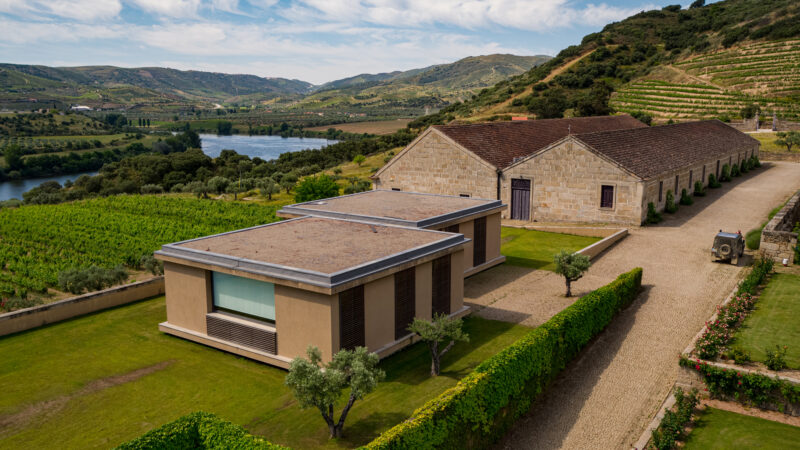
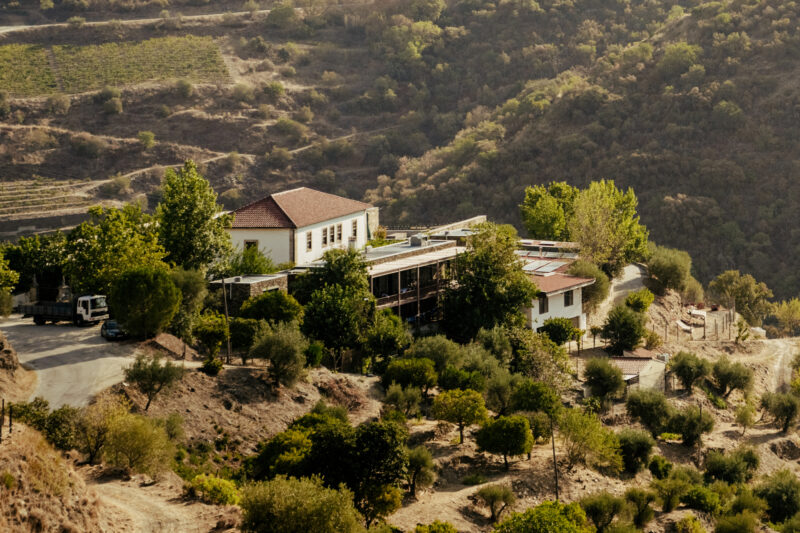
The drive to Folgosa already belongs to the choreography of the visit. The EN222 runs in long curves between vineyards, dry-stone walls and small riverside villages; then DOC appears at the water’s edge, almost more landing stage than conventional restaurant.
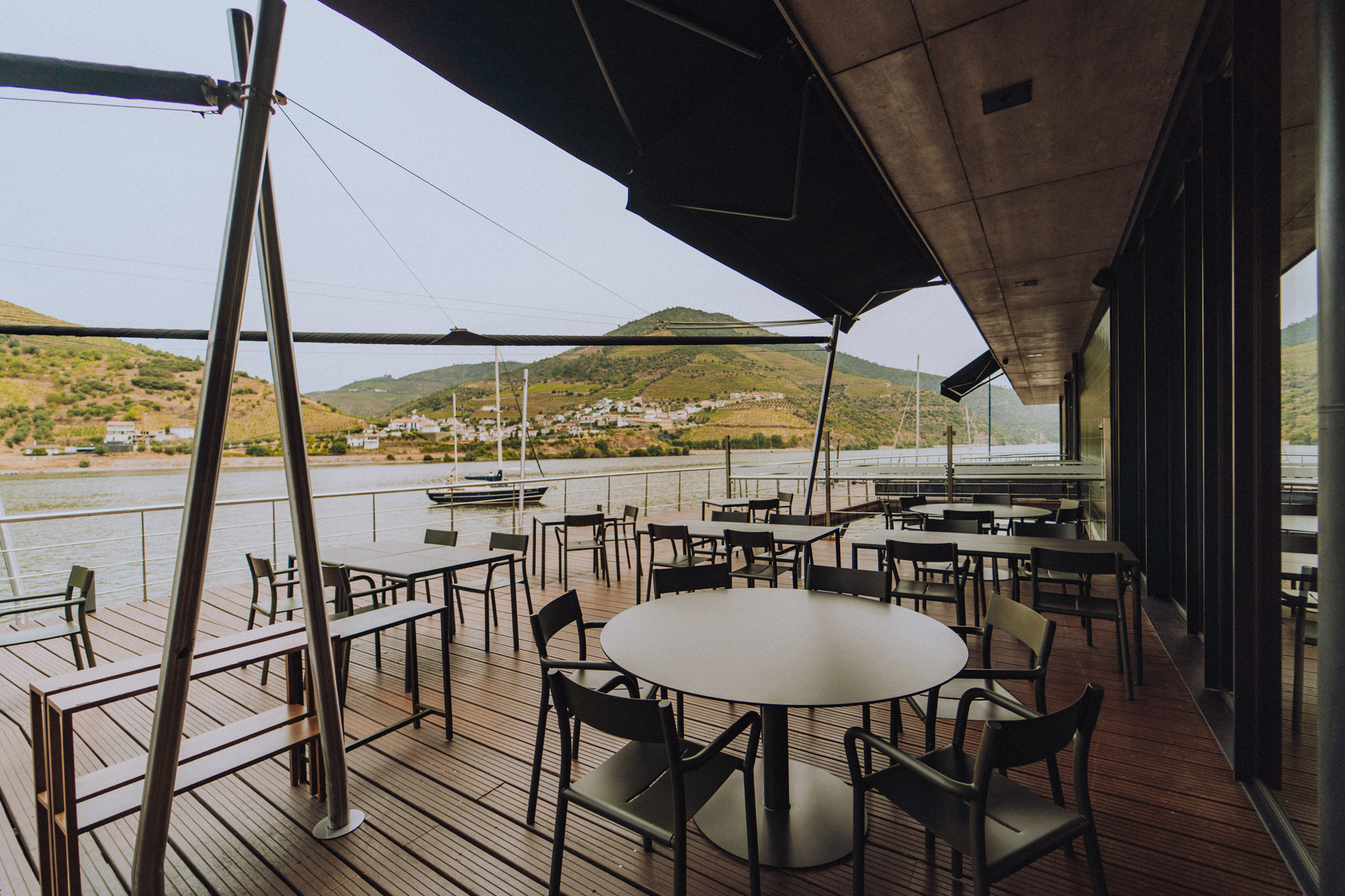
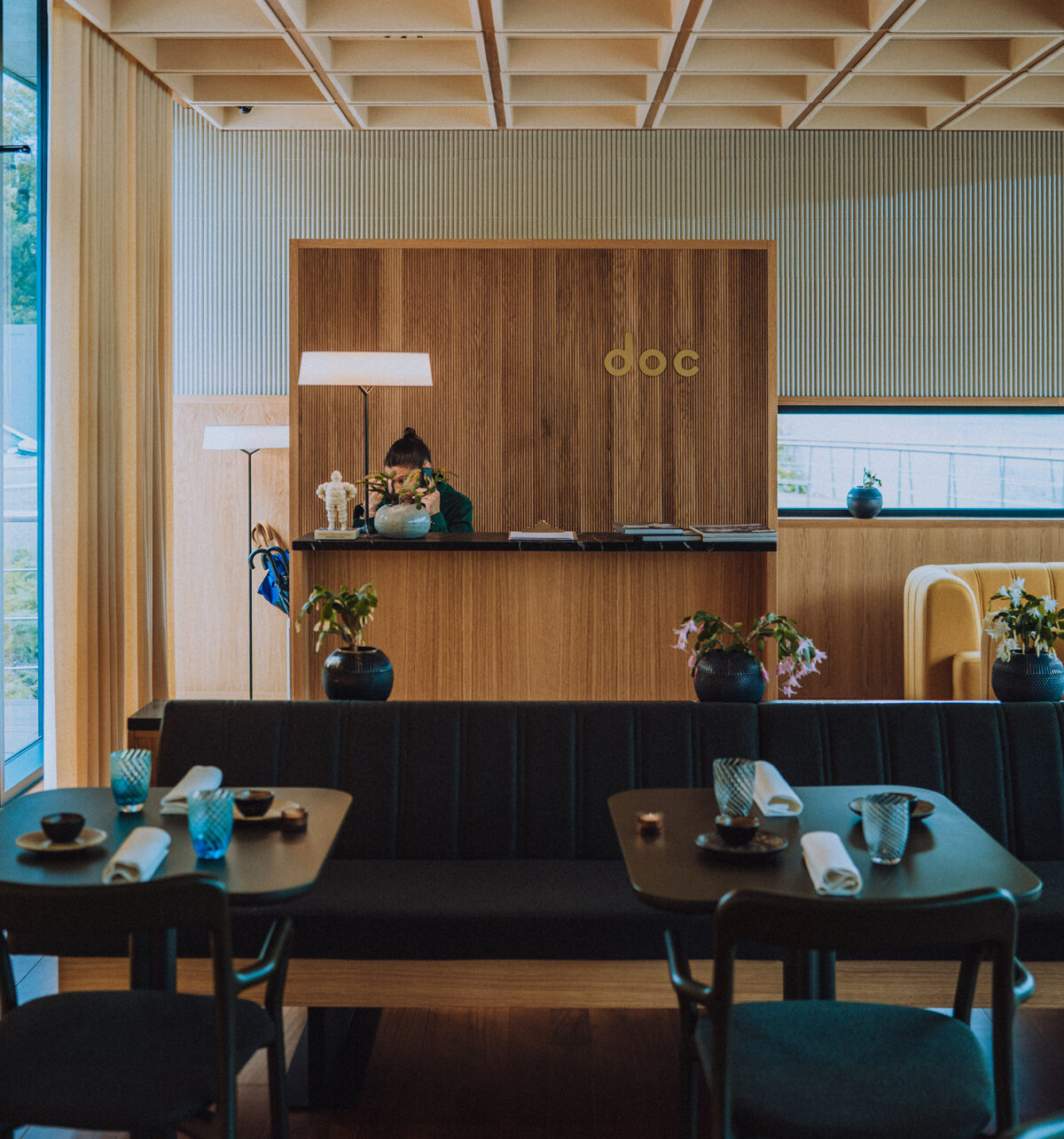
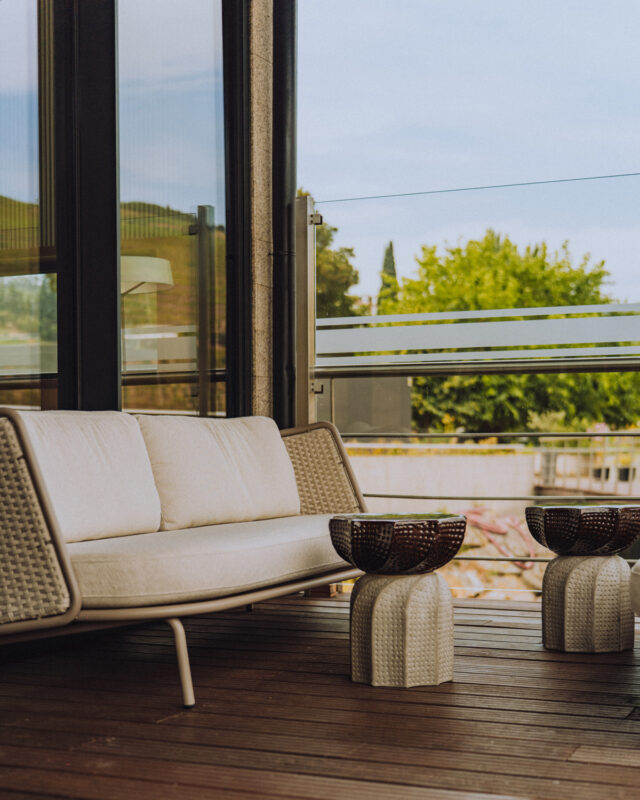
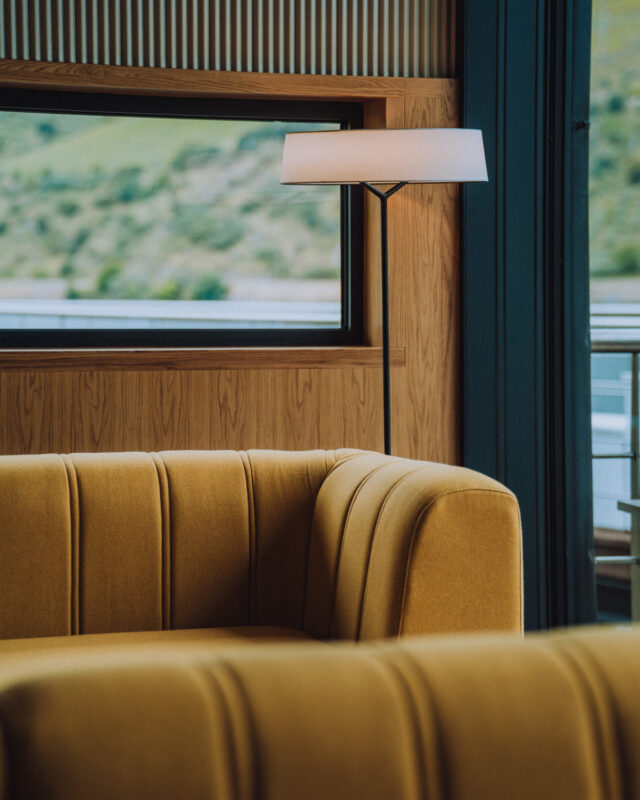
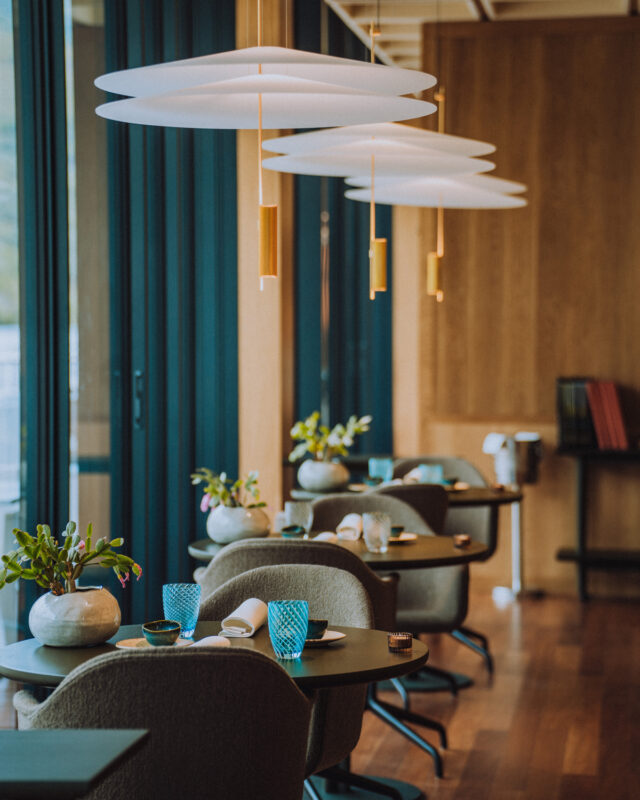
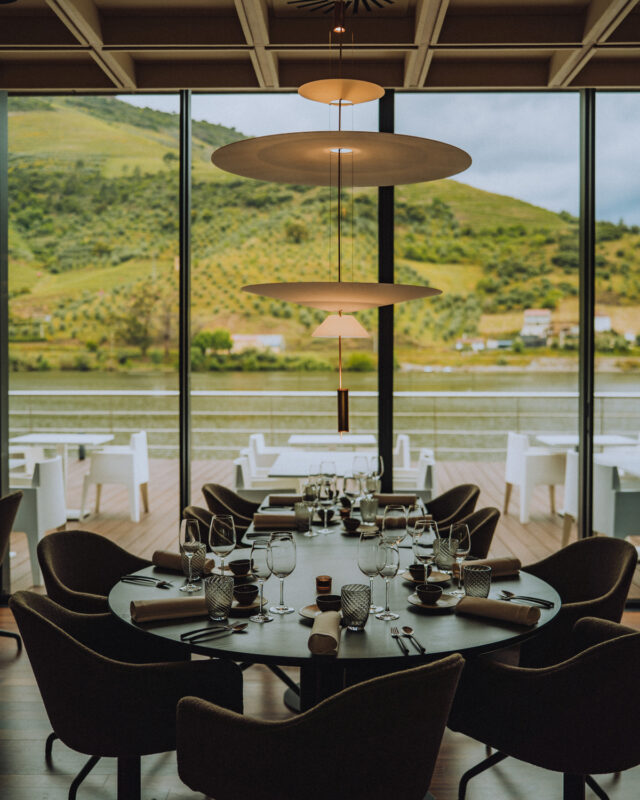
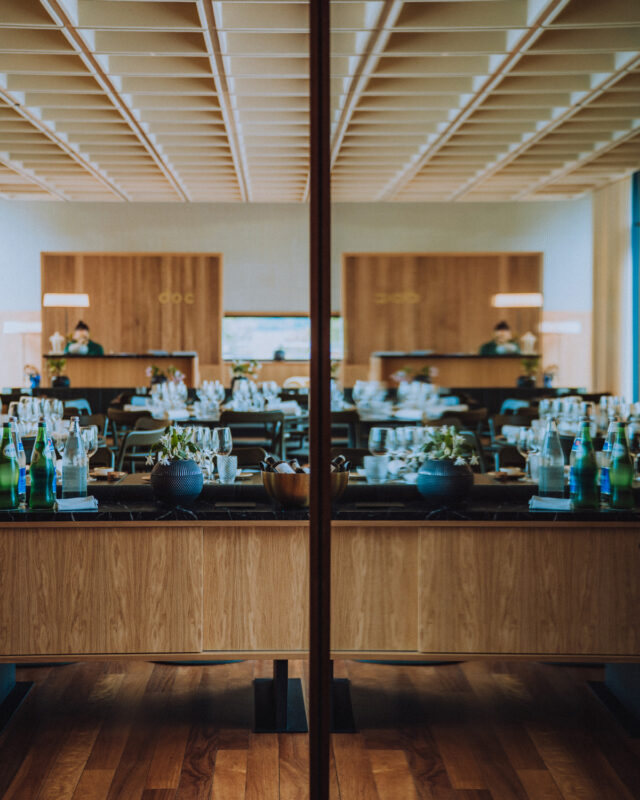
The building stands on pillars and pushes a wooden deck out over the Douro, with its own pier, glass fronts and that controlled lightness one associates with good modern waterfront architecture. Inside: plenty of light, quiet lines, wood, stone, sightlines to the river. Nothing strains after rustic charm, nothing after artificial polish. Even the trains passing on the opposite bank seem to belong to the setting.
Rui Paula’s long arc
DOC opened in 2007, in a region long world-famous more for bottles than for tables. Rui Paula placed the restaurant exactly where the Douro does not appear as postcard scenery but as a working landscape: between wine, schist, road traffic and river traffic. The name stands for “Degustar, Ousar, Comunicar” — taste, dare, communicate — and it describes the project with unusual plainness. This was never simply about feeding travellers well after a quinta visit. DOC was meant to show that the Douro also possesses a culinary language of its own, one that reaches beyond regional folklore.
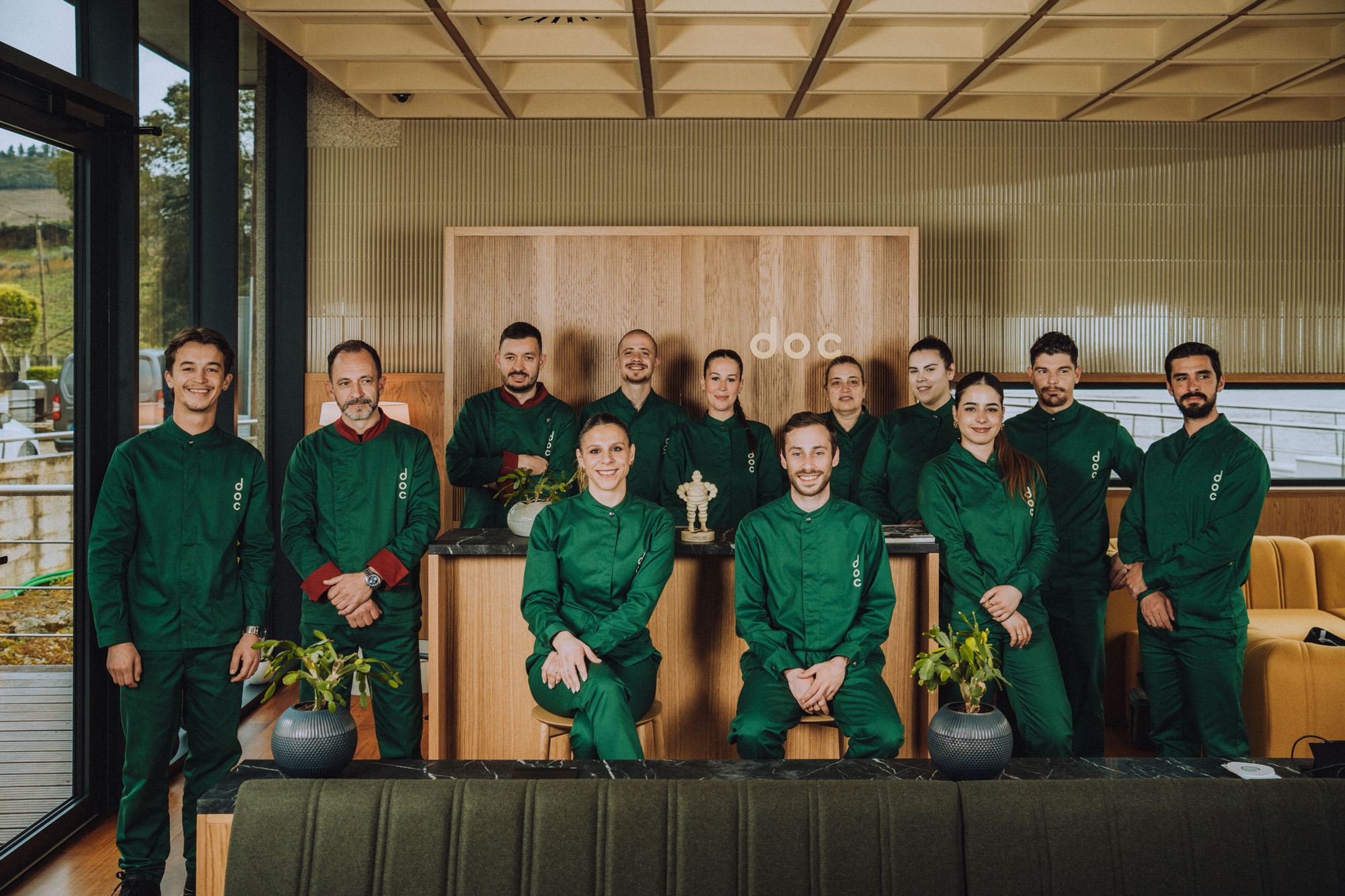
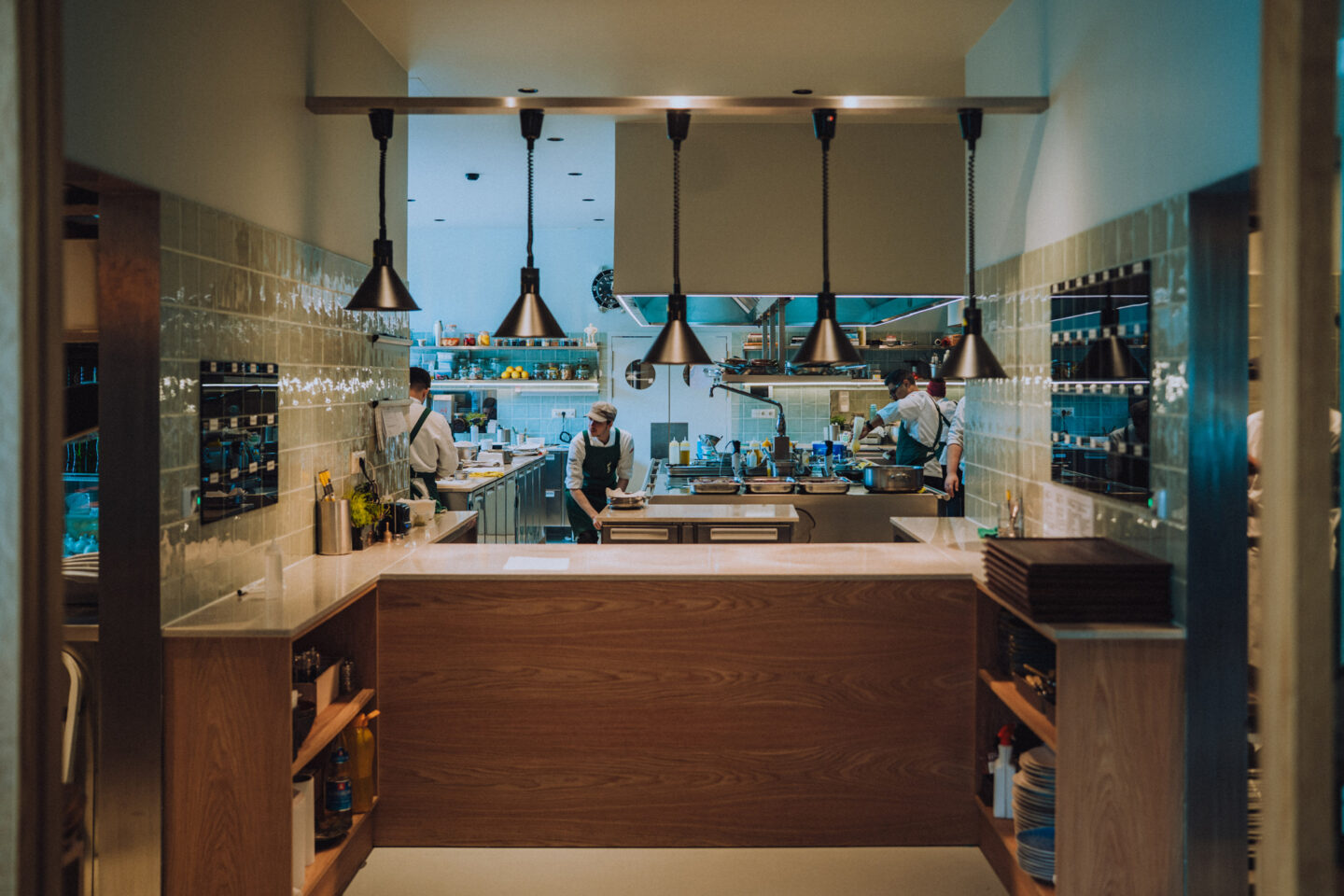
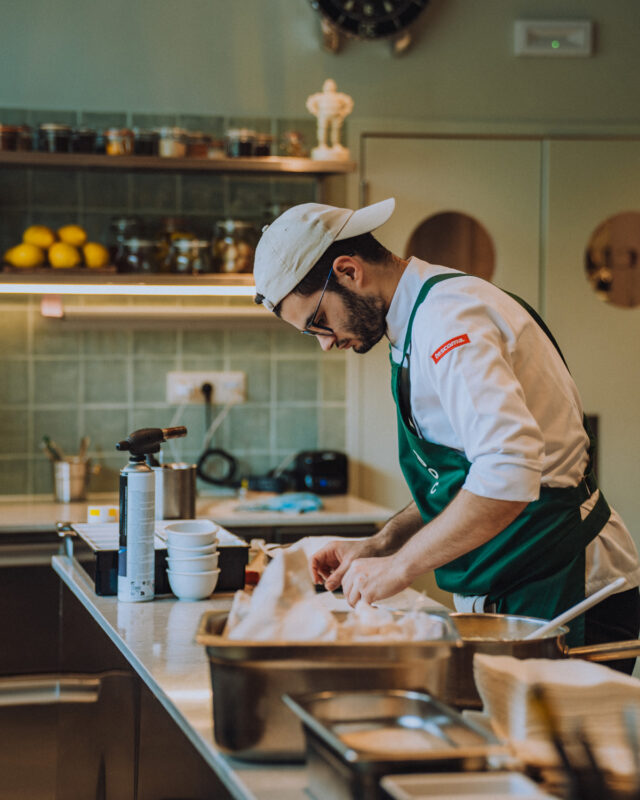
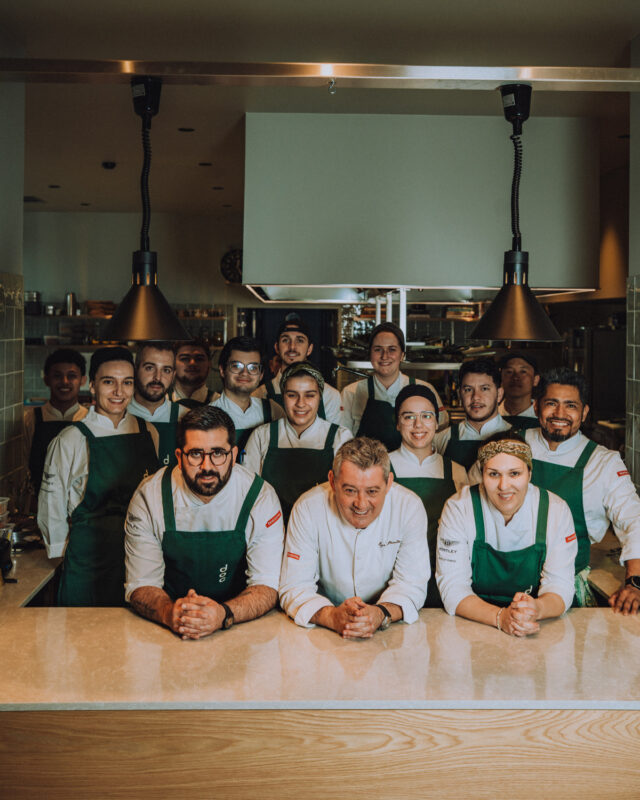
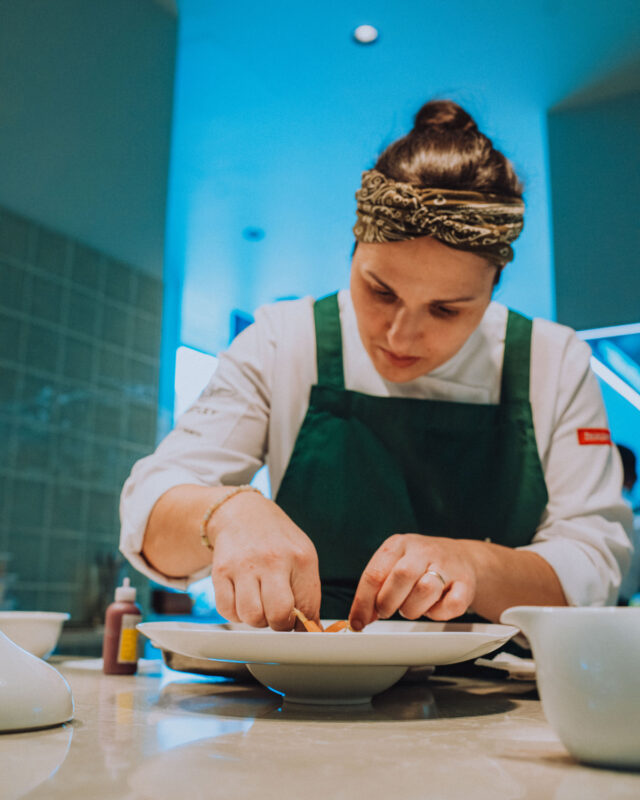
Paula himself is one of the defining figures of contemporary Portuguese gastronomy. His cooking draws on memories of Trás-os-Montes and the north-east of Portugal, yet memory, in his hands, is not a sentimental archive. It is worked on, clarified, reset in new proportions. On the restaurant’s official pages, he remains the decisive authorial presence; at the same time, the site stresses how central a well-drilled team across kitchen, dining room and administration is to the daily life of the house.
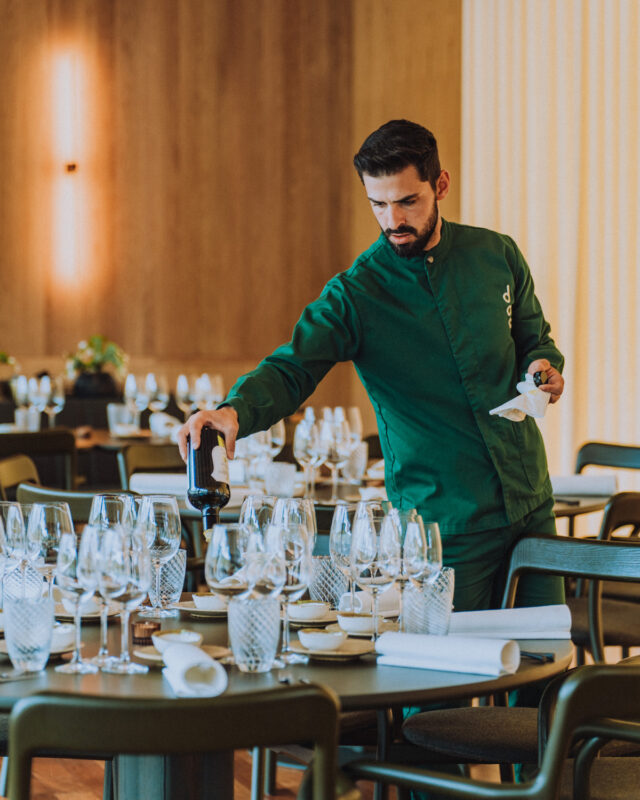
That feels right. DOC does not depend on genius theatre so much as on a concentrated form of hospitality. In a valley marked by strong seasonality and the pressures of wine tourism, that may be the harder achievement, and the more durable one. Perhaps that discipline explains why DOC does not feel like a project running on momentum, but like a house that has earned its shape over time.
How flavour is built here
The core of the cooking lies in a double movement: deeply anchored in northern Portugal on the one hand, yet open on the other to technical precision and products from beyond the immediate hinterland. Rui Paula himself frames it as a meeting between genuine regional produce and the best fish from the coast. The result is not a narrow theatre of localism, but a cuisine that takes landscape seriously without letting itself be fenced in by it.
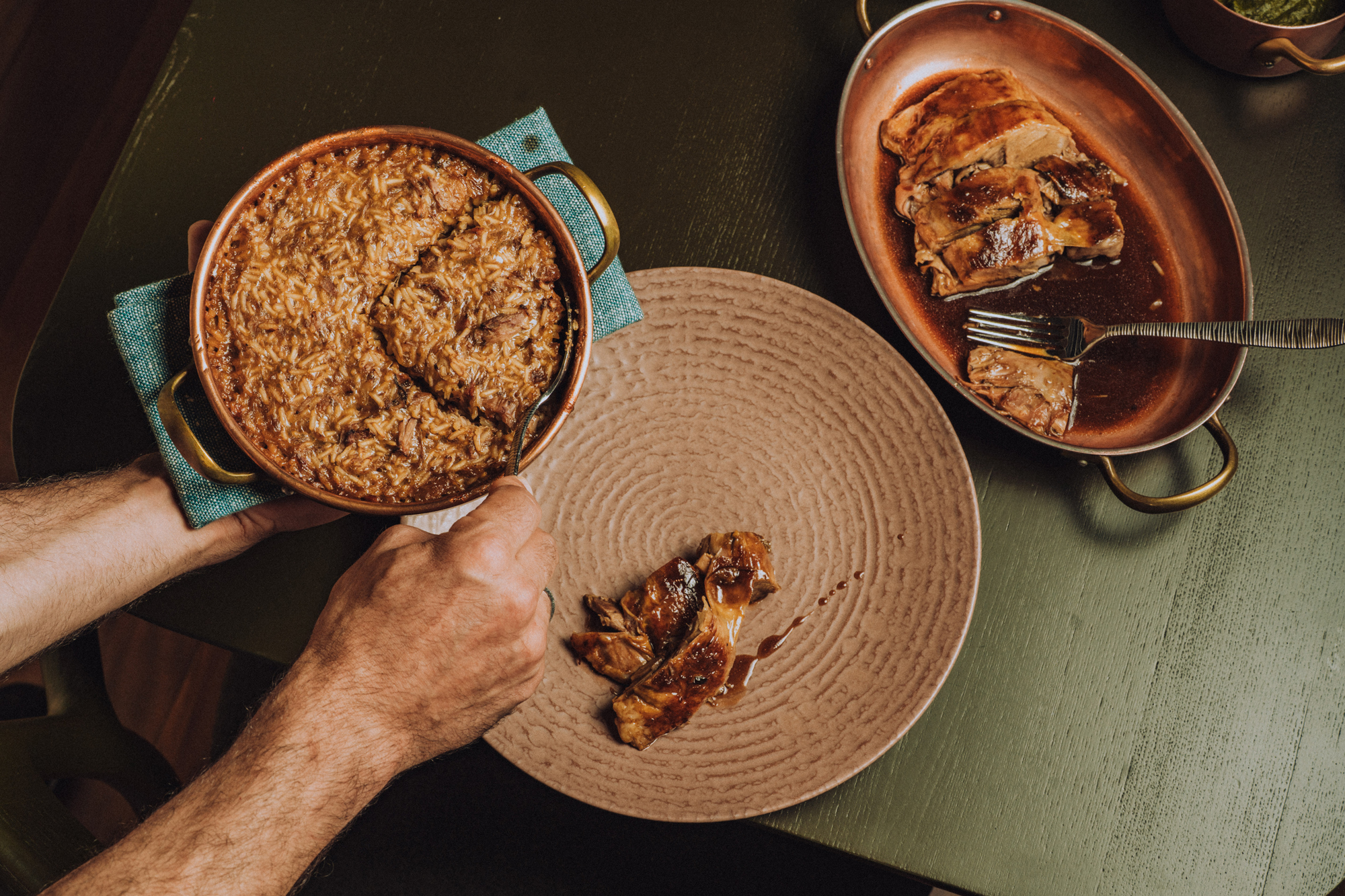
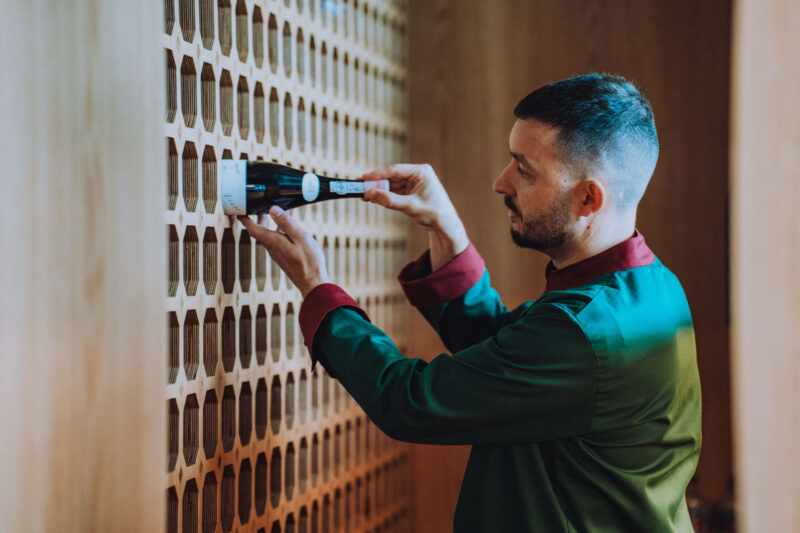
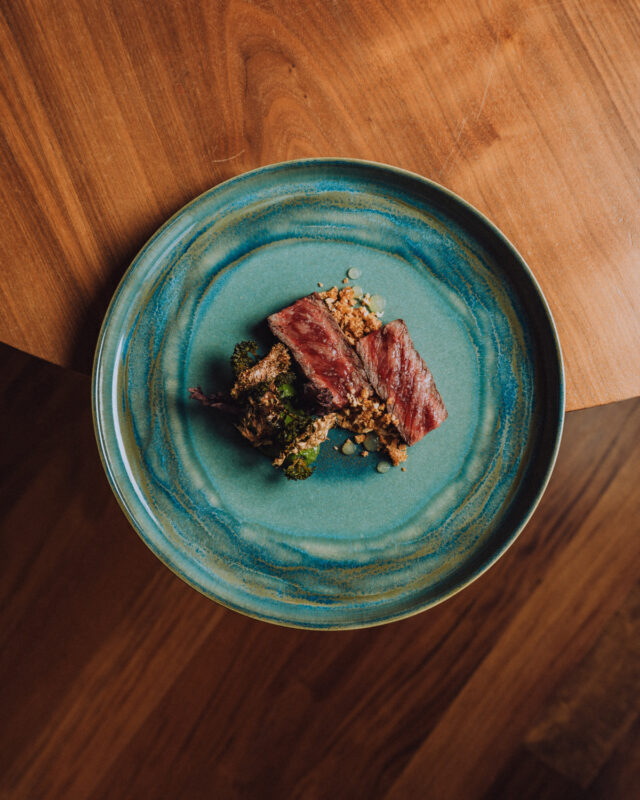
How that approach becomes practical is visible already in the menu structure. Alongside à la carte there are tasting menus and a distinct vegetarian offer; the wine list, with more than 700 labels, is strongly focused on the Douro. Quality is not asserted here through volume but through selection. Bísaro pork, milk-fed lamb, Maronesa beef, kid goat, coastal fish, selected olive oils, herbs, cheeses: these are not random trigger words but a roster of products from which the kitchen builds its grammar.
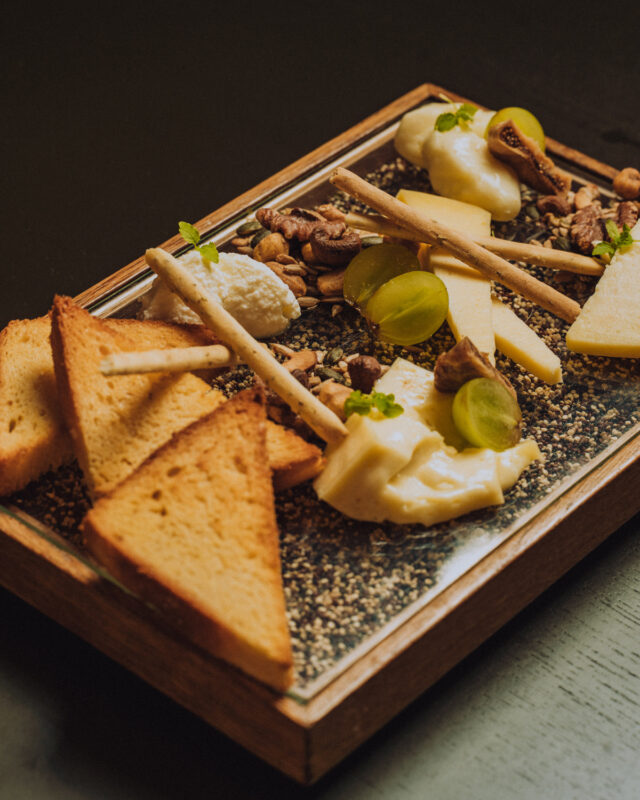
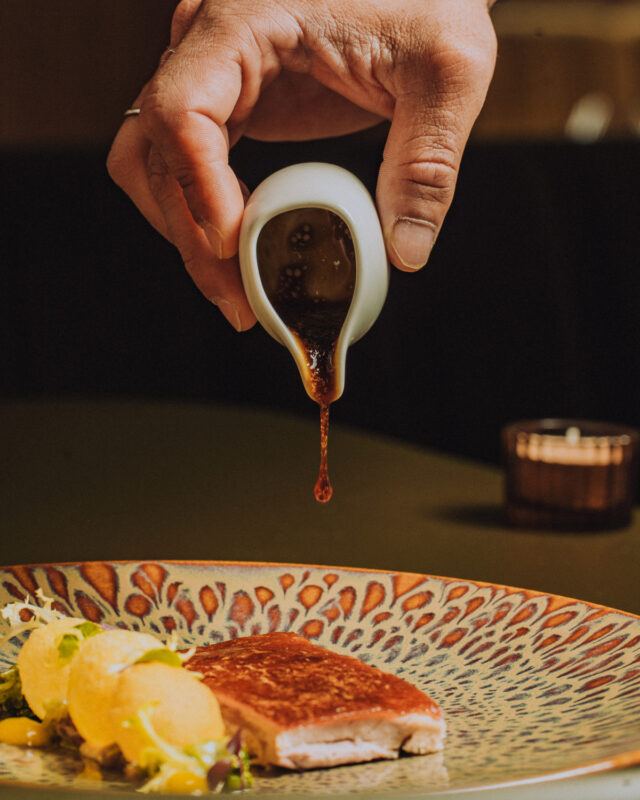
A dish such as “Ovo a baixa temperatura | alheira” works through temperature and tension. First comes the creamy, almost slow warmth of the egg; then the alheira, bringing smoke, fat and a slight grain, gives the dish direction. This is not an effect dish but a precise construction of softness and resistance. “Enguia fumada | maçã | galanga” works differently: the smoke and oily density of the eel arrive dark at first, then the apple draws in a brighter acidic line; galangal does not stage a spice show but leaves a dry, faintly medicinal after-note that orders the fat.
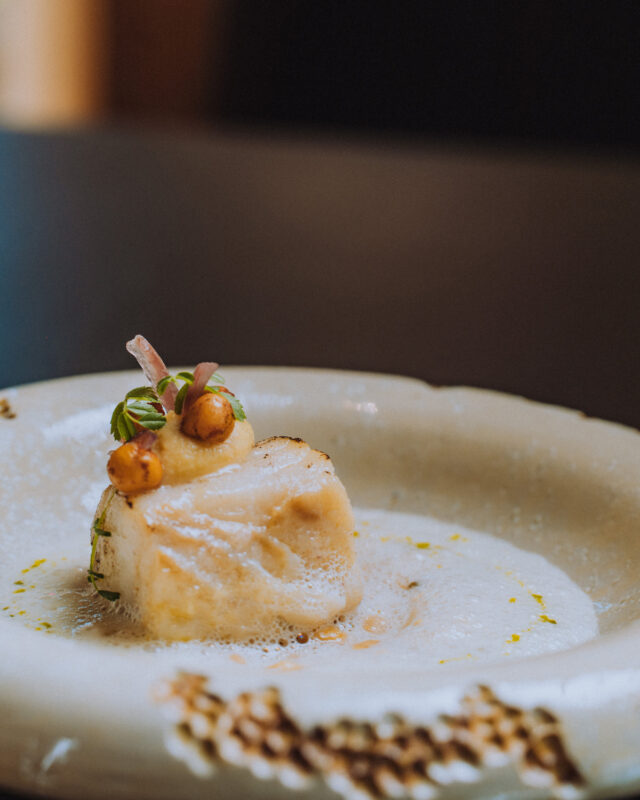
In “Pregado | couve-flor | mexilhão”, layering matters again. Turbot requires restraint, so it receives from cauliflower a mild, almost milky base and from mussel a more iodic concentration. Even desserts such as “Pudim de azeite | mel | yuzu” reveal the same thinking: oil as texture, honey as depth, yuzu as a bright incision. Nothing is decorative; everything has work to do.
Region as obligation
DOC does not present sustainability as a display board, and that is initially refreshing. The idea appears instead in practice: in serious work with regional products, in the prominent place given to Douro wines, in vegetarian menus, and in the link between season, origin and careful handling.
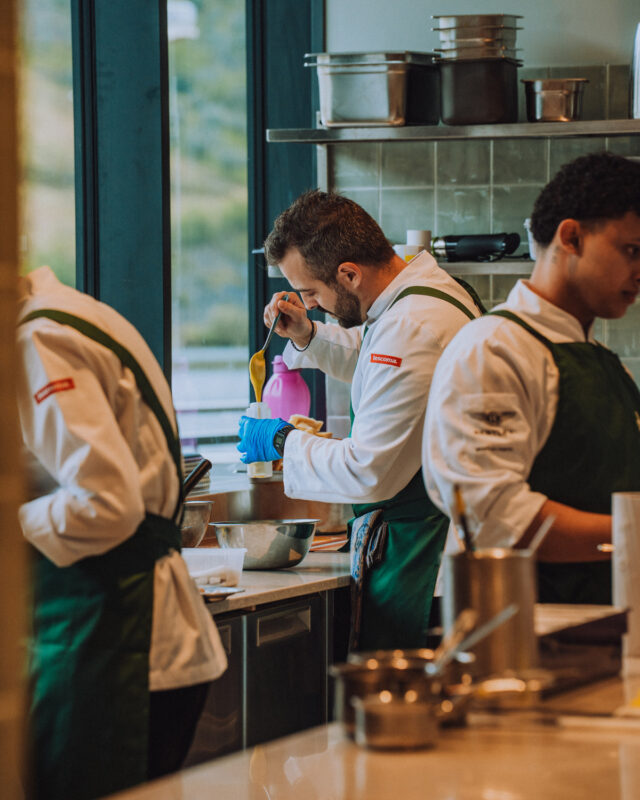
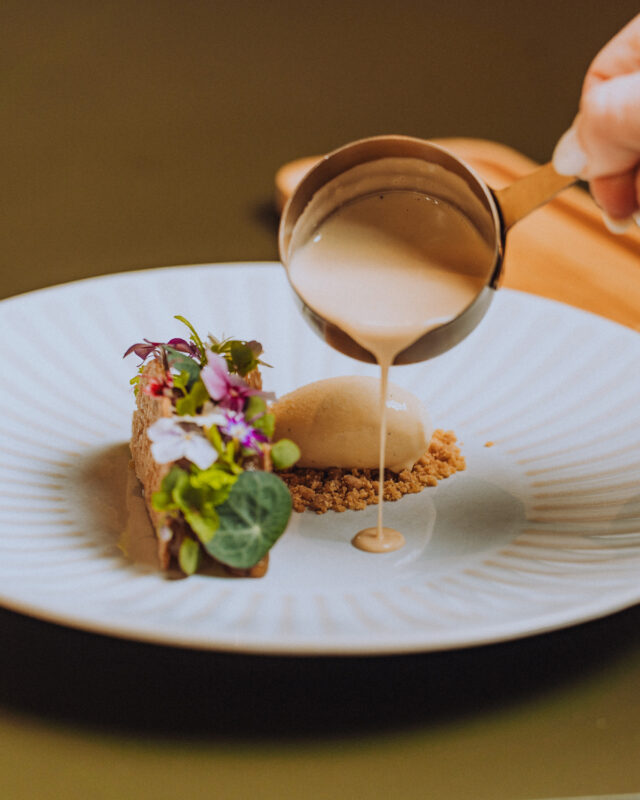
The kitchen itself also feels like a quiet counter-model to the valley’s quick-consumption economy. It does not treat the Douro as a luxury backdrop, but as a productive landscape with its own dignity. The example becomes persuasive where pleasure no longer depends on distance from origin, but on a form of exact proximity.
Why DOC remains with you
DOC stays in the mind because several things meet here that rarely do: scenery without folklore, ambition without rigidity, precision without coldness. Other houses may work regionally, others with comparable elegance; DOC has this particular closeness to the river, literal and otherwise. One is led into a Douro that feels old, sharply contemporary and unexpectedly mobile.
Details
- Address: Restaurante DOC, Estrada Nacional 222, Folgosa, 5110-204 Armamar, Portugal.
- Opening hours on the official contact page: lunch 12.30–15.30, dinner 19.30–22.30; closed Tuesdays and Wednesdays.
- Cuisine: contemporary Portuguese.
- Format: tasting menus, vegetarian menu and à la carte.
- Douro-focused wine list with more than 700 references.