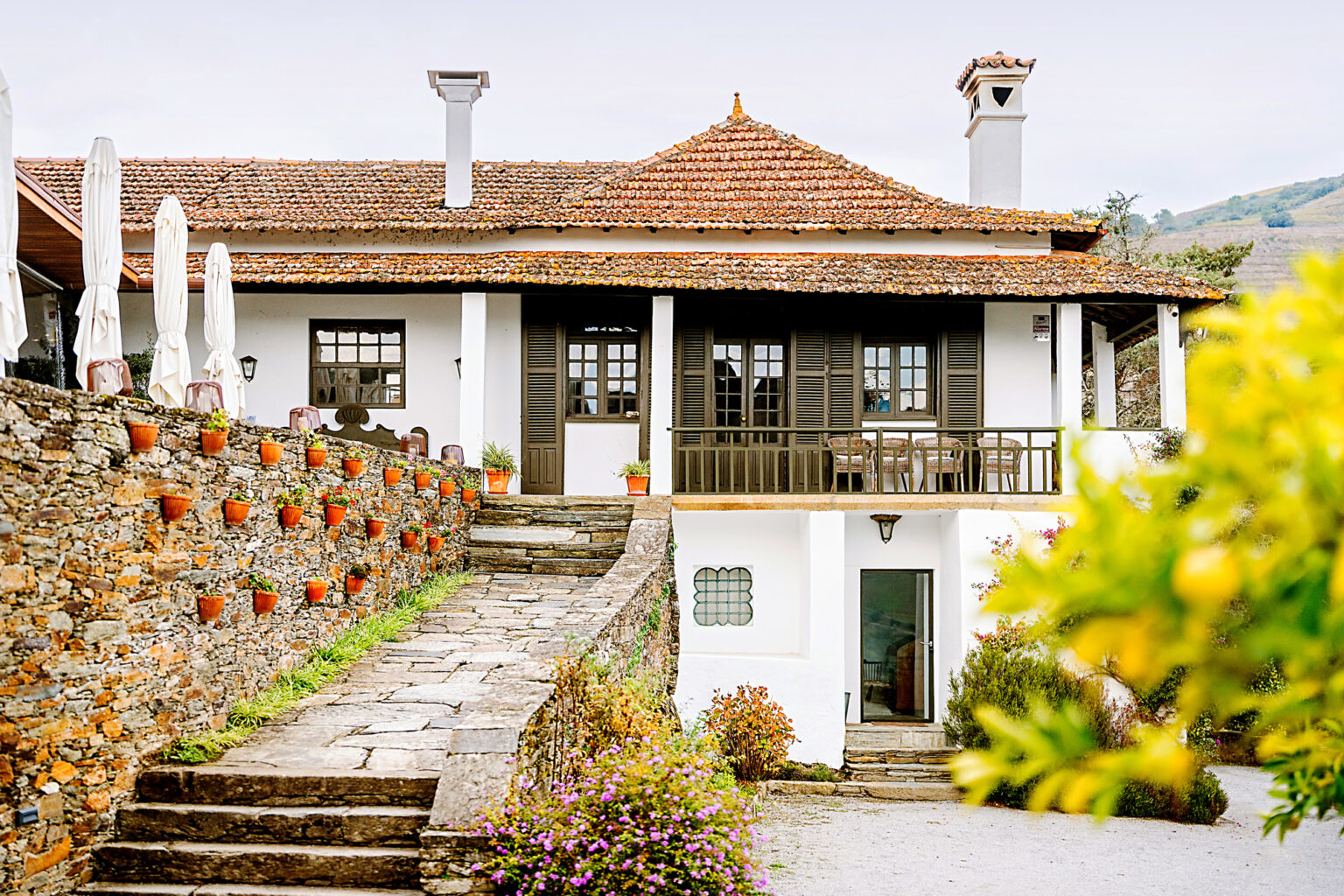

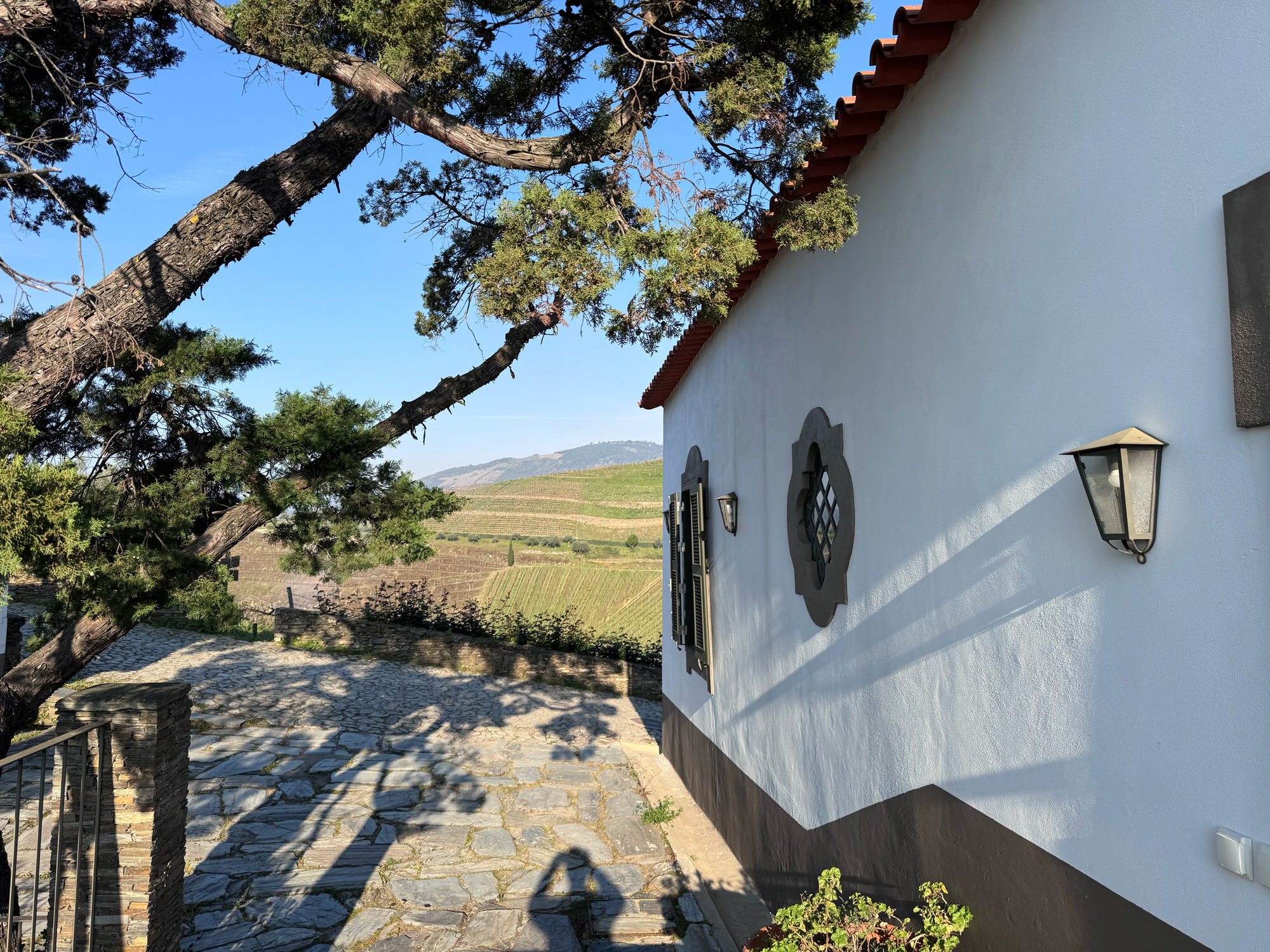
The approach takes its time. The road threads through schist, bends and terraces; the river appears only in fragments, like a thought still forming. Then the estate is suddenly there, not polished for effect, not staged, but carrying the calm authority of a place that has worked for a long time and no longer needs urgency. Everything feels composed, not polished to a shine.
The location
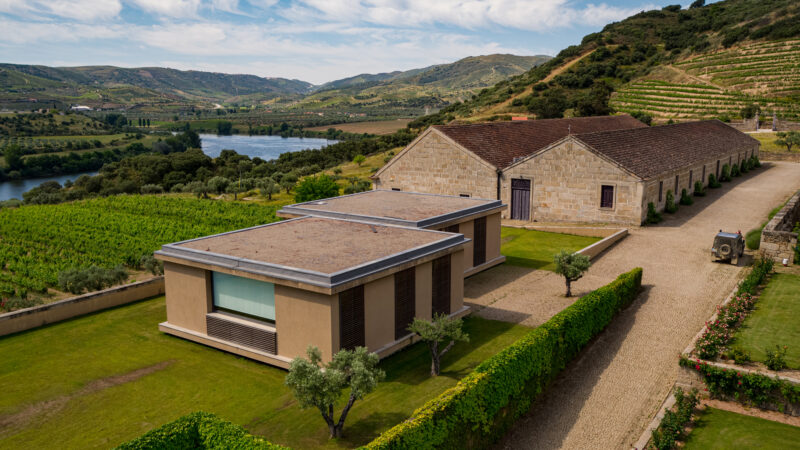
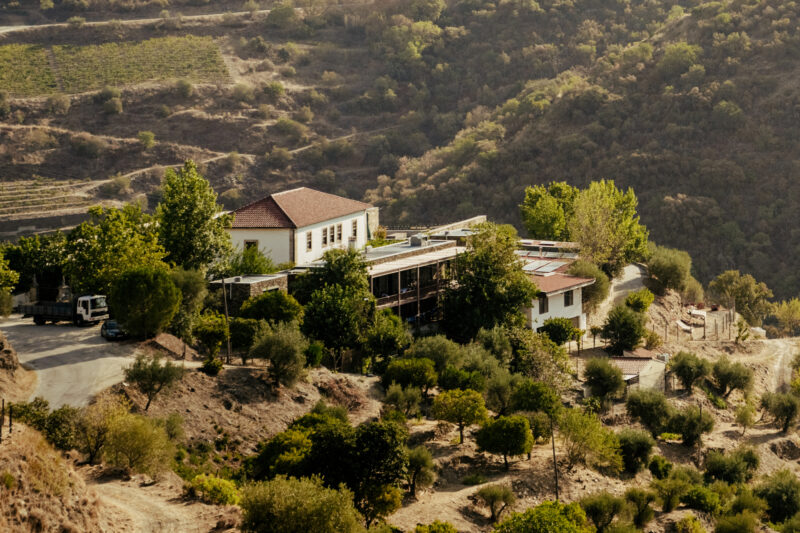
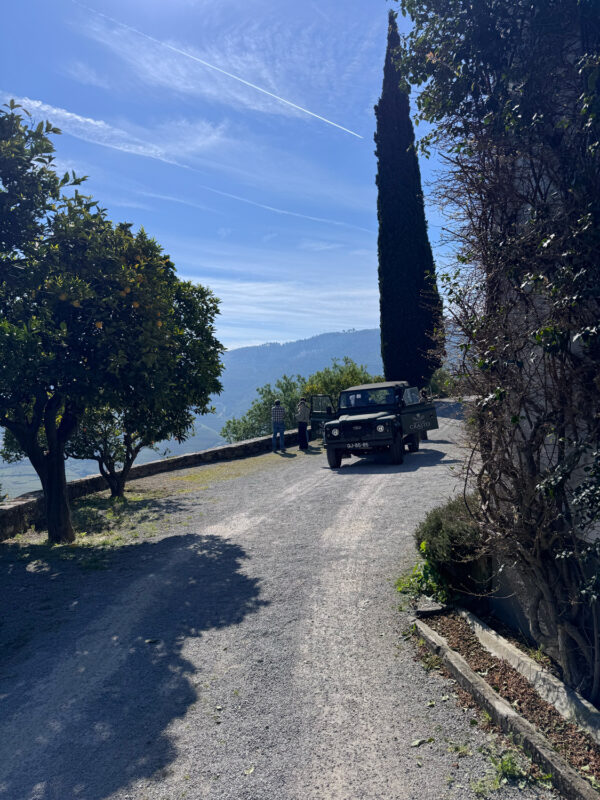
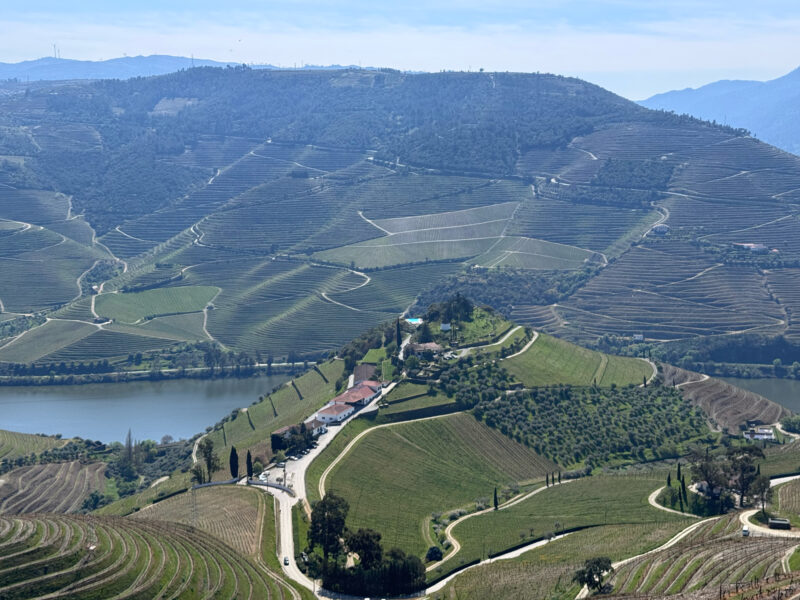
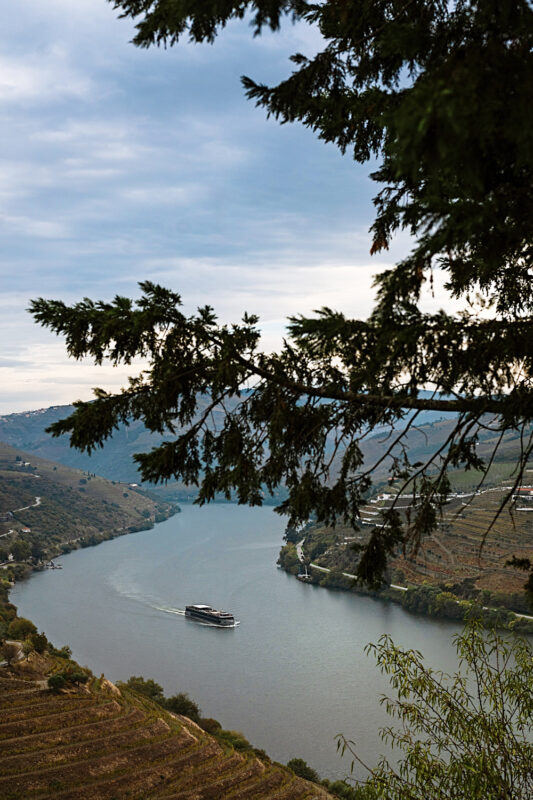
Quinta do Crasto lies between Peso da Regua and Pinhao, above the right bank of the Douro, in a landscape where steepness is not a detail but a system. The last kilometres are narrow and winding; that is part of the sharpening effect of arrival.
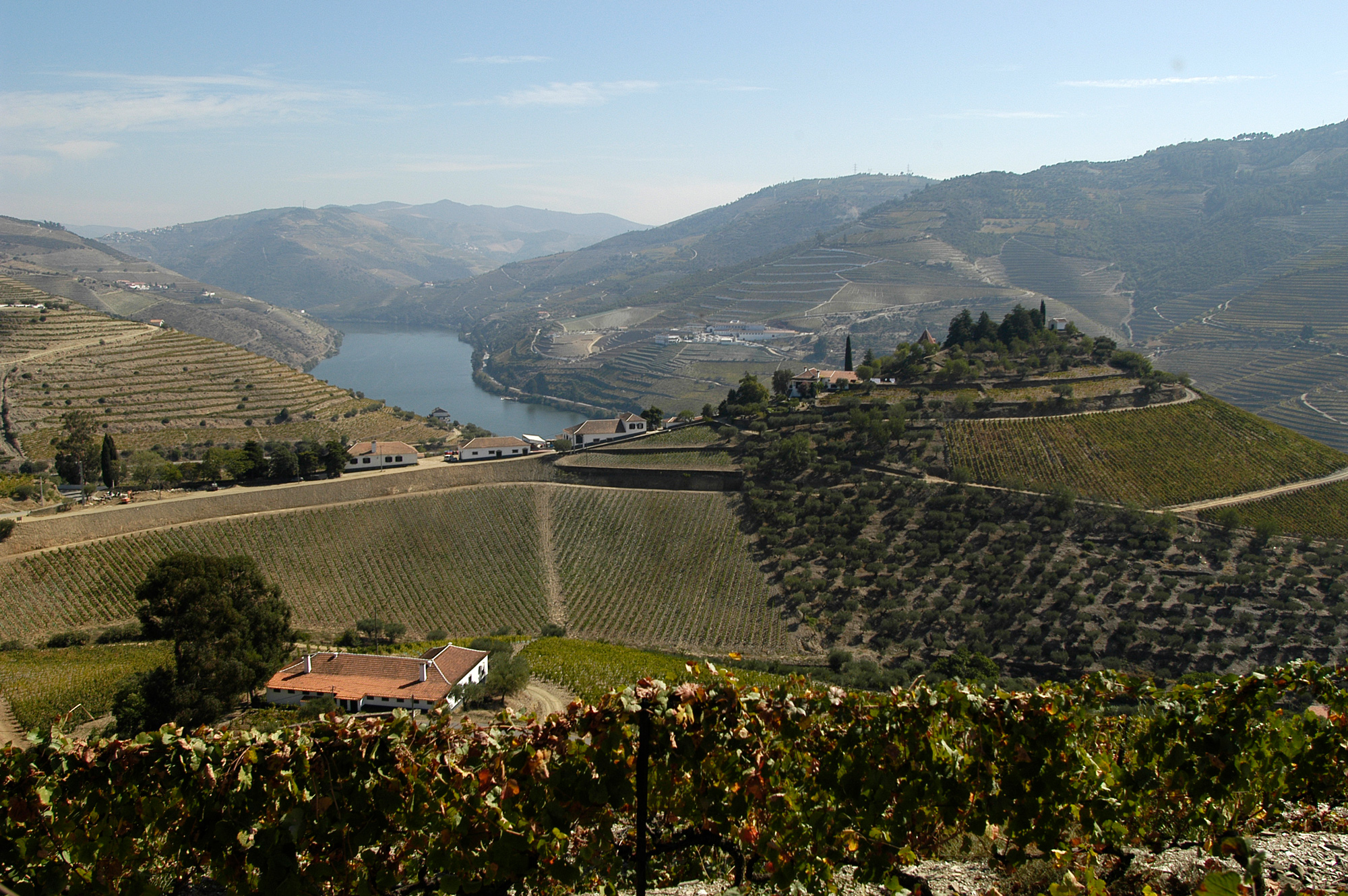
Then vineyards, olive groves, working buildings and the old manor house open into view. Schist soils, dry-stone walls and steep socalcos give the property its stern geometry. Some vines are more than a century old. From the outside, Crasto does not look like a resort so much as a precisely extended piece of Douro culture: functional, old, beautiful, never eager to perform. That restraint gives the first impression its weight.
Backstory
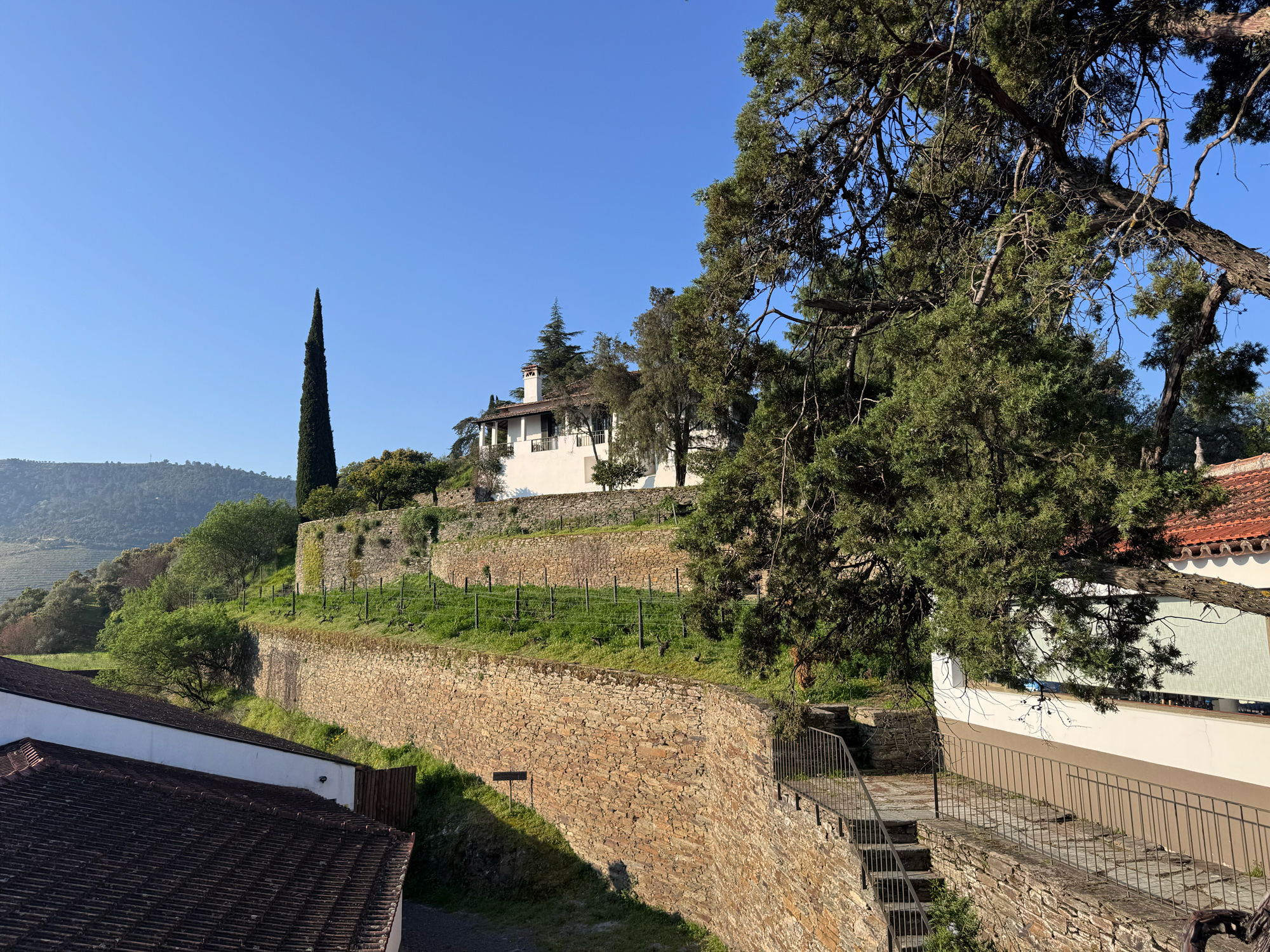
Quinta do Crasto’s history is documented from 1615. Its name derives from castrum, the Latin word for Roman fort; the fit is good for a place that still feels entrenched, almost fortified against the slope. In the eighteenth century the estate received Feitoria status, an early distinction within the Douro’s formal demarcation.

A marco pombalino dated 1758 still stands by the house. In 1918 the property was acquired by Constantino de Almeida, founder of the Constantino Port house; it was later managed by Fernando Moreira de Almeida. Since 1981 the Roquette family has defined the estate.
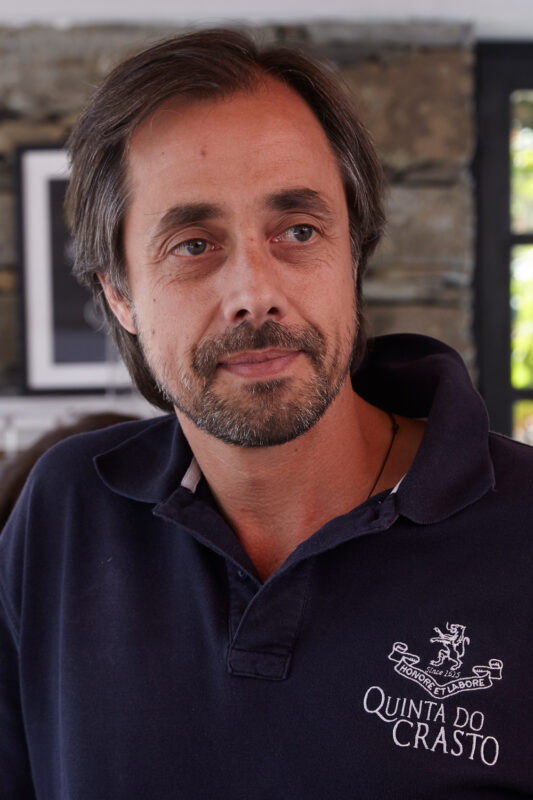
Leonor and Jorge Roquette reset the direction, and Miguel, Tomas and Rita Roquette later helped drive its development. Today the house joins historical continuity to clear contemporary work: family-led, strategically alert, and untouched by folklore as a business model.
Quinta do Crasto is part of the Douro Boys, a circle of renowned family-owned estates in the Douro that have helped shape the region’s international reputation since 2003—far beyond Port wine alone. Today, the group also includes Quinta do Vale Meão, Niepoort and Quinta do Vallado.
Character of the estate
Crasto has a philosophy, and one notices quickly that it did not come from a marketing department. Origin is not a decorative claim here but the operational basis of the estate. Old mixed plantings, schist, altitude, exposure, and the tension between Cima Corgo and Douro Superior shape the thinking.

At the same time, the property never gets stuck in heritage mode. It works with old lagares, but also with temperature-controlled vinification, parcel logic and a sharply defined idea of quality. Its ecological line also feels credible because it is not displayed as a moral accessory.
Crasto is neither a natural-wine pose nor a luxury machine. The signature is distinctive, consistent and legible over time: Douro with depth, structure and freshness, not merely weight. Even where technique is highly present, origin remains readable. That is rarer in this trade than people like to admit.
The wines
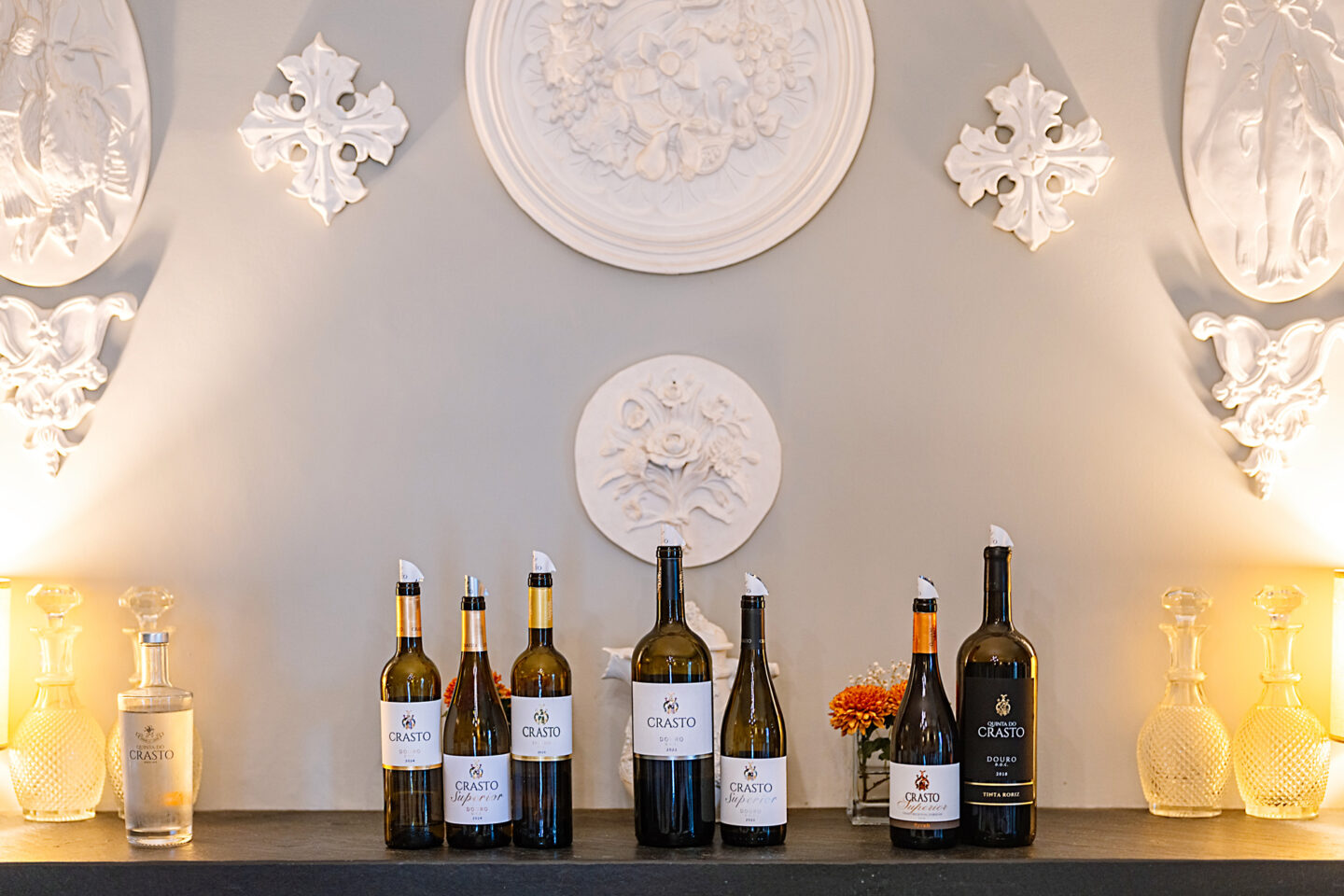
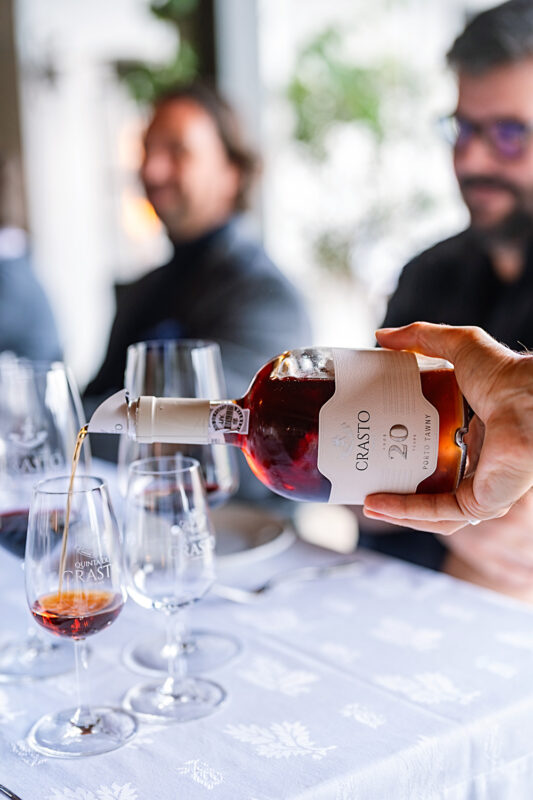
The range is broad without drifting apart. In the still Douro wines it runs from Flor de Crasto Red and White through Crasto Red, White and Rose to Crasto Superior Red, White and Syrah; then come Crasto Altitude 430 and the single-vineyard and varietal wines Vinha Maria Teresa, Vinha da Ponte, Tinta Roriz, Touriga Nacional and Touriga Franca. Ports extend from Finest Reserve and LBV to Vintage Port, plus 10-, 20-, 30-, 40- and 50-Year-Old Tawny and Colheita.

The estate also produces olive oil. Crasto is especially strong where old vines, small quantities and site pressure converge. Vinha Maria Teresa is one of the house icons; the 2019 vintage received, among other distinctions, 20 points and Best Red from Grandes Escolhas, 98 points awarded by Robert Parker’s Wine Advocate, as well as 95 points from Wine Spectator and Wine Enthusiast. Vinha da Ponte remains highly limited, usually under 4,000 bottles.

Crasto Reserva Old Vines 2022 received 93 Parker points and Grand Gold at the Wines of Portugal Challenge. Recent vintages of Touriga Nacional and Tinta Roriz have also been highly rated. HONORE, the anniversary cuvee built from Vinha Maria Teresa and Vinha da Ponte, extends the upper end further. This is not prestige theatre but a coherent, durable portfolio. The Ports keep the same tension and the olive oil completes the estate’s picture.
Quality of winemaking
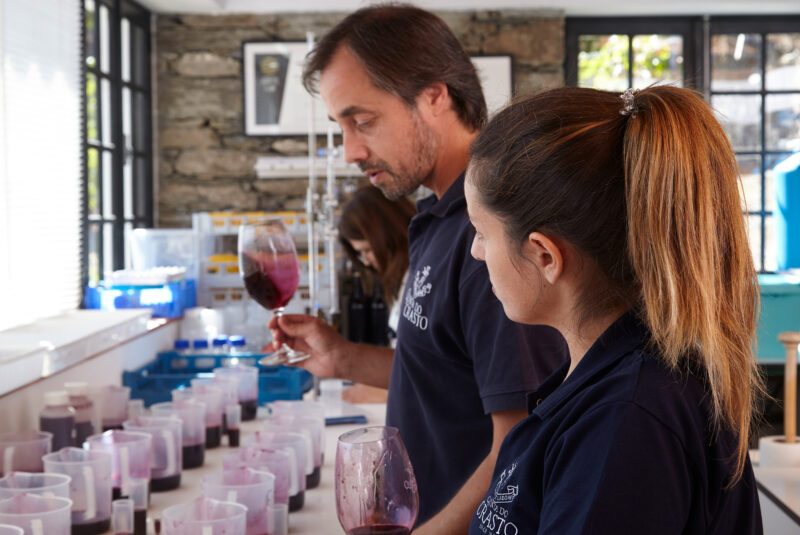
The quality of Crasto begins where it has to begin: in the vineyard. Old vines on schist terraces, selective hand harvesting, clear varietal choices according to altitude and exposure, and a visible understanding of what each site can actually deliver.

White varieties such as Rabigato, Viosinho and Verdelho are planted in cooler, higher sites; reds such as Touriga Nacional, Touriga Franca, Tinta Roriz and Sousao where ripeness and structure can properly develop.
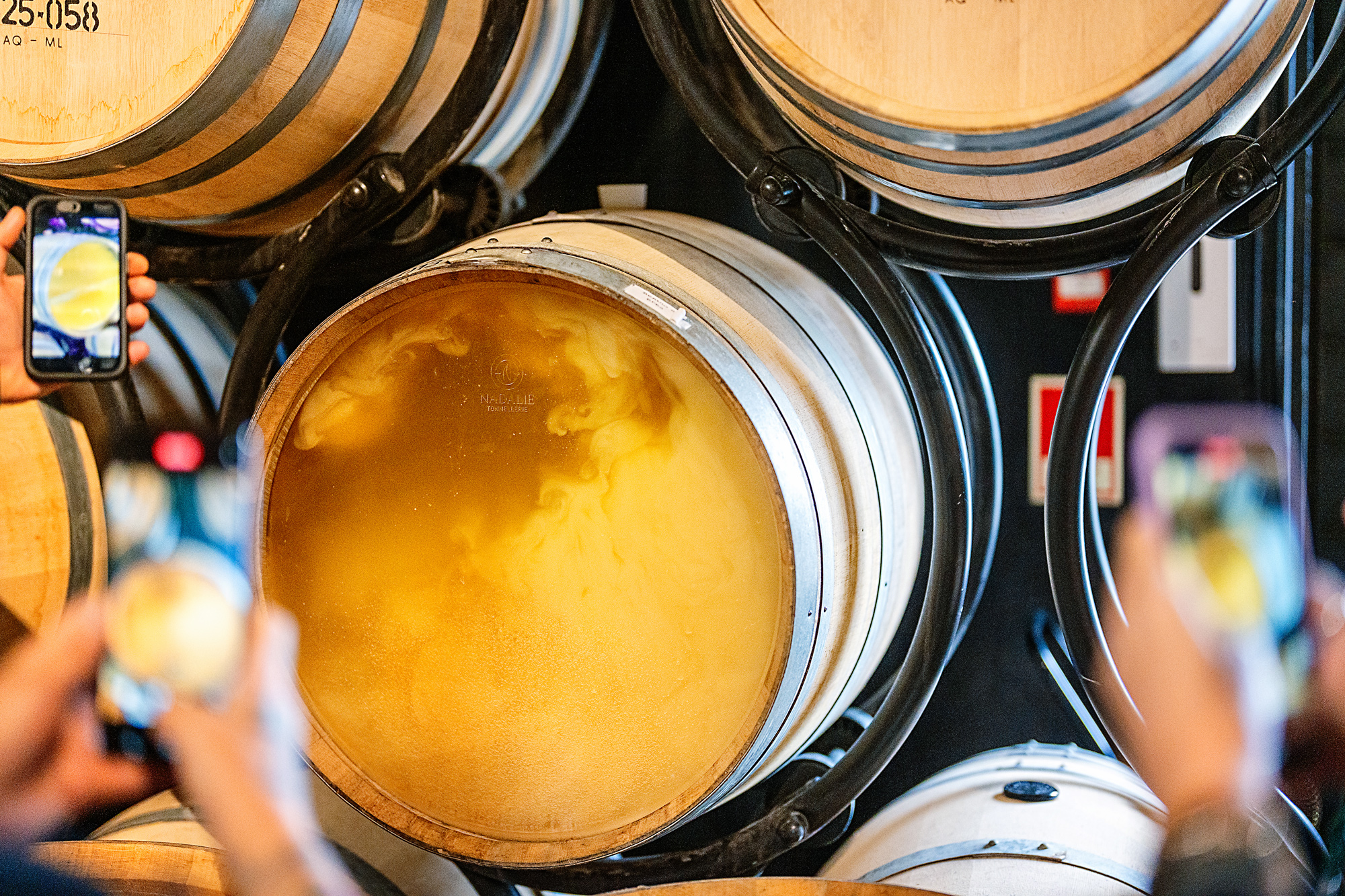
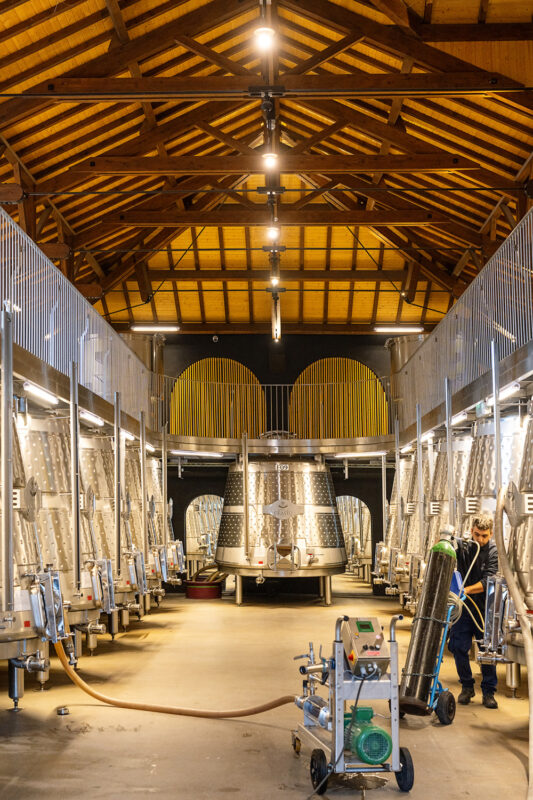
This is not romantic; it is sensible. In the cellar, the same logic continues. Traditional lagares remain important for top Ports, while the estate also works with temperature-controlled fermentation, strict selection and clearly defined ageing periods. Manuel Lobo and Catia Barbeta are publicly identified with this precise, controlled line.
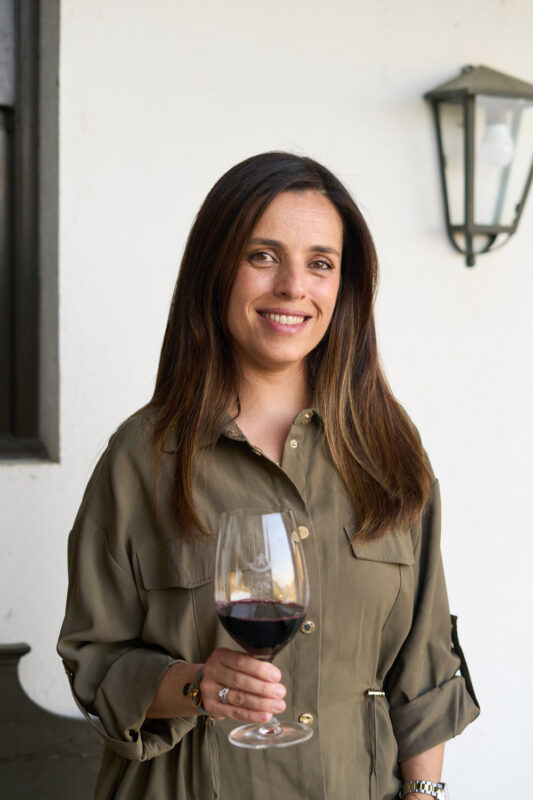
Cátia Barbeta took her first steps in the wine industry in her hometown of Braga, where weekly wine tastings with friends sparked her passion. With a degree in biology, postgraduate studies in wine and oenology, and a degree in oenology, Barbeta began working as an harvest intern at Quinta do Crasto in 2008. In 2023, Cátia Barbeta took over the role of Director of Winemaking from Manuel Lobo and has since been dedicated to preserving the quality that characterises the wines of Quinta do Crasto.
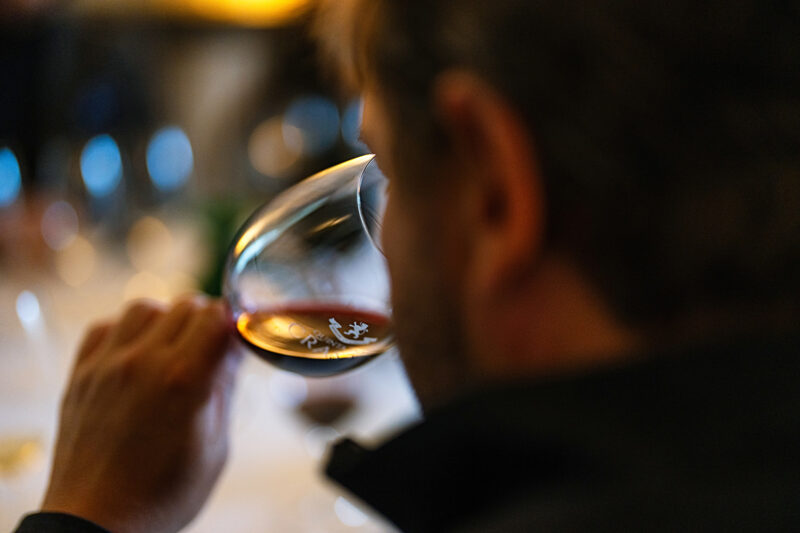
What matters, though, is the result. Even the entry labels feel balanced and fresh; above them, texture, length, tannin and ageing potential become denser. Where oak is used, it does not arrive like a furniture showroom. Technical cleanliness never tips into sterility, concentration never hardens into weight.


The wines keep drinkability without giving up complexity. Crasto’s consistently high ratings across different vintages suggest more than a run of favourable years. They suggest system, discipline and expression. Quality shows here, too, in the fact that the style does not depend on prestige alone: the top tier feels like the logical continuation of the same work.

Overnight stay
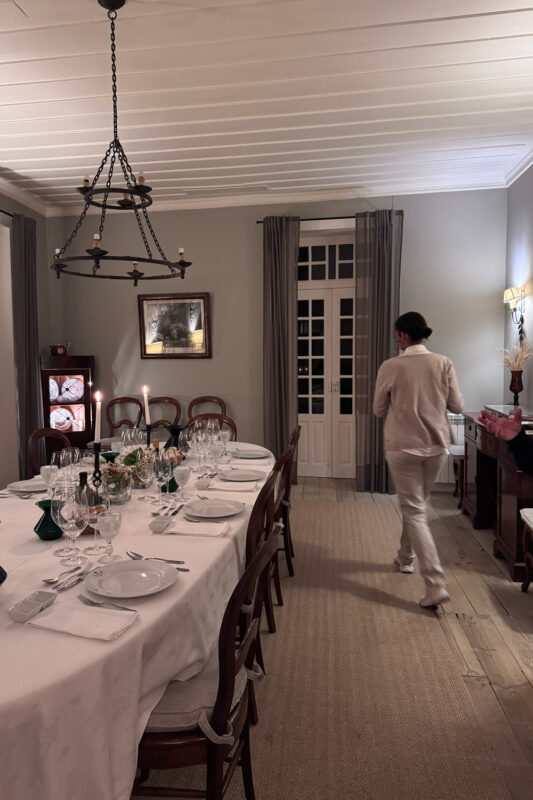
Quinta do Crasto is not a classic wine hotel with freely bookable rooms. The manor house is used to receive wine-tourism guests; the rooms in the main house and four renovated suites are reserved for the family and their guests.

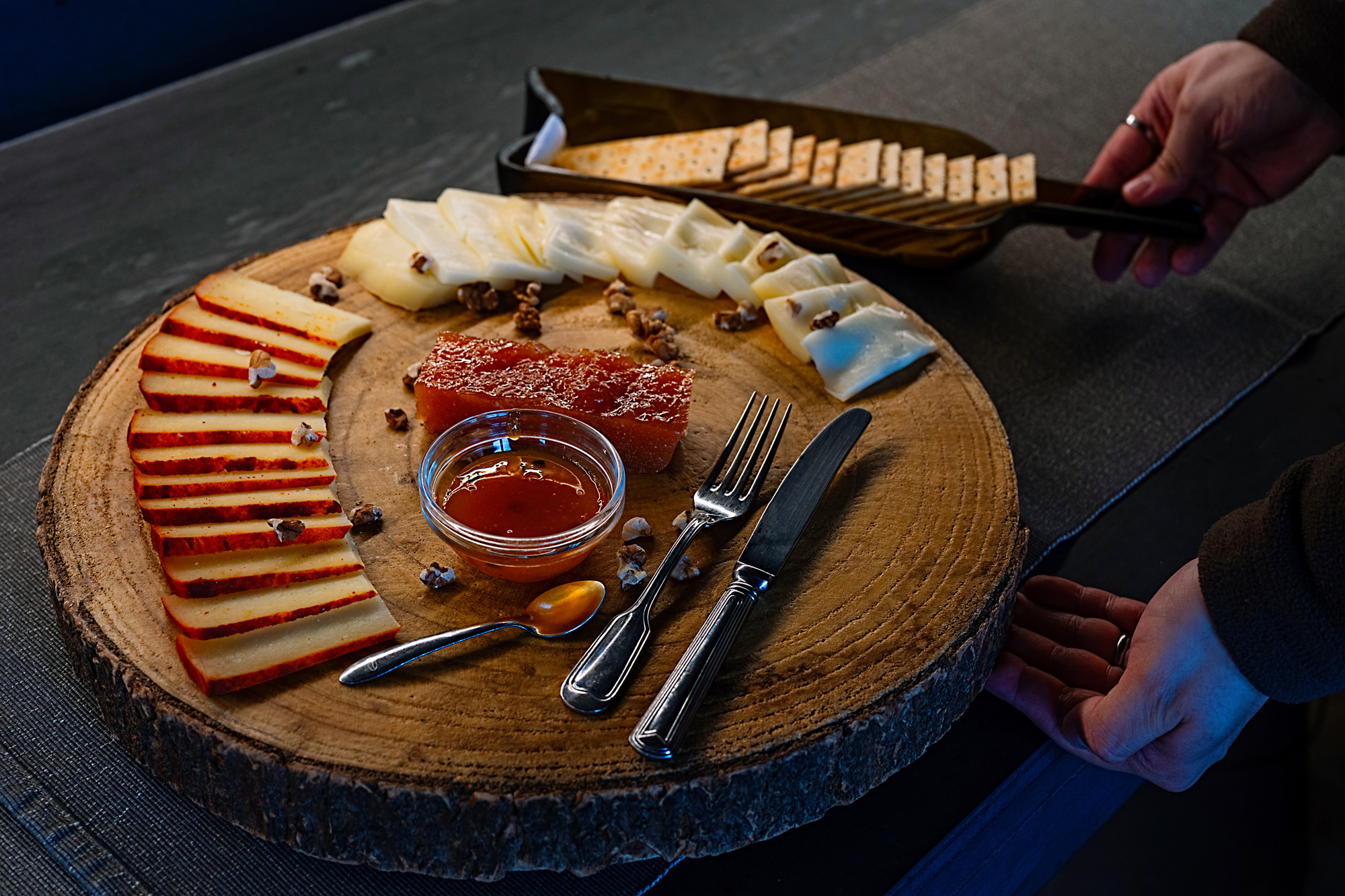
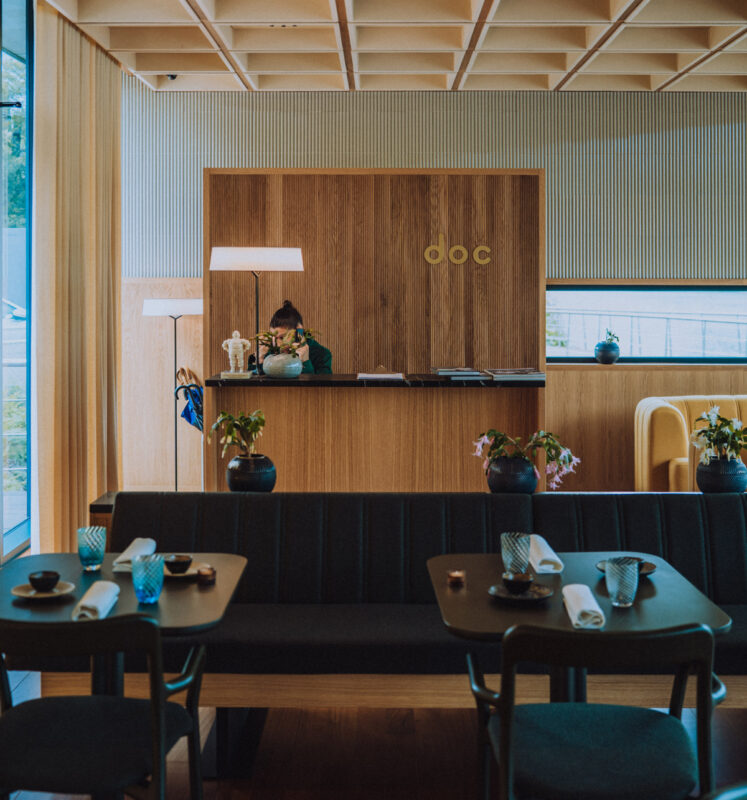
What is publicly accessible are visits, tastings, lunch and dinner by prior arrangement. That limit is part of the place’s interest. It does not simulate hospitality in hotel mode; it opens itself in a controlled way as a family estate. Visitors can also book tours through the cellars, lagares and vineyards, browse the wine shop and combine programmes with Douro boat trips.
The well-known pool, designed by Eduardo Souto de Moura, has long become part of the estate’s visual story. Even so, it reads less as a social-media lure than as architecture adding a clean line to the landscape. So one visits not a hotel operation but a private place with professional hospitality.
Conclusion
Quinta do Crasto has a clear identity and carries it without noise. The estate reflects its origin credibly: Cima Corgo, Douro Superior, schist, old vines, mixed plantings, a parcel-based awareness. None of this feels like scenery. In the vineyard the work appears careful and long-term; even the ecological stance stays concrete enough to be more than a tasteful label for urban conscience. In the cellar, tradition meets precision.

The wines show technical cleanliness, sensory balance and a readable progression from entry level to top tier. That, more than any single icon bottle, is what makes the estate convincing. Not only the prestige wines succeed; even the base and mid-range levels carry a recognisable signature. Reserva Old Vines, Touriga Nacional, Tinta Roriz, Vinha da Ponte and Vinha Maria Teresa extend the spectrum upward without leaving the lower range pale.
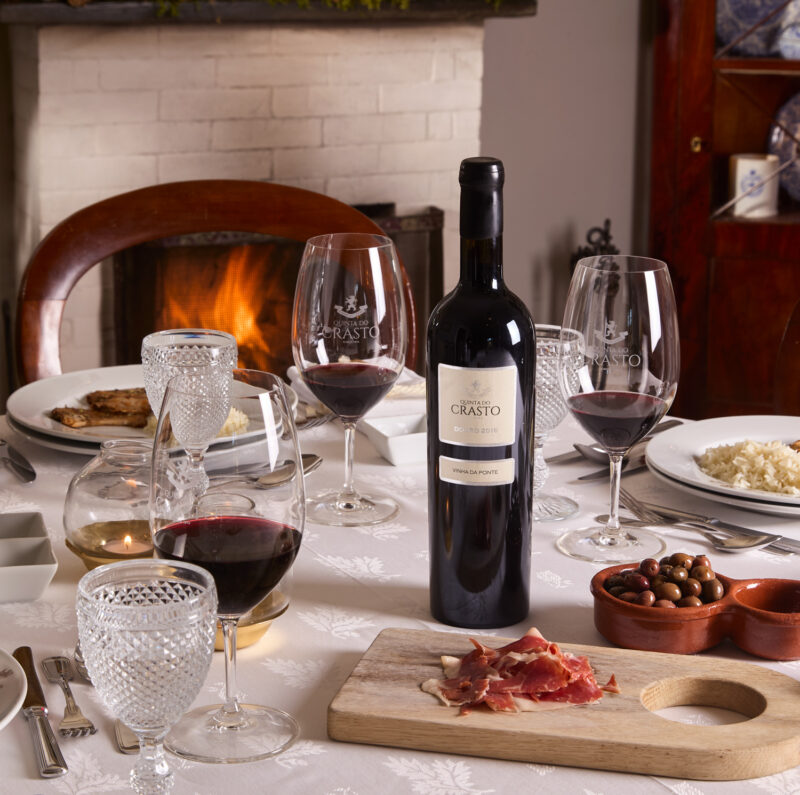
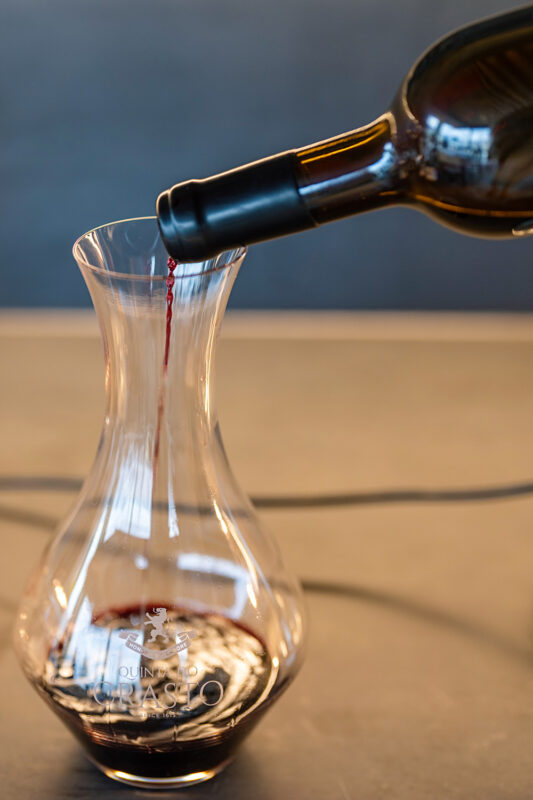
Added to this is the human form of the place: family-led, discreet, concentrated, untouched by the operational buzz of a heavily designed luxury project. Crasto feels important without making a spectacle of importance. In contemporary wine culture, that is almost a category of its own. Anyone looking for an estate that does not pit history, landscape and production culture against one another, but binds them together, will find it here.
Details
- Location + region: Gouvinhas near Sabrosa, Douro, Cima Corgo.
- Site + terroir: right bank of the Douro, schist soils, steep socalcos, in part century-old vines; additional vineyards at Quinta da Cabreira in the Douro Superior.
- Wine range: Douro wines, Port wines, olive oil.
- Ordering: on-site purchase, importers, official website.
- Overnight stay: no regular hotel booking, only exclusive guest use.
- Services: guided visits, tastings, lunch, dinner, wine shop, combinable with Douro boat trips.