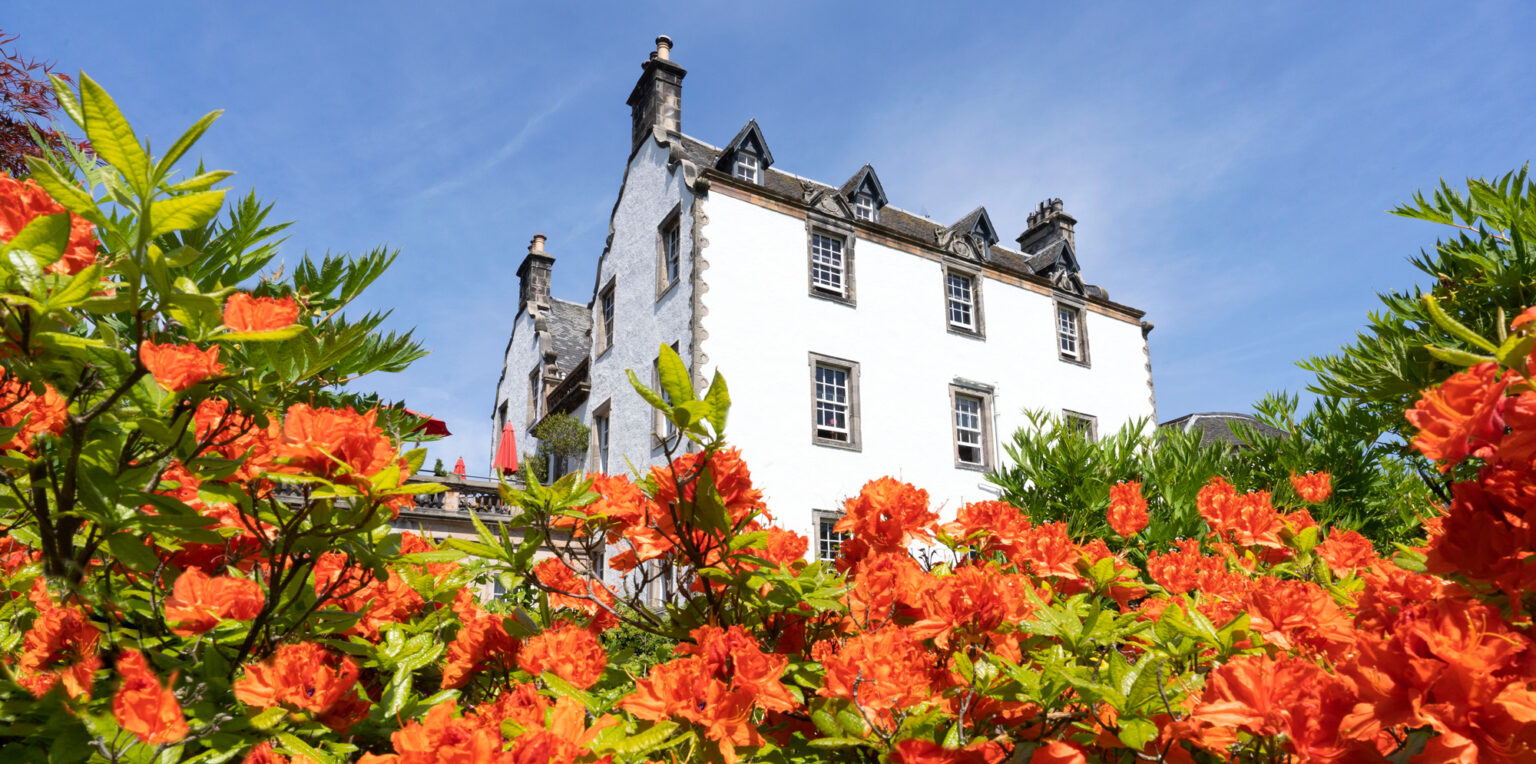
The approach feels less like checking in than slipping sideways into another register of Edinburgh. Traffic thins, the trees close ranks, and the city’s stone rhetoric gives way to lawns, silence and a house that seems to have been waiting for candlelight rather than a key card, or even much explanation.
© Prestonfield House
The location
Prestonfield stands on Priestfield Road, below Arthur’s Seat and beside the open sweep of Holyrood Park, yet only a short drive from Waverley station, the Royal Mile and the old city’s civic theatre. That tension is the point: country-estate seclusion, city access, no compromise.
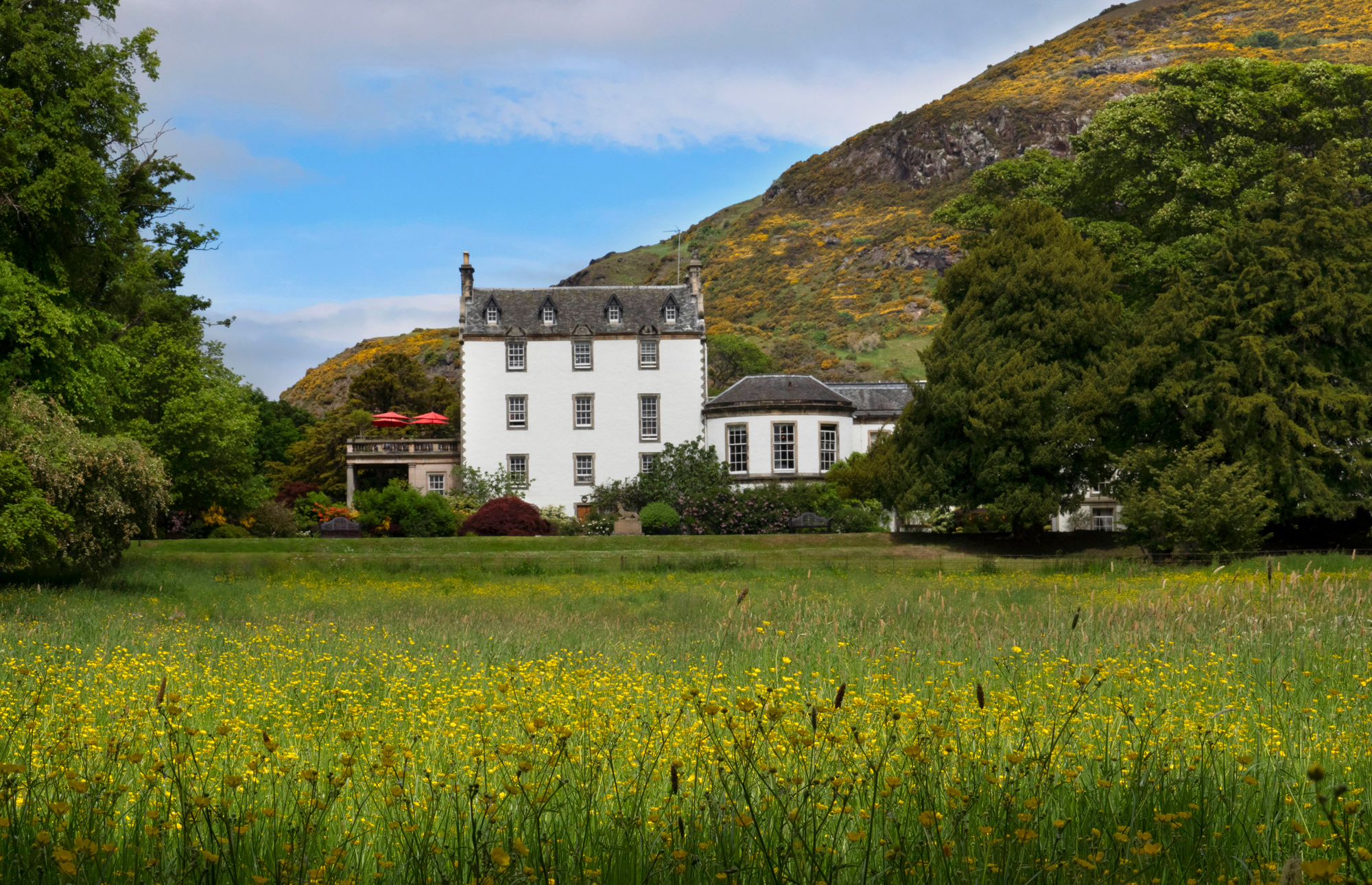
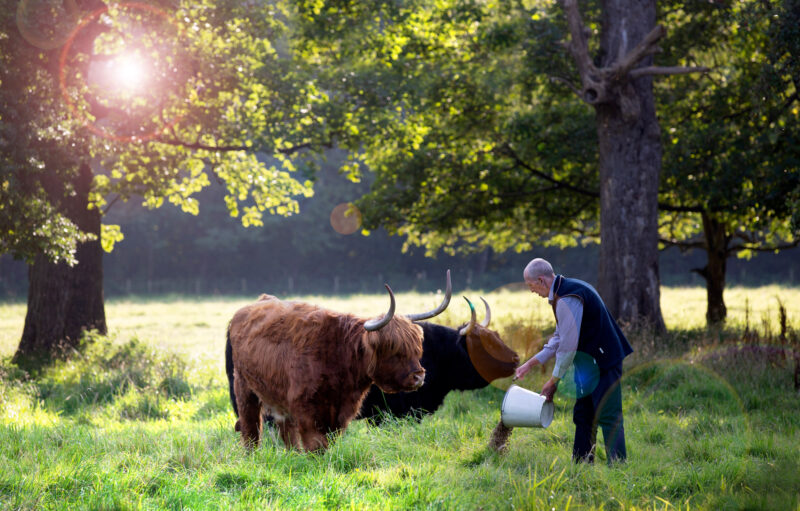
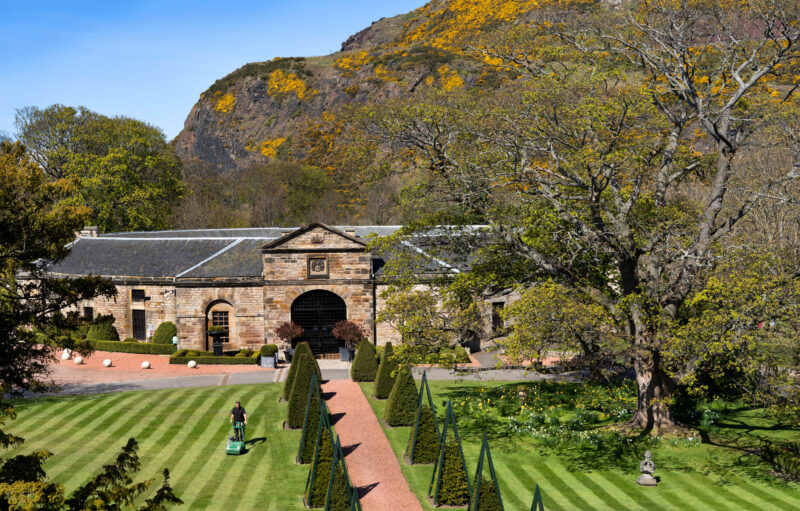
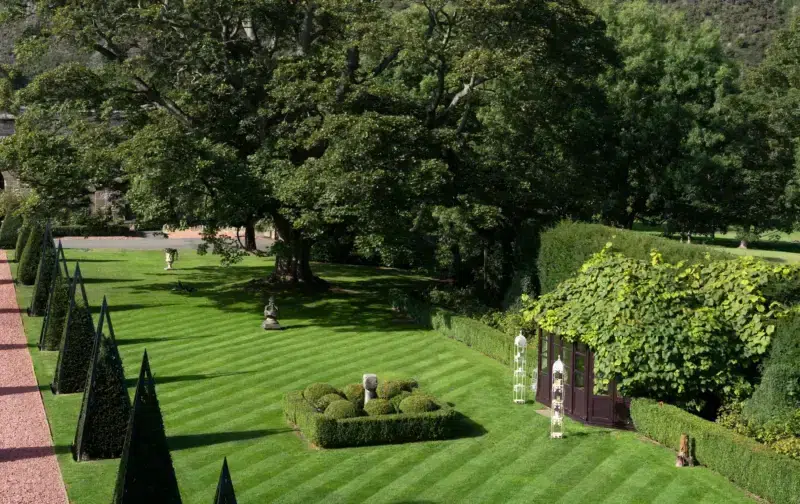
Arrival happens through parkland, with peacocks, Highland cattle and long views doing quiet preliminary work on the mood. Then the house appears: a compact baroque façade in warm stone, formal but not stiff, framed by mature trees and lawns. It looks less like a hotel than a private residence that has decided, very selectively, to admit guests.
Backstory
The estate began as Priestfield, with medieval monastic ties and later ownership by the printer Walter Chepman before Sir James Dick acquired it in 1677. After the earlier house burned, Dick commissioned Sir William Bruce to design the baroque mansion that still shapes Prestonfield’s identity.
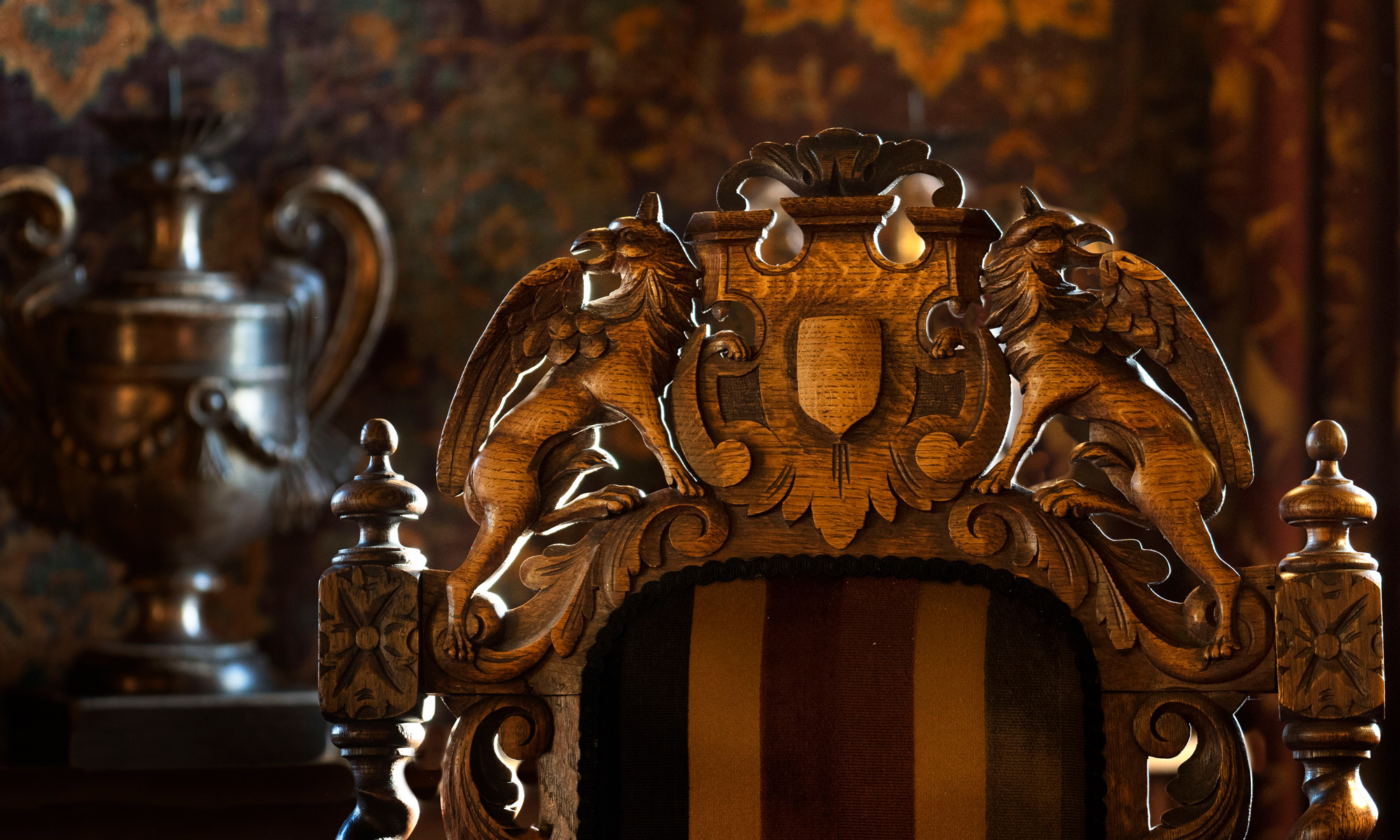
Interiors were enriched with Cordoba leather, tapestries and paintings; later generations added the circular stables and reception rooms associated with James Gillespie Graham. In the eighteenth century Sir Alexander Dick helped introduce rhubarb to Scotland, a botanical footnote that still flavors the house.
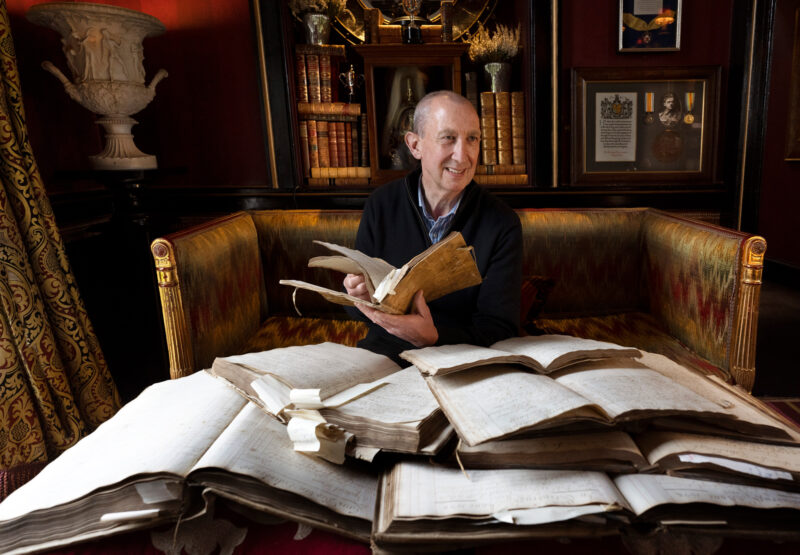
Since buying Prestonfield in 2003, Edinburgh hotelier and restaurateur James Thomson has restored it with drama rather than museum hush. Day-to-day operations are led by general manager Steven Allam.
© Prestonfield House
Interior & architecture
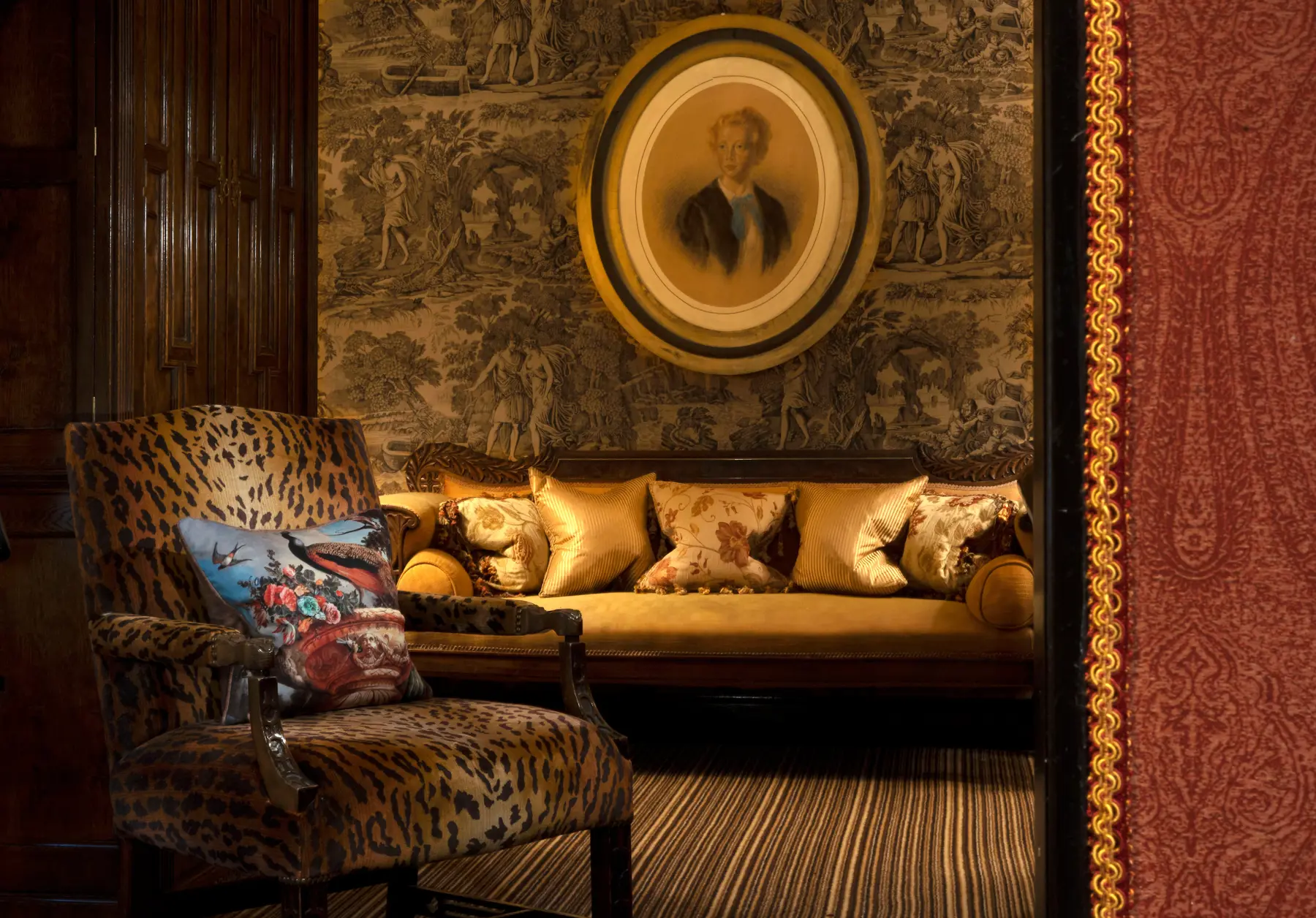
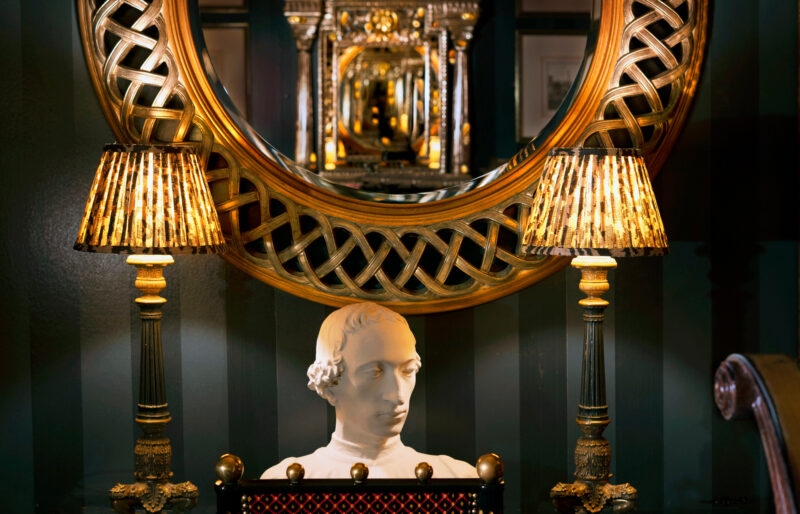
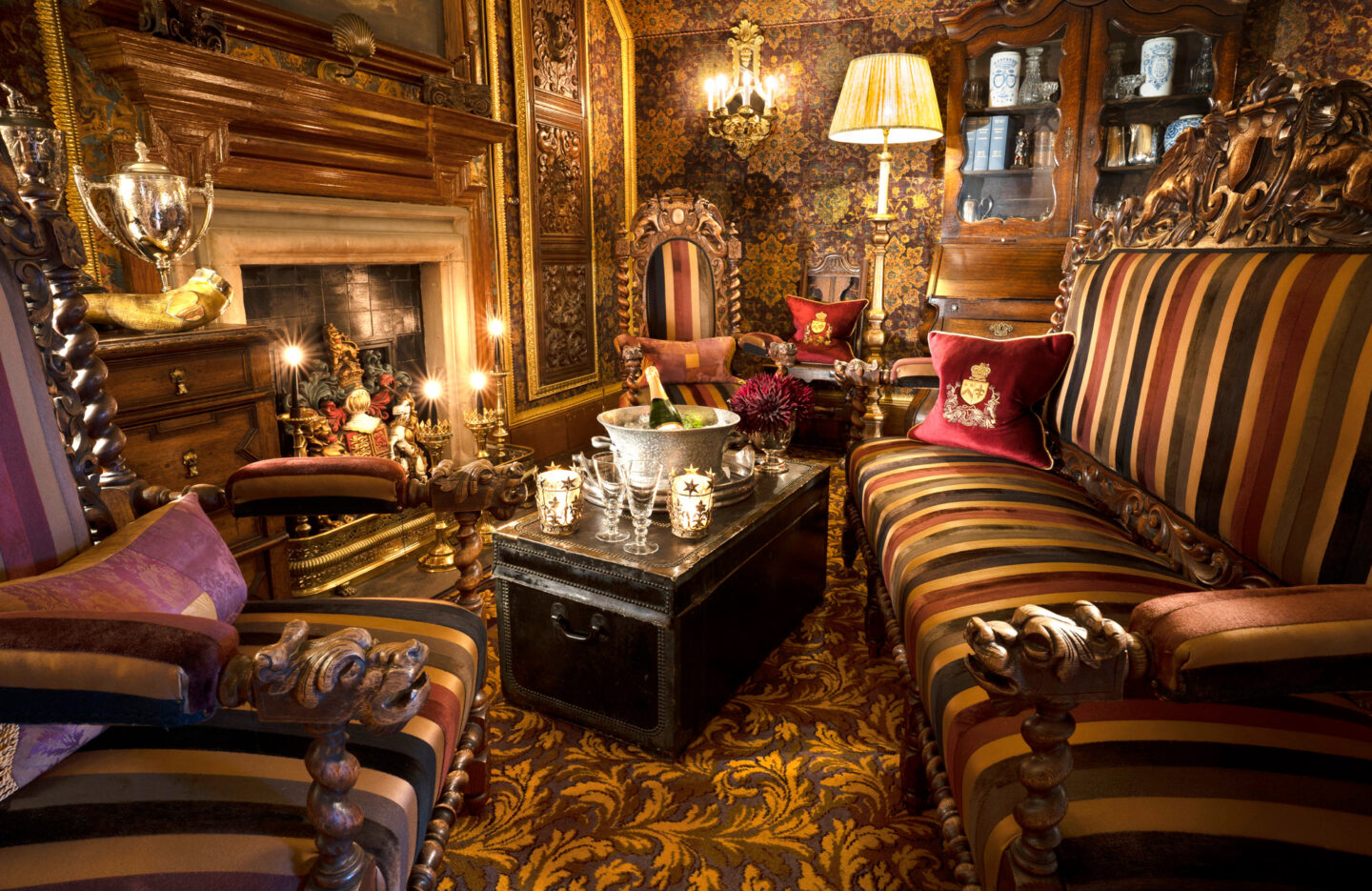
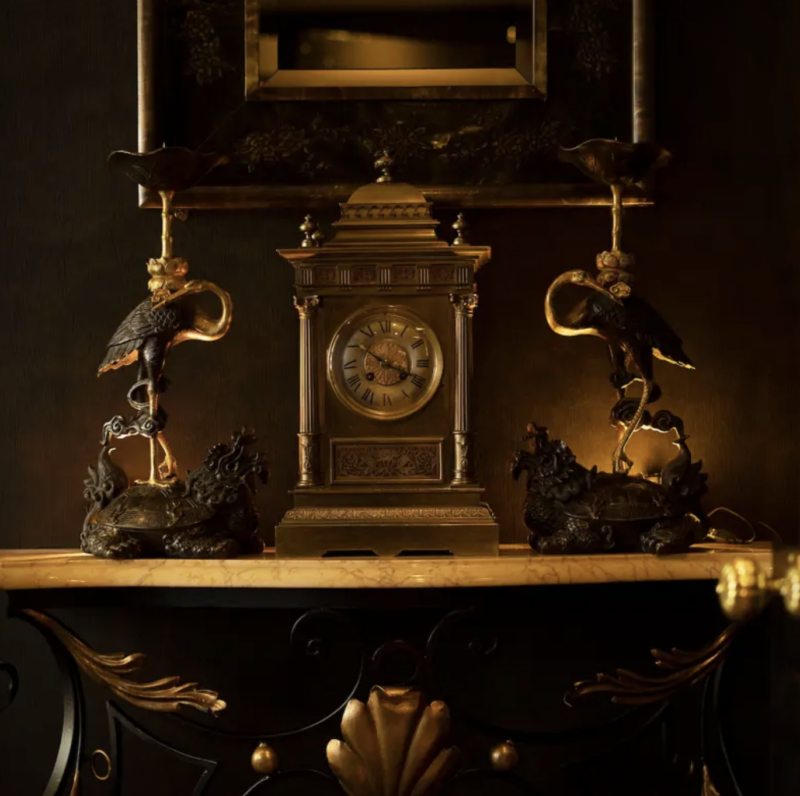
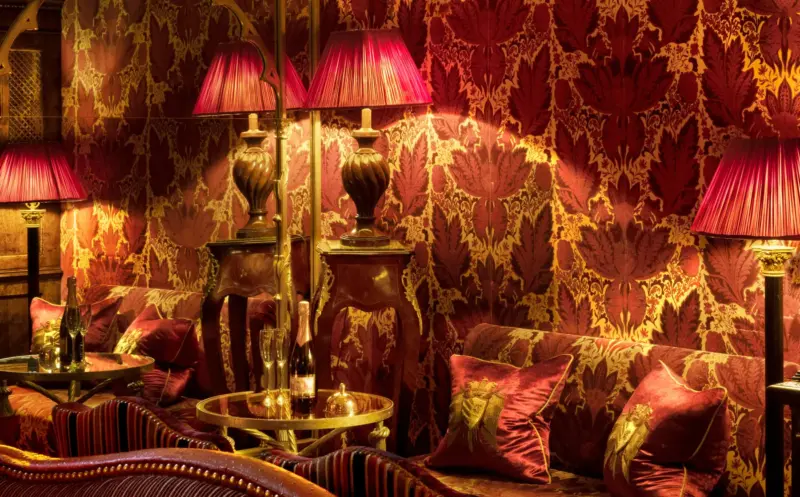
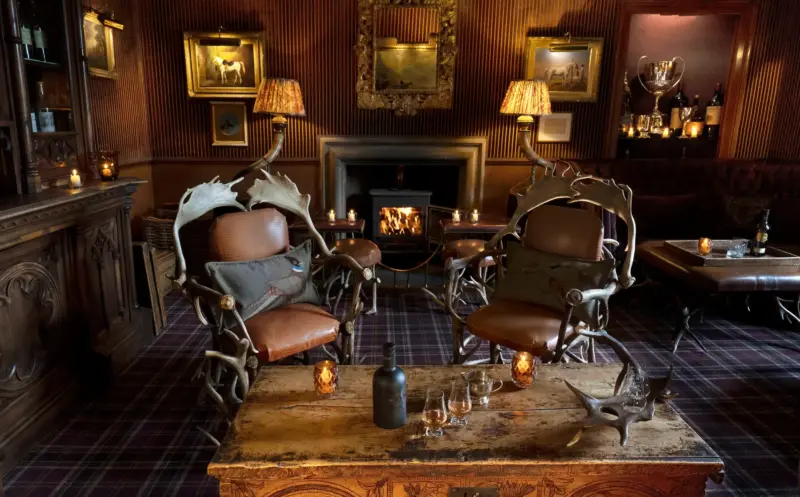
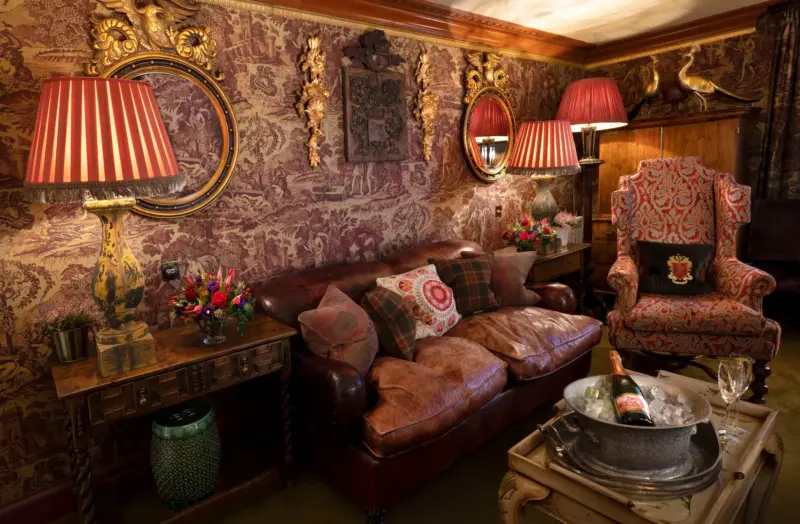
Prestonfield’s design does not flirt with restraint. It prefers depth: lacquered darkness, candlelight, velvet, damask, tassels, gilt, portraits, leather and polished wood. Yet the architecture keeps all this from tipping into costume.
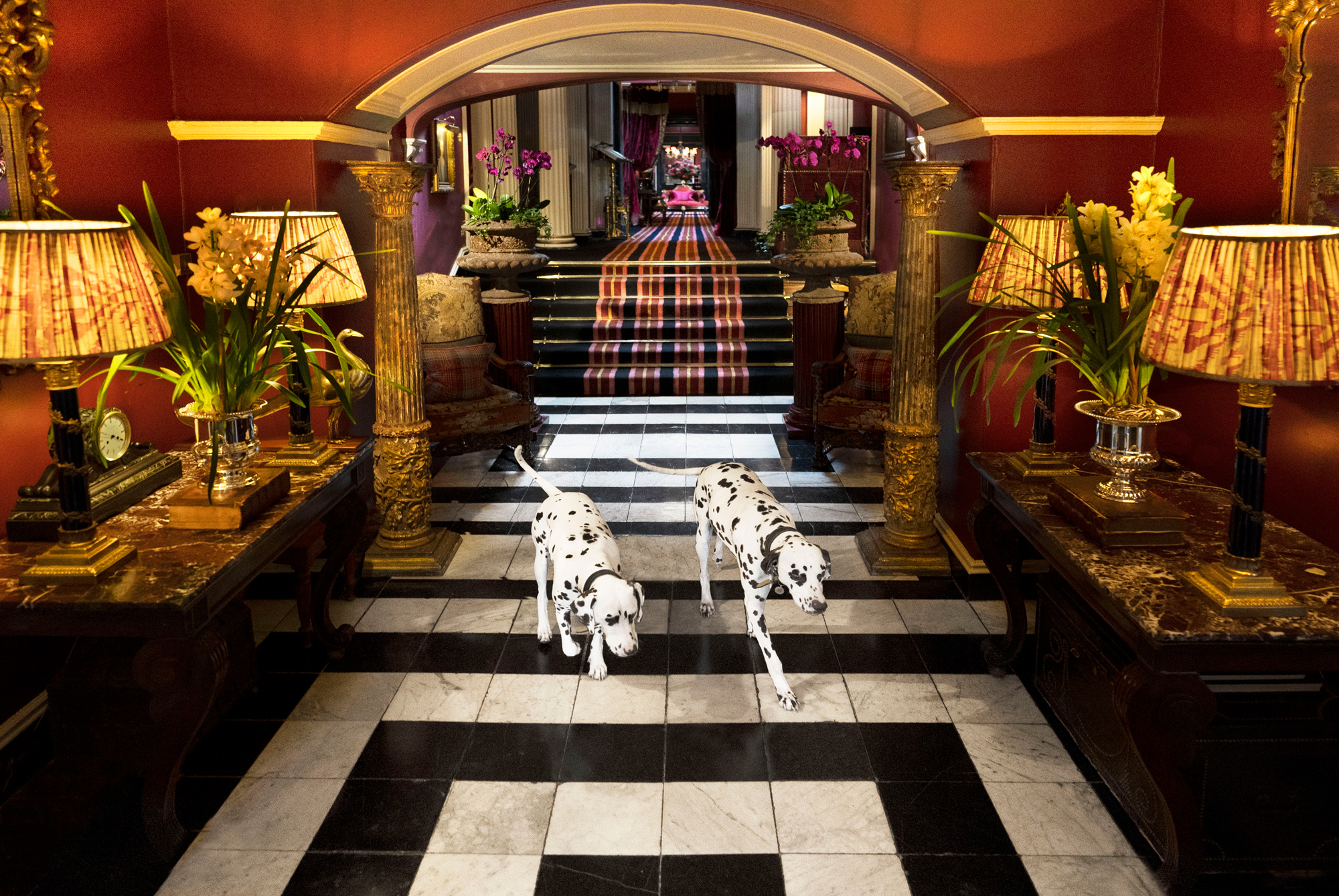
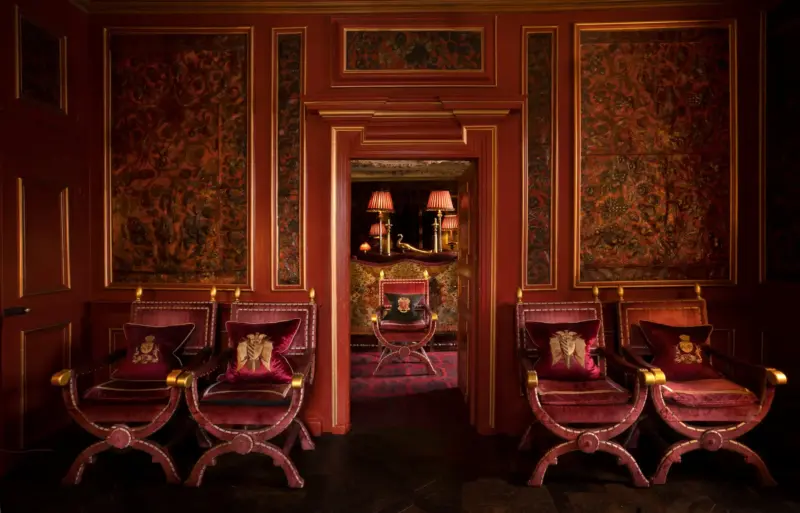
Bruce’s late-seventeenth-century shell supplies proportion and authority; later interventions by James Gillespie Graham add ceremonial flow, especially in the reception rooms and stable complex. The Tapestry Room, created by craftsmen who also worked at Holyroodhouse, is hung with Mortlake tapestries and staged around a fire as if sociability were still an art form.
© Prestonfield House
© Prestonfield House
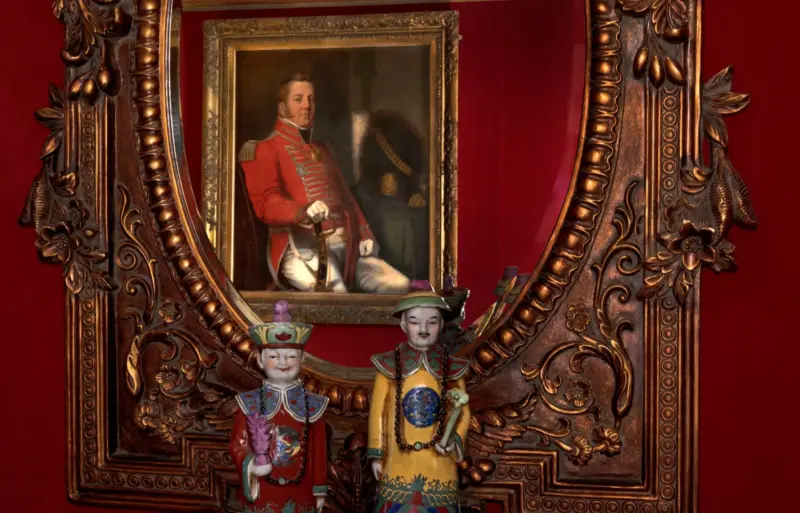
Elsewhere, Cordoba leather wall coverings, Chinoiserie cabinets, painted panels by the Norrie family and ancestral portraits make the house read like a lived collection. Thomson’s restoration backs craftsmanship, patina and atmosphere. Even the excess is controlled.
A look inside
Public life unfolds through a sequence of drawing rooms, bars and dining spaces that encourage lingering rather than circulation. There are 23 rooms and suites in total, each individually dressed rather than rolled out from a brand template.
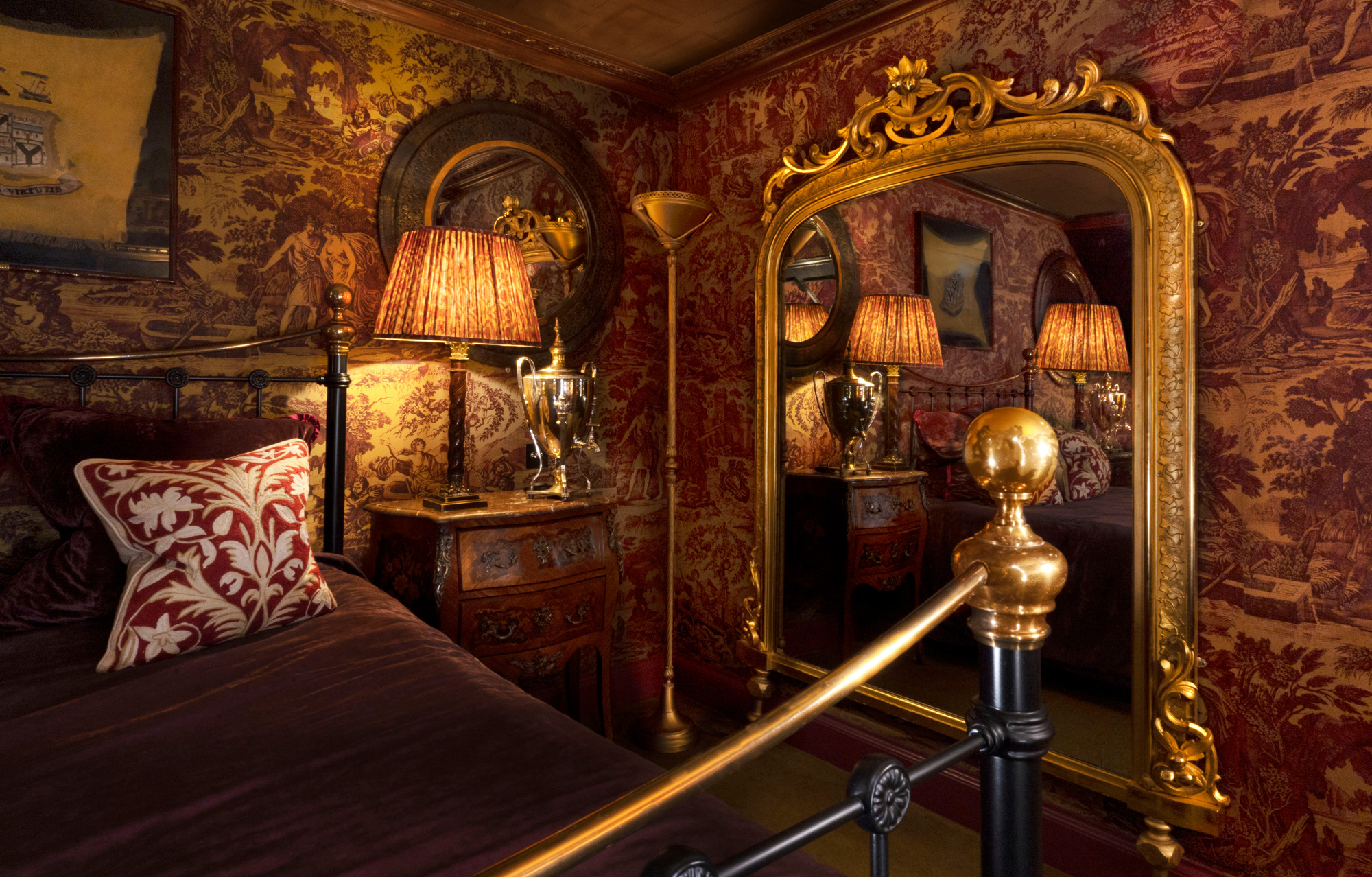
Luxury Rooms sit high under French-style mansard ceilings and dormer windows; Classic Rooms occupy the ground and first floors; the largest Estate Rooms open to double-aspect views across the gardens toward Arthur’s Seat or the golf course.
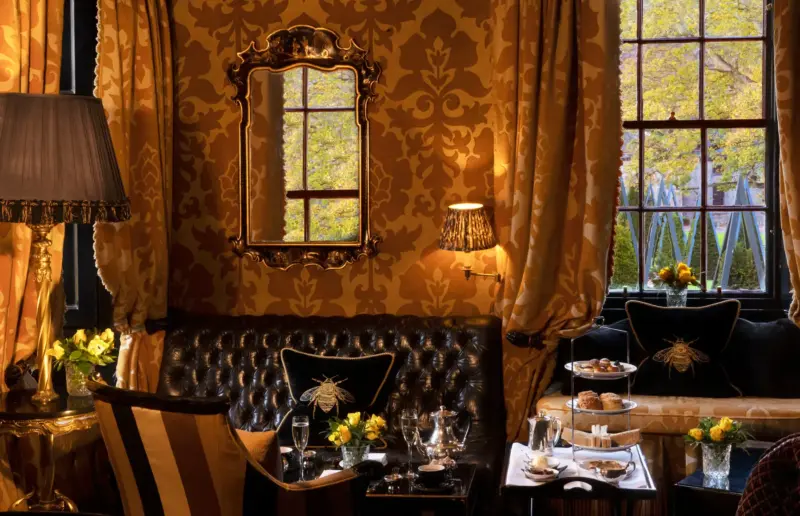
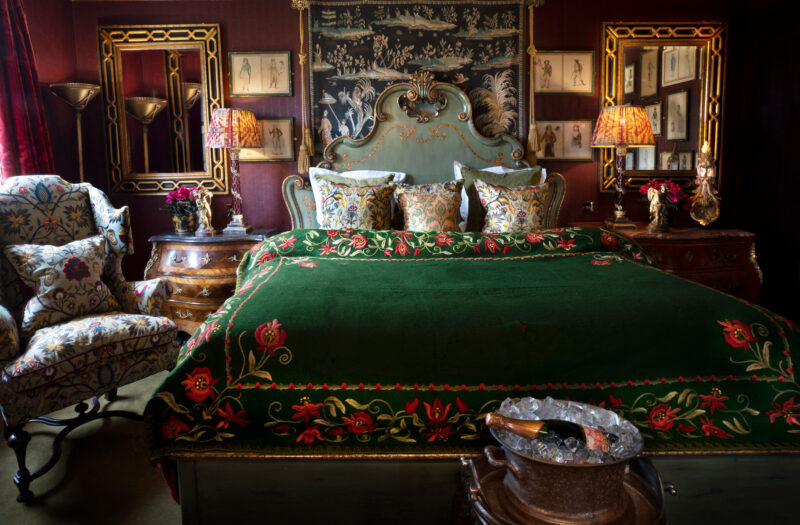
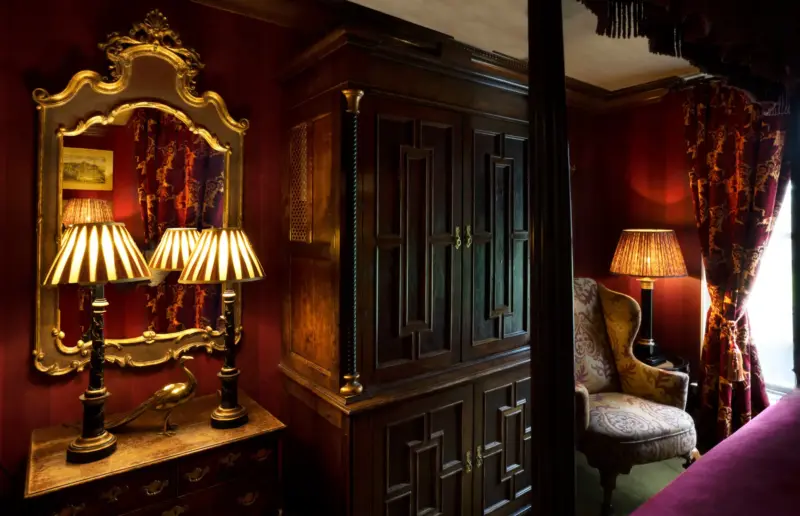
Rich fabrics, antiques, four-poster beds, deep baths and thoughtful lighting do much of the work. Several suites have strong identities of their own, including the Owners Suite, the Churchill Suite and the Alan Ramsay Suite. Comfort here is not anonymous. It has edges, memory and a little swagger.
© Prestonfield House
© Prestonfield House
Culinary
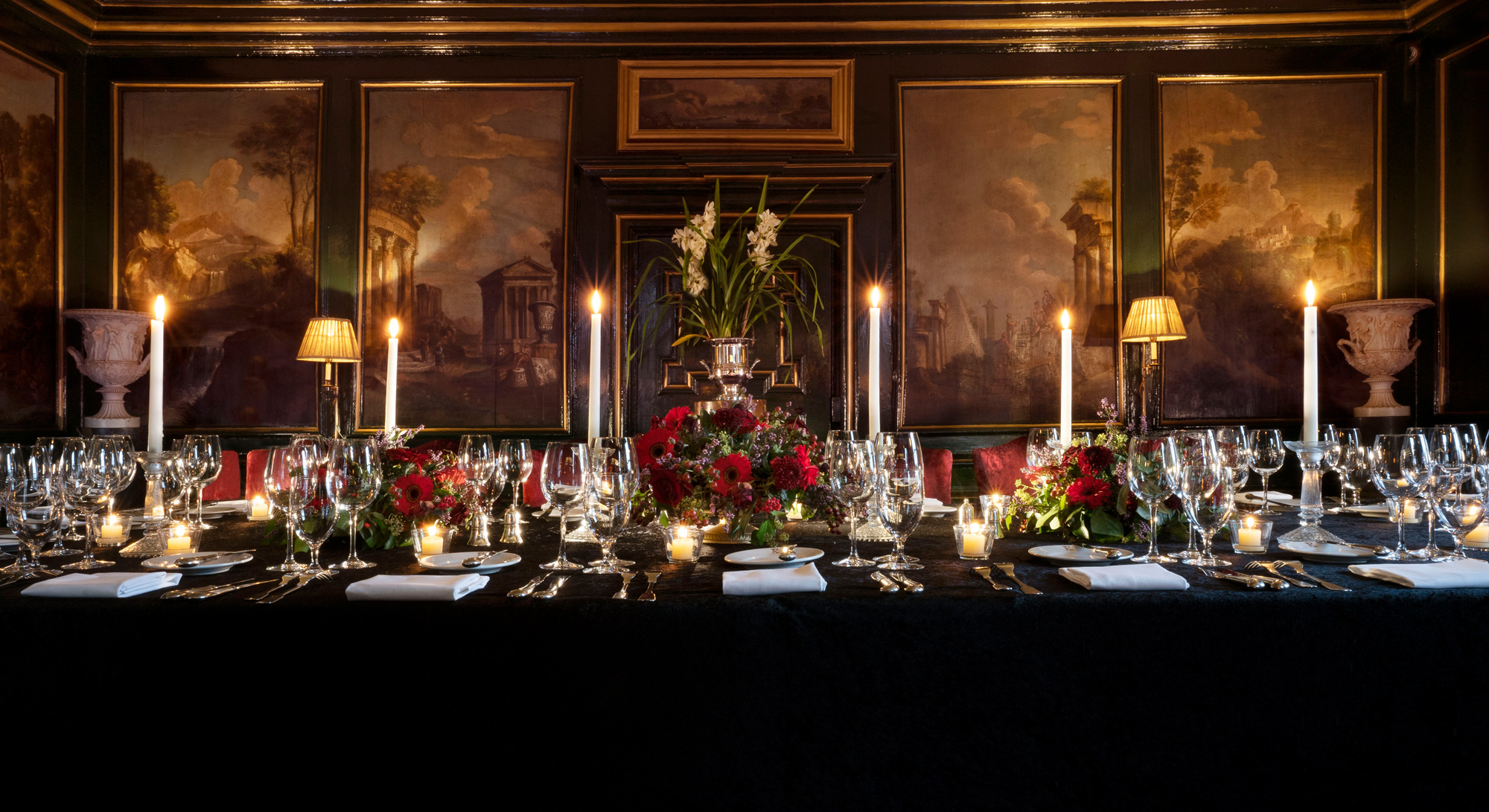
Rhubarb is the hotel’s culinary center and one of the reasons Prestonfield works as more than an atmospheric place to sleep. The restaurant occupies grand Regency rooms at the heart of the house and holds two AA Rosettes, with menus built around seasonal Scottish produce from local artisan suppliers.
© Prestonfield House
Scotch beef, Scottish berries, cheeses and estate-grown rhubarb all appear as part of a kitchen that prefers richness with discipline over conceptual fuss. Service is theatrical in the old good sense: polished, alert, never desperate to explain itself.
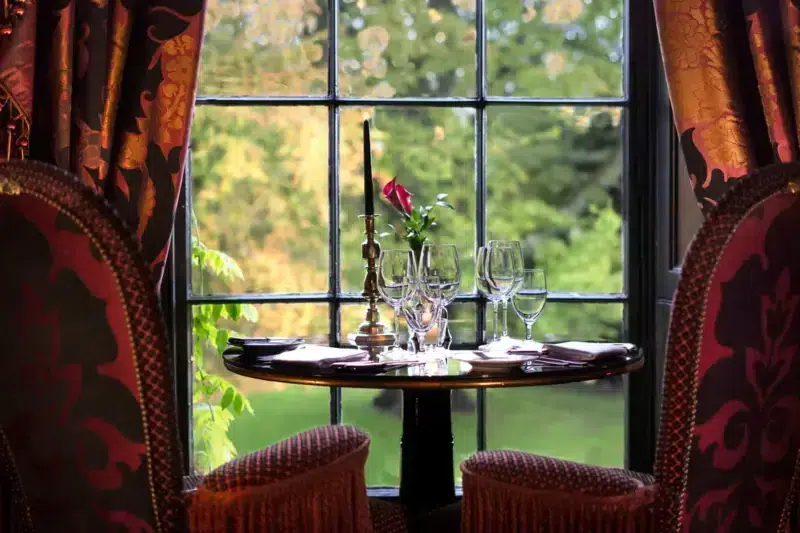
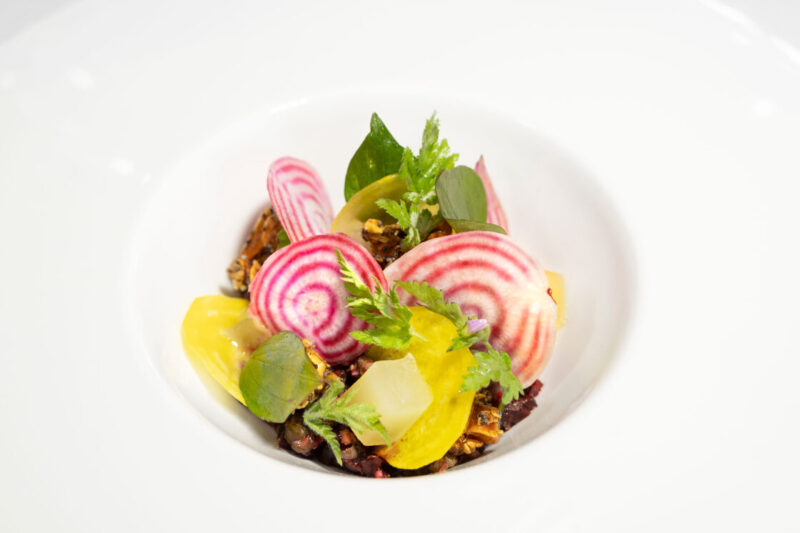
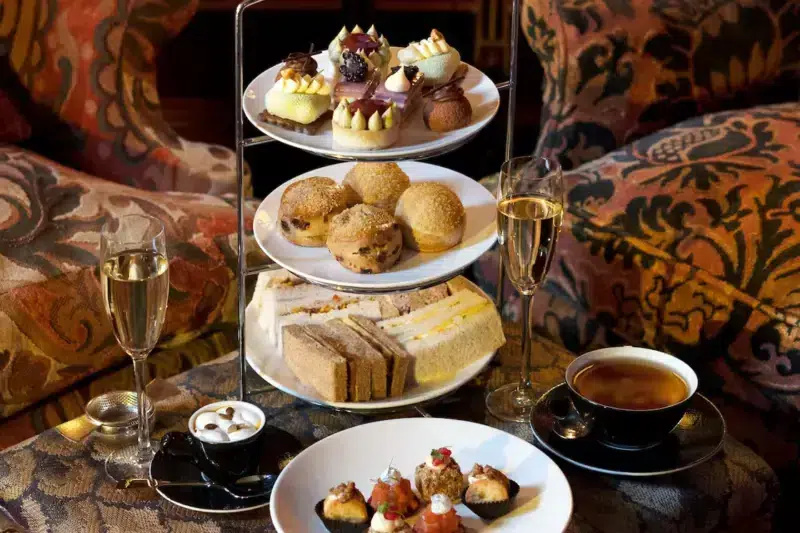
There is also a serious wine program; Prestonfield lists an AA Notable Wine List among its distinctions, and the sommelier shapes pairings for tasting and private-dining menus. Afternoon tea is another local ritual here, served with Billecart-Salmon Champagne, specialty teas and the mild surrealism of peacocks in the grounds. Edinburgh can do pomp. Prestonfield gives it appetite.
© Prestonfield House
© Prestonfield House
Wellness & Relaxation
Prestonfield is not a spa resort, which is part of its intelligence. Relaxation here comes through atmosphere, scale and the management of tempo. The drawing rooms invite long reading, low conversation and strategic retreat; the grounds encourage unhurried walks between lawns, old trees and sudden views toward Arthur’s Seat.
© Prestonfield House
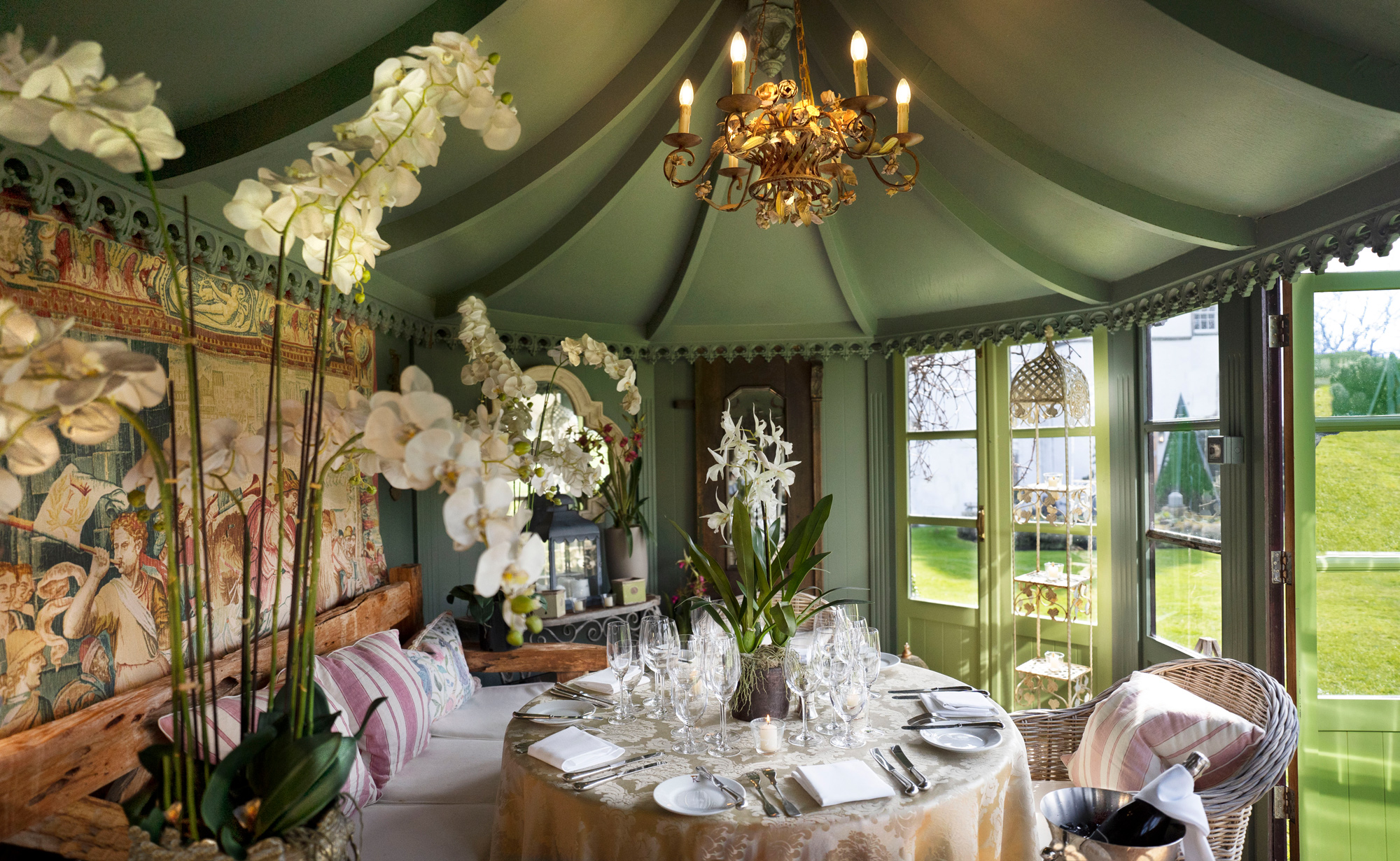
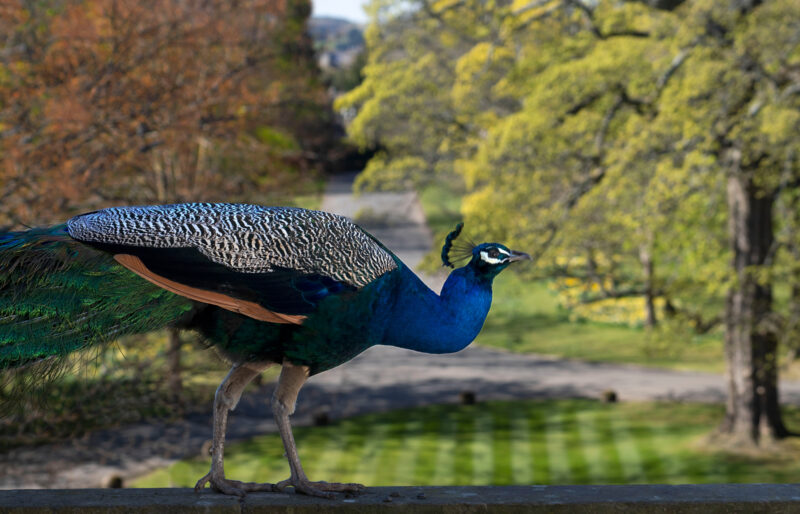
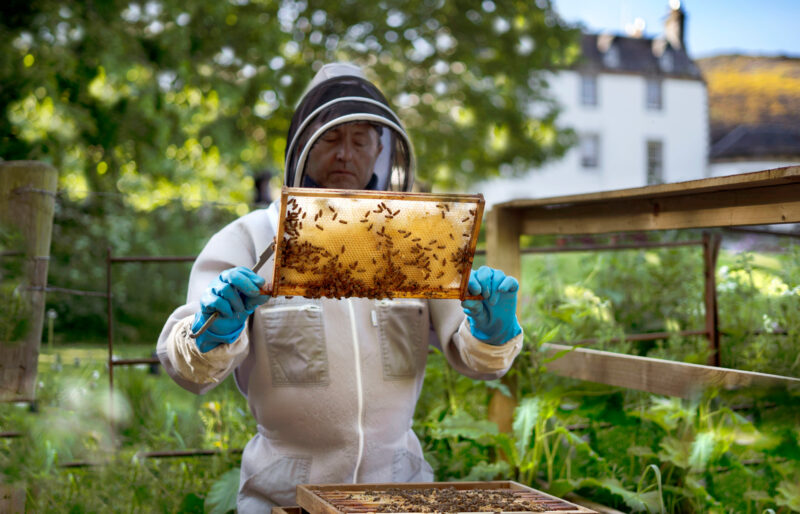
There are beehives, Highland cattle, a resident peacock and enough space for the nervous system to stop performing. For many city visitors that is the more convincing luxury now: not another overlit wellness circuit, but a house that lowers the volume, slows the pulse and lets privacy, quiet and well-managed comfort do the repair work.
Surrounding area
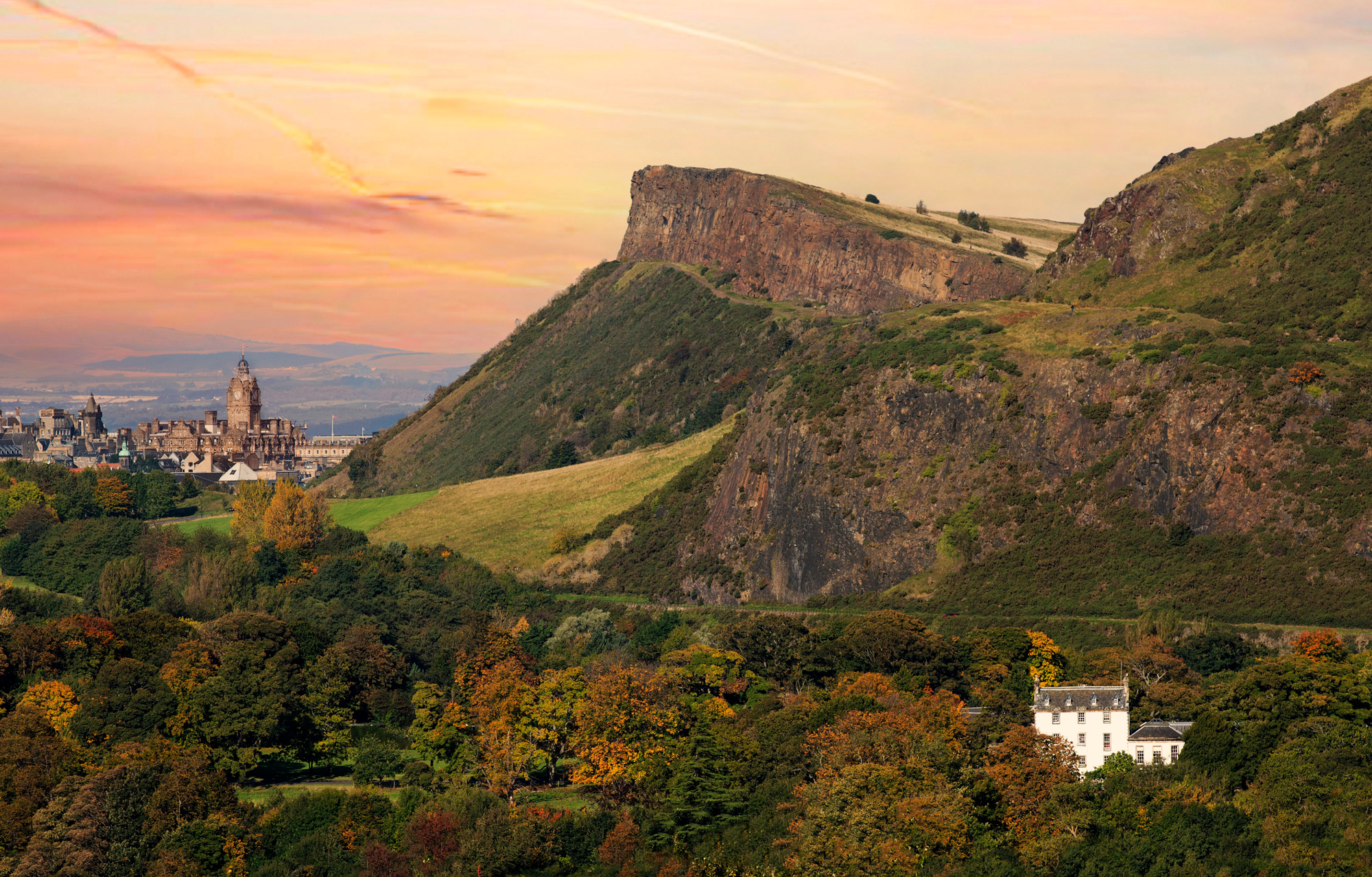
Within minutes, the landscape turns from cultivated seclusion to one of Edinburgh’s most rewarding cultural zones. Holyrood Park and Arthur’s Seat are the obvious landmarks, but the sharper move is to cut through Duddingston to Dr Neil’s Garden, a beautifully composed, quietly contemplative garden beside the loch that still feels like a local confidence rather than public content. In the other direction, Summerhall offers the city in a different key: exhibitions, performance, live ideas, and the enjoyable after-effect of The Royal Dick in its courtyard.
© Prestonfield House
Talbot Rice Gallery, run by the University of Edinburgh, is another strong stop for contemporary art with free admission and a thoughtful programme. For a more liquid form of local craft, Holyrood Distillery brings experimental whisky and gin production into the urban frame. Shopping is best kept specific: independent design, books and small makers in the Southside and Old Town rather than generic luxury retail. Prestonfield is close to postcard Edinburgh, certainly. More usefully, it is close to the version that still edits itself, still makes culture locally and still rewards a guest who walks a little off-script.
Activities
For walkers: set out early across Holyrood Park before the city fully loads, then loop back through Duddingston village and Dr Neil’s Garden.
For art-minded guests: combine Talbot Rice Gallery with Summerhall’s current exhibition programme; it makes a sharper day than queueing dutifully through the obvious institutions.
For design and craft enthusiasts: head to Dovecot Studios for tapestry, textile and design exhibitions, then continue into the Old Town’s independent shops and bookspaces.
For food-first travellers: reserve dinner at Rhubarb, keep lunch light, and use the afternoon for a detour to Holyrood Distillery or a long tea at the house.
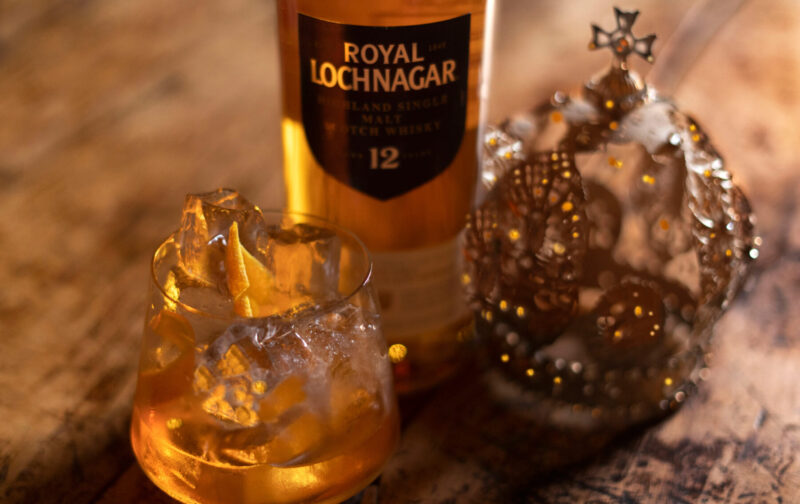
For whisky and spirits drinkers: book a Holyrood Distillery tour; its flavour-led approach feels contemporary without becoming laboratory theatre.
For romantics: stay on the estate. Walk the grounds at dusk, take afternoon tea, read by the fire, disappear into a suite. The city can wait.
For dog owners: Prestonfield is dog-friendly, which matters more on a green urban estate than it does in many hotels that merely tolerate pets.
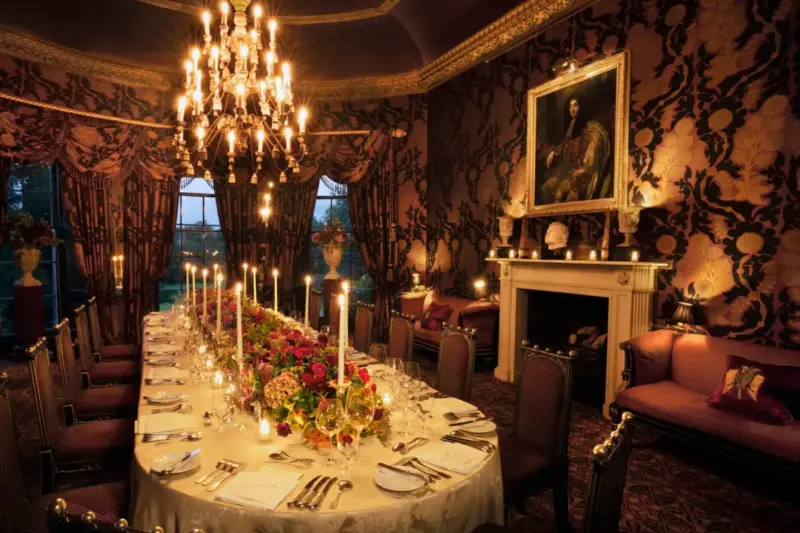
For celebratory groups: private dining rooms and the circular stable block suit milestone dinners, weddings and gatherings that benefit from a little ceremony.
For readers and idle strategists: choose a drawing room, order a drink, watch the light fade, and practice the underrated art of doing very little, well.
For first-time visitors to Edinburgh: use Prestonfield as a base camp, not a bubble. The old city is near; the advantage is that you can leave it again.
Details
- 23 individually designed rooms and suites.
- Standout larger stays include the Owners Suite, Churchill Suite and Alan Ramsay Suite, plus Estate Rooms with broad garden views.
- One main restaurant: Rhubarb, holder of 2 AA Rosettes. Four drawing rooms, three private dining rooms and the circular Stables events space.
- Full Scottish breakfast, Champagne afternoon tea, notable wine service, dog-friendly stays and 20 acres of gardens and parkland with peacocks, Highland cattle, beehives and immediate access to Holyrood Park.