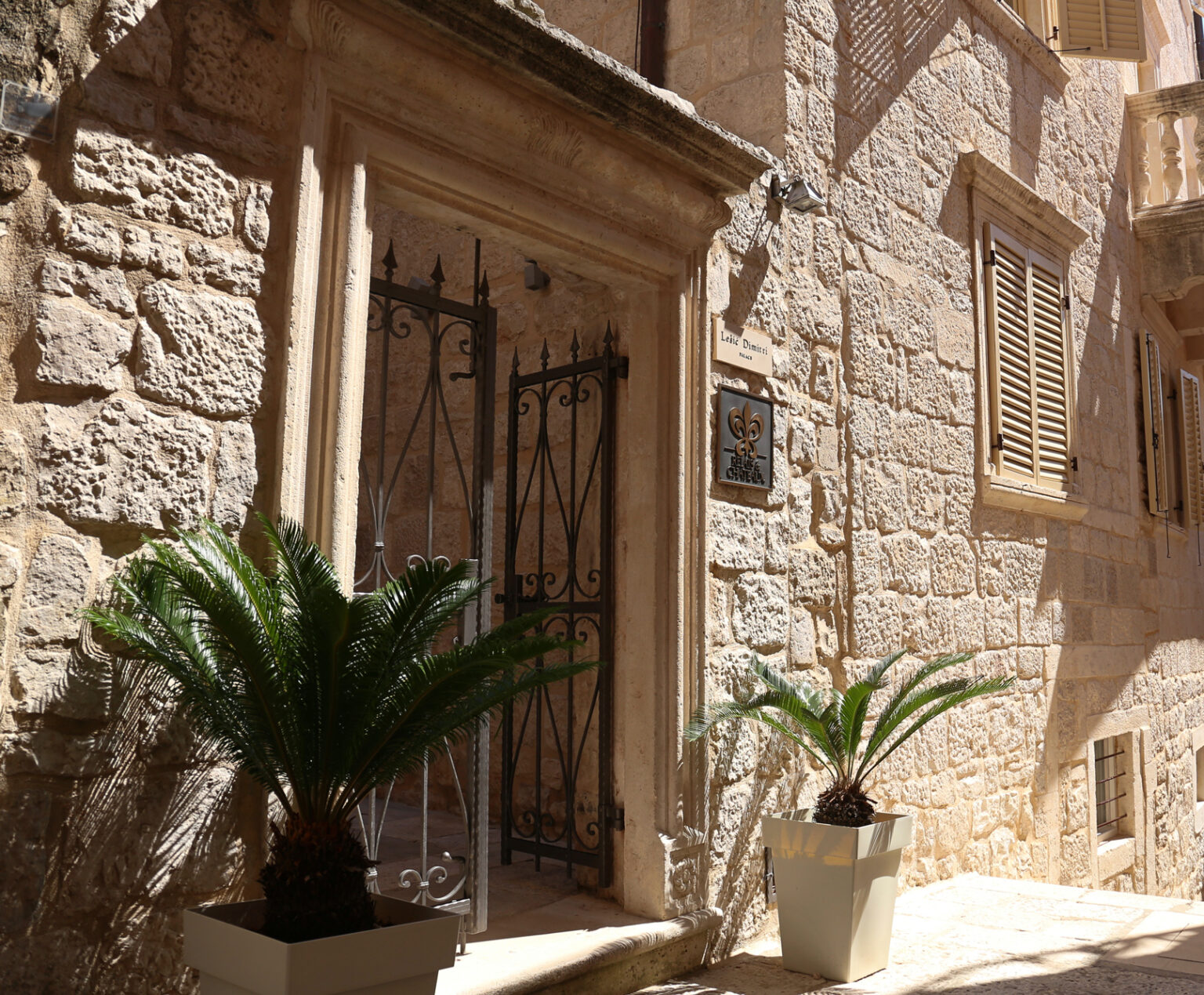
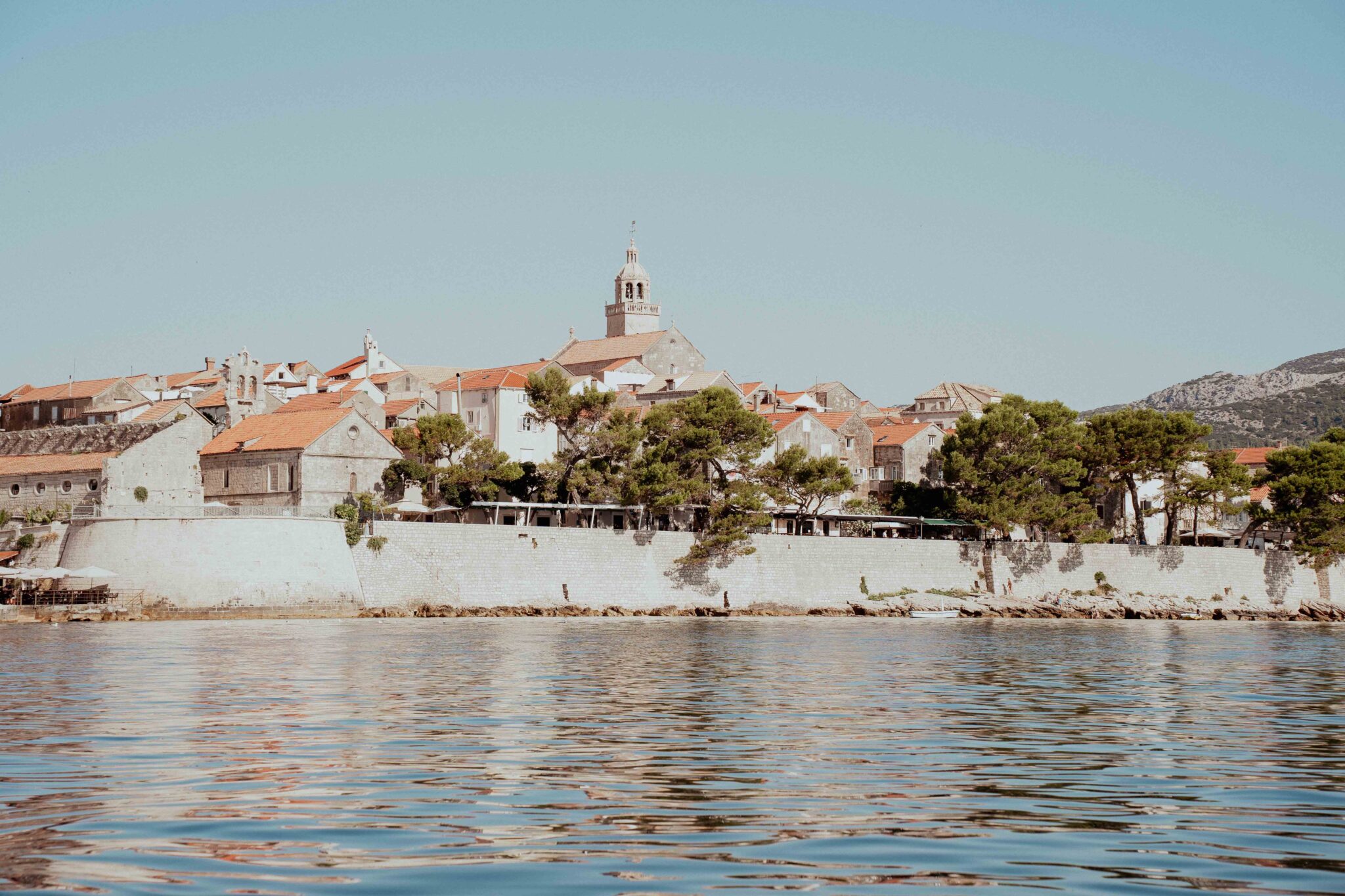
Arriving in Korčula feels like a slow zoom: ferry, walls, pale stone, narrow lanes. Behind old portals, Lešić Dimitri Palace begins without theatre, more like stepping into a hidden town house—calm, exact, immediately interesting.
© Lešić Dimitri Palace
The location
To arrive in Korčula is to enter a harbour town that can seem almost unreal, except that it is built entirely of stone. From the ferry pier, it is only a short walk through the compact old town to Lešić Dimitri Palace on Don Pavla Poše.
© Lešić Dimitri Palace
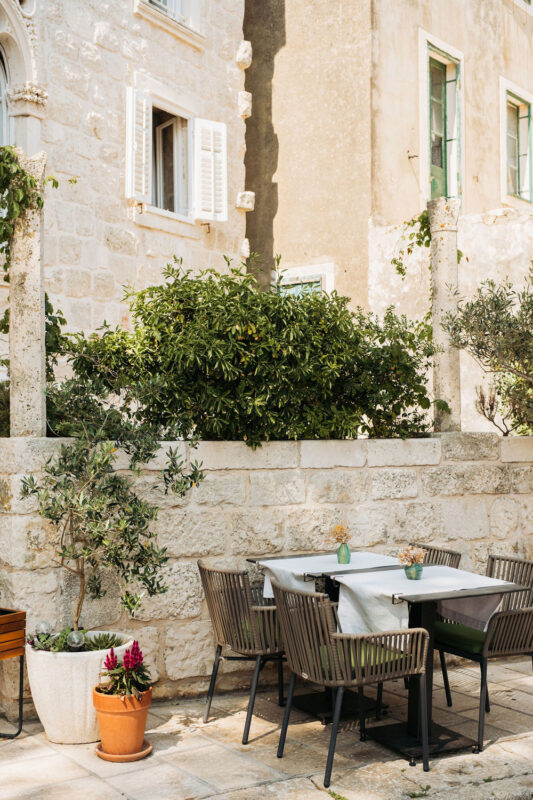
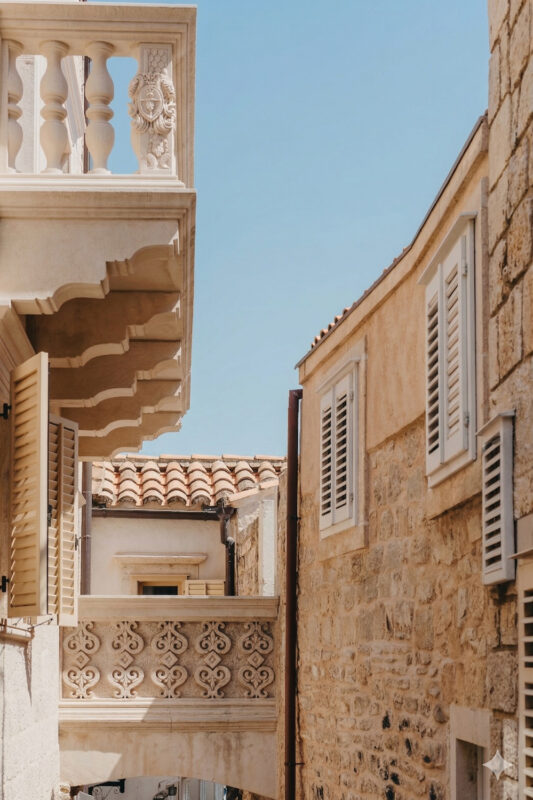
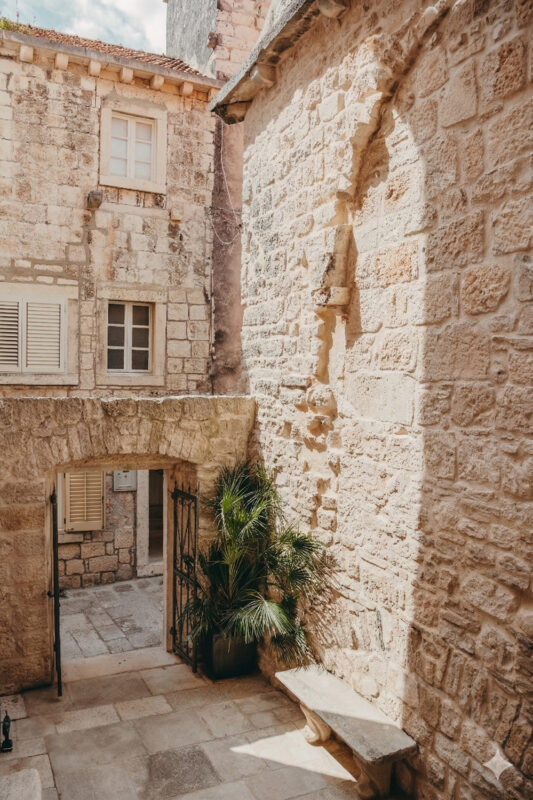
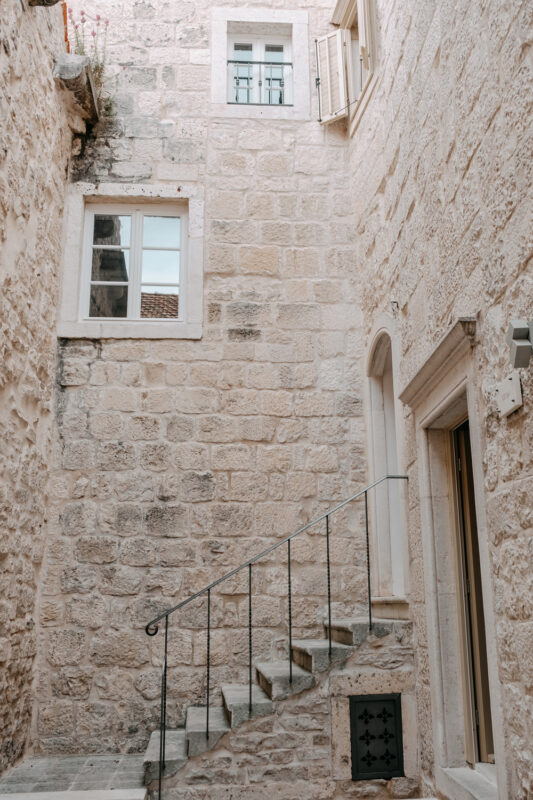
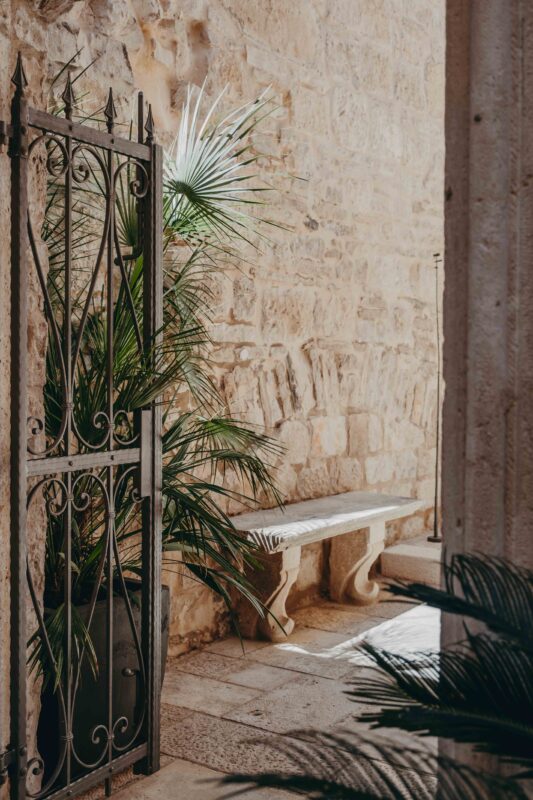
From the outside, the house remains deliberately restrained. No grand entrance, no facade drama. Instead: pale Dalmatian stone, historic portals, soft-toned shutters and carefully restored surfaces that retain a quiet sense of history. That understatement shapes the first impression.
© Lešić Dimitri Palace
© Lešić Dimitri Palace
Backstory
Lešić Dimitri Palace grew out of what is locally known as a former 18th-century bishop’s palace, restored over several years and translated into a very small, very personal hospitality project. The historic fabric remains legible, but never museum-like; it feels inhabited. That is part of the appeal.
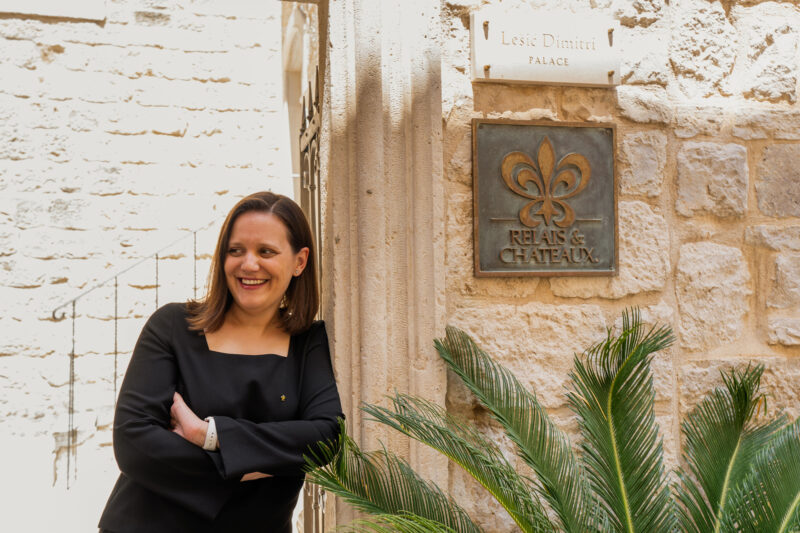
The house does not rely on nostalgia so much as on a clear idea of how the past can be lived with now. The property is still led by Michael Unsworth and Maša Unsworth, whose approach to hospitality is notably concrete: Korčula is not packaged as decoration, but experienced through architecture, food, island encounters and attentive hosting.
© Lešić Dimitri Palace
© Lešić Dimitri Palace
Architecture & interior
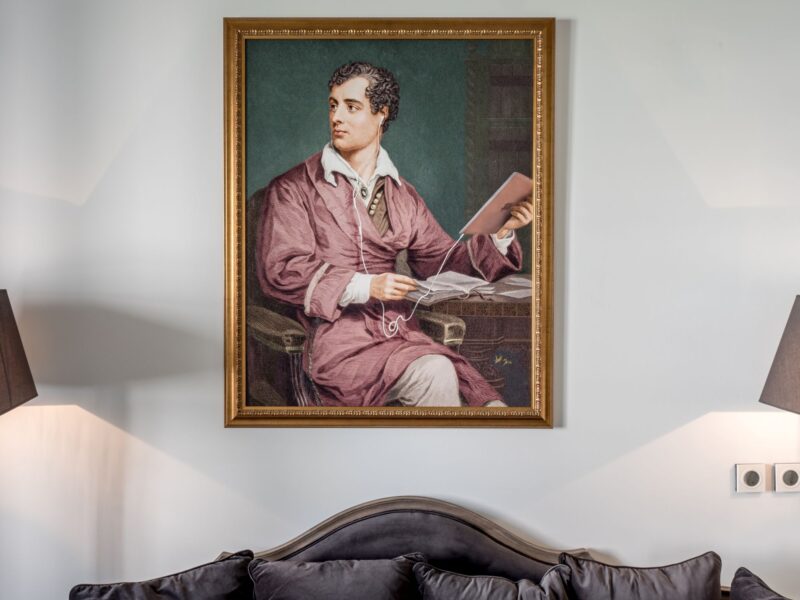
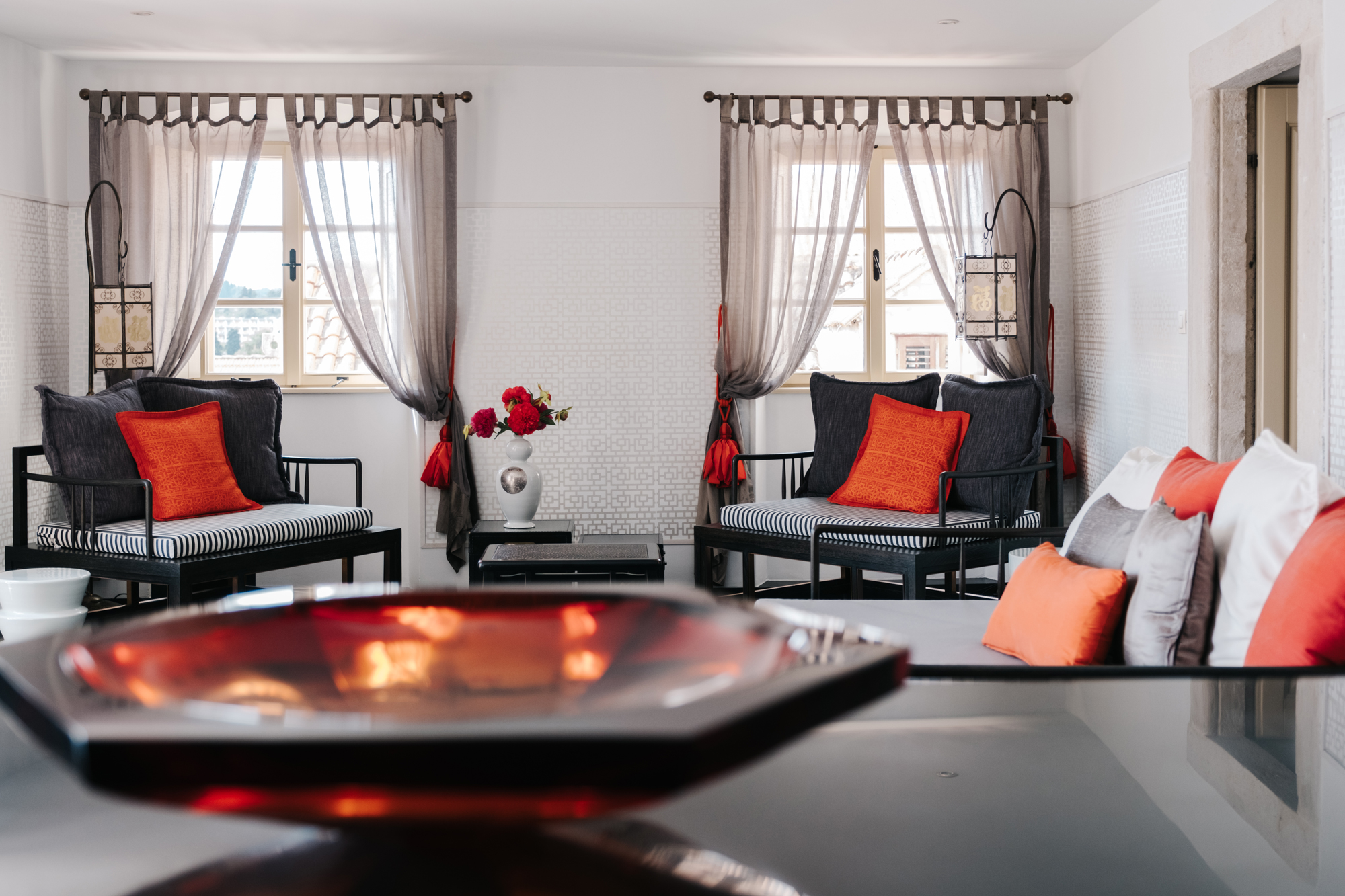
Architecturally, Lešić Dimitri Palace lives from contrast: old stone fabric paired with interiors that draw on the Silk Road without slipping into theme-hotel excess. Earlier reports name the Thai architect Attayut Piravinich for the interiors and Zora Salopek-Baletić for work on the historic structure.
© Lešić Dimitri Palace
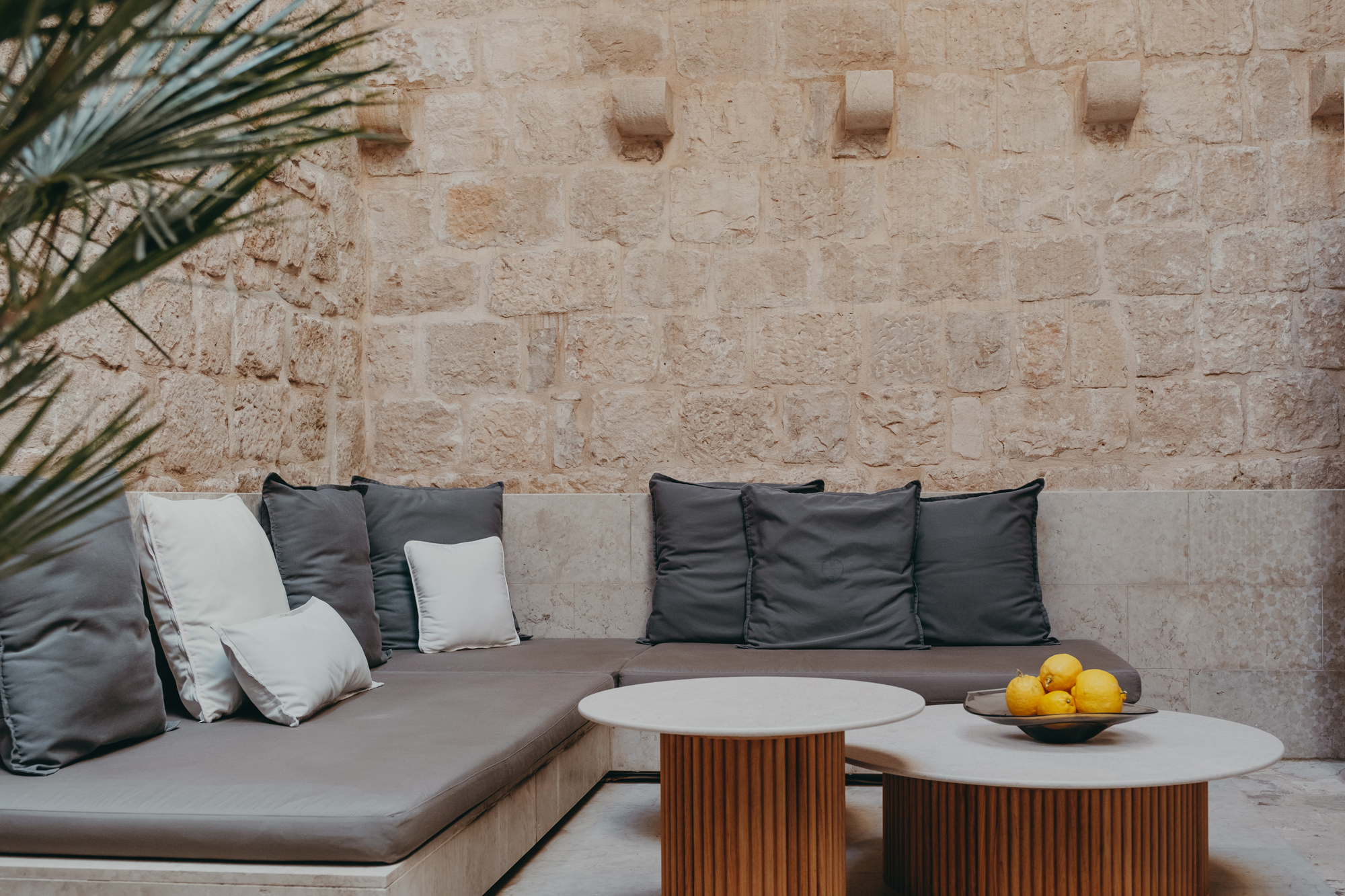
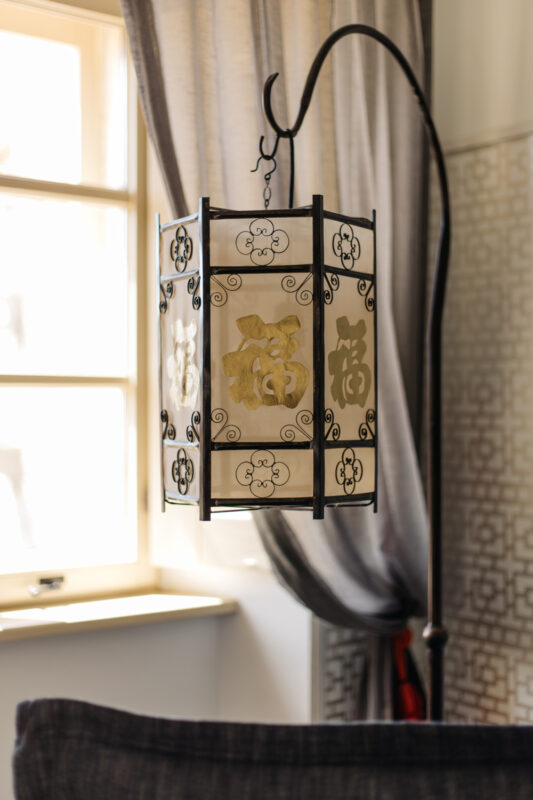
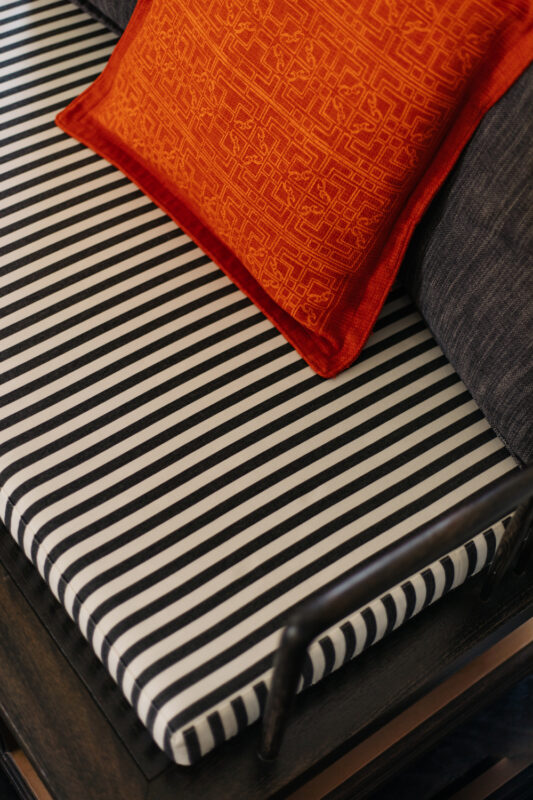
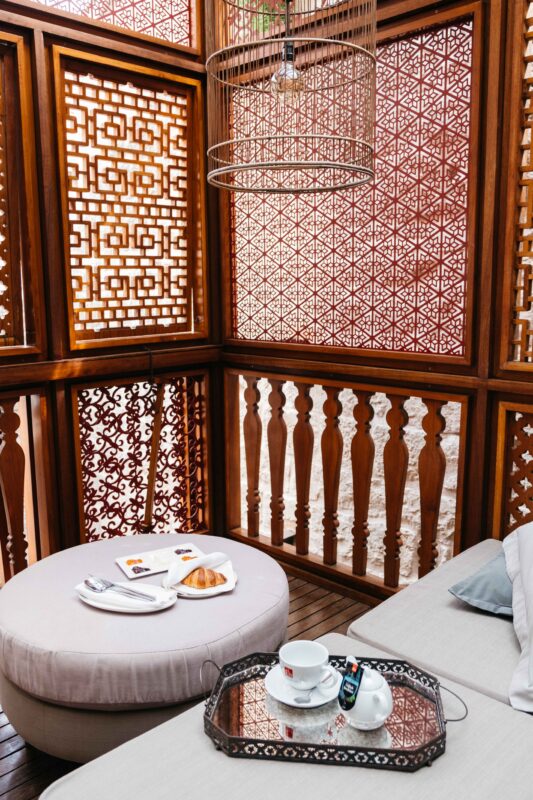
Exposed walls, old portals and irregular floor plans keep the age of the palace present. Inside, dark wood, layered textiles, calm colors, tailored joinery and carefully placed decorative accents shift the mood.
© Lešić Dimitri Palace
© Lešić Dimitri Palace
Arabic, Venetian and Asian references appear, but never insistently. The house relies on suggestion rather than display.That is precisely what gives it force: it shows conviction, not decoration.
© Lešić Dimitri Palace
© Lešić Dimitri Palace
A look inside
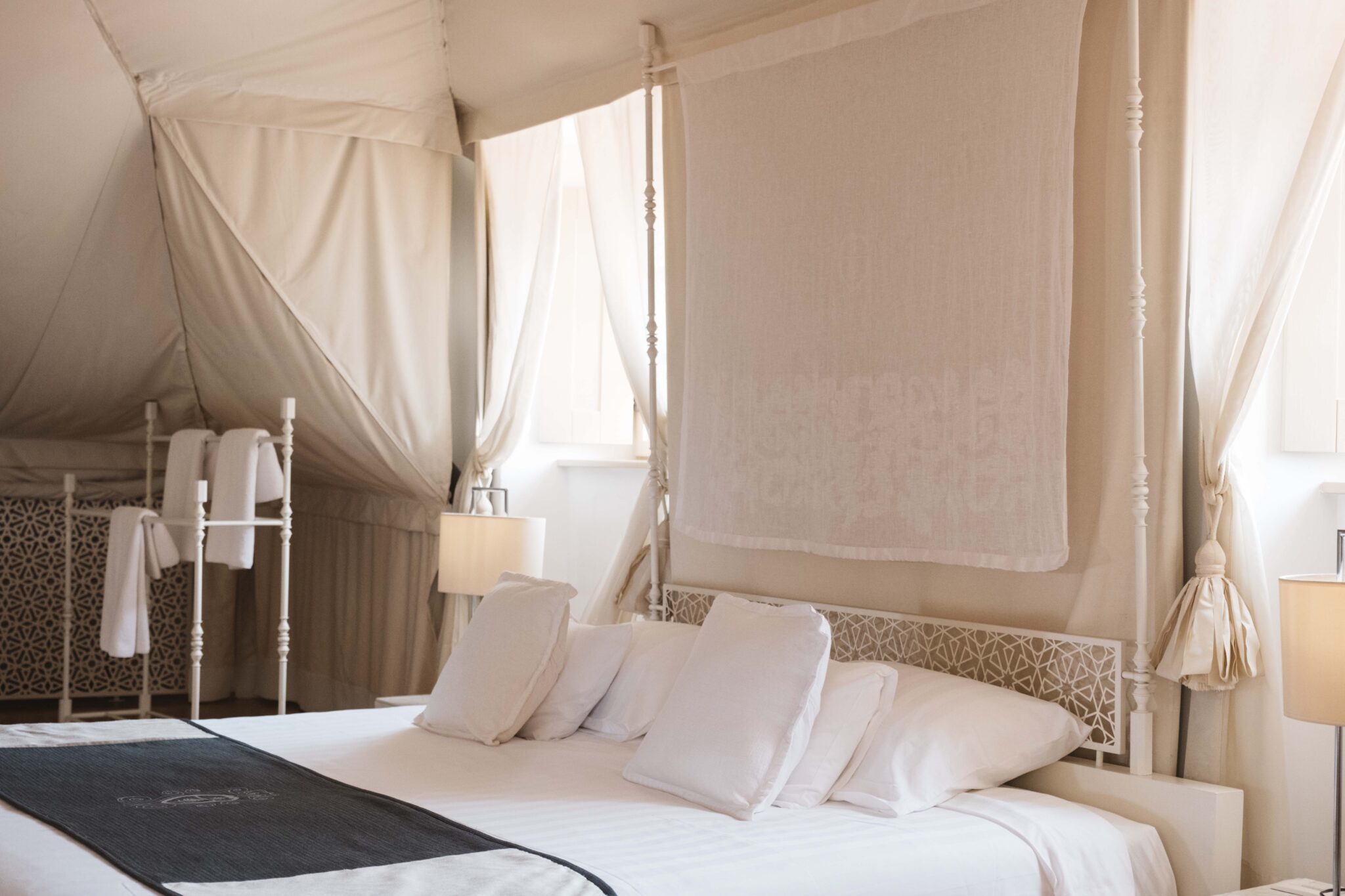
The hotel is small but intelligently organized. Instead of conventional hotel logic, there are six residences, the LD Spa and LD Restaurant, supported by concierge service and curated excursions.
© Lešić Dimitri Palace
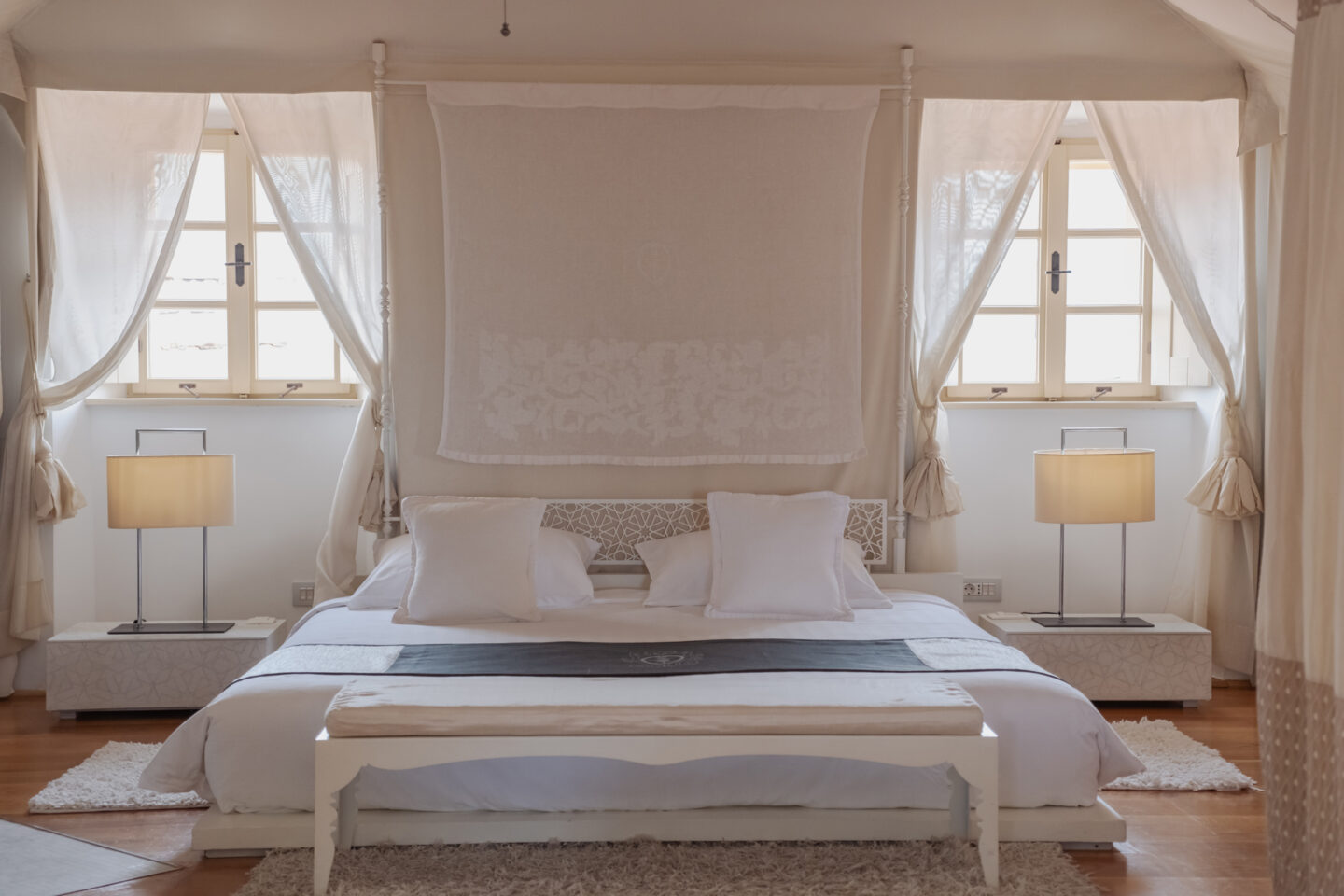
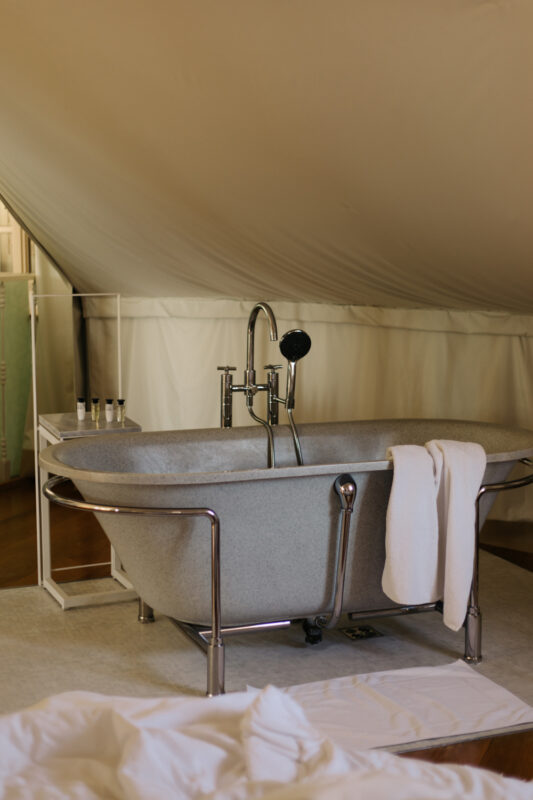
The residences are named Arabia, Sumatra, Ceylon, India, China and Venice. They range from one to three bedrooms and are arranged so that one feels more at home here than merely accommodated.
© Lešić Dimitri Palace
© Lešić Dimitri Palace
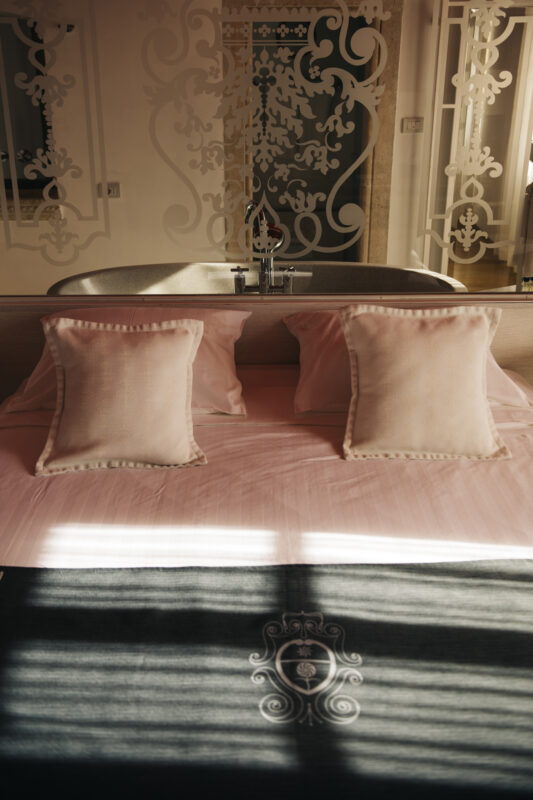
Many rooms feel like elegant town apartments with excellent support operating quietly in the background. The atmosphere is deliberately calm: good proportions, comfortable beds, restrained luxury, very little visual noise.
© Lešić Dimitri Palace
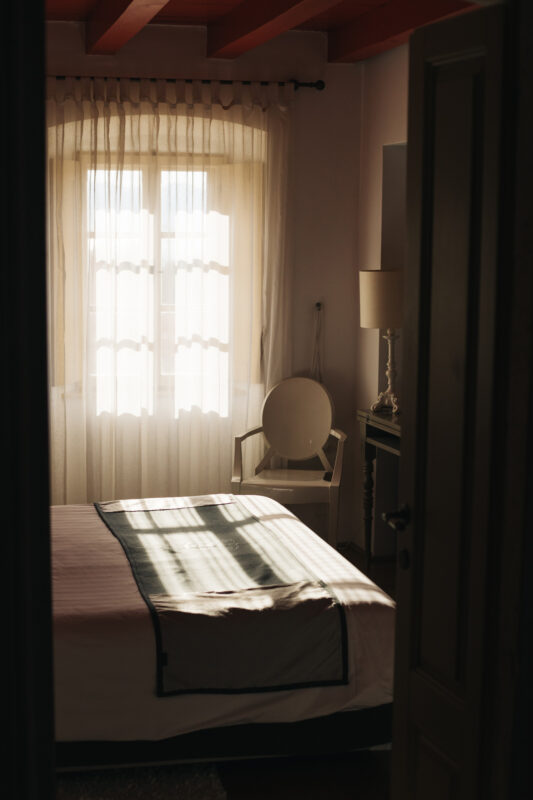
© Lešić Dimitri Palace
High-speed Wi-Fi, minibar, climate control and laundry service are included. More important, though, is the unusual sense of privacy in the middle of the old town.
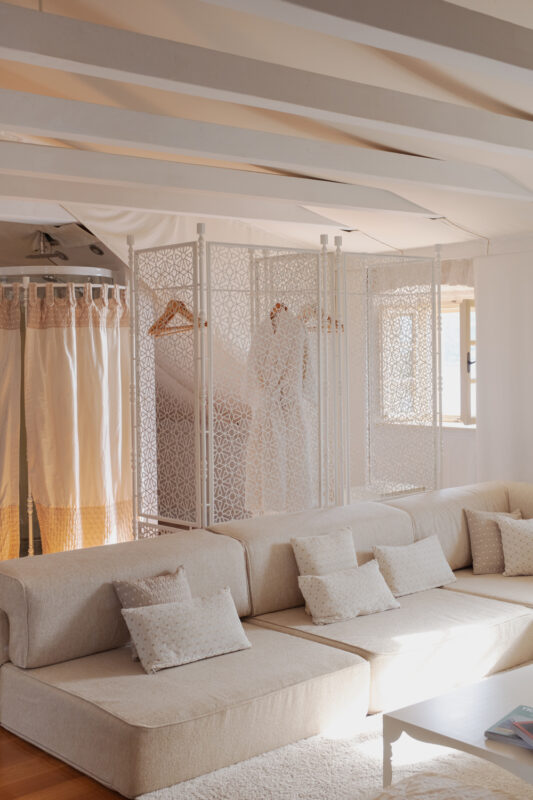
© Lešić Dimitri Palace
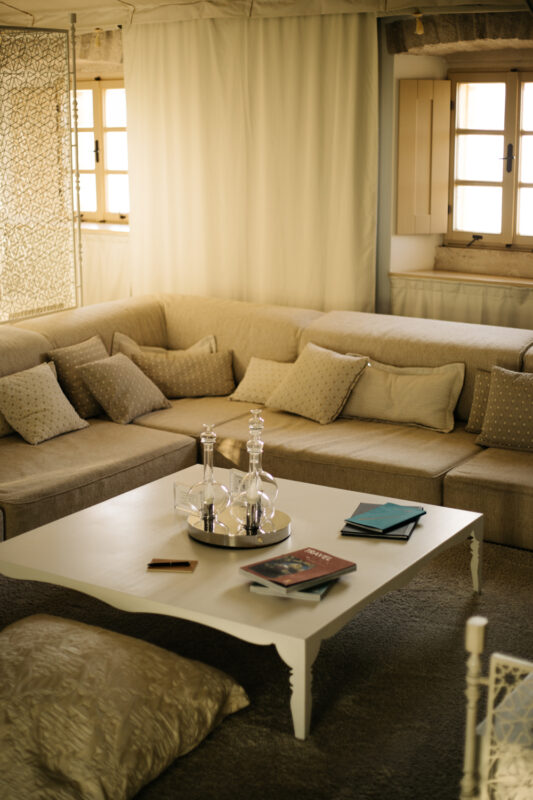
© Lešić Dimitri Palace
Cuisine
At Lešić Dimitri Palace, food is not an accessory to the stay. The in-house LD Restaurant has held a Michelin star continuously since 2020; in 2025 the distinction was confirmed again, alongside the Michelin Sommelier Award for Dinko Lozica.
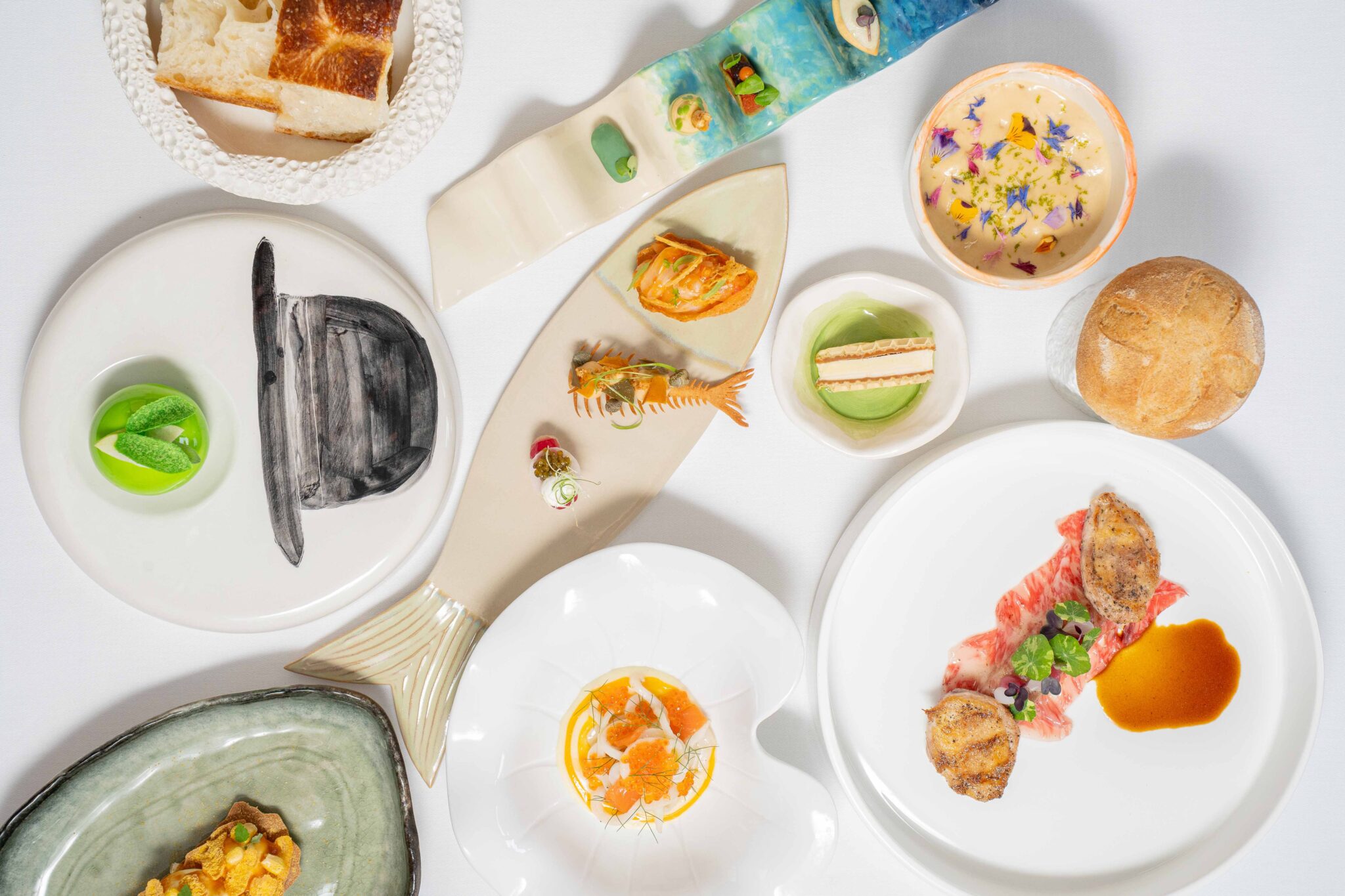
© Lešić Dimitri Palace
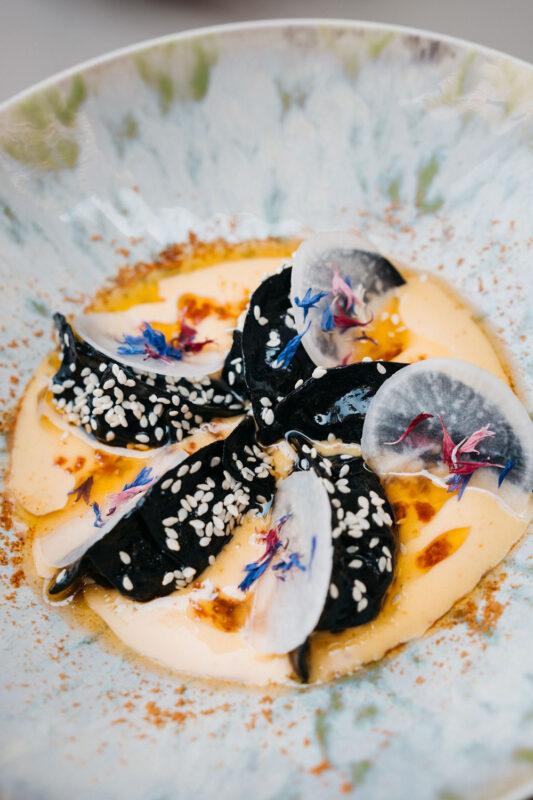
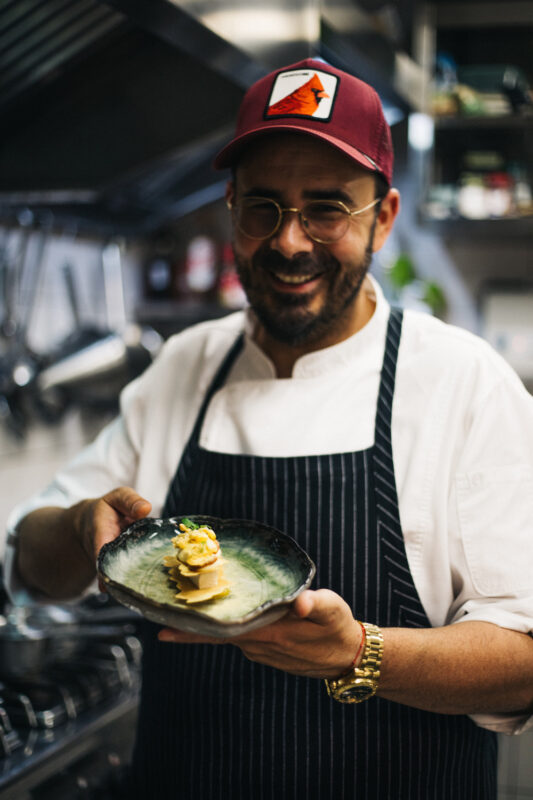
Executive chef Marko Gajski cooks with a style grounded in the island and its seasons: fish, seafood, wild herbs, vegetables, olive oil and Dalmatian aromatics. The approach is exact, but never over-explained.
© Lešić Dimitri Palace
© Lešić Dimitri Palace
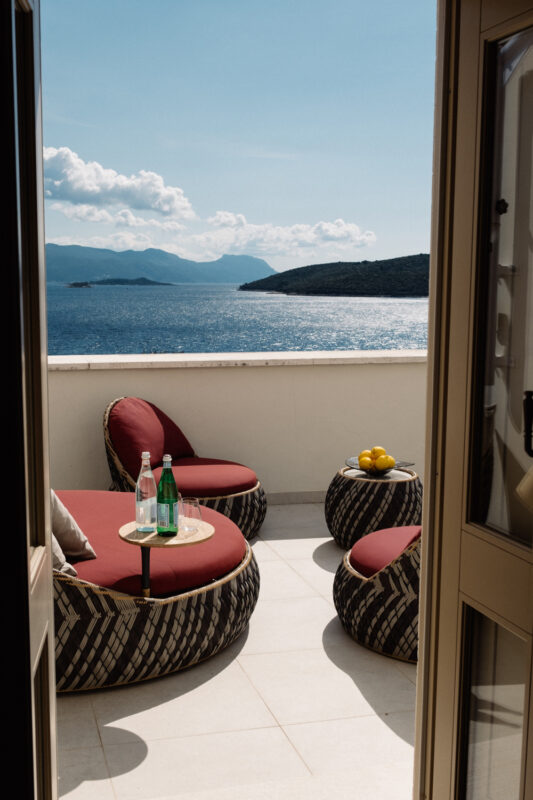
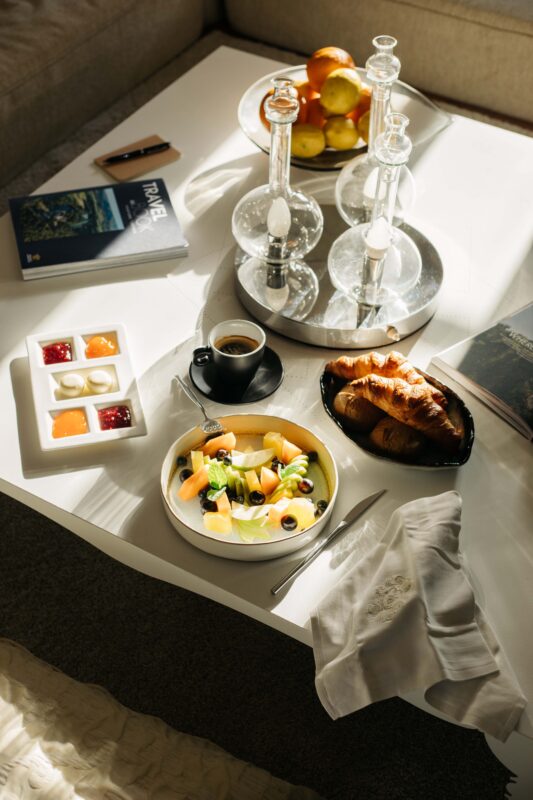
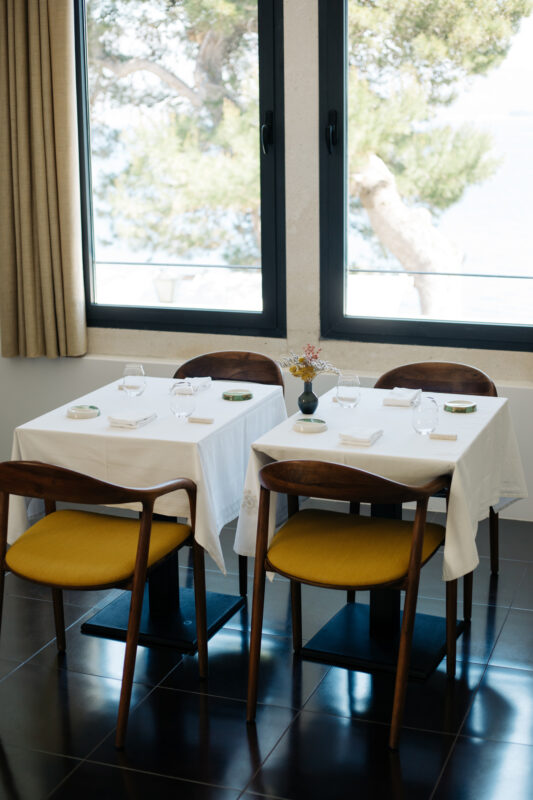
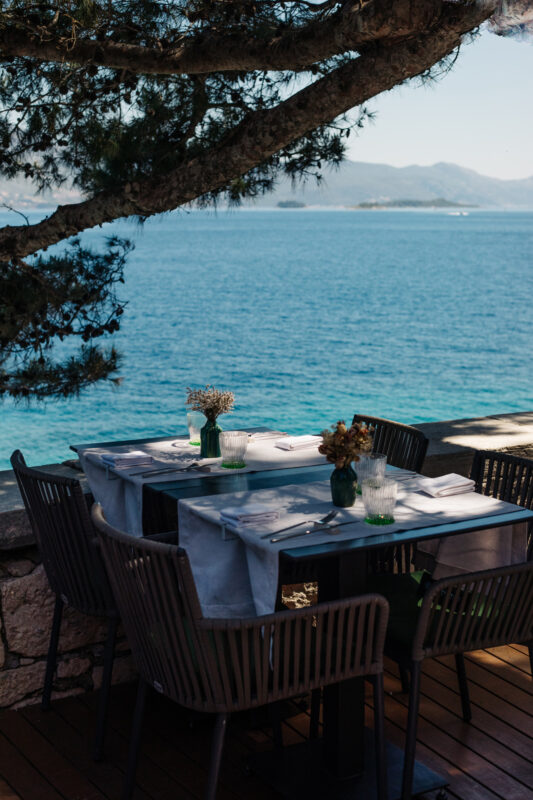
Meals are served on a terrace along the medieval town wall with wide views over the channel and archipelago; there is also an interior dining room and private dining areas.
© Lešić Dimitri Palace
© Lešić Dimitri Palace
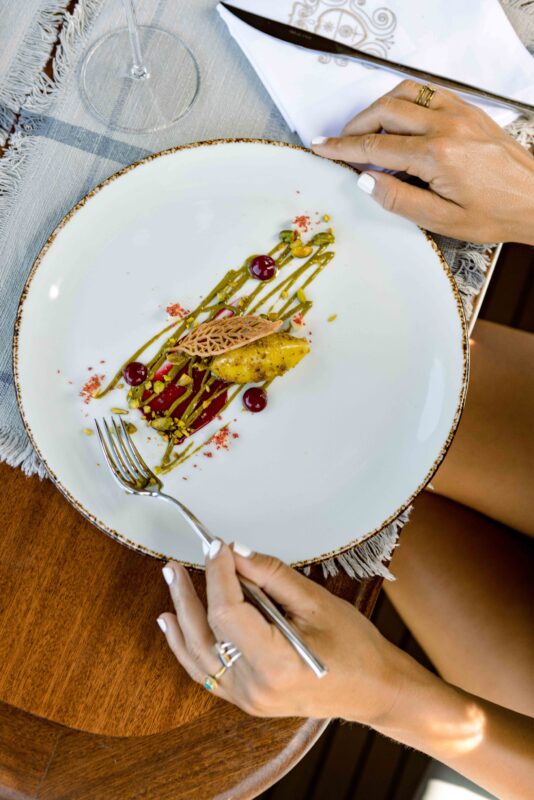
More important than the view is the calm confidence of the concept: local, polished and deeply at ease with its setting. While the LD Restaurant focuses on fine dining, just a few steps further along the promenade at the LD Garden, convivial dinners under the stars and the art of the “leisurely afternoon” are celebrated.
© Lešić Dimitri Palace
© Lešić Dimitri Palace
Wellness & Relaxation
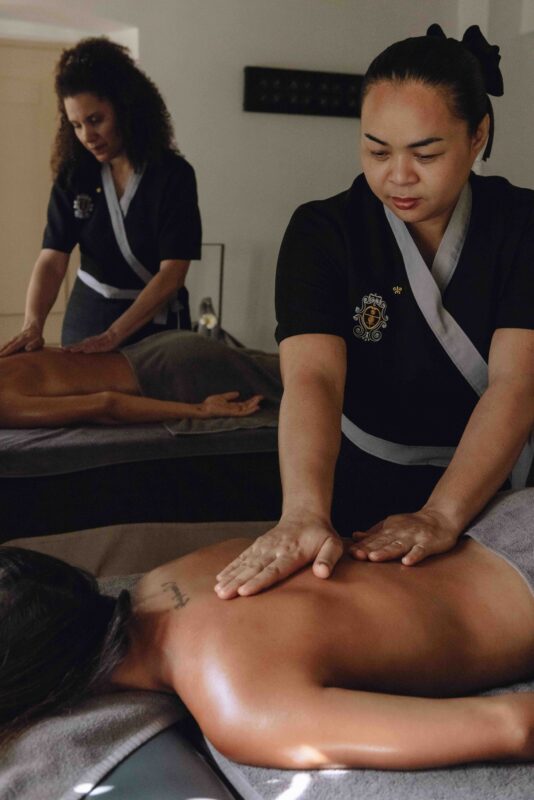
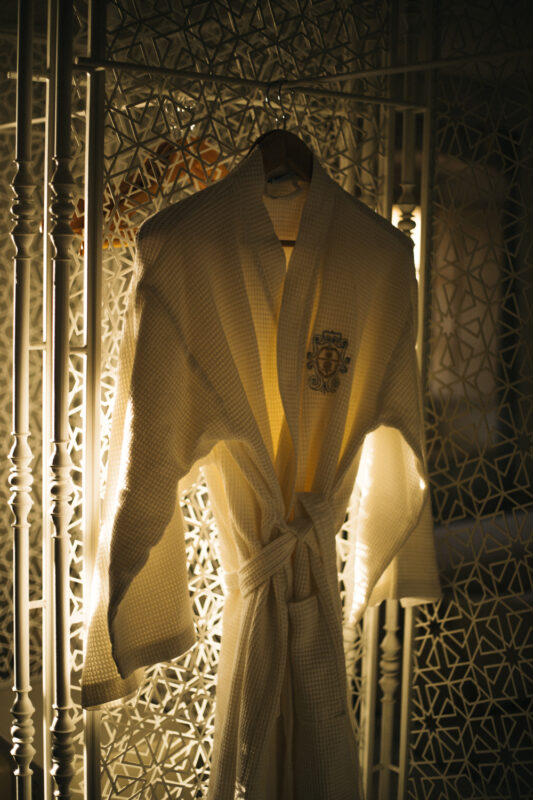
The LD Spa treats relaxation not as an add-on but as a quiet counter-space to the density of the old town. Treatments draw on wellness traditions along the Silk Road, combining influences from Thailand, India, the Mediterranean and other parts of Asia. According to the hotel, they are delivered by trained Thai therapists using natural products developed specifically for the house.

After boat trips, walks through town or long dinners, the space feels like a subtle reset. There is no large pool. One hardly misses it.
Surrounding area
Around the hotel begins one of the Adriatic’s densest cultural settings. Within a few minutes are St Mark’s Cathedral, the town museum in Gabrielis Palace and several stations in Korčula’s Marco Polo narrative, which still informs the island’s self-image. Also worth noticing is the old town’s fishbone street plan, historically designed to respond to wind and climate.
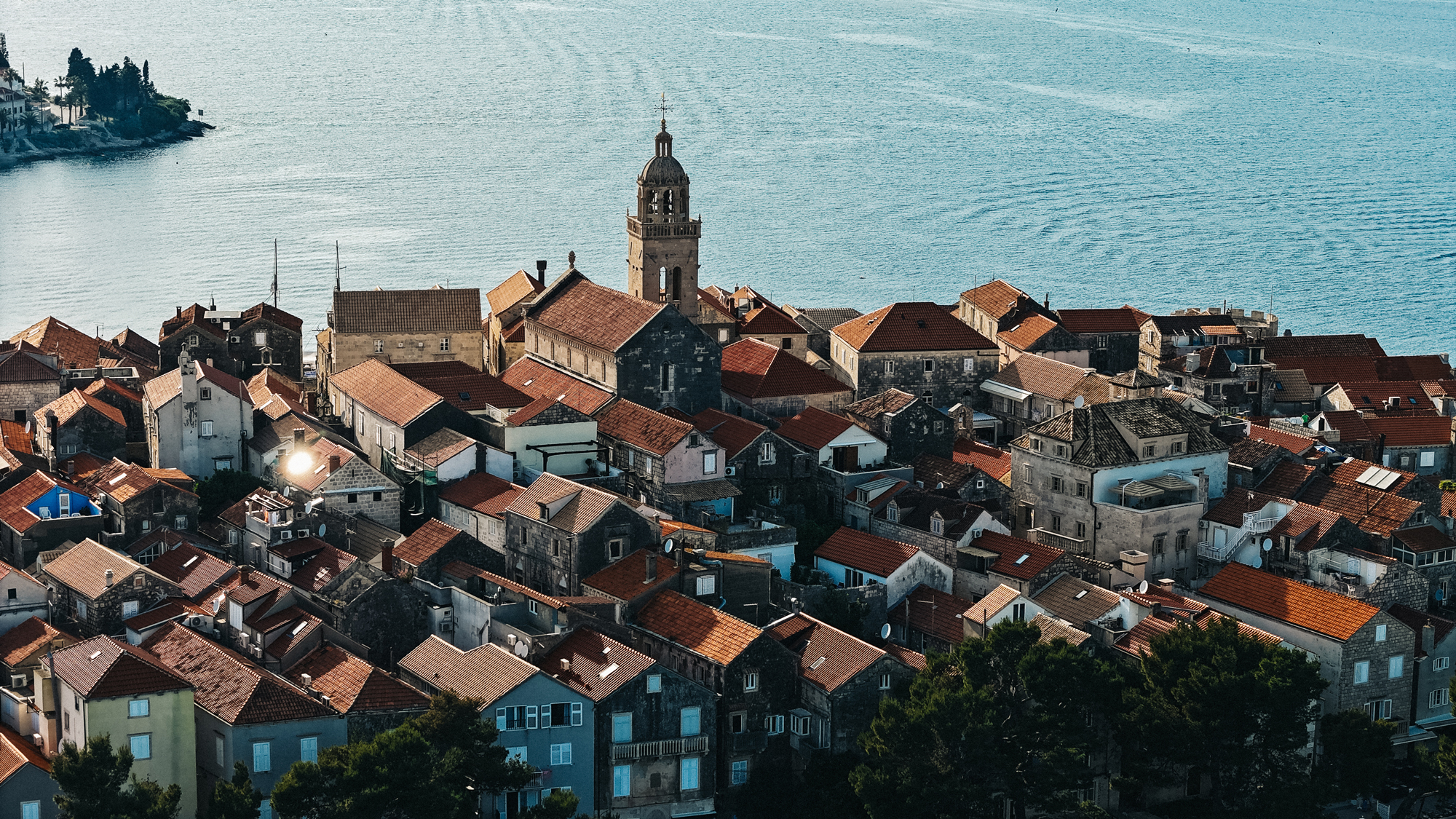
Extending the radius slightly, the 101 steps to the church of St Anthony are worth climbing for broad views over roofs, channel and islands. In summer, performances of the Moreška sword dance remain a meaningful cultural reference; at the right time of year, so does the Korkyra Baroque Festival. For a quieter excursion, head to Vrnik, the small island of quarries and ateliers. Wine-minded travellers should go to Lumbarda or further inland, where Grk and Pošip express the island’s local identity with unusual clarity.
Activities
For culture travellers: walk the old town early or towards evening, when Korčula settles into itself. Then visit the town museum, the cathedral or, season permitting, Moreška and the Korkyra Baroque Festival.
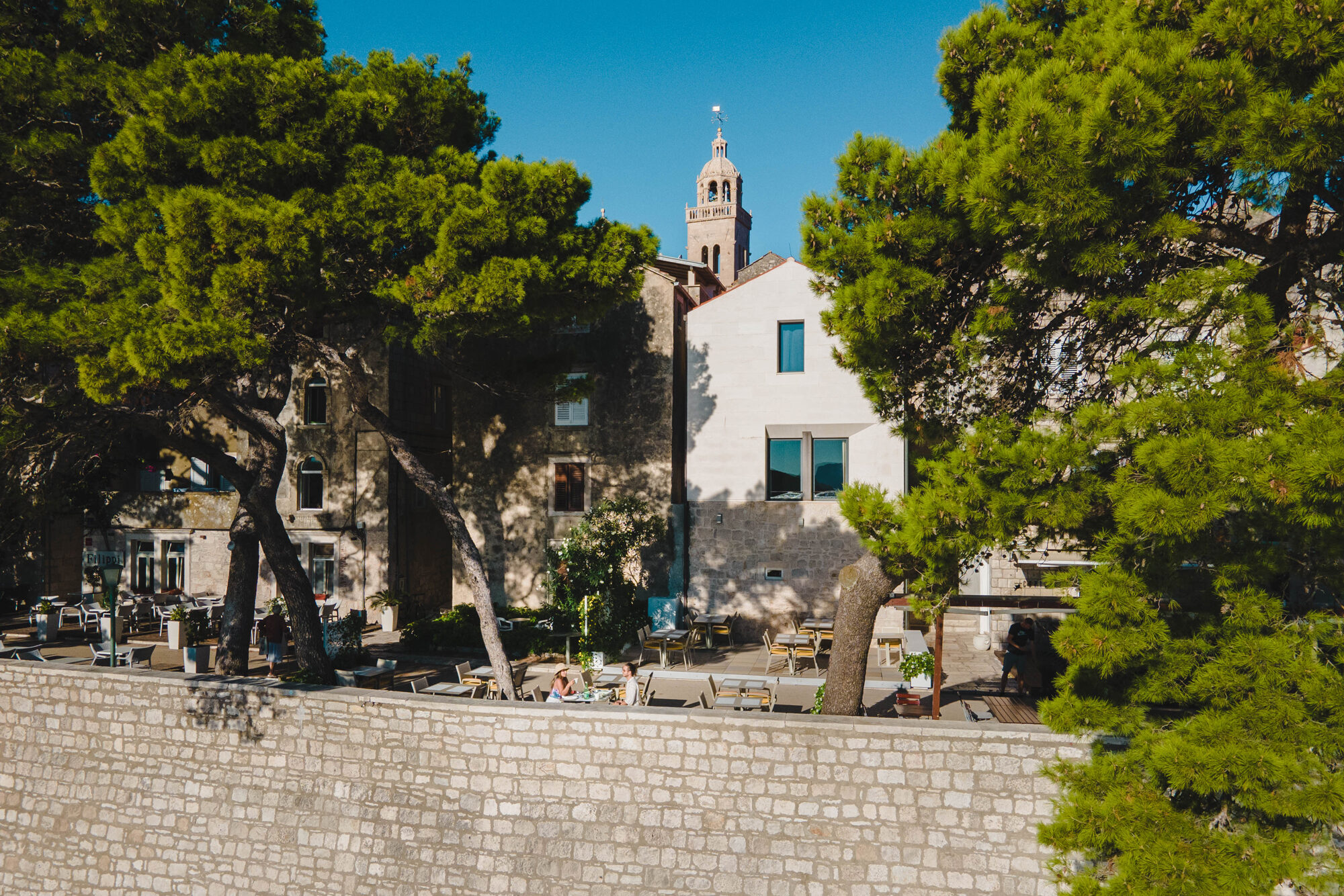
For architecture and photography: read the town plan as a built idea—lanes, wind corridors, Venetian details, loggias, stone edges and shifting light. Morning is soft; late afternoon can seem almost excessive.
For food and wine lovers: one dinner at LD Restaurant is essential. Pair it with tastings in Lumbarda or Čara, especially of Grk and Pošip, plus local olive oil and island produce.
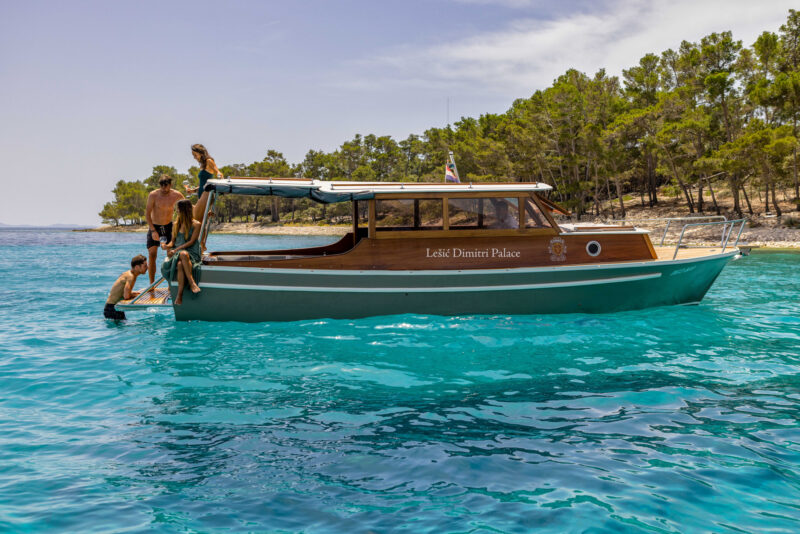
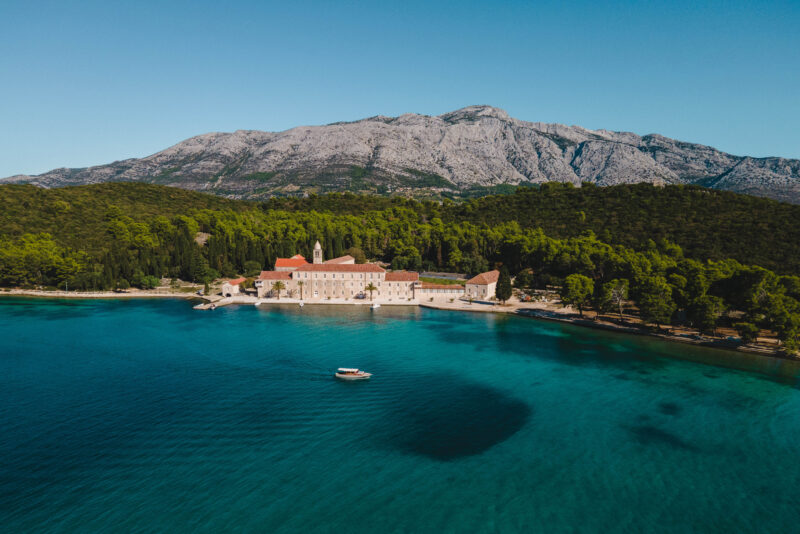
For active guests: take a boat into the archipelago, cross to Badija or Vrnik, swim, snorkel and read the coastline from the water. On land, the walk to St Anthony’s or quieter paths beyond the main routes are equally rewarding.
For couples: late-afternoon time on the water, then the spa, then dinner overlooking the channel. It sounds close to cliché. On site, it simply works.
For families or small groups: book one of the larger residences and use the house as an unusually private base. Less programmed entertainment, more shared time.
Details
- 6 residences in total, ranging from one to three bedrooms.
- Among the largest and most distinctive are India, China and Venice.
- Also on site: the LD Spa, with treatments inspired by Silk Road wellness traditions, and LD Restaurant, Michelin-starred under executive chef Marko Gajski.
- Additional offers include concierge service, private boat experiences, and wine, olive-oil and oyster programmes.
- Standard features include high-speed Wi-Fi, minibar, climate control, laundry service and personal support.
- Pets are not permitted according to the hotel.