Arriving at Concorde in Paris, you do not encounter a hotel so much as a stage set for the city itself. The square opens wide, almost statesmanlike; then your eye follows the arcades and there it is, calm and pale, with that discreet authority Paris grants only sparingly. You move closer.
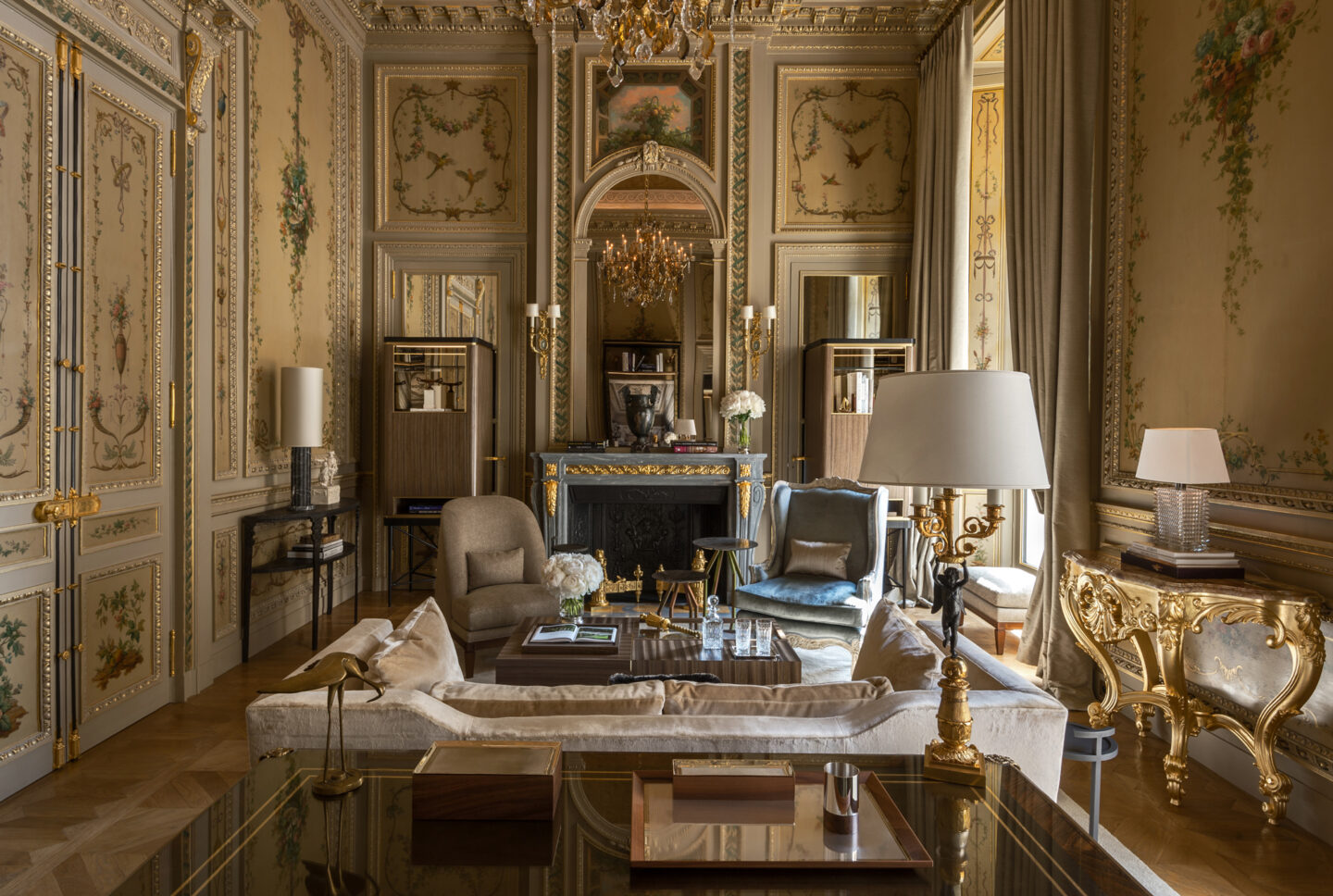
The location
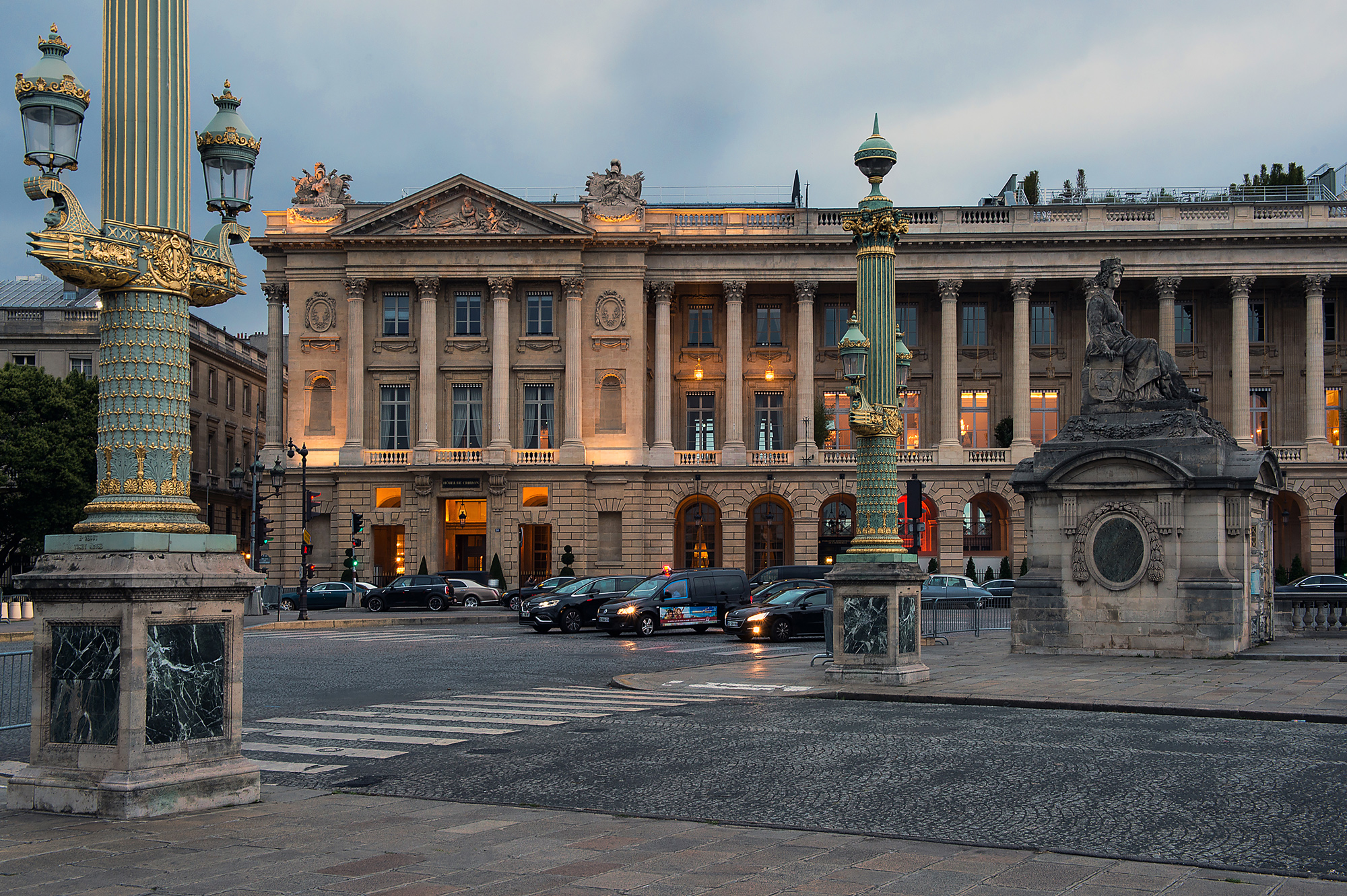
Getting here is simple and still effective: Concorde metro, the right bank within easy reach, the Tuileries, Madeleine and Rue Saint-Honoré all walkable. Hôtel de Crillon occupies one of the city’s most exposed addresses, directly on Place de la Concorde, where Paris likes to present itself in panoramic scale.
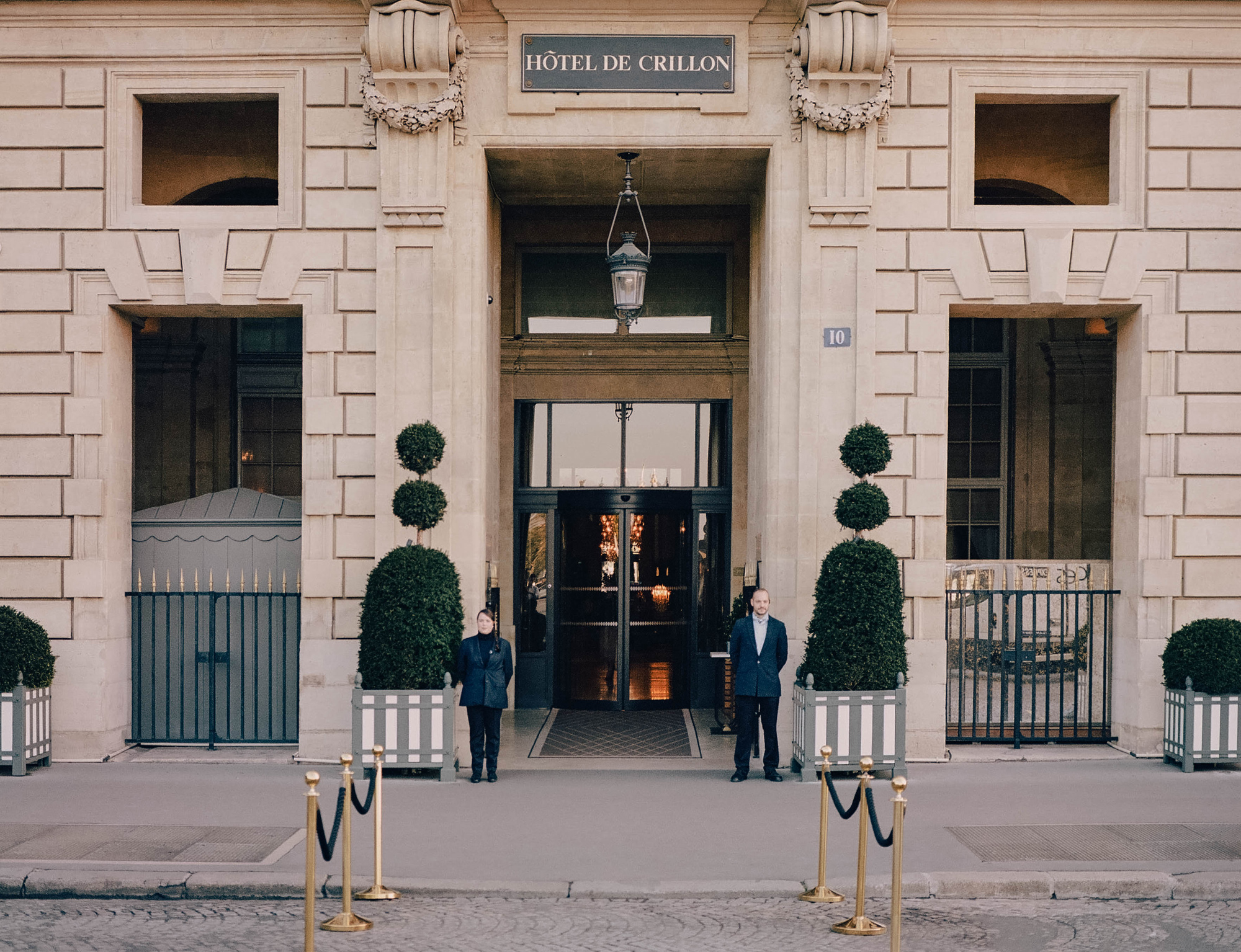
From the outside, the building reads like an aristocratic footnote to 18th-century urban planning: strict symmetry, pale stone, colonnades, reliefs, tall windows. Not a theatrical façade, more a building that has long known it is being watched. It faces the obelisk, fountains and streams of traffic, yet remains oddly composed. That composure sharpens the first impression.
Backstory
The building was completed in 1758 as part of the urban vision initiated under Louis XV; in time it became Hôtel de Crillon, one of those addresses where Paris conducts both its official and semi-private history. After its major restoration and 2017 reopening, Rosewood has continued that tradition not as period décor but as a precisely updated form of grand hotel.
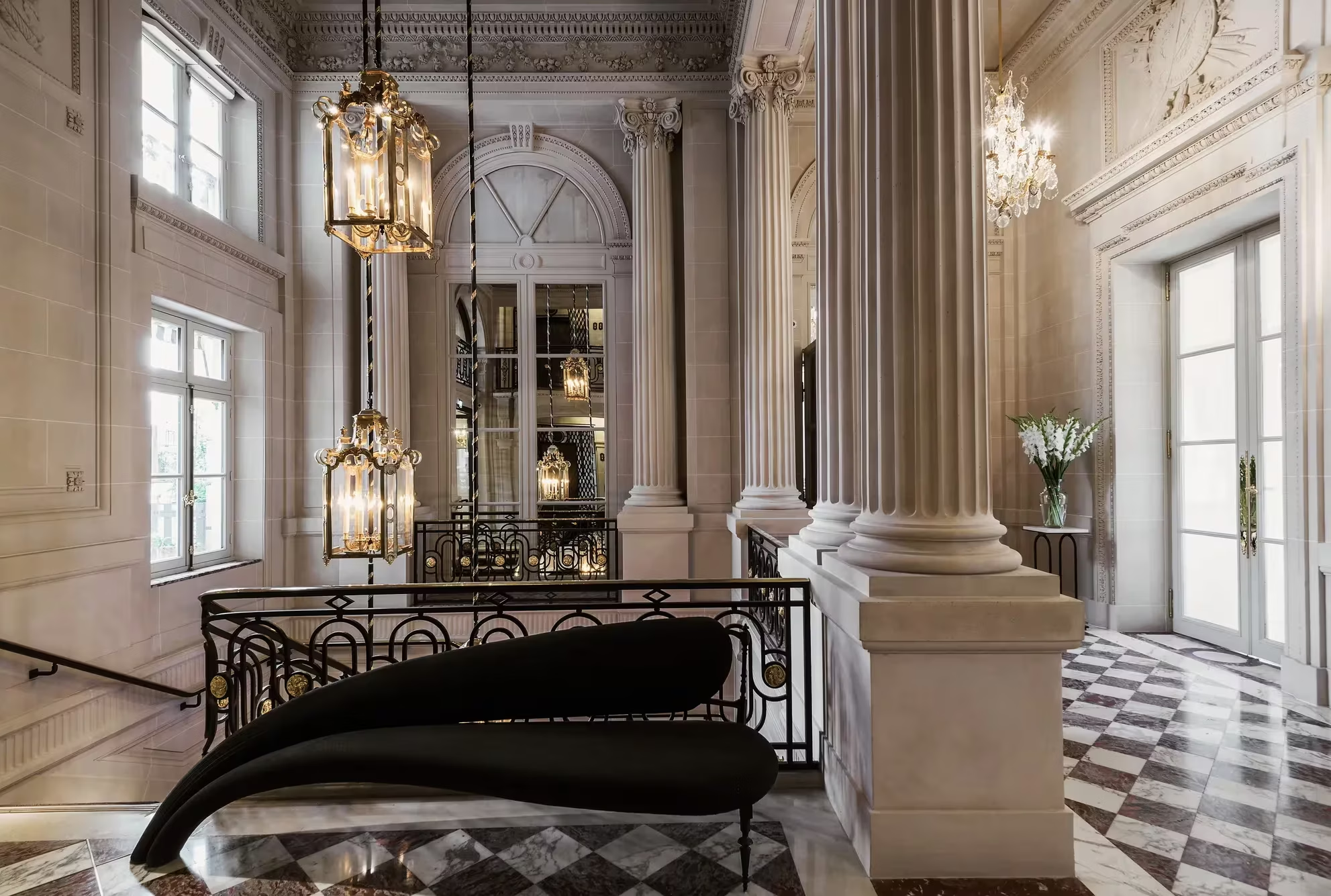
Today the property is led by Managing Director Vincent Billiard, whose role feels closer to that of a modern host with institutional tact than a mere administrator. The philosophy is clear: luxury need not be loud. The culinary side is entering a fresh chapter too, with Alan Taudon appointed Executive Chef from June 2026. Motion, then, but without any trace of nervousness.
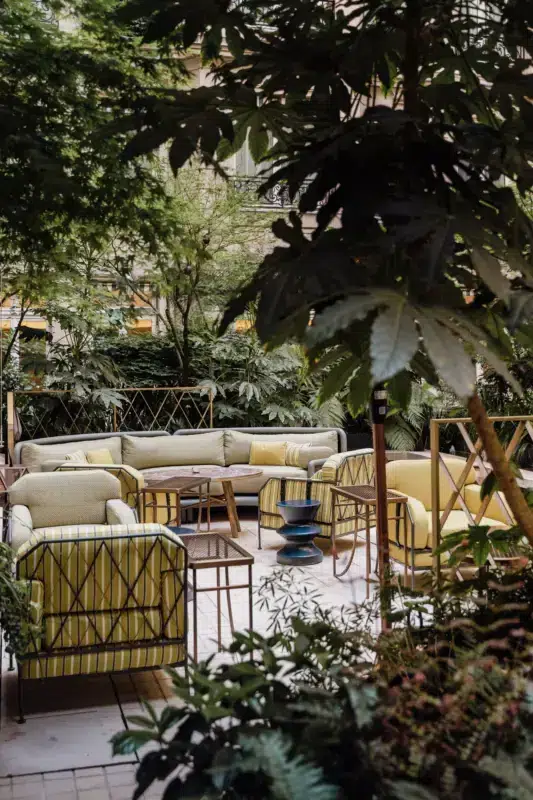
Interior & architecture
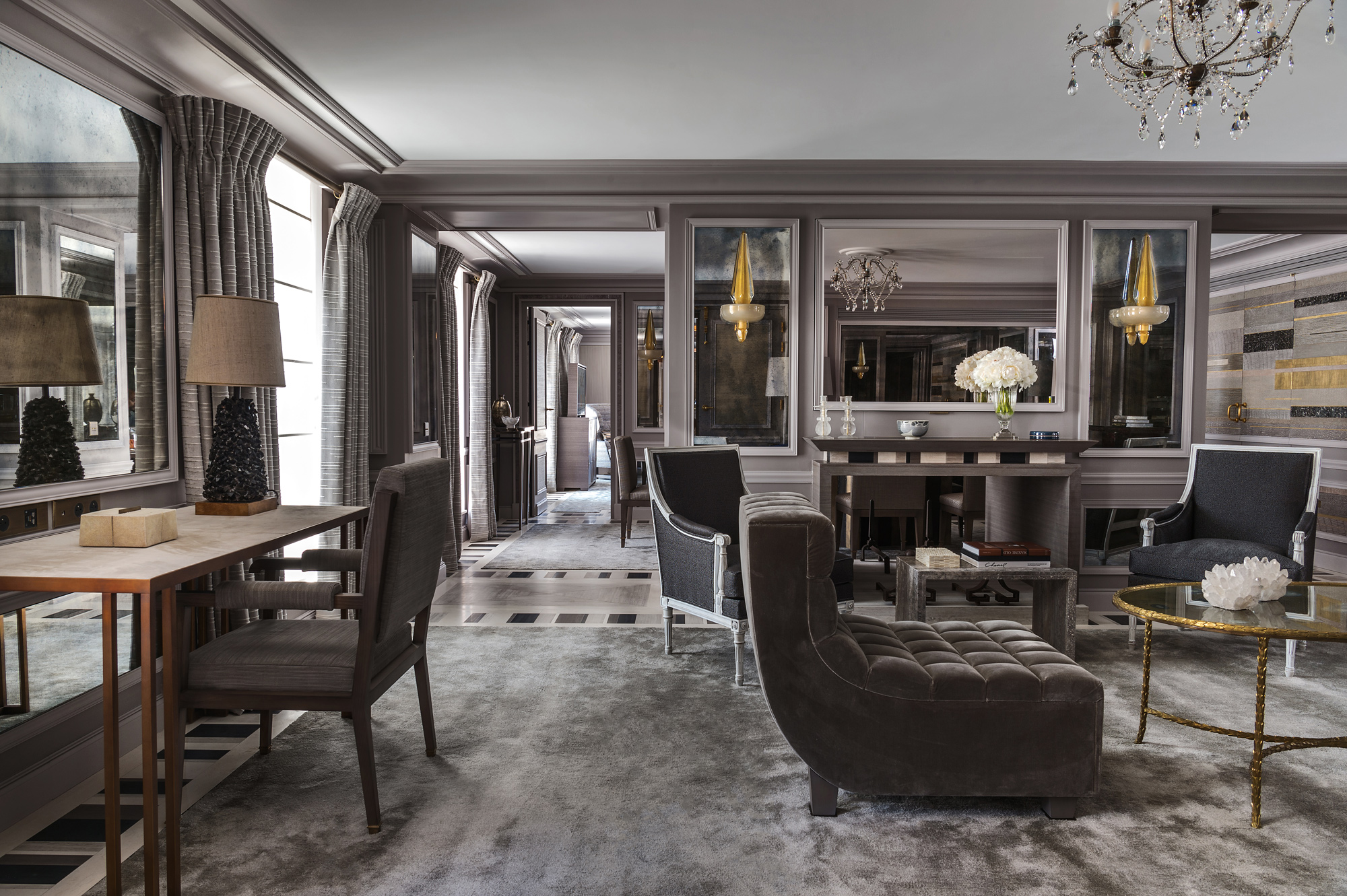
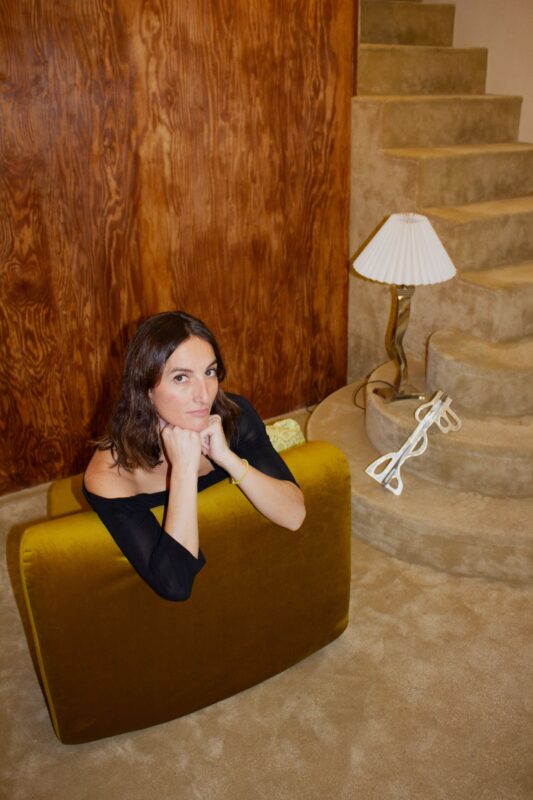
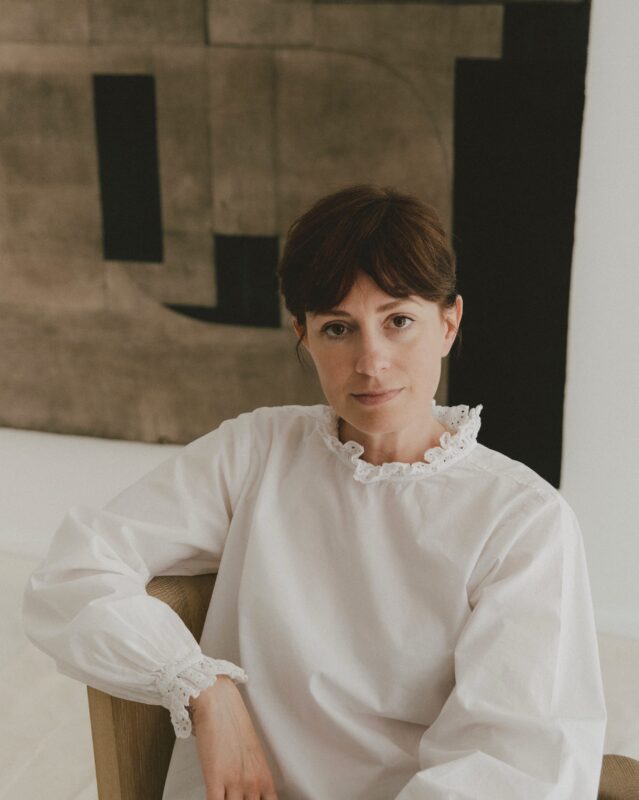
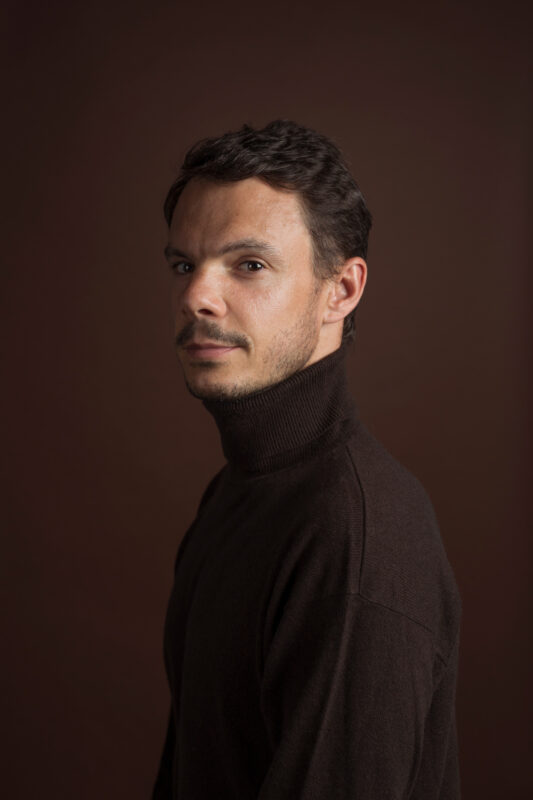
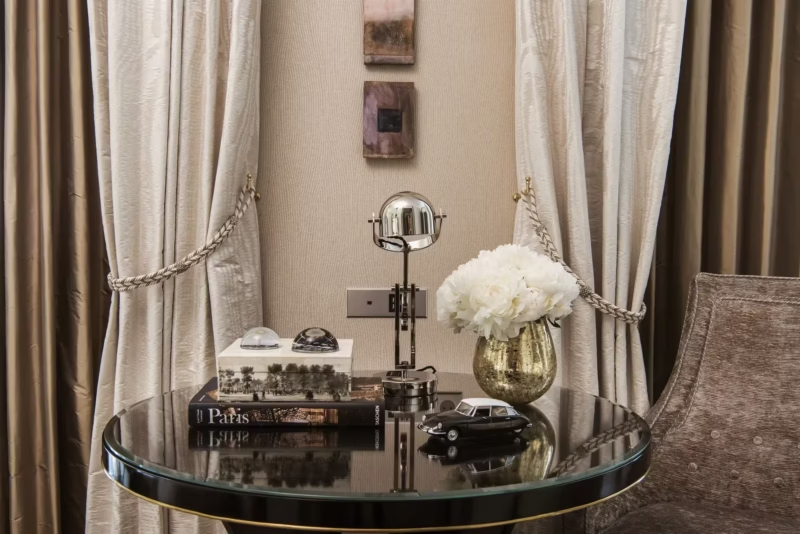
Crillon’s real achievement lies in balance. Richard Martinet led the restoration of the listed building; Aline Asmar d’Amman shaped the project’s artistic logic; Tristan Auer, Chahan Minassian, Cyril Vergniol and Karl Lagerfeld supplied distinct signatures without turning the house into a patchwork of designer gestures.
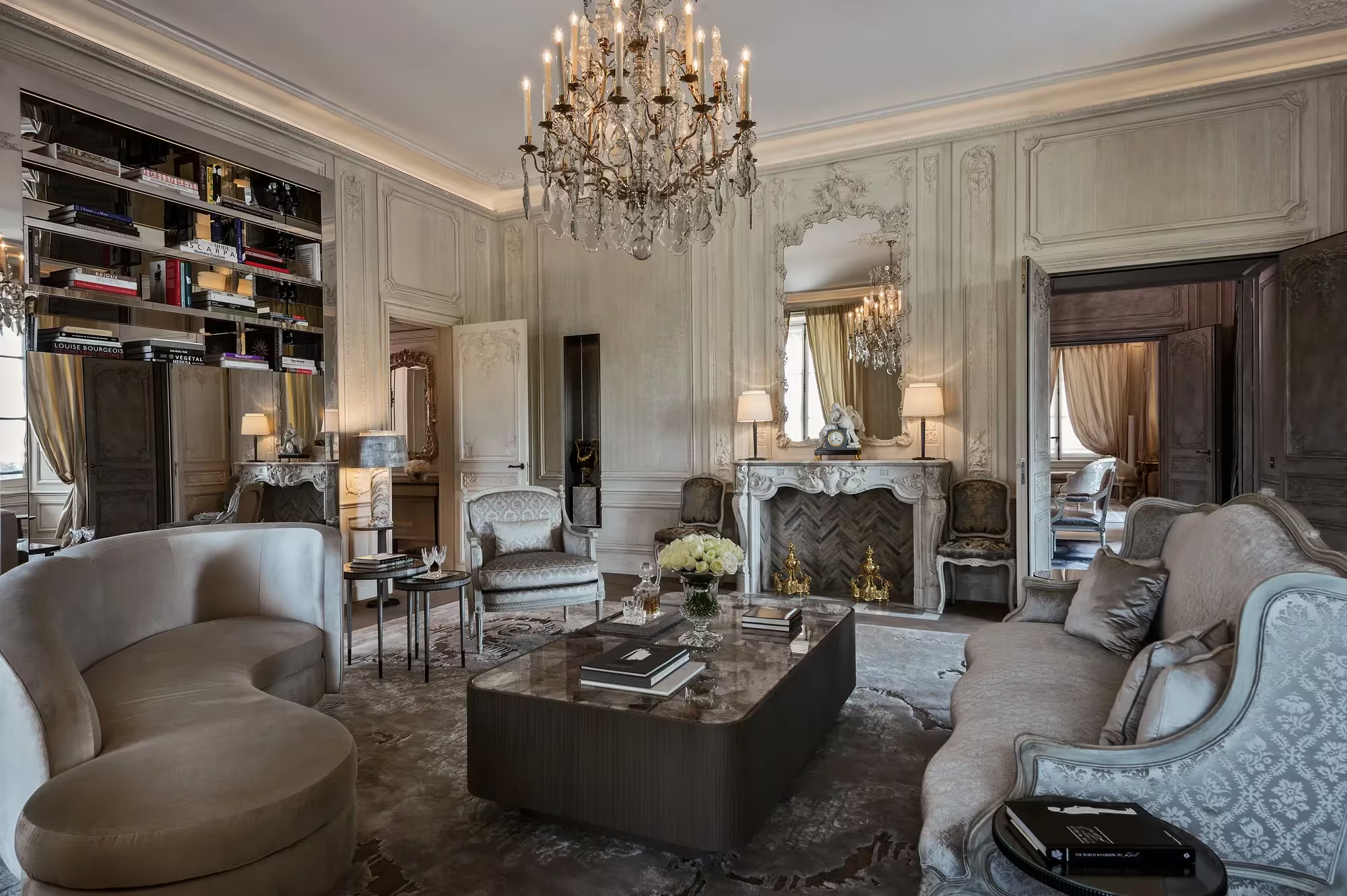
You notice stone, marble, boiserie, parquet, bronze details, historically proportioned doors and windows, then bespoke furniture, carefully chosen antiques, tapestries and art. The public rooms have height, light and an almost weightless discipline. Even decorative elements never feel like décor for décor’s sake. The depth of craftsmanship matters too: 147 métiers d’art and 250 French artisans contributed to the renovation. That explains the quiet richness of these interiors better than any superlative could.
A look inside
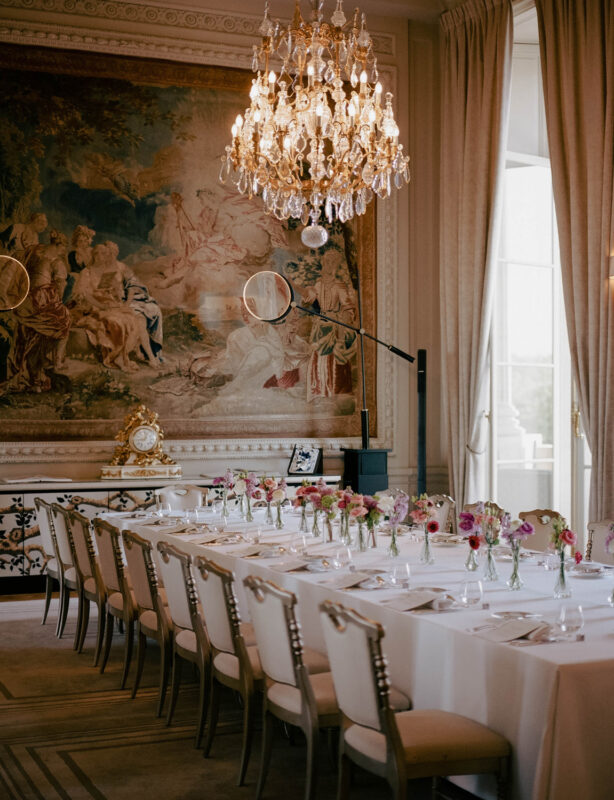
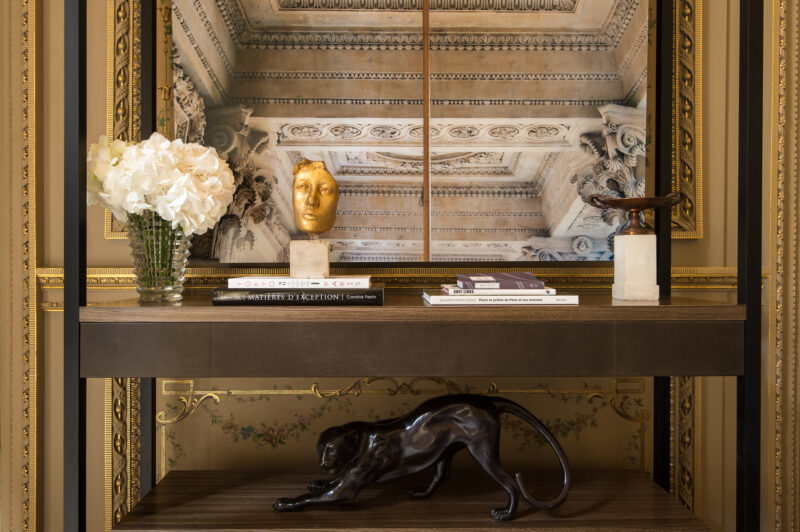
The house is clearly composed: Historic Salons with H&S capitals, lobby and lounge spaces, several dining addresses, a spa, fitness areas and 124 accommodations in total. The rooms and suites vary in category, yet remain strikingly consistent in mood and material language.
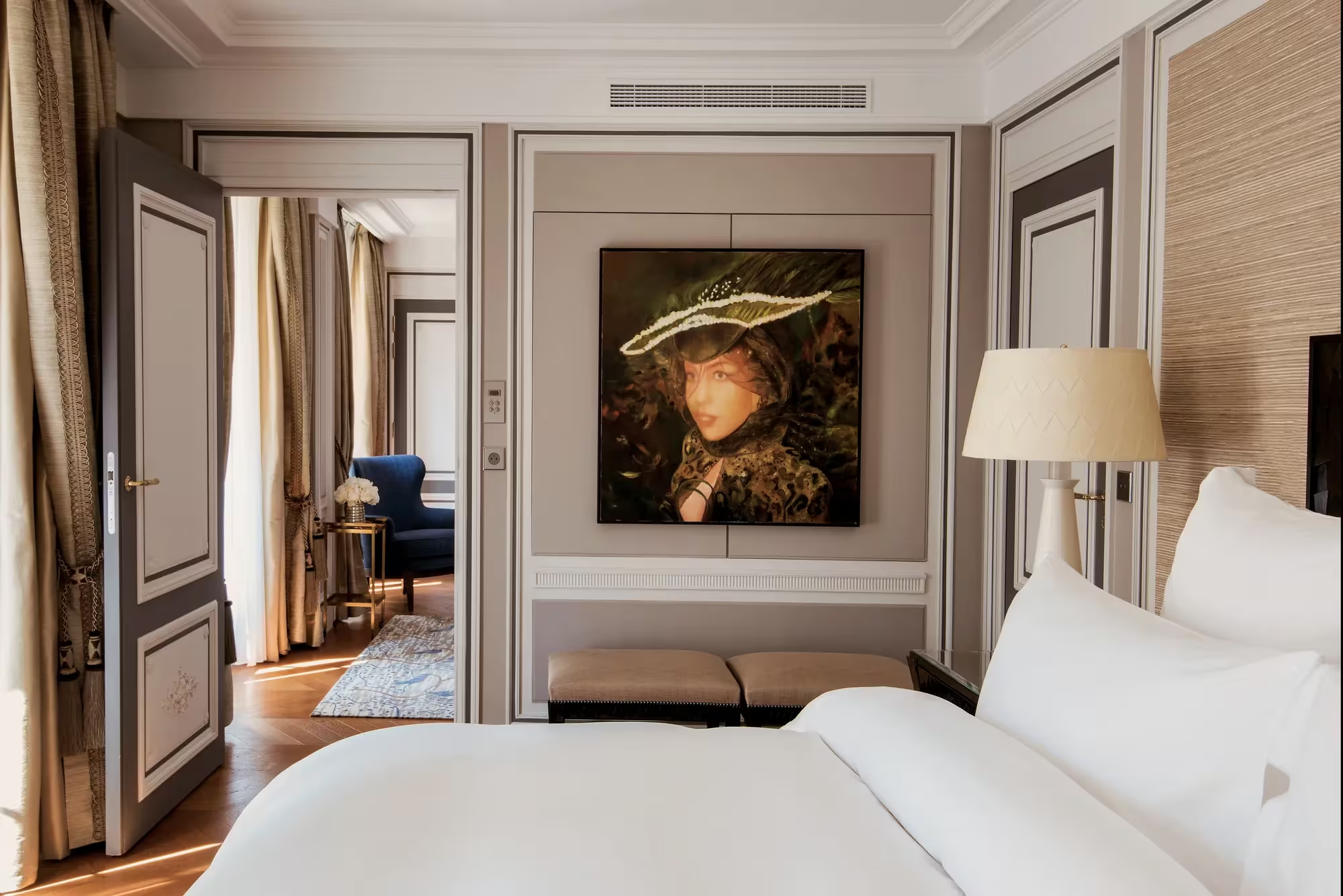
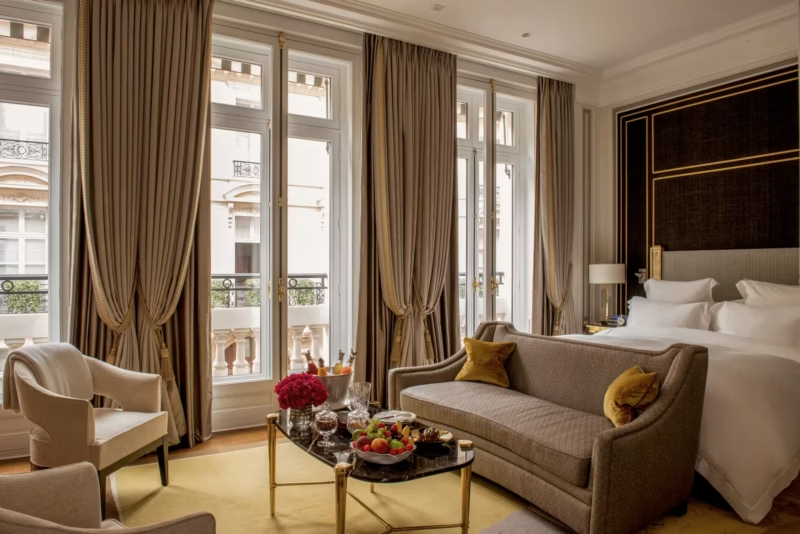
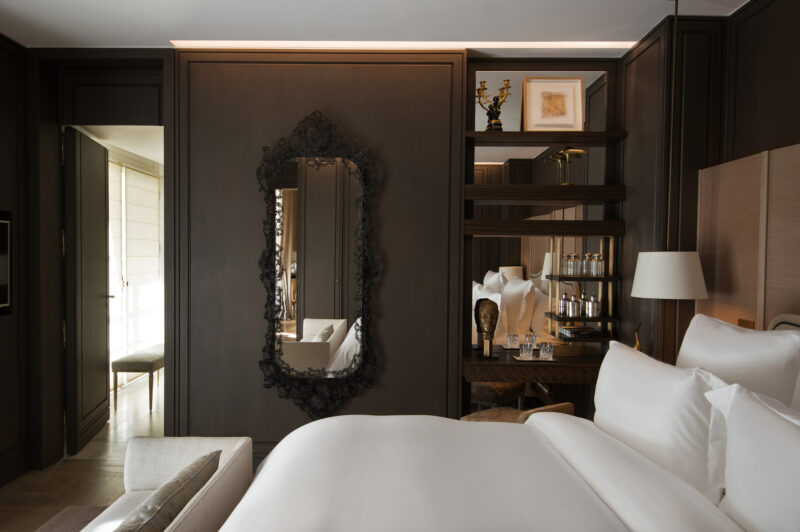
Bespoke furniture, antiques and selected objets d’art give them the air of a disciplined Paris apartment rather than a standardized luxury product.

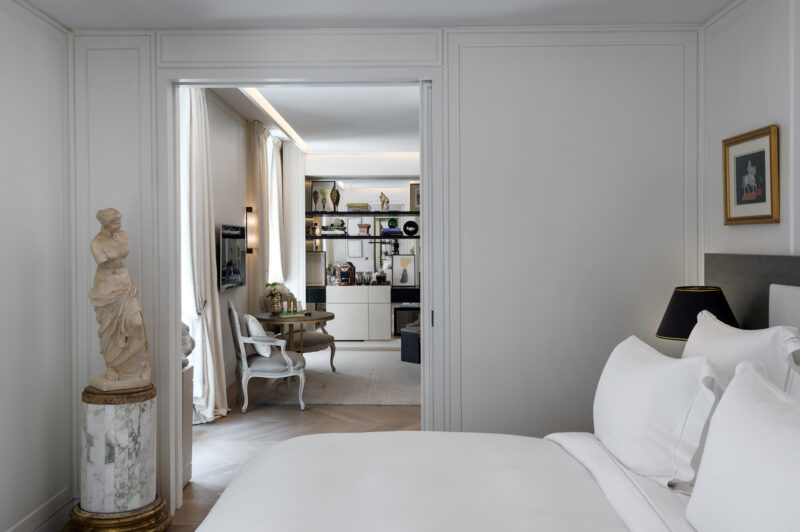
The ten signature suites make the boldest impression, including the Karl Lagerfeld-designed Grands Appartements on the fourth floor and the Ateliers d’Artistes tucked beneath the roofline. Many rooms work with marble accents, restrained tones and well-resolved bathrooms. Comfort here is not an effect. It is a carefully organized condition.
Culinary
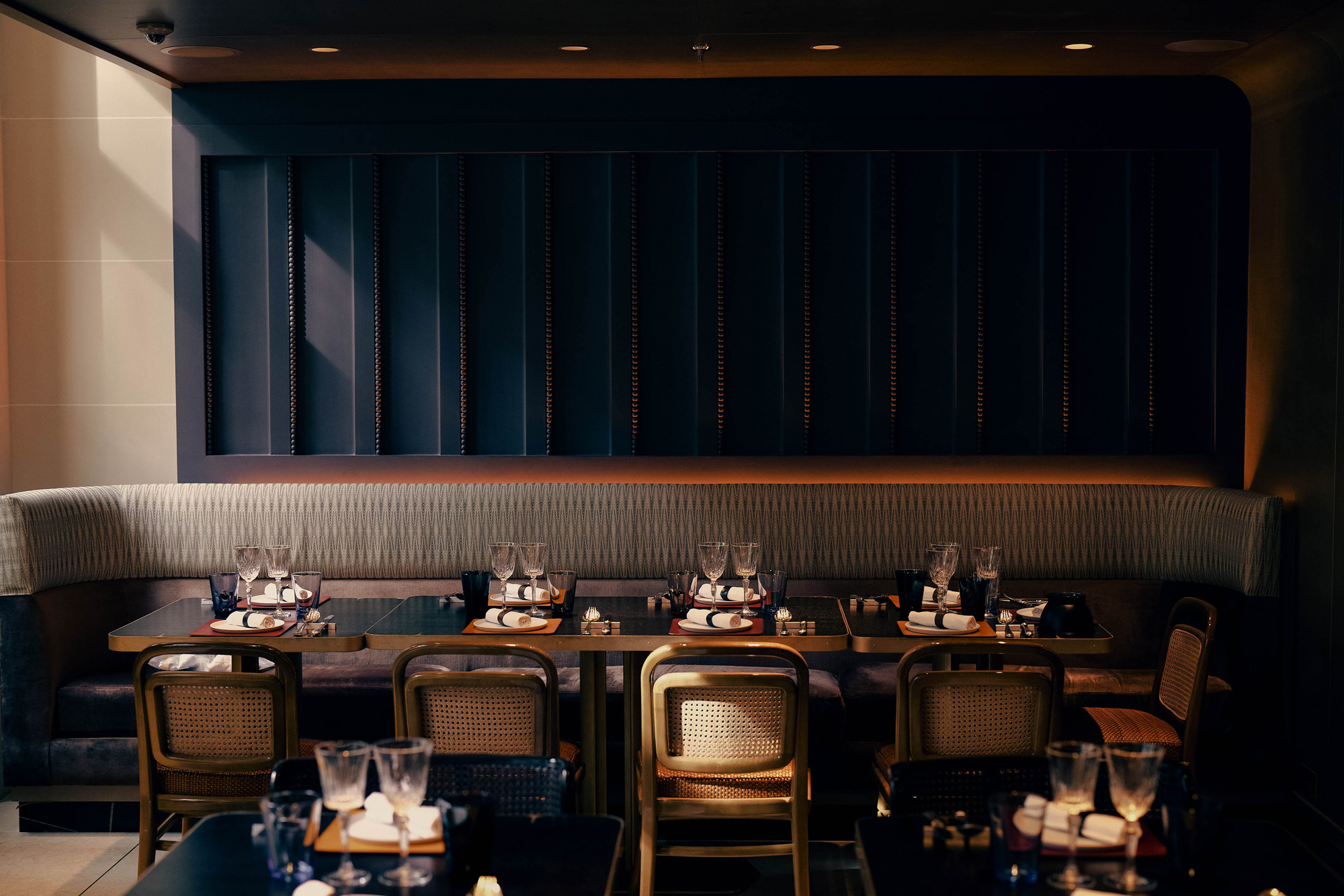
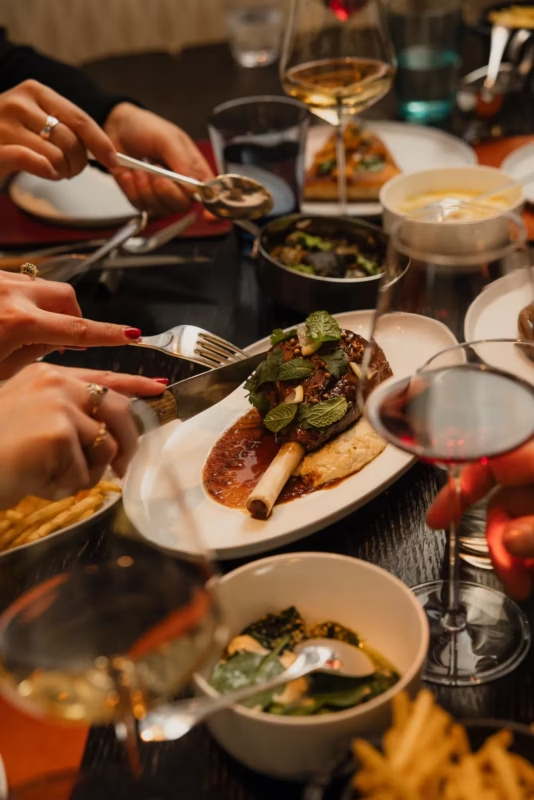
Culinarily, Hôtel de Crillon operates like a small internal map of appetites. At its center is Nonos par Paul Pairet, a lively urban grill that serves French classics with a slight shift in tone, with Comestibles next door as its delicatessen counter.
Jardin d’Hiver reveals the house at a softer register: breakfast, all-day dining and the pastry moments of Matthieu Carlin in a room that prefers to be thought of as a salon rather than a breakfast room. Butterfly Pâtisserie, opened in 2023, translates Carlin’s style into a gleaming boutique for cakes, chocolates and seasonal desserts.
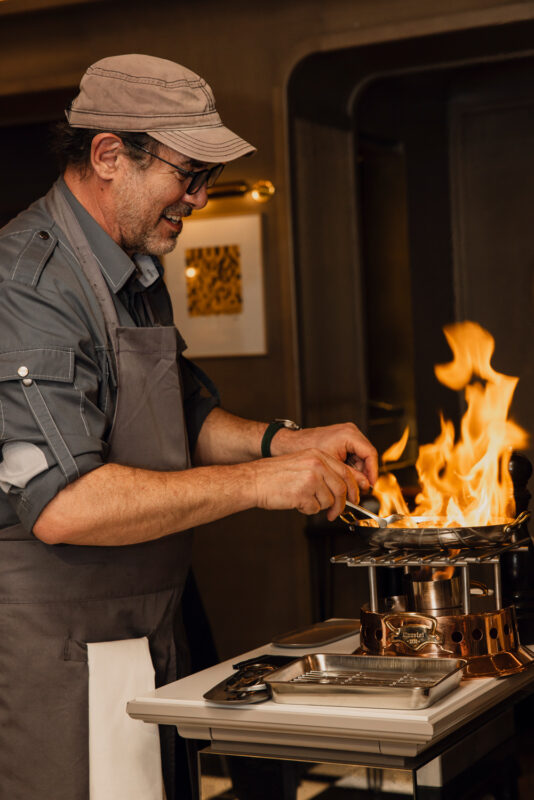
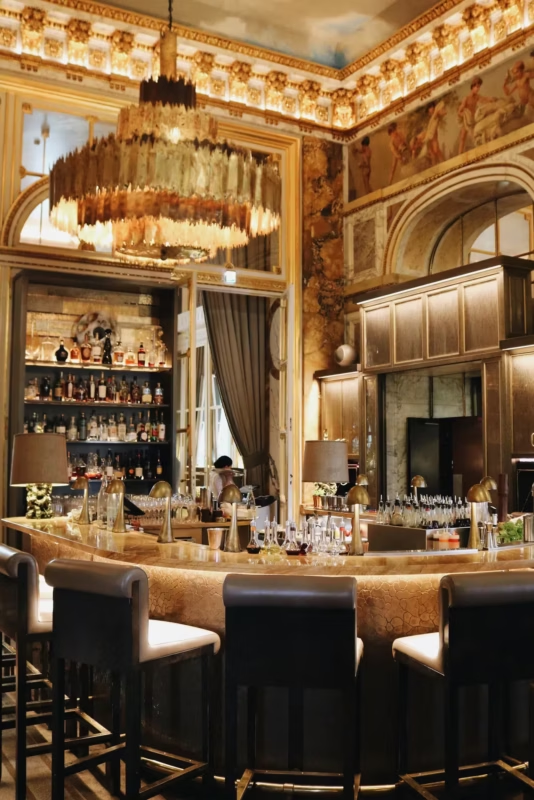
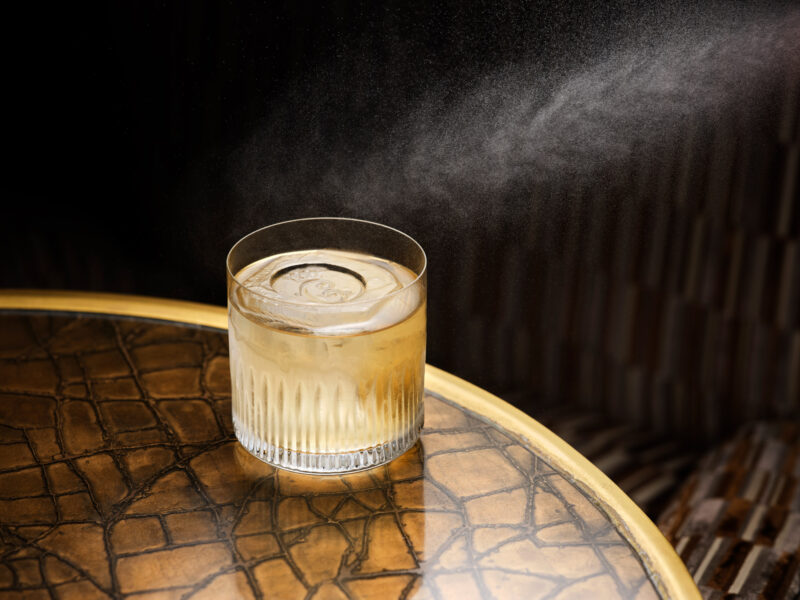
Then there is Bar Les Ambassadeurs, for cocktails, live music and Concorde views. Alan Taudon’s arrival as Executive Chef in June 2026 points to a new culinary phase. A hotel that does not merely feed its guests; it curates appetite.

Wellness & Relaxation
At Sense, A Rosewood Spa, the house briefly shifts out of ceremony and into something more private. Daylight falls across the pool through large skylights.
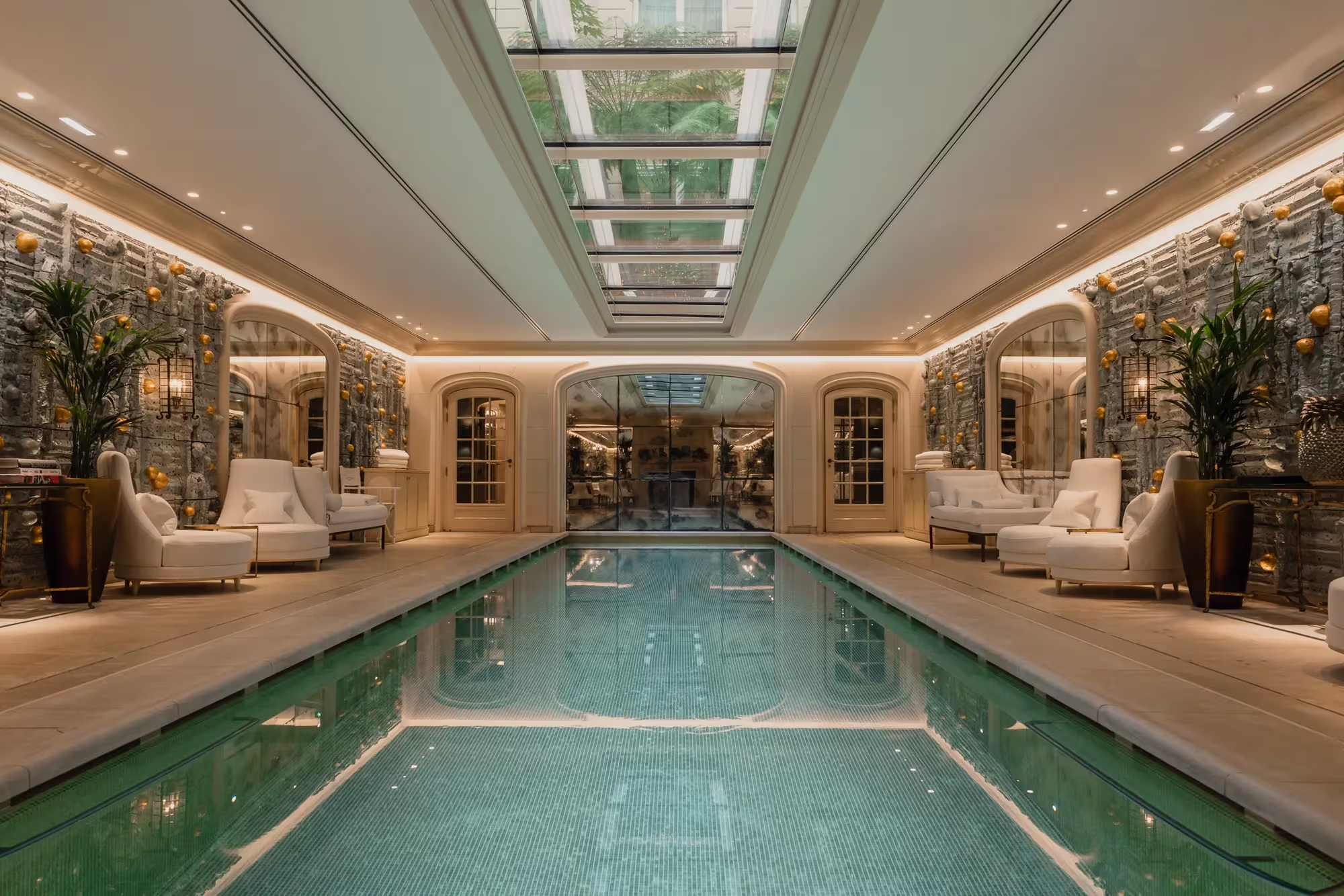
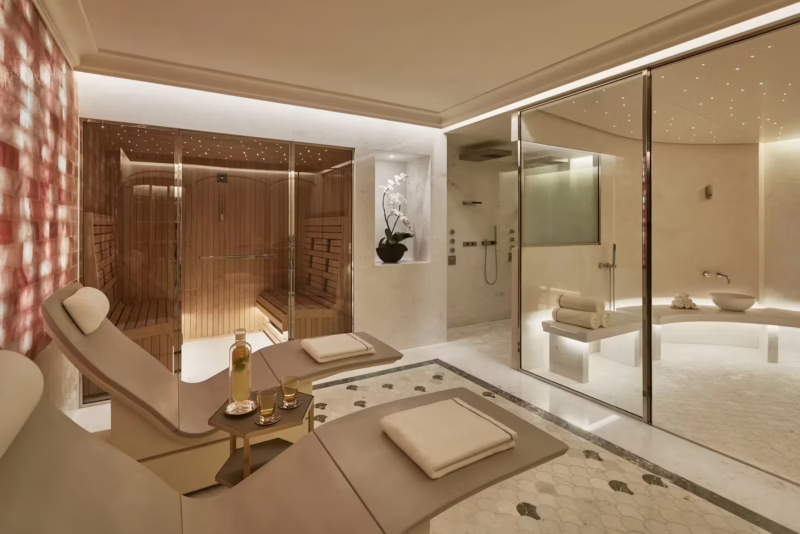
There is a hammam, sauna, experience showers and a relaxation area with a Himalayan salt wall; everything is present, but nothing is displayed like a wellness brochure. Treatments work with French brands and follow the idea of discreet regeneration rather than demonstrative self-optimization. Even the fitness studio, for all its technical polish, stays pleasantly unagitated. After a day among Concorde, traffic and museums, this may be the property’s most rational luxury: silence, temperature, light, time.

Surrounding area
Within the immediate radius, the location is almost absurdly efficient. Opposite stands the Hôtel de la Marine, whose restored state apartments and loggia offer a precise view into the courtly machinery of France; it is also hosting evening formats and rotating exhibitions. A few steps west begins Rue Royale, while to the east the Tuileries open out and, by the Seine, the Musée de l’Orangerie holds Monet’s Water Lilies and, in spring 2026, a Henri Rousseau exhibition.
At Jeu de Paume, also in the Tuileries, the present tense is examined through photography, film and image culture, often more sharply than in heavier institutions. For shopping, it is wiser not to work mechanically through the major names on Rue Saint-Honoré. Better: Astier de Villatte for craft-rich ceramics and print culture, or Galignani on Rue de Rivoli, the continent’s oldest English-language bookshop. The district offers not just attractions but a useful density of culture. Walk a little farther and the Louvre arrives almost without friction.
Activities
For art-minded guests: walk to the Musée de l’Orangerie early, before the day grows noisy, then continue through the Tuileries to Jeu de Paume for photography, film and contemporary image culture.
For history readers: spend time at the Hôtel de la Marine, with its state apartments, loggia and cleverly deployed interpretive media; from there, Concorde reads less like a postcard and more like a political storage device.
For flâneurs: head along Rue Saint-Honoré toward Palais-Royal, stopping at Astier de Villatte or in the passages and bookshops of central Paris.
For students of style: remain at Hôtel de Crillon for an hour and watch the choreography of the lobby. It is its own discipline.
For pleasure-seekers: afternoon tea or dessert at Jardin d’Hiver, later cocktails at Les Ambassadeurs, then an evening walk across a Place de la Concorde lit with almost cinematic calculation.
For early risers: a run along the Seine toward the Louvre or Les Invalides, then back to the spa and breakfast.
For travelers short on time: simply stay within a one-kilometer radius. In Paris, density is often a better strategy than ambition. By evening, returning to the hotel feels less like retreat than like an edit.
Details
- 78 rooms, 36 suites and 10 signature suites, for a total of 124 keys.
- Among the largest and most distinctive accommodations are Les Grands Appartements by Karl Lagerfeld, Suite Duc de Crillon and Suite Louis XV.
- Restaurants and bars: Nonos par Paul Pairet with Comestibles, Jardin d’Hiver, Butterfly Pâtisserie, Bar Les Ambassadeurs, plus La Cave for private dining.
- Wellness: Sense, A Rosewood Spa with pool, hammam, sauna, experience showers, Himalayan salt wall, fitness studio and David Lucas hair salon.
- Breakfast at Jardin d’Hiver; family-oriented suites available.
- Historic event salons overlook Concorde.