

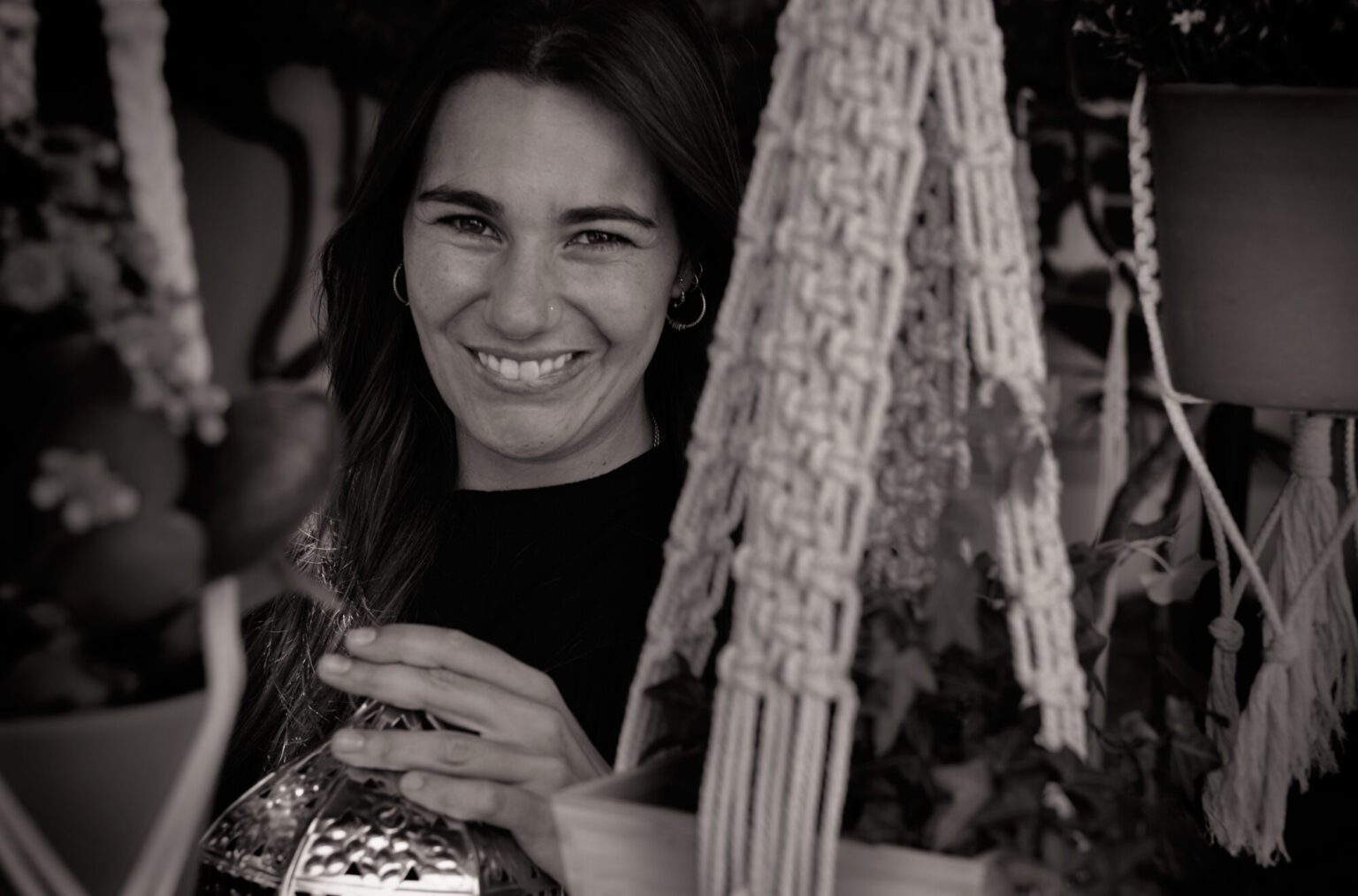
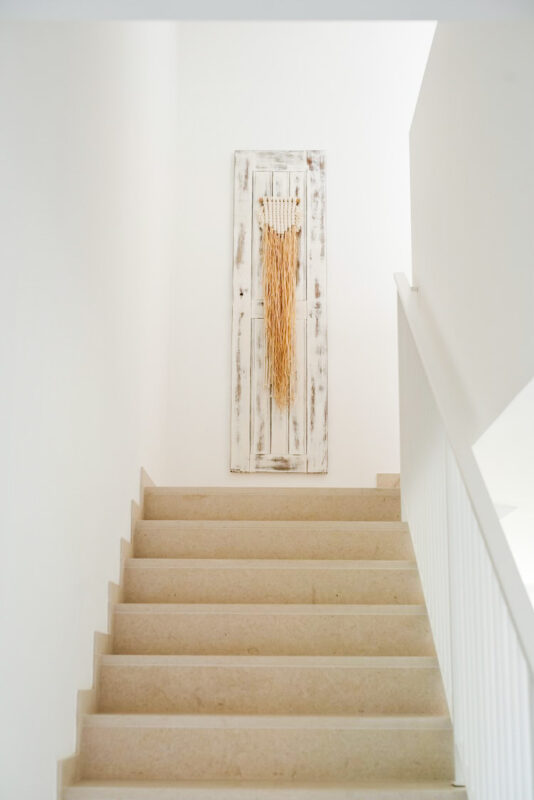
Knots, tension, patience. In Marta Barros’ hands, rope becomes texture, volume and quiet architecture. The Portuguese artist transforms an ancient craft into contemporary forms that soften interiors and invite touch. Working between Lisbon and the slower rhythms of the Atlantic coast, she reimagines macramé not as nostalgia, but as a living language of material, gesture and time.
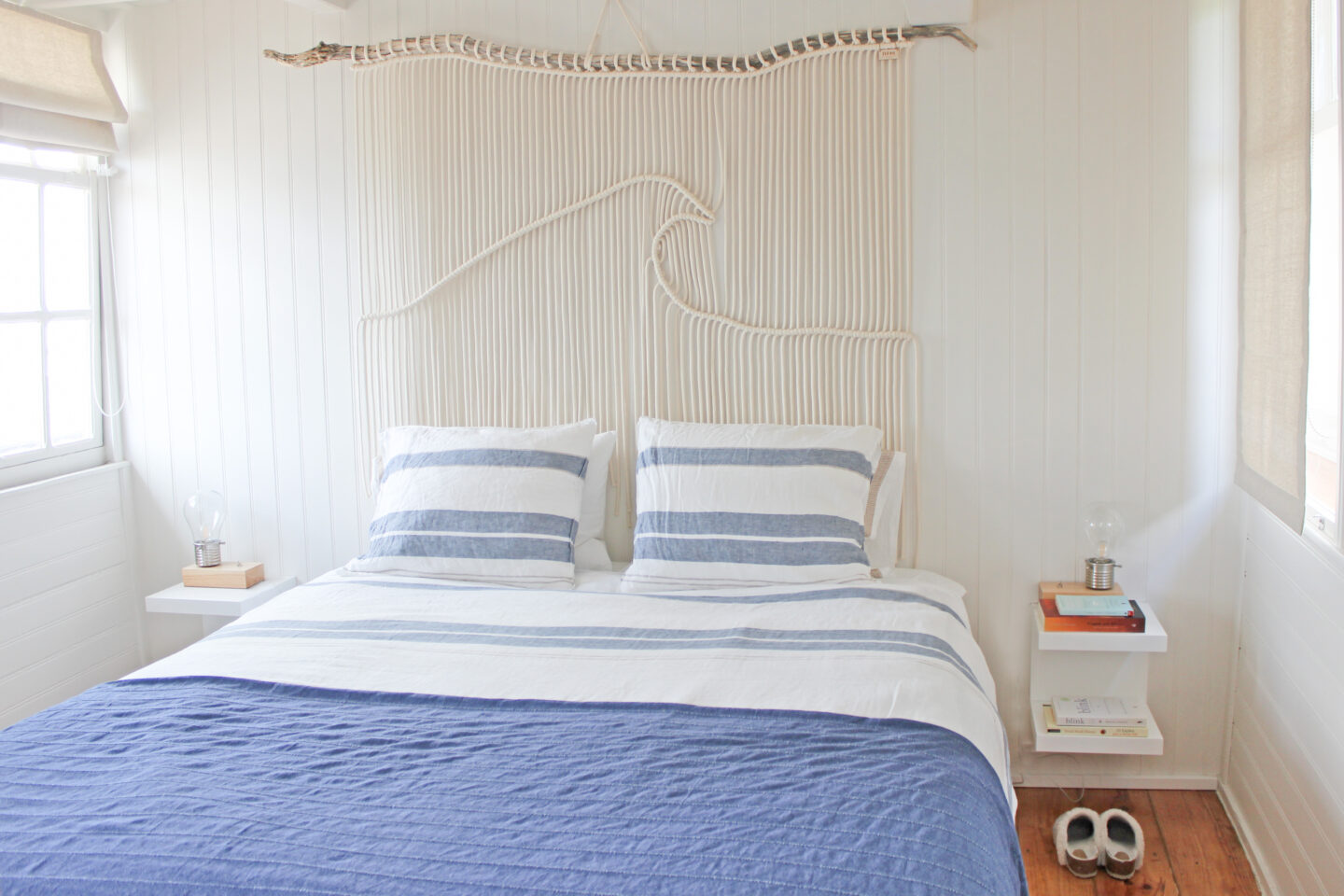
© Courtesy of the artist
Which place do you currently call home and where do you work on your projects?
I live in Lisbon, in the Campo de Ourique neighborhood.
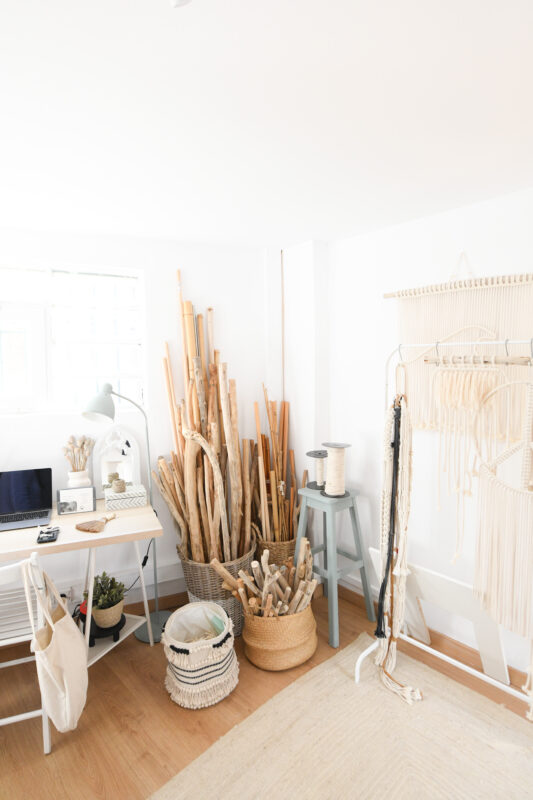
Sometimes I work from home, sometimes from my studio, which is a short walk to the neighborhood next door, called Estrela.
Do you have a favourite place in your area where you like to relax and linger?
Although Lisbon is the “city of seven hills”, Campo de Ourique is a pretty flat area and very inviting for walking. When I want to relax, I usually take a walk through the neighborhood to soak up some sun, have a drink with a friend at Mercado de Campo de Ourique or browse the local stores.
If I have more time, I go to Jardim da Estrela—a little oasis in the city where I can be closer to nature, sit on a bench in the garden and listen to the birds singing (so often drowned out by the noise of airplanes).

© Photo: Freguesia de Estrela,Unsplash
Are there any urgent political issues or problems in your region?
I’m lucky enough to live in a safe and democratic country, with all the benefits and challenges that this entails.
Like all countries in western europe, we are particularly concerned about war, and like all countries in the world, climate change is also a priority issue for us. As a coastal country, Portugal faces serious concerns on this matter, not only because of the rising oceans, but also and mainly because of the lack of water, especially in the south of the country.
In your opinion, what has developed well in the last 5 years—and what has not?
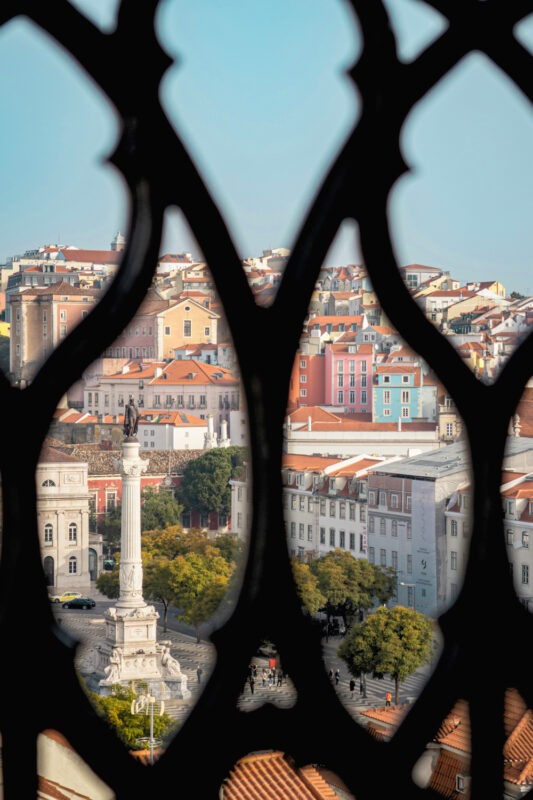
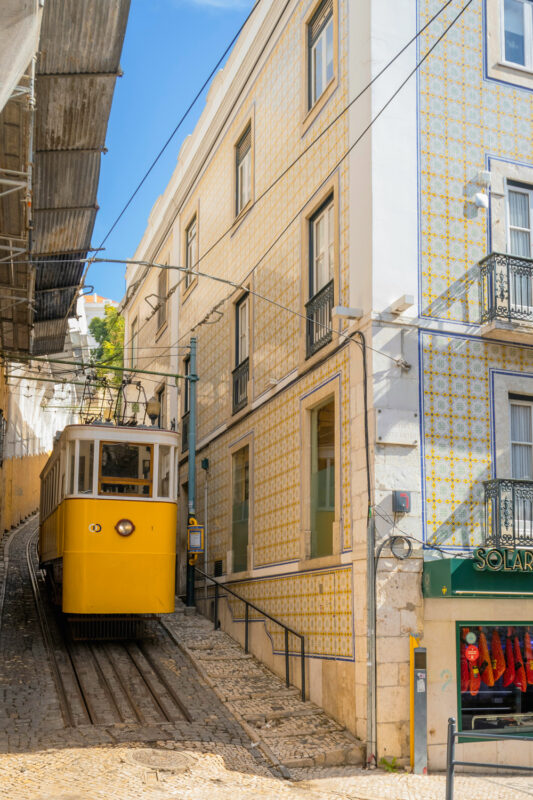
Lisbon’s tourism industry has boomed and this has led to the revitalization of many neighborhoods, providing residents and visitors with a wider range of cultural experiences to enjoy. It has also increased job opportunities and economic growth.
However, the demand for housing has contributed to a rise in property prices and rental costs, making it more difficult for many residents, especially young people and low-income families, to afford housing in the city center.
© Photo: Kyrylo Tkachenko,Unsplash
© Photo: Sina Kollegger,Unsplash
Do you know a hidden gem when it comes to local manufacturers—whether it’s arts and crafts, sustainable products or food?
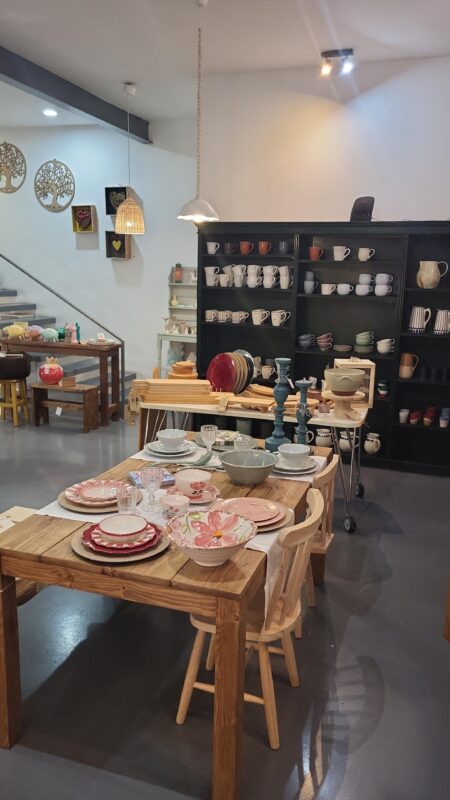
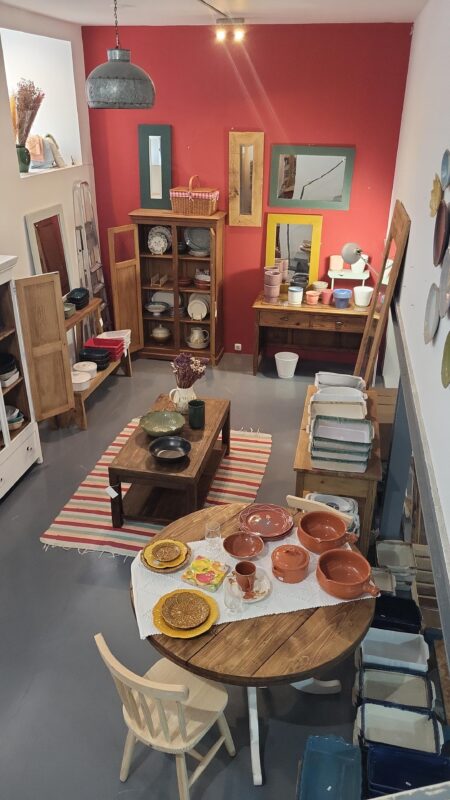
I’m a regular visitor of the Crafts & Design Market that takes place every first weekend of the month at Jardim da Estrela. This street market has a very familiar and cheerful atmosphere and brings together a number of small Portuguese brands of high quality.
A walk down Rua de S. Bento is also worthwhile to visit its beautiful antique stores, art galleries and vintage second-hand clothing stores. There are also plenty of restaurants along the street, or you can simply finish off with a refreshing drink at the kiosk in the charming Praça das Flores.
© Outlet de Bairro
© Outlet de Bairro
Is there anything particularly innovative in your region? Also in comparison to other places you have already visited?
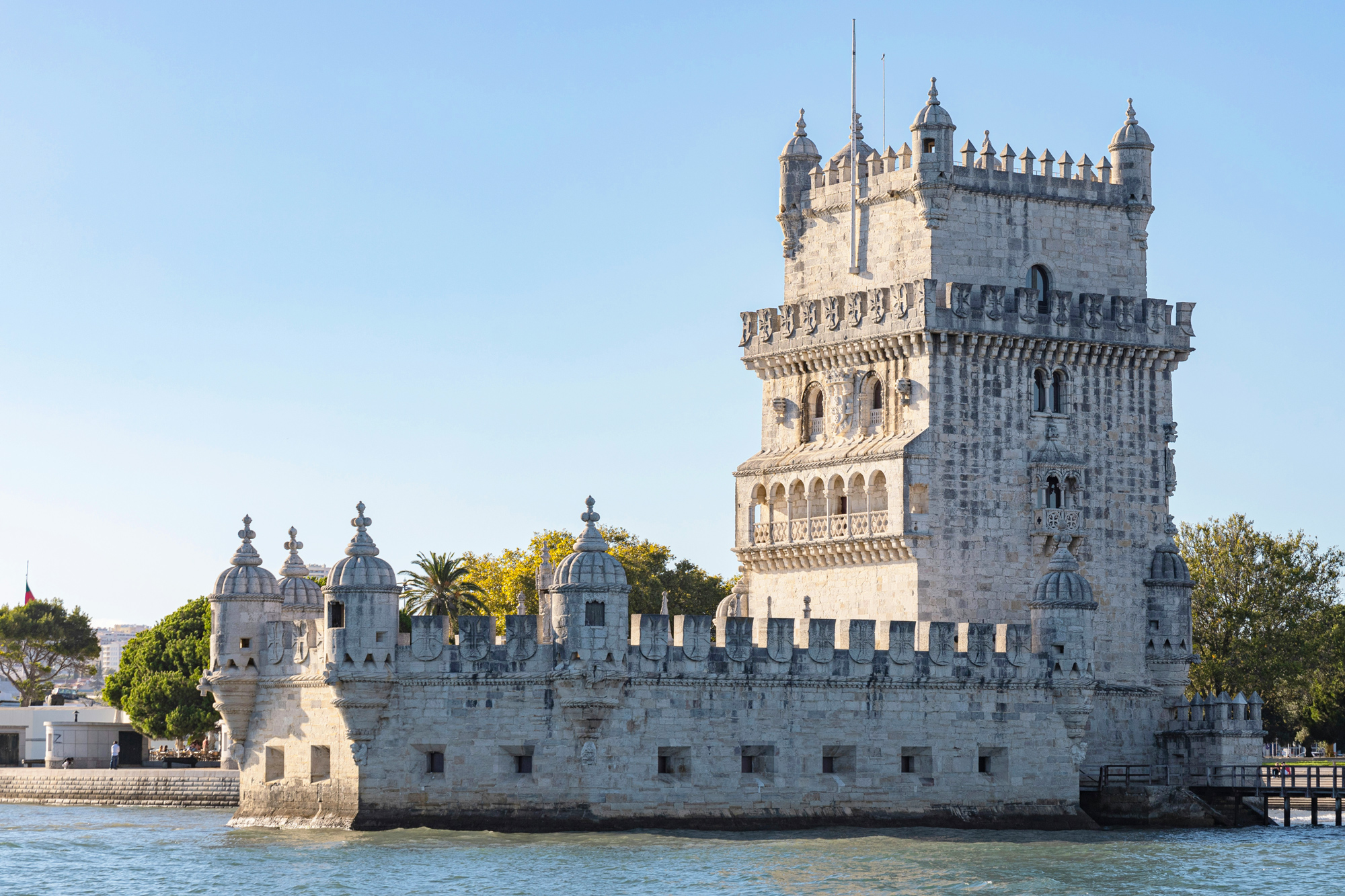
The answer to this question is not easy because nowadays with globalization it is very difficult for someone to be the only one doing something new for a long time. I don’t know if Lisbon stands out for any particular innovative initiative, but one thing that I find positive is that we have been very good at promoting our destination abroad by taking advantage of our geographical situation, climate, and other conditions that make Lisbon an attractive place. See, for example, that in recent years the city has been a great stage for major international events in different areas of activity, such as Web Summit, World Youth Days, The Tall Ships Races, among others. This obviously puts Lisbon on the world map and is very beneficial for our country.
Do you have a secret restaurant tip that you would like to share with us?
At Chiringuito Lisboa I always feel like entering a Portuguese familiar country house. The food lives up to the feeling of home, offering great traditional Portuguese cuisine and other delicacies. Try “peixinhos da horta“,“ ovos escalfados em tomatada“ and “preguinhos do lombo no pão“.
Is there a local shop whose products are only available in your region?
I’m a fan of crockery. I often visit Outlet do Bairro, because it has the most beautiful selection of tableware made in Portugal, also with special/exclusive collections designed by the owner (Alexandra Ferreira Pinto). It’s a store worth visiting for the friendliness of the staff and also to see the other Portuguese artisanal brands on display.
What are your 3 favourite apps that you use every day and couldn’t live without?
I often use Spotify as well while I’m working for music and podcasts.
Do you have any favourite newspapers or online magazines? And how do you keep up to date with politics or social and cultural issues?
Observador has a lot of informative podcasts that I like to listen to when I’m working, but I also subscribe to a number of newsletters from institutions on topics or initiatives that interest me, so in the morning when I check my emails I already have a good selection of news to read and suggestions of events happening in the city. Sometimes I also check Lisbon’s cultural agenda online.
At home in the evening I watch Jornal 2 on Rtp2, which gives a good summary of the national and international stories of the day.
© Photo: Kaptured by Kasia,Unsplash
Imagine you could be mayor for a year—what would you change?
There is always a lot that needs to be done, but in my sector of activity, for example, a need that I feel artists face is to have a space to work. The lack of studios to rent and the price they cost makes this search very difficult. In this sense, I think that parish councils could use spaces that they might have available and promote open calls so that artists with residency in the area could apply and settle there for an affordable price or in a collaborative way, temporarily and on a fair rotation basis, and develop their arts, also promoting more cultural initiatives at local level such as workshops and exhibitions.
One last question: If you could choose another place to live—regardless of financial or time constrains—which one would you choose?
Fortunately, over the years my business has become more established, so I no longer need to spend so much time in Lisbon. During the pandemic, I headed north to lock down with my family and those times showed me the benefits of living a quieter life in the countryside. So it’s curious that you’re asking this question because I’m writing these words at a time when I’m thinking of actually moving.
In answer to your question, if I could choose, I would be living in Torreira today in a house with a small garden overlooking the wonderful Ria de Aveiro.
I was born in Porto, lived in Lisbon for 20 years but the place I call home is definitely Torreira, a small fishing village where I’ve always spent my vacations and where I run a small business with my family during summer. Along with TEX MB, I’d like to be more dedicated to Livin Barca, which—I believe—provides authentic and happy experiences for those who visit us. We have plans to grow this project, namely by offering accommodation as well. Let’s hope it works out!
© Courtesy of the artist
© Courtesy of the artist


