Arriving here means entering more than a neighborhood. It is a concentration: arcades, ministries, fashion, opera, the old money of stone façades. Then the door of Château Voltaire. No grand flourish. More the pleasant sense that someone has turned the volume of Paris down by one notch. Inside, the air shifts at once: more private, softer, more exact.
The location
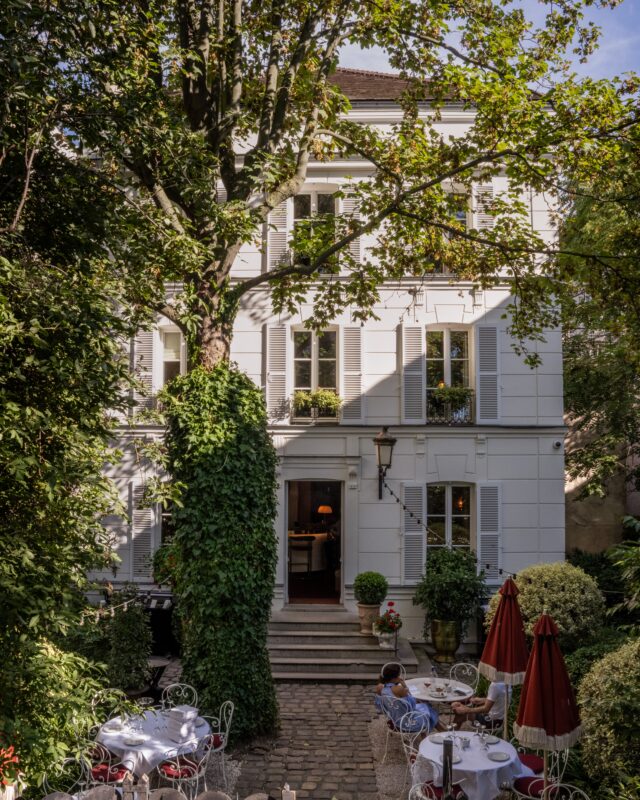
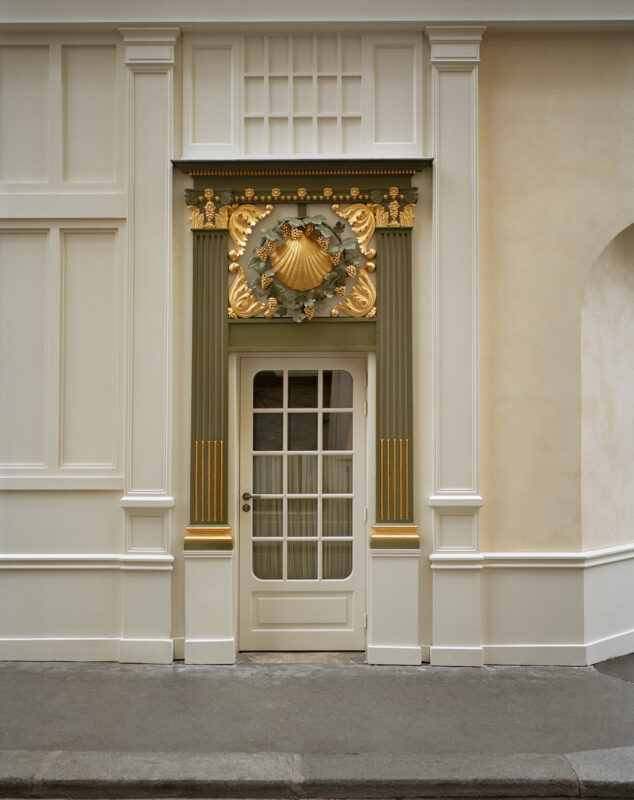
The address, 55–57 Rue Saint-Roch, is so central that Paris starts to feel like a neatly folded map. From Pyramides, Opéra or Palais Royal–Musée du Louvre, the hotel is only a short walk away; from Gare du Nord usually little more than half an hour, from Orly often under 45 minutes. Outside, the building does not perform grandeur.
© François Halard
© Harry Crowder
It appears instead as a discreet Parisian street façade on the corner with Rue Gomboust. That is precisely why the first impression lands. Between the Opéra, the Tuileries and the gridlines of Rue Saint-Honoré, it stands not like a monument but like an address that does not need to introduce itself.
Backstory
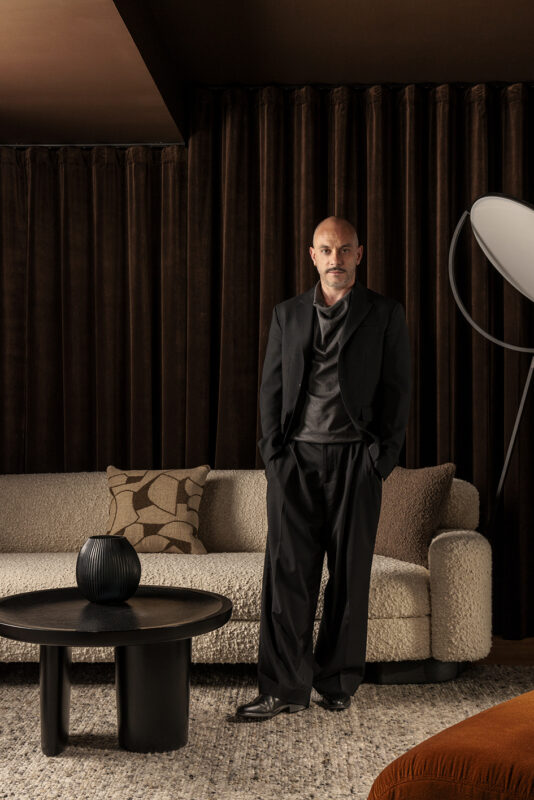
Château Voltaire is the deeply personal hotel project of Thierry Gillier, founder of Zadig & Voltaire, who has said he wanted to give something back to Paris: beauty, conviviality, ideas, elegance, in short, what the city at its best can still do. He entrusted the artistic direction to Franck Durand, whose eye for image, attitude and milieu gives the house much of its controlled ease.
For the spatial translation, Durand brought in the Paris studio Festen, Charlotte de Tonnac and Hugo Sauzay, who do not decorate rooms so much as tune them. The result is not a lifestyle spin-off but a place with a personal signature: opened in 2021, set within former 17th- and 18th-century houses, a declaration of love to Paris without the usual sentimental blur. Vanity stays outside.
Interior & architecture
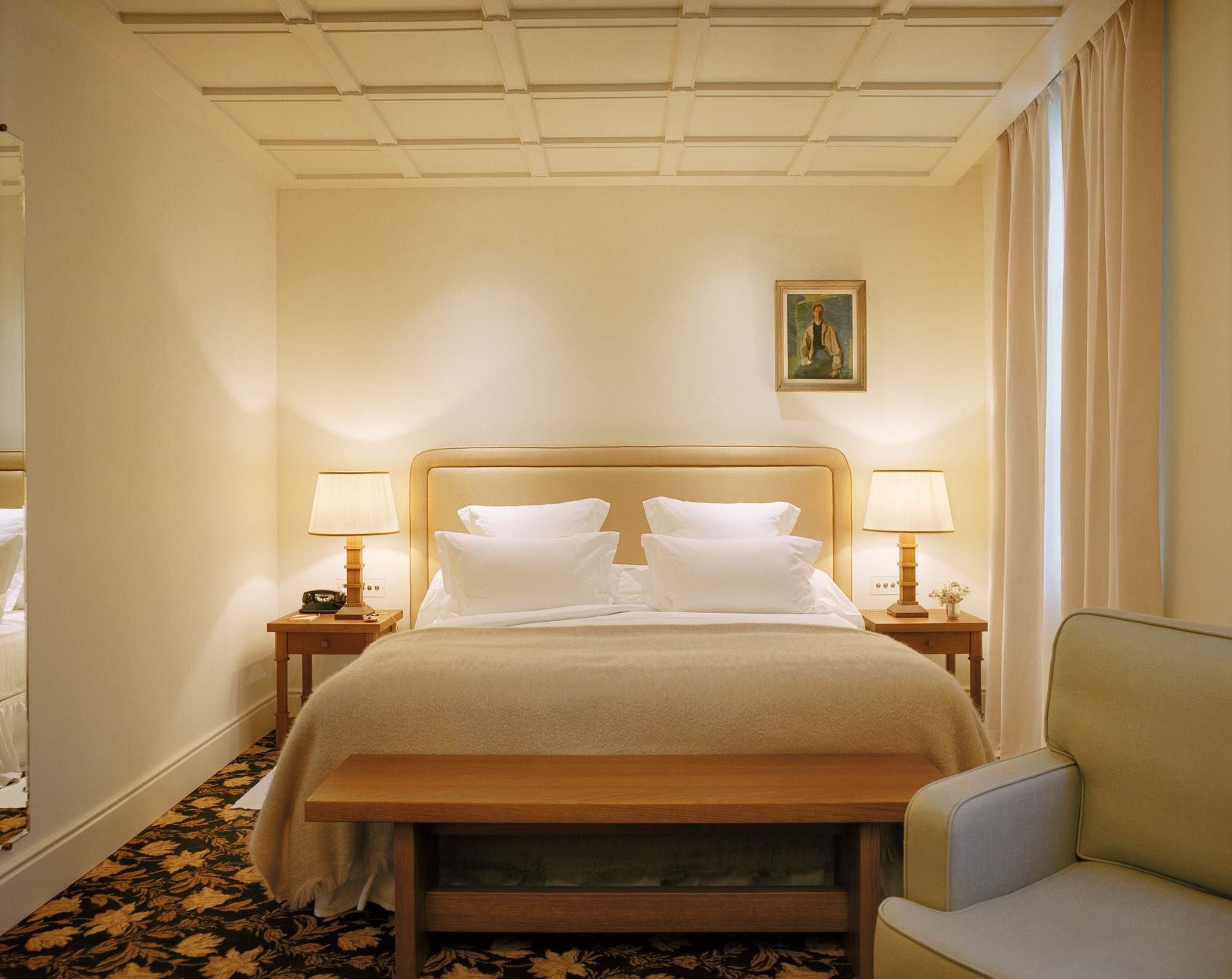
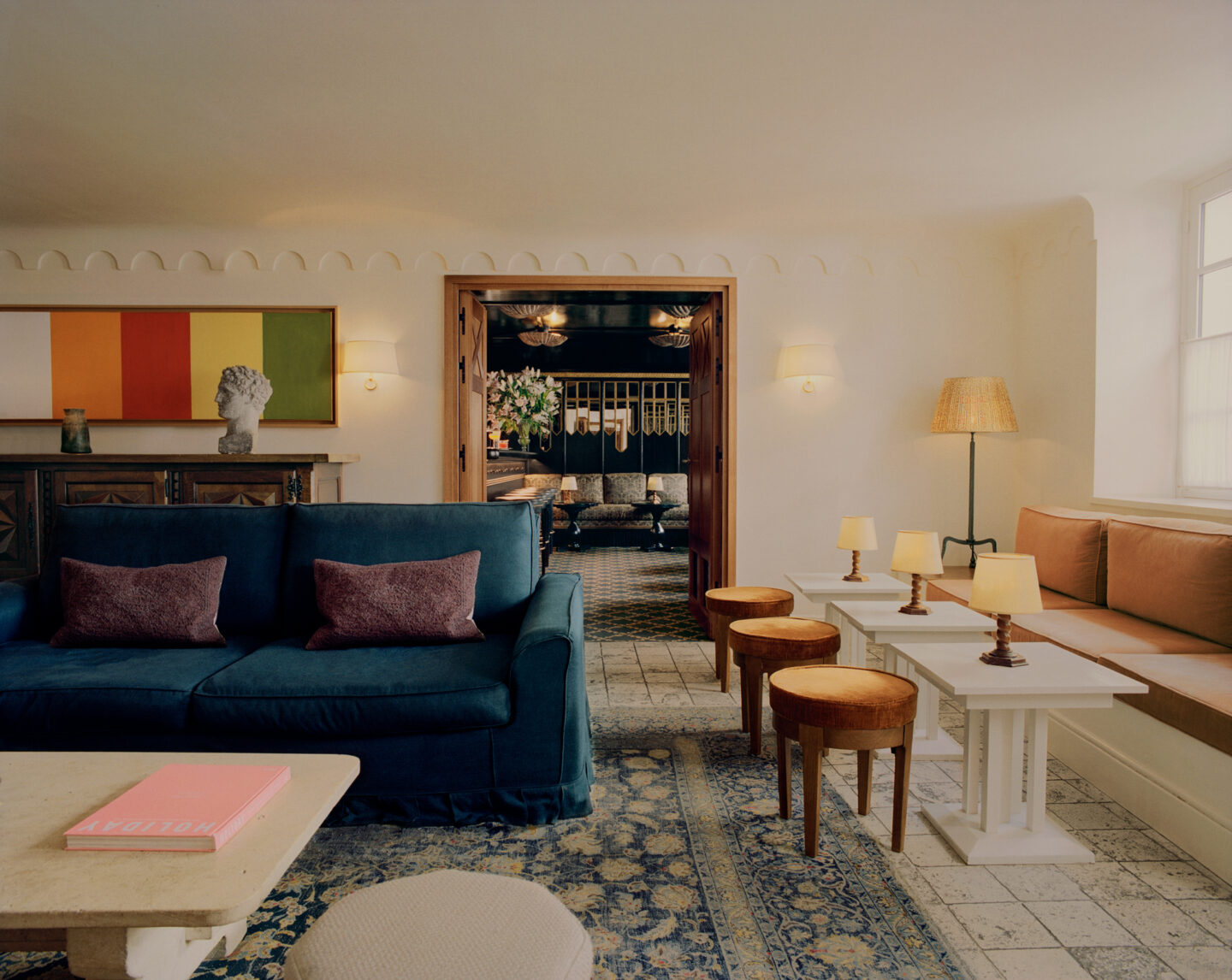
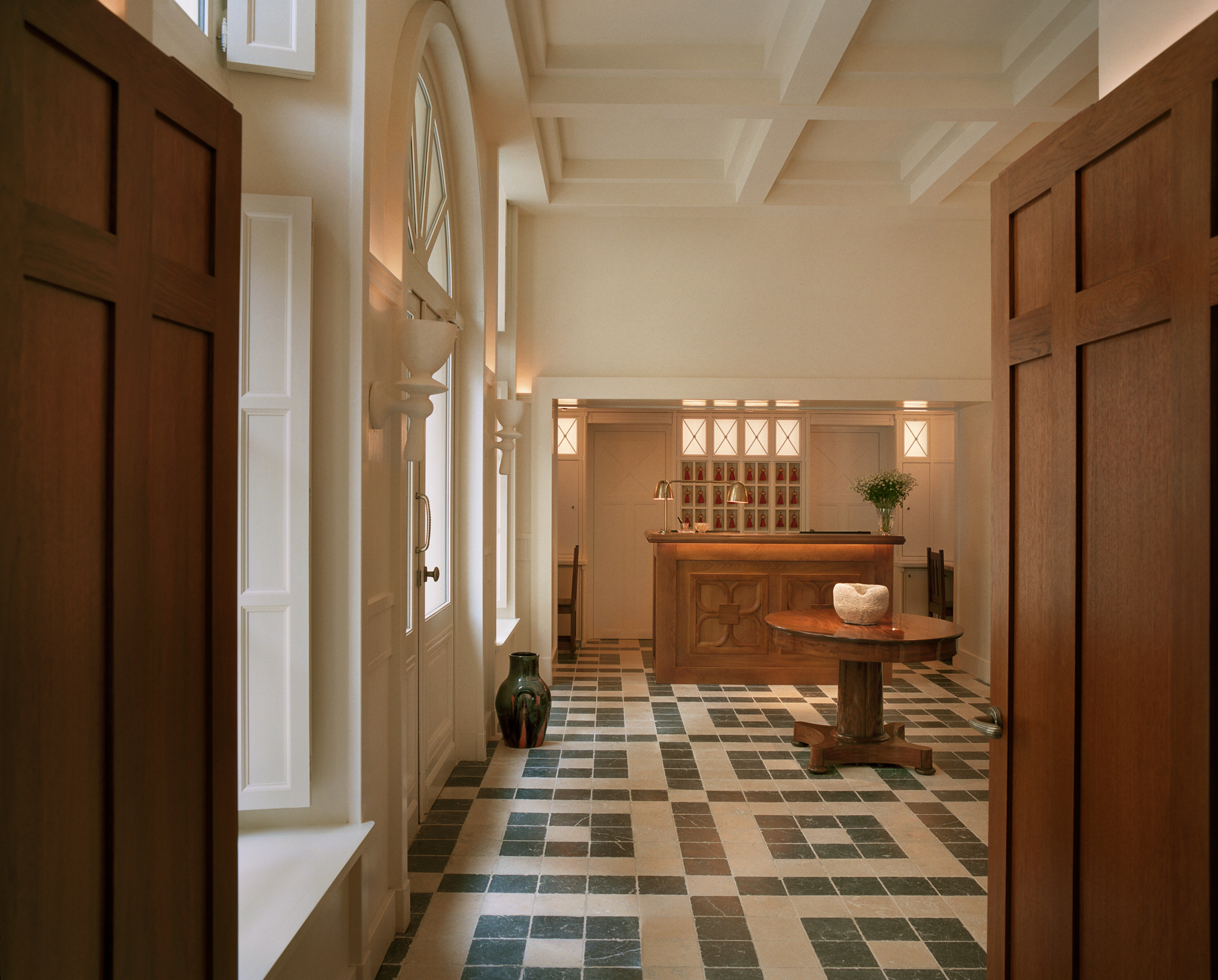
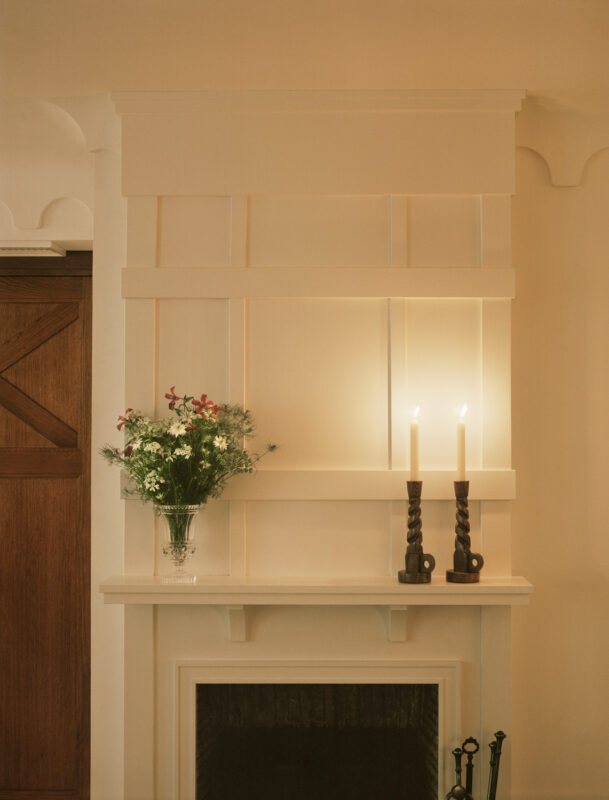
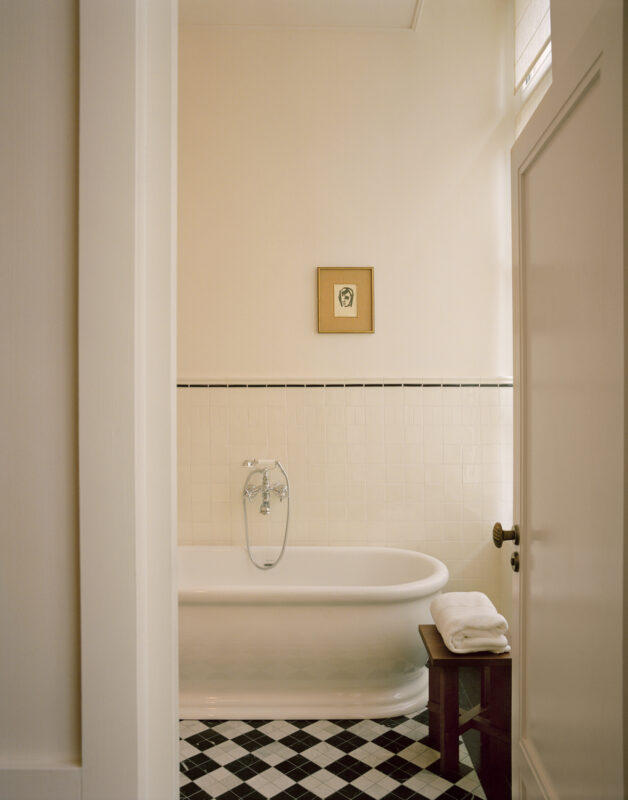
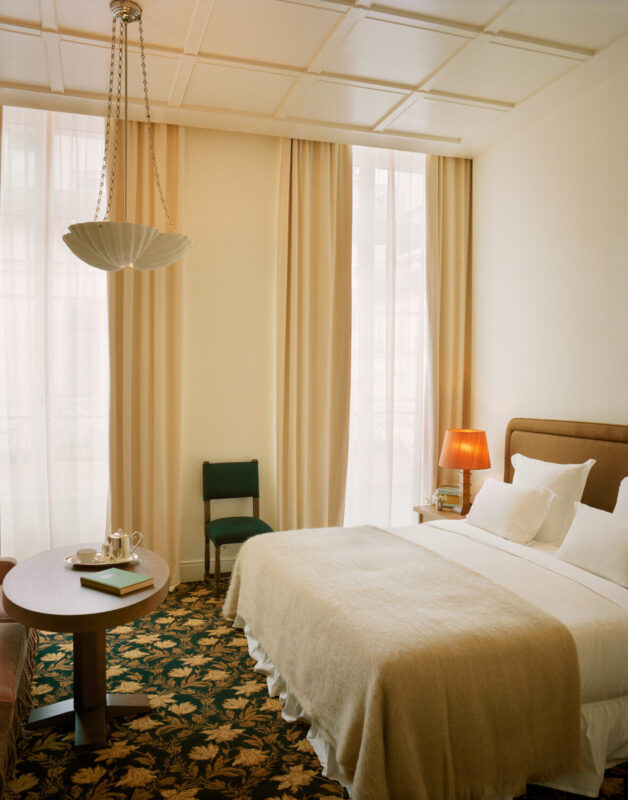
The hotel is composed of three historic buildings; hence the staircases, shifts, changing volumes and that rare interior irregularity now usually simulated at great expense. Festen and Franck Durand turned this into an architecture of controlled density: coffered ceilings, period tiles, dark timber, velvet, leather, fringe, bespoke headboards, oak sconces, wall textiles and joinery with near-manorial gravity.
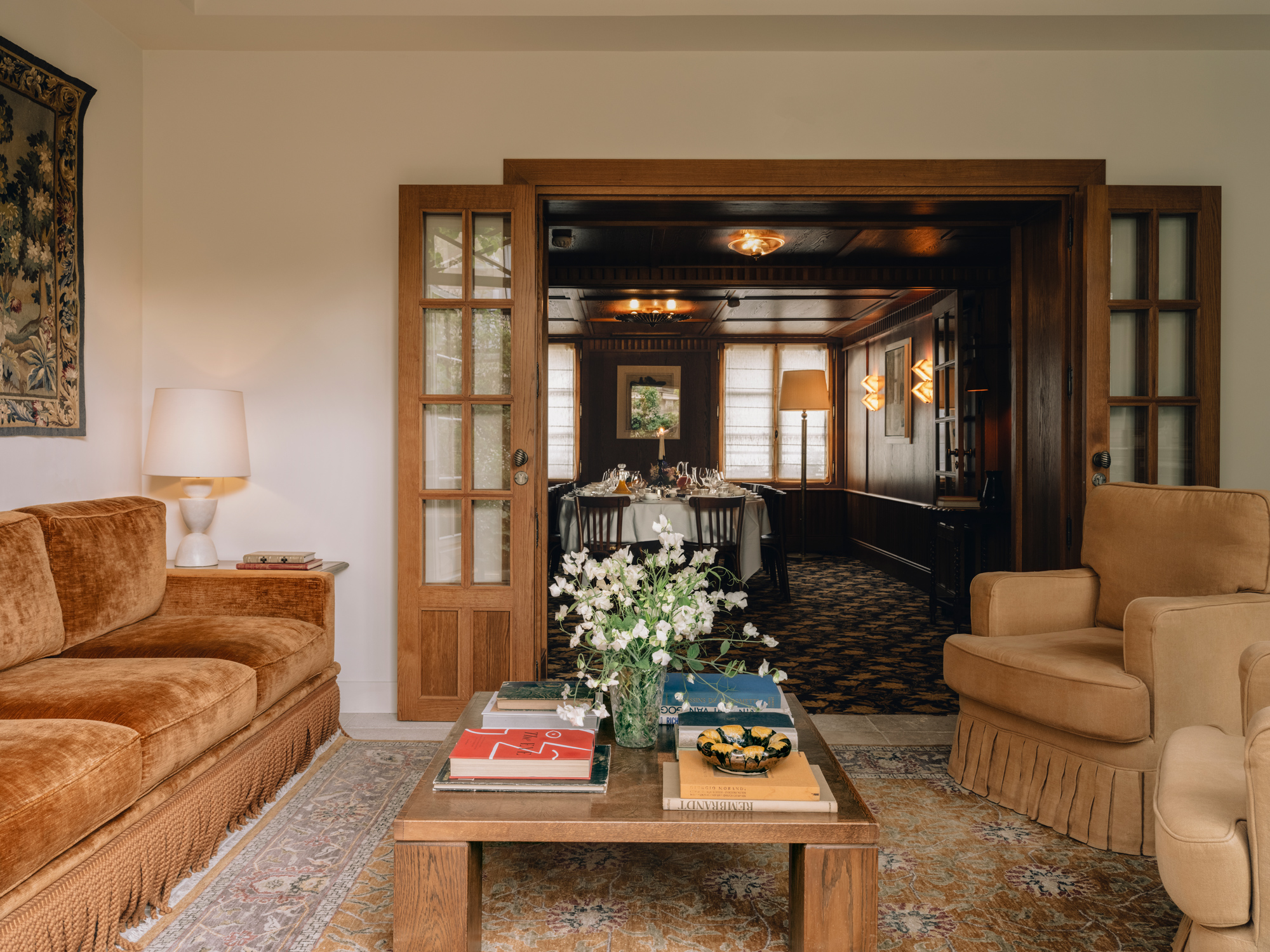
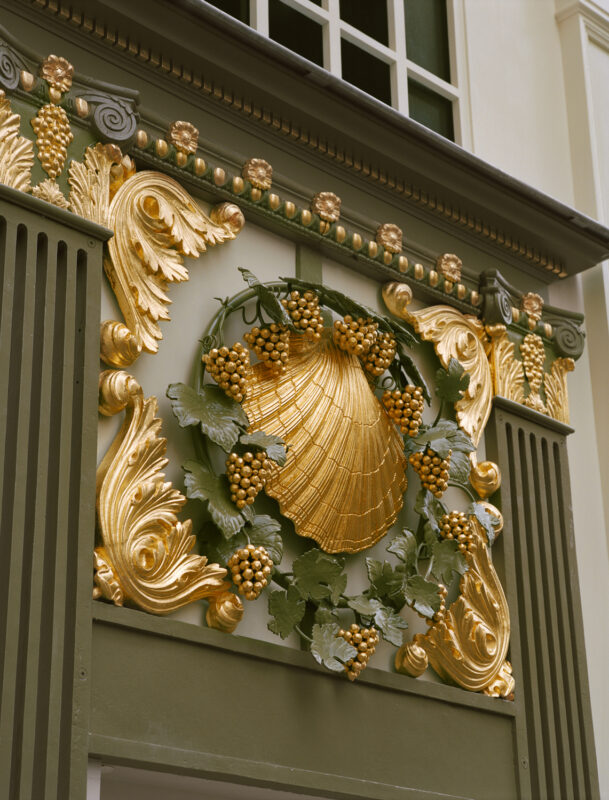
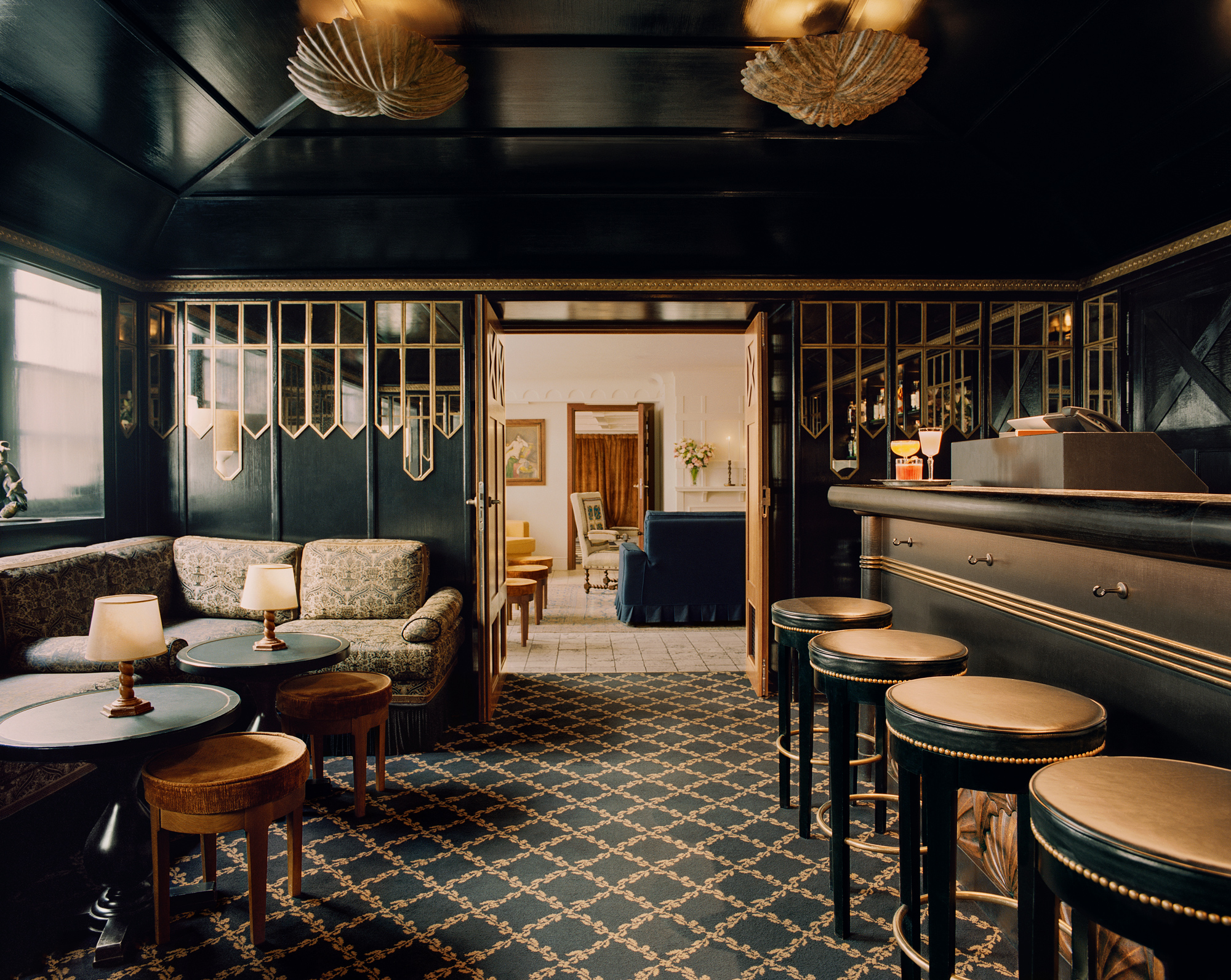
In the small bar, La Coquille d’Or, the shell motif returns, inspired by a historic ornament on the building; original Rococo elements survive on the ceiling. Rooms are individually furnished, some with works from Gillier’s private art collection.
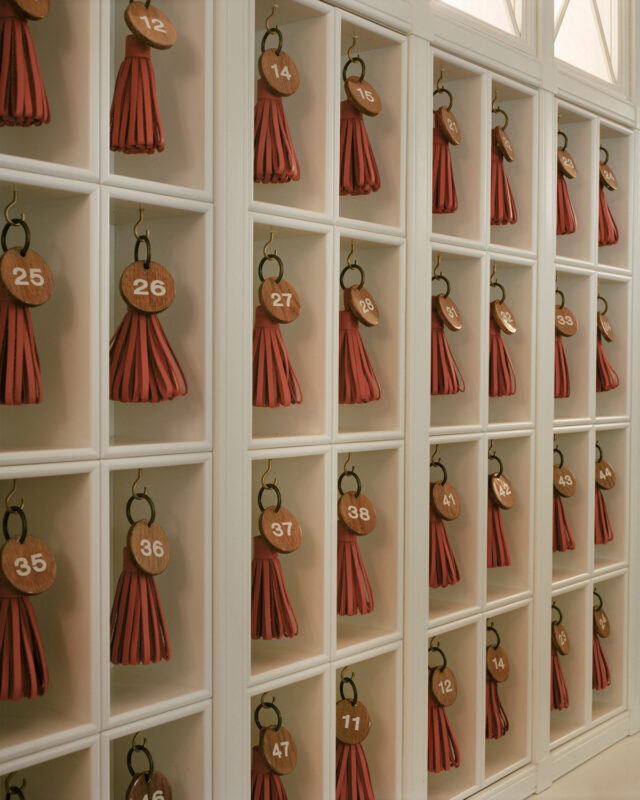
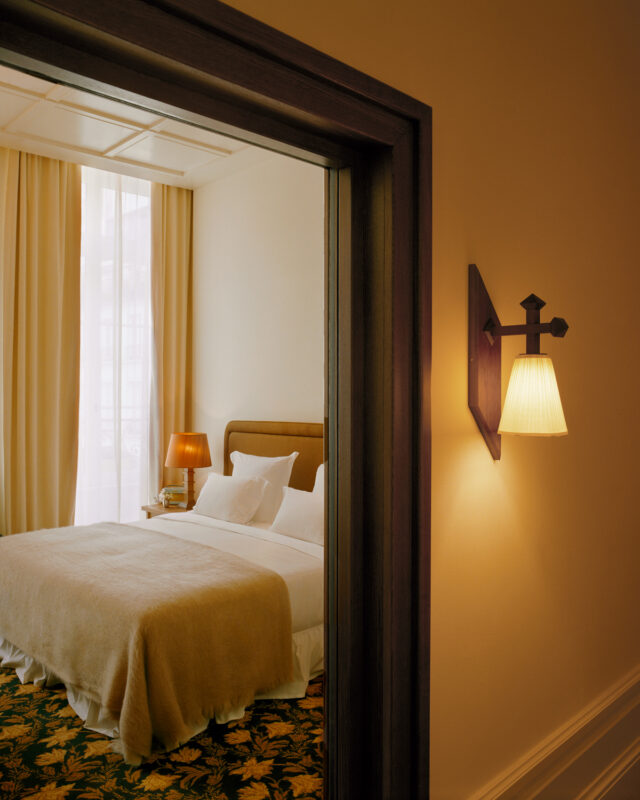
The effect is not retro theatre but a sharpened image of Paris: arts-and-crafts adjacent, faintly gothic, highly tactile, never sterile. That is why it lasts.
A look inside
The public choreography is intelligently staged: at street level, brasserie and bar as spaces that are half urban stage, half private salon; below, the wellness area; above, across five floors, 32 rooms and one Voltaire Suite. Categories run from Superior and Deluxe to Prestige Rooms, Junior Suites and the Voltaire Suite beneath the roof.
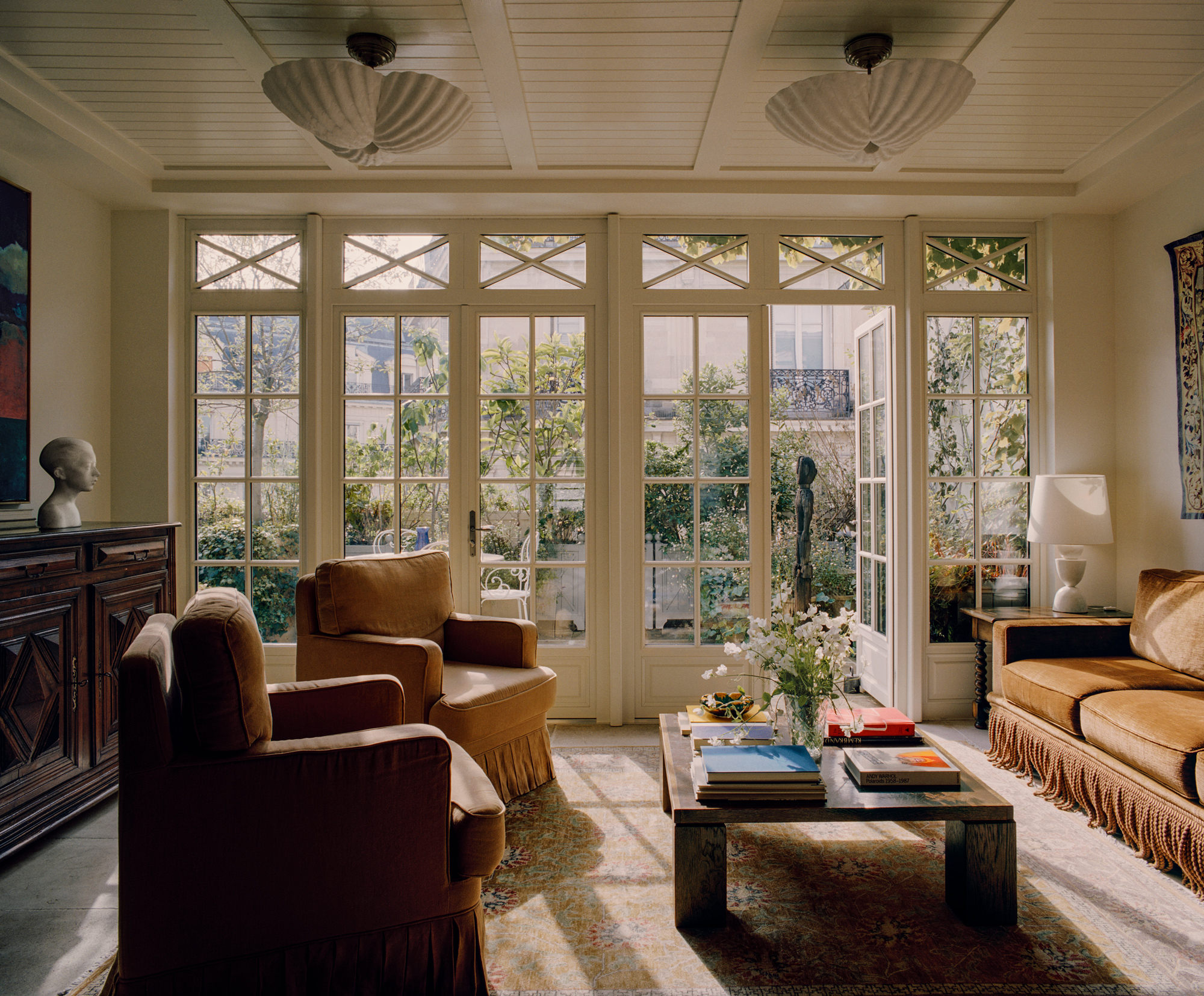
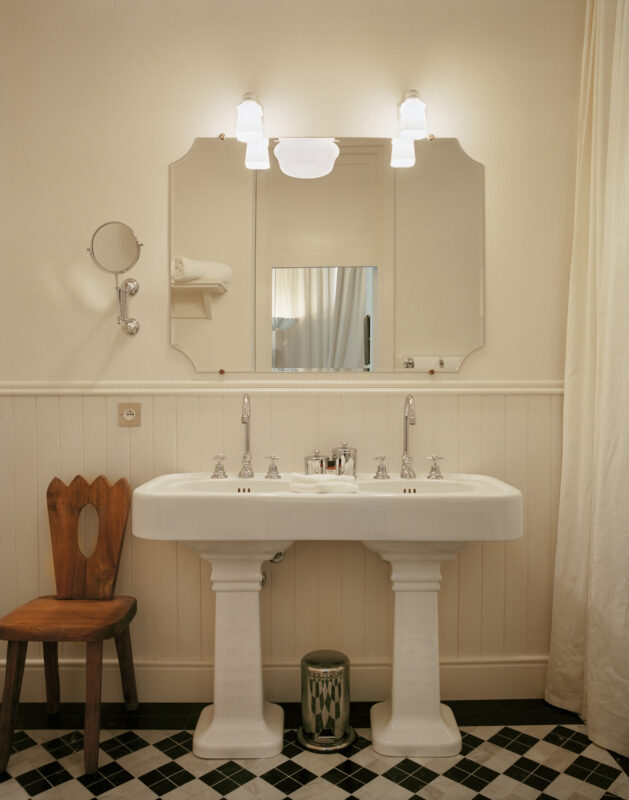
Every room is unique, yet the logic remains constant: comfort-led luxury with no showboating. There is a minibar, smart TV, bathrobes, generous room-service hours, and in some categories bathtubs as well as showers.
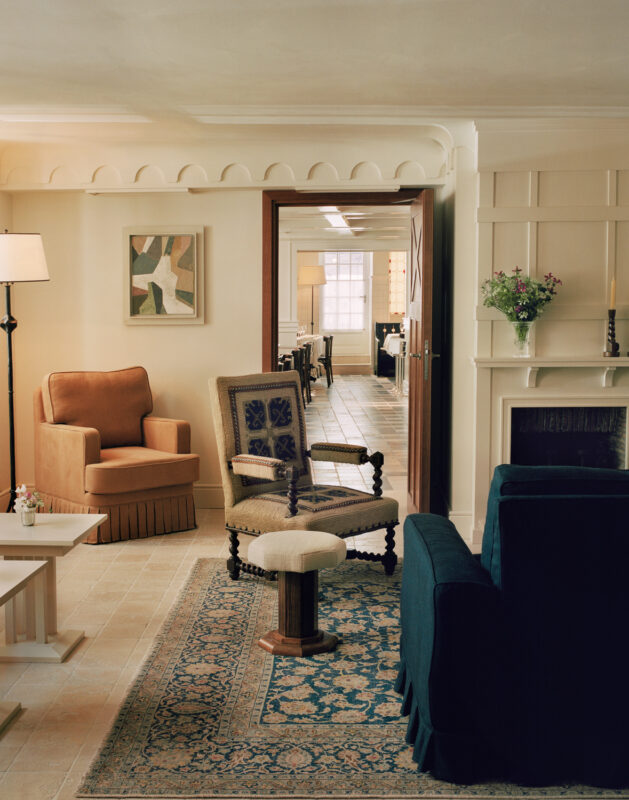
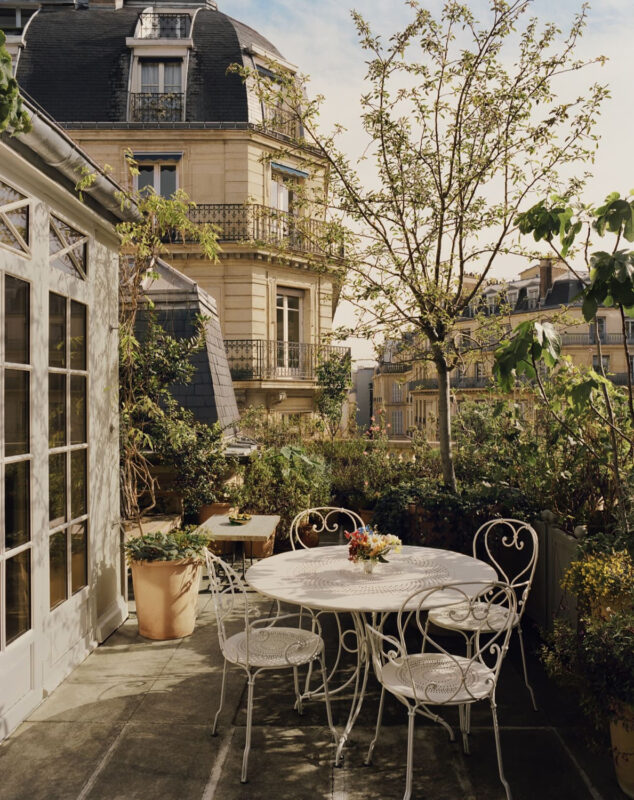
The Voltaire Suite crowns the house like a secluded apartment, opening onto Paris rooftops; on its terrace, Louis Benech adds a final, very French landscape gesture. Even the calm has been designed here, not left to chance.
Culinary
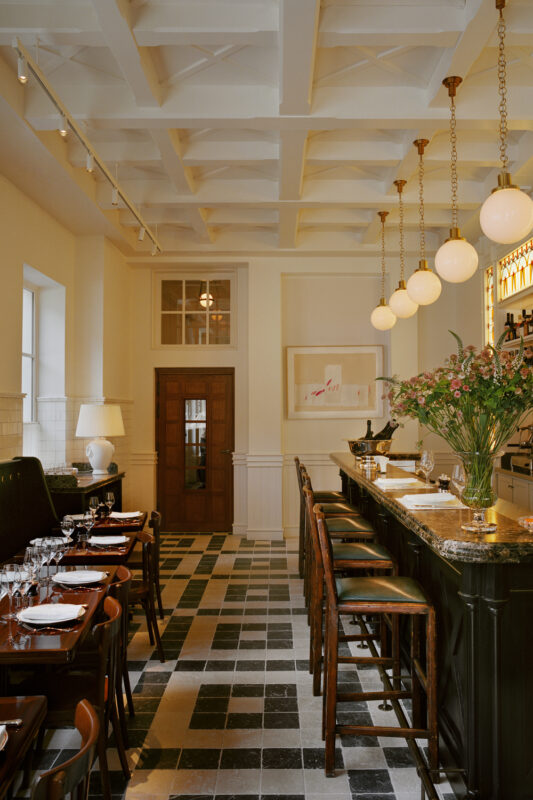
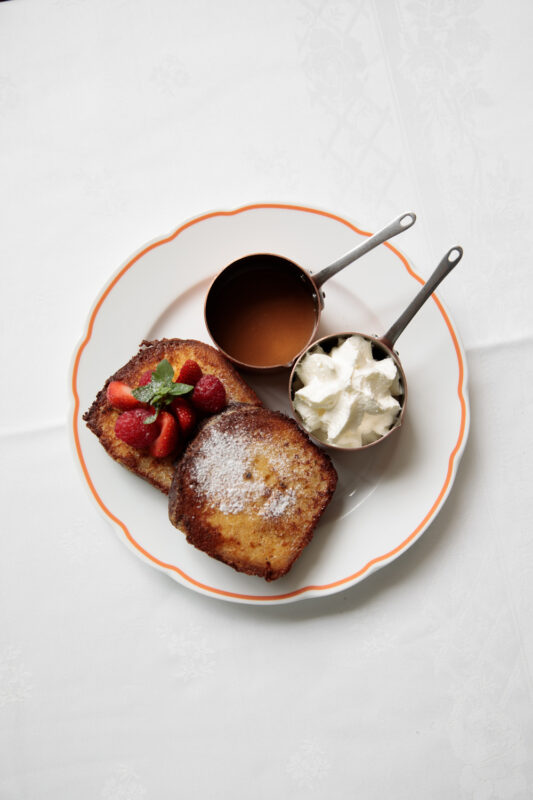
Culinarily, the house does not rely on the standard five-star reflex by which a restaurant exists mainly as scenery for handbags and watch straps. Brasserie L’Emil is conceived as an all-day address and takes its Mediterranean-leaning seasonal menu seriously: scampi with fleur de sel, sea bass, Château filet, vegetable carpaccios, pastas and risottos, plus breakfast in two versions, from the simpler Parisian option to the fuller Voltaire format.
© Harry Crowder
The cooking is written toward company rather than reverence. That suits the room, with its solid oak benches and warm tavern tone. Executive Chef Patrick Tober currently oversees the culinary line; in 2025 Michelin highlighted the brasserie among notable tables near Paris landmarks, while Gault&Millau praised its precise execution and neighborhood appeal. L’Emil ends up feeling less like hotel dining than like a very good local restaurant that happens to have an excellent hotel upstairs. In Paris, that is no small achievement.
Wellness & Relaxation
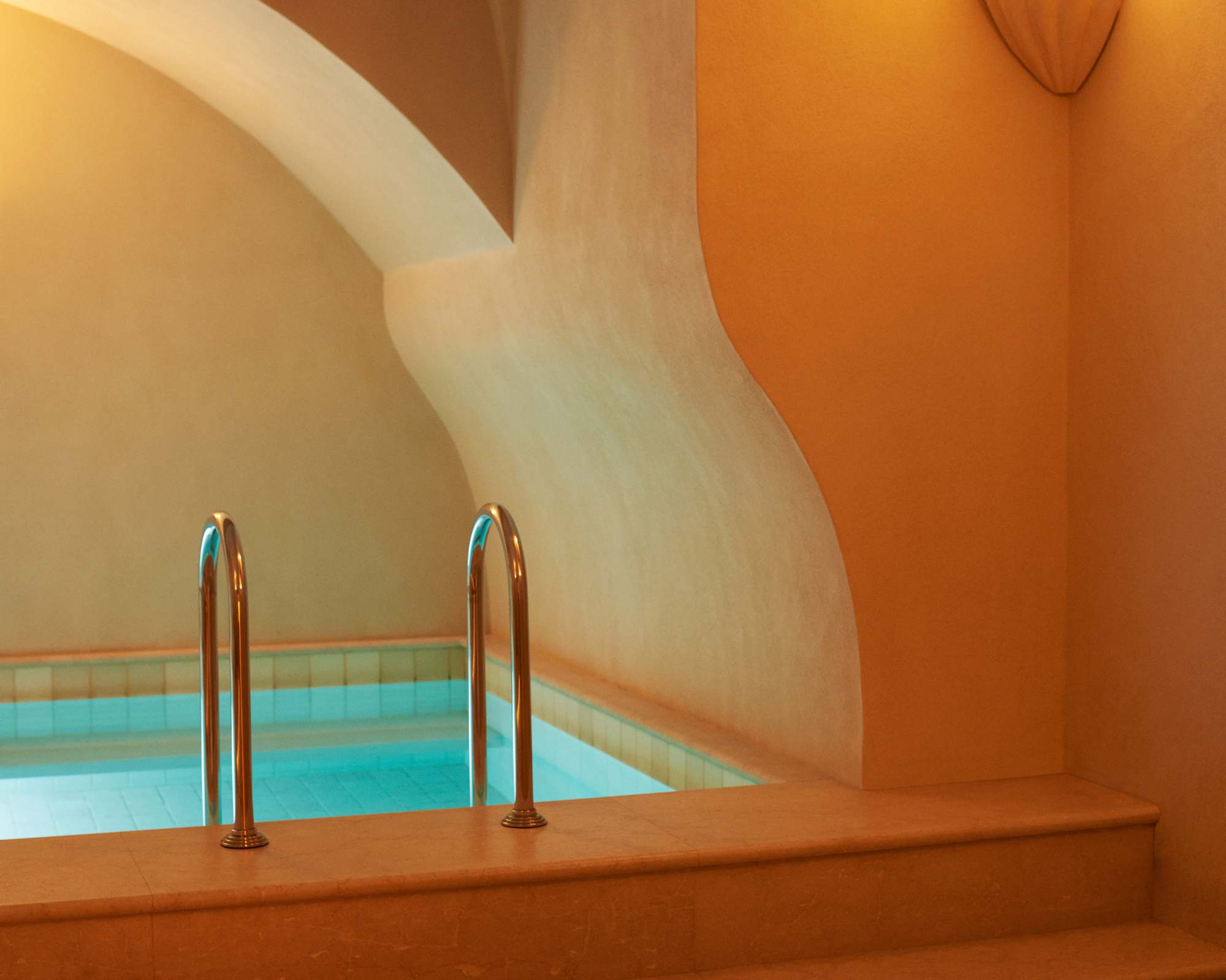
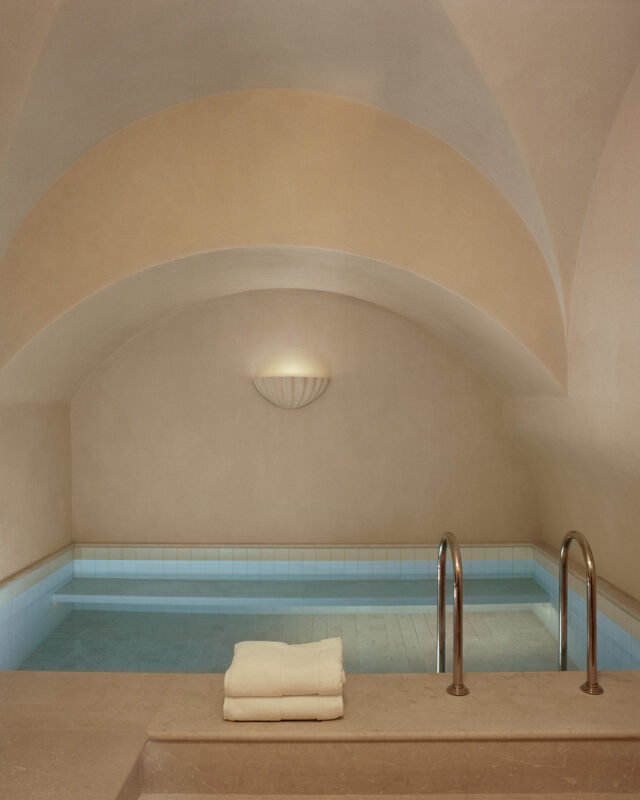
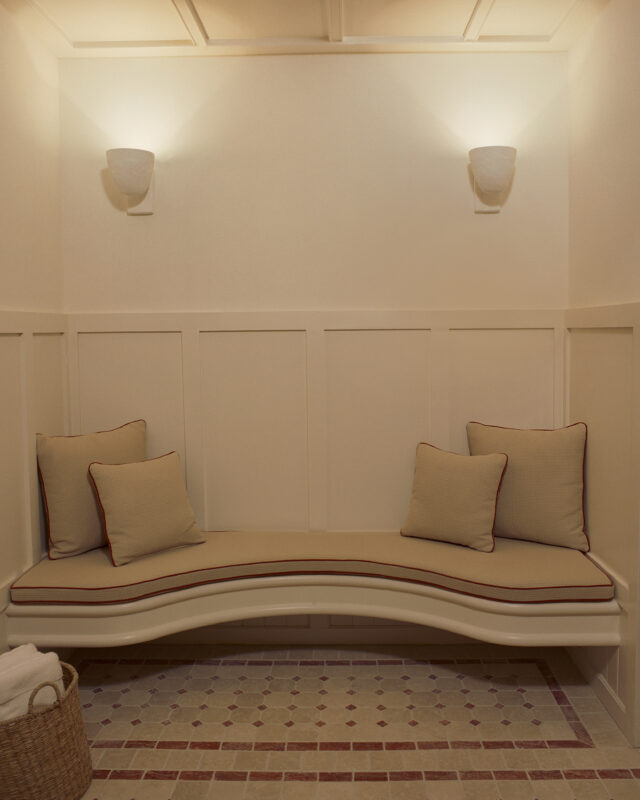
The wellness area sits below street level like a quiet counter-project to Parisian overstimulation. Pool, sauna, cold showers, a heated stone bench and an optional 10-degree cold plunge do not amount to spa spectacle but to a compact ritual of recalibration.
© François Coquerel
The area is reserved privately, which changes everything: less traffic, more silence, less wellness industry. Treatments can also be arranged in-room; even yoga or coaching can be organised. Rest is not sold here as an add-on but placed with precision into the stay. Because outside guests can also book the space, it feels less like a hotel obligation than a small, well-kept club of recovery.
Surrounding area
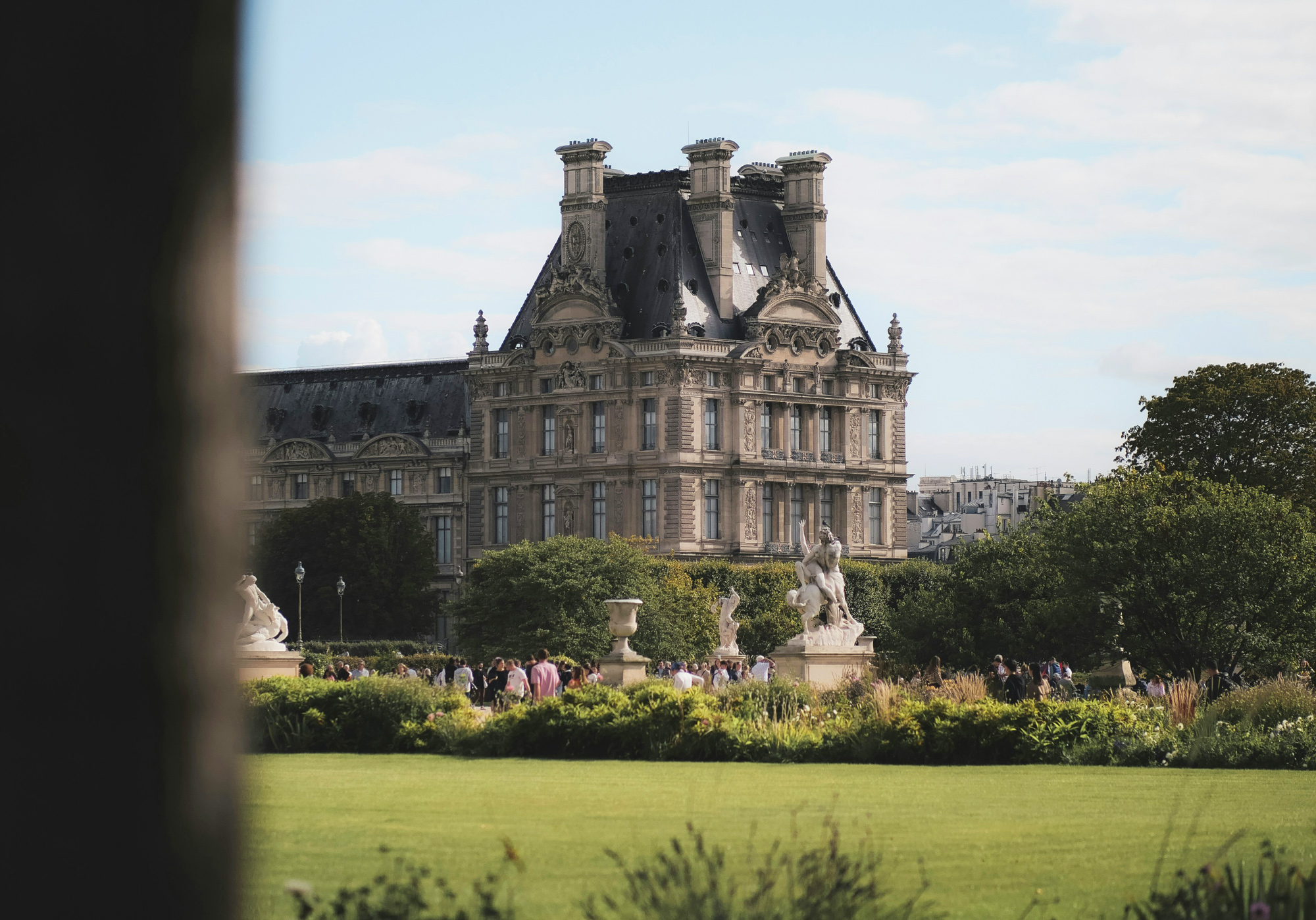
Within a few minutes on foot, Paris begins to thicken into something unusually rich. To the west lie the Tuileries, to the north the Opéra, but the better notes sit in between: Galerie Véro-Dodat, with its black-and-white floor and passageway elegance that still makes Paris look like an invention of strolling; Librairie Galignani on Rue de Rivoli, one of those bookshops where staying longer than planned feels sensible; and Astier de Villatte on Rue Saint-Honoré, where craft is not staged as folklore but as form.
© Victor Pot, Unsplash
For contemporary art, Bourse de Commerce is the natural move; for design history, the Musée des Arts Décoratifs. Theatre-minded guests should keep an eye on the Comédie-Française: its Salle Richelieu is closed for works in 2026, but the troupe continues to perform across Paris. Add Palais-Royal detours, small galleries, good cafés and a great deal of shop-window psychology. The district delivers culture almost in passing. That is its luxury. Even shopping acquires side meanings here.
Activities
For art-minded guests: start at Bourse de Commerce in the morning, before the afternoon flow takes over, then move on to the Musée des Arts Décoratifs or to the quieter gallery pockets around Palais-Royal.
For readers and collectors: browse at Galignani, then drift through the covered passages, especially Véro-Dodat. Those who prefer objects to remain touchable should continue to Astier de Villatte or the design-oriented boutiques off Rue Saint-Honoré.
For urban observers: walk without a route. Cross Place Vendôme, cut through the Tuileries, return via the side streets of Saint-Honoré. Few districts still stage the old Parisian game so clearly: power, money, style and tourism in close formation, all pretending not to know one another.
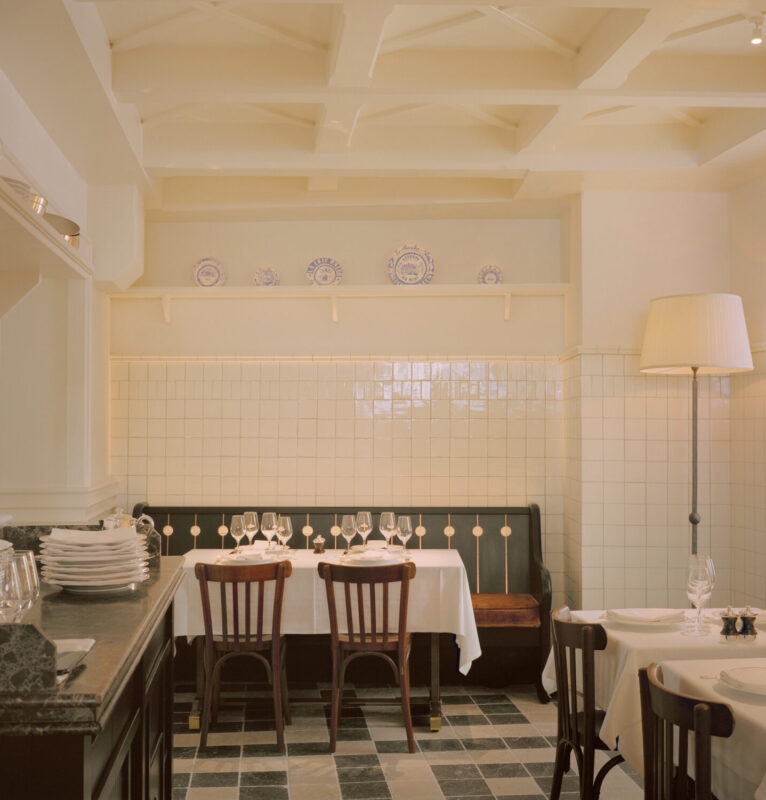
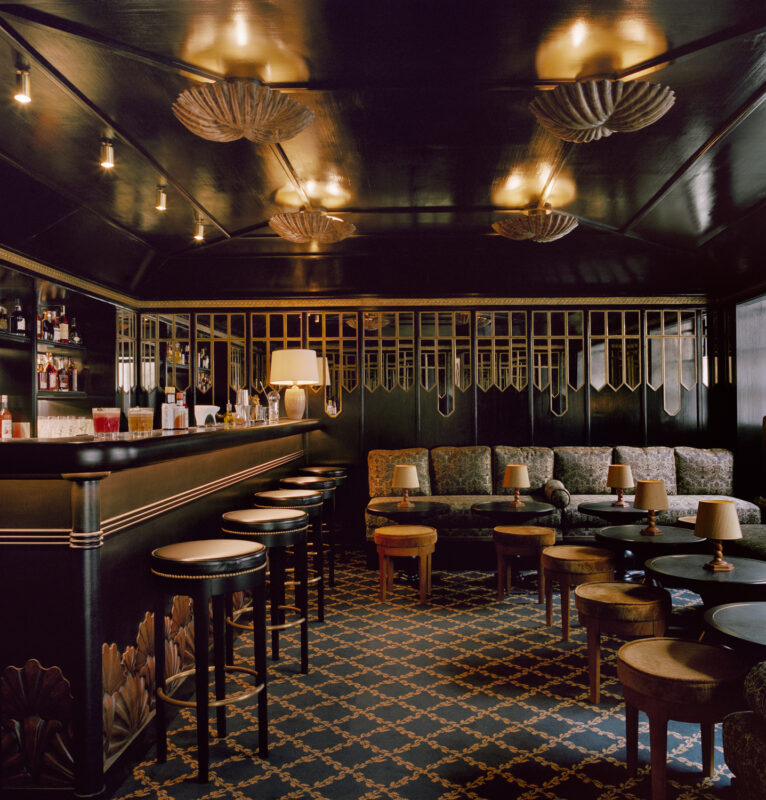
For gourmets: stay in Brasserie L’Emil at lunch; at night, dine around Palais-Royal or near Bourse de Commerce, then return for a drink at La Coquille d’Or. One mark of a good hotel is that you end up back in its bar anyway.
For late risers and wellness realists: breakfast first, then a reserved hour in the spa, then a late museum. Paris rewards speed, but this hotel corrects it.
For those interested in fashion and milieu: read the city’s choreography around Rue Saint-Honoré. Few places show more plainly that taste is also a social technology.
For evening culture: see what the Comédie-Française is staging away from Salle Richelieu. The slight displacement is part of the pleasure.
Details
- 32 rooms and 1 Voltaire Suite.
- Largest categories: Junior Suite, Prestige Voltaire Room, Voltaire Suite with rooftop terrace by Louis Benech.
- Restaurant: Brasserie L’Emil, open all day, Mediterranean-inspired seasonal cooking, breakfast in the dining room or via room service.
- Bar: La Coquille d’Or, open in the evening.
- Wellness: reservable spa area with pool, sauna, cold showers, stone bench and optional cold plunge.
- Further services: concierge, room service, in-room treatments, selected accessible rooms, private events, minibar, smart TV, pets on request.