

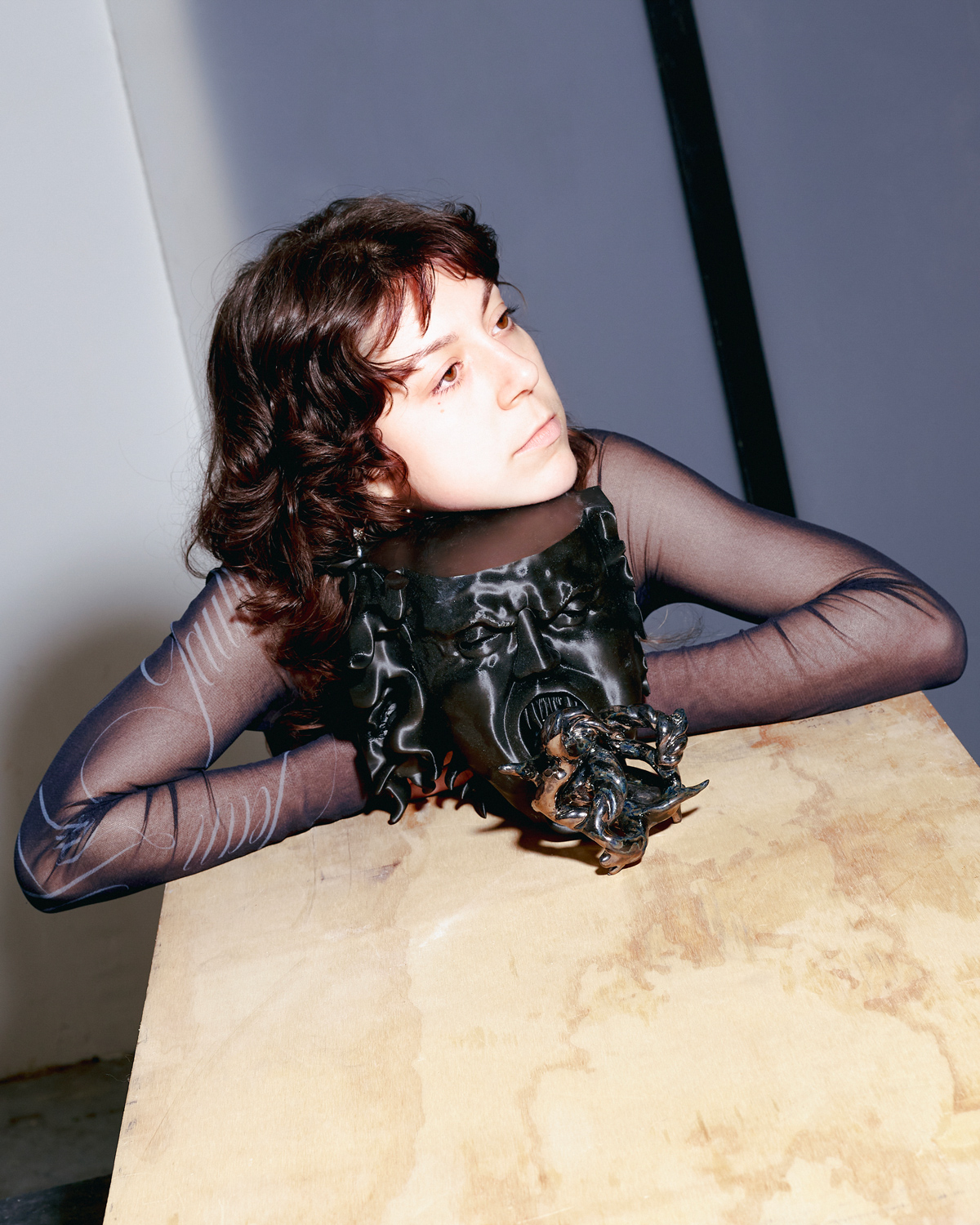
Adèle Vivet works at the intersection of history and the body. Drawing on Gothic and Romanesque references, she reactivates fragments of the past through a contemporary lens. Transforming them into forms that feel both archaic and disturbingly present. Her process is rooted in research, yet what emerges is deeply personal: a shifting mythology shaped by fantasy and perception.
© Courtesy of the artist
Which place do you currently call home and where do you work on your projects?
I live in the Paris region, where I was born. After spending time in other regions and abroad during my studies, I returned five years ago and chose to settle here. My studio is located in Saint-Ouen, in the northern suburbs of Paris, though I occasionally work elsewhere through artist residencies in different contexts.
Where is your studio located & how does it look?
I’m part of a large collective called Non Étoile, an association of more than 80 artists who collectively manage several studio spaces. The group was initially based in a tower in Montreuil that was scheduled for demolition, but it recently relocated to a new building in Saint-Ouen.
In order to keep rents affordable for resident artists, we occupy transitional spaces that are often awaiting redevelopment or acquisition by large companies. Our presence is therefore temporary, and the buildings we inhabit were originally designed as office spaces.
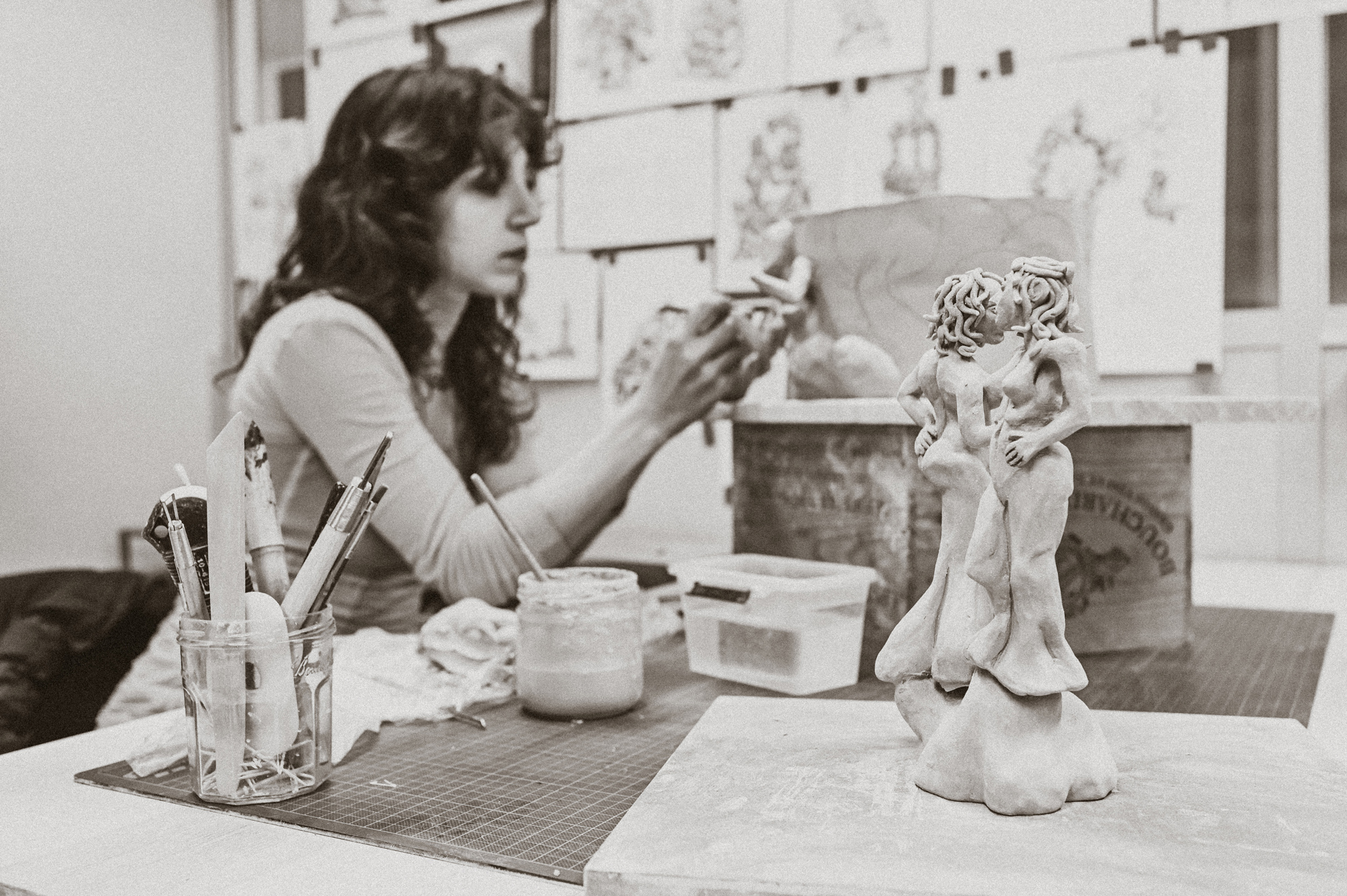
The contrast is quite amusing: my studio is made up of partitions, raised floors, ceiling tiles: all the typical features of 1990s office interiors. And right in the middle of it all sit my 3D printer, my stored sculptures, and the ceramic pieces I’m currently working on.
I like simple, efficient spaces. I try to keep the organization of my workspace very straightforward. What matters most is the work being produced, rather than the place where it is produced.
© Lao Segur
Are there any projects that are personally important to you—whether recently completed or currently in progress?
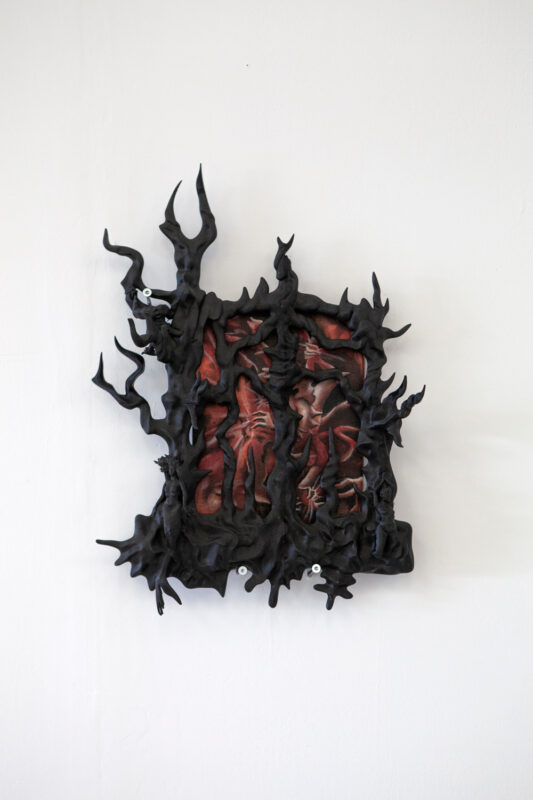
While my work initially focused on questions of ornament and style, particularly in the history of architecture, my practice has taken a much more personal turn over the past three years. By reflecting on the idea of ornamental “excess” and the way ornament can carry ambiguous meanings in architecture depending on the historical context, I began to reconsider the body as an architecture that also tells a story. In this sense, ornamental excess becomes… a form of emotional overflow.
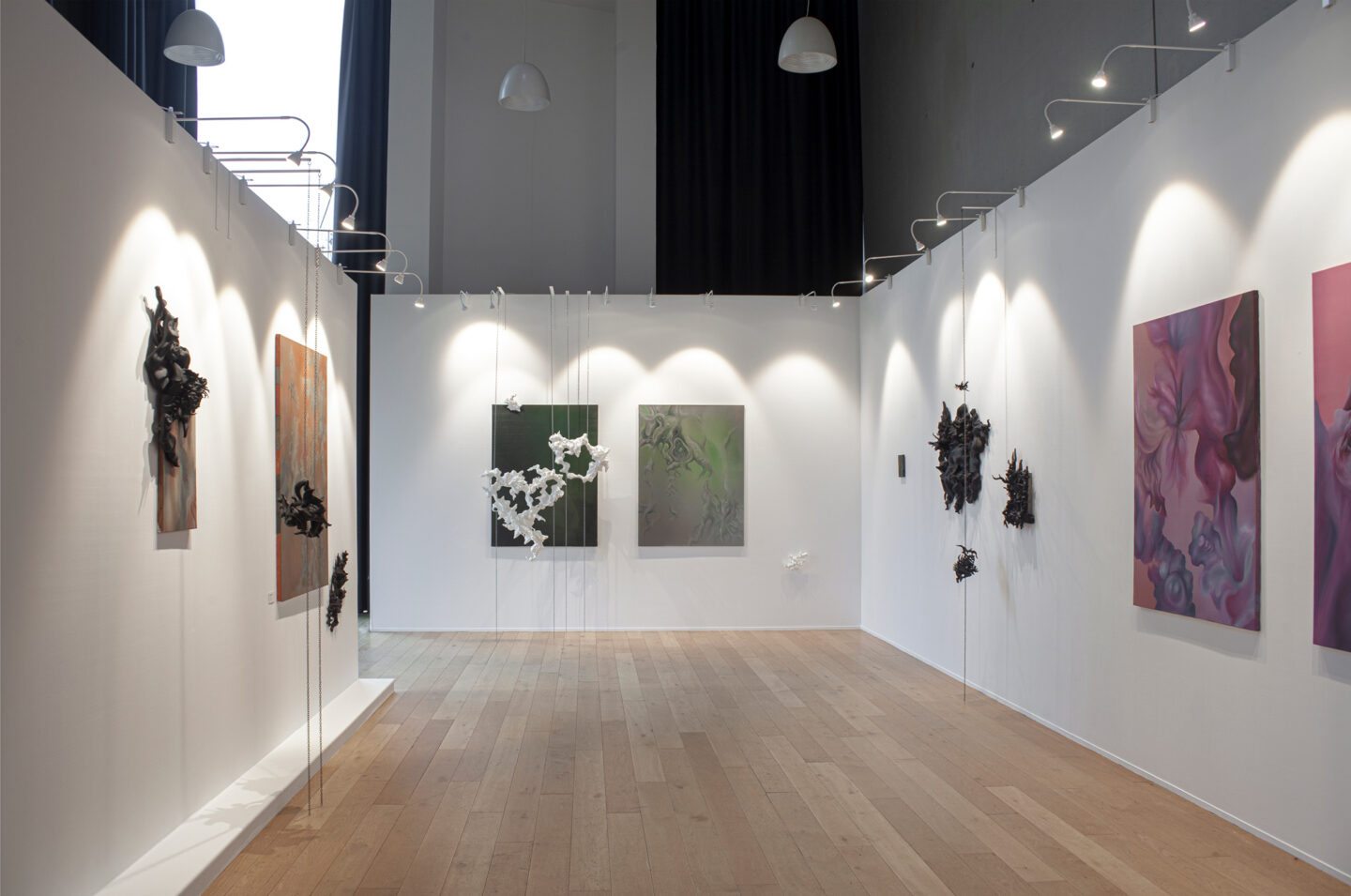
I am currently preparing several exhibitions for 2026. The most significant one will take place in June, as it will be my next solo show at Nonono, the artist-run space of Non Étoile.
Working with curator Mathilda Portoghese, I will present a new series of works that explores personal themes such as body perception, shame, and mechanisms of self-hatred. Through metaphorical or mythological figures such as Medusa, the siren, or caryatids, I address bulimia as well as autofictional elements. The series takes the form of large, almost Dantean sculptures, in which I alternate between my two preferred practices: 3D printing and ceramics. In both cases, the act of modelling (whether digital or analogue) is quite similar and ultimately serves as a tool to materialize different temporal and narrative layers.
The project is conceived in collaboration with the DJ and producer Laze, who will compose a sound piece designed to be played within the exhibition space. Electronic music plays a crucial role in my work, and for me staging an exhibition is also about creating a sensory experience that engages multiple senses (particularly hearing) in order to allow for a deeper immersion in the work.
© Courtesy of the artist
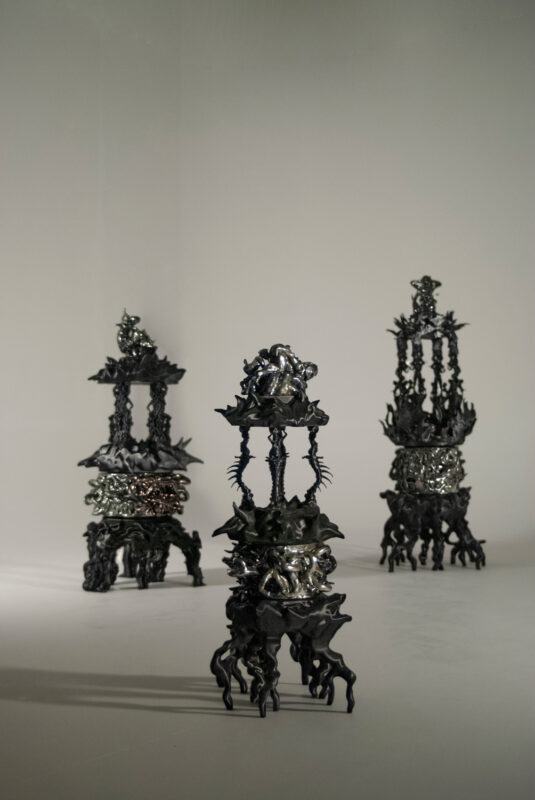
© Courtesy of the artist
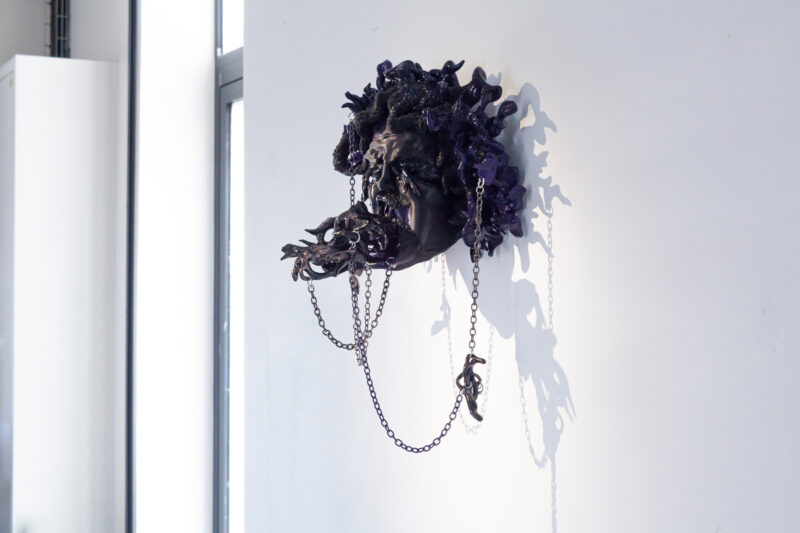
© Courtesy of the artist
Do you have a favorite place in your area where you like to relax and linger?
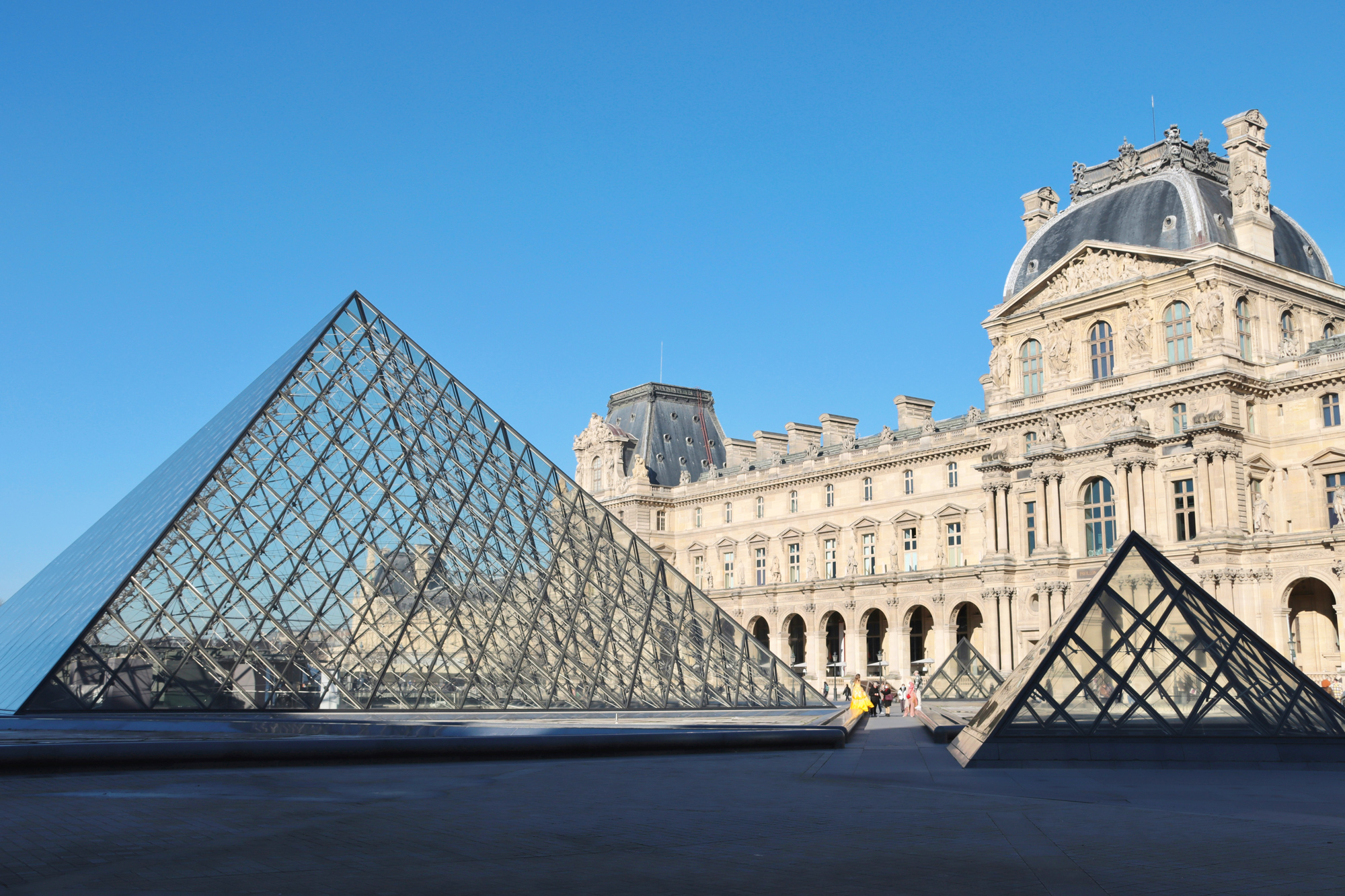
I really like La Villette and the whole stretch that follows the Canal de l’Ourcq. The park is huge and offers an incredible range of cultural activities. There are exhibition venues such as La Grande Halle, which hosts events like the 100% Festival dedicated to recent art school graduates, as well as performance spaces like the Théâtre de la Villette, and music venues for concerts and nightlife such as Le Trabendo and Le Périph’.
If you continue walking along the canal toward Pantin, you quickly reach the CND (National Dance Center). I also regularly visit the exhibition spaces of the Frac Île-de-France in Romainville, which are also located along the canal. The area is also home to the Fiminco Foundation, which hosts several galleries, including 22,48 m² and Jocelyn Wolff until last year.
© Photo: Hongbin,Unsplash
In your opinion, what has developed well in the last 5 years—and what has not?
The housing crisis and the constant rise of rents in the Paris region are major issues. Everything is highly polarized, and artists (who often live in precarious conditions) are increasingly pushed away from the city center while working in ever smaller spaces because of the high cost per square meter.
The collective I’m part of is very attentive to this issue of inadequate studio conditions. However, the leases available to associations like ours are usually very short, which forces us to move frequently.
Relocating is exhausting: it involves a lot of logistics, transporting machines, artworks, and equipment. Being part of a collective is a strength, but it is also fundamentally a survival strategy within a system that leaves very little room for spaces dedicated to emerging artistic practices in major cities.
Another issue is the way artistic spaces are sometimes used as tools in the process of gentrifying peripheral neighborhoods. Short-term studio leases arranged with real estate developers can also serve to attract a public with a supposedly “higher” cultural capital, in order to reshape the image of areas considered socially sensitive. As an artist, it’s important to be aware of these dynamics and not remain naïve about the agreements offered through these precarious arrangements.
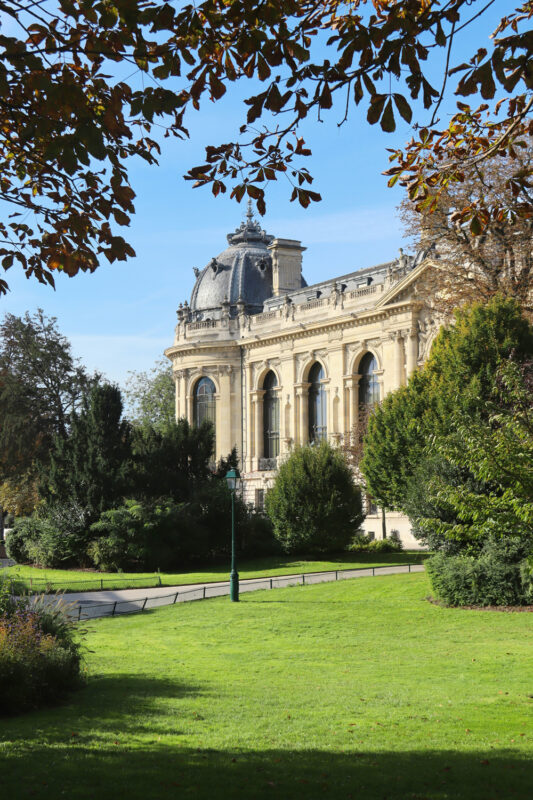
To end on a more positive note, I would say that in recent years France (in the field of contemporary art) has seen the emergence of collectives and critical voices that continue to expose and challenge the inequalities within the art world. This is also a response to the issues mentioned above, since the creatives most affected by precarity often belong to minority communities. Without falling into tokenistic approaches, I believe it is essential that art centers and public institutions continue to support and highlight these communities (interracial, queer, crip), while engaging more openly with the political dimensions of their programming.
© Photo: Shalev Cohen,Unsplash
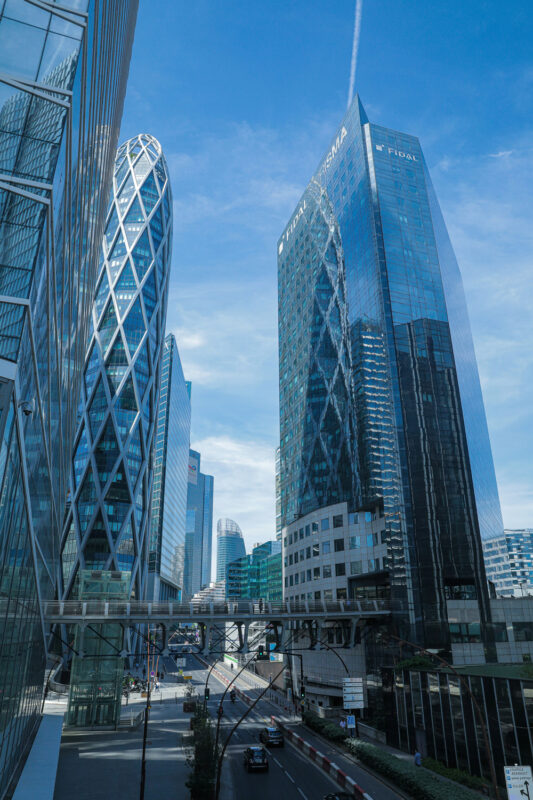
© Photo: Florian Delée,Unsplash
Do you know a hidden gem when it comes to local manufacturers—whether it’s arts and crafts, sustainable products or food?
Since I don’t have my own ceramic kiln, I often rely on artisans or shared workshops that allow artists like me to fire our work. It’s also a great way to expand my network and encounter practices that sit somewhere between art, craft, and design. The studios of Salima Zahi and Samantha Kerdine are great examples of this. I’ve also worked a lot with Sculpture Paris Montreuil, which offers extremely well-equipped studios and kilns.
When it comes to food, most of my favorite places are in the northeast of Paris. I highly recommend the bakery Farine (in Pantin and Le Pré-Saint-Gervais). The baker is a friend of mine, a former designer who retrained as a baker. His sharp and obsessive approach leads him to experiment with a wide variety of sourdough starters, and I’m always happy to let him guide me through tastings.
I also really like the épicerie fine Cense, near the Canal Saint-Martin. It’s where I usually go to buy cider or wine, always carefully sourced and often natural. Finally, I’m very fond of the bar Atalante, along the Canal de l’Ourcq, which offers a constantly changing selection of local and more niche beers.
Is there anything particularly innovative in your region? Also in comparison to other places you have already visited?
I recently read that Paris has the highest number of art galleries per square kilometer of any city. I don’t remember the exact figures, but the density is said to be around ten times higher than in London or New York.
It’s a real advantage, as it makes the city’s cultural landscape almost endless, with constantly changing exhibitions and programs.
For me, it’s important to remain active in this region because it makes encounters much easier: through these venues, of course, but also through exchanges with other Paris-based artists (studio visits, open studios,…).
Do you have a secret restaurant tip that you would like to share with us?
Recently, I had dinner at Bistrot Darsy, a lovely brasserie serving classic Parisian dishes: simple and perfectly executed. I also really enjoy Furia, a Mexican restaurant with a fresh menu and an extensive selection of natural wines.
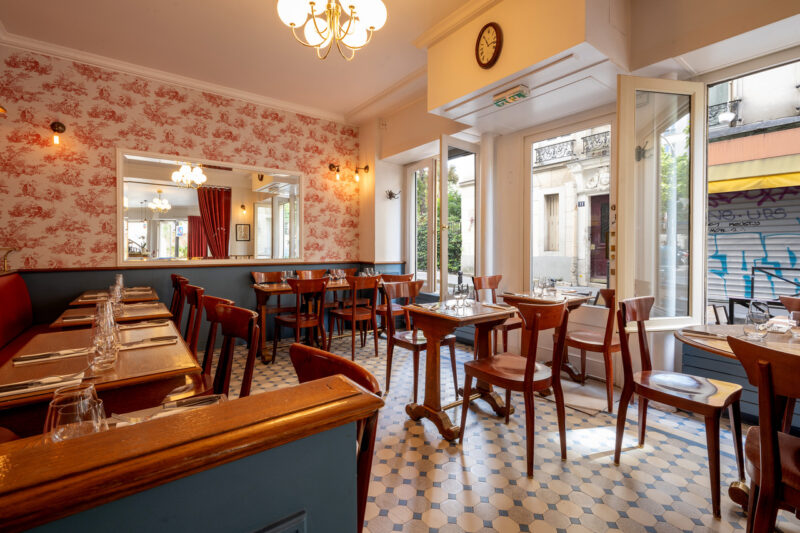
© Bistrot Darsy
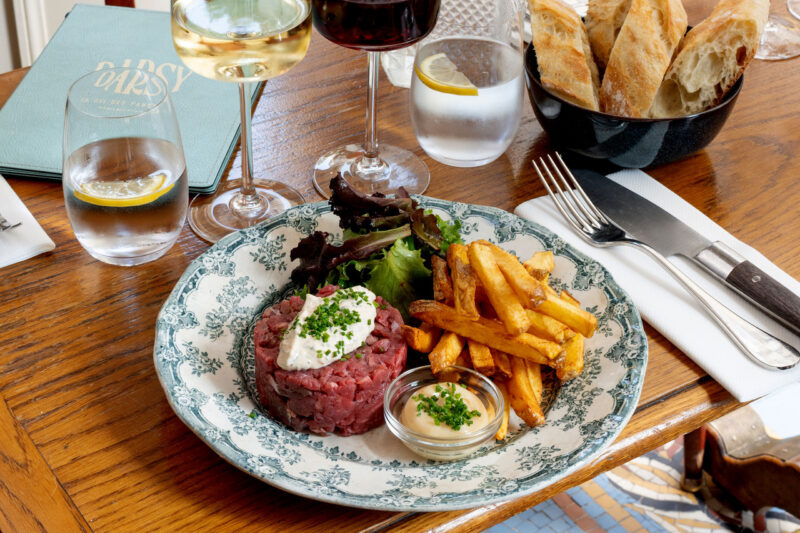
© Bistrot Darsy
Is there a local shop whose products are only available in your region?
Magazines such as Cura or Numéro Art are good references for keeping up with contemporary art news, but I’m particularly drawn to more independent or politically engaged publications like Gaze Magazine or the journal Radar. Their content is more explicitly political and often highlights voices that are marginalized or engaged in intersectional struggles.
More broadly, much of my political awareness comes through reading authors rather than through the press. Hélène Frappat, Lauren Halka, and Anne Akrich are three writers I’ve read recently, each addressing in their own way questions related to feminism and the condition of the body within our patriarchal society. I also teach in a design school, and literature is an endless resource for developing my theoretical, political, and philosophical framework. Part of my role (which I really enjoy) is to simplify and condense the thinking of certain authors for students at the beginning of their studies, and hopefully encourage them in turn to engage with political ideas.
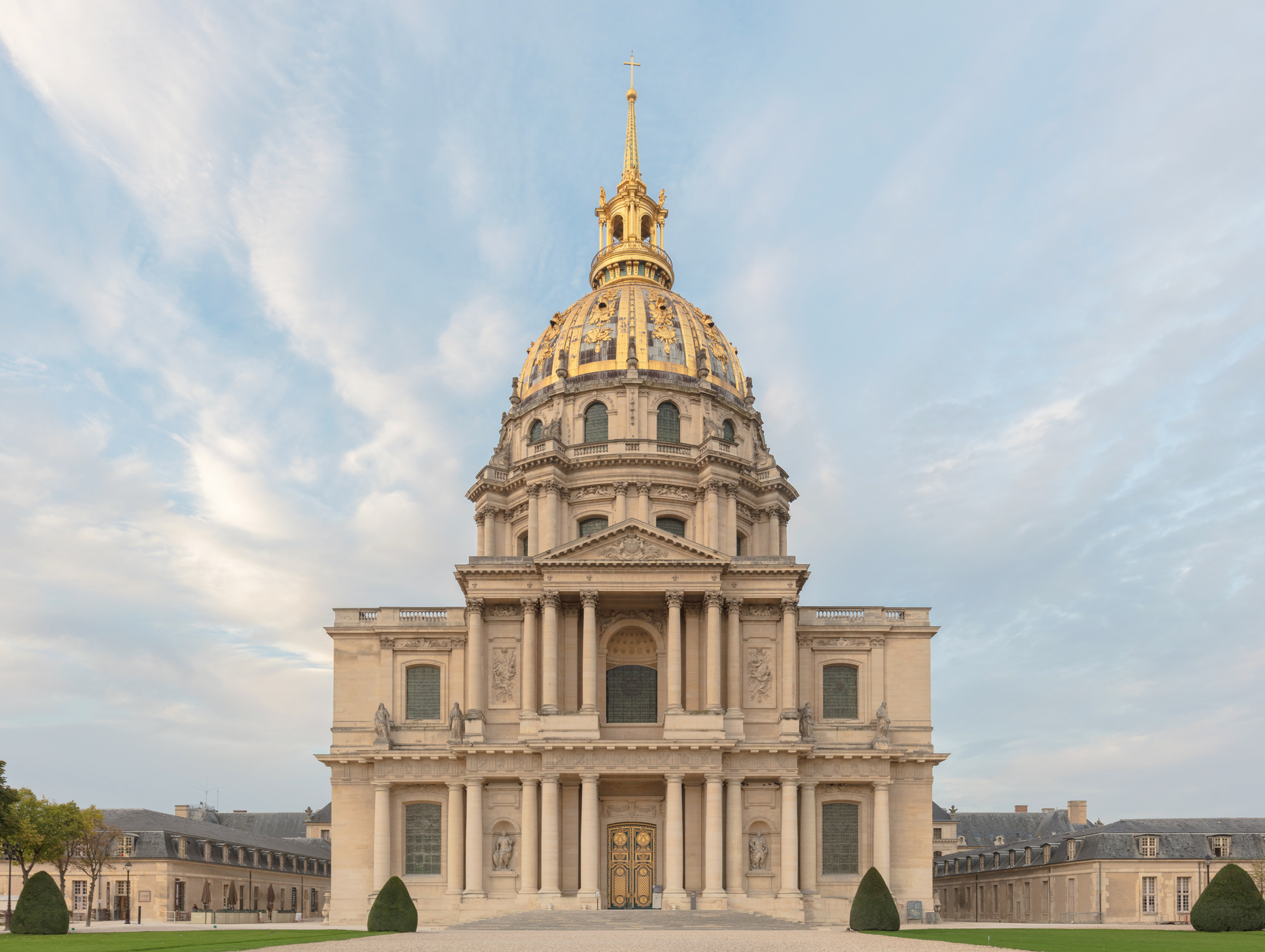
© Diego Delso, Cúpula de los Inválidos, París, Francia, 2022-10-29, DD 142, Adjusted Colours, CC BY-SA 4.0
Imagine you could be mayor for a year—what would you change?
It may sound utopian, but I’m convinced that more space should be given to culture. Culture is a key to accessing thought, enjoyment, the possibility of escaping, and of forming one’s own perspective on the world.
One last question: If you could choose another place to live—regardless of financial or time constrains—which one would you choose?
If I could choose freely, without any constraints, I would prefer to have the freedom to move regularly and live in artist residencies or places I might never have imagined. I had the chance to go on a residency in Kaohsiung, Taiwan three years ago, and it was an experience that was both completely disorienting and deeply inspiring. I would love to be immersed in residency spaces where I can explore new environments, meet new people, and experience a place that is truly striking. I’m particularly drawn to Asia, but I’m also interested in the different regions of Europe.


