
Verona is a city that does not need much introduction. Plenty of stone, plenty of history, plenty of feeling in the urban fabric. Yet in the quieter lanes it reveals its better, more exact side. That is also where Vista Verona begins. Arrival feels understated, almost casual, and precisely for that reason it stays in the mind. Instead of a grand entrance, there is a first impression that remains quiet and, in that quietness, remarkably assured.
The location
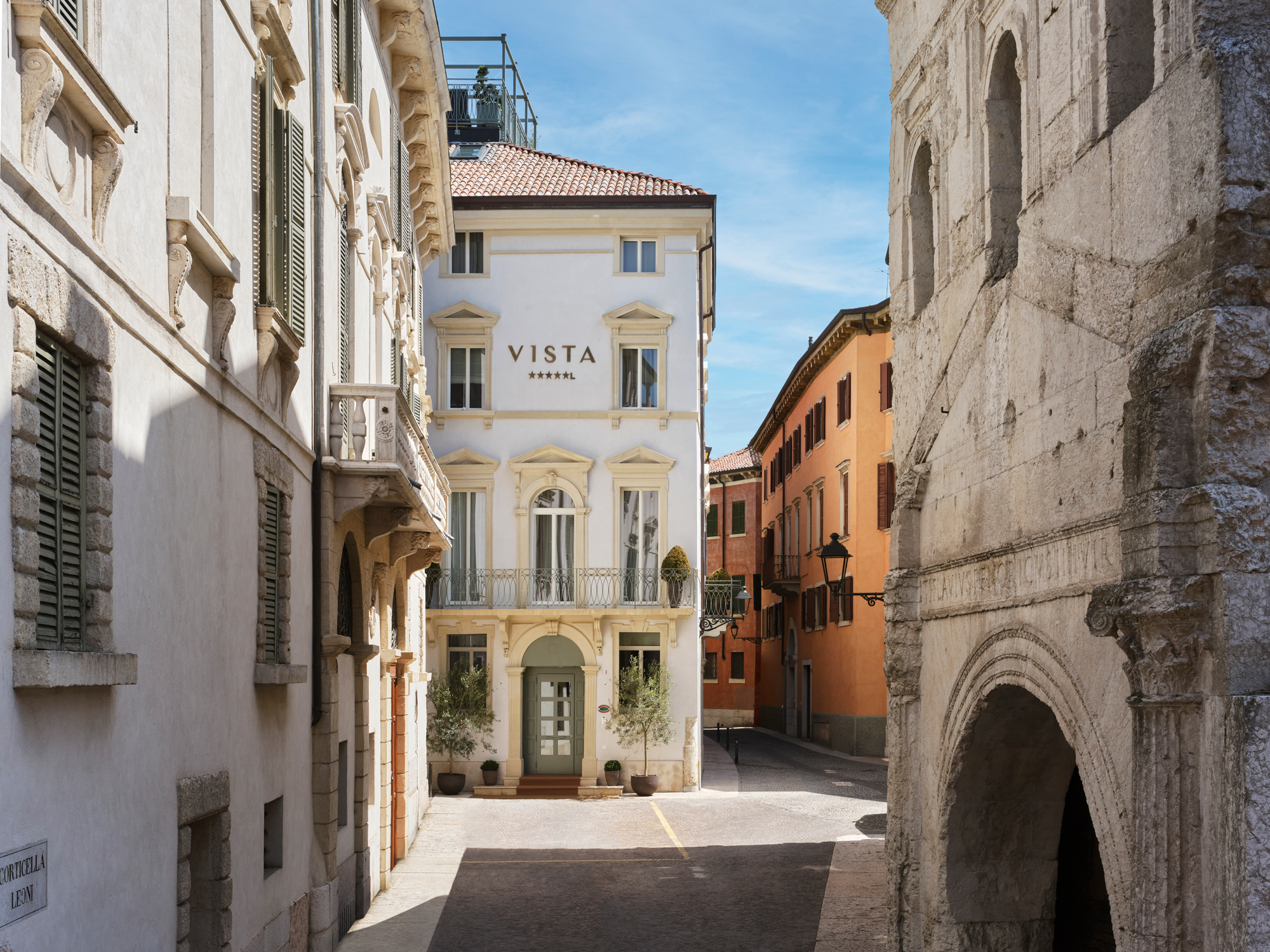
Via Corticella Leoni sits right in the Old Town and yet pleasantly away from the busiest flows. Juliet’s House, Piazza delle Erbe, and the Arena are all an easy walk away, but the immediate surroundings feel calmer, less geared to foot traffic. From Porta Nuova station, the hotel is reached by a short drive; the last few steps lead through narrow streets, past stone façades and the muted sounds of the centre.
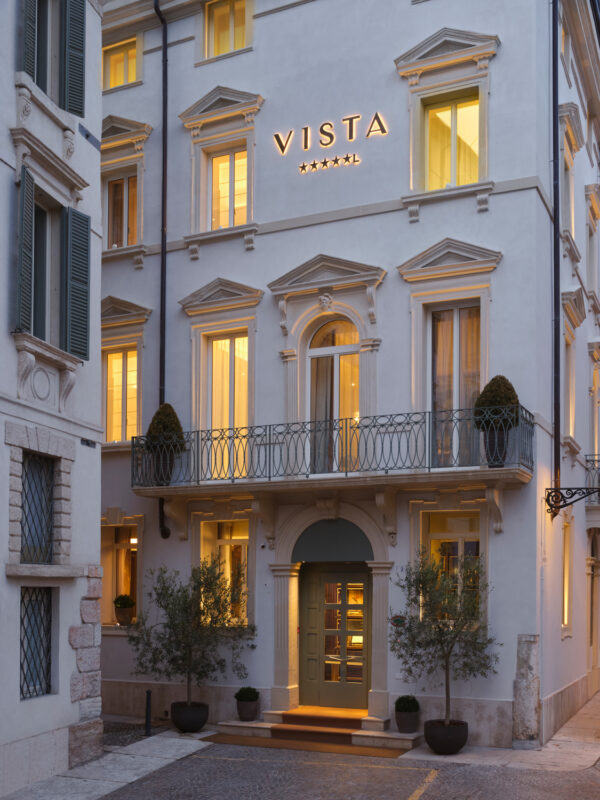
The building itself appears as a classic palazzo with discreet presence. No show façade, no decorative excess. Rather that kind of urban self-possession that works especially well in a city like Verona. From the moment of arrival, the impression is less of entering a hotel than of stepping into a cultivated city residence.
Backstory
Vista Verona opened in May 2022 after the extensive restoration of a historic palazzo in the heart of the city. Behind the hotel stands LarioHotels, a family-run hotel group with roots on Lake Como, now led by Bianca Passera and Luigi Passera. With the Vista properties, the family pursues a deliberately personal approach: small luxury addresses defined not by scale but by attitude, precision, and atmosphere. In Verona, that is immediately apparent.
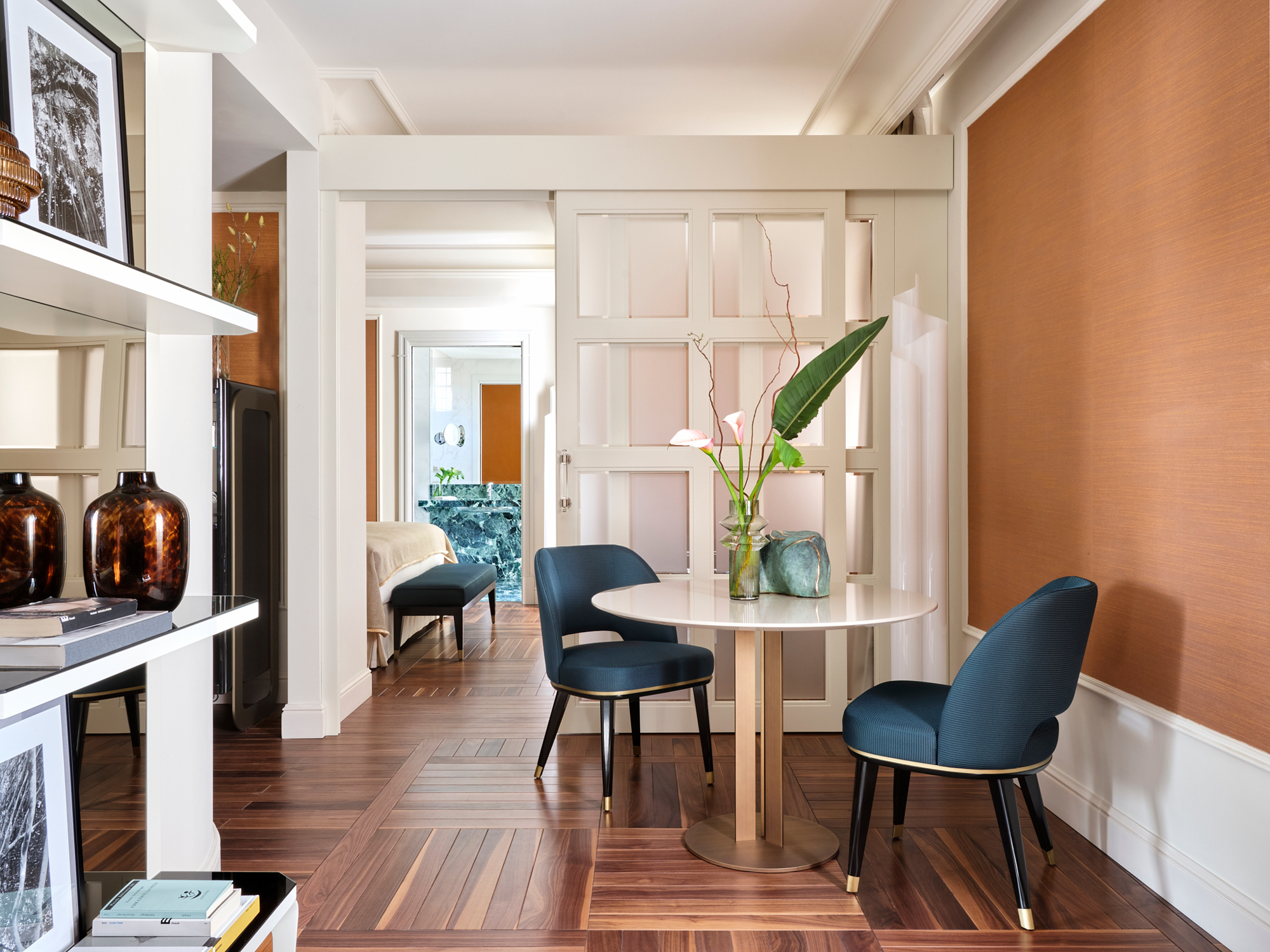
The hotel does not rely on grand hotel theatrics, but on a form of hospitality that remains attentive and controlled. Closeness matters more here than pose; precision matters more than effect. That is what gives Vista Verona its own particular tension. It feels carefully run without ever seeming effortful, and much of its charm lies precisely there.
Interior & architecture
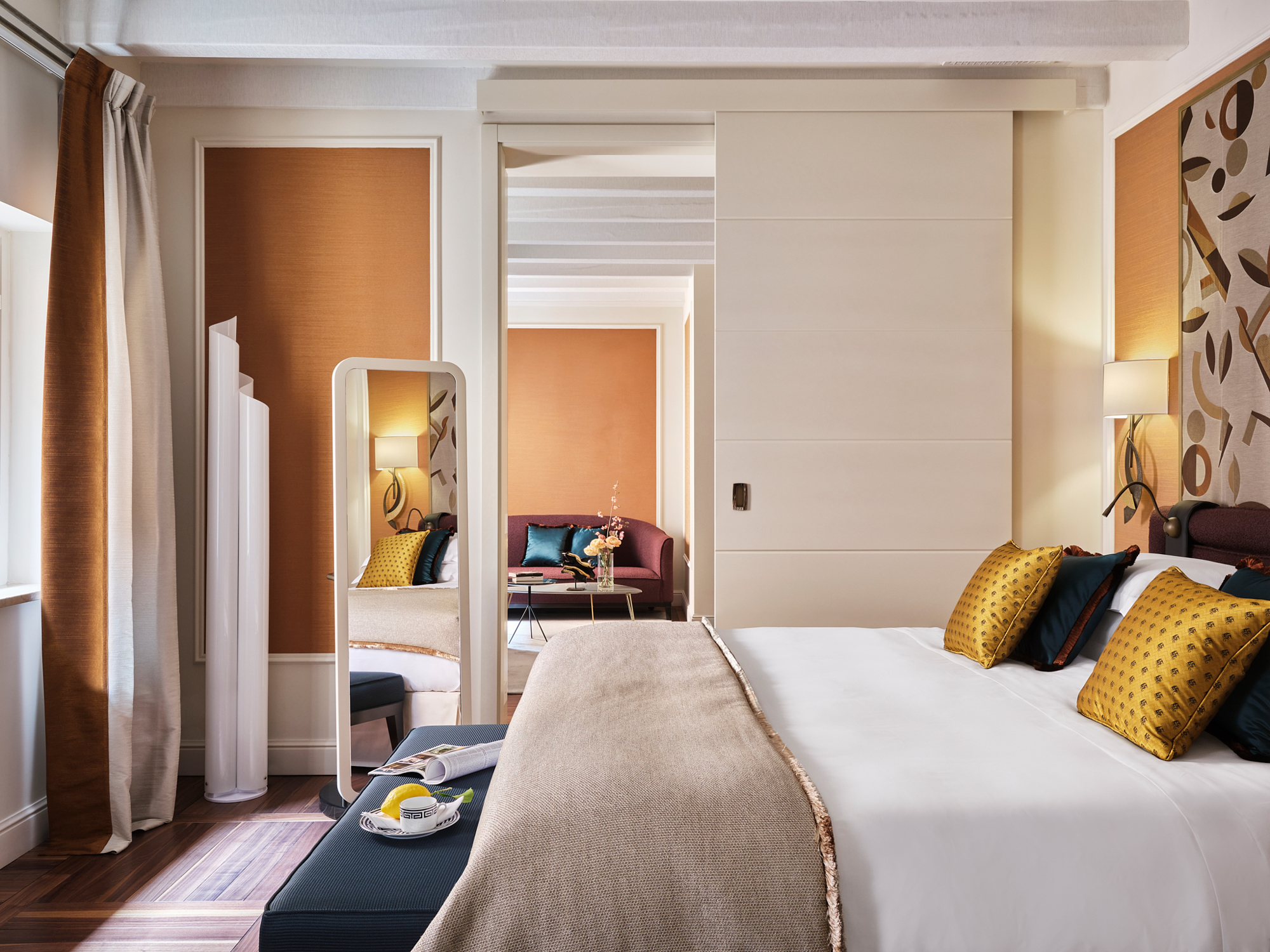
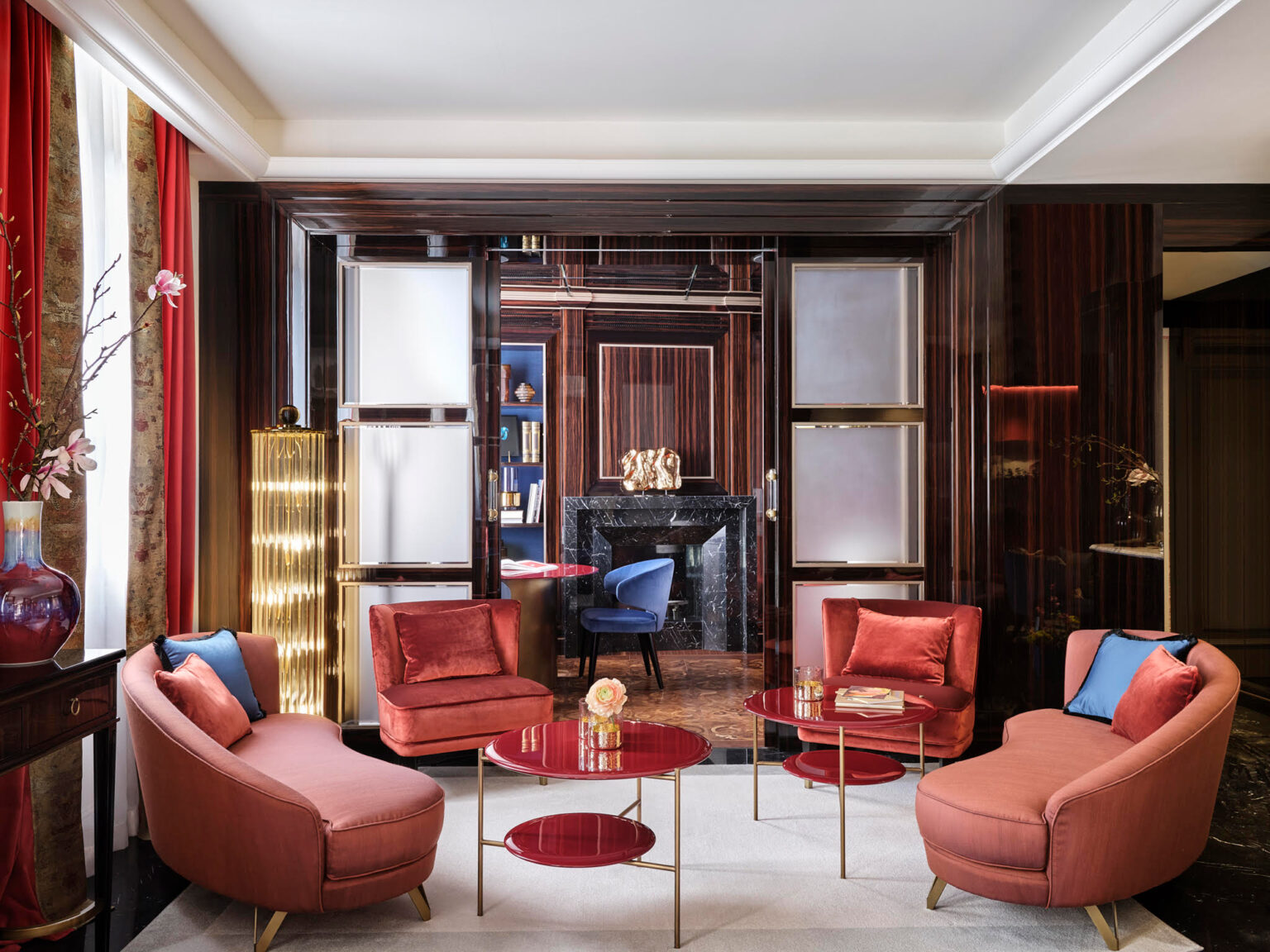
Inside, Vista Verona follows a calm, precise idea of elegance. The historic structure of the palazzo remains tangible, but it is not displayed in a museum-like way; instead, it is translated into a contemporary design language. Studio Maggi oversaw the architectural execution, while fabrics and textile surfaces come in part from Dedar Milano.
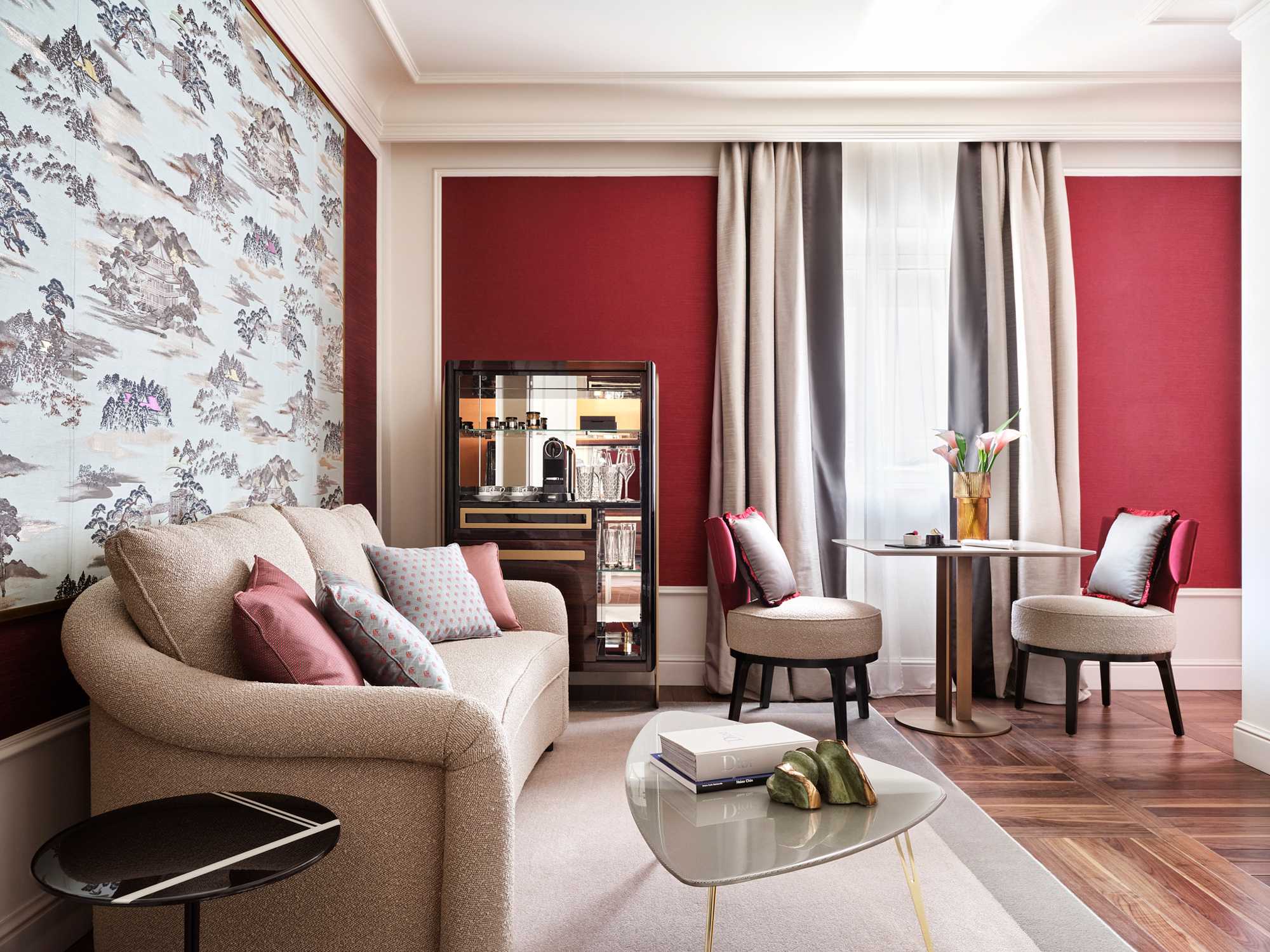
Wooden floors, marble, rugs, muted colours, and classically proportioned rooms create an atmosphere that feels cultivated without becoming cold. Many details are deliberately understated: transitions, sightlines, materials, and surfaces come together as a coherent whole.
This refusal of overstatement is exactly what makes the design convincing. One notices quickly that the focus here is not on short-term effect, but on permanence, tactility, and that quieter form of luxury that has no need to keep commenting on itself.
A look inside
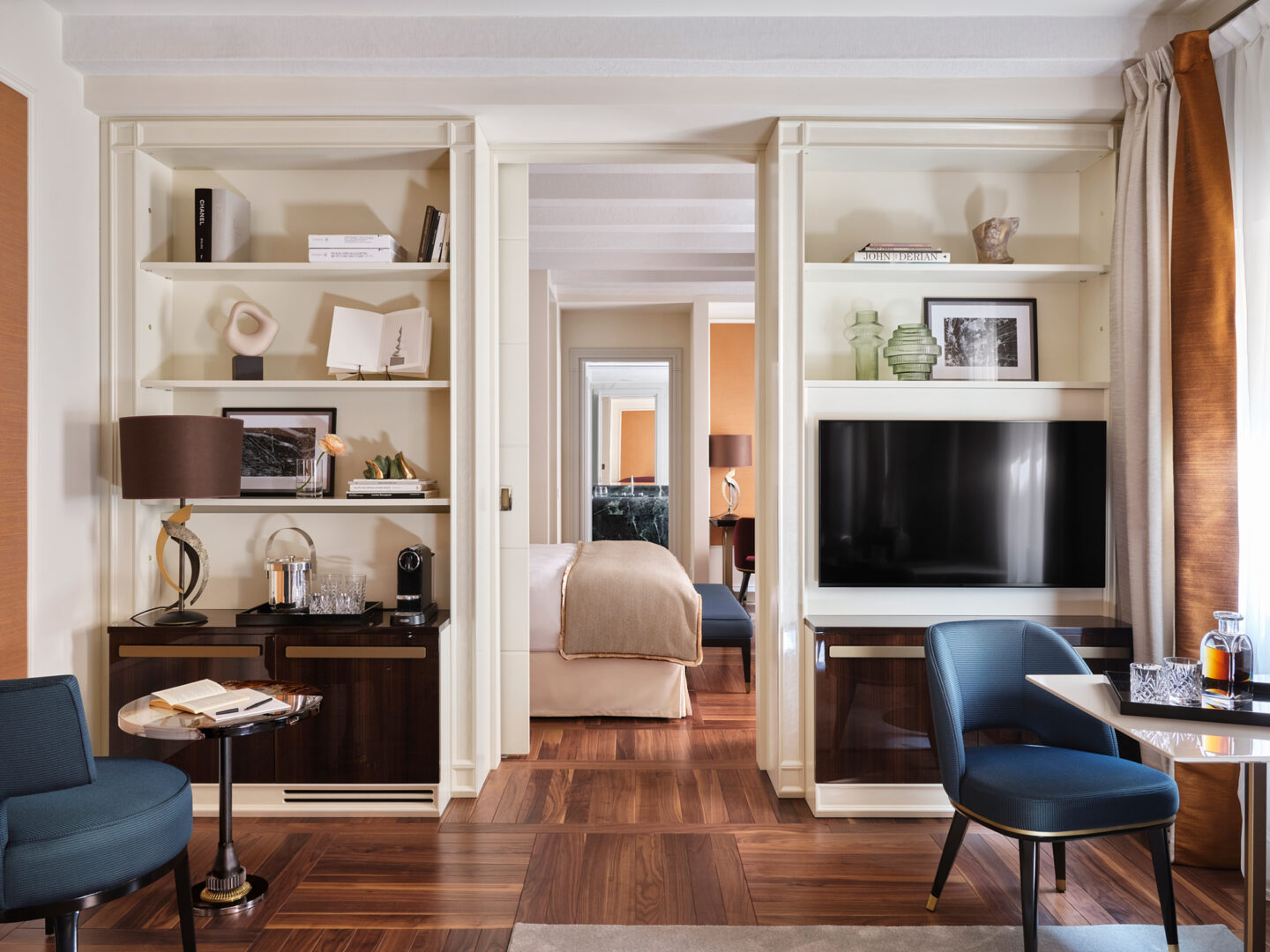
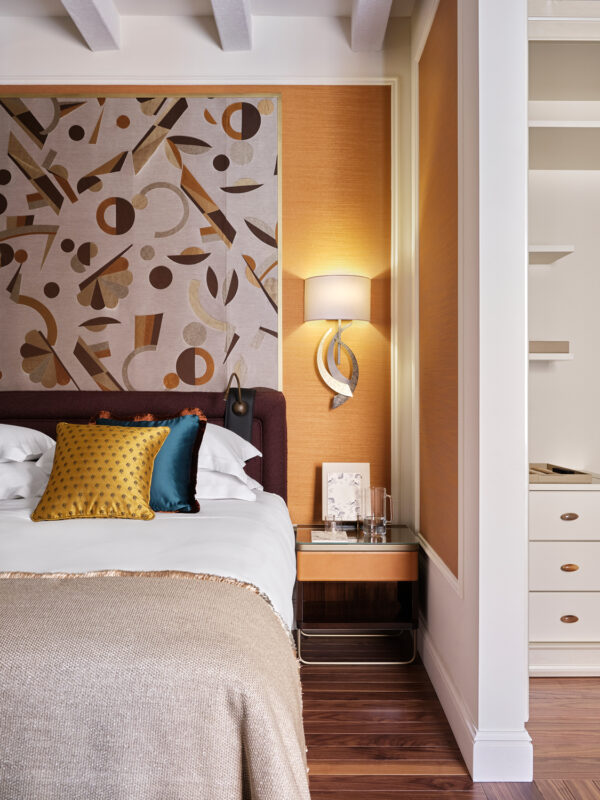
With only 16 rooms and suites, Vista Verona remains compact and pleasantly private. The categories include Deluxe Rooms, Junior Suites, Suites, and the more spacious Prestige Suites; some units can be connected, which makes them suitable for families or guests travelling together.
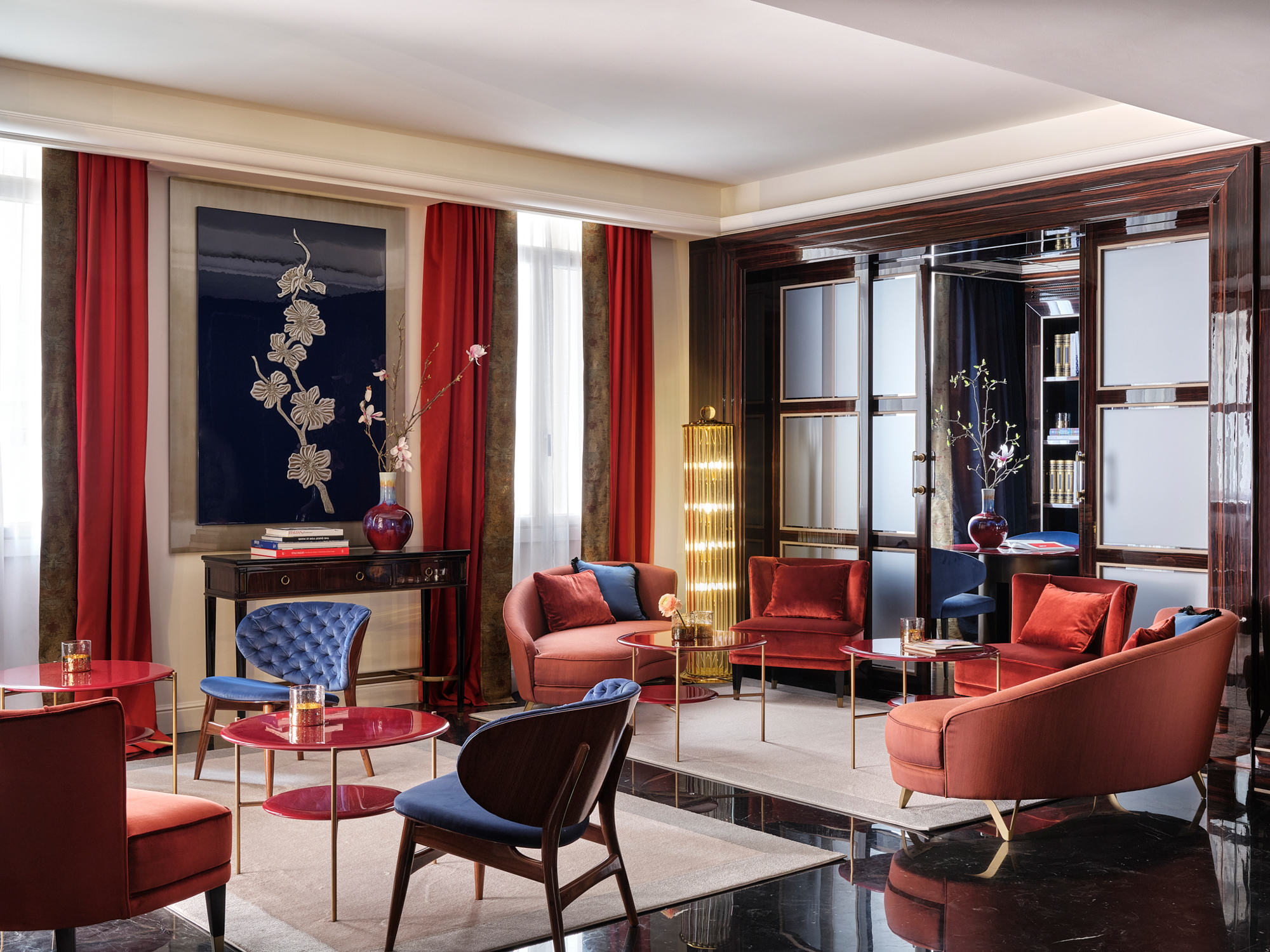
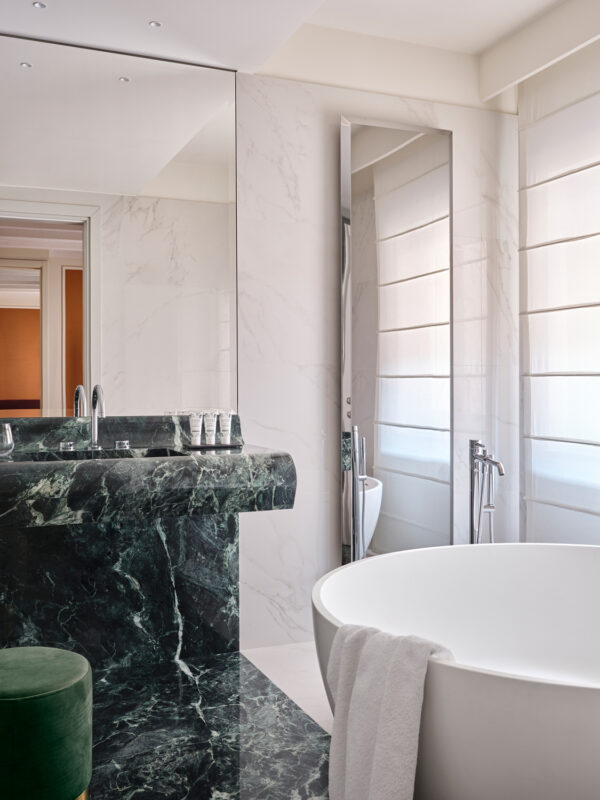
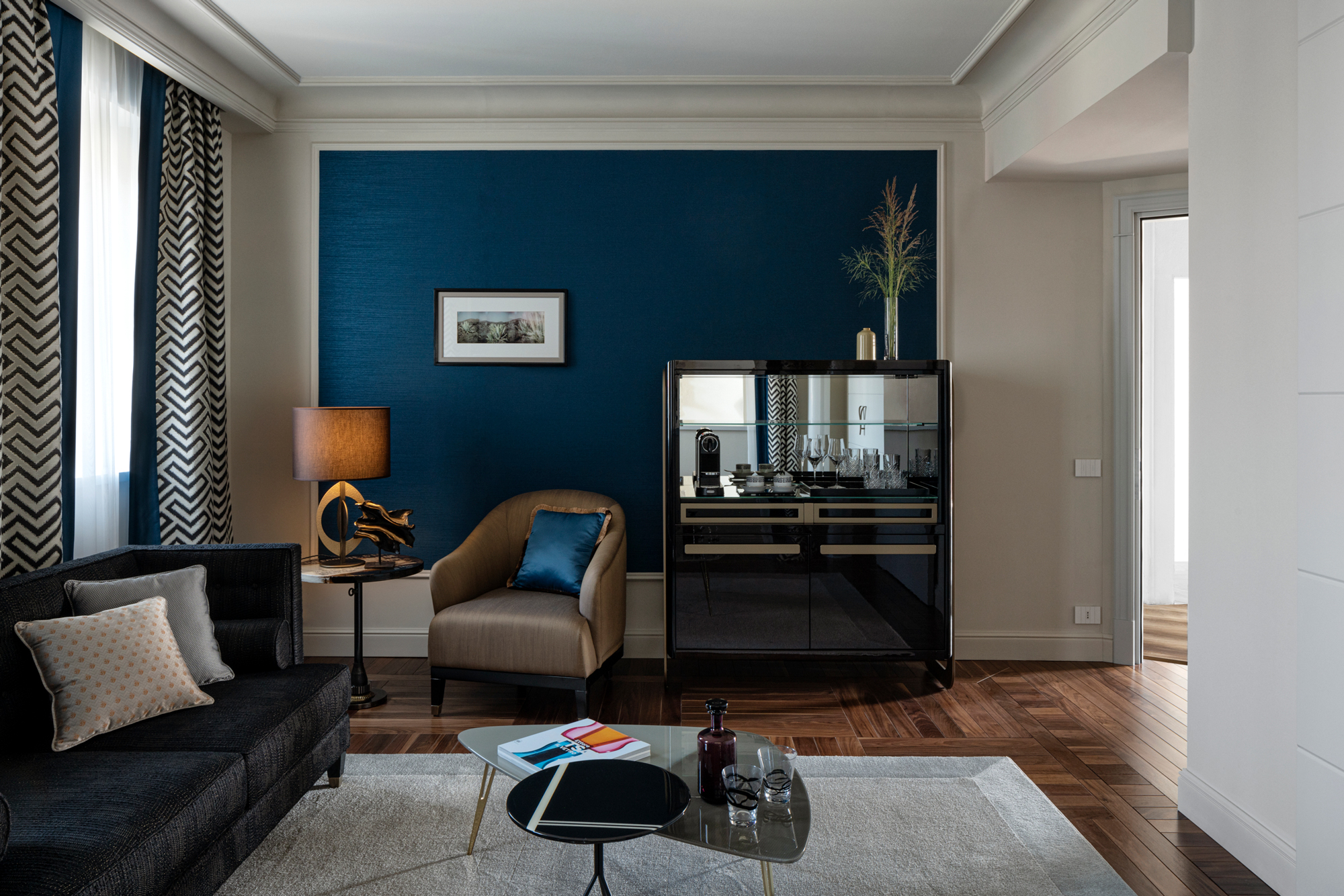
The rooms combine comfort with restraint: Simmons beds, marble bathrooms, wooden floors, high-quality fabrics, and carefully chosen details create a calm, residential atmosphere. Separate living areas in the higher categories add another layer of ease to the stay.
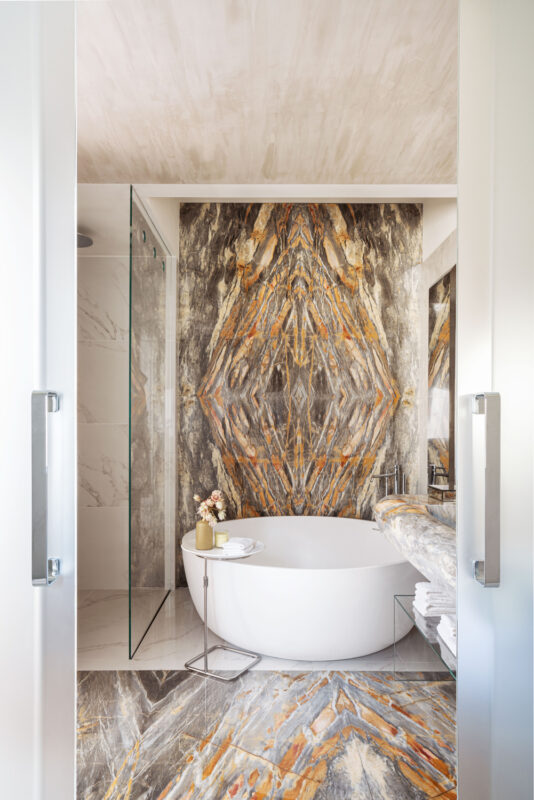
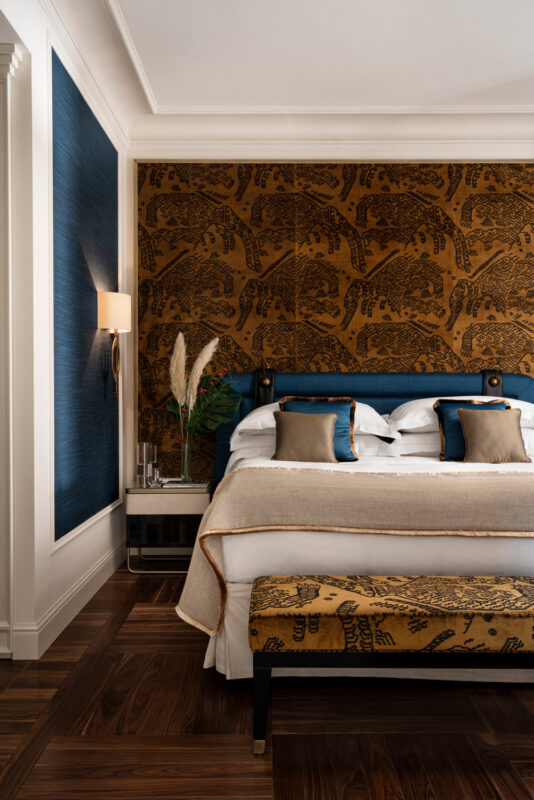
This is complemented by a small library, the rooftop with restaurant and bar, and the spa with indoor pool. The hotel is organised in such a way that one finds one’s bearings quickly while also immediately feeling able to retreat. In a city like Verona, that is a genuine advantage.
Culinary
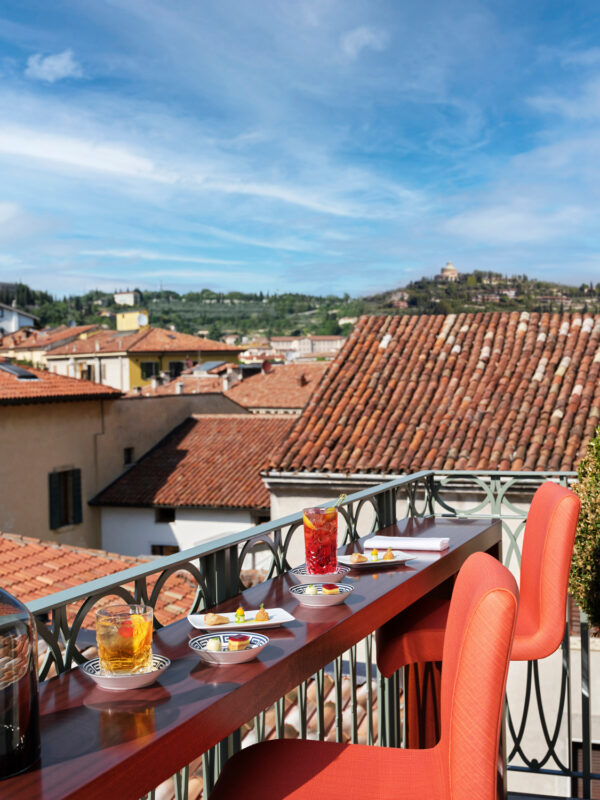
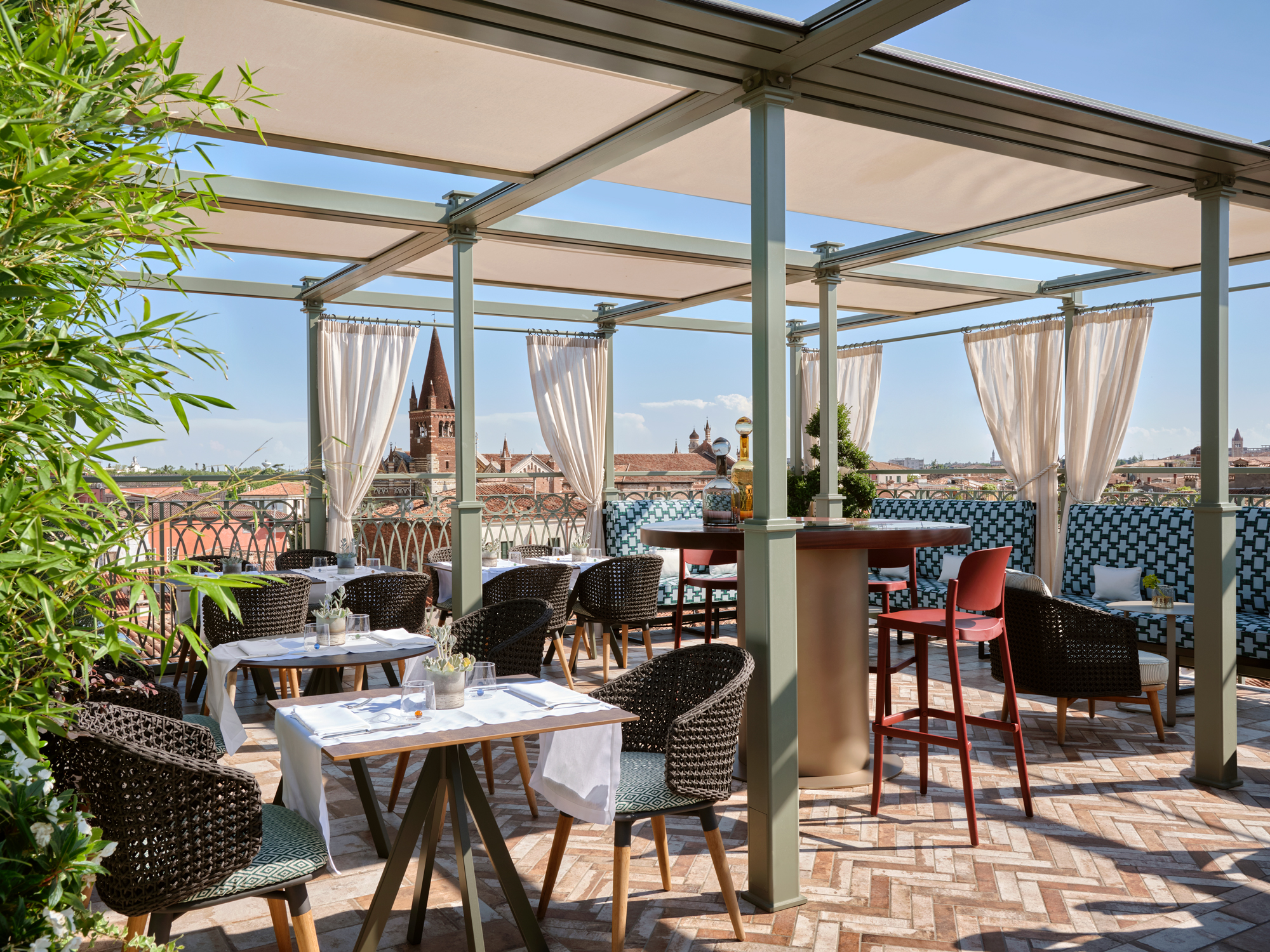
The culinary heart of the hotel is the rooftop restaurant Sottovoce. Its position above the roofs of Verona already makes it special: the view extends across the historic centre to the softer lines of the surrounding landscape.
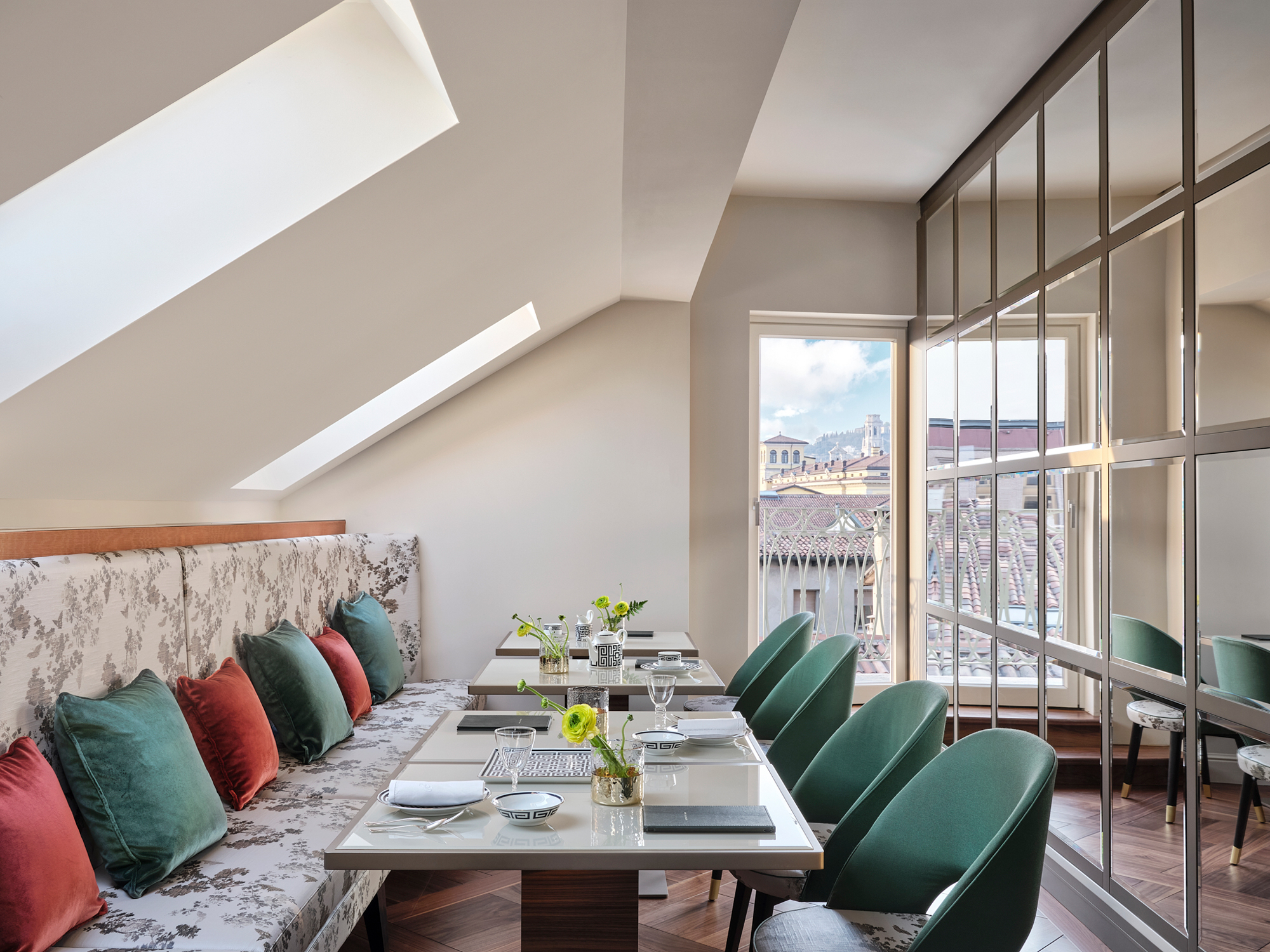
In the kitchen, Fabio Aceti is responsible for a concept that is rooted in the region while working in a contemporary register. Products from Veneto, classic flavours, and traditional references are interpreted here with precision and restraint.
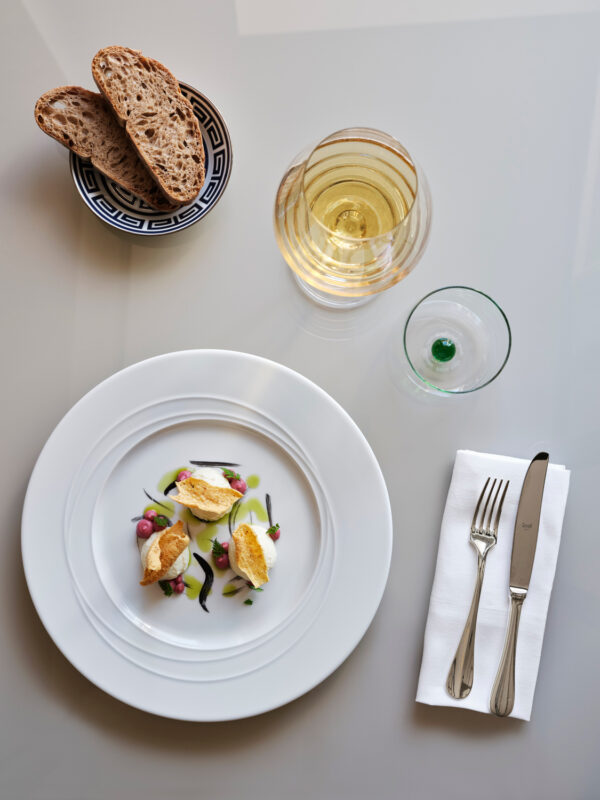
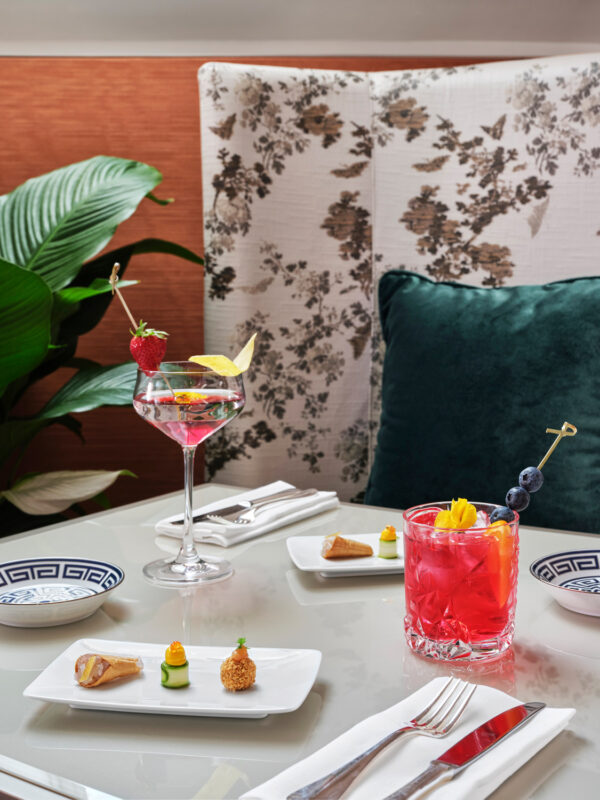
It is exactly this balance that makes the cooking compelling. The restaurant does not rely on big effects, but on clarity, technique, and good ingredients. It is complemented by the Infinity Bar, which becomes an especially appealing setting for an aperitivo in the early evening. Breakfast is also served here and benefits from the same atmosphere: plenty of light, open views, and the pleasant feeling of seeing Verona, for a moment, from a calmer perspective.
Wellness & Relaxation
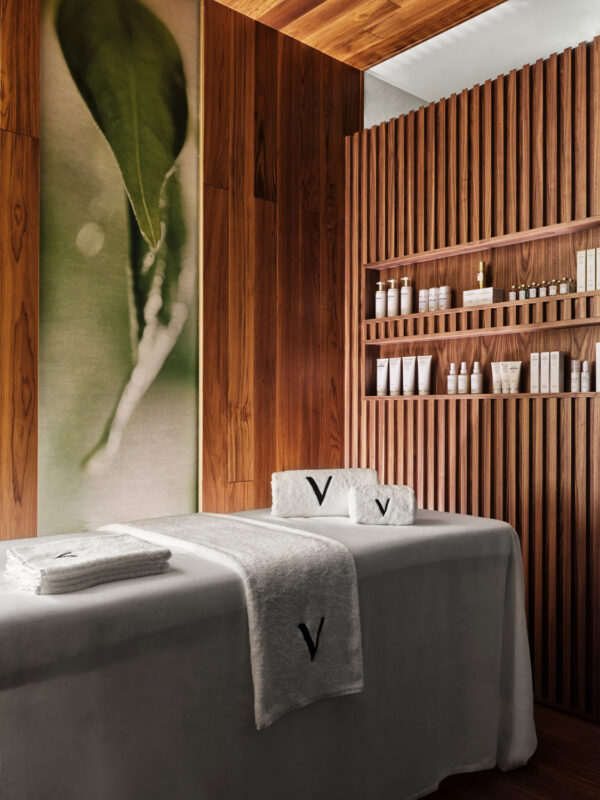
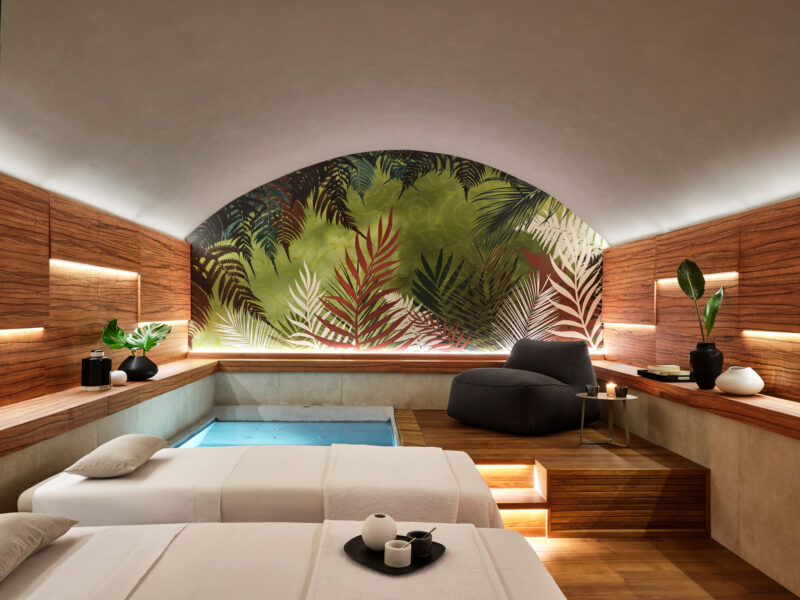
A spa in the middle of the Old Town is anything but a given in Verona. At Vista Verona, however, it feels entirely natural. The wellness area includes an indoor pool, sauna, steam bath, treatments, and a private spa suite. It does not feel like a mere add-on, but like an important counterpoint to the city.
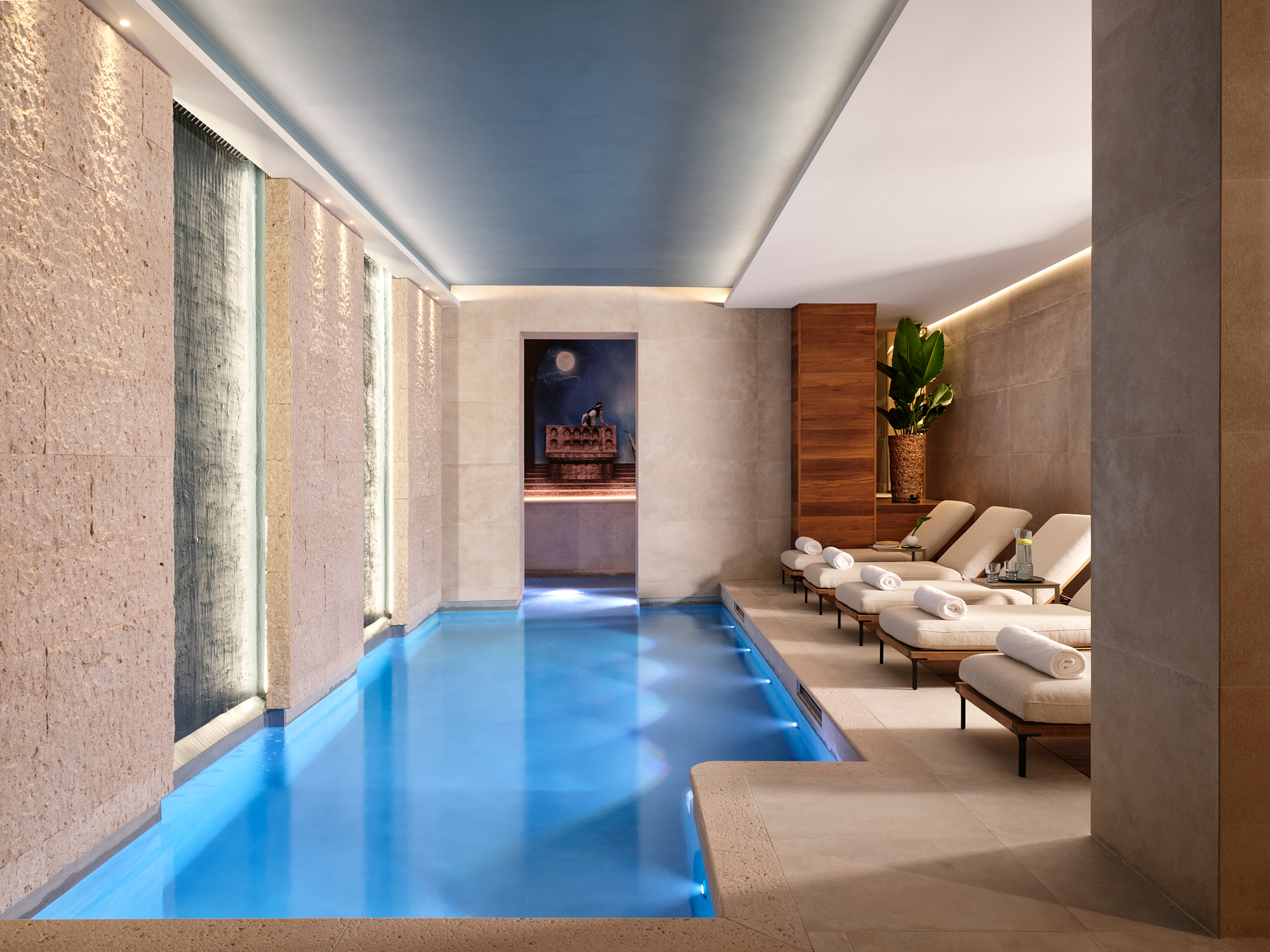
After hours among squares, churches, and lanes, the atmosphere here shifts: calmer, softer, more unhurried. Because the hotel remains small overall, the spa also has a pleasantly private quality. It feels less like a large facility than like a quiet retreat that usefully complements a day in the city and rounds out the hotel’s internal logic.
Surrounding area
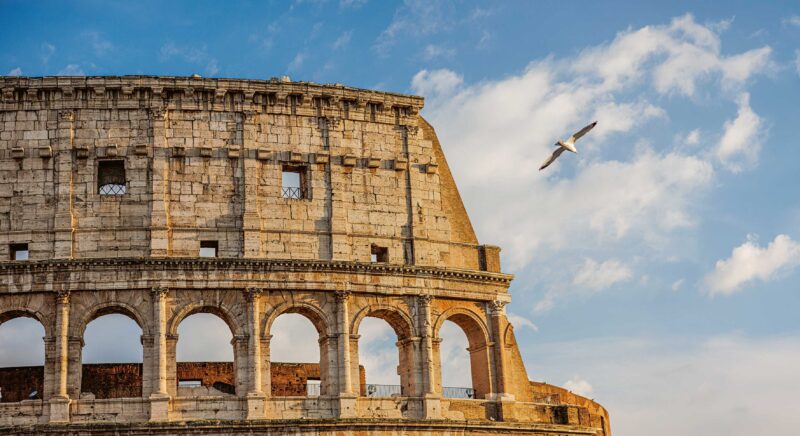
The area around the hotel is one of the densest cultural zones in Verona. Piazza delle Erbe, Piazza dei Signori, and the Arena are all close by, yet the quieter places in between are especially rewarding. Palazzo Maffei, with its collection, is a compelling stop for anyone who likes to think about historic and contemporary art together.
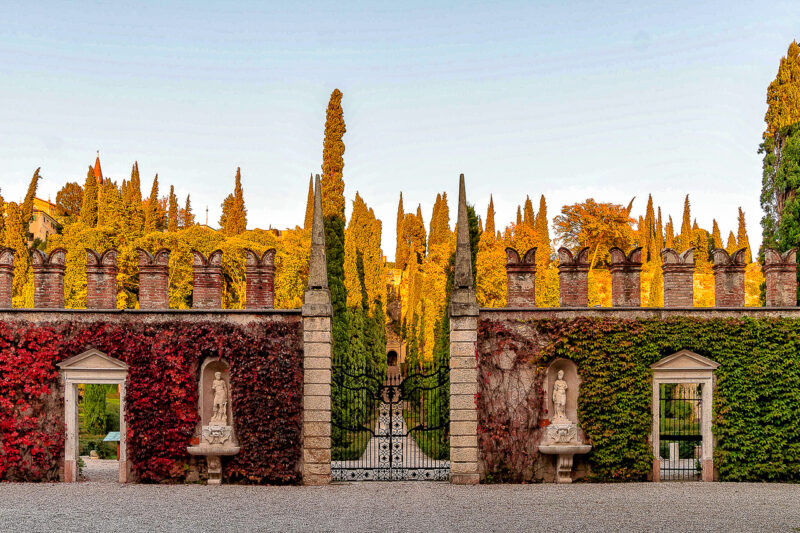
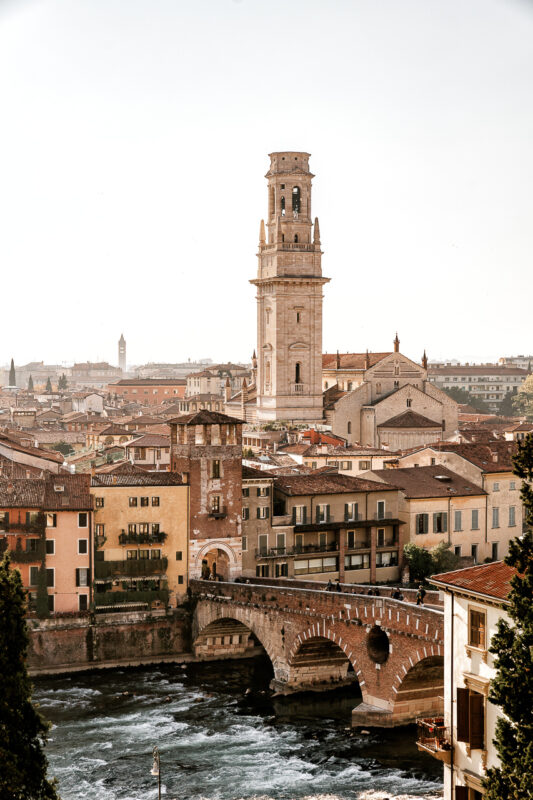
The Biblioteca Capitolare, in turn, is a reminder of just how deep the city’s cultural layers really are. Across the river lies Veronetta, a district with a somewhat different, more open atmosphere, long underestimated and therefore still genuinely interesting. There, Santa Maria in Organo and the Giardino Giusti offer beautiful contrasts to the busier Old Town. Sottoriva is equally appealing, with its arcades, small shops, and more relaxed, local mood. To explore Verona from here is to experience it less as backdrop and more as a grown urban fabric with many subtle tones.
Activities
For cultural travellers: The day can begin with an early walk through the Old Town, when Verona still feels quieter and more clearly drawn. Afterwards, a visit to Palazzo Maffei makes sense, its collection bringing together epochs and perspectives in a stimulating way. Later, the Biblioteca Capitolare is a special destination for anyone interested in the deeper historical strata of the city. In the evening, the stage belongs to the Arena—not only as a famous venue, but as part of the cultural self-understanding that still shapes Verona today.
For walkers and urban explorers: A beautiful route leads across Ponte Pietra to Veronetta. There, Verona feels a little less polished, a little more open, with quieter moments between churches, courtyards, and viewpoints. Santa Maria in Organo and the Giardino Giusti are especially rewarding stops. The view back across the city from there is one of the calmer yet more memorable Verona experiences.
For gourmets: An aperitivo on the hotel rooftop is the obvious beginning. After that, it is worth keeping the evening slightly open: a walk through the lanes, perhaps a glass of wine in a smaller enoteca, perhaps simply the city in its evening rhythm. Verona and its surroundings are deeply shaped by wine culture; Valpolicella and Amarone are more than familiar names here.
For design and shopping-minded travellers: Away from the main shopping streets, the smaller roads around Sottoriva, Piazza delle Erbe, and Veronetta often reveal the more interesting Verona. Here one finds bookshops, delicatessens, workshops, and small stores with a more local signature. These less interchangeable addresses give the city additional character.
For travellers also looking for retreat: Vista Verona works particularly well for days that combine culture and recovery. Spa in the morning, the city at midday, a pause in the room in the afternoon, rooftop in the evening—this rhythm is especially effective here. Part of the hotel’s quality lies exactly in that balance.
Details
Rooms & Suites: 16 in total, including Deluxe Rooms, Junior Suites, Suites, and Prestige Suites
Largest categories: Prestige Suite, Suite, Junior Suite
Culinary: Sottovoce Restaurant, Infinity Bar, breakfast, light lunches, aperitifs and dinners on the rooftop during the warm season
Wellness: indoor pool, sauna, steam bath, treatment rooms, private spa suite, finnish sauna, emotional shower with aromatherapy and chromotherapy, ice fountain
Additional areas: library, rooftop terrace, partially connecting rooms
Location: in Verona’s Old Town, near Piazza delle Erbe, Juliet’s House, and the Arena