
The drive in already begins to reset the eye. The island turns drier, quieter, more exact. Stone walls, rough tracks, low trees, long light. Son Blanc does not appear as a grand arrival, more as something slowly coming into focus. You arrive with the sense that nothing here needs to push for effect. The shift is subtler than that. It changes your pace first, and only then your idea of rest. The place starts working before you have properly checked in.
© Karel Balas
The location
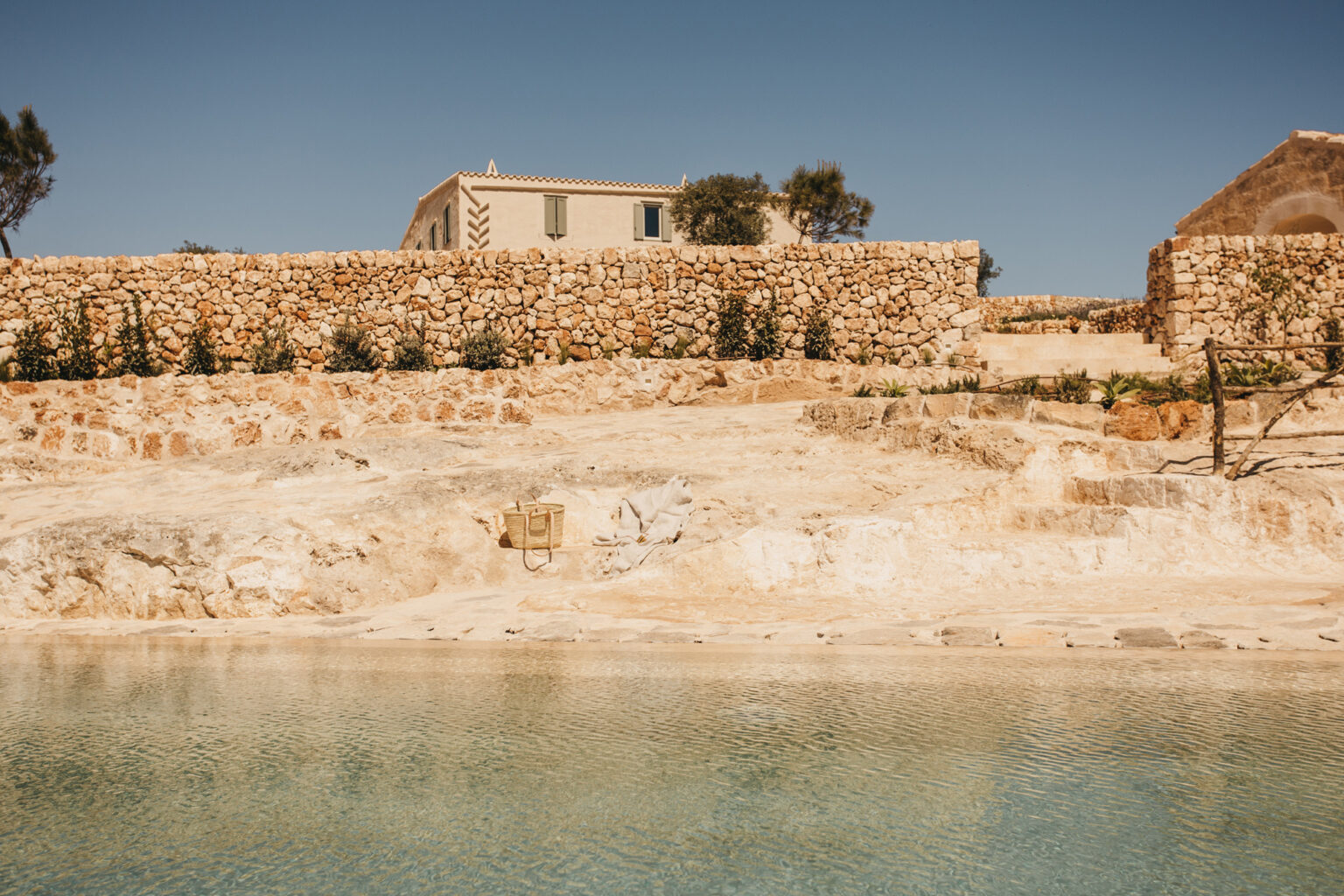
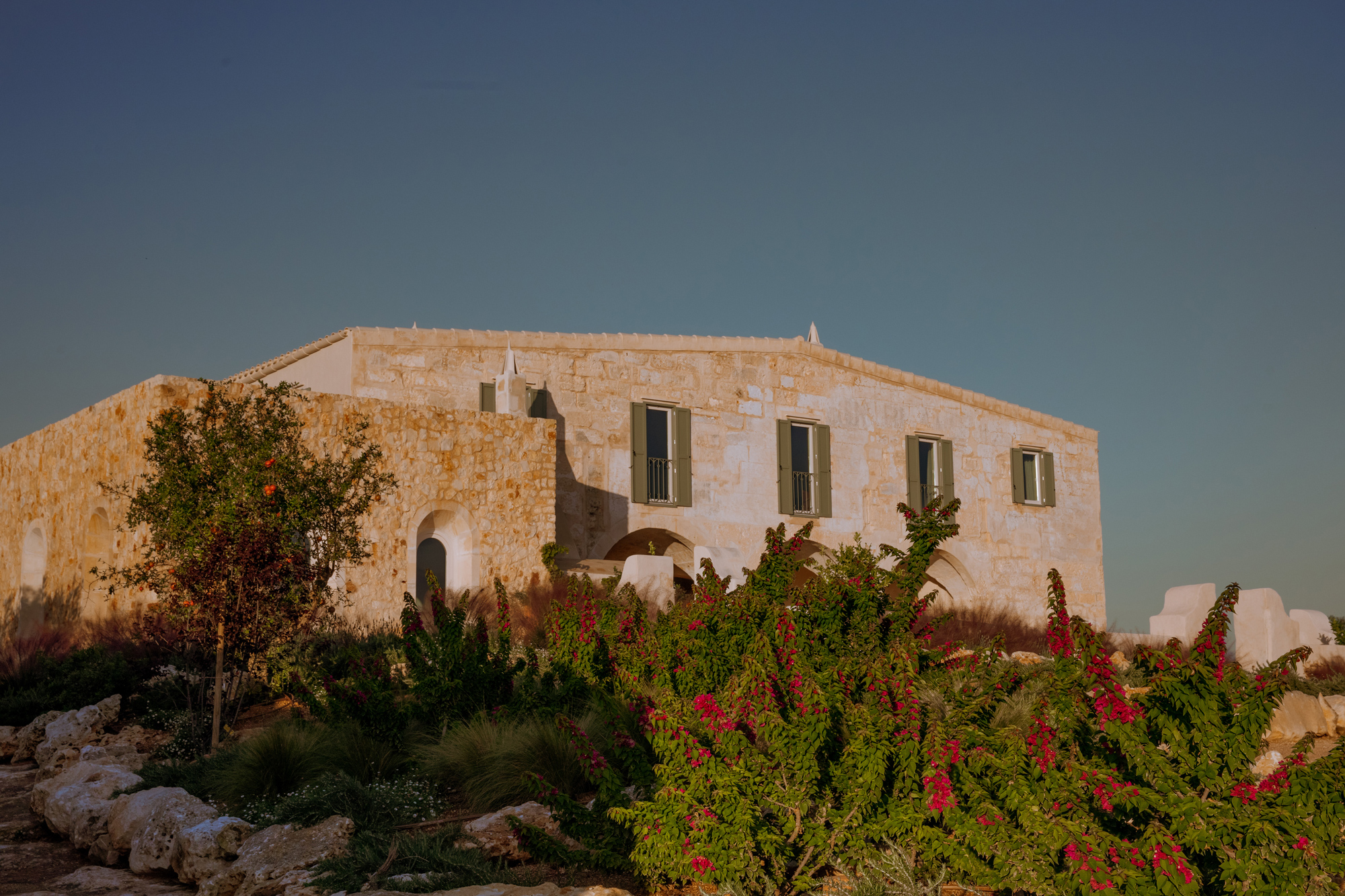
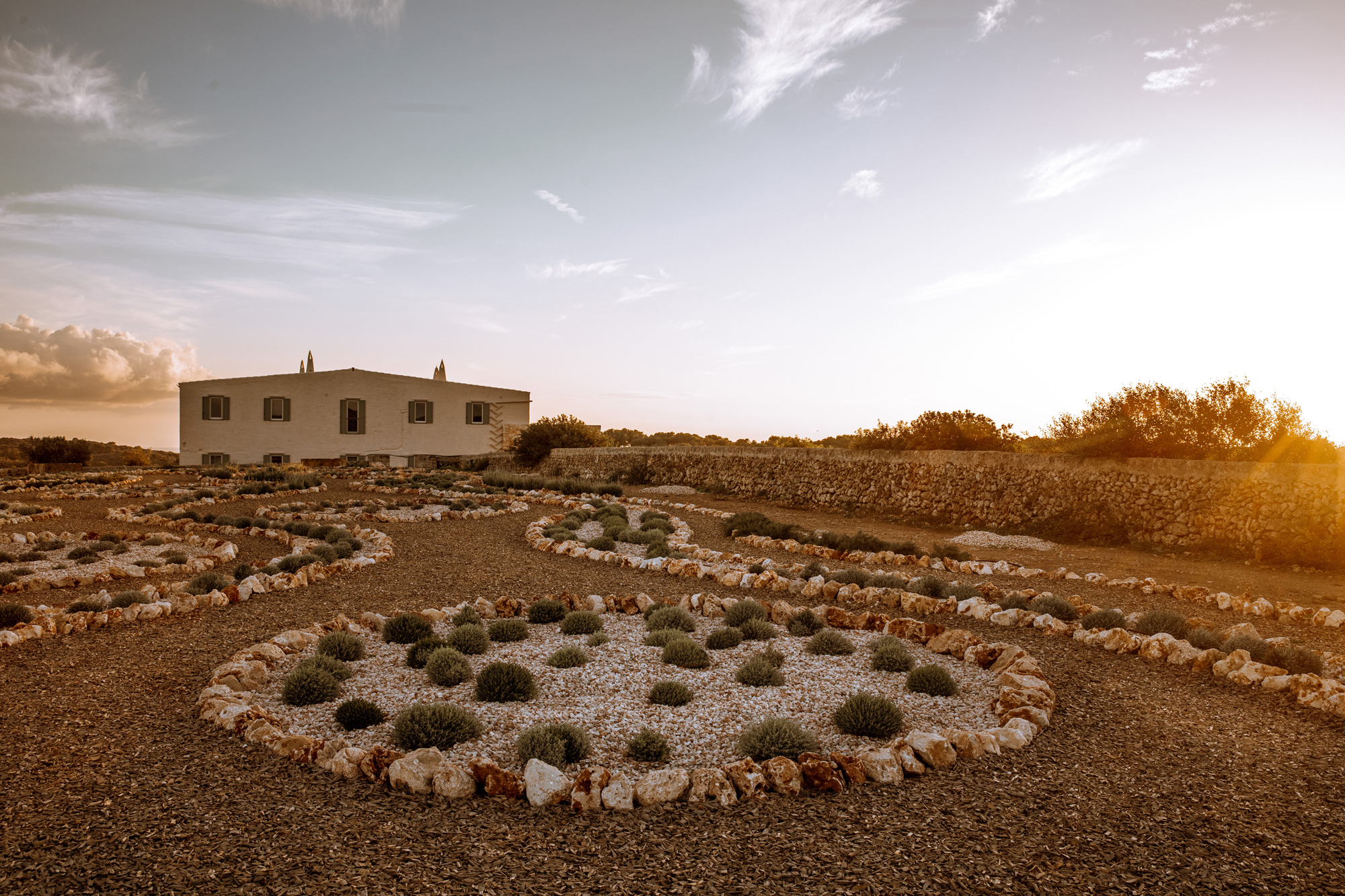
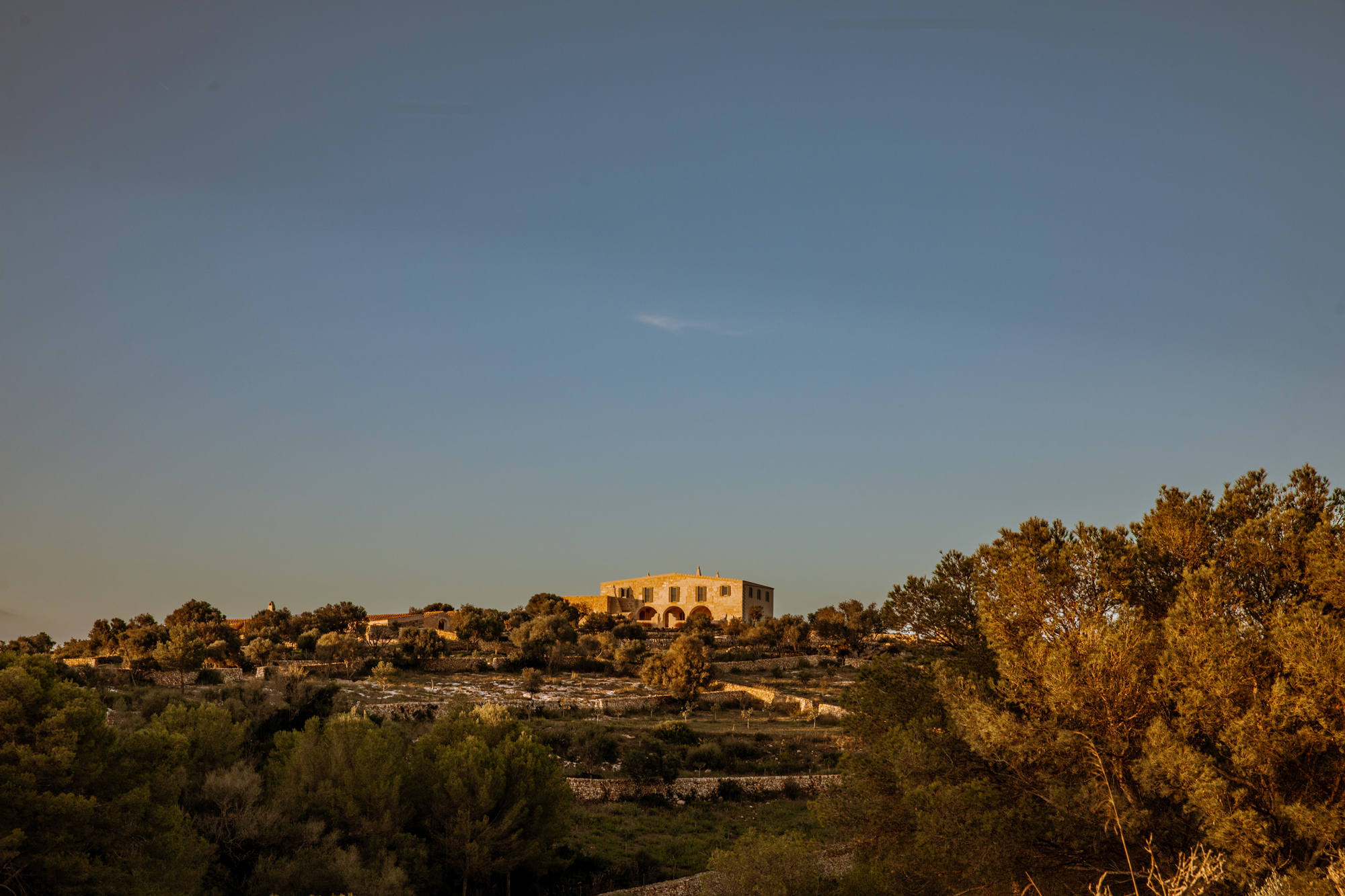
South of Alaior, near Torre Solí Nou, Son Blanc sits in open countryside marked by fields, dry-stone walls, olive trees and wind. The final stretch runs along rural tracks, which matters: the place is approached rather than announced. Then the finca comes into view, pale and composed against the land. No resort spectacle, no over-signalled architecture. Instead there is marés stone, clear massing and the restrained authority of an old agricultural estate. The house looks settled rather than placed, as if it belongs to the terrain before it belongs to hospitality, and before it belongs to travel photography.
© Karel Balas
Backstory
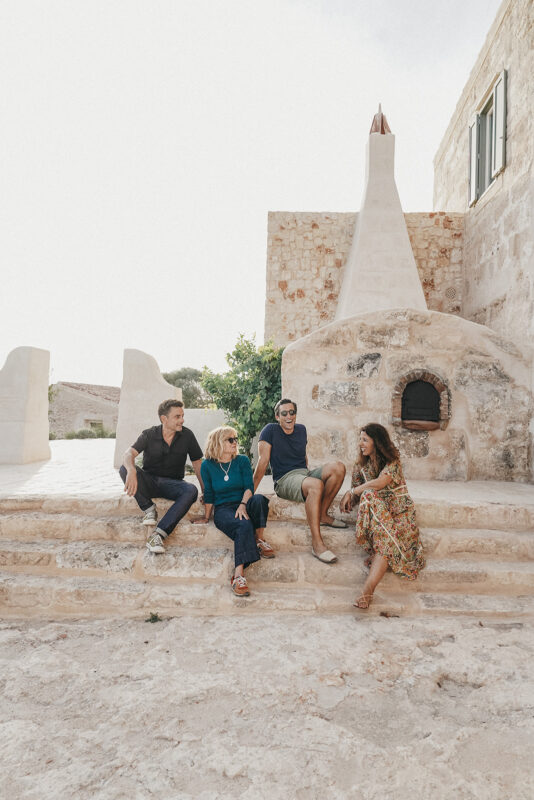
Son Blanc is not built on a founding myth. Its story is more concrete: recovery, repair, reuse. The late nineteenth-century estate had fallen into disrepair when Menorcan-born Benedicta Linares Pearce and her husband Benoît Pellegrini found it and began restoring it over several years. They remain the central figures behind the house today.
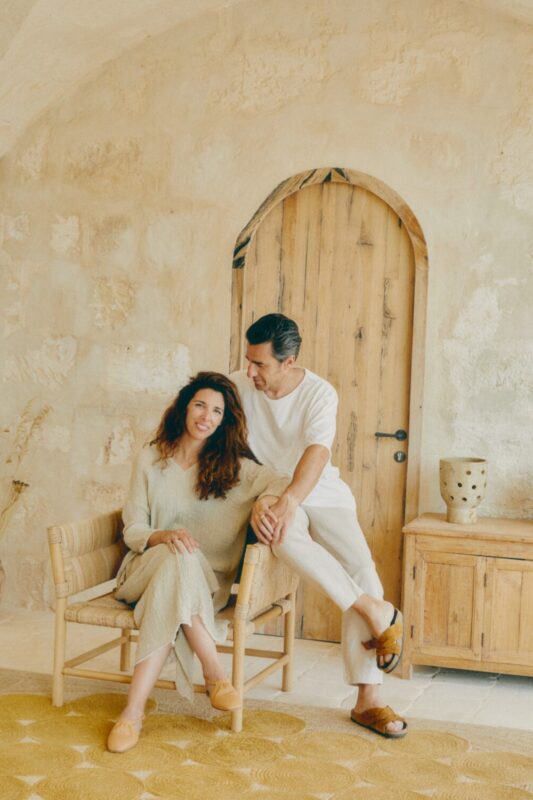
What they pursued was not a prettier finca but a legible place: ecologically, architecturally, socially. Working with Atelier du Pont in Paris and local studio ARU Arquitectura, they turned the property into a farmhouse hotel that carries its past without performing it. The personal element is present, but held back. That restraint gives the project credibility and keeps the hospitality grounded in choices rather than slogans.
© Maria Missaglia
© Karel Balas
Interior & architecture
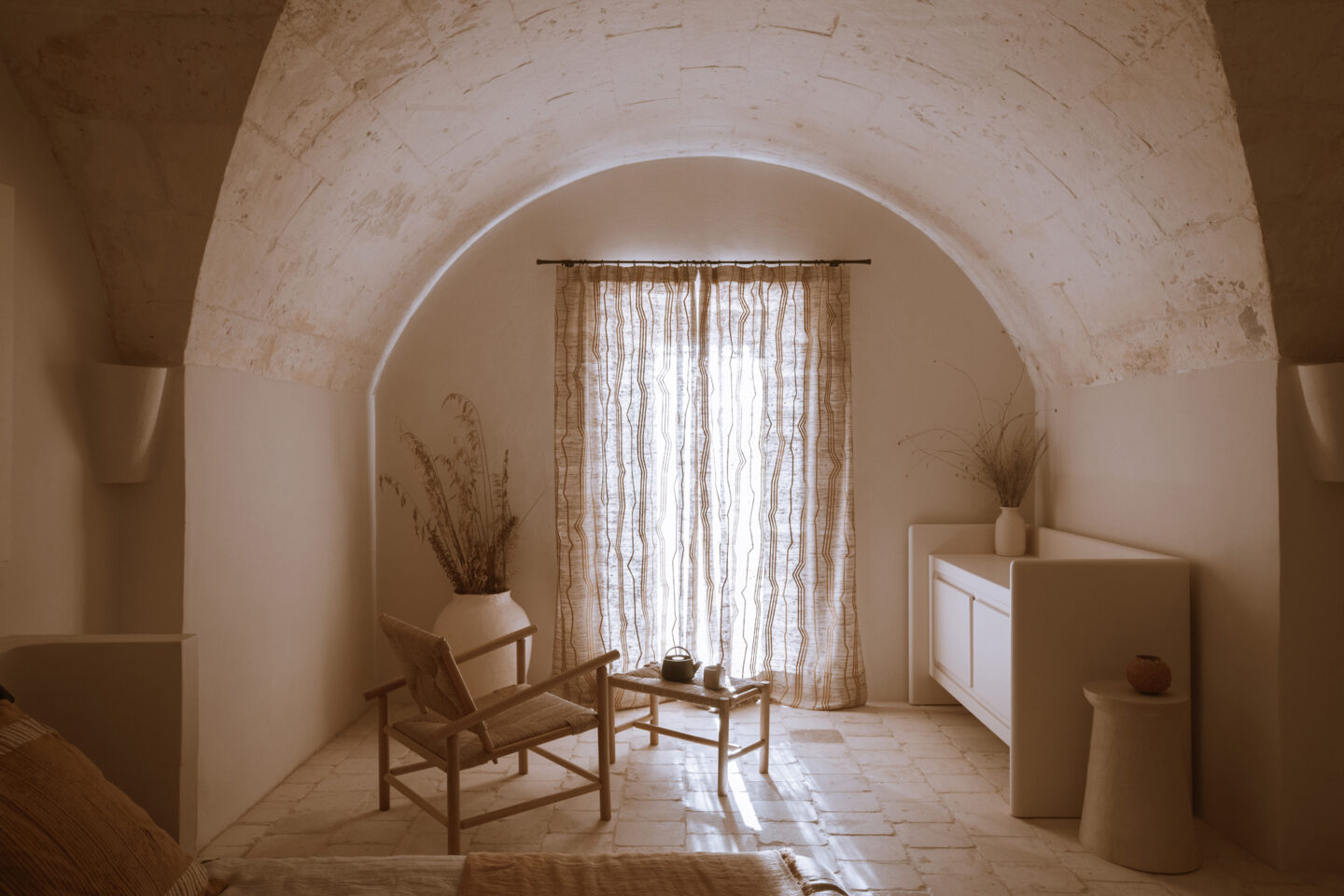
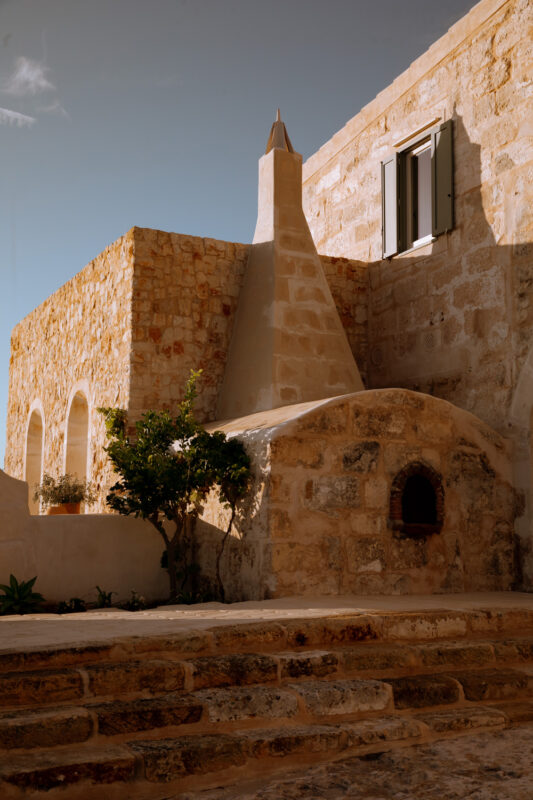
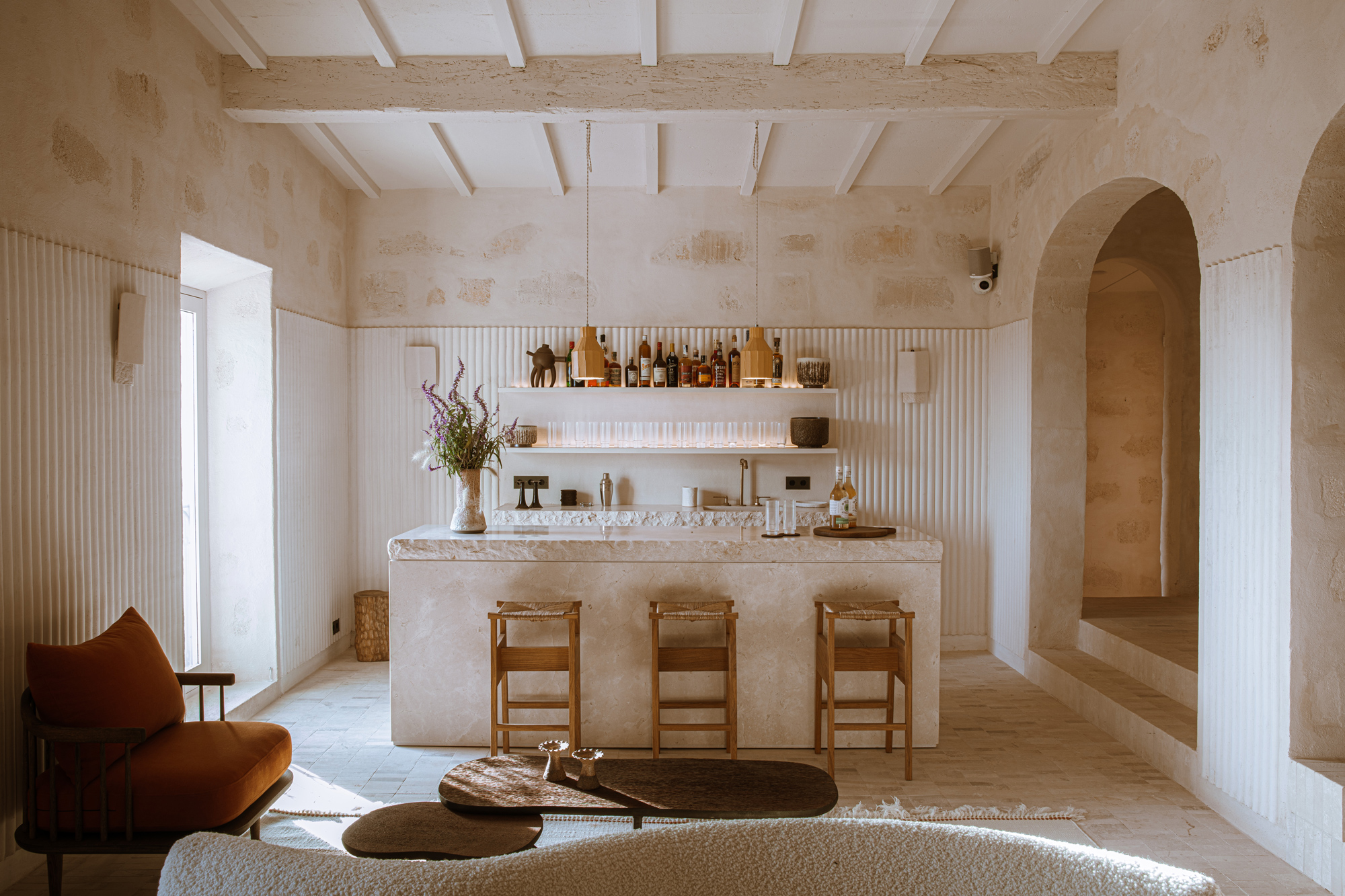
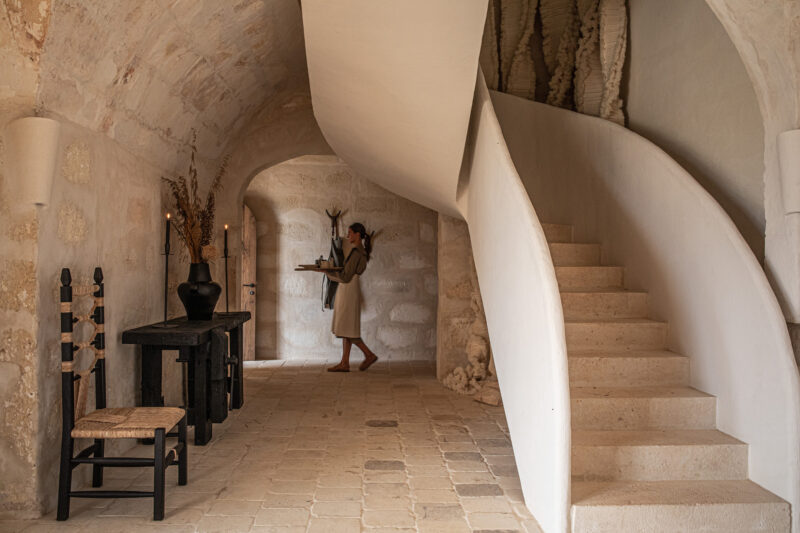
The architecture works through control, not display. Much feels found, though everything has been carefully designed. Atelier du Pont, together with ARU Arquitectura and local craftspeople, preserved vaults, arches, cisterns and the marés-stone fabric of the original finca while giving the spaces a new spatial grammar.
© Karel Balas
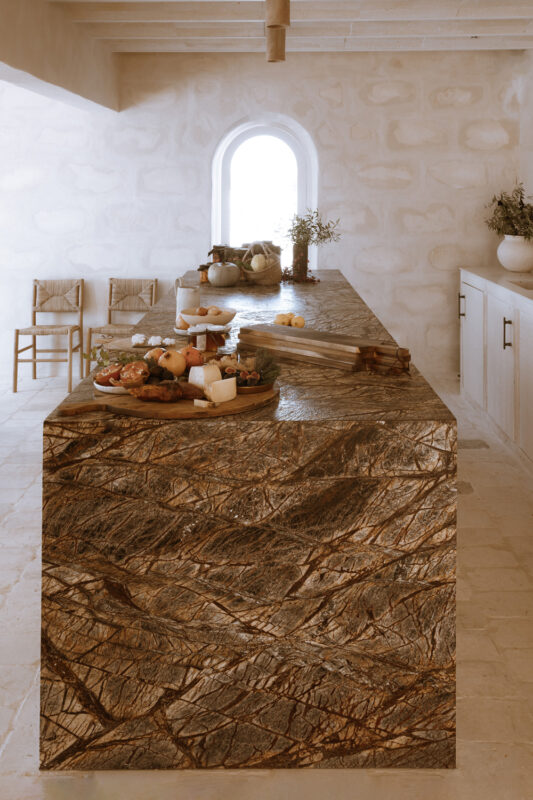
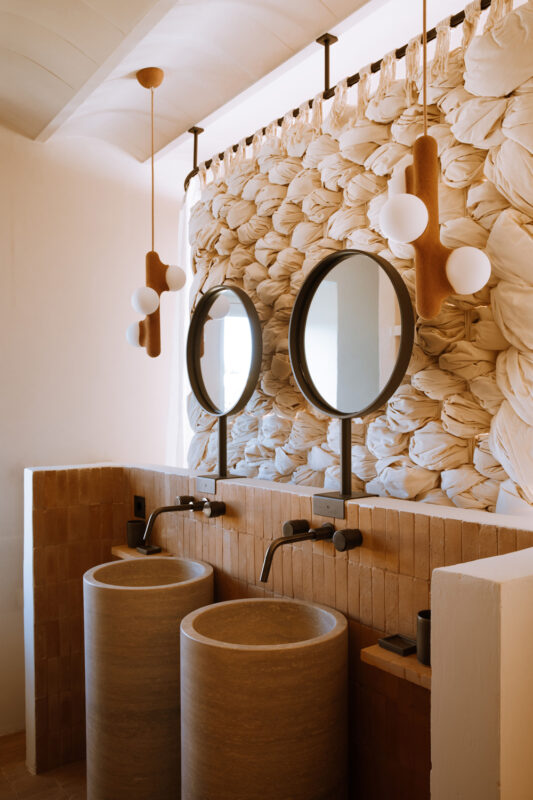
Inside, lime, clay, terracotta, wood, linen and wool set the tone. The palette stays within chalk, sand, dust and muted earth, calm but not anaesthetised. Handmade ceramics, woven pieces, sculptural lighting and custom furniture give the rooms density without clutter.
Technical choices follow the same logic: solar power, geothermal systems, restored rainwater cisterns and water recycling are integrated into the project rather than added as a statement. Sustainability here reads less as message than as method, and that distinction matters.
© Karel Balas
© Karel Balas
A look inside
The shared spaces are spread across the estate with an ease that suggests a lot of thought. Restaurant, bar, pool, yoga studio, outdoor platforms and treatment rooms all relate to one another without tipping into staged cosiness.
© Karel Balas
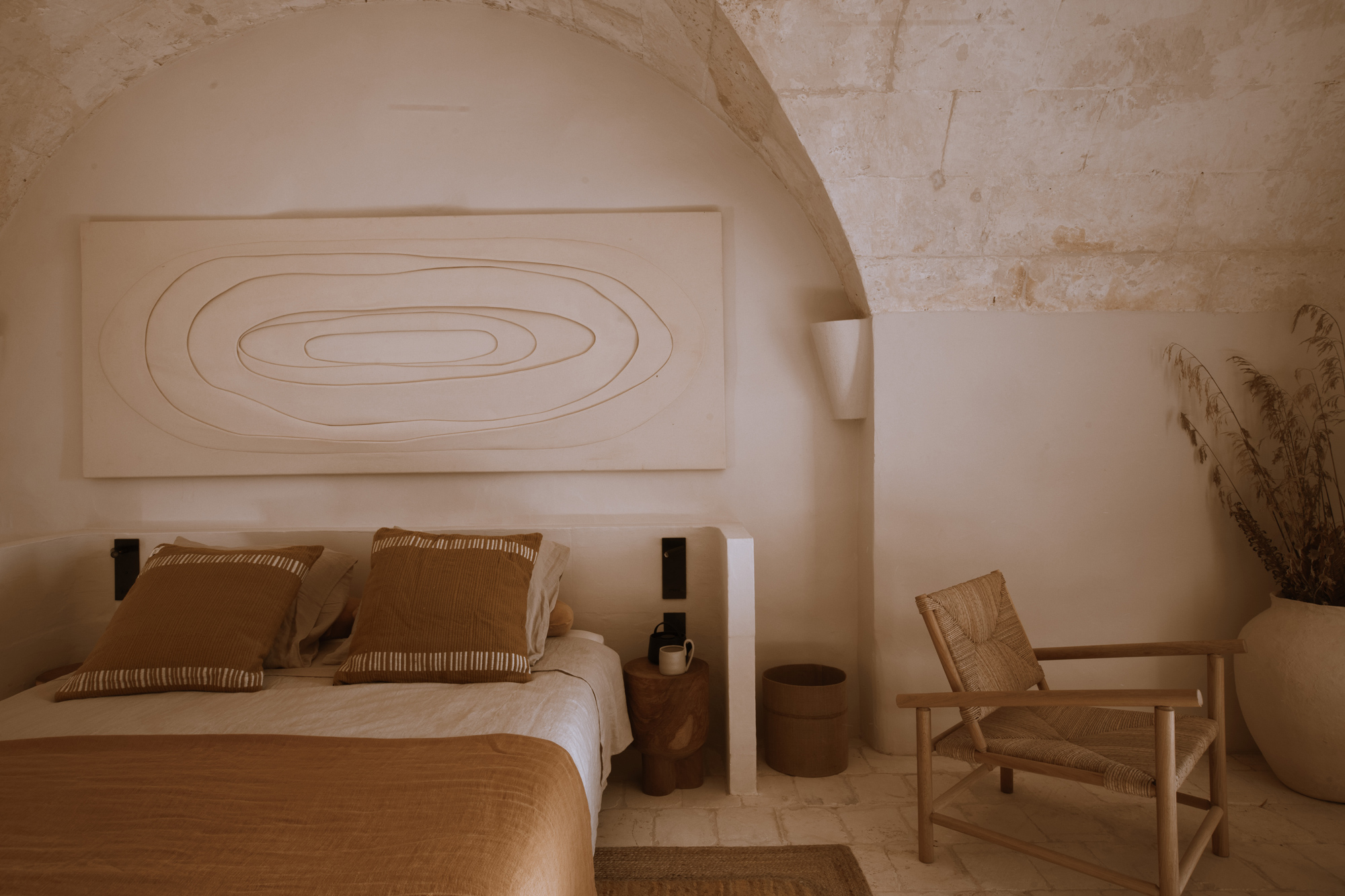
There are 14 rooms and suites, each with its own character. Some open onto terraces or gardens, some look across fields and olive groves, some include outdoor hot tubs.
© Karel Balas
© Karel Balas
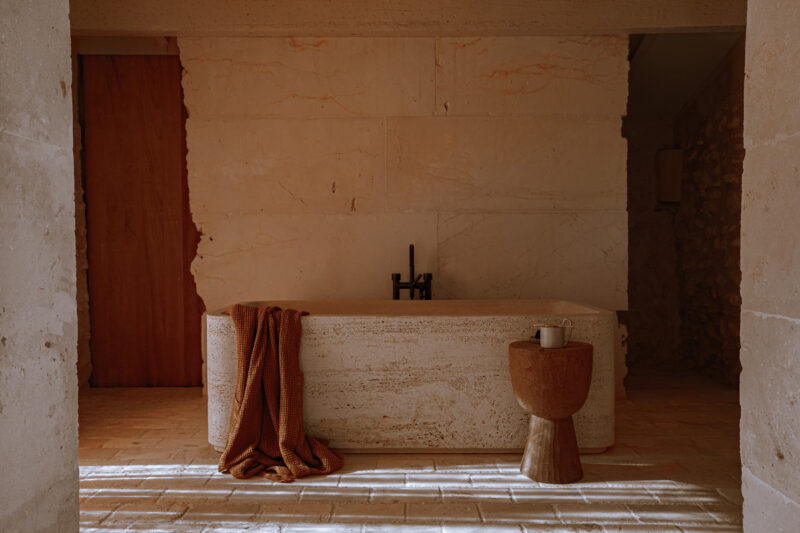
The Cuarto Rústico keeps a rougher edge; the Rural Suites feel more open and calm. The rooms avoid excess. Good beds, natural materials, well-made bathrooms, ceiling fans instead of technical overreach. Comfort is present, certainly, but it does not advertise itself. That, now, is almost a luxury in itself, and one guests register quickly.

© Karel Balas
Culinary
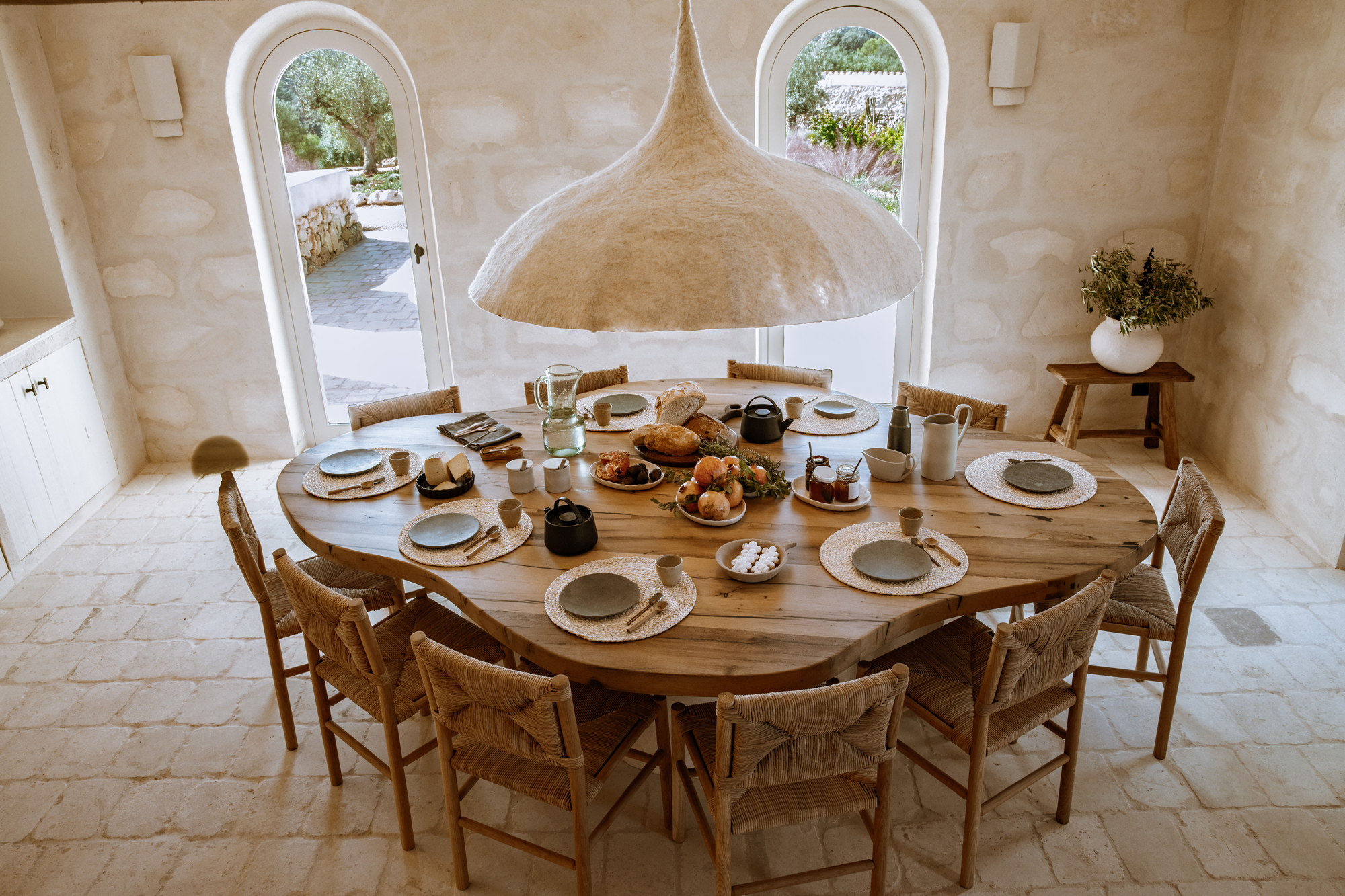
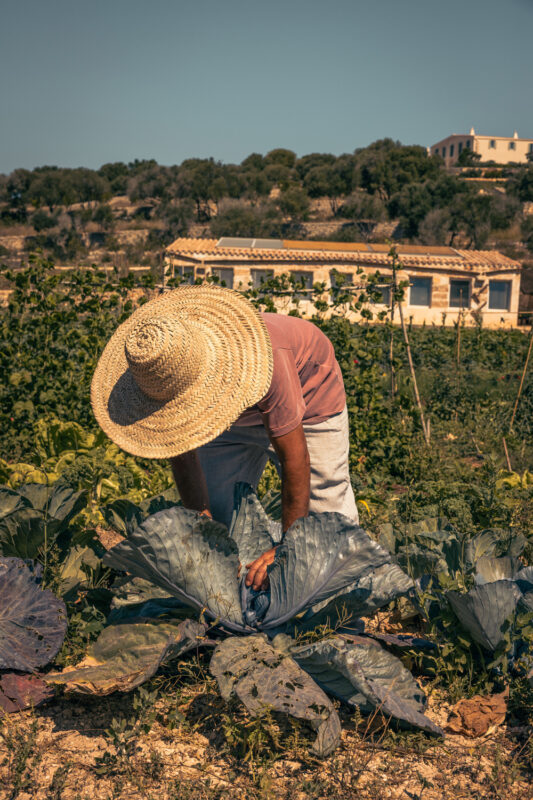
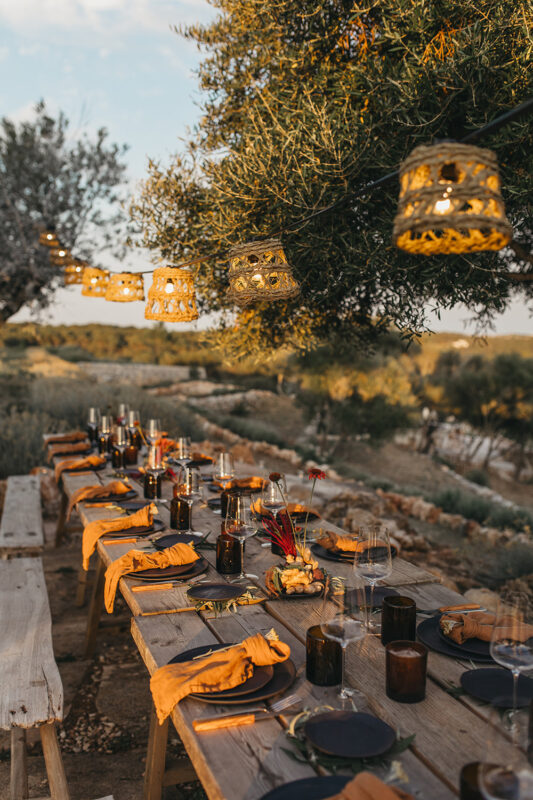
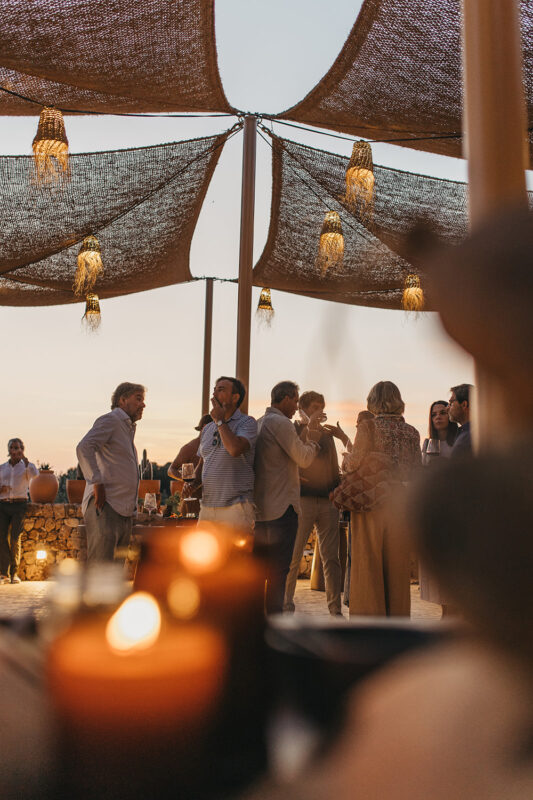
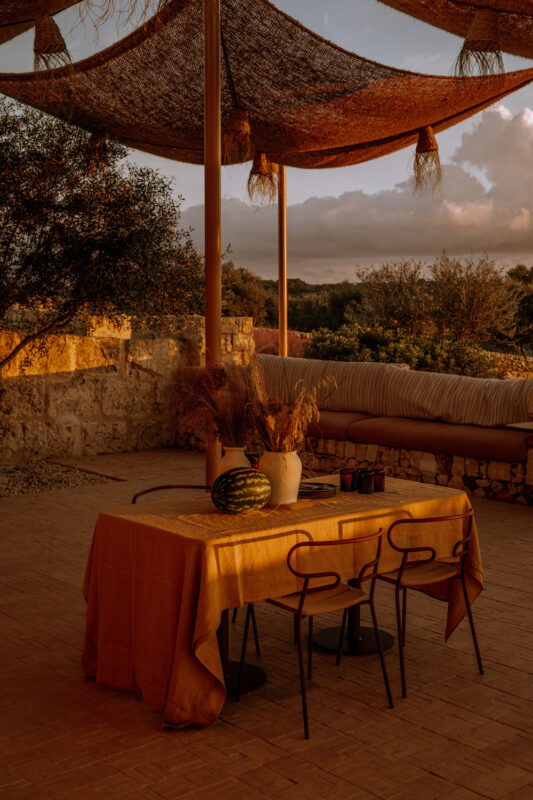
Food is central to how Son Blanc thinks about hospitality. The kitchen works decisively farm to table, drawing on organic seasonal produce from the estate and from selected local growers. Cooking leans on fire, embers, fermenting, preserving and drying, techniques that build concentration rather than effect. In the evening, menus are served to share; at lunch, guests eat at the pool bar, often under olive trees.
© Karel Balas
The atmosphere stays relaxed, but the standards are exact. Notably, the house does not build its culinary identity around chef mythology. What matters more is the team and the discipline of the approach. Wednesday communal tables and Sunday sunset roasts extend that idea into ritual, though never into performance. Even the zero-waste principle is handled without moral theatre. Pleasure comes first, but it is grounded in method, season and place.
© Karel Balas
© Maria Missaglia
Wellness & Relaxation
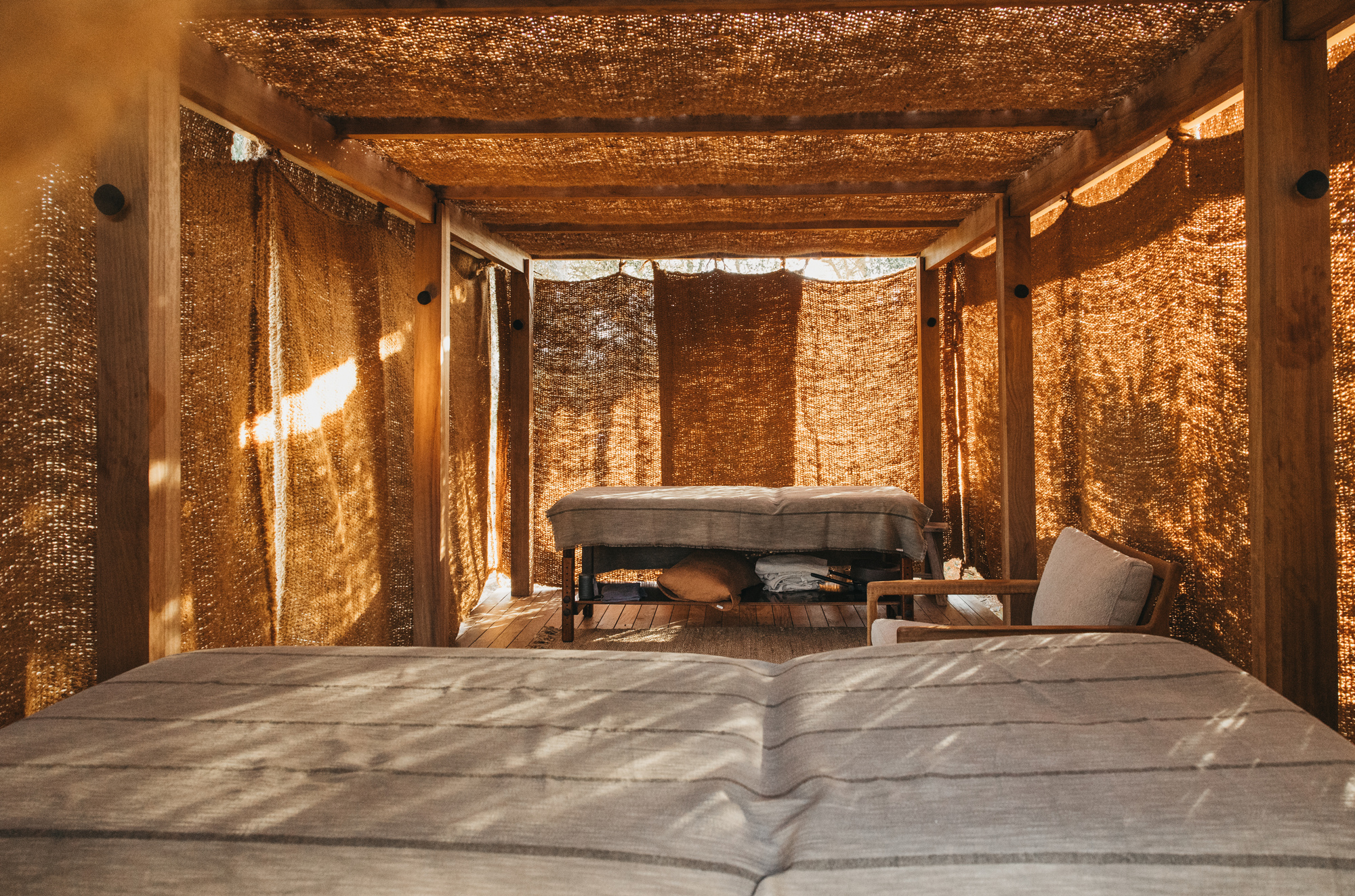
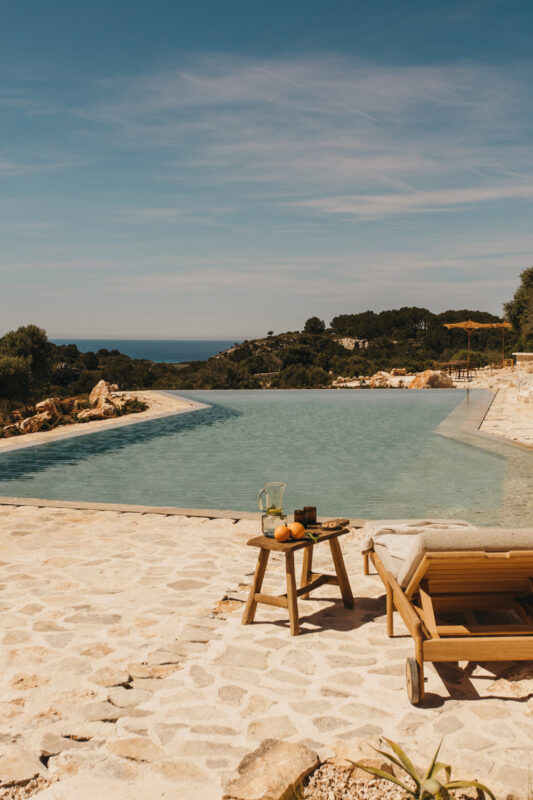
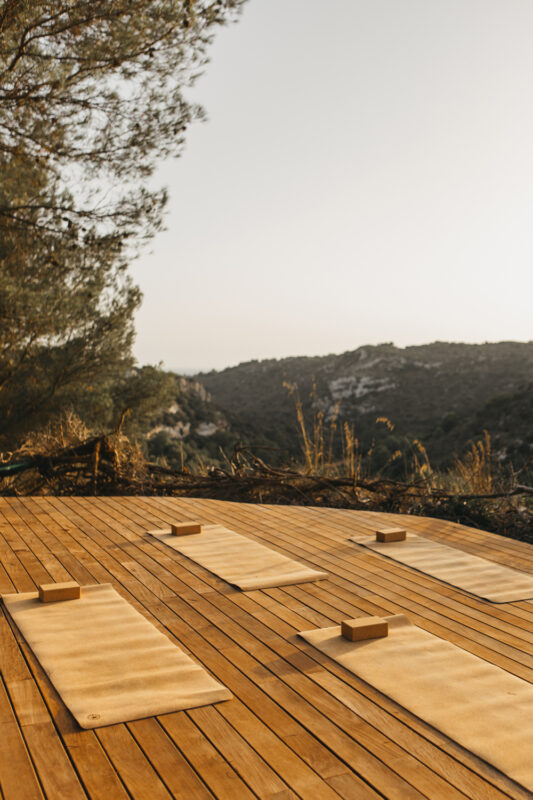
Wellness here is handled without a separate spa narrative. There is a pool, a yoga studio, outdoor platforms, treatment spaces inside and out, and a changing programme of yoga, breathwork, Pilates and sound sessions. More important than the list is the setting.
© Maria Missaglia
Nothing feels sealed off or departmentalised. Rest arrives as part of the wider order of the place: light, stone, wind, time. Son Blanc understands that people rarely relax because of facilities alone. They relax when routine loosens its grip, when silence becomes usable again, and when the body stops working to the tempo of the screen. The result is a kind of rest that feels absorbed rather than scheduled.
© Maria Missaglia
© Maria Missaglia
Surrounding area
The area around Son Blanc is quieter than the coast and more interesting for it. Close by are fields, low walls, farm tracks and the inland sky of central Menorca. Alaior is only a short drive away and worth more than a quick stop: an old town, local shops, markets, and LÔAC, a contemporary art centre with unusual confidence for its scale. Nearby, Torre d’en Galmés offers one of the island’s most important Talayotic sites, where prehistory remains visible as terrain rather than exhibit.
© Karel Balas
Toward the coast lies the early Christian basilica at Son Bou. A little farther out, Cala en Porter brings the cliffside Cova d’en Xoroi, while Mahón offers Hauser & Wirth Menorca on Illa del Rei. Alaior is also a good place for local cheese, leather goods and avarcas. If the coast is the island’s public face, this inland radius feels closer to its working mind: agricultural, archaeological, quietly cultural, and less interested in pleasing everyone at once. Moving through this radius, Menorca reads less as backdrop than as worked land with memory, craft and a present tense.
Activities
For culture: visit LÔAC in Alaior, then make time for Hauser & Wirth Menorca on Illa del Rei. Both sharpen the island beyond its holiday surface.
For history: walk Torre d’en Galmés slowly, then continue to the basilica at Son Bou. For landscape: stay on the estate and move through gardens, olive groves and viewpoints, or head south to Son Bou and Cala en Porter for a different scale of horizon.
© Maria Missaglia
© Maria Missaglia
For food: eat in the house, then browse Alaior for local cheese, leather and small producers. If your stay aligns, book the communal table or a Sunday roast.
For rest: prioritise yoga, breathwork or a treatment, but do not over-schedule. Son Blanc is not built for activity management. It works best when there is enough empty time for the place to do its work. Families can focus on easy beach hours and short drives; design-minded guests will want to study the craft and material choices; walkers can use the estate itself as a low-stimulus itinerary. The point is not to optimise every hour. The point is to leave some of them deliberately unclaimed. Guests with children can keep things simple with beach time and short drives. Solo travellers may find that the estate itself is enough itinerary.
Details
- 14 individually designed rooms and suites.
- Standout categories include the Rural Suites, Cuarto Rústico, and rooms with gardens, terraces or outdoor hot tubs.
- Farm-to-table restaurant and bar.
- Pool, yoga studio, open platforms, indoor and outdoor treatments.
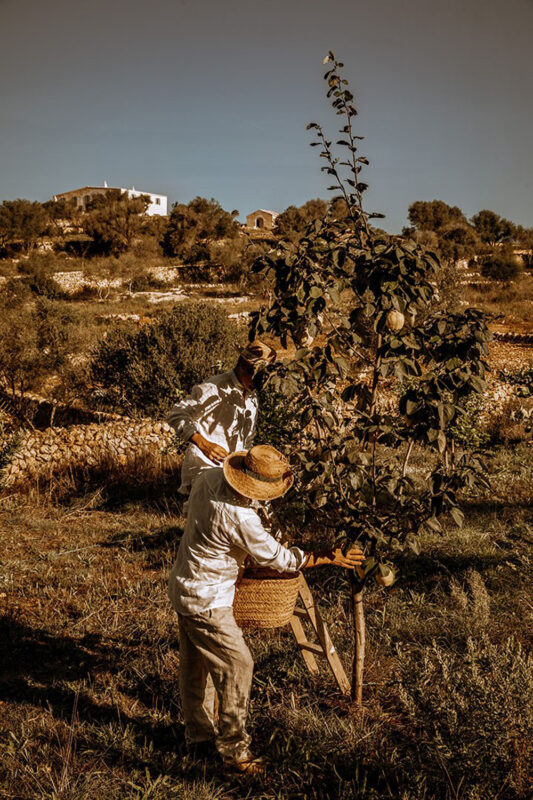
- Regenerative farming across 130 hectares, with produce, honey, eggs and olive oil from the estate.
- Communal tables, sunset roasts, workshops and residencies.
- Full private hire of the property is also possible, which makes the house suited to retreats and group stays as well as individual escapes.
© Karel Balas