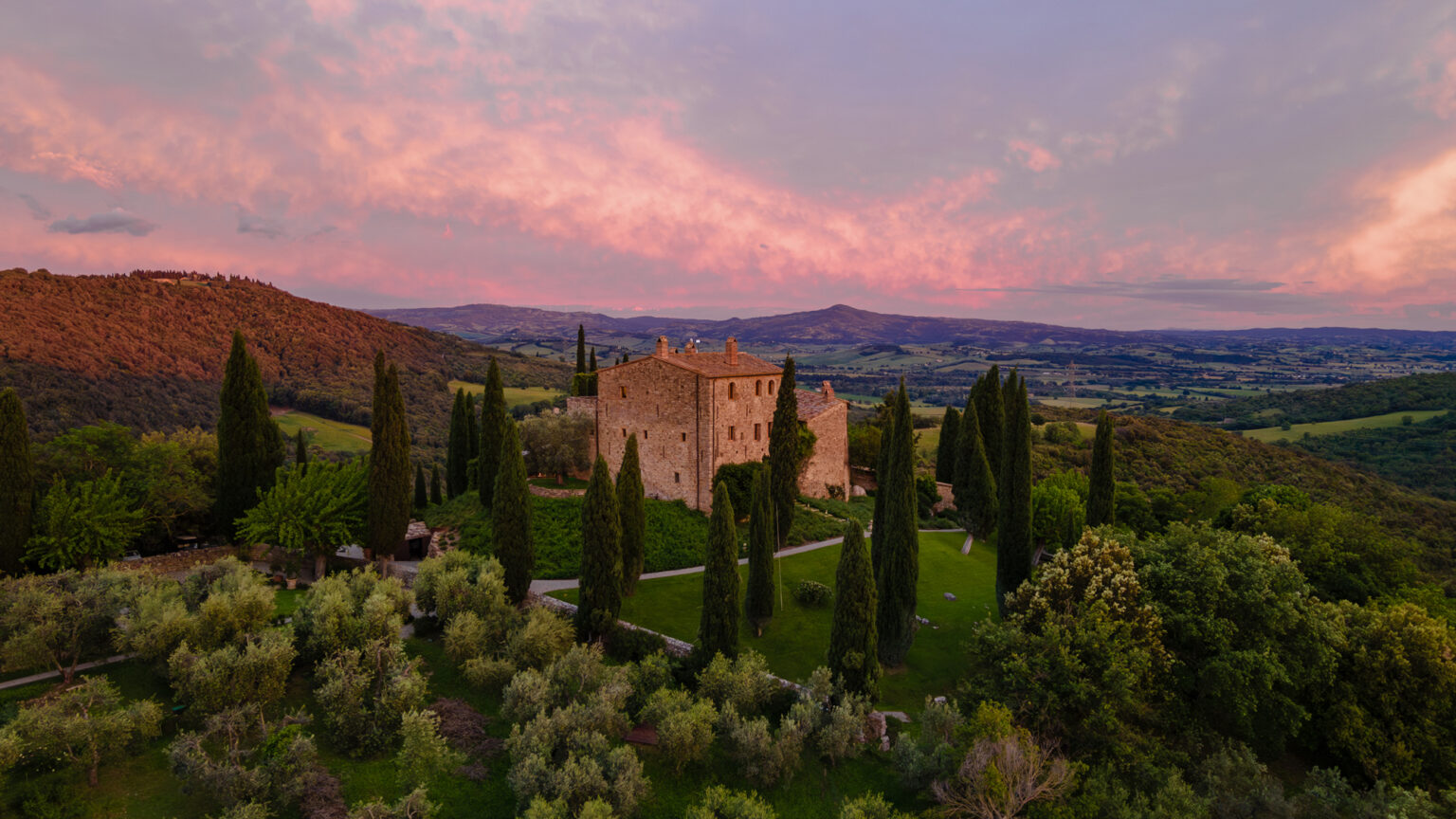

The final bends tighten, the road falls quiet, your phone loses ambition. Then the castle appears above woods and vines, not like scenery so much as a deliberate interruption of the ordinary. You do not simply arrive; you are eased out of the tempo of the outside world and placed in another order altogether: slower, more sensuous, more exact.
The location
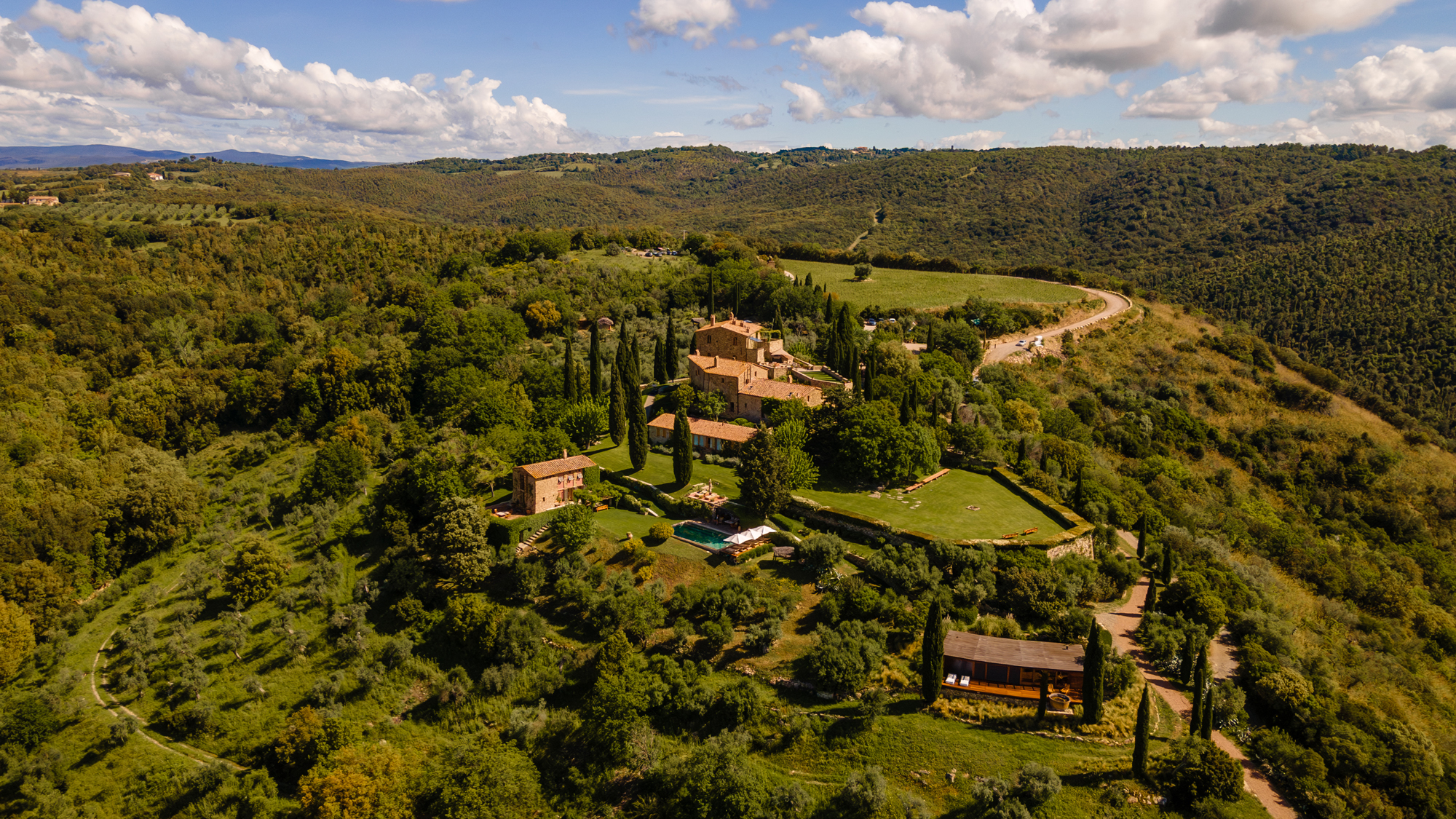
Castello di Vicarello sits near Poggi del Sasso in the Maremma. Montalcino is around 35 minutes away, Siena about 80; Florence is a two-hour drive away, and Rome can be reached in three hours. The approach runs through woods, olive groves and vineyards, then narrows into a road that feels more selective than convenient.
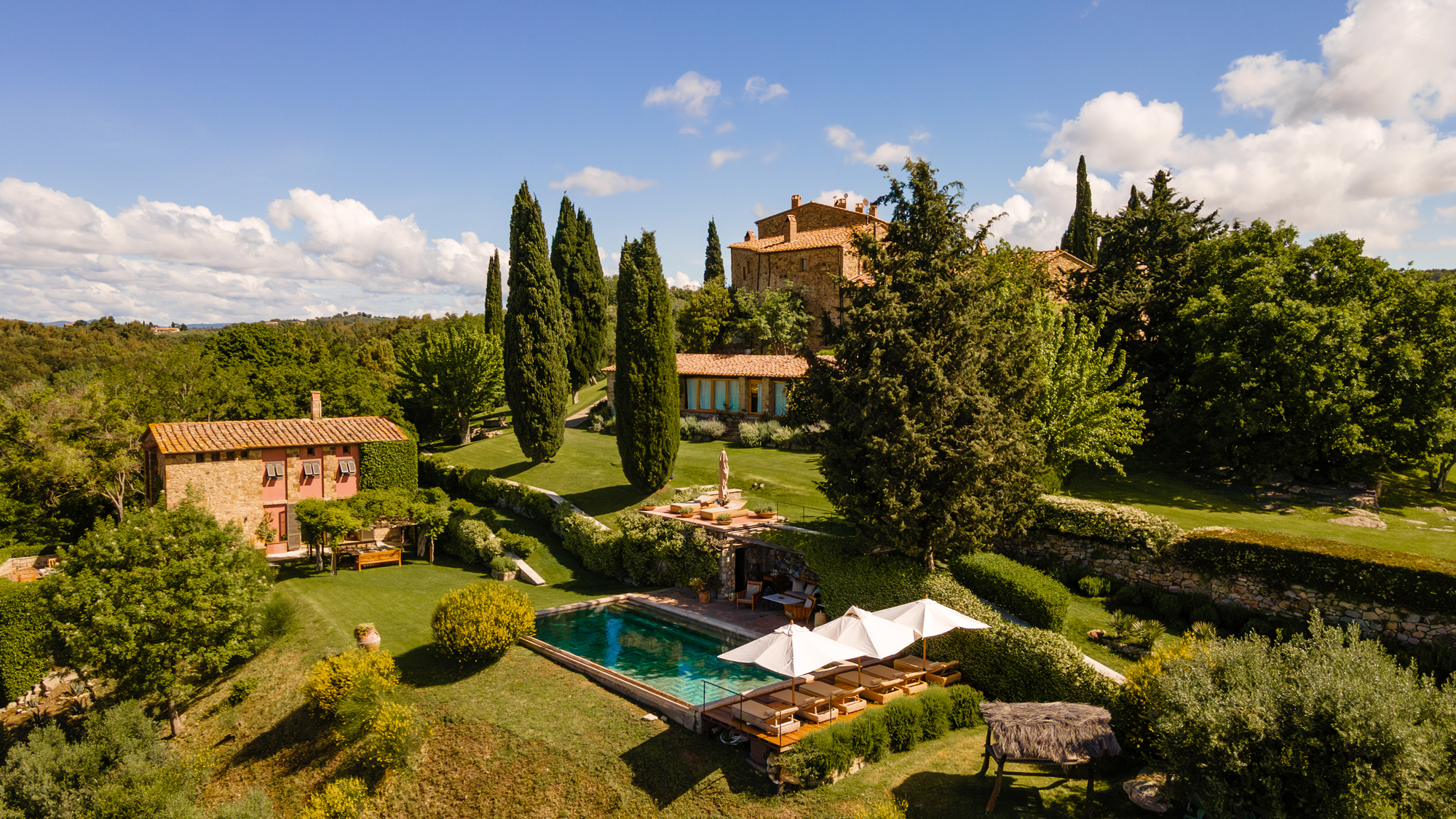
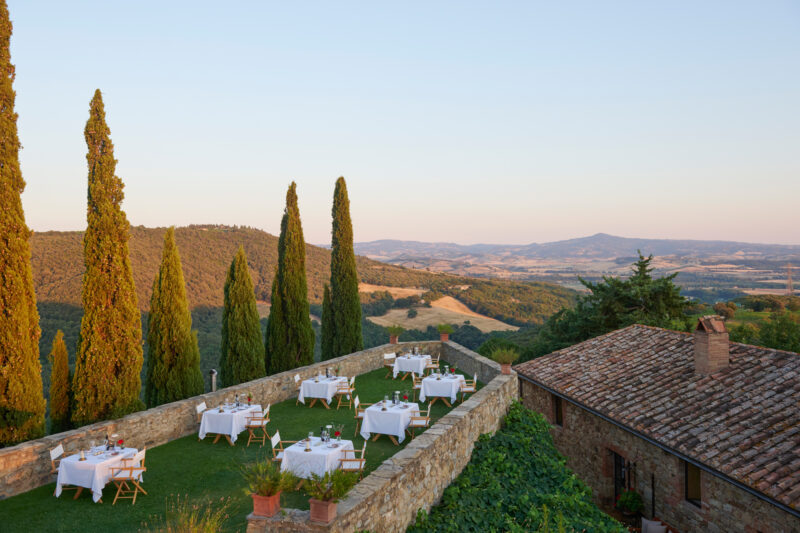
Suddenly the estate comes into view: stone walls, towers, terraces, ranks of cypresses, and behind them the softly folded hills of the Montecucco area. The castle does not look placed in the landscape for effect; it seems worked out of it. That slight inaccessibility is part of the first impression: not a hotel on a route, but a place with its own orbit.
Backstory
The story starts not with a hospitality concept but with a change of life. In the 1980s Carlo and Aurora Baccheschi Berti discovered the ruins of Vicarello, then a derelict former fortress of the Republic of Siena.
They left their life between Milan and Bali, moved to the Maremma with their three sons, and spent more than twelve years restoring the property; in 2003 they opened it as a boutique hotel. The family still shapes the estate in visible ways. Carlo oversaw masonry and finishes and still supports the next generation. Aurora directs the kitchen, the visual language and new suite projects. Their son Brando leads the wine side, while Corso returned in 2021 after years in Paris and now oversees hotel operations.
Interior & architecture
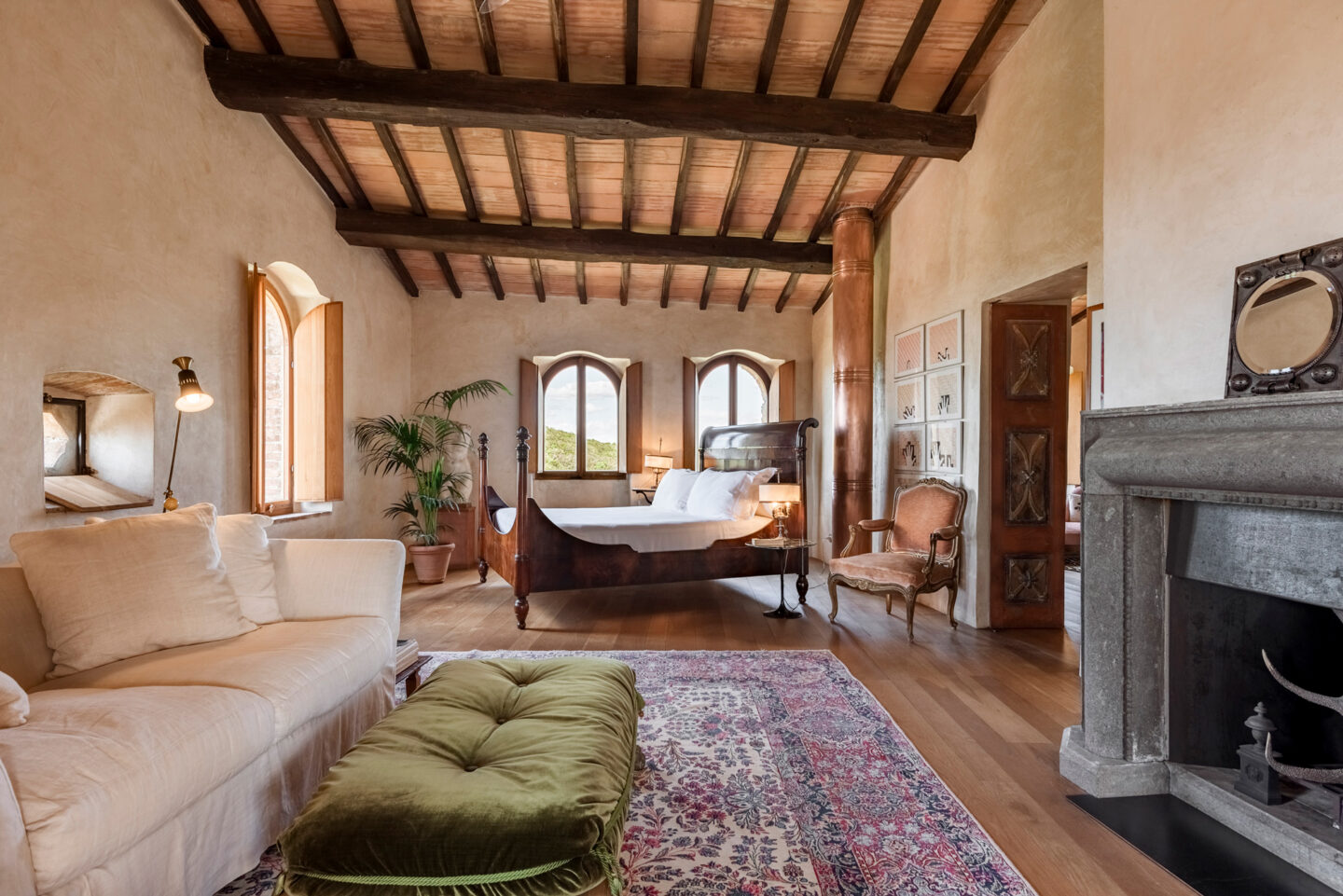
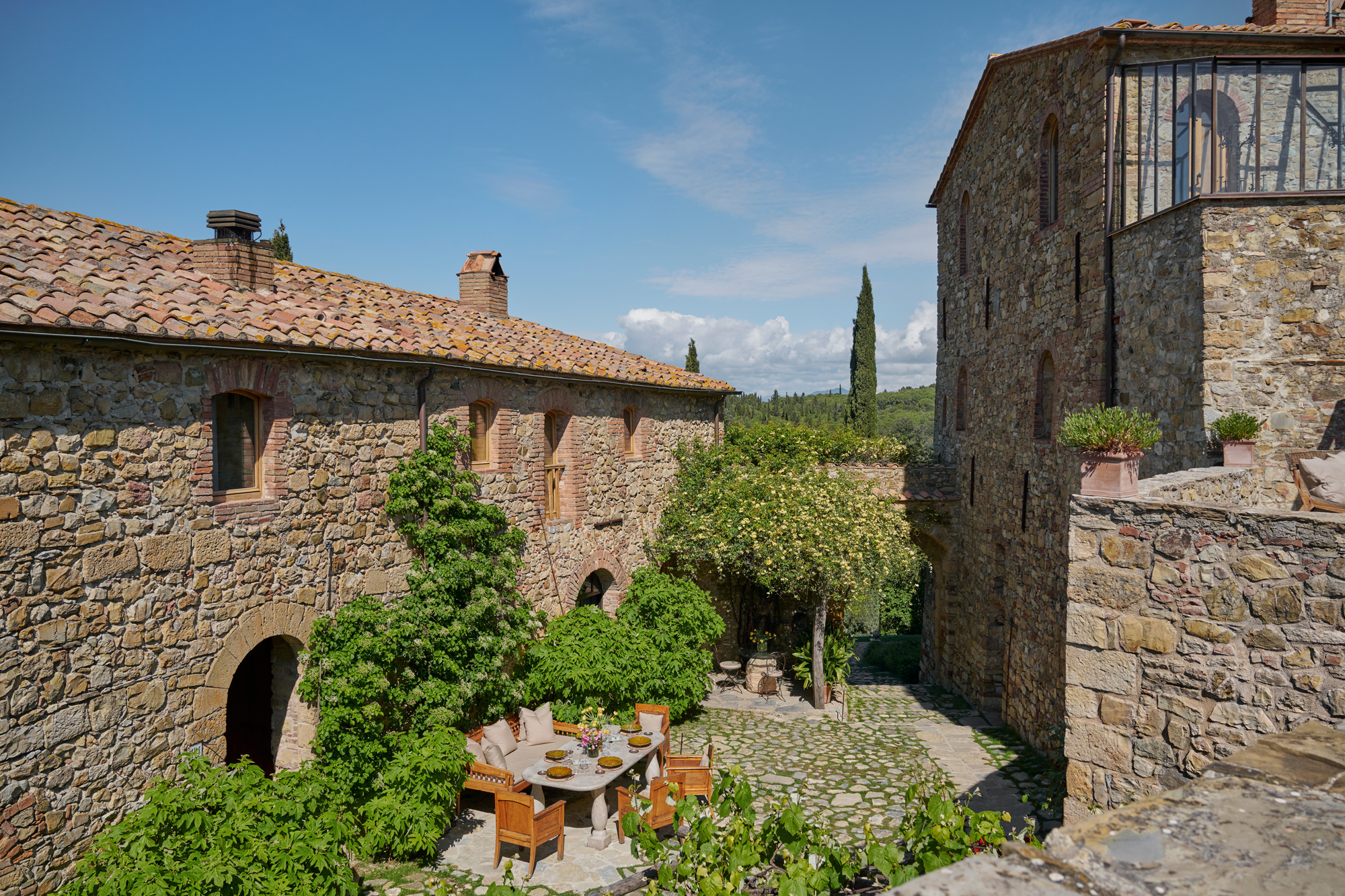
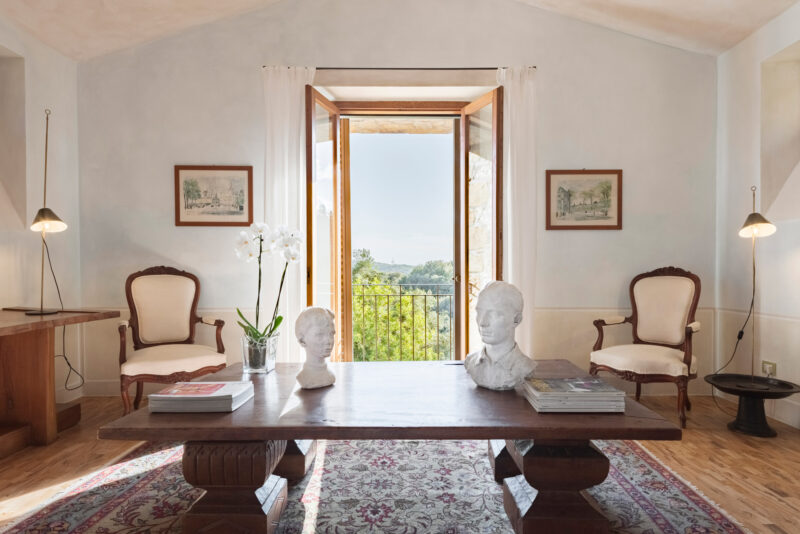
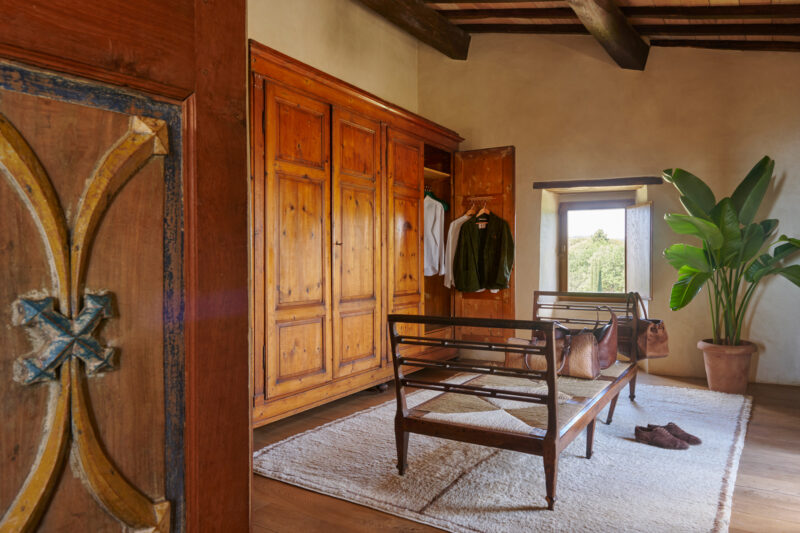
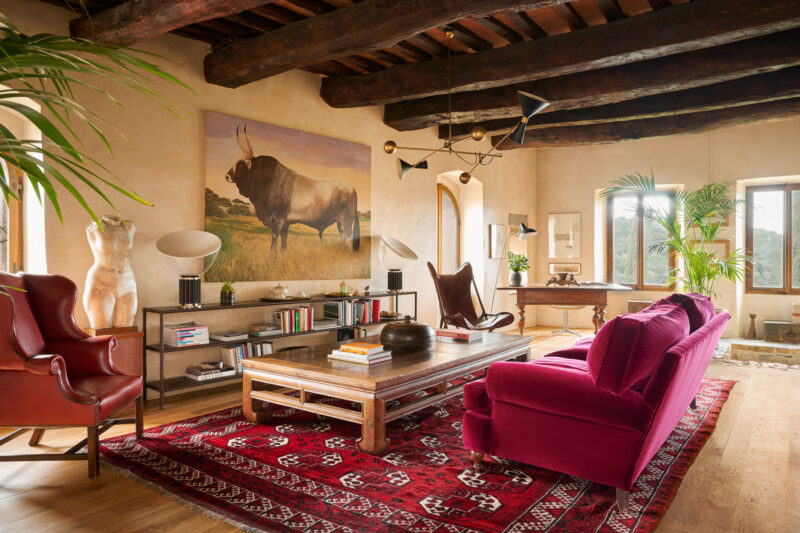
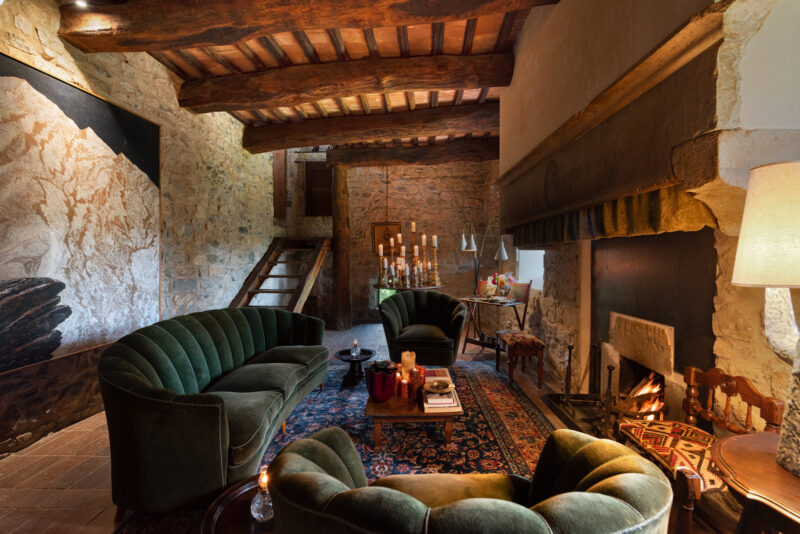
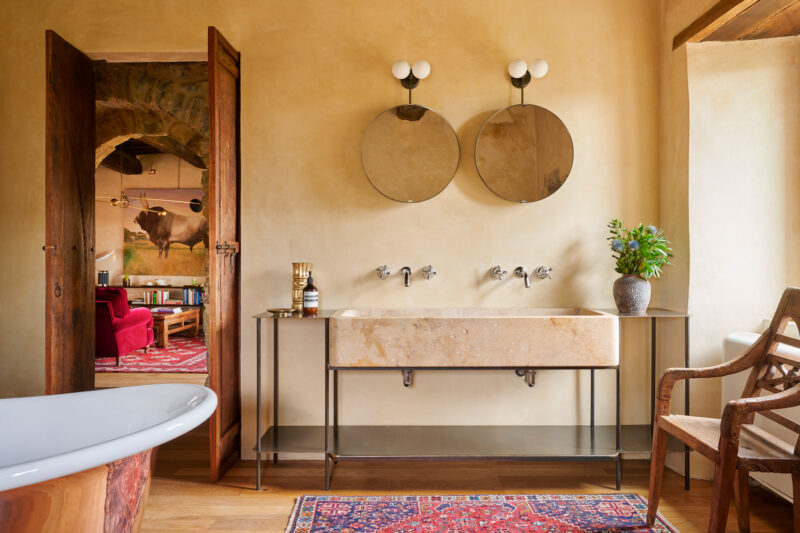
Inside, Vicarello is not a museum piece of a castle but a carefully composed living system. Original stone and brick walls remain visible, joined by vaulted ceilings or exposed timber beams, fireplaces, heavy doors, terracotta, travertine and occasional marble accents.
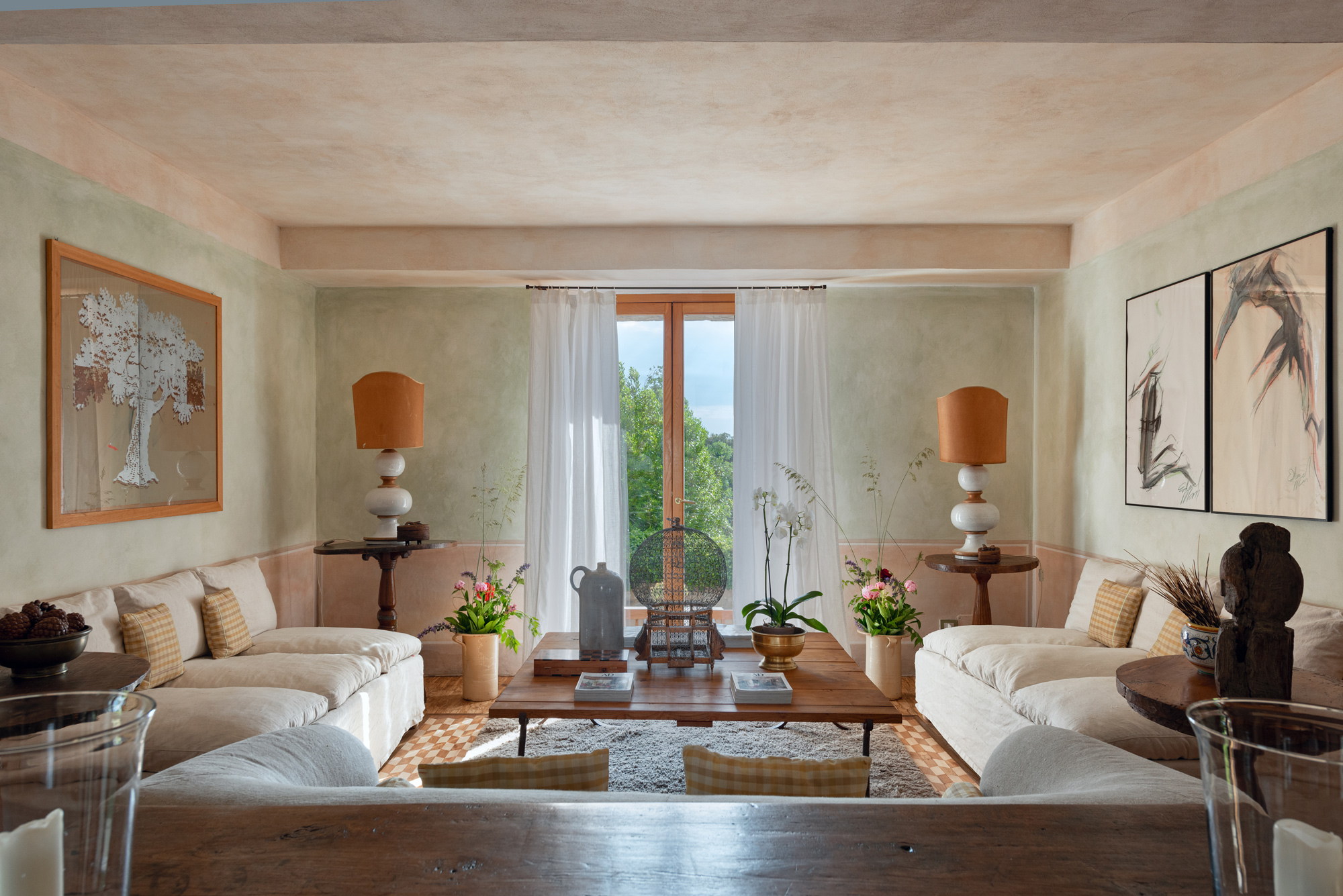
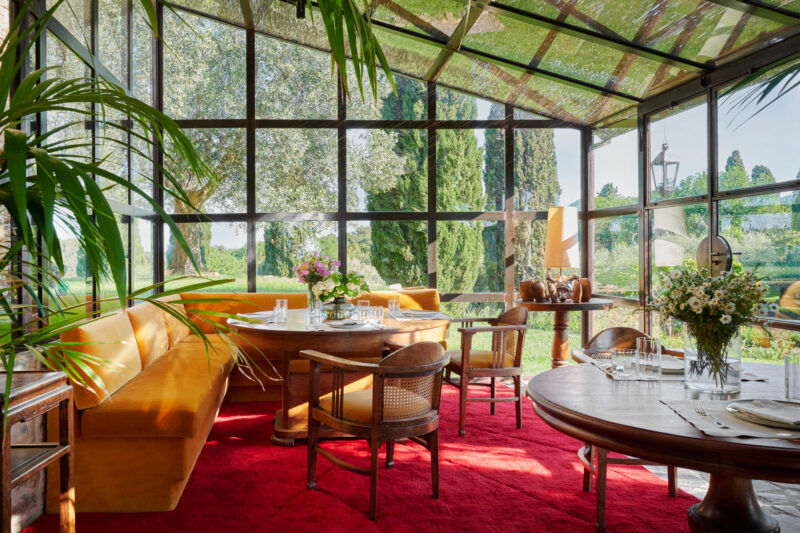
The Baccheschi Berti family have folded in furniture, art and objects gathered over decades of travel without blurring the Tuscan core; Indonesian, Mediterranean and classical Italian references hold each other in a controlled tension.
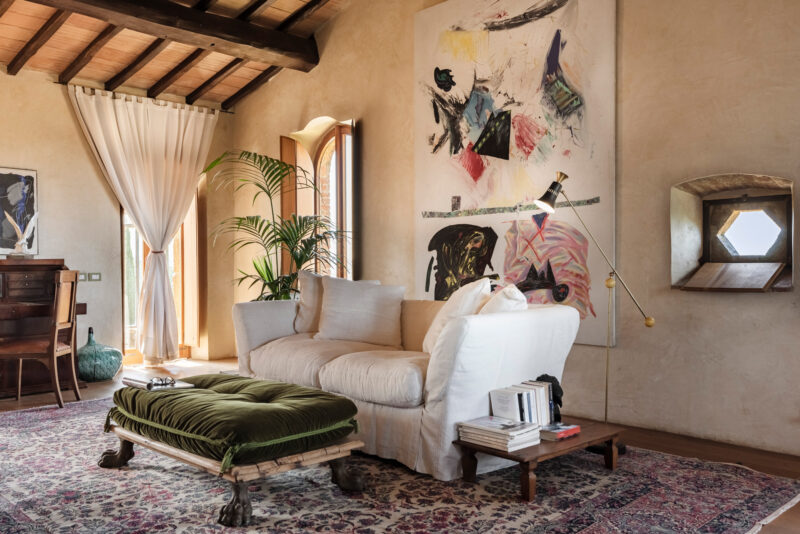
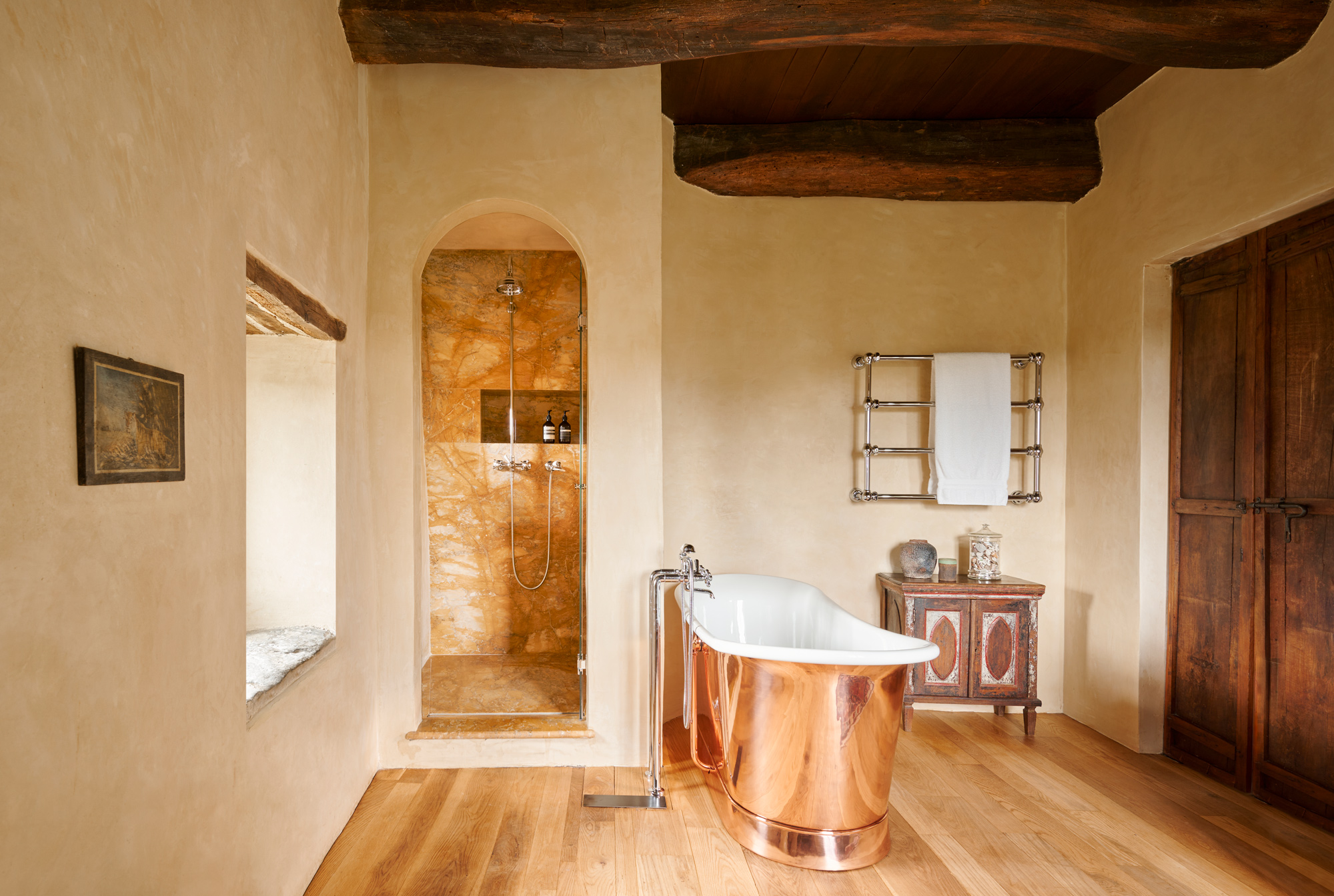
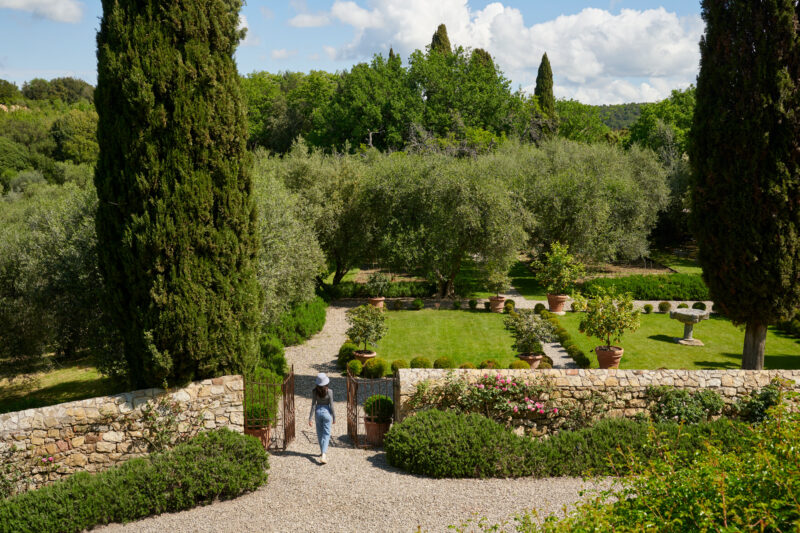
The details make the point: handcrafted loungers on the infinity-pool deck, yellow marble and a copper tub in Suite Mezzatorre, the Spa Suite in wood and glass, almost a small piece of landscape. Outside, the composition continues with a travertine pool, a heated wellness pool in green marble from Tinos, herb gardens, olive groves and terraces.
A look inside
Accommodation is spread across six suites in the main house, four garden suites and the separately positioned Villa La Vedetta with two bedrooms. The number of units remains intentionally low, which alters the social temperature at once.
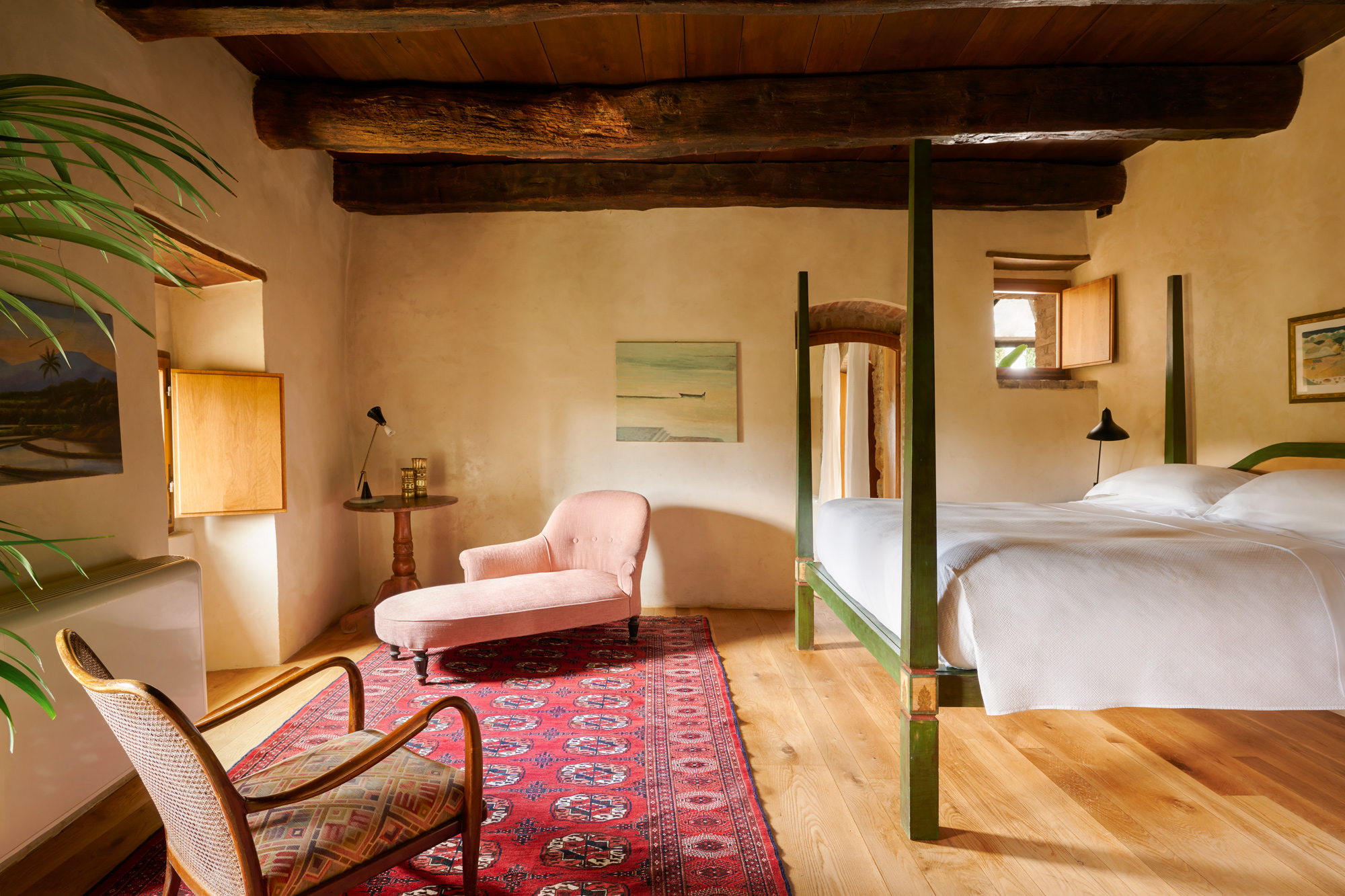
Public spaces feel closer to drawing rooms than a lobby; around them sit terraces, rooftop perches, gardens, bar areas, dining zones and the pools. Among the largest accommodations are Villa La Vedetta at 210 square metres, Villa Chiesina at 150, and the Torre and Mezzatorre suites at 110 each.
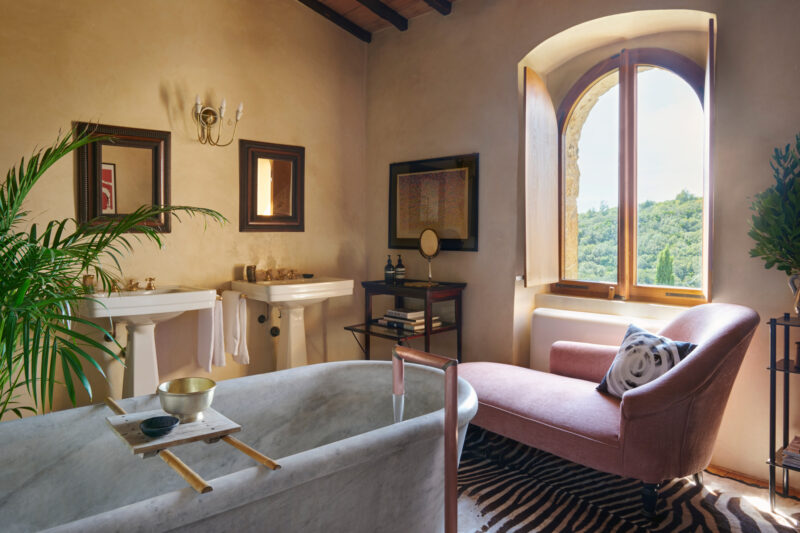
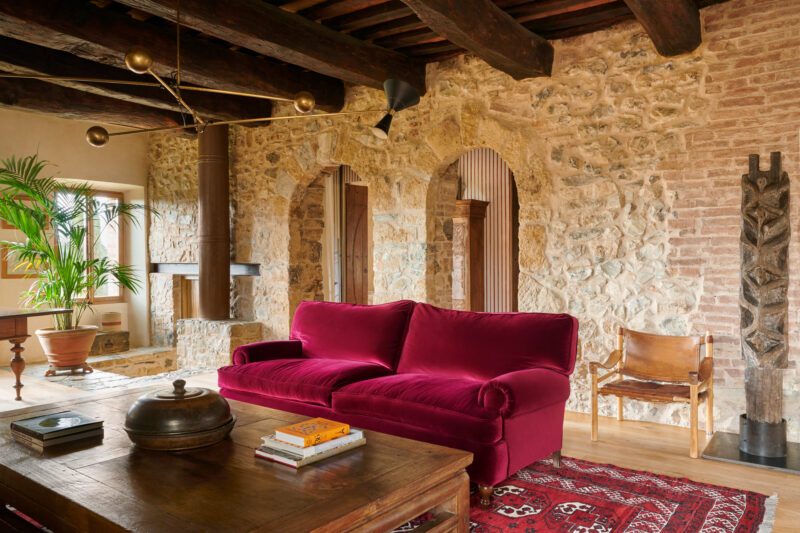
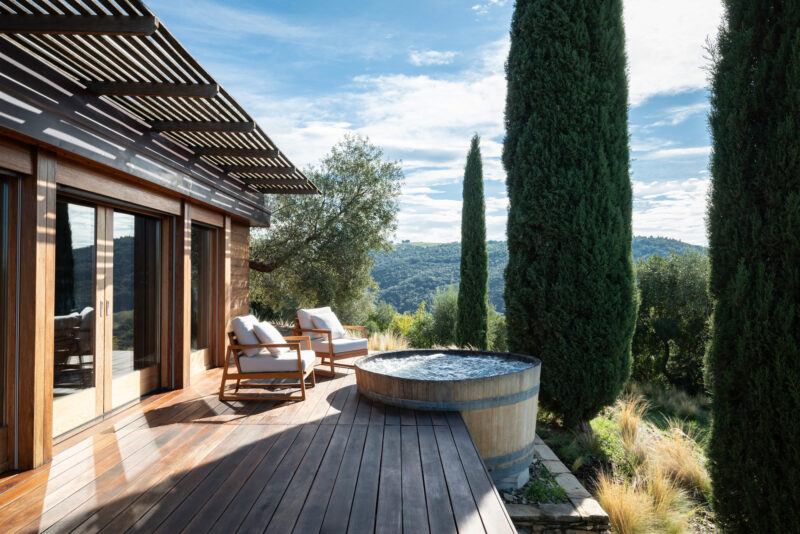
Many rooms work with long sightlines, private terraces or gardens, substantial bathrooms, king-size beds and singular decorative pieces. In the Spa Suite, a private hammam, sauna, emotional shower and an outdoor Jacuzzi fashioned from a former oak wine barrel push the room fully into retreat territory.
Culinary
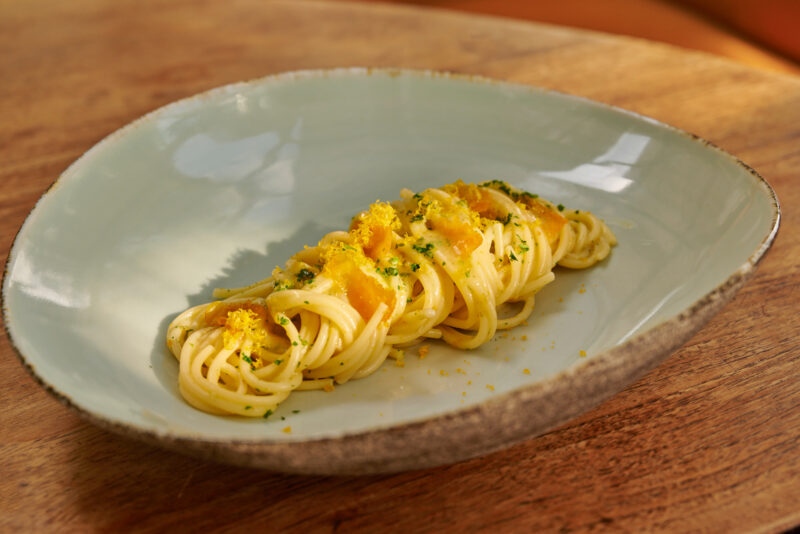
At Vicarello, food is not a supporting act but one of the house’s main arguments. The cooking is farm-to-table and quietly serious, without turning rural life into a lecture. Vegetables, herbs, eggs, honey, olive oil and some of the fruit come straight from the estate; meat is sourced from long-standing local butchers, cheeses and salumi from nearby villages, fish from the market in Grosseto.
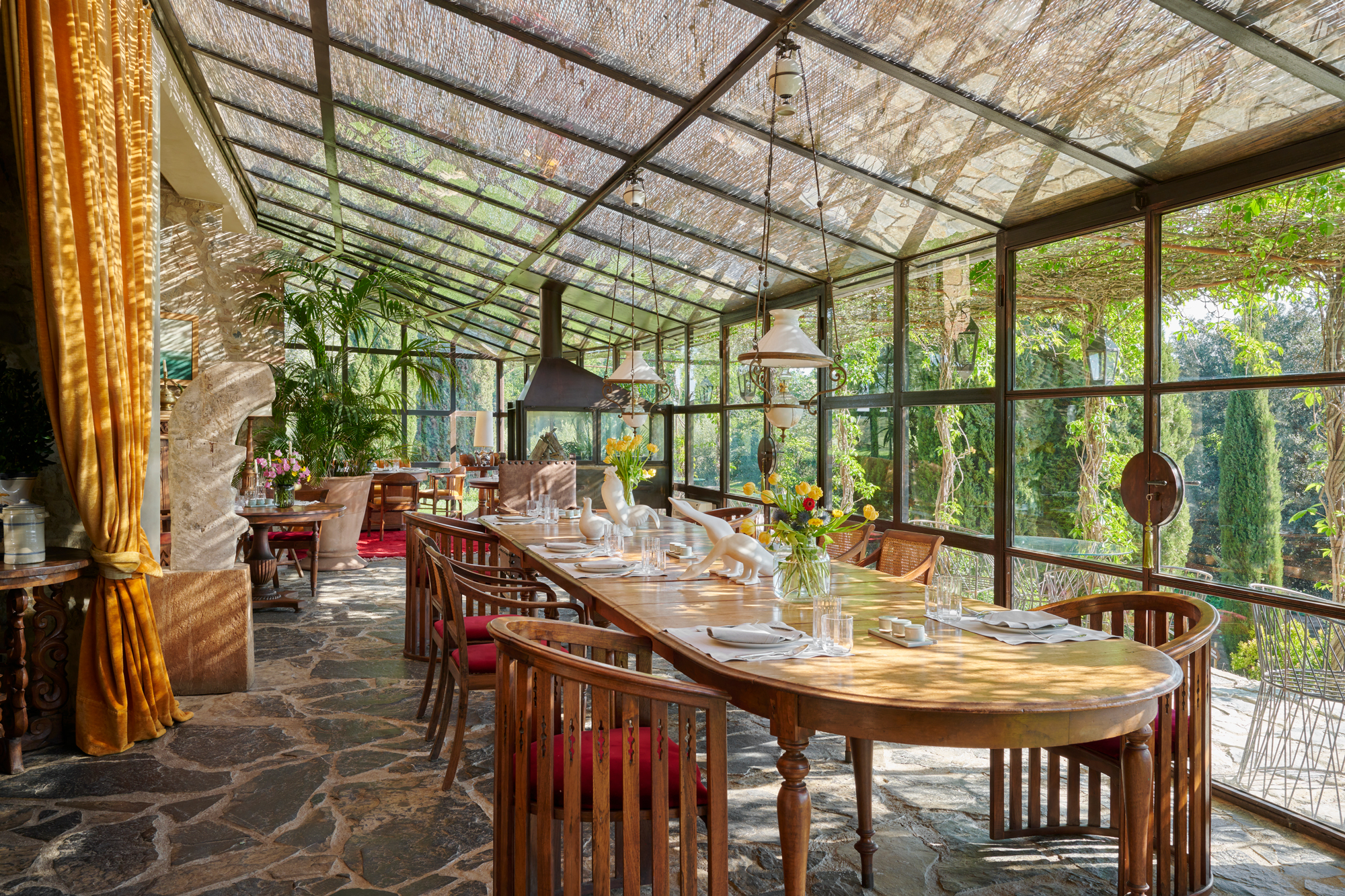
The result is a cuisine that refines Tuscan tradition instead of dressing it up as folklore. Depending on the hour, meals unfold indoors, on terraces, by the grill or under the open sky facing the hills.
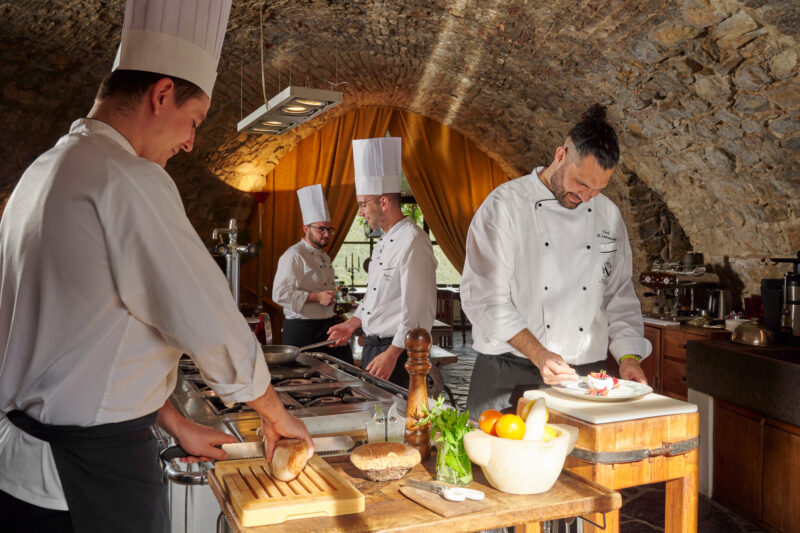
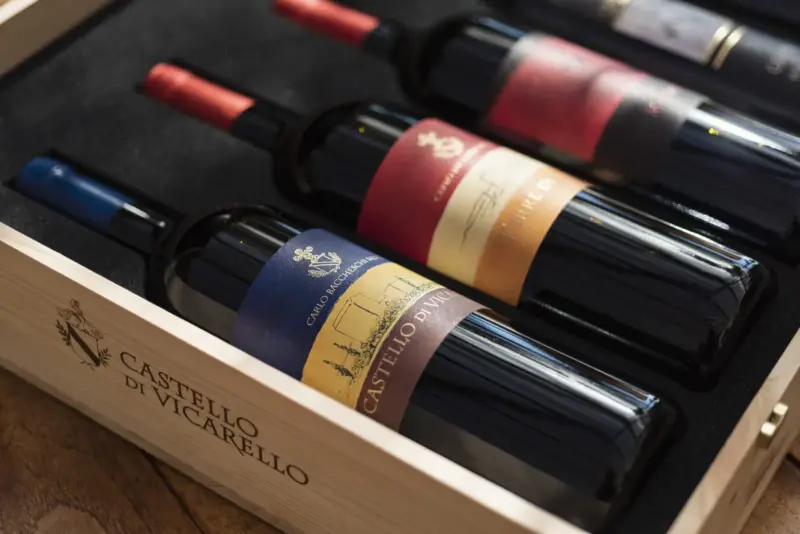
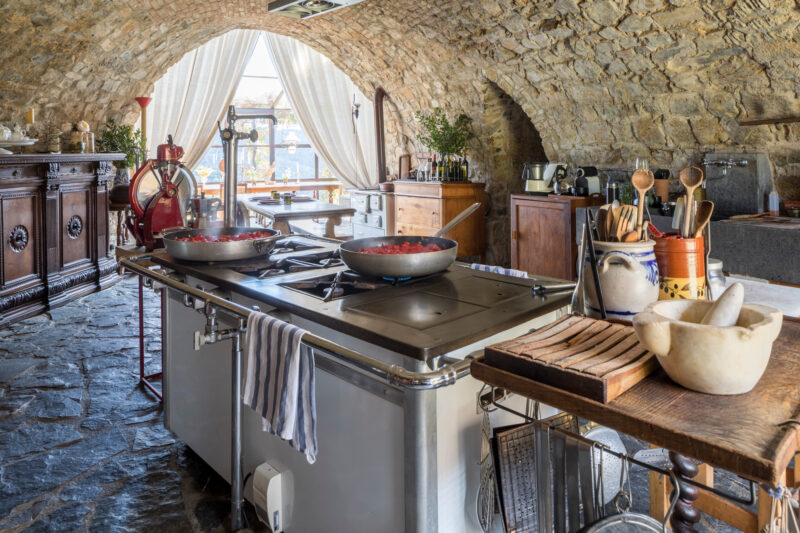
Cooking classes in the estate’s well-known country kitchen and tastings of the house wines extend the experience. The organically farmed seven-hectare vineyard produces five wines; in 2025, the 2019 Castello di Vicarello vintage received Bibenda’s “5 Grappoli” award. Even breakfast here feels less like service than the first act of the day.
Wellness & Relaxation
Wellness here means less spa machinery than carefully edited deceleration. There are massages and bespoke treatments using oils and ingredients from the gardens, either in your suite or in the gazebo set among olive trees, lavender and jasmine.
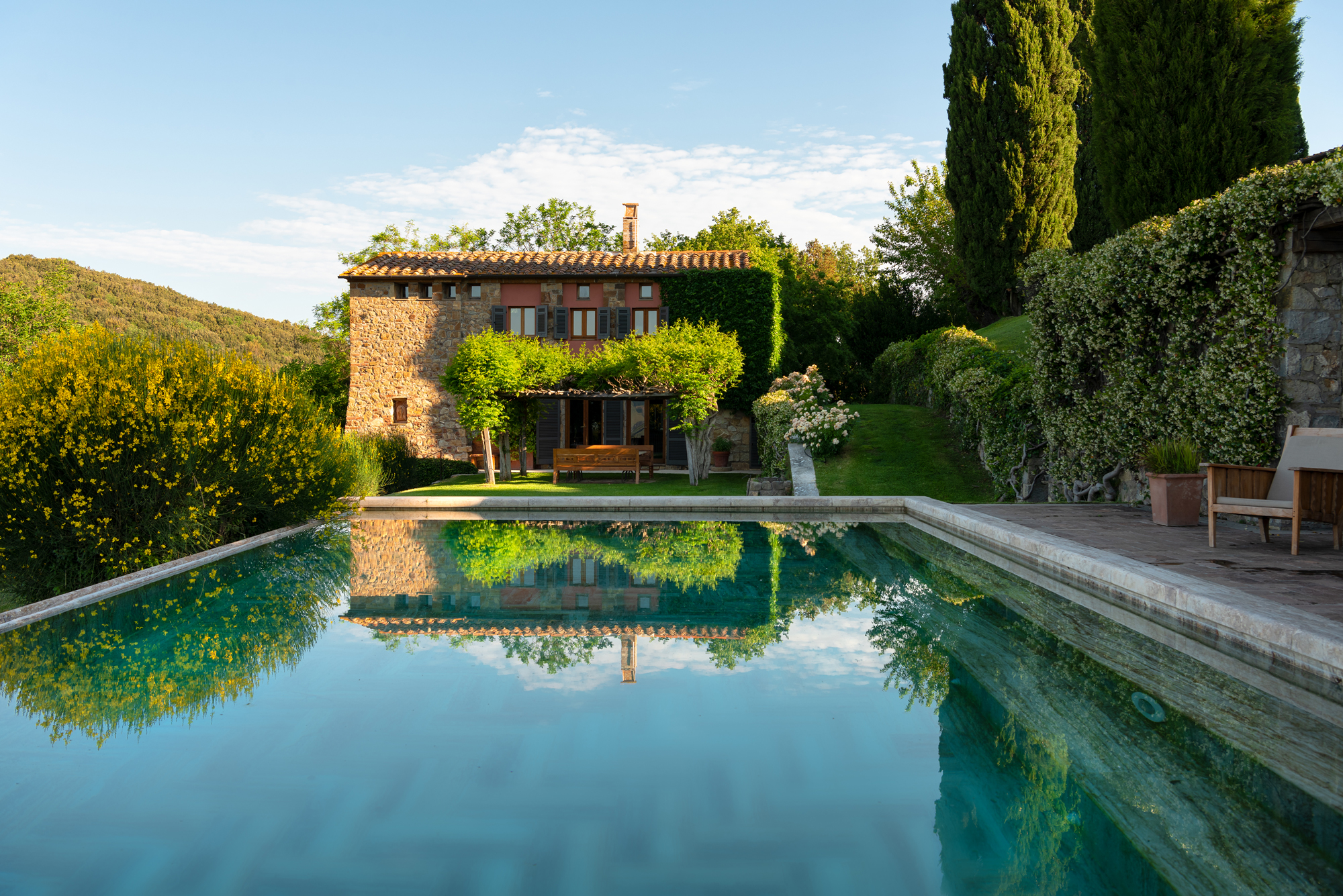
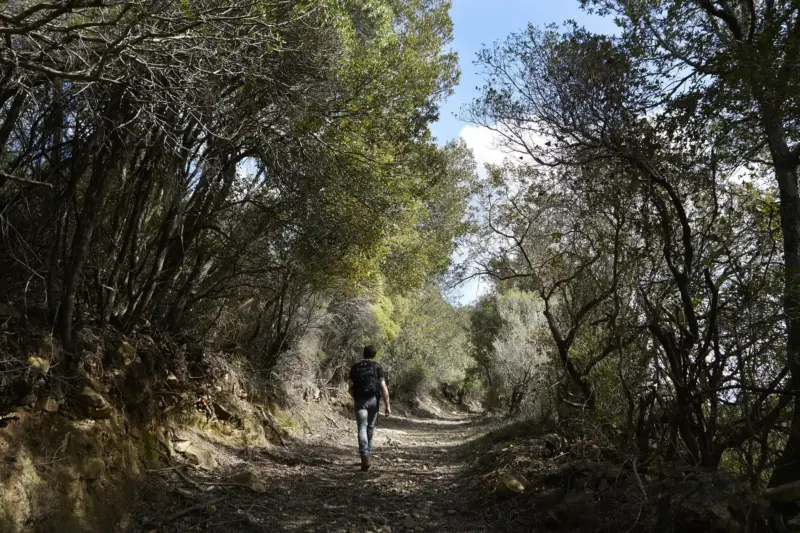
Private yoga, personal training, meditation, a five-kilometre trail across the estate and e-bikes for neighbouring villages add movement without fuss. Two marble pools serve the suites, while a third private pool belongs to Villa La Vedetta.
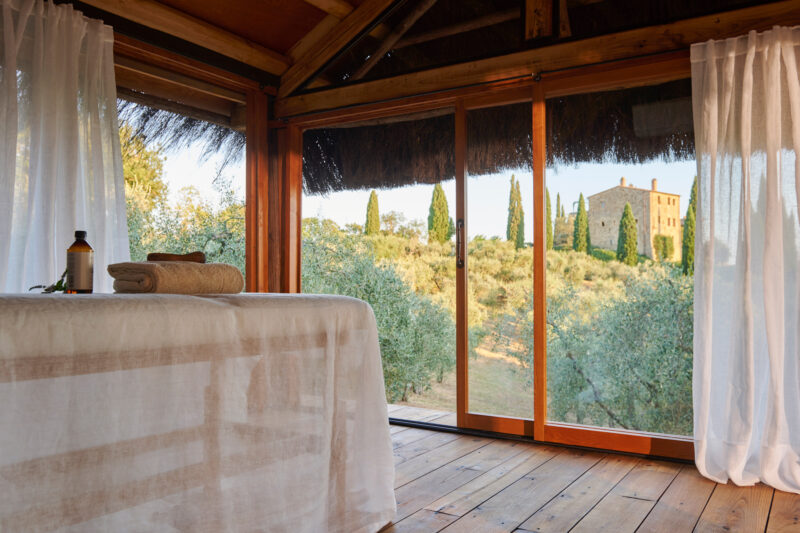
Guests who take quiet seriously will do well here: almost no light pollution, almost no noise, and a night sky that persuades precisely because it is not performing. Luxury without amplification.
Surrounding area
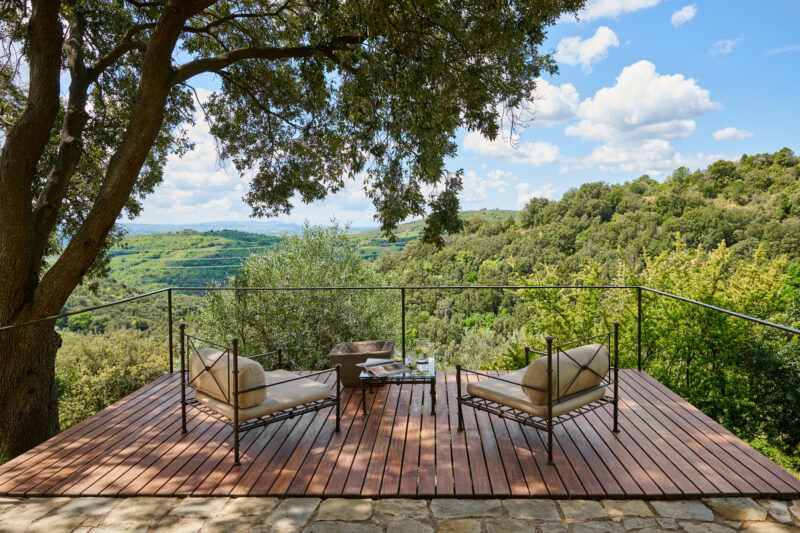
The immediate surroundings of the castle work in a low register: woods, vines, olive groves, tiny Poggi del Sasso, and a landscape that does not market itself too aggressively. For cultural excursions, it makes sense to widen the radius to the villages around Cinigiano. Porrona offers a medieval castle, a parish church and noble residences; Castiglioncello Bandini feels like a condensed remnant of medieval topography.
Not far from Poggi del Sasso lies ColleMassari, a winery on the Toscana Wine Architecture circuit, worth visiting for both tastings and the architecture itself. Drive a little further and you reach Montalcino, Sant’Antimo Abbey and Bagno Vignoni, that remarkable thermal village scaled almost to miniature. Cinigiano itself is worth a pause for the quiet weave of wine, craft and ordinary life. If you want regional shopping, think producers rather than boutiques: wine, oil, honey, chestnut products, saffron, pecorino. For sea instead of hills, Talamone, Castiglione della Pescaia and Monte Argentario all make sense. The intelligent rhythm is simple: village and abbey in the morning, wine at lunch, back to the castle before Tuscany starts to feel too much like a programme.
Activities
For wine-minded guests: tastings of the estate’s own vintages, ideally including a vertical, plus excursions into the Montecucco area and on to Montalcino.
For eaters and gatherers: cooking classes in the country kitchen and a useful focus on olive oil, herbs, honey, pecorino and salumi.
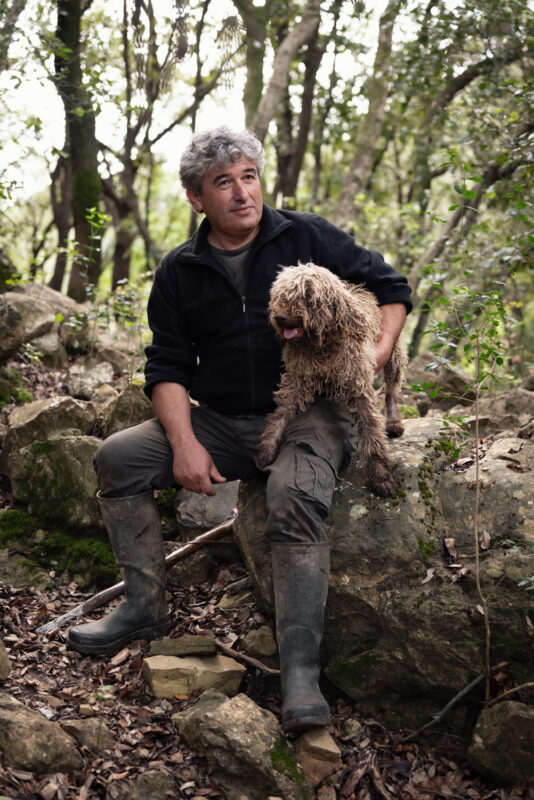
For active travellers: e-bike rides through the hills, walks on the estate’s five-kilometre private trail, horse riding, and, if desired, personal training or yoga.
For aesthetes: painting-and-wine sessions, long hours by the infinity pool, terrace reading, and a star field with no urban residue left in it.
For culture travellers: Siena as a Gothic macro-form, Montalcino with Brunello and stone lanes, the Romanesque gravity of Sant’Antimo, Bagno Vignoni with its steaming square of water.
For coast-leaning guests: a day arc to Monte Argentario, Porto Ercole or Porto Santo Stefano; or the beaches around Castiglione della Pescaia.
For couples and small groups: estate buyouts, rooftop dinners, private massages in the olive grove, barbecue under the open sky.
For families or groups of friends: villa living, pool time without an audience, chauffeur-led excursions and even helicopter transfers if one insists.
For people who simply want less input: a book, a pool, a glass of rosato, then see what the day still asks of you.
For romantics with a modest tolerance for cliché: sunset on the rooftop terrace, dinner outdoors, and one last walk through cypresses and herb gardens.
Details
- 10 suites plus Villa La Vedetta with 2 bedrooms; largest units: Villa La Vedetta (210 sq m), Villa Chiesina (150 sq m), Suite Torre / Suite Mezzatorre (110 sq m each).
- 3 marble pools, 2 shared and 1 private to the villa.
- Restaurant and bar service, daily breakfast, lunch and dinner, barbecue and outdoor dining.
- Estate vineyards across 7 hectares, 5 wines, tastings and cooking classes.
- Wellness with massages, yoga, meditation, e-bikes and a 5 km trail.
- Baby cots on request; exclusive full-estate hire available.