
The road winds upward past farmsteads, meadows and wooded slopes. Then it is simply there. Not a resort-style entrance, more a sudden presence of stone, height and history. Castel Badia does not greet guests with volume but with quiet: walls, courtyards, sightlines into the Dolomites. And with the feeling that something else is still waiting here. Perhaps not immediately. But very soon, just beyond the next gate.
The location
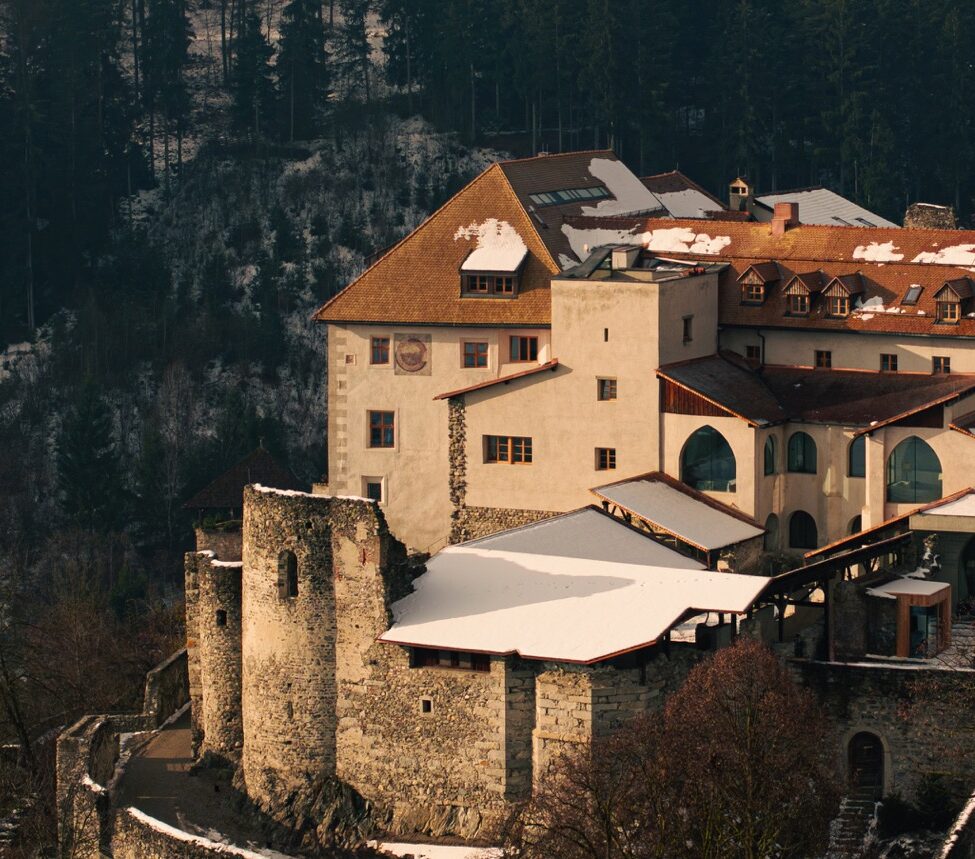
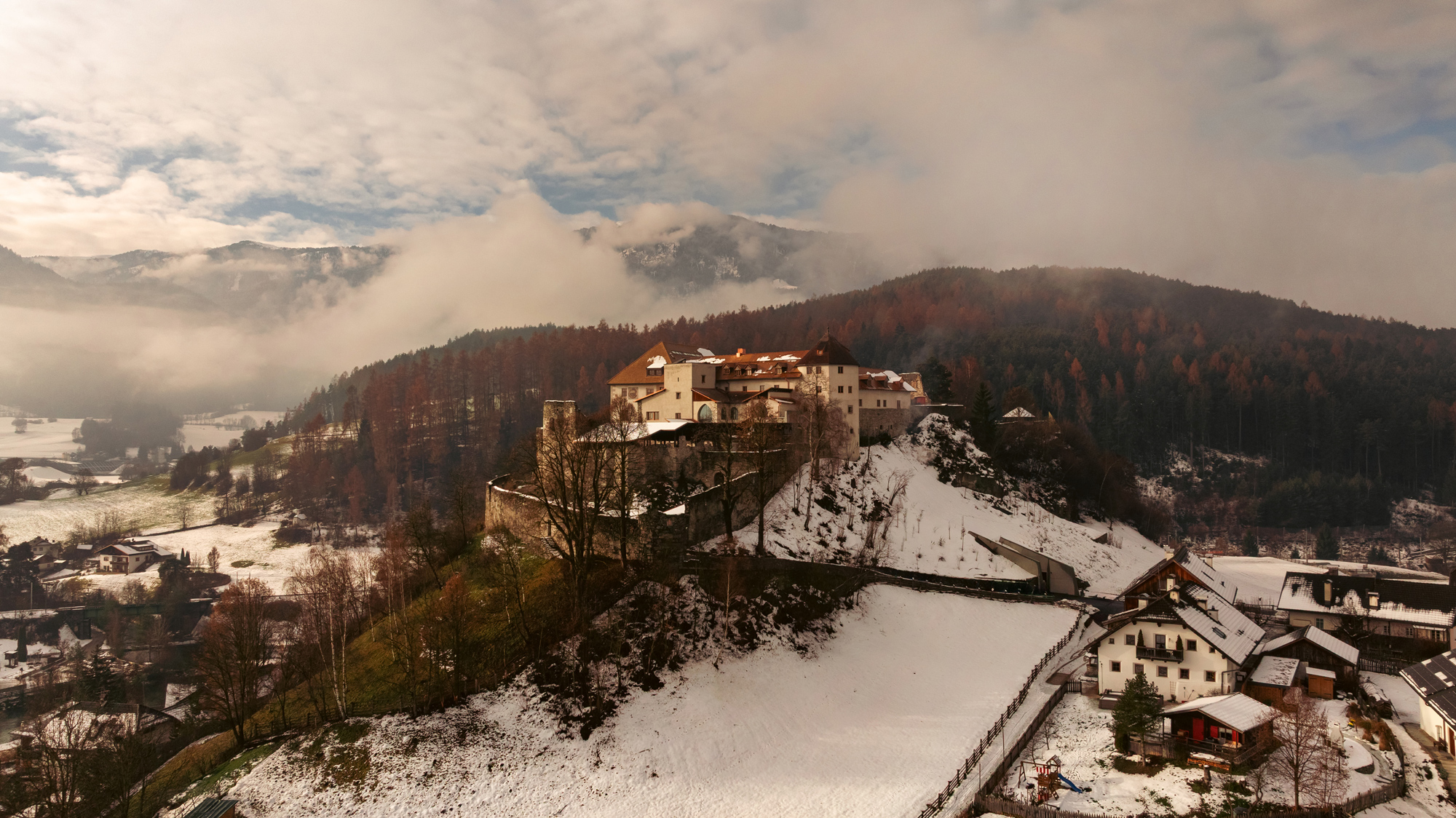
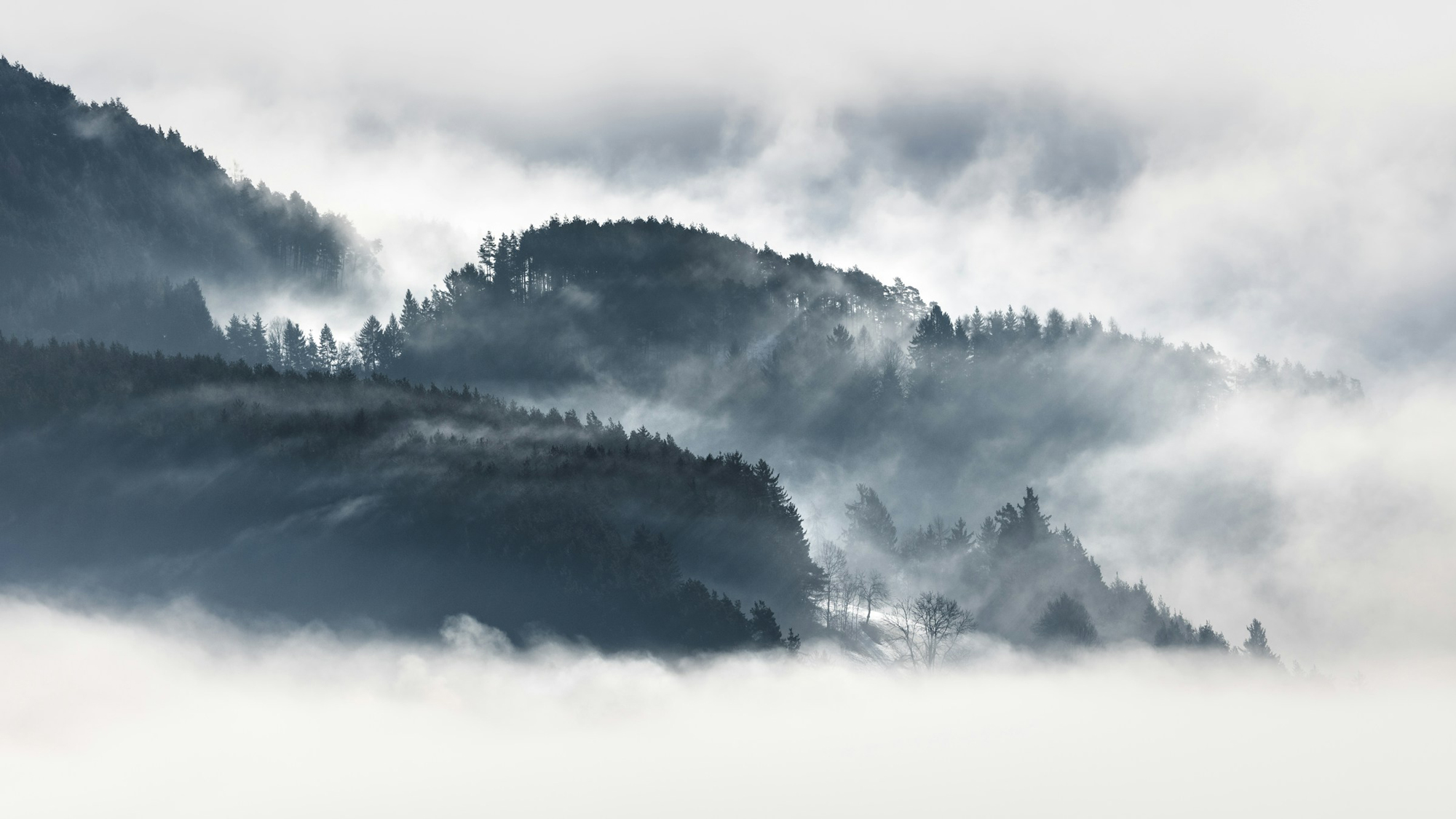
Castel Badia stands on a rise in Castelbadia, a hamlet of St. Lorenzen, only a few minutes from Brunico and Kronplatz. Even the drive through the Puster Valley feels exact: village churches, fields, slopes, and above them the sharp lines of the Dolomites. Then the ensemble of walls, towers and former farm buildings comes into view.
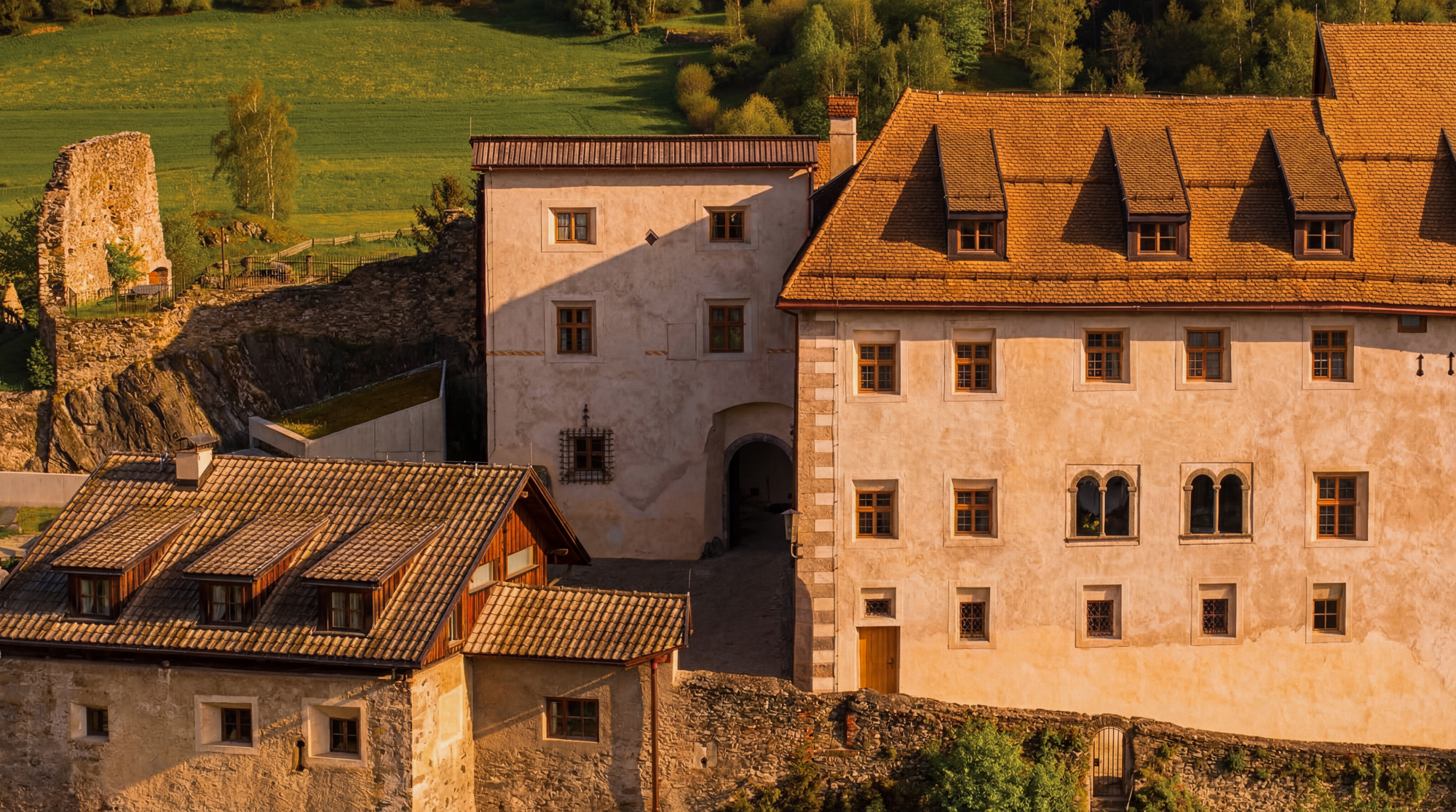
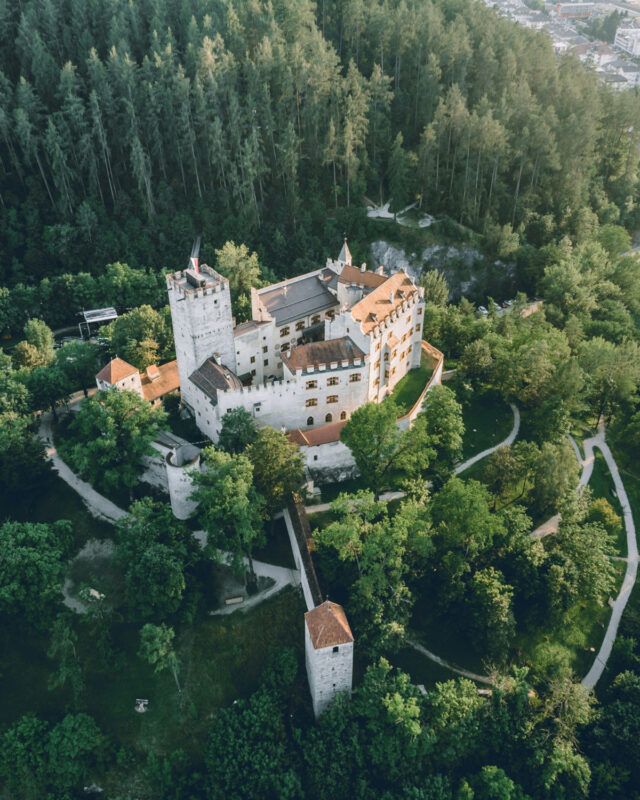
More fortress than hotel. From the outside, the house feels both defensive and serene, with pale stone surfaces, old rooflines, courtyards and terraces. You arrive and understand immediately that time here has not simply passed; it has stayed. In layers, corners, masonry. And rather beautifully.
Backstory
The story of Castel Badia begins in the 11th century: first a fortress, then a Benedictine convent, the first of its kind in historic Tyrol. Influential abbesses shaped the place, among them Verena von Stuben and Maria Antonietta Mörlin, whose initials can still be found on the walls.
After fire, political upheaval and the suppression of the convent in 1785, parts of the complex fell into decline until Karl Knötig revived it as a hotel in 1965. The current chapter began in December 2025. Today Gunther Knötig, the Gasser family, Kronplatz Holding and hotelier Aldo Melpignano are guiding the property into the present. The result is a house that feels historically alert, precise and ambitious, but never overcomposed.
Architecture & interior
Inside, the care with which preservation and the present have been balanced becomes immediately clear. Restoration was led by South Tyrolean practice Null17 Architektur, while interiors were conceived by Milan-based Studio Droulers.
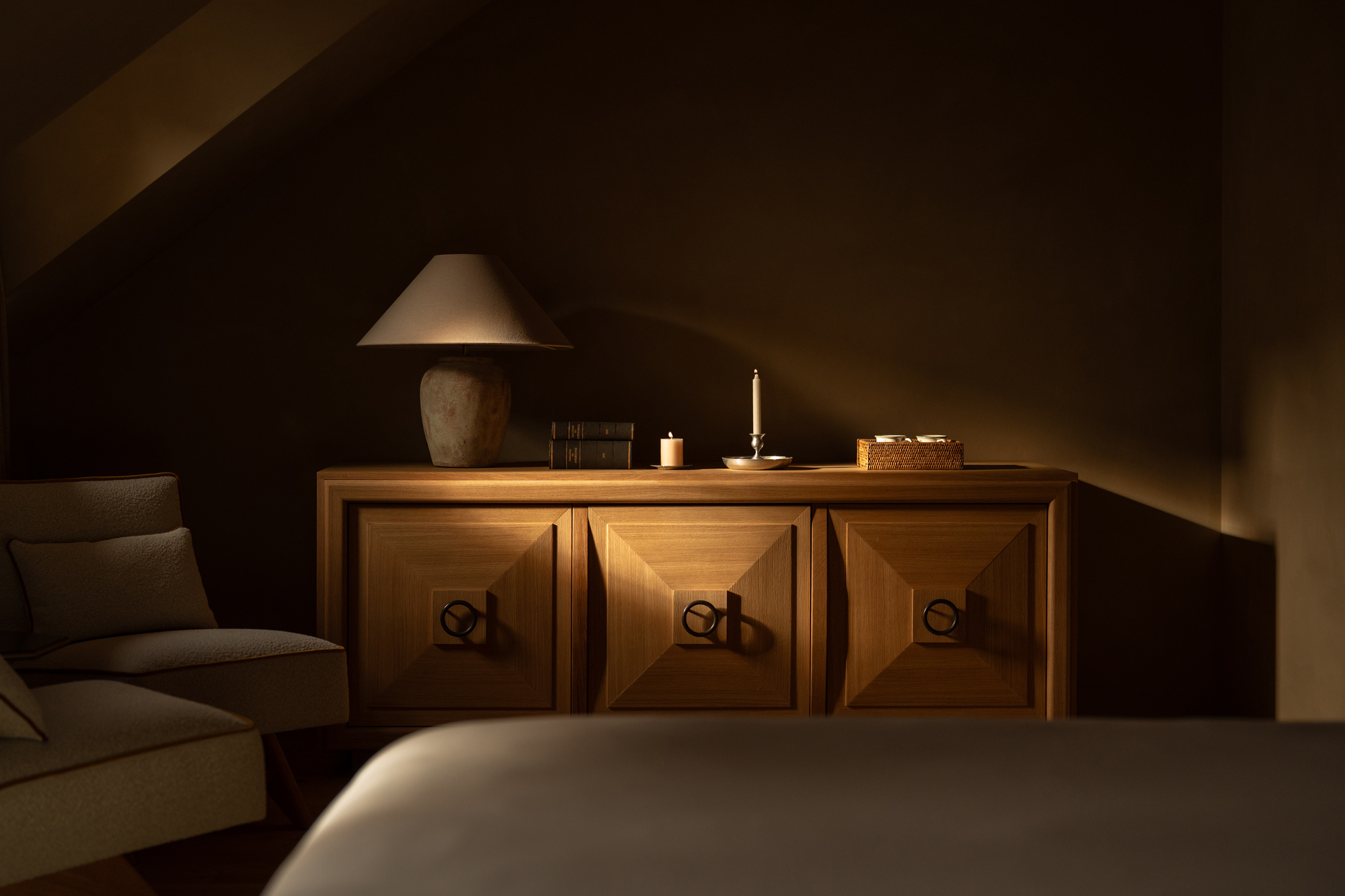
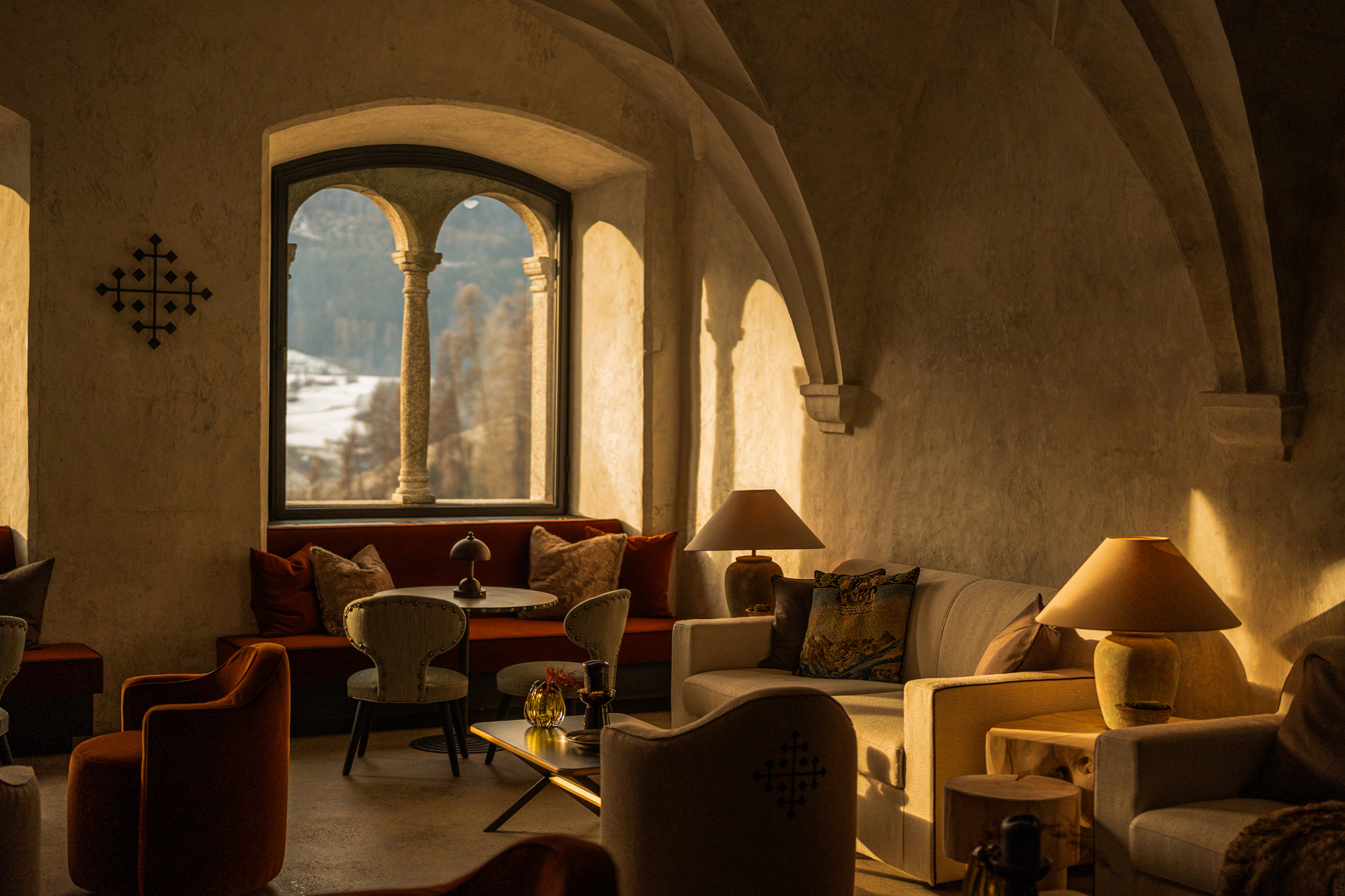
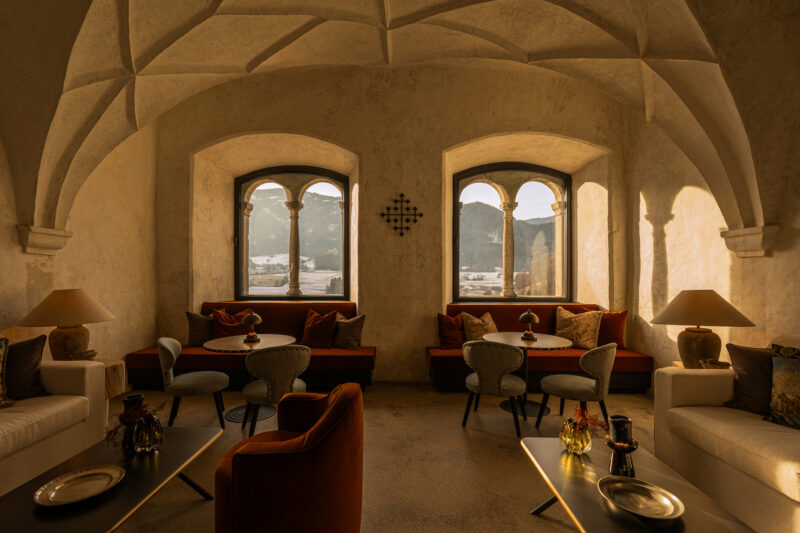
Exposed frescoes, original plaster layers, Romanesque vaults, medieval window forms and rediscovered ruins remain visible, yet never feel musealised. South Tyrolean wood, stone, warm textiles, velvet, rugs and furniture with calm, almost monastic lines complete the picture.
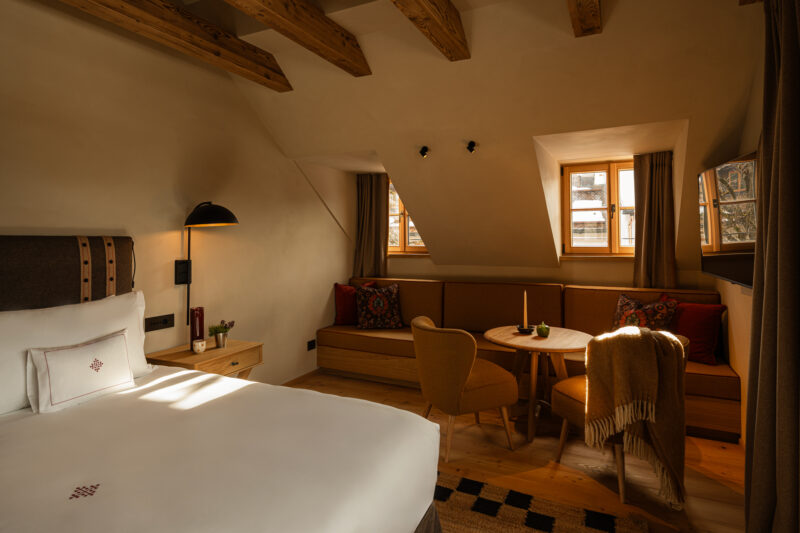
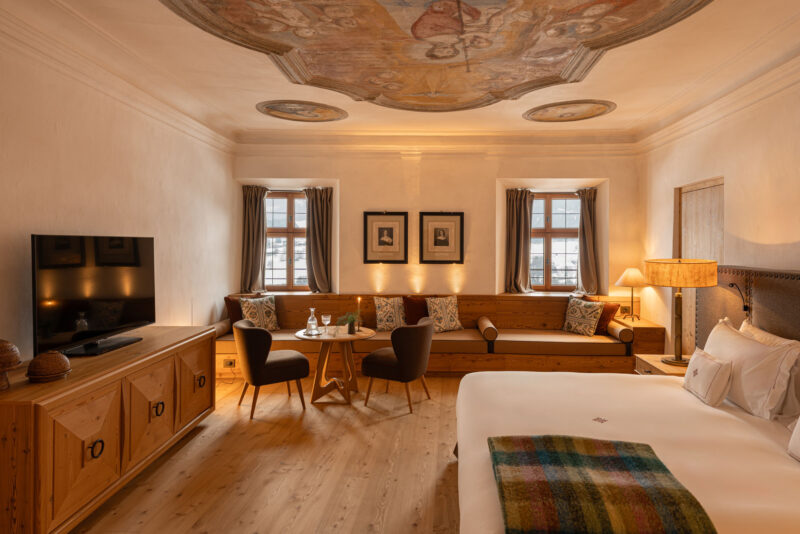
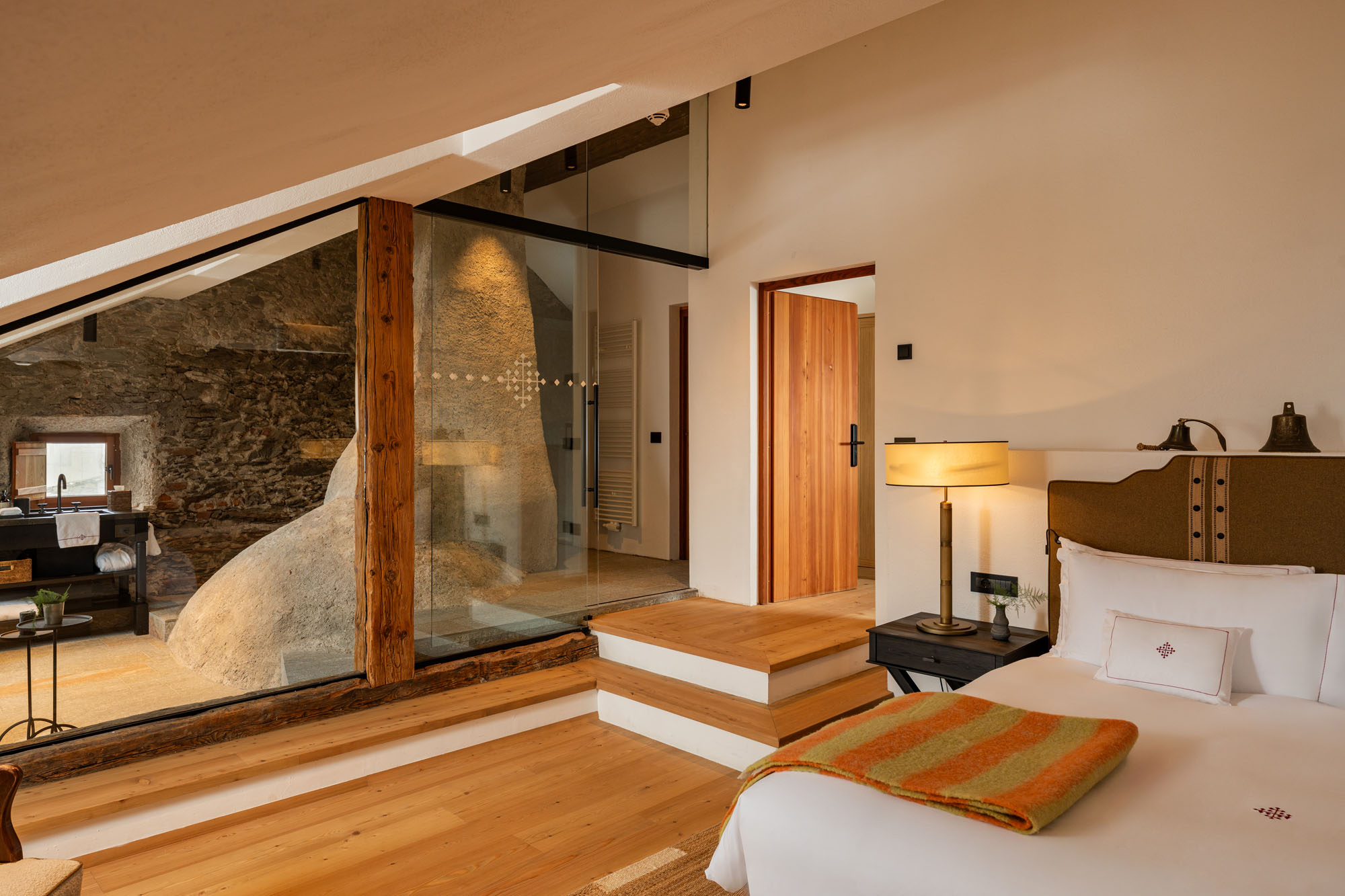
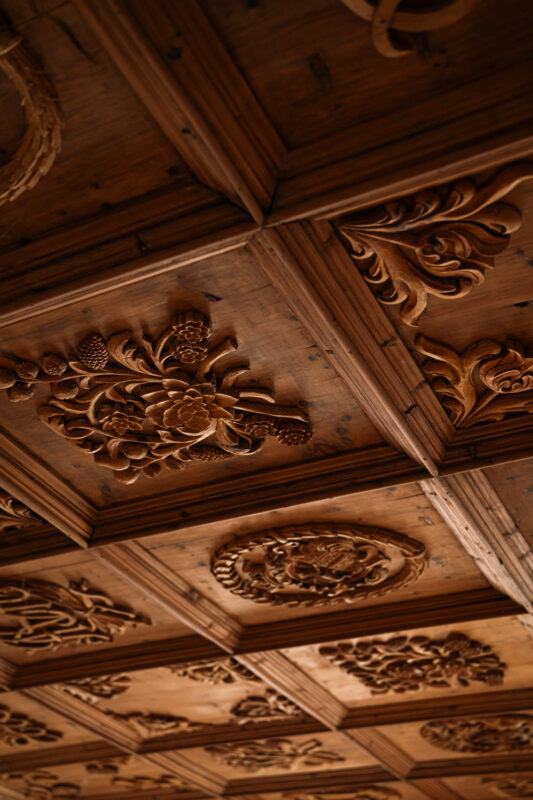
Some suites work with exposed masonry and reused timber; elsewhere coffered ceilings, tiled stoves or inlaid wooden ceilings set the tone. The reconstructed herb garden, based on historical sources, belongs to the concept as well.Doors, niches and vaults keep their own character. Nothing has been pressed into generic hotel polish.
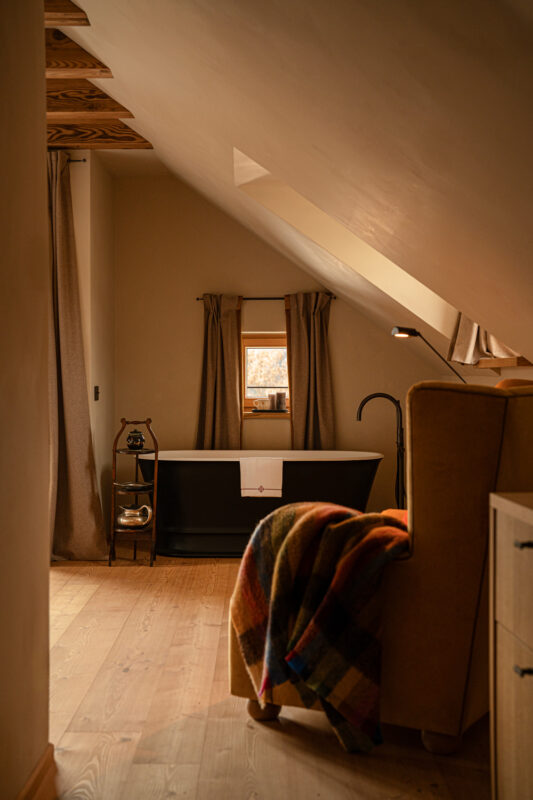
A look inside
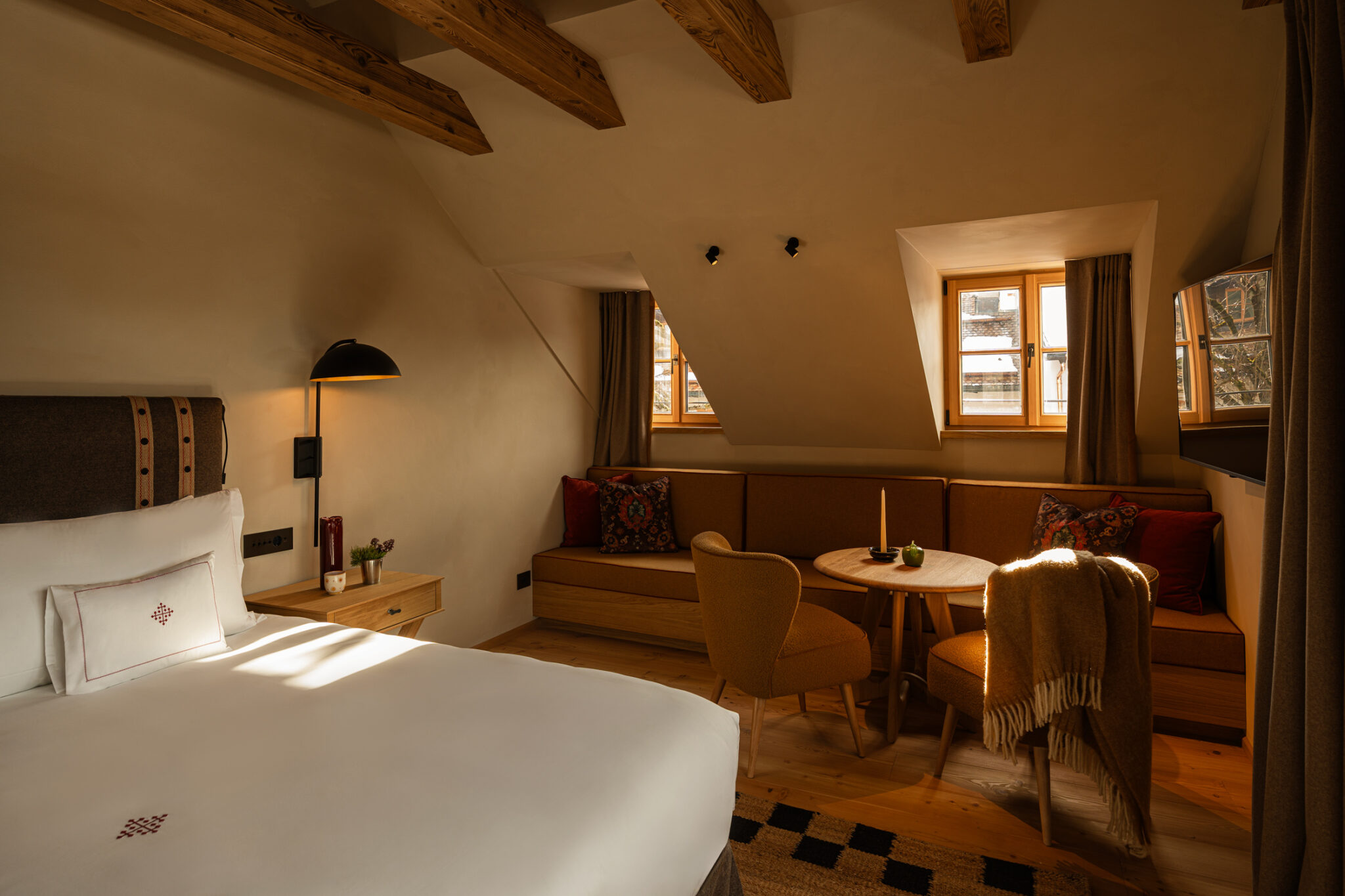
The scale remains pleasingly contained: 28 rooms and suites plus one standalone chalet are spread across the historic complex. Public spaces such as the stube, bar, spa, courtyards and terraces feel less like hotel zones than rooms discovered one after another.
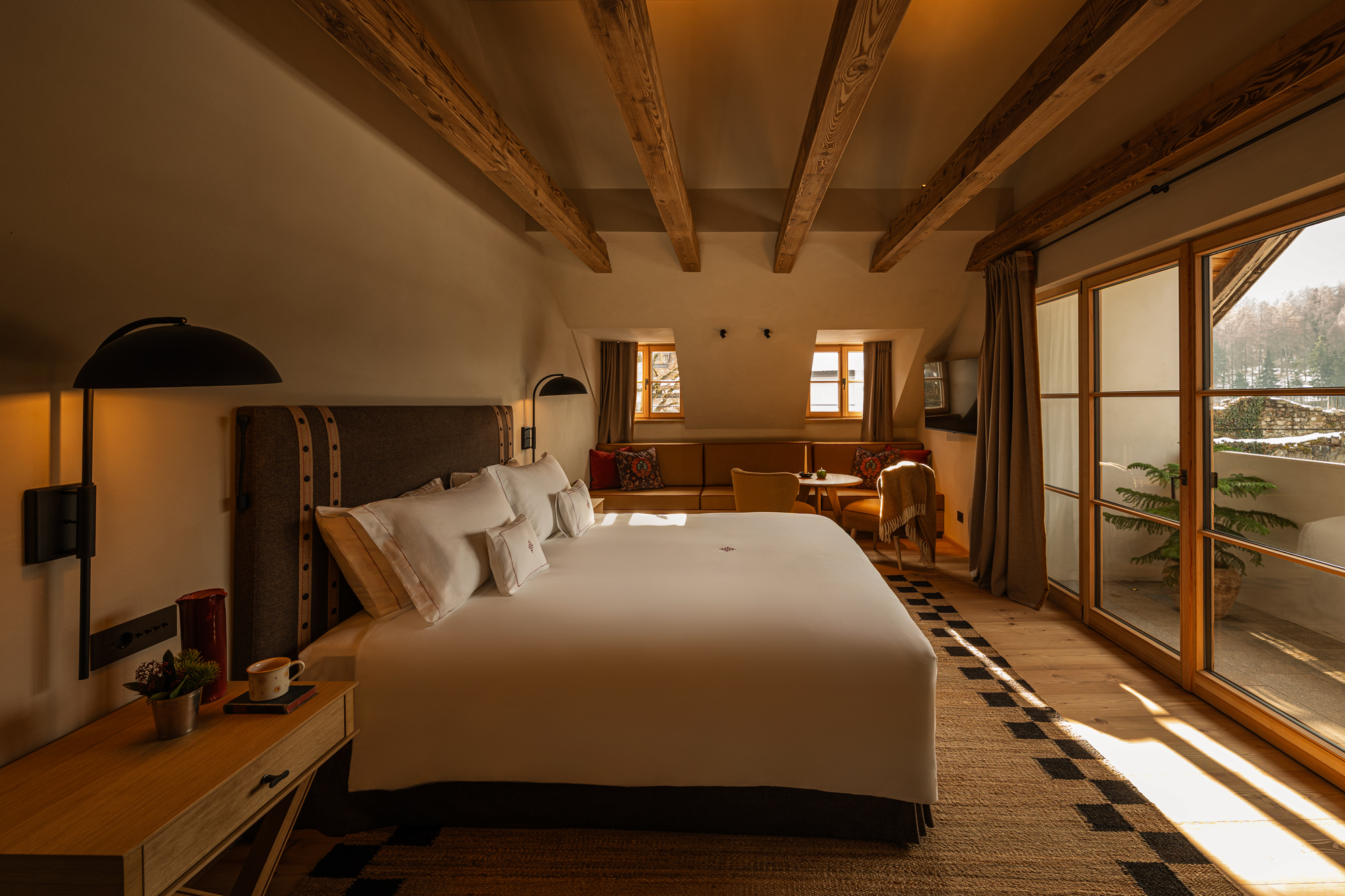
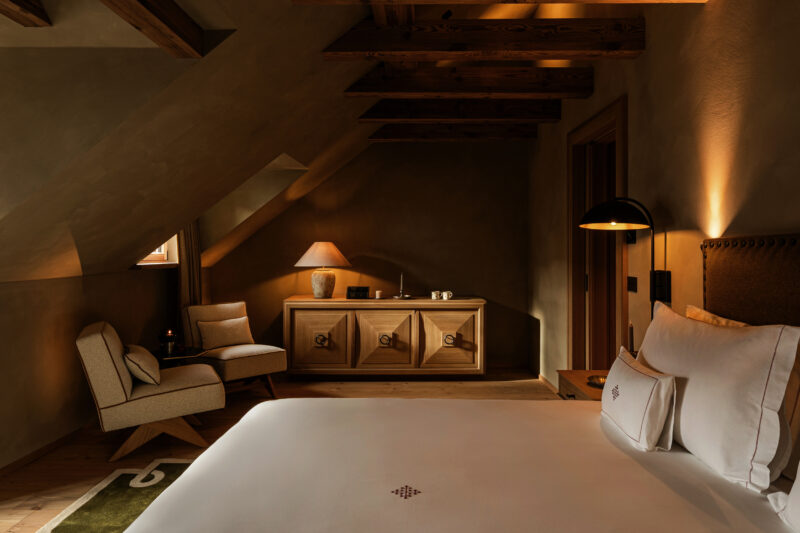
Layouts vary from room to room, and almost nothing feels standardised. Categories range from Bella and Splendida to larger suites such as Stupenda, Magnifica and the duplex Meravigliosa; there is also the 167-square-metre chalet in the former convent bakery.
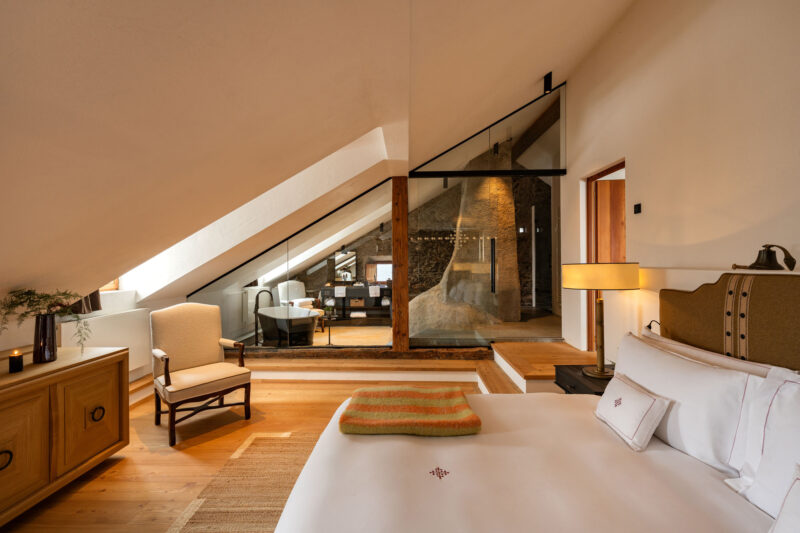
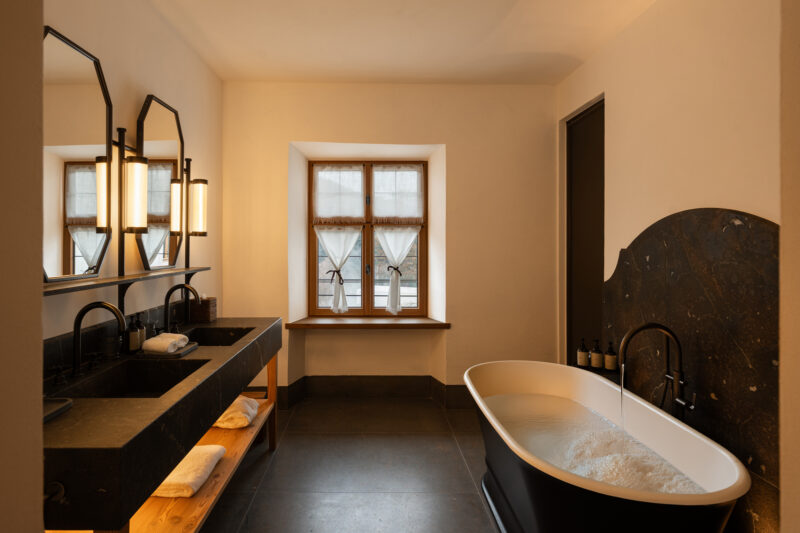
Walk-in showers, generous bathtubs with mountain views, tea and coffee set-ups, soft textiles and plenty of wood create comfort without flattening the place. The rooms feel warm, private and carefully judged.
Culinary
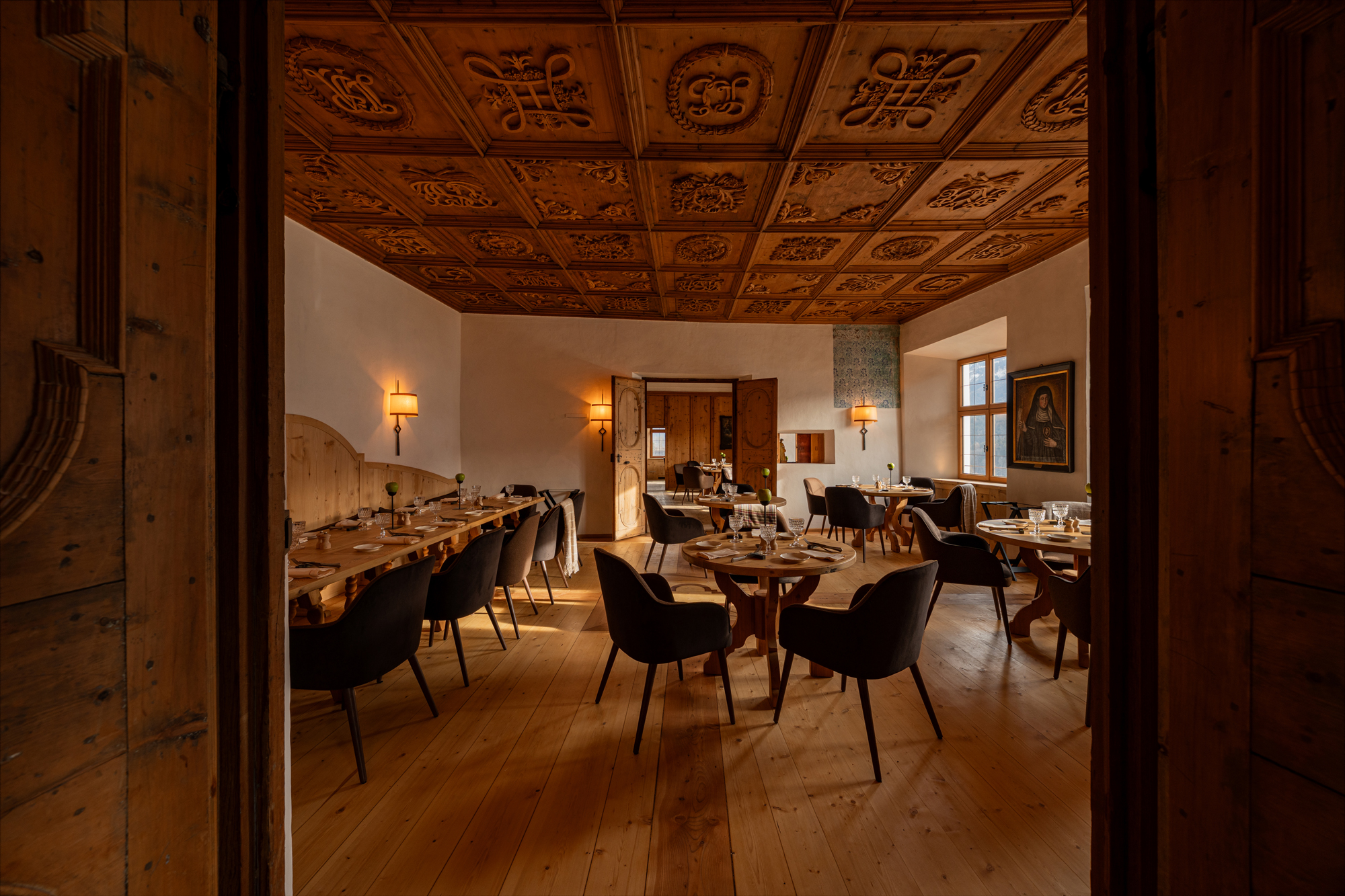
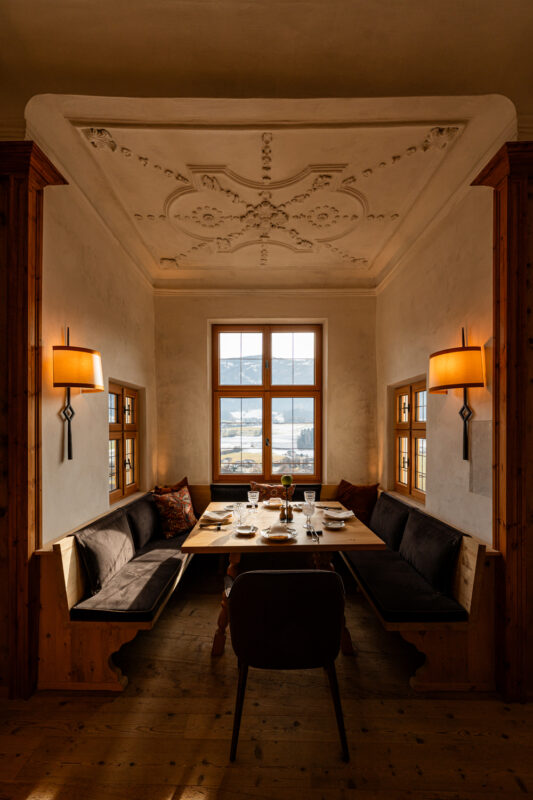
Culinarily, Castel Badia is gratifyingly layered. The approach reads South Tyrol not as folklore but as clarity, lightness and precision. In Stube Badia, a sequence of historic dining rooms with wood panelling, an antique tiled stove and an intarsia-ceilinged parlour, alpine cheeses, vegetables, broths, soups and desserts appear as contemporary regional cooking with depth.
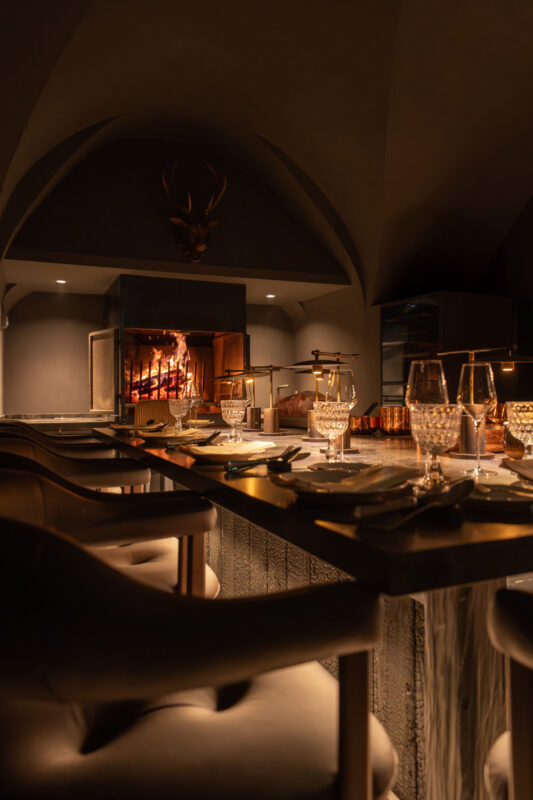
Then there is UMES, a more intimate chef’s-table format for communal evenings close to the kitchen. Breakfast is included and combines local produce, house-made preserves, pastries from the in-house patisserie, cheeses, cured meats and à la carte dishes.
At the bar, classic cocktails meet herbs and local spirits. Pleasure here stays relaxed, atmospheric and rooted in place. Not as performance. More as attitude. The historic rooms never feel heavy, only quietly alive.
Wellness & relaxation
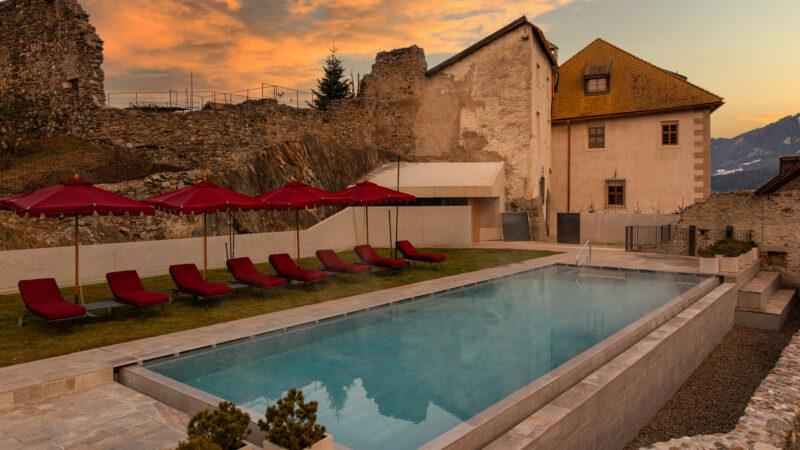
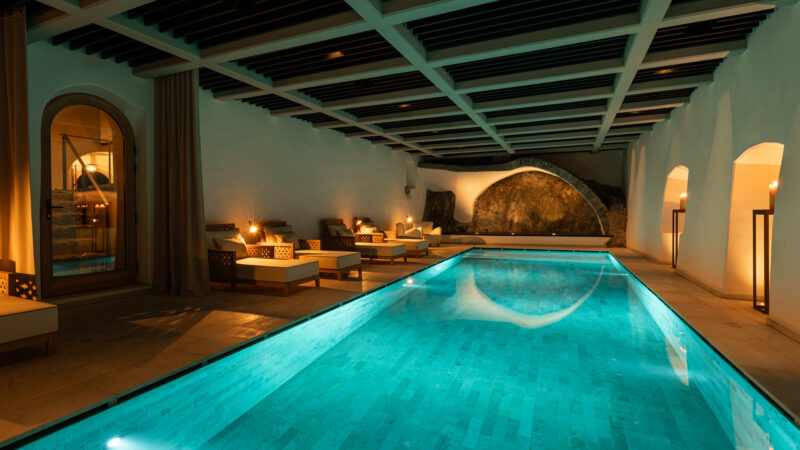
The spa sits where one almost hopes to find it in a former convent: recessed, vaulted, stony, close to silence. A staircase leads down into a wellness area conceived within the rock, with an indoor pool, two heated outdoor pools, panoramic relaxation zones, saunas, steam bath, hammam and four treatment suites.
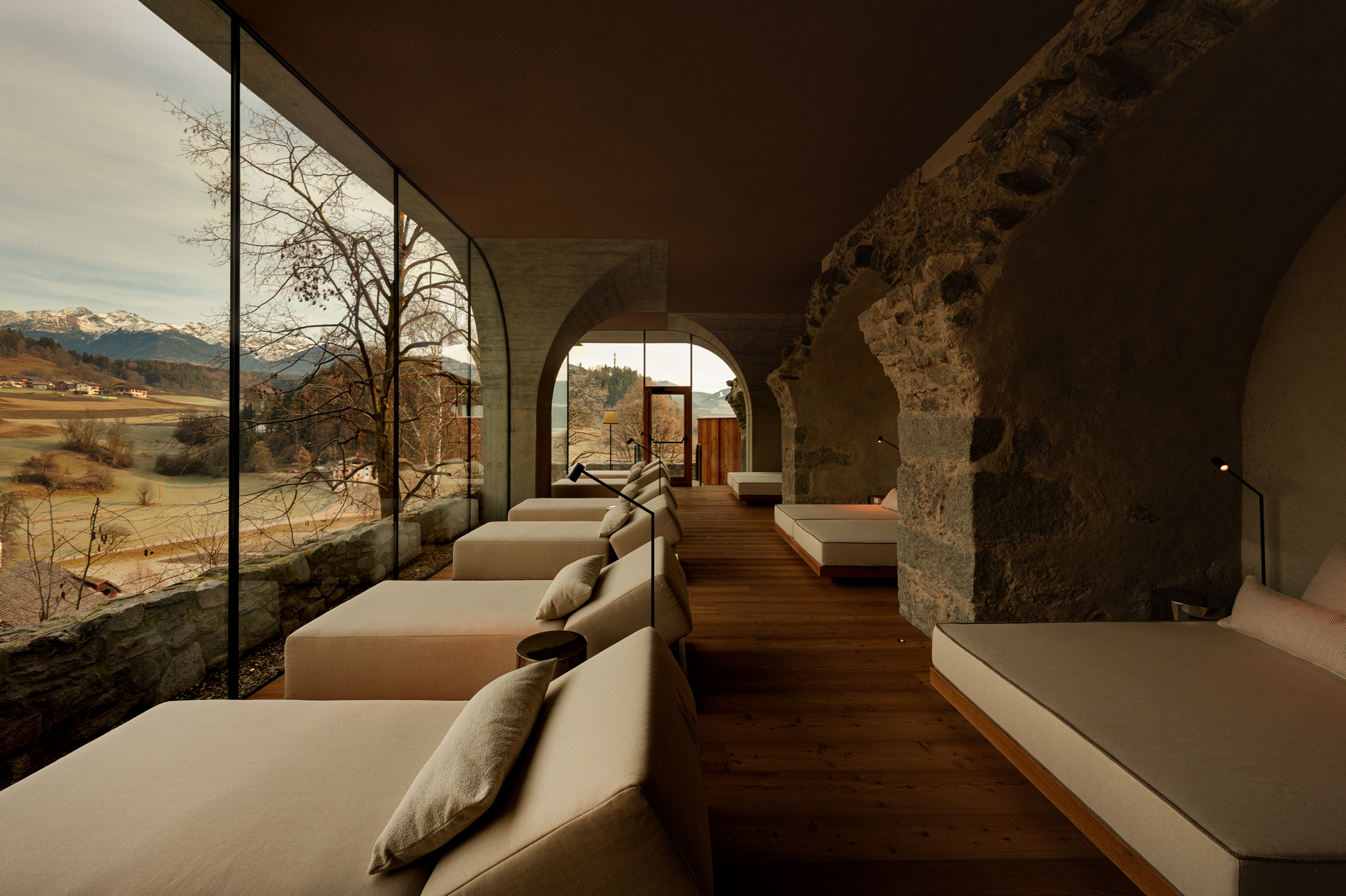
What stands out most is the spatial rhythm: Romanesque vaults, former cloistered areas and the old cloister itself meet water, steam and valley views. Botanical preparations from the reconstructed herb garden echo the site’s healing past without drifting into the esoteric. Relaxation is not advertised here. It simply happens. Slowly, physically, convincingly.
Surrounding area
The immediate surroundings open onto a surprisingly dense cultural landscape. In St. Lorenzen, Romanesque and Gothic churches are as worthwhile as the quiet village fabric of the Puster Valley itself. Just a few minutes away lies Brunico, with its upper town, narrow lanes, historic cafés and an easy mix of craft, fashion and everyday life. Particularly rewarding are MMM Ripa in Brunico Castle, which explores mountain cultures from around the world, and LUMEN on Kronplatz, where photography, landscape and perspective are brought together with real intelligence.
Also close by is the South Tyrolean Folklore Museum in Dietenheim, which presents rural daily life without turning it into folklore. For special finds, Brunico offers independent bookshops, Luis Trenker and traditional textile workshops. Then there are the nearby bunkers, some musealised, some used for cheese affinage: strangely quiet witnesses to history with an unexpected second life. Seasonal markets, delicatessens and small craft-led shops complete the picture.
Activities
For culture-minded guests, Brunico is the natural first stop, with MMM Ripa in the castle, the town museum, walks through the upper town and detours into bookshops, cafés and boutiques. On Kronplatz, LUMEN and MMM Corones add two sharp curatorial perspectives to a mountain day. For winter sports, Plan de Corones, or Kronplatz, is close by; the hotel offers a shuttle, ski room and a private ski lounge near the lift.
Guests wanting something more individual can arrange guided ski days with a mountain guide, a museum visit and lunch at AlpINN. For those seeking quiet, snowshoeing on the Fanes plateau, winter walks and long hours in the spa suit the inward-looking side of the house.
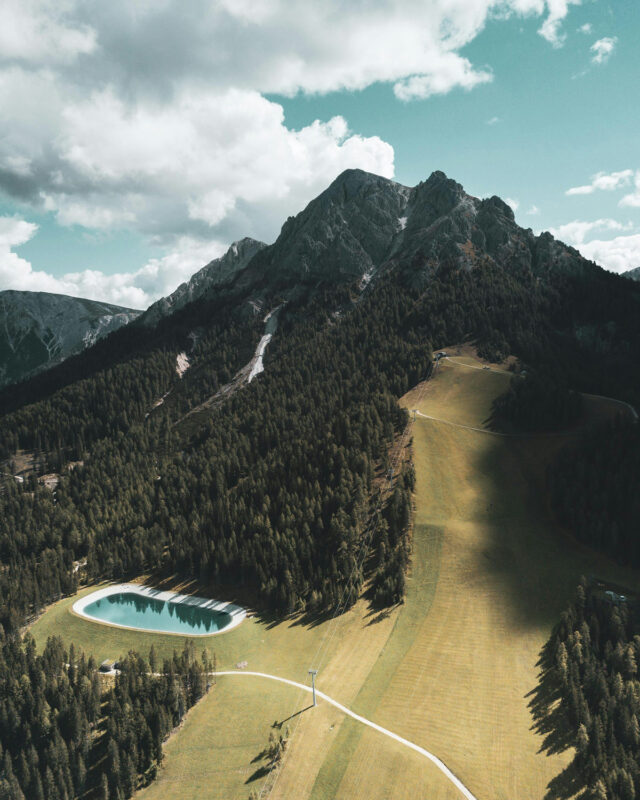
Families and small groups benefit from the chalet and a supervised children’s area for ages four and up. In summer, hiking, cycling and golf shape the natural radius. Guests also receive a public transport pass, bicycles and, from April to October, complimentary green fees at Pustertal Golf Club. And for some guests, the right activity is simply staying put.
Details
- 28 rooms and suites plus one chalet.
- Largest categories: Chalet at 167 square metres, Meravigliosa at 95 square metres, Magnifica at 64 square metres.
- Dining and drinking: Stube Badia, UMES Chef’s Table, Bar & Lounge.
- Spa with indoor pool, two heated outdoor pools, two indoor saunas, outdoor sauna, steam bath, hammam, four treatment suites, fitness area, relaxation rooms and herb garden.
- Included are breakfast, unlimited spa access, shuttle service to Brunico and Kronplatz, ski lounge, bicycle hire, guest pass and complimentary green fees at Pustertal Golf Club from April to October.