

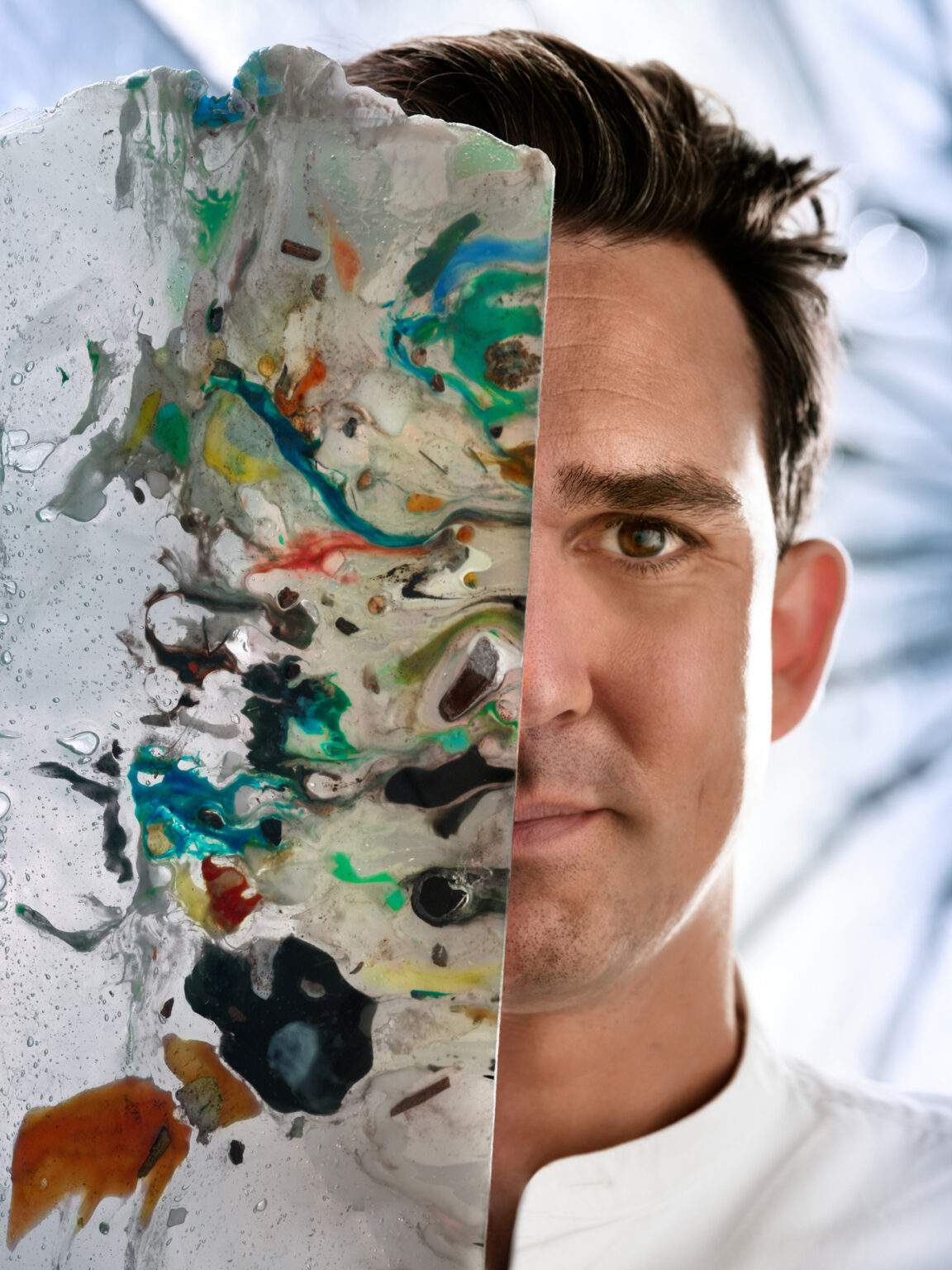
Thijs Biersteker creates immersive artworks that transform complex environmental data into experiences people can feel and understand. Through his Woven Foundation, he brings pressing issues like climate change and ocean plastic to life, turning abstract numbers into moments that resonate emotionally with audiences, from the public to policymakers.
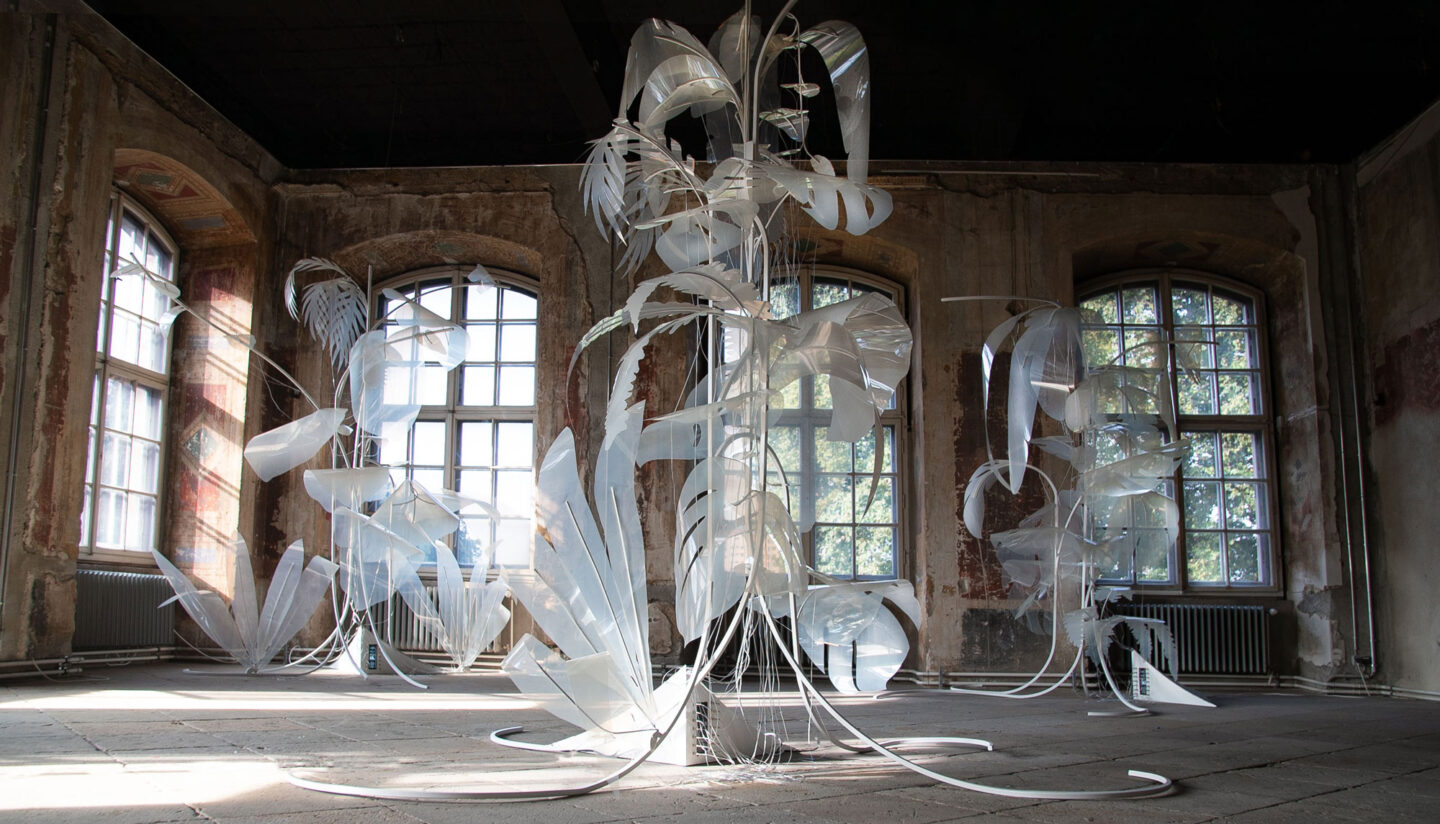
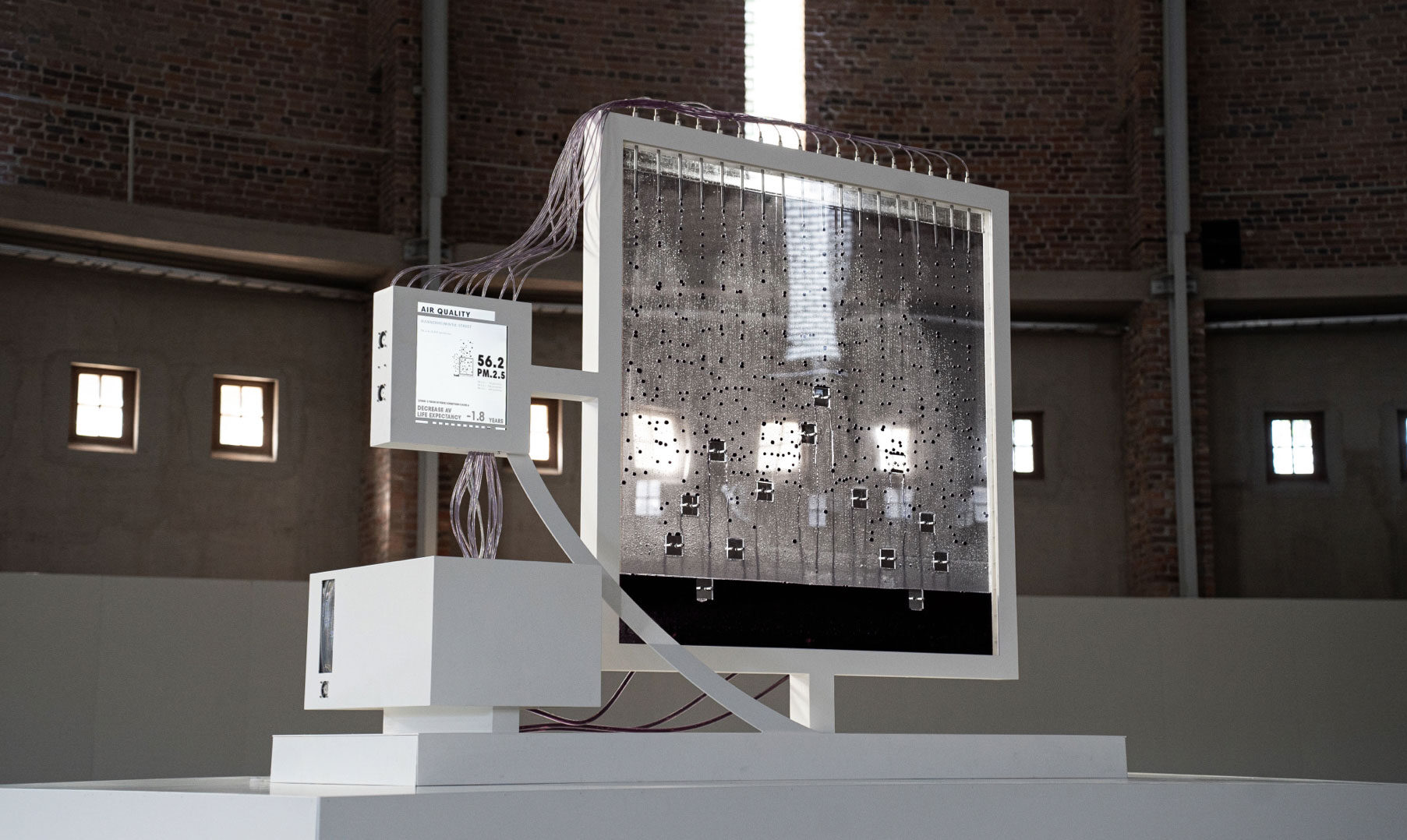
His installations merge science and artistry in unexpected ways, blending technology, natural materials, and human ingenuity to reveal connections between data and the world around us. By inviting viewers to engage with information on a sensory level, Thijs Biersteker’s work demonstrates how art can inspire understanding, reflection, and meaningful change.
© Thijs Biersteker
Which place do you currently call home and where do you work on your projects?
I’m currently in Japan, working on a new project and getting inspired by the enormous amount of craftsmanship. However, I call the Netherlands my home. Having traveled and lived around the world, I think it’s wonderful to have my daughter grow up with her grandparents nearby. I also have my friends and network to help build my artworks sustainably around me.
Where is your studio located & how does it look?
Our Studio and Foundation is located near Amsterdam in Zaandam. Its in an Old paper factory, we have a mixture between a forest, japanese wooden structures and artworks in the studio, all wooden desks for the coders and engineers and ofcource a workshop covered with plants , prototypes and with all the tools to create and build the works.
© Thijs Biersteker
Are there any projects that are important to you personally, that you have recently completed or that you are still working on?
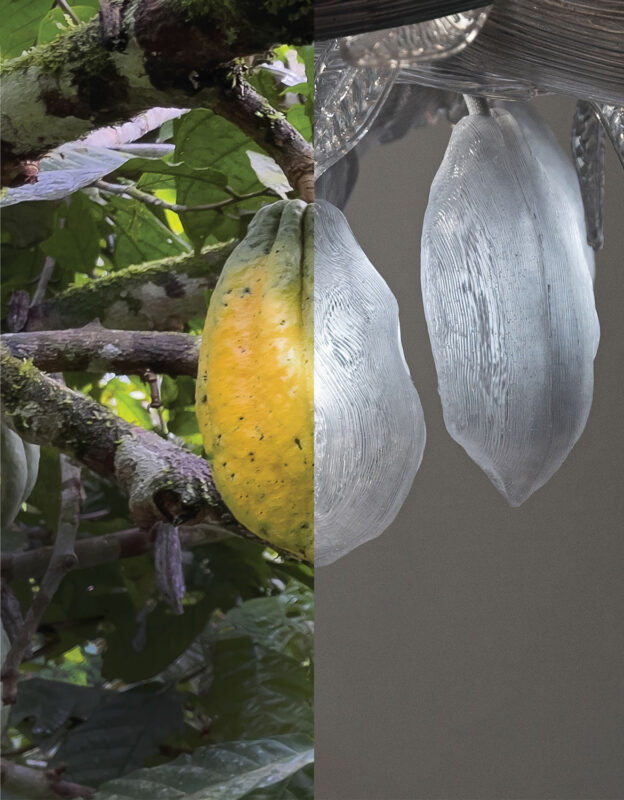
We are working on a work on Invasive species and at the same time a work on the emergence of life and how fragile life is on our planet. I love the combination of the two as its the bigger picture and the small spiecies that make a huge impact, did you know Invasive species don’t only push native species out of their ecosystems but also account for a US$423 billion in annual economic losses worldwide.
© Thijs Biersteker
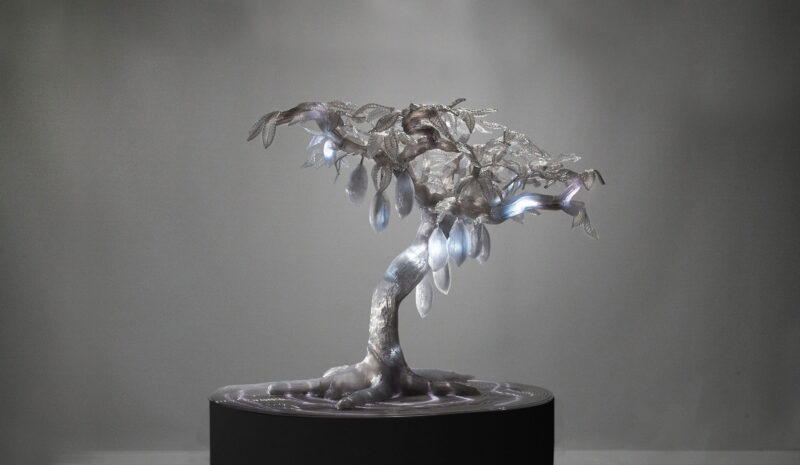
© Thijs Biersteker
Do you have a favorite place in your area where you like to relax and linger?
There’s a specific area near me where I can walk through the dunes, forest, and along the beach in 3 hours. I’ve been going there every Monday for a year, walking almost the same route, so I could observe the details, see the changes in the seasons, and notice the impact of the weather. After 10 times, it became boring, but after 20 times, it was amazingly magical.

© Pierre Blaché from Paris, France, A Cheese Farm in Zaandam, Netherlands – Flickr – Pierre Blaché, adjusted colours, CC0 1.0
Are there any urgent political issues or problems in your region?
As an artist who brings scientific data to life around environmental challenges, I think the lack of action on climate change and biodiversity loss is an urgent issue that needs to be understood and acted upon. Living in a region that is 4 meters below sea level, and having politicians who still doubt sea-level rise is something I can scream into my pillow about.
In your opinion, what has developed well in the last 5 years—and what has not?
From working with the best scientists in the field and seeing all the data, it seems like doom and gloom. And with a 5-year perspective, that might be true. But if you expand it to 50 years, you can see how much progress we’ve made, how many pipelines have been stopped, and how the standard of living for a large part of the world has improved. We shouldn’t lose hope by looking at the short term, but instead, we should gain trust in the future by reflecting on what has been accomplished and which projects are working, from coral restoration to reforestation.
Secondly, don’t underestimate AI. Only two years in, and it’s already woven into our daily lives, directing and curating every bit we touch, from our music to ordering our groceries. It’s an interesting time to be alive—though that can be interpreted in two ways, hahaha.
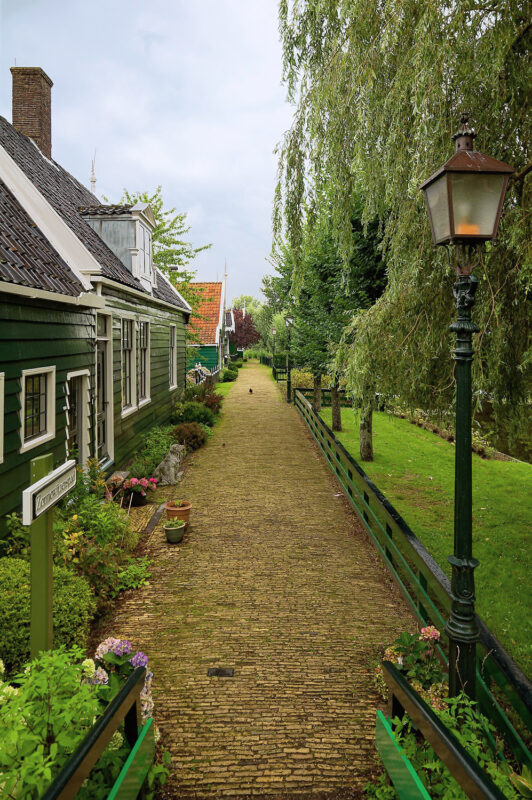
© Laurens R. Krol, 2017-08-15 Netherlands, Zaanse Schans DSC 3270 DxO AF, adjusted colours, CC BY 4.0
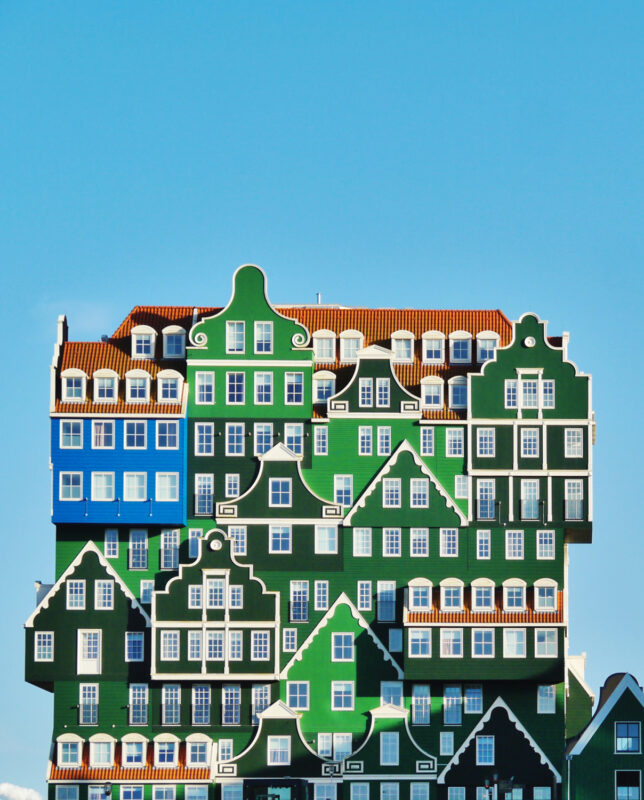
© Zairon, Zaanstad Inntel Hotel 04, adjusted colours & cropped, CC BY-SA 4.0
Do you know a hidden gem when it comes to local manufacturers—whether it’s arts and crafts, sustainable products, or food?
I work a lot with recycled high-end materials, and I believe we already have enough products in the world—we’ve reached a point of saturation. In the Netherlands, there are two amazing design agencies, Better Future Factory and The New Raw, that create beautiful works from plastic waste streams.
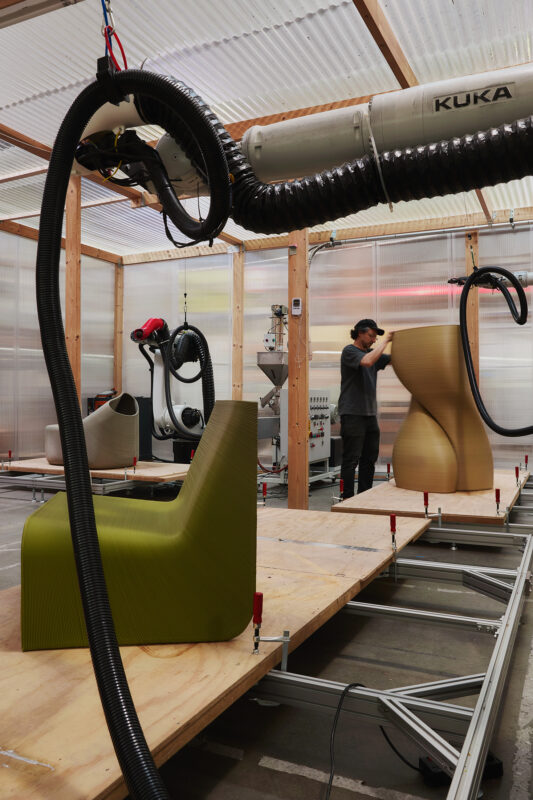
© Michele Margot
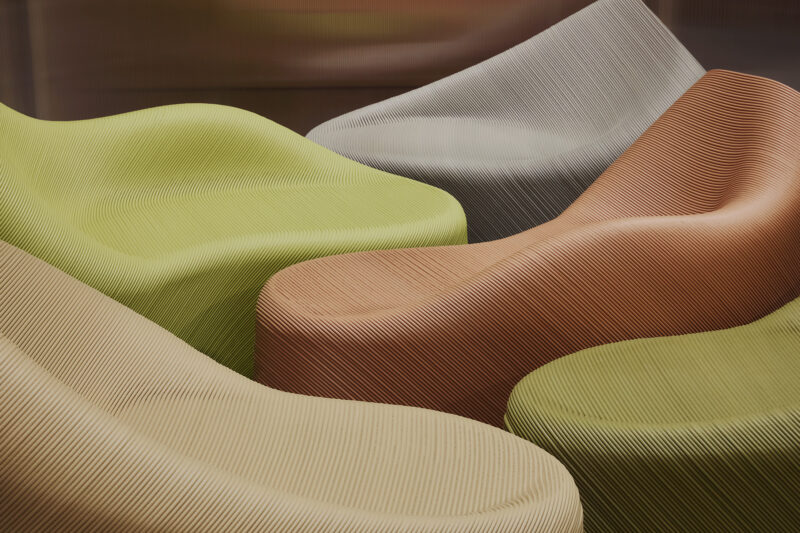
© The New Raw
Is there anything particularly innovative in your region, also in comparison to other places you’ve visited?
I’m writing this from Japan, while a robot delivery just came in to deliver me a new laptop charger—something I don’t see working anytime soon in my hometown. The most innovative work here is being done in the universities. The scientific work being carried out in the Netherlands on food security and water management is enormously innovative and will have a huge impact on the future we are heading towards.
Do you have a secret restaurant tip that you would like to share with us?
It’s not a secret one, but I love the idea and the food behind Restaurant de Kas in Amsterdam.
Is there a local shop whose products are only available in your region?
We order amazing Dutch cheese at Roxy’s Deli in Zaandam, it’s a treat.
What are your 3 favourite apps that you use every day and couldn’t live without?
Instagram obviously, the Podcast App for my dose of science and I think storytell for my audio books..
It’s amazing to do things with your hands and have someone read you a story.
Do you have any favourite newspapers or online magazines? And how do you keep up to date with politics or social and cultural issues?
I love the weekend Guardian its an amazing magazine to keep up with climate, culture, they are amazing.
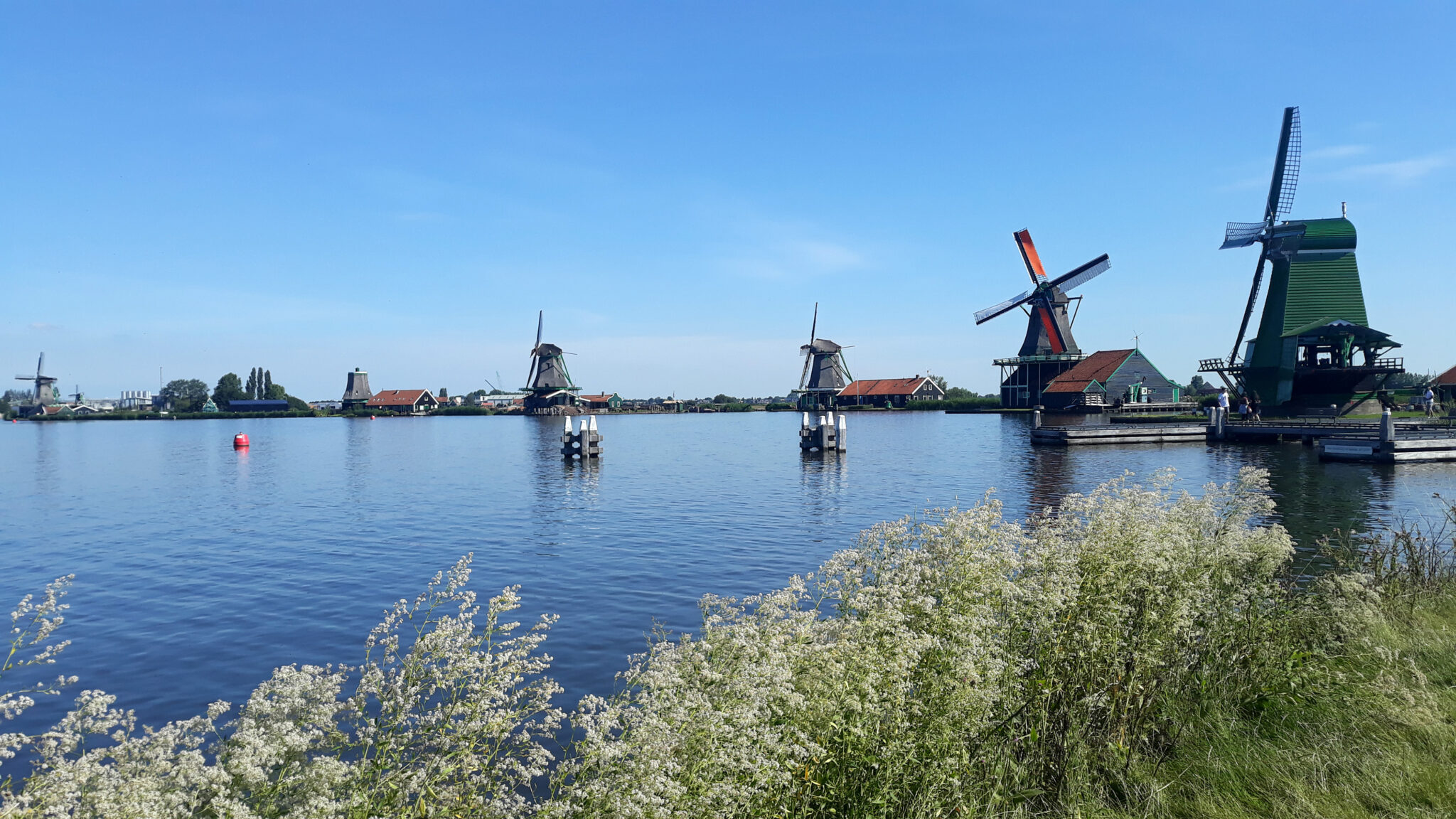
© acediscovery, Zaanse-Schans-2020, CC BY 4.0
Imagine you could be mayor for a year—what would you change?
I would plant trees and create parks. They don’t just bring the city’s temperature down, but who really needs another parking lot or shopping mall? I would use AI and modern underground delivery systems to implement the “15-minute city” concept. Why travel further if everything you need can be within a small radius? It would reduce emissions and increase social cohesion and local area identity.
One last question: If you could choose another place to live—regardless of financial or time constraints—where would you choose?
For a few years, I would travel with the spring season around the world with my family and the studio. Seeing the season where everything grows and sprouts brings me so much joy and hope. I guess we’d need to find a way to do that sustainably and in a way that I could contribute to the local communities, otherwise, we’d just be like grasshoppers.


