


Deeply rooted in her travel experiences and material knowledge, Nicolette de Waart creates a range of objects, from furniture and lighting to sculptural art. Her timeless pieces are both functional and expressive, always with an emphasis on durability and beauty. De Waart’s sculptures attempt to reveal our vulnerability and fragility, but also our strengths and passions; they are a reflection of human life.
©Courtesy of the artist
Which place do you currently call home and where do you work on your projects?
After years of living abroad in Singapore and London, I currently live in my native country, in Haarlem, the Netherlands. I have my studio at home where I make my sculptures and lamps. This is also the place where I explore and research new materials and techniques.
When my sculptures are cast in bronze, I work at the foundry in Tiel, an hour drive from where I live. Apart from being a foundry I learn so much every time when I am there. They taught me all the techniques. It’s a creative hub where many artists work on their art.
Where is your studio located & how does it look?
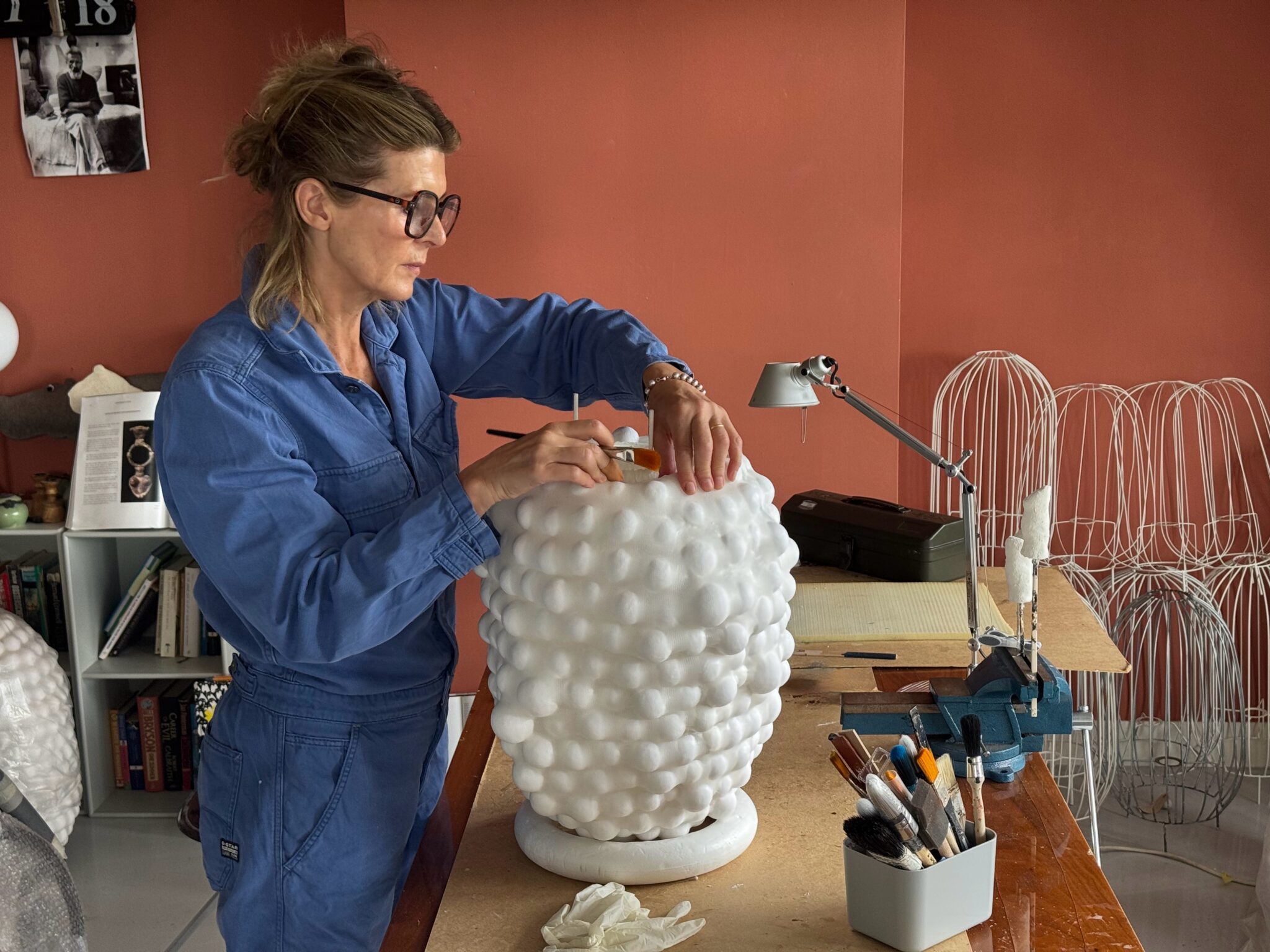
My studio is located in my home on the second floor. It is a light filled space with a lot of windows so whenever there is an opportunity you can find me there. It is in that sanctuary, painted in warm colours and a lot of light, where my projects and art develops and is created.
©Courtesy of the artist
Are there any projects that are personally important to you—whether recently completed or currently in progress?
Every project is important to me. I love to challenge myself with every new one. I am currently working on a huge commissioned project for a client; a Bronze Sculpture in an edition of 25, that symbolises their working collaboration with each of their special clients. My moving ‘Infinty knots’ is a project close to my heart.
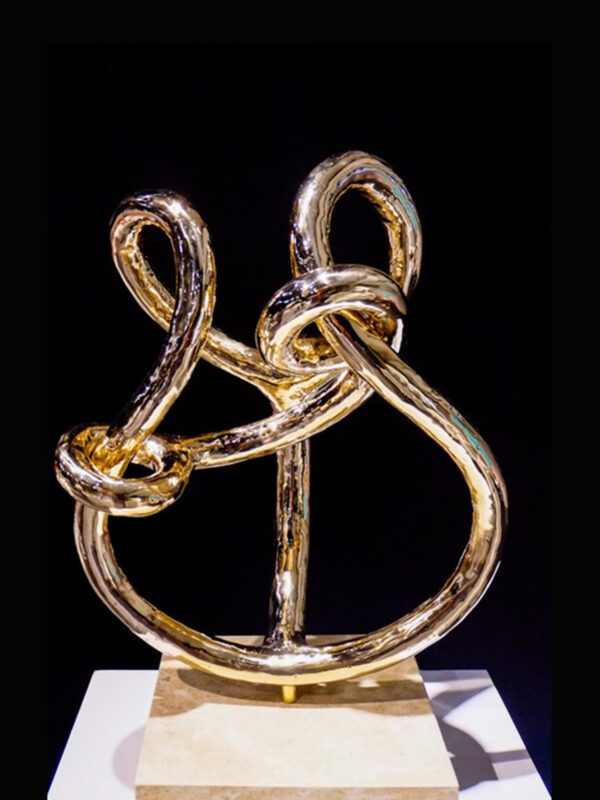
Since 2022, with all the social and political unrest, I have been expressing my feelings with the organic Infinity Knots—‘Power through Connection’. These two independent organic forms, which are nevertheless intertwined, reflect cultures, countries, groups, etc. Travel broadens the mind. Nowadays, discussions are very polarising, partly due to social media. For me, it is important to connect and communicate in order to create mutual understanding. You don’t have to agree with or adopt the opinions or ideas of the person you are talking to. The two independent, moving knots symbolise that you can continue to move independently. You don’t lose your individuality when you interact with others.
My years of travelling have broadened my horizons, and I have always had a keen interest in other cultures. Most people enjoy getting to know and discovering other cultures when travelling, but are less interested in them at home.
When I made my first Infinity model—two movable knots made of polished gold bronze—it was technically very complicated. The foundry didn’t have time for grinding, sandblasting and polishing, but I needed it for an upcoming exhibition. I didn’t know what to do, and they suggested I do it myself and they would guide me through the entire process. At first, they thought I would never make it in time, as the concept of two separate movable knots is very technical and a complicated process. I am quite a perfectionist and see every opportunity as a challenge. So I worked in the foundry for weeks, and when I saw the gold of the bronze come to life through polishing, I was really happy.
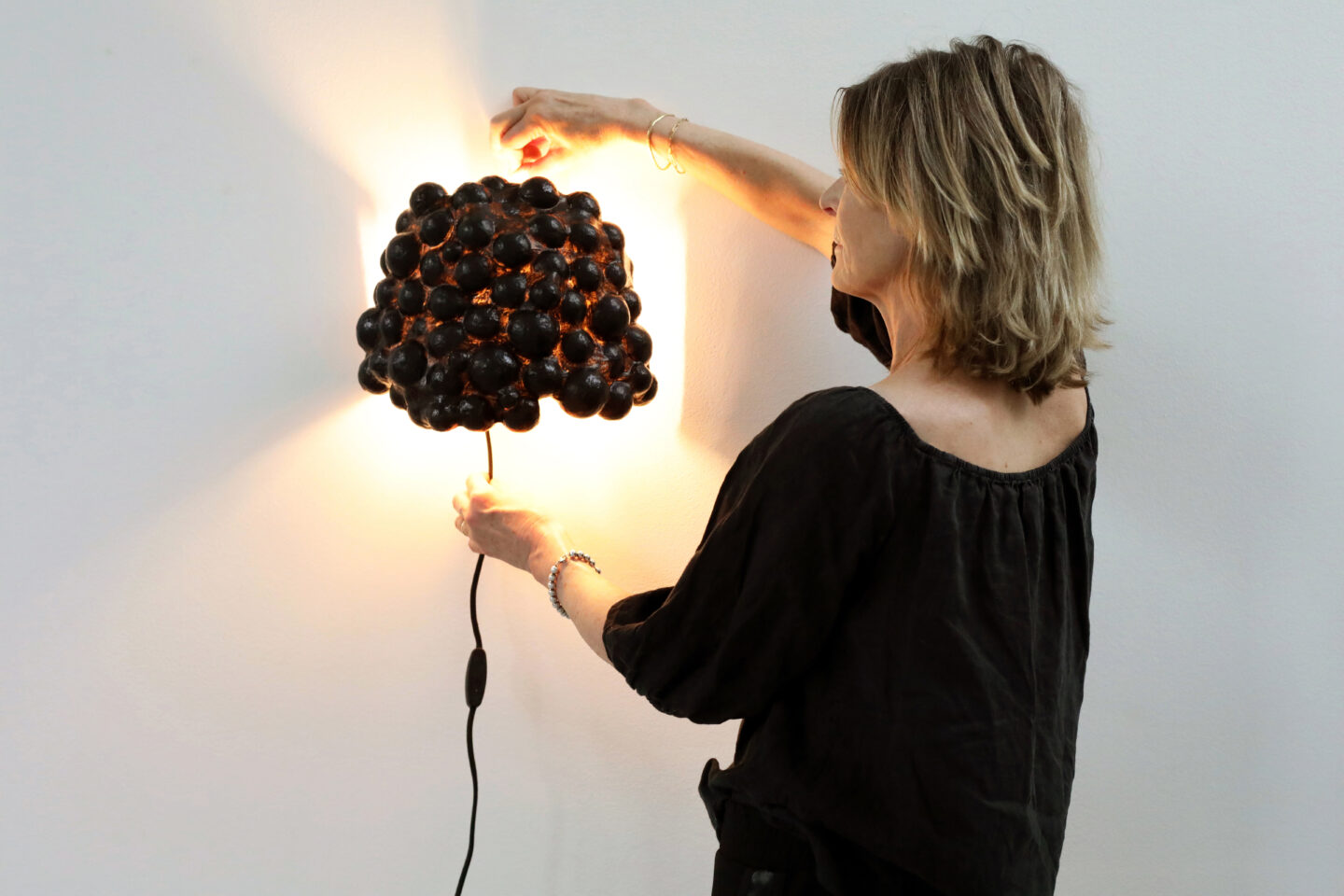
I move between art and functional art. The Perfect Imperfect Berry lamp, inspired by a Japanese lantern, took a long time to perfect. I wanted it to be completely sustainable, but finding the right shape took the most time. I almost gave up on the project, but a friend convinced me to keep going. I am still grateful for that, because the positive feedback from people is so rewarding.

©Courtesy of the artist
©Courtesy of the artist

©Courtesy of the artist
Do you have a favorite place in your area where you like to relax and linger?
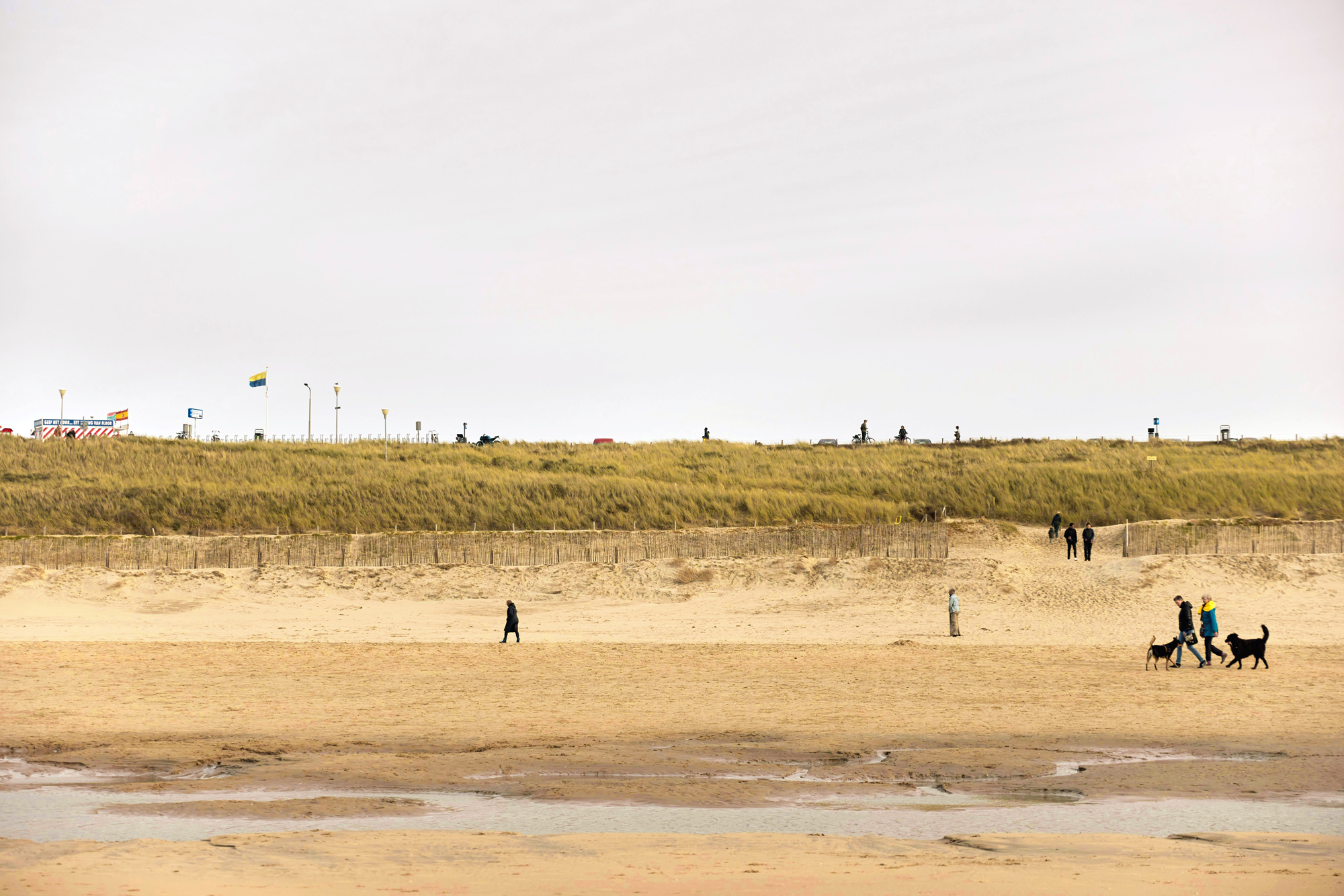
We live very close to the beach and Amsterdam. I love to stroll at the beach and hang around in one of the beach restaurants. I really love one particular restaurant: FOSFOR in Zandvoort. It takes twenty minutes to walk there. Once you’re there, you realise that you don’t need to travel far; for me it’s a real paradise, a place, where I can relax.
Or having a stroll in Elswout, there is a beautiful orangerie.
Also, I love the vibe of Amsterdam and frequently I go there to absorb the art, culture, enjoy the diversity of the city and have a drink or visit one of many restaurants.
In particular I love The Rijksmuseum in Amsterdam for their historic collection. The Stedelijk museum, I know their permanent collection by heart, but especially their curated exhibitions are always very inspiring.
Visiting Ron Mandos for his diverse art collection, but also the design store the Frozen Fountain is a great spot to browse the latest collectible art and designs. Or visit the Art bookstore in Amsterdam…
Or closer to home: our outdoor kitchen in the garden. Nothing too fancy, but we created this space 25 years ago when it was still a relatively new thing. Regardless of the weather forecast, it’s always fun to sit there on colder days and enjoy the fire.
© Photo: Tamara Harhai, Unsplash
Are there any urgent political issues or problems in your region?
I am fortunate to live in a peaceful country, but political unrest and wars in other parts of the world are changing the social climate. Even on social media, it is sometimes difficult to have normal conversations without immediately becoming polarised, with people feeling they have to choose sides instead of engaging in open dialogue in a democratic manner.
This is reflected in the growth of far-right parties in the Netherlands, but also elsewhere in Europe, where their basis is fear rather than creating understanding and discussing political issues in a democratic manner.
The climate and housing issues are also topics we are dealing with in the Netherlands, and I believe this is also the case elsewhere in Europe. As a result, more and more young people are forced to live with their parents for longer because there are no rooms available or rents are too expensive. This significantly impedes their development as young adults. Property prices have risen as well.
In your opinion, what has developed well in the last 5 years—and what has not?
The speed limit for cars in Amsterdam has been reduced to 30 km/h. This has made a significant difference. The city now appears cleaner as diesel vehicles are prohibited. Unfortunately, the number of electric bicycles has surpassed that of motor vehicles, leading to increased traffic chaos.
Amsterdam currently has a lot of construction and maintenance backlogs, but the metro has recently started operating. This was a technically complicated and challenging process, as Amsterdam is built on pillars and therefore a lot of preparatory work had to be done on the buildings before drilling could begin. Now it is finished and connects the north and south of Amsterdam super fast.
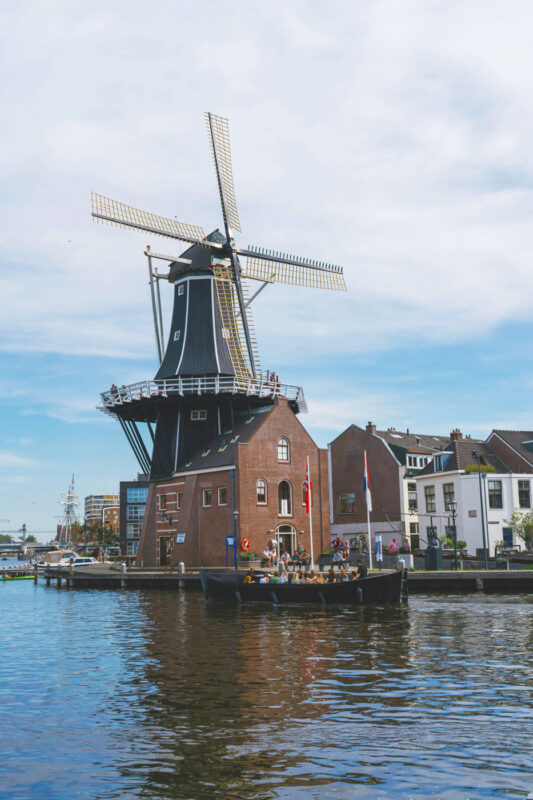
© Photo: Pourya Gohari, unsplash
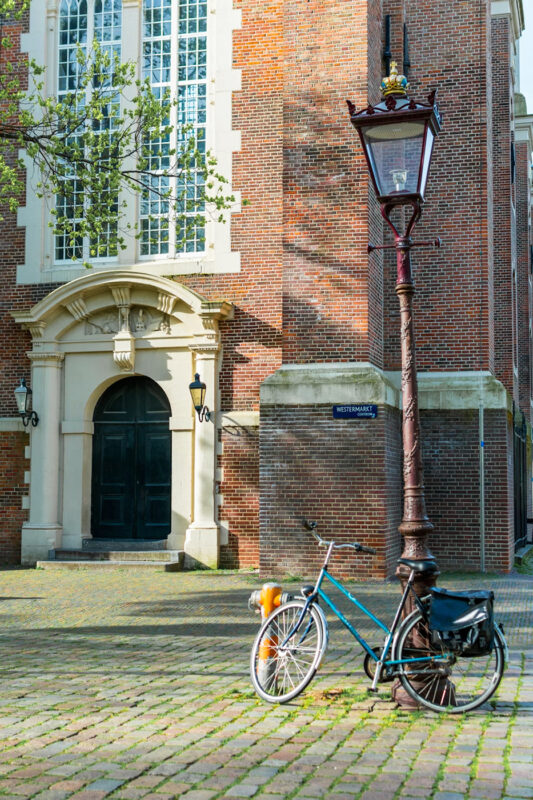
© Photo: Mircea Solomiea , Unsplash
Do you know a hidden gem when it comes to local manufacturers—whether it’s arts and crafts, sustainable products or food?
Harvest locally grown food 10 minutes away by bicycle in Haarlem. You can pick flowers, fruit, and vegetables. It is a completely sustainable project run by locals on a voluntary basis.
I love to visit the independent cinema The Filmkoepel in Haarlem. In this former prison, they show a variety of great movies, especially cult and art related ones.
I can really recommend the art at Teyler museum. It is the oldest museum of The Netherlands, showing art and science pieces from 18th century onwards, but especially the building itself is worth a visit.
I love going to the stand-up comedian bar Toomler in Amsterdam, tucked away in the corner of the Hilton hotel. You never know who will perform, whether they are well-known, up-and-coming or aspiring to be one. It can be a springboard to fame.
When it comes to food, I love Fort Negen‘s sourdough bread. It used to be an insider tip and an open secret that they deliver their bread to many restaurants, but now people queue up to buy bread.
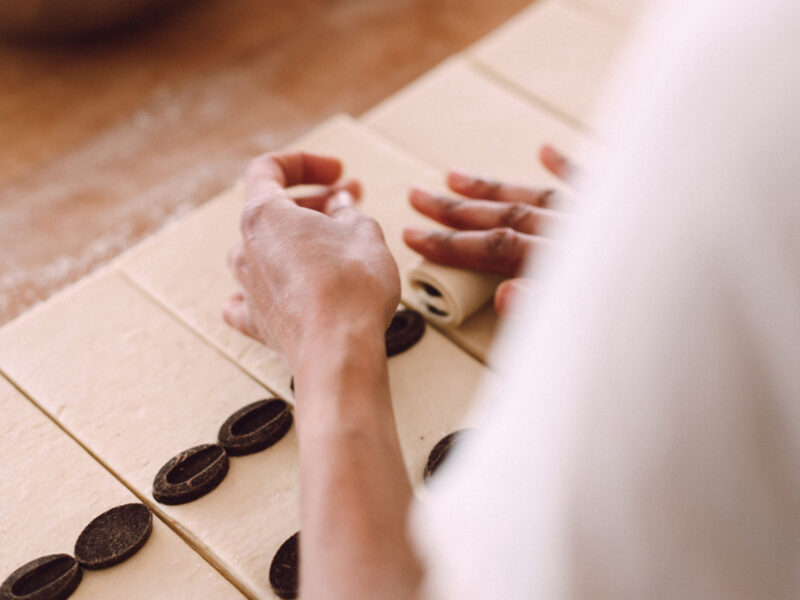
© Fort Negen
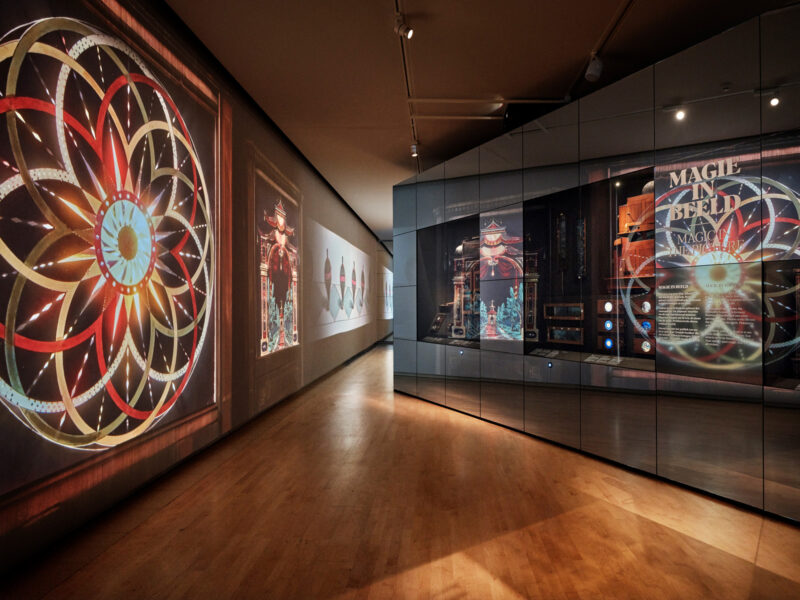
© Teyler
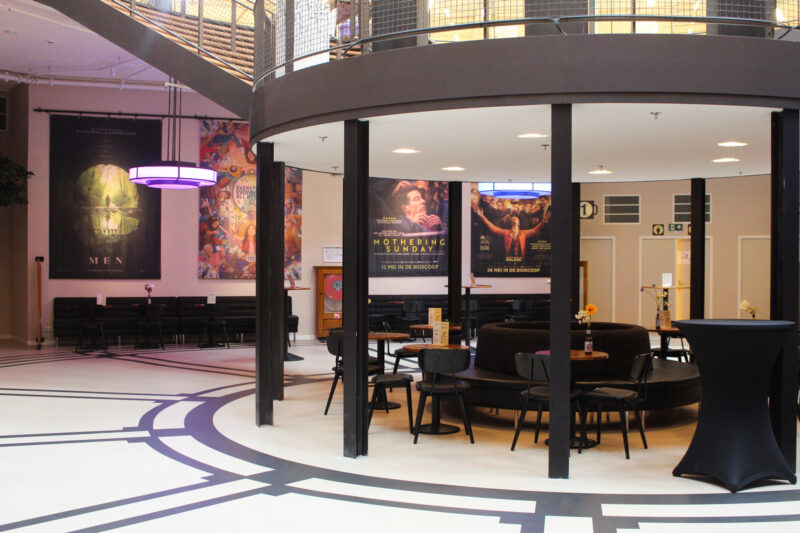
© Filmkoepel
Is there anything particularly innovative in your region? Also in comparison to other places you have already visited?
Haarlem is part of Greater Amsterdam.
Maak Haarlem is still a bit unknown but it is a innovative and circulair community founded by the municipality Haarlem, where companies sharing their knowledge and collaborate. Innovation and circularity are the central pillars.
You can book a tour and afterwards enjoy a bite to eat or a drink at the Smaak restaurant. It offers good food and a great atmosphere, and the dishes are prepared by people who are distanced from society. When the weather is nice, you can sit outside on the terrace surrounded by a natural flower garden.
Do you have a secret restaurant tip that you would like to share with us?
Restaurant CHOUX at De Ruijterkade 128 Amsterdam near the Central station. Normally not the place to browse for good food but this is a gem. It is an informal combination of a local winestore and neighbourhood bistro. In a relaxed setting they serve innovative veg-forward feast.
De Goudfazant, a vibrant and hip restaurant in Amsterdam North. In a former garage, the food is a crossing between French and local Dutch cuisine.
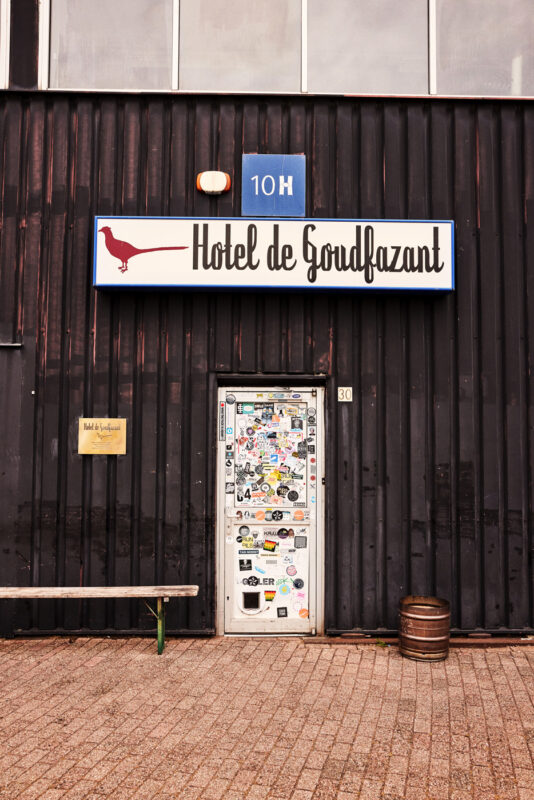
© Goudfazant
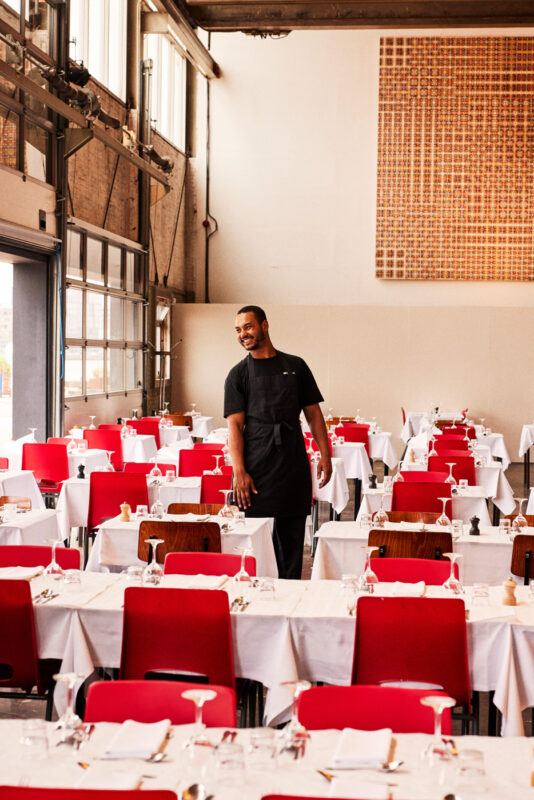
© Goudfazant
Is there a local shop whose products are only available in your region?
Yes, a typical Dutch treat licorice. In quarter the Jordaan in Amsterdam is a very tiny shop, “Het Oud-Hollandsch Snoepwinkeltje“, who sells the famous licorice in all flavors sweet and sour. Not for everyone, but the Dutch love it.
What are your 3 favourite apps that you use every day and couldn’t live without?
Instagram, Shazam, and my news apps: I love to read the Times, a heritage from my time in London and Dutch newspapers Het Parool to stay informed about everything happening in Amsterdam
Do you have any favourite newspapers or online magazines? And how do you keep up to date with politics or social and cultural issues?
I read a lot and go to a lot of exhibitions to inform myself with the ongoing streams.

© Alex DUdar, unsplash
Imagine you could be mayor for a year—what would you change?
I would make art classes obliged at school to express yourself is very important and make sure everybody is allowed to have free healthcare.
I would focus on knowledge and healthcare meaning. Nowadays there are a lot of budget cuts in both sectors whereas I believe good education is the foundation for your society. Knowledge creates understanding, it is the foundation for the next generation.
Also I would invest a lot in healthcare. On a personal level you can see that the budget cuts really exhausted the healthcare in general but especial for the elderly. They need to stay at home longer on the one hand they can be surrounded by their friends but there is also a lot of lonelyness. In the care houses you see the nursing home is more and more scarce.
One last question: If you could choose another place to live—regardless of financial or time constrains—which one would you choose?
Japan. I have been there twice and nothing relates to it. The colours, the food, the architecture and the Art and craft.


