

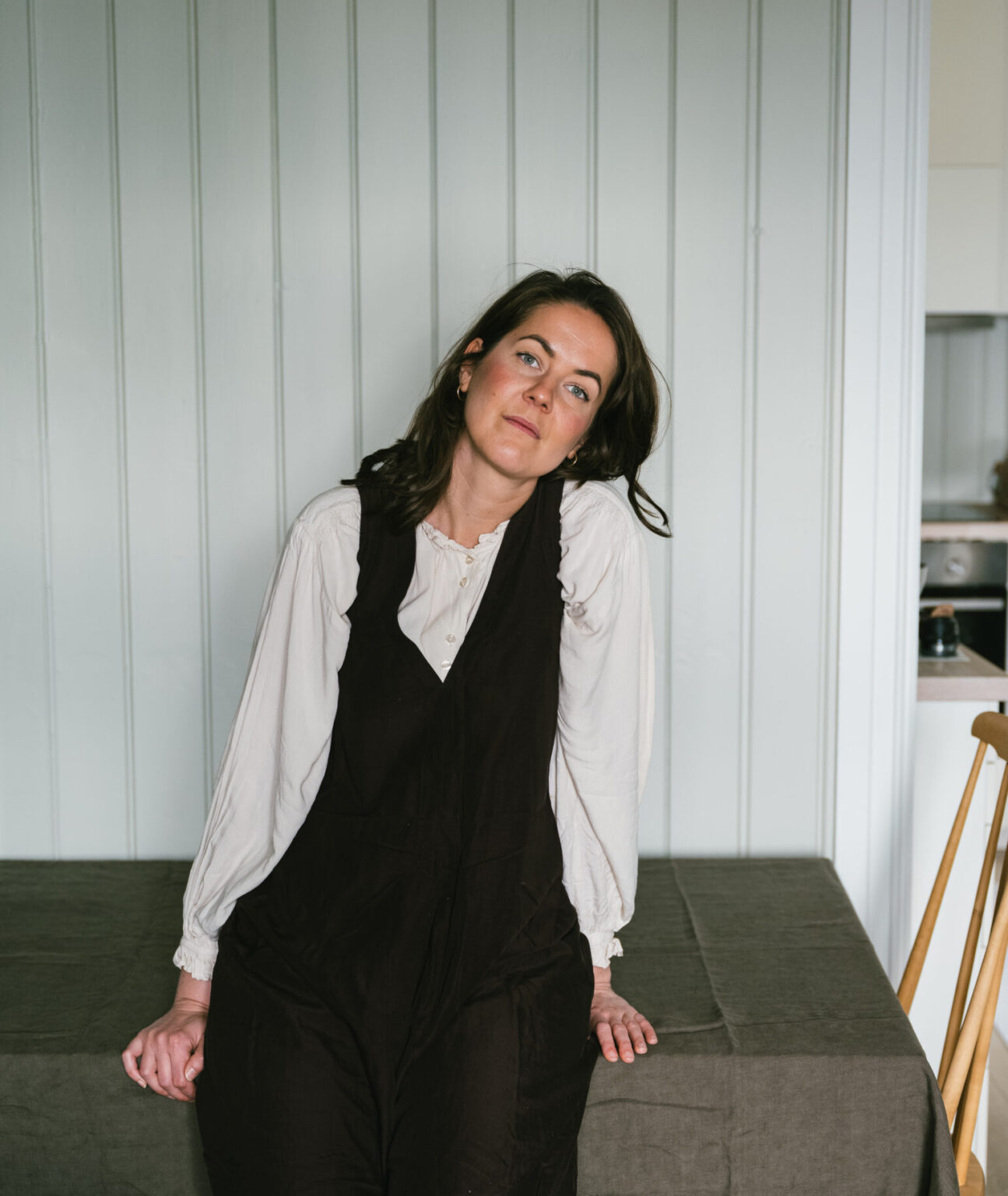
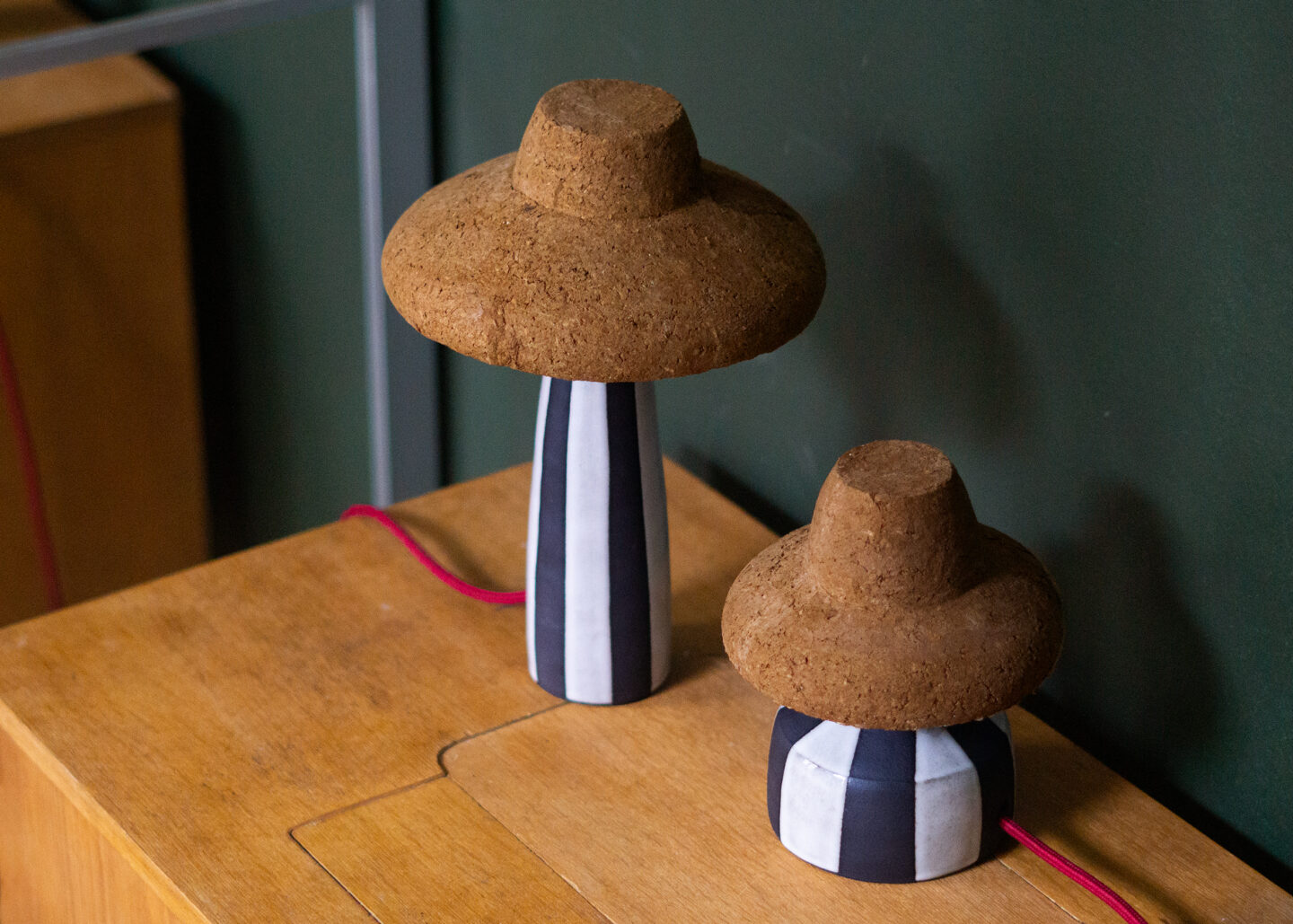
Almost all of the materials Mari Koppanen uses in her work are natural, and she produces most of the pigments herself. Natural materials, especially mushrooms, are not only part of her sustainable design philosophy, but also serve as a rich source of inspiration and symbolism in her work.
Her works often combine art, science and cultural research. By combining traditional craft techniques with contemporary perspectives, she aims to preserve and reinterpret endangered craft practices by reinventing them in a modern design context.
© Courtesy of the artist
Which place do you currently call home and where do you work on your projects?
I’m originally from Finland but for the past decade I have mainly lived in Sweden and in Norway. I currently live and work in Oslo, where I have been for the past 4 years.
Where is your studio located & how does it look?
My studio is located at the university, the Oslo National Academy of the Arts, where I am currently completing my PhD. I have a studio space and access to all the workshops of an art school, including wood, metal, sewing, and ceramics. I love it because I can choose which workshop to work in each day, depending on my projects. Next year, after finishing my doctoral research, I’ll need to find a new studio space. I hope to find a shared space that includes at least a wood workshop, as I plan to work as a freelancer.
© Courtesy of the artist
Are there any projects that are personally important to you—whether recently completed or currently in progress?
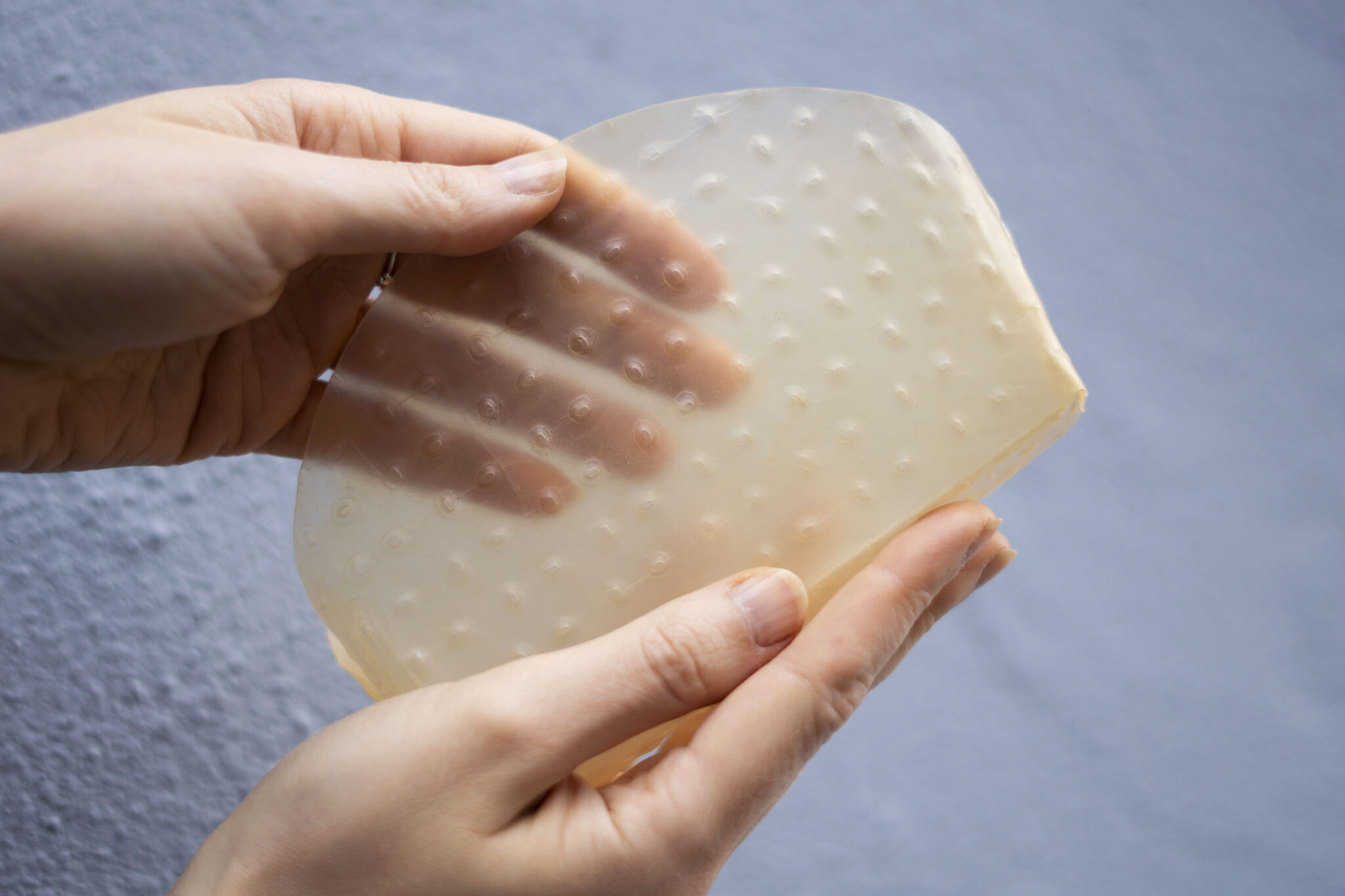
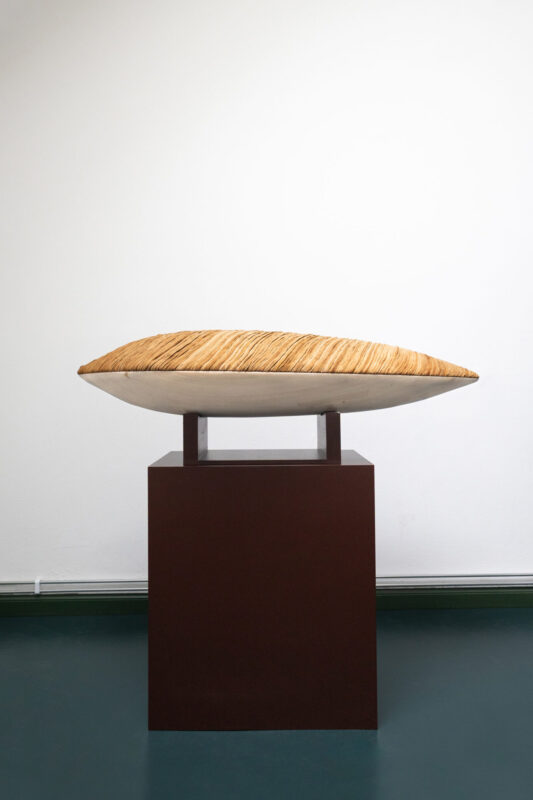
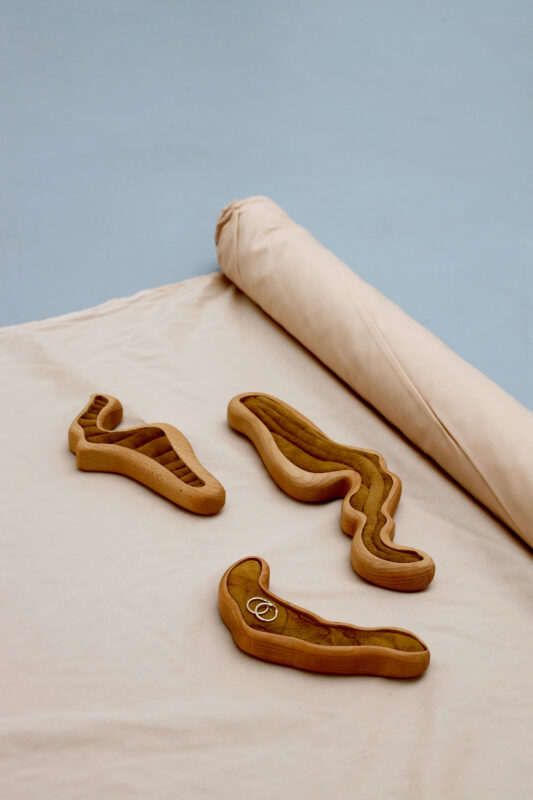
I’m currently in the final phase of my PhD, and will defend it next spring. My research focuses on amadou, an ancient, leathery material derived from tinder fungus. It is the material I have worked with the longest, and the project closest to my heart. The project is currently exhibited at the Natural History Museum in Oslo.
© Courtesy of the artist
© Courtesy of the artist
Do you have a favorite place in your area where you like to relax and linger?
I have a favorite mushroom spot just 20 minutes from where I live that, beyond offering relaxation and lingering moments, provides me with chanterelles every autumn. A mushroom forager never reveals their secret location, but it can be said that the place is southeast of Oslo, in Østmarka.

© Geir Hval (www.MacWhale.eu), Spring Royal Palace Slottet Oslo Norway (2022.04.21), adjusted colours and retouching, CC BY-SA 4.0
Are there any urgent political issues or problems in your region?
Norway is a wealthy country with abundant resources. While fossil fuel extraction has been a cornerstone of Norway’s economy, it also generates significant environmental and social challenges. The country has to take greater responsibility and intensify its efforts to address ongoing climate change, including finding a balance between oil production and its climate commitments.
In your opinion, what has developed well in the last 5 years—and what has not?
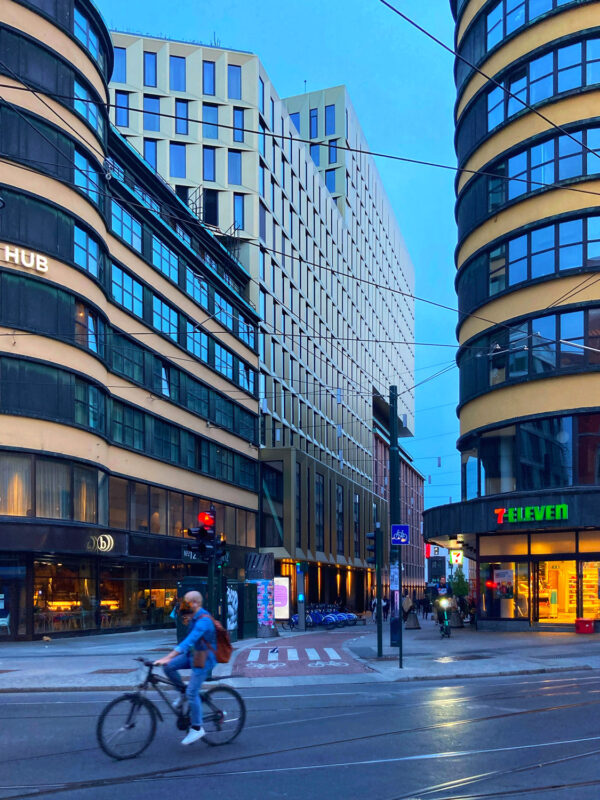
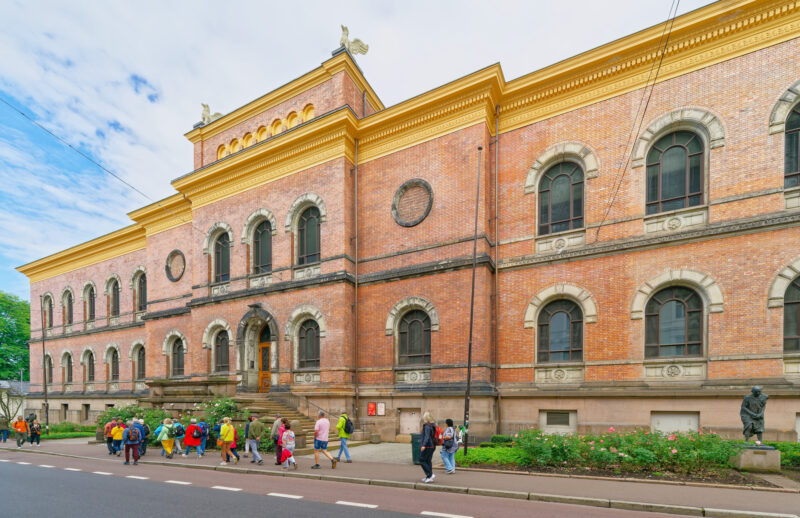
Entrepreneurship is supported in Norway through government-backed programs, and I think many small businesses and young entrepreneurs have emerged in recent years, particularly in the field of design. Norwegian design, however, perhaps still needs a bit more daring. In my opinion, while the contemporary art scene in Norway is interesting, the field of design could benefit from greater boldness, creativity, and innovation to ensure it does not fall behind other Nordic countries.
©Artem Vynohradov, Oslos gater (Storgata), adjusted colours and perspective, CC BY-SA 4.0
© Holger Uwe Schmitt, Nasjonalgalleriet – “Streifzug” durch die Stadt Oslo. 01, adjusted colours and perspective, CC BY-SA 4.0
Do you know a hidden gem when it comes to local manufacturers—whether it’s arts and crafts, sustainable products or food?
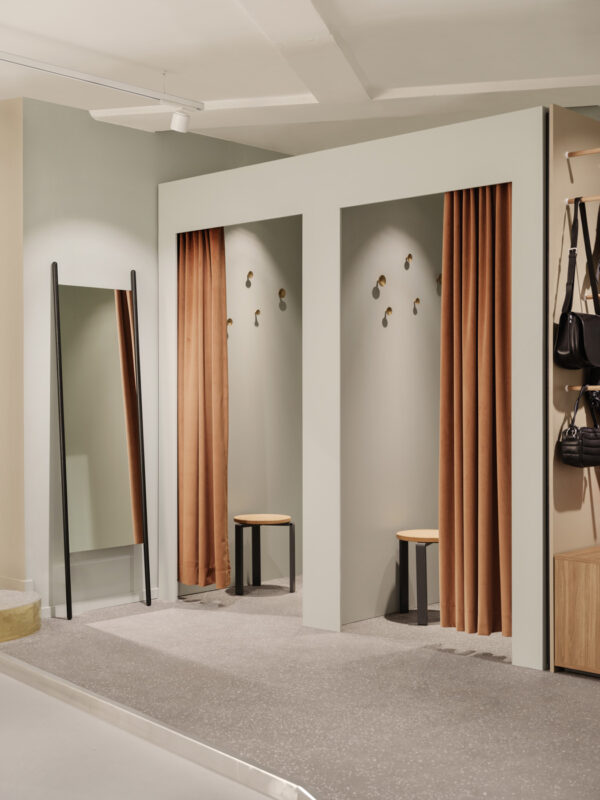
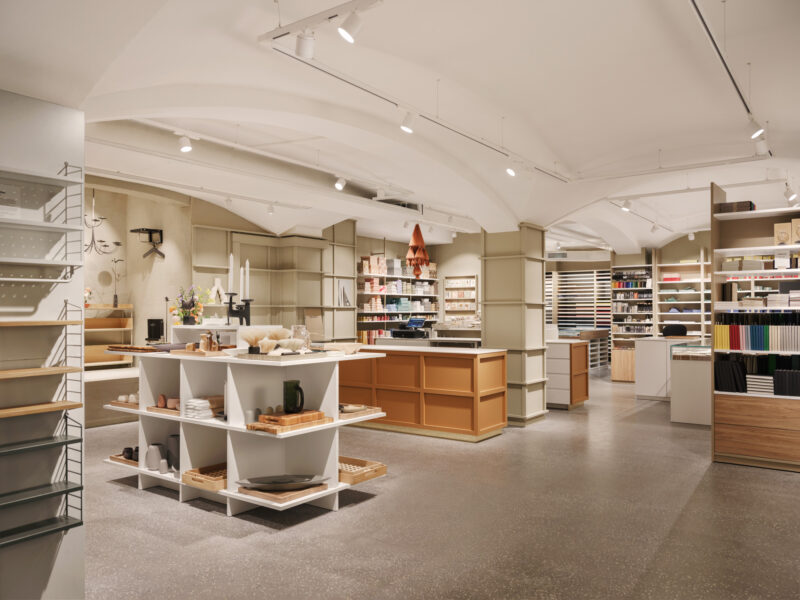
In downtown Oslo, there is a shop called Norway Designs that sells Nordic design products as well as beautiful papers and cards. Knitting is a popular hobby in Norway (also local wool production is still alive!), and my favorite yarn shop is Fru Kvist Garn on Tollbugata.
© Einar Aslaksen
© Einar Aslaksen
Is there anything particularly innovative in your region? Also in comparison to other places you have already visited?
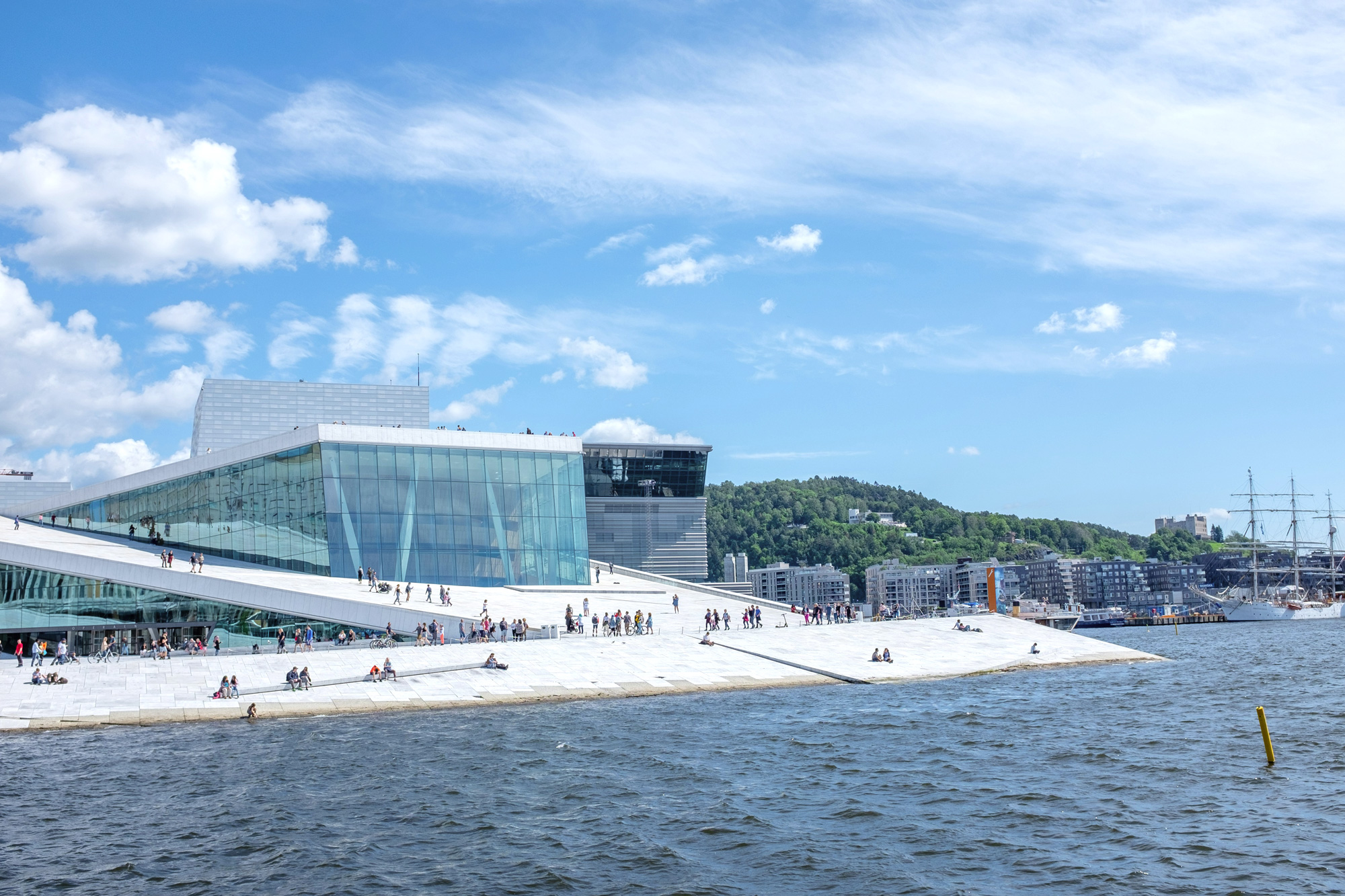
Surprisingly, Norwegians have built a remarkable number of saunas in Oslo. For me as a Finn, the sauna symbolizes relaxation and peace. Norwegians are also bold ice swimmers, and in winter, by the Oslo Opera House, you can see sauna-bathers taking a plunge into the icy sea.
Do you have a secret restaurant tip that you would like to share with us?
Oslo has great ramen, and my favorite restaurants are Koie Ramen on Osterhaus’ Gate and Hrimnir on Maridalsveien. On the other hand, the fish is always fresh and flavorful here, and lately I’ve picked up sushi several times from the small BOOM Sushi restaurant on Trondheimsveien.
I would still like to see more diverse restaurants, and especially cafés, in Oslo. Many cafés are part of chains, and the restaurant scene lacks foods from certain cultures and regions. Norwegians also love eating bread (even for lunch), and during lunchtime it can sometimes be difficult to find suitable options if you’re looking for a hot meal.
Is there a local shop whose products are only available in your region?
Quite close to where I live, there is a small kiosk-like shop called Skalldyrekspressen. I haven’t tried it yet, but they sell all kinds of fish and seafood “straight over the counter”. I will definitely buy some fish from there one day!
What are your 3 favourite apps that you use every day and couldn’t live without?
– Instagram (for work and leisure)
– Google Maps (I have a terrible sense of direction)
– Calendar (I used a paper calendar for years but eventually switched to a digital one)
Do you have any favourite newspapers or online magazines? And how do you keep up to date with politics or social and cultural issues?
I read the digital version of the Finnish newspaper Helsingin Sanomat every day. Even though I also read Norwegian news, I think there’s something special about reading in your mother tongue. Helsingin Sanomat, or more familiarly Hesari, takes me back to my childhood, as my father always read the paper version at the breakfast table.
© Gunnar Ridderström, unsplash
Imagine you could be mayor for a year—what would you change?
I grew up with free school meals in Finland. In Norway, however, parents pack lunches for their children. Free school meals were a positive experience for me as a child, and I believe they could work well in other European countries too.
One last question: If you could choose another place to live—regardless of financial or time constrains—which one would you choose?
I love southern Italy. It’s nice to visit a culture where people take things more relaxedly, and, on the other hand, the long northern European winter can sometimes wear me down. I go to Sicily every year, and this year I also visited Tuscany for the first time. Perhaps I could live in a small house there one day, growing tomatoes and flowers.


.jpg)
.jpg)