

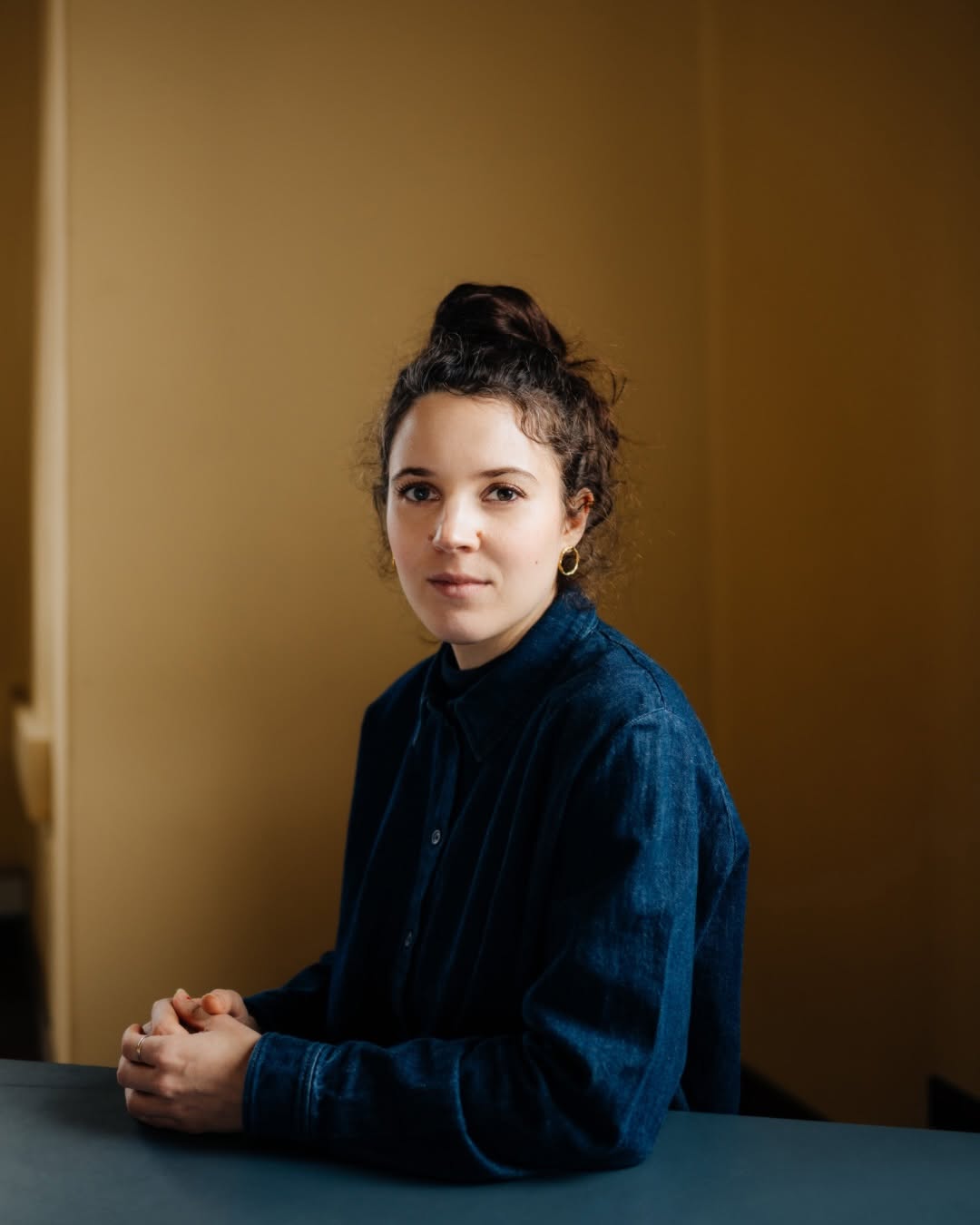
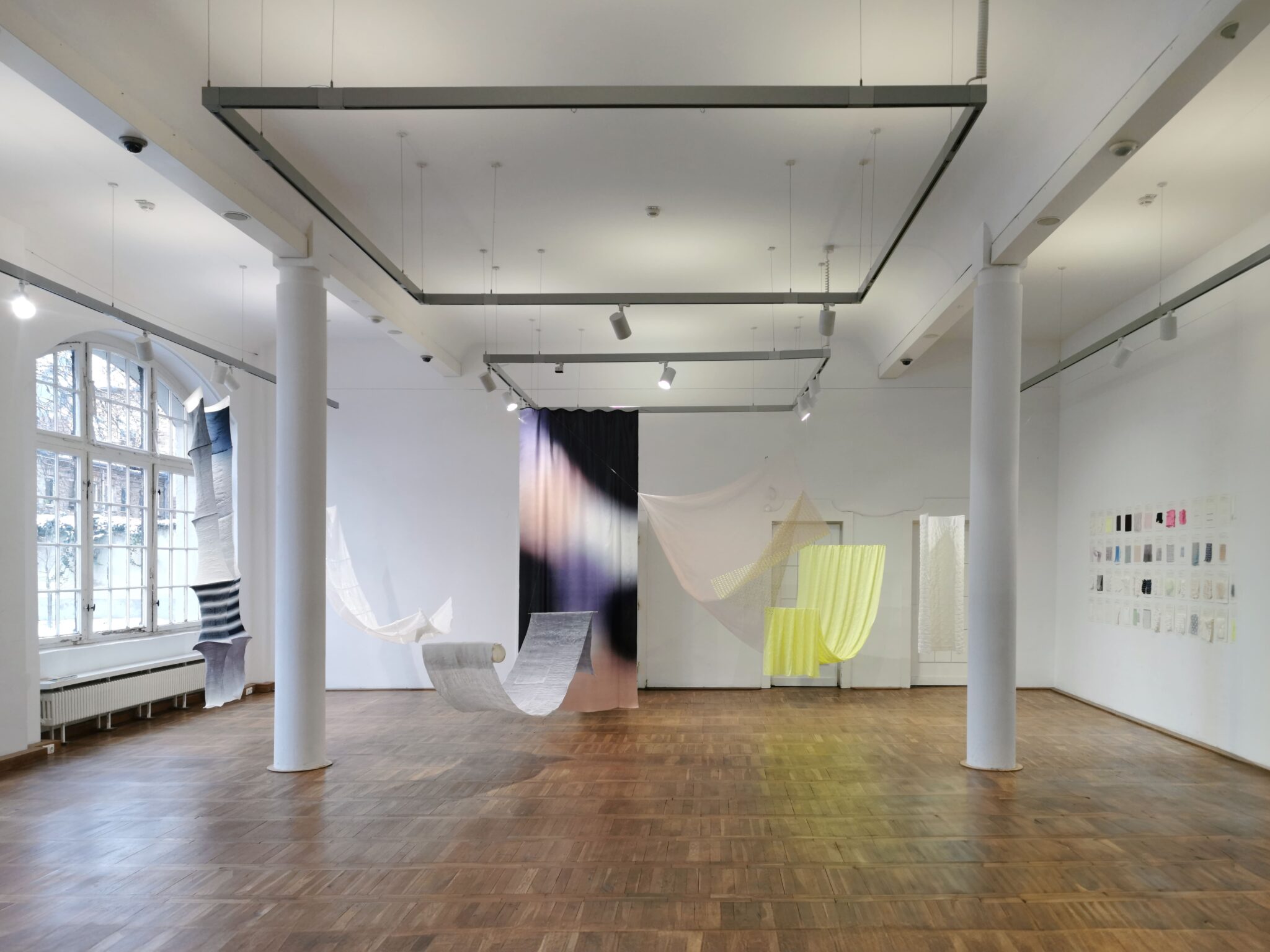
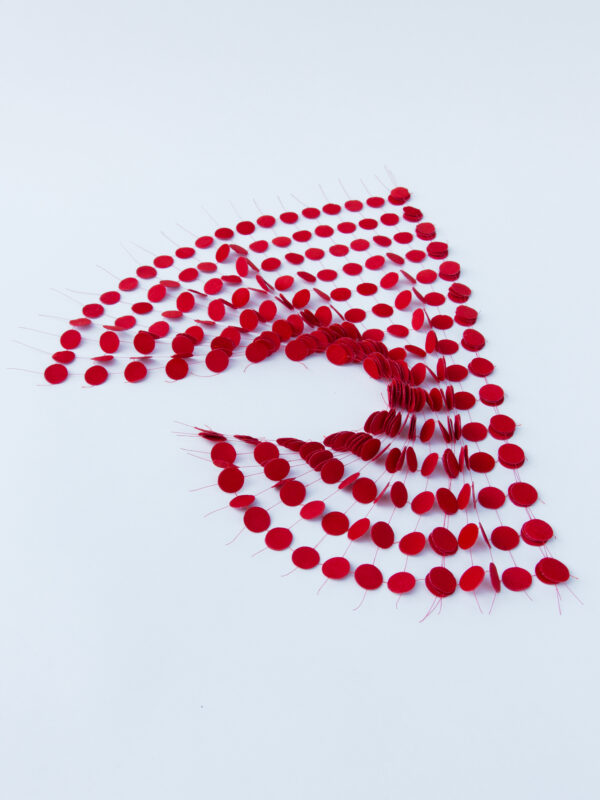
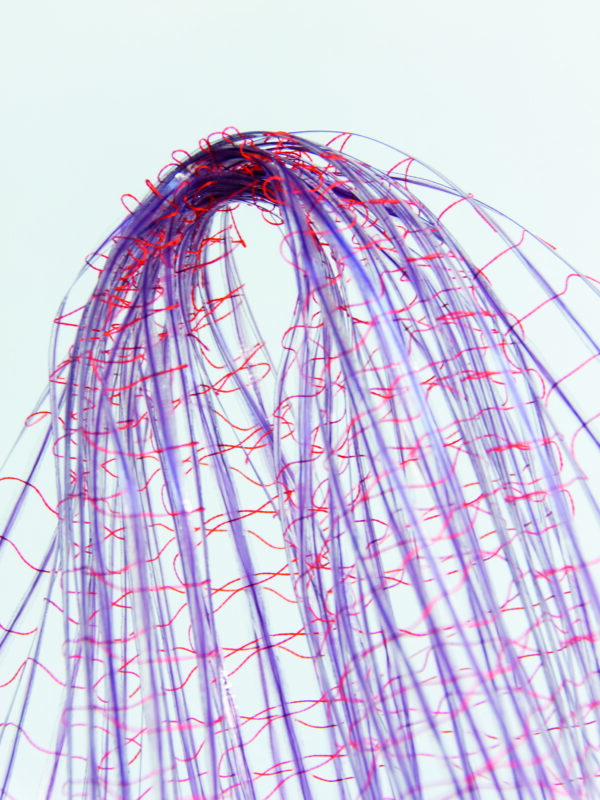
Magdalena Sophie Orland’s work explores the intersection of traditional textile techniques and contemporary interpretation, translating diverse cultural influences into new material and visual languages. Her practice combines embroidery, screen printing and experimental processes with unconventional materials, resulting in delicate yet conceptually strong textile works that often feel both precise and tactile.
Her research focuses on the role of textile design within broader social contexts, interdisciplinary collaboration and material analyses. Working between theory and making, she continuously expands the boundaries of textile practice, creating works that range from refined textile surfaces to more sculptural, experimental material studies.
© Courtesy of the artist
Which place do you currently call home and where do you work on your projects?
We live in an attic apartment in Leipzig that my husband and I renovated together with our landlord. What used to be a former laundry room has been transformed into a 110-square-metre home, built entirely from natural materials such as clay boards, clay plaster, chalk paint, and wooden floors. I’ve created a small workspace here as well, while my main studio is based in another part of the city.
Where is your studio located & how does it look?
I recently moved my studio into a rear courtyard building in Leipzig, in what was once a glass workshop. The space retains its raw, utilitarian character, and traces of its former craft are still visible in the walls and structure. I appreciate this sense of continuity—working in a place shaped by making.
My studio is defined by three large south-facing windows that span almost the entire width of the room, providing consistent natural light throughout the day—something essential for working with textiles and color. The space is structured around a large desk, a standing worktable, and open shelving that houses my materials as well as an archive of previous textile works.
© Courtesy of the artist
© Courtesy of the artist
Are there any projects that are personally important to you—whether recently completed or currently in progress?
Each project carries its own significance. Some remain short-term explorations, while others evolve into long-term investigations. Whether a project expands often depends on the context—a scholarship, a collaboration, or simply the momentum that emerges through experimentation. Much of this unfolds through a process of trial and error.
In general, my projects tend to result in material archives that I can return to and build upon in subsequent work. In that sense, a piece is rarely ever truly finished; it often becomes part of a larger, ongoing inquiry.
At the moment, I am working on a series of new experiments—not yet publicly presented—that explore the concepts of flotations and layered overlays within textile structures.
Another project that I’m working on is making yarn from stinging nettle—from harvesting the plant all the way through to spinning the fibre. It has been an incredibly valuable hands-on experience with a highly underestimated plant that grows almost everywhere around us. At the same time, the process is very labour-intensive and time-consuming, which really deepens your appreciation for the material.
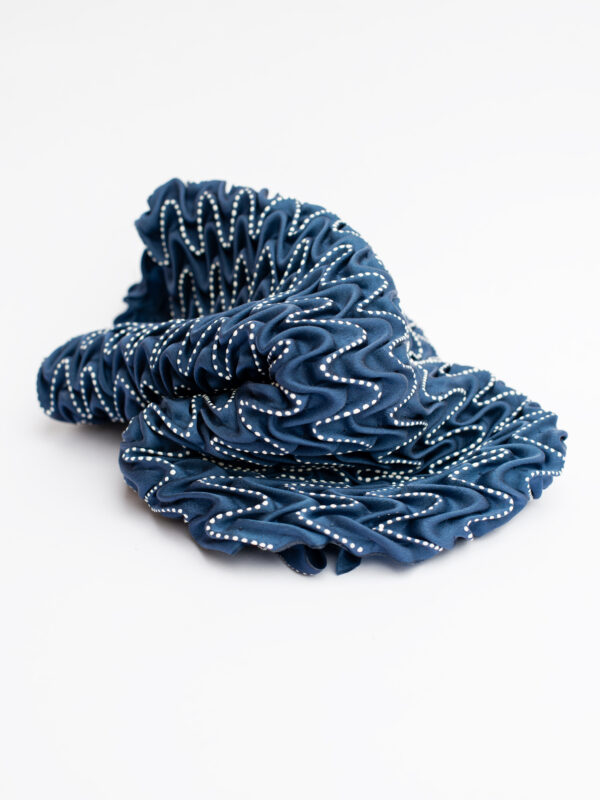
© Courtesy of the artist
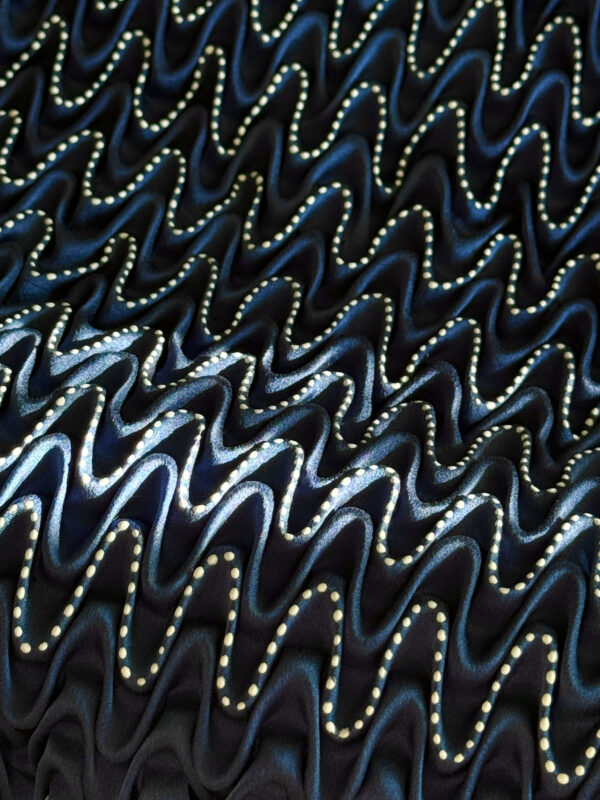
© Courtesy of the artist
Do you have a favourite place in your area where you like to relax and linger?
In summer, I love spending time in the park right next to where we live, as well as on our rooftop terrace. There are also two wonderful cafés nearby where I enjoy meeting friends: Café Trago and Café Bubu.
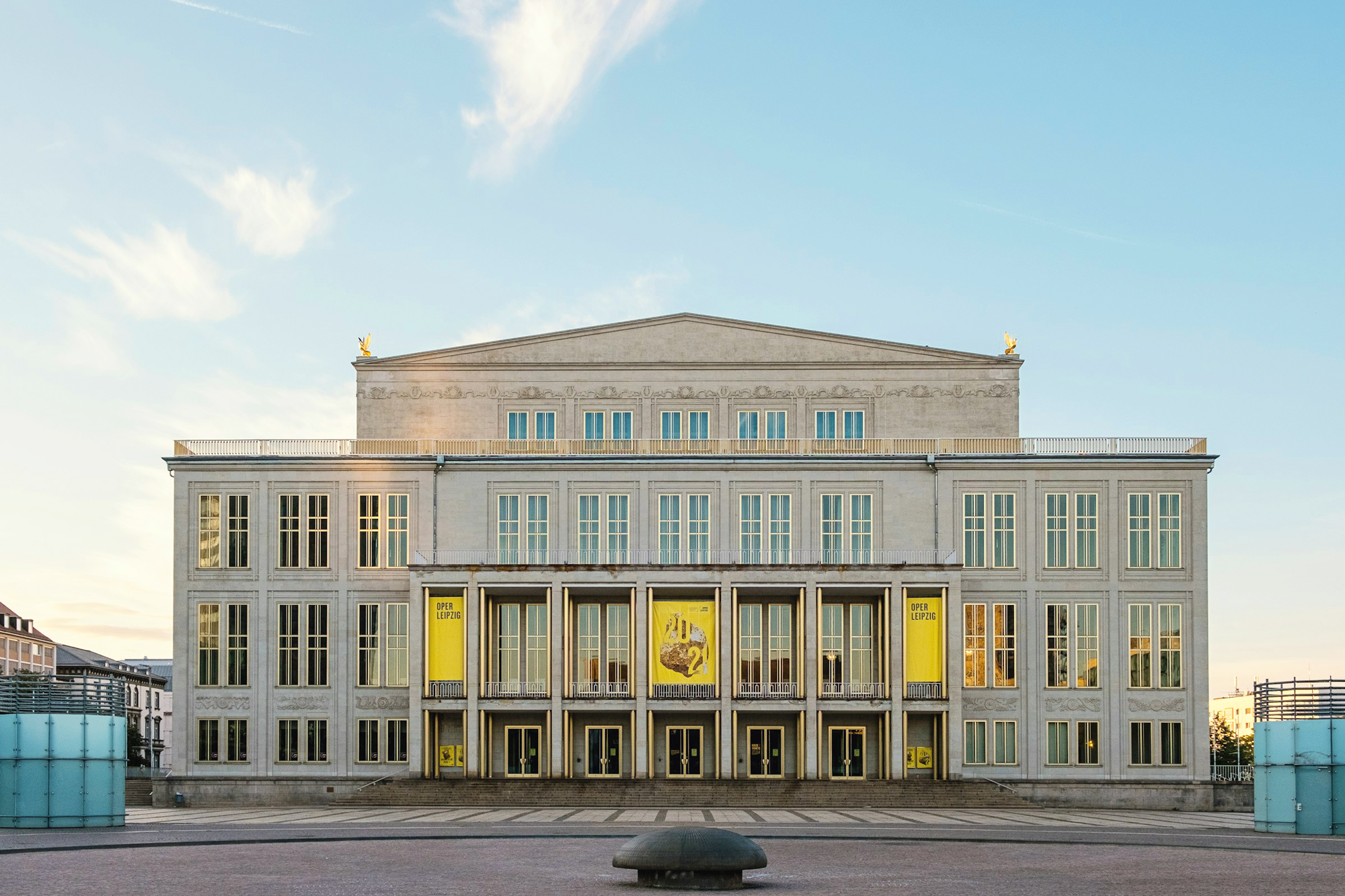
© Tobias Tullius on Unsplash
Are there any urgent political issues or problems in your region?
Compared to many other parts of the world, not at all. It’s heartbreaking to see in the media how many people are currently suffering. We are extremely privileged in Germany.
That said, the neighbourhood we live in is very diverse. Because of this, you also encounter different social realities locally—sometimes very different ones, which keeps you aware and grounded.
In your opinion, what has developed well in the last 5 years—and what has not?
Well: Over the past years, awareness around women’s rights and the gender pay gap has grown, even though there is still a long way to go.
On a personal level, becoming fully self-employed has been a huge step for me. Building my own working practice and being able to focus on meaningful and exciting research projects has been incredibly valuable.
Not so well: There have been widespread cuts in arts and cultural funding—even within educational institutions. I find this deeply concerning on many levels, and it honestly worries me about the future.
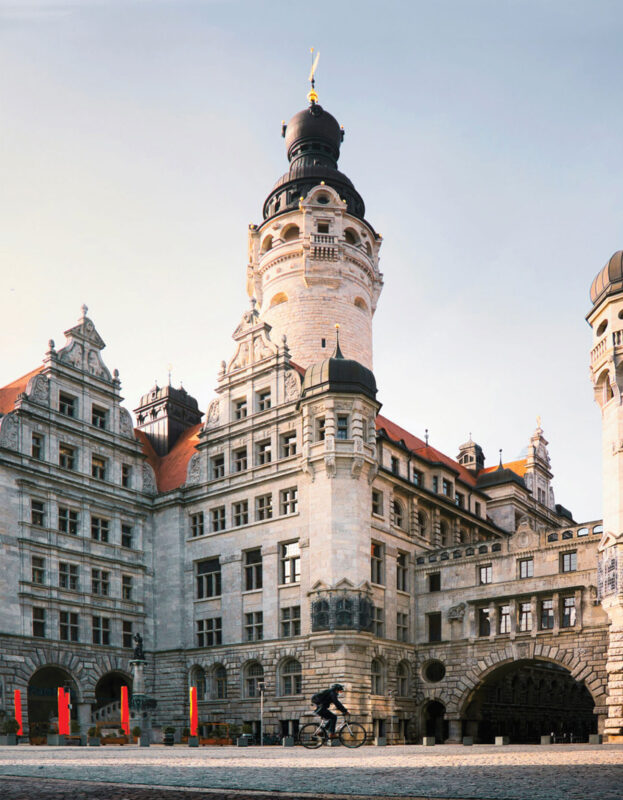
© F.A. Grafie on Unsplash
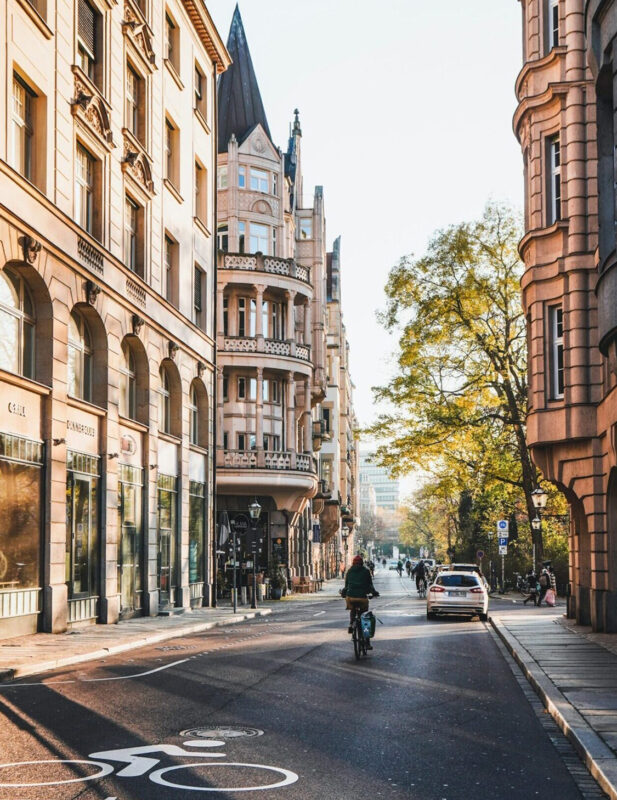
© Clara Pfister on Unsplash
Do you know a hidden gem when it comes to local manufacturers—whether it’s arts and crafts, sustainable products or food?
There are wonderful independent manufacturers in Leipzig, for example:
– Franziska Klee: handmade leather bags
– Anne Kaden: contemporary silver work
– Cathleen Kämpfe: fine jewellery
– Svetlica Candles: beautiful beeswax candles
– Schnuppe von Gwinner also created a wonderful craft city map that helps you discover many of these places.
– Places like Feinkost Leipzig or Spinnerei Leipzig are also great—although they are not really hidden gems anymore.
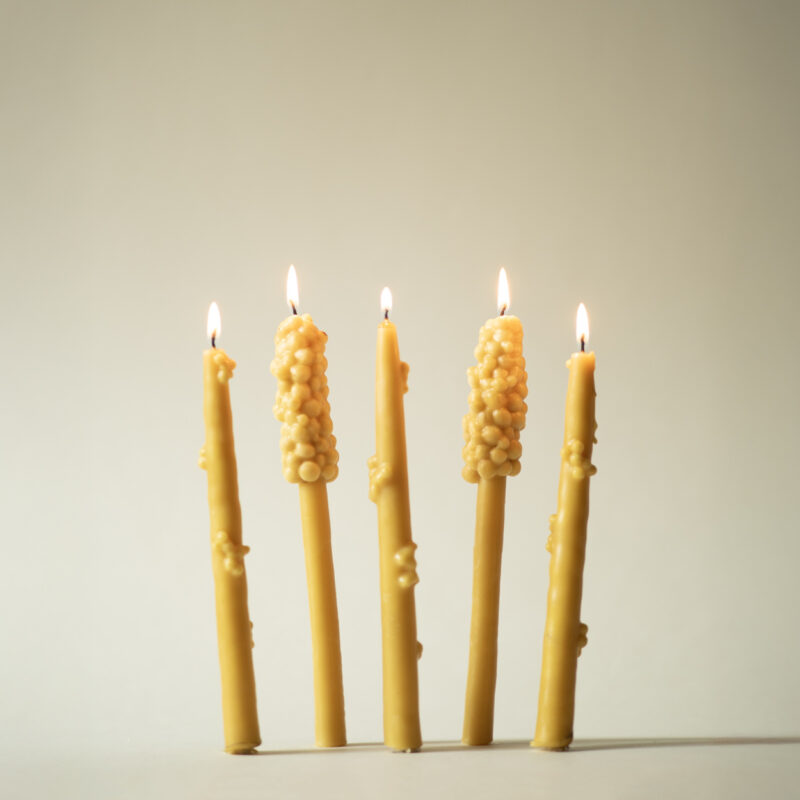
© Svetlica Candles
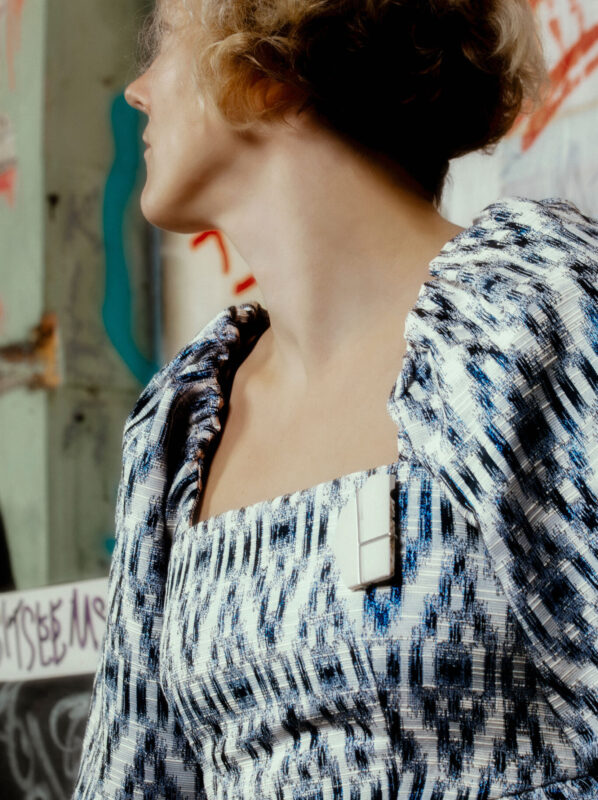
© Cathleen Kämpfe
Is there a local shop whose products are only available in your region?
There are regularly pop-up shops that present and sell local productions, but it’s difficult for them to survive long-term.
Unfortunately, many shops with unique and independent concepts are currently closing in Leipzig. I think growing online retail plays a big role—it’s often cheaper and more convenient. Many people might only realise the loss once city centres start to feel empty.
What are your 3 favourite apps that you use every day and couldn’t live without?
Do you have any favourite newspapers or online magazines? And how do you keep up to date with politics or social and cultural issues?
I often prefer news podcasts, because the facts are already well researched—for example Feel The News.
I also like Deutschland3000, which is an interview format but also discusses politics in depth.
I usually consume political news in a very conscious and limited way—I am aware that this is a privilege.
I also really enjoy more uplifting content, like newsletters from Herzundblut.
And of course textile magazines like Selvedge Magazine.
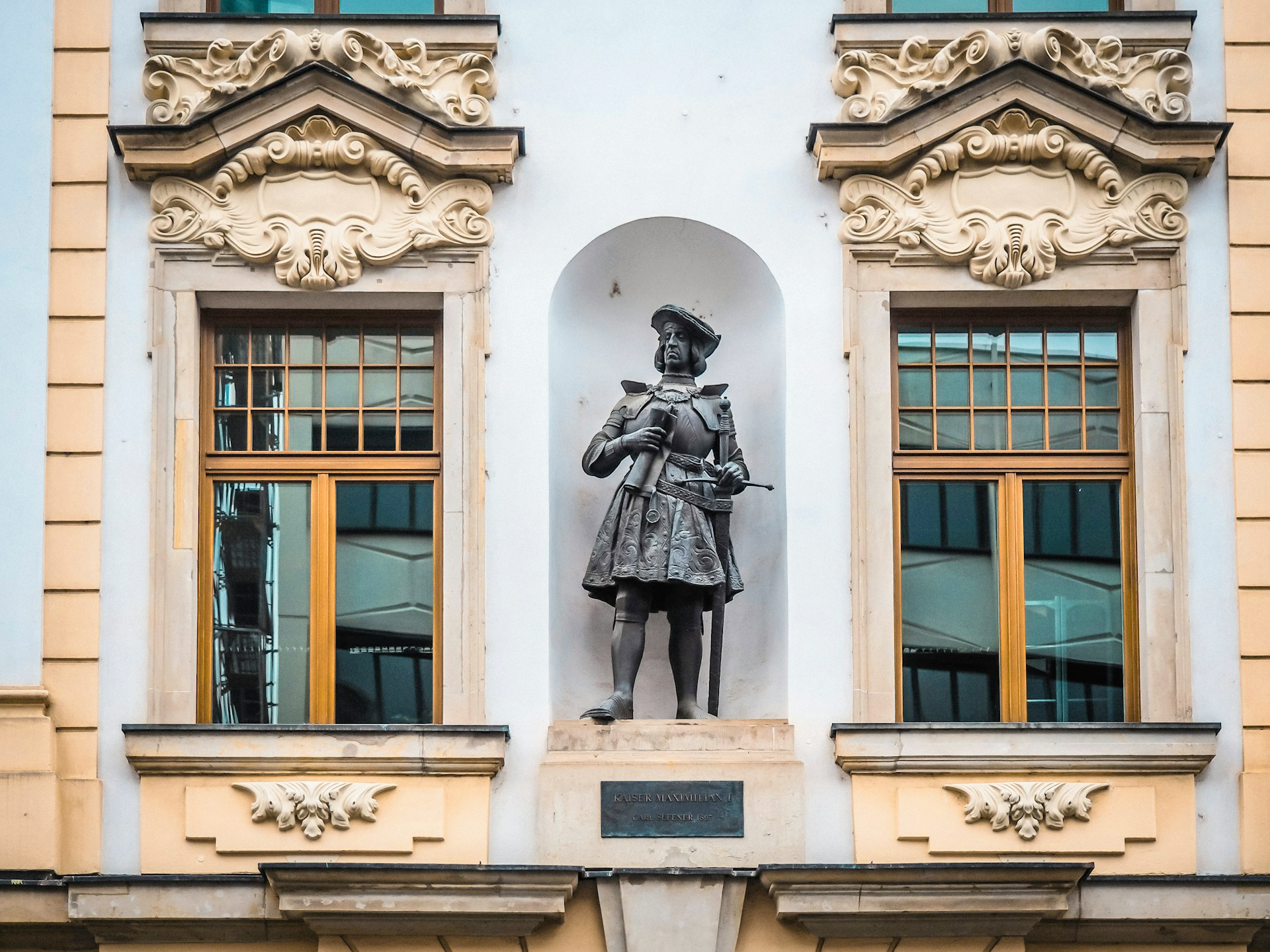
© Leipzig Tours on Unsplash
Imagine you could be mayor for a year—what would you change?
Honestly, I cannot imagine myself ever taking on a role like that. I could come up with many idealistic ideas, but they might have little to do with political reality.
That said, I would absolutely strengthen funding for arts and culture. Their importance is often underestimated and, in my opinion, not taken seriously enough.
One last question: If you could choose another place to live—regardless of financial or time constrains—which one would you choose?
Honestly, it probably wouldn’t be in a city.
I dream of living on a small farm close to a city—with a large garden and a workshop in the back building.


