

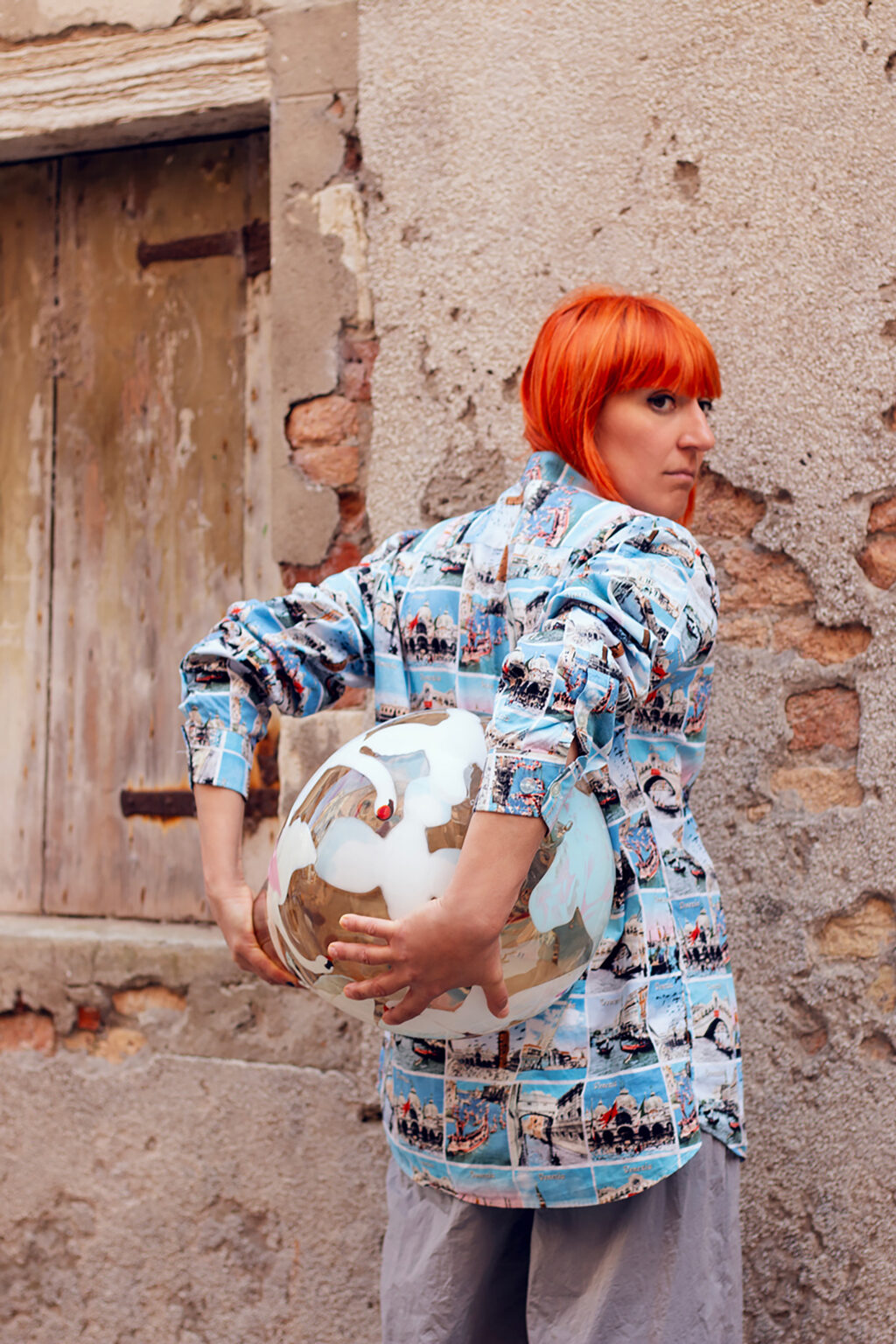
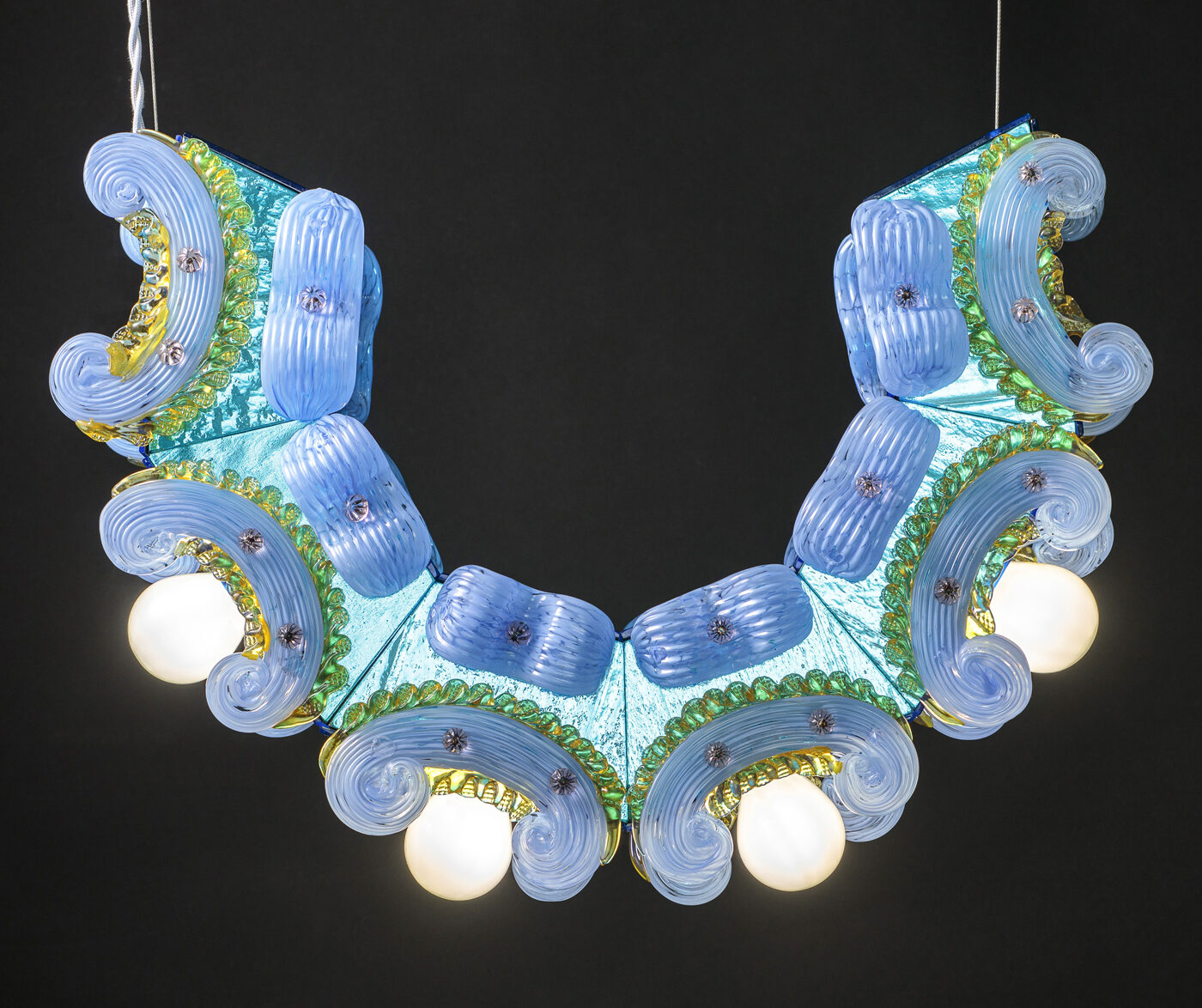
In Lucia Massari’s works, the boundaries between image and object, surface and structure become blurry. By embracing imperfections and surprises, she playfully questions conventions. Massari has a deep appreciation for traditional techniques, which she carefully combines with a spirit of experimentation and irony.
Subtle tensions and narratives are hidden in her works—everyday objects are transformed into multi-layered experiences with the help of local artisans. Massari’s works explore how colours and materials can carry memories and meanings—and carry complex stories within them.
© Francesco Allegretto
Which place do you currently call home and where do you work on your projects?
Venice is home. I was born and raised here, and even though at certain moments I felt the city was too small or limiting, I always ended up returning. Venice has a particular pull, a charm that quietly shapes everything I make. The light here is different.
The movements are different. Time moves differently. All of this shapes how I understand materials and how I work with them.
A big part of my practice takes place on the island of Murano, where the glass furnaces are. It’s only a ten-minute from my house, yet it feels like entering a completely different world: hotter, more physical, ancient. I move between the two constantly, and that rhythm has become essential to my process.
Where is your studio located & how does it look?
My studio is my home, or more precisely, I don’t have a fixed studio in the traditional sense. I work in a nomadic way, moving through the furnaces, workshops, and laboratories I collaborate with. I spend real time inside those places, observing, learning, sharing space with the people who work there every day.
This movement keeps my practice honest and grounded. Instead of designing at a distance, I stay in close contact with the tools, the gestures, and the material realities.

© Federico Floriani
Are there any projects that are personally important to you—whether recently completed or currently in progress?
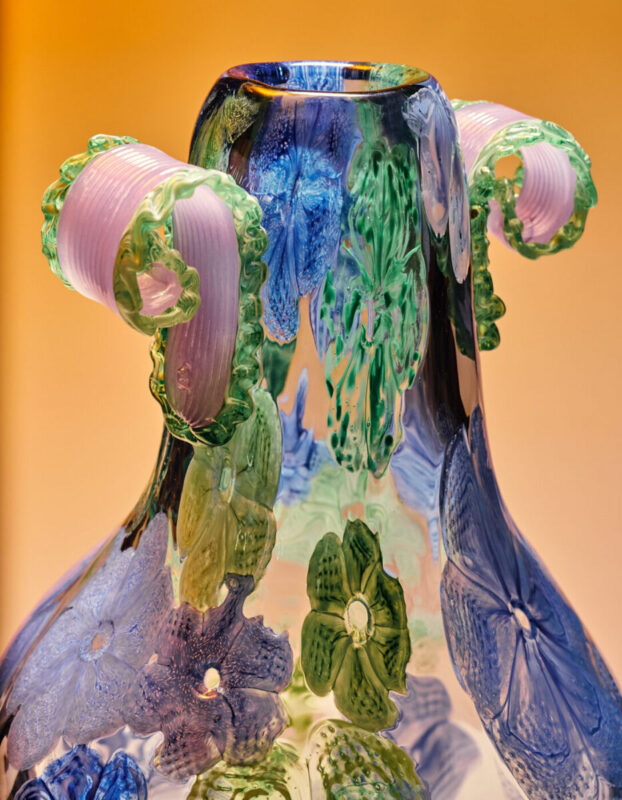
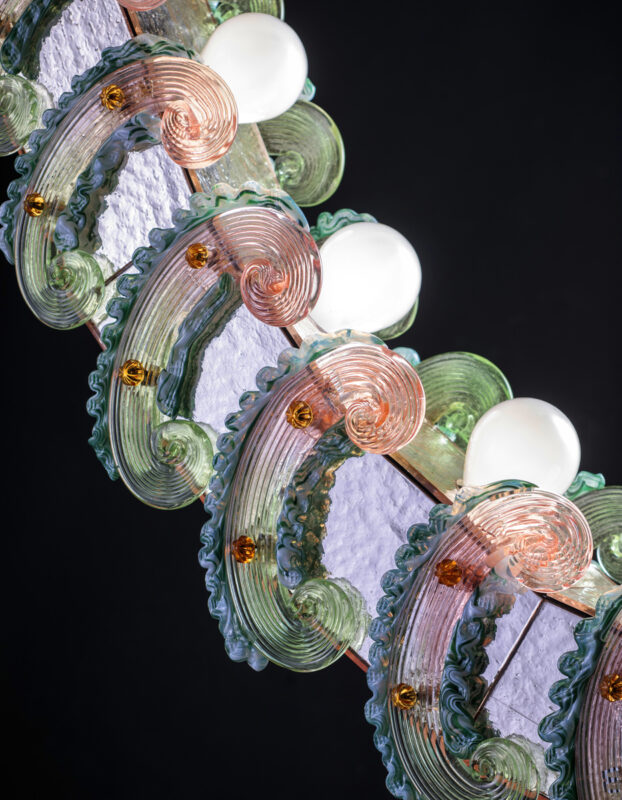
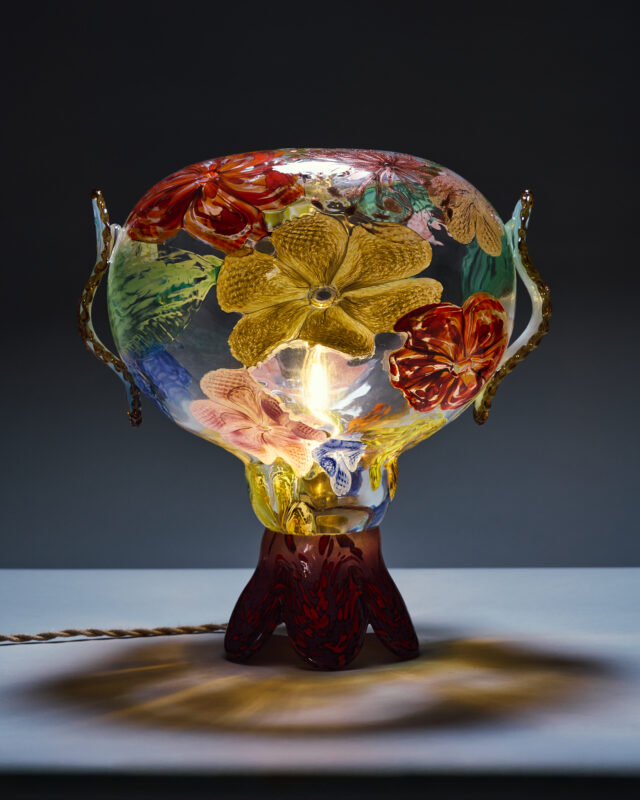
All my projects are important to me. Each one represents a step toward understanding a material more deeply, especially glass. I never fully feel that a project is “finished”, each piece becomes a starting point for further research. That continuity is what keeps me engaged, curious, and willing to push the material in new directions.
© Courtesy of the artist
© Francesco Allegretto
© Courtesy of the artist
Do you have a favorite place in your area where you like to relax and linger?
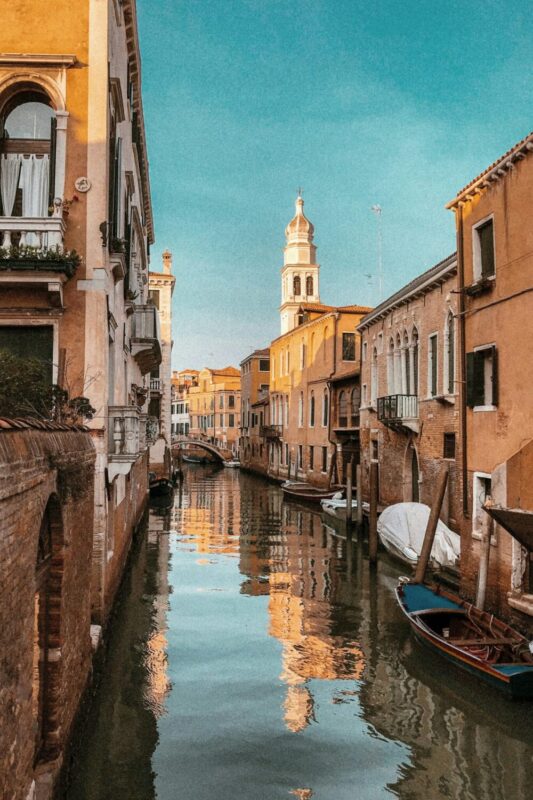
My favorite place is on our family boat. Moving through Venice by water allows me to escape the crowds and see the city from quieter, more intimate angles. It’s the space where I can breathe and reconnect with the Venice that locals know, not the one shaped by mass tourism. In many ways, the boat is what allows me to survive the contradictions of this city.

© kallerna, Rialto 2025 4, Adjusted colours, CC BY-SA 4.0
Are there any urgent political issues or problems in your region?
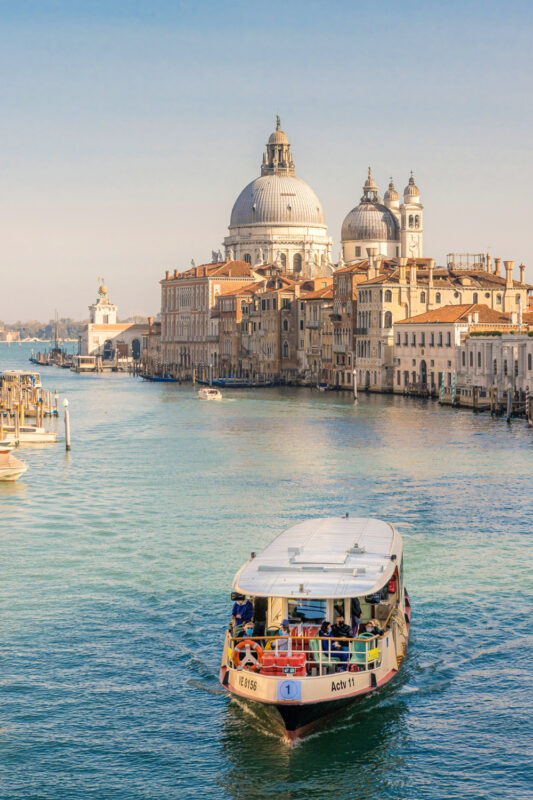
Venice is going through a very fragile moment. The balance between everyday life and mass tourism has become extremely delicate. Tourism shapes the rhythms of the city in ways that often make living here difficult, from housing to infrastructure to the survival of traditional crafts.
It’s a political issue, a cultural issue, and also a deeply emotional one for those of us who try to keep living and working here.
Is there anything particularly innovative in your region? Also in comparison to other places you have already visited?
Venice is not known for rapid or technological innovation, but a different kind of innovation is happening here: a renewed awareness and reinterpretation of traditional craft. In the last few years, I’ve seen more young designers and artisans trying to rebuild and strengthen the ecosystem around Murano’s glass tradition.
© Venice Tourism Office
© Photo: Alen Rojnić on Unsplash
In your opinion, what has developed well in the last 5 years—and what has not?
What has not developed well is the city’s capacity to support everyday life for residents. The pressures from tourism continue to rise, and political decisions often fail to address the needs of those who choose to stay and work here.
Do you know a hidden gem when it comes to local manufacturers, whether it’s arts and crafts, sustainable products or food?
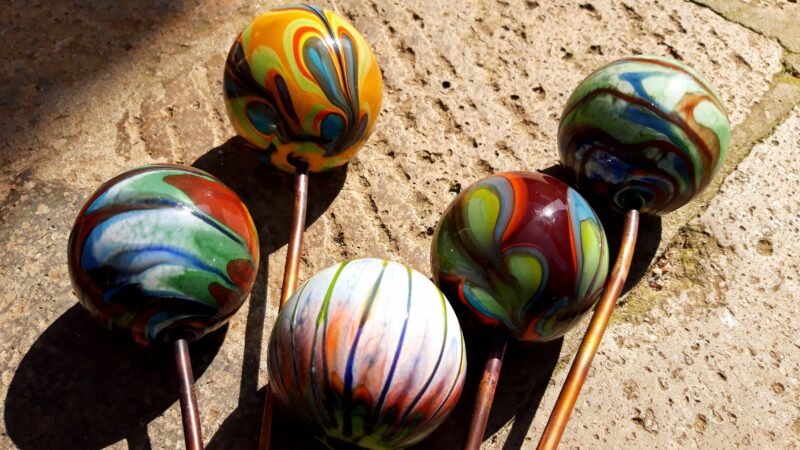
In recent years ,and even earlier,many foreign creatives have chosen to settle in Venice to work with glass. Their backgrounds and artistic languages intertwine beautifully with traditional Venetian techniques, bringing new energy and perspectives to Murano.
To name just two:
– Collection Muranero, an African glass master whose work brings a completely different cultural vocabulary into dialogue with Venetian craftsmanship.
– huangxiaozhe_studio, from Beijing, who merges contemporary sensibilities with traditional Murano techniques in a very distinctive way.
These are not “hidden gems” in the classic sense, but they are precious contributions that keep the island dynamic and alive.

© Collection Muranero
© Collection Muranero
What are your 3 favourite apps that you use every day and couldn’t live without?
I use Instagram a lot for work and WhatsApp for communication. But I don’t like to imagine that I couldn’t live without them. They’re tools, not necessities.
Do you have a secret restaurant tip that you would like to share with us?
There are many excellent restaurants in Venice, but I prefer to share something more unique and seasonal: the Sagra del Carciofo Violetto, held on the second Sunday of May on the island of Sant’Erasmo.
It’s a local festival celebrating the violet artichoke, an autochthonous product deeply tied to the identity of the lagoon. During the event you can taste handmade dishes prepared by the community. It’s simple, authentic, and a way to experience Venice through its agriculture, its food, and it’s gentler rhythms.

© Photo: Claudio Schwarz, Unsplash
Is there a local shop whose products are only available in your region?
Yes, IDEA Murano. It’s a warehouse filled with treasures from old, dismissed furnaces: leftover components, and forgotten materials that tell the story of Murano in a very physical way. It’s completely unique to this place.
One last question: If you could choose another place to live—regardless of financial or time constrains—which one would you choose?
I love big cities, and I’m drawn to strong contrasts. I’ve often thought about leaving Venice, especially during moments when living here felt almost unbearable. It’s a complicated city, beautiful, fragile, and difficult.
Yet choosing another place is not easy. Venice’s uniqueness makes it hard to compare it to anywhere else. Even if I imagine myself in a big city, with more space and energy, I know there is something about Venice that I would always miss. It shapes the way I see and work, and that connection is hard to replace.

