

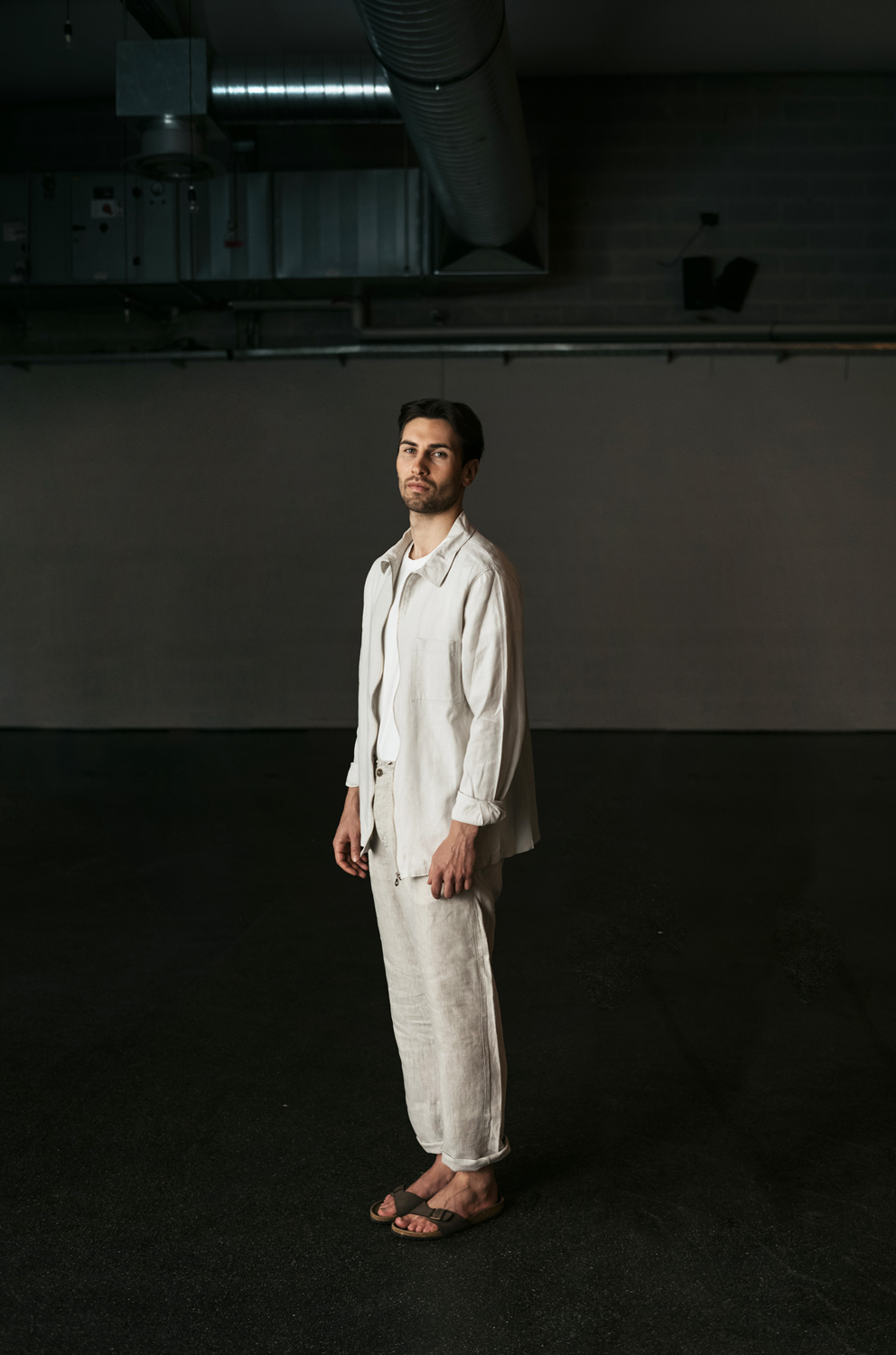
A choreography of places, materials and lived experiences—that is what architecture means to Fabian Tobias Reiner. For him, wood, water and light carry stories that tell us more about the world, places and people. In his Zurich studio by the river and his office in Bregenz, Reiner also writes texts of various kinds, which also helps him in his design practice.
© Courtesy of the artist
Which place do you currently call home and where do you work on your projects?
Currently, I am based in Zurich and Bregenz. These are the places where I spend most of my time crafting, executing, and installing my work. However, I have to admit that I’m travelling to hear my partner sing—she is educated as a classical singer—open a space of mind that I consider an additional home. Her performances, no matter what ensamble she sings in, bring me to places I have never thought of, and to surroundings where I can reflect on my thoughts.
Where is your studio located & how does it look?
In Zurich, I have a tiny atelier connected to our apartment with a big window front towards a semi-busy street. It allows me to test and portray works of my own. In Bregenz, I work in an open office space with a beautiful view over train tracks, Lake Constance, and along what is called the ‚cultural mile’, with its architectural gems of Kunsthaus Bregenz and vorarlberg museum. In Zurich, I am in close proximity to the river Limmat, which is vital for breaks. In Bregenz, my office is in the middle of the city, offering more formal meetings to be done.

© Myrtle Weddings
Are there any projects that are personally important to you—whether recently completed or currently in progress?

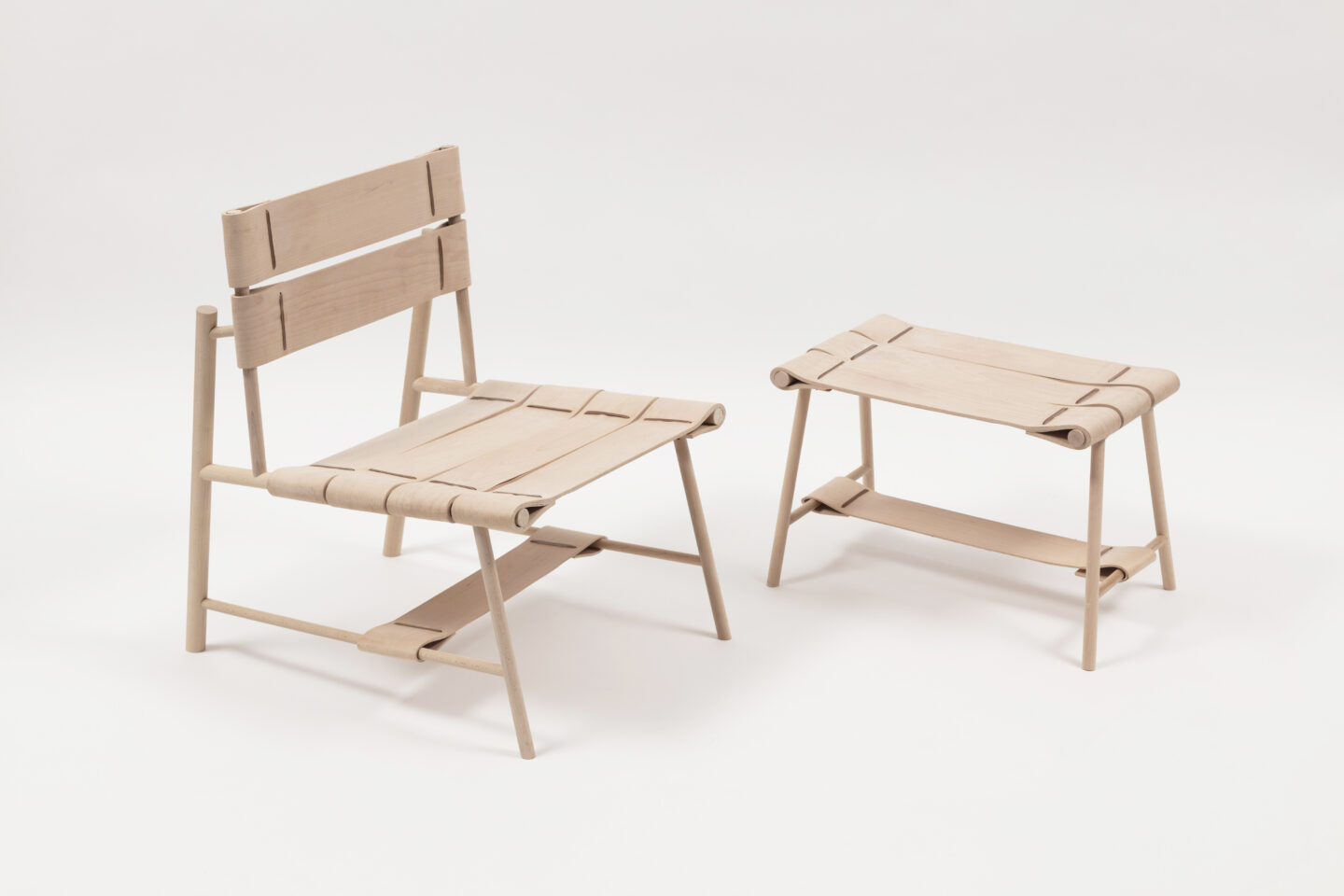
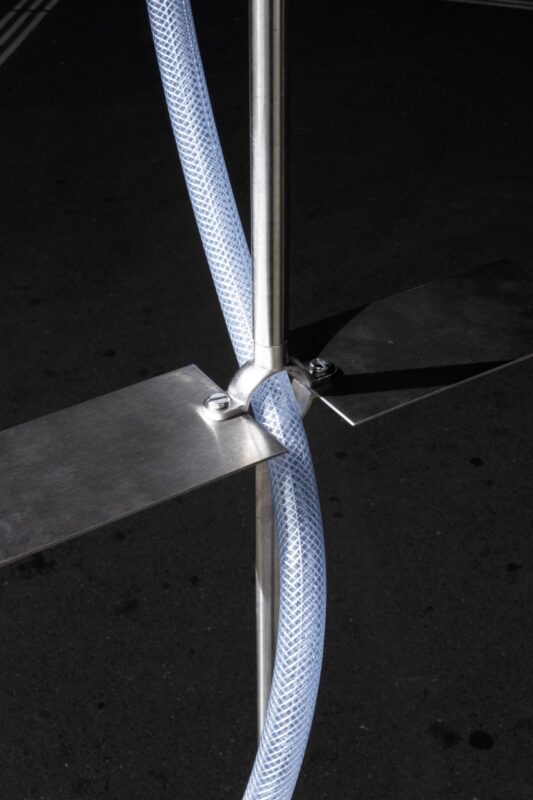
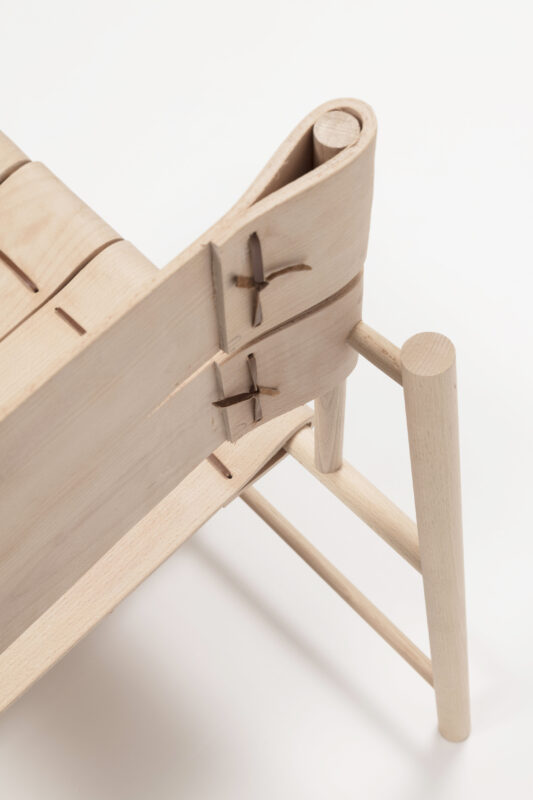
I rate pretty much all of my works equally important. It does not depend on whether it is about crafting, designing, writing, staging, or teaching. However, I have to stay disciplined to focus on what’s really relevant in the different projects. For example, for the “Flamingo Shower”, my project partner Maximilian David Graber and I asked ourselves what elements an easily demountable garden shower must consist of. We, then, elaborated a conscious expression for water-movement. Another installation that I am proud of and was able to work on with fantastic friends is “Runway Rain”. The rooftop terrace of a semi-public swimming pool in Lausanne was furnished temporarily with an automatic irrigation system and bags of earth to cultivate vegetables. We blurred the lines of productivity in the city and leisure along the shorefront, open to the public to participate. Part of the installation was a dinner-performance, where we ate the produce from the site. A third work that I recently finished is the dinner staging for my own wedding, where we crowded an empty helicopter hangar, placed a huge inflatable mirror-sphere, positioned a curvilinear-wandering table—where all our 120 guests could be seated at—, hung artificial spheres made of branches and moss-tendrils, and lit an orange-red light at the end of the night to demonstrate the fading day. Although just being a tiny part of my personal projects, they all contribute to my thinking and understanding of the world of design.
© Courtesy of the artist
© Courtesy of the artist
Do you have a favorite place in your area where you like to relax and linger?
In Zurich, I relax most often along the river Limmat. It is just on the other side of the house, where my atelier is in, and a couple of hundred meters from this place is the second highest building in Zurich: a Corn-Silo. Its nakedness is a stark contrast to the posh image Zurich is often perceived as having. Lingering there is a serene event. In Bregenz, my favorite spot is the Kunsthaus Bregenz. It is the place where inspiration is guaranteed. Its exhibitions belong to the most exciting I know. No matter what season we face, its atmosphere is always transported nonchalantly into the interiors. A third place that allows me to disconnect is the alpine region of Arlberg. In winter, skiing and a subsequent bath restores my energy-level and ease with the world, always!
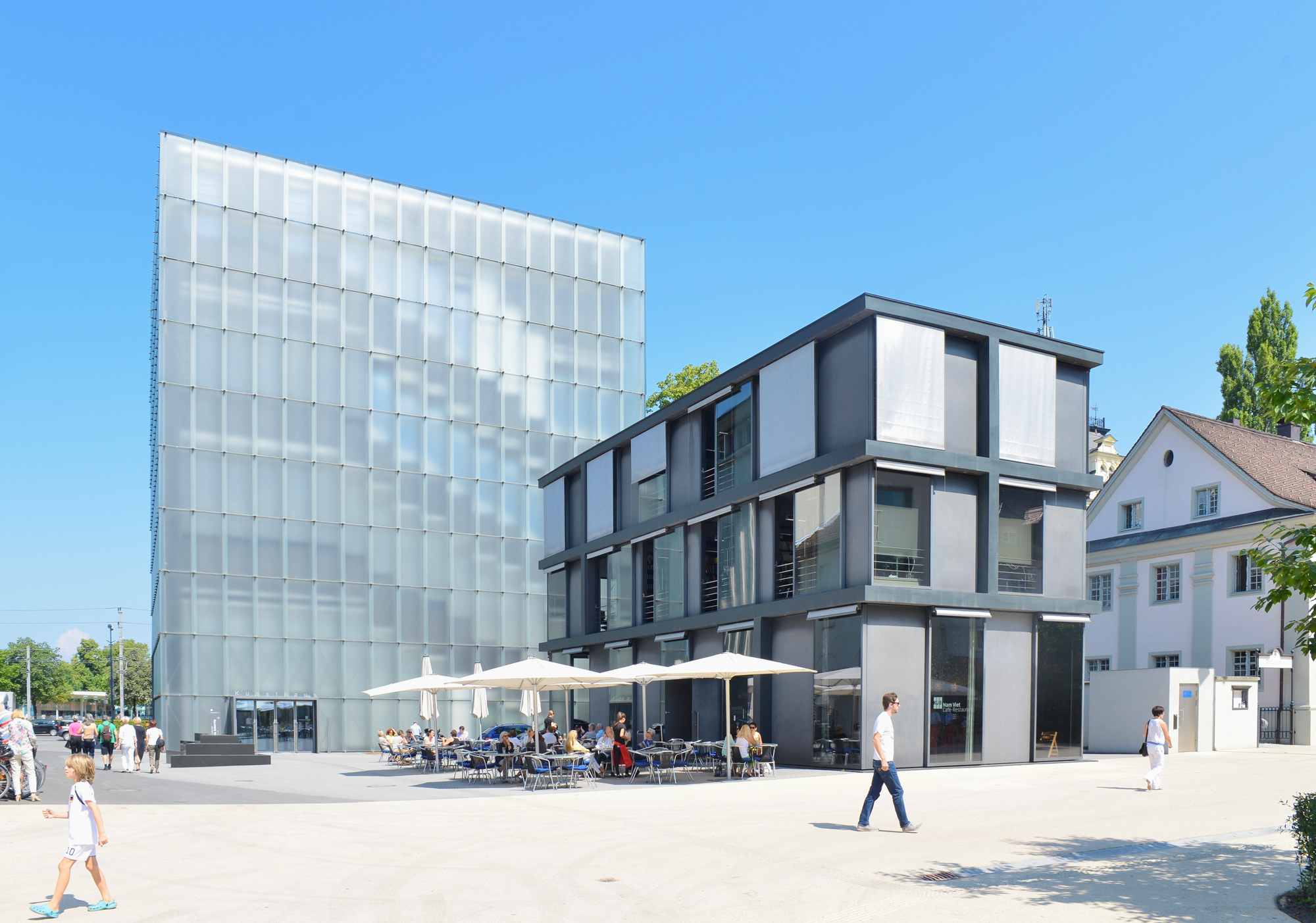
© Böhringer Friedrich, Kornmarktstraße 3 Kunsthaus, 1, adjusted colours & perspective, CC BY-SA 3.0 AT
Are there any urgent political issues or problems in your region?
Of course, one could name several political tensions, even in the most western part of Austria, or the heart of Switzerland. However, these conflicts are nothing compared to what’s happening in the rest of the world!
In your opinion, what has developed well in the last 5 years—and what has not?
I’d lie if I would say I know things that developed well or not in the last five years. Personally, seeing how my life has changed in the last five years is thrilling, and within this, some things definitely improved, while others are ever harder to be kept up with. However, this is heavily tied to the professional and personal position I am in now, and therefore, a bit more losely tied to general advances of society. Graduating five years ago, and starting self-employment has turned out not to be an easy feat. Yet, I could not imagine not fighting for the culture of designing and building. All the heavy politics of life, I try to tackle as good as I can within my work, including as many people as I can, and having a say in environments that I really understand.
© Photo: Marcus Ganahl, Unsplash
© Andreas Praefcke, Bregenz Deuringschlössle 01, colours & perspective, CC BY 3.0
Do you know a hidden gem when it comes to local manufacturers—whether it’s arts and crafts, sustainable products or food?
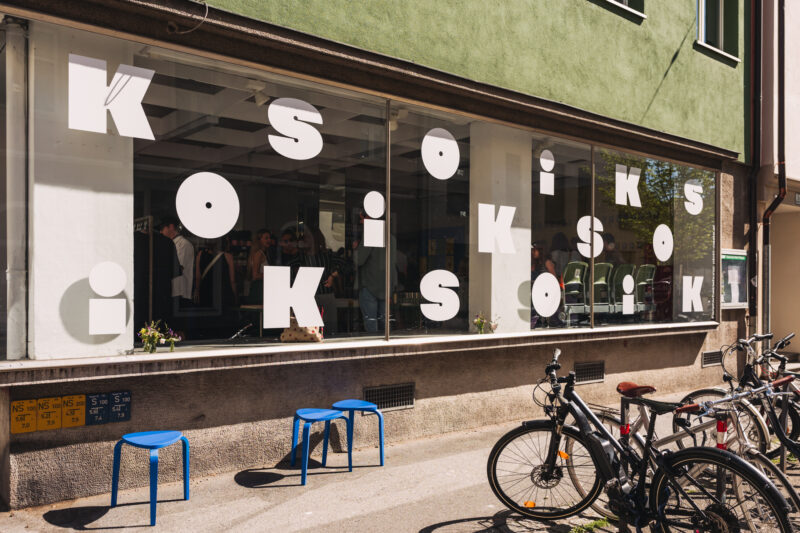
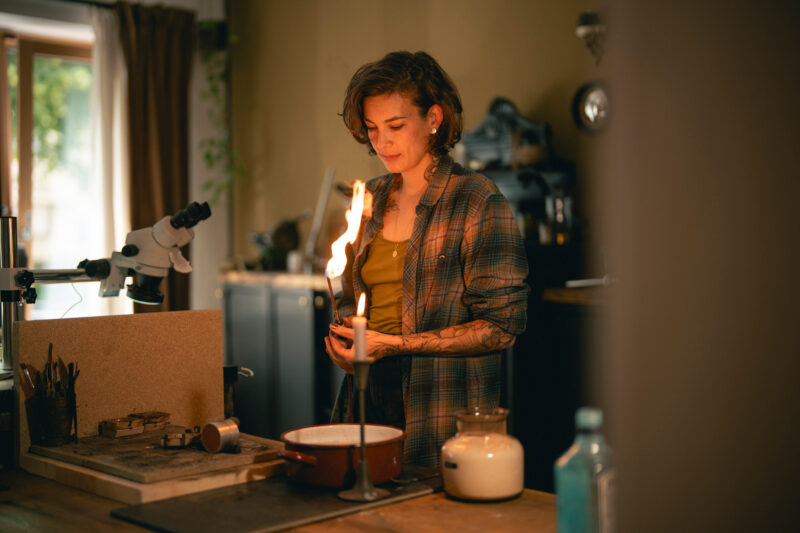
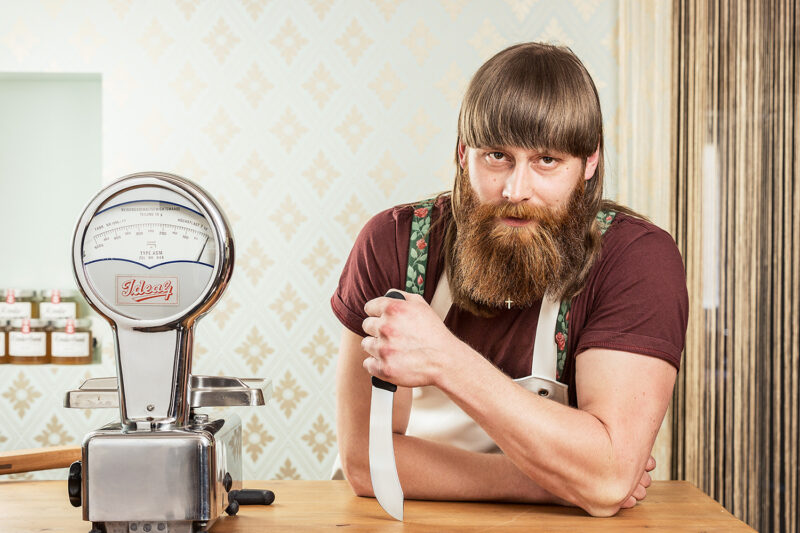
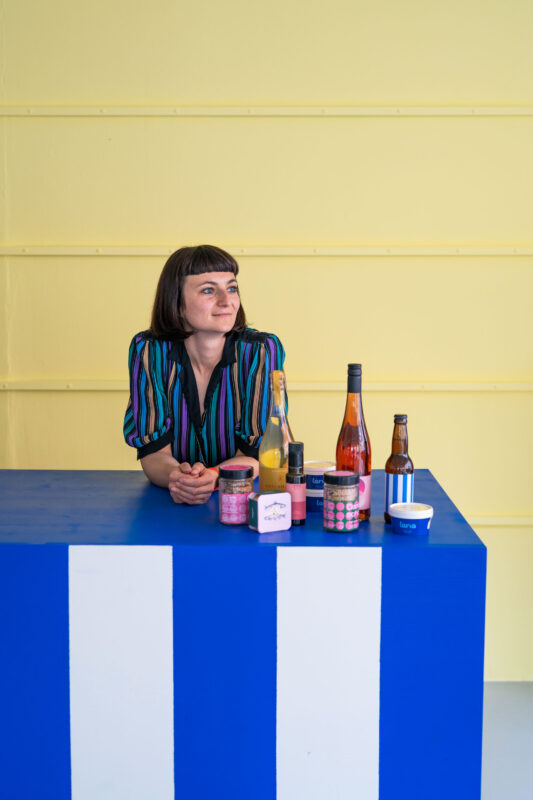
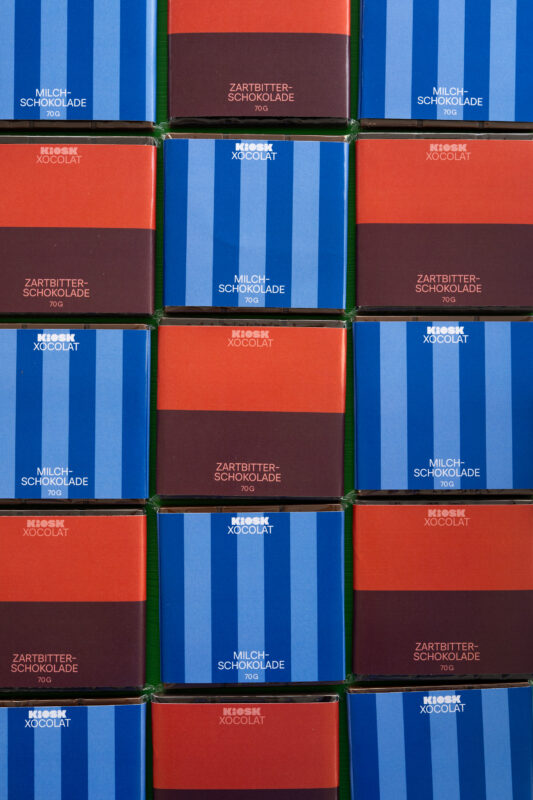
Yes, I do! In fact, I am always amazed when people or institutions show their personalities through their work, whether it is through a piece of design, a work of art, the craft of a space, or the creation of an event. Especially in Bregenz and the region of Vorarlberg, it is exciting to have places and people like Werkraum Andelsbuch a platform with exhibitions for the local crafts, KIOSK a temporary kiosk in Bregenz this summer run by Brini Fetz from hej studio, Schmuckelster a fine jewelry, hand-crafted store, Der Jogi a mindful butcher shop, Magazin 4, and CampusVäre. The last two are both centres for innovation, creativity, culture, and arts in a former industrial area.
© A. Lamprecht
© Schmuckelster
© Der Jogi
Is there anything particularly innovative in your region? Also in comparison to other places you have already visited?
Definitely the precision in craft and technique. Bregenzerwald is known well beyond the region for pushing the boundaries of design and building with natural resources, especially wood. However, clay starts to be at the forefront too, with a new workshop by the architect and rammed earth specialist Martin Rauch in the tiny town of Schlins. Vorarlberg, in general, is also home to one of the most renowned companies for lighting solutions, Zumtobel, and cable cars, Doppelmayr. Compared to the size of the county, with a bit more than 400.000 citizens, I consider this as quite remarkable.
Do you have a secret restaurant tip that you would like to share with us?
It would be Weiss in the city of Bregenz, but it closed at the end of last year! The young chefs provided exquisite, seasonal food, derived from their exceptional careers in the kitchen abroad. Considering their closing, it is worth following the two for their future projects! On another note, if you are generally interested in cultural food events, it is worth to check out hej studio and Studio Ponier—two food concept studios responsible for plenty of exciting, artistic culinary events in the region. If you prefer traditional fare in its low-key, authentic surroundings, I can also recommend Brauereigasthaus Reiner, close to Bregenz. Tied to my family history, it has a special place in my heart, and I simply cannot resist their beer.
© Studio Ingeborg
© hejstudio
Is there a local shop whose products are only available in your region?
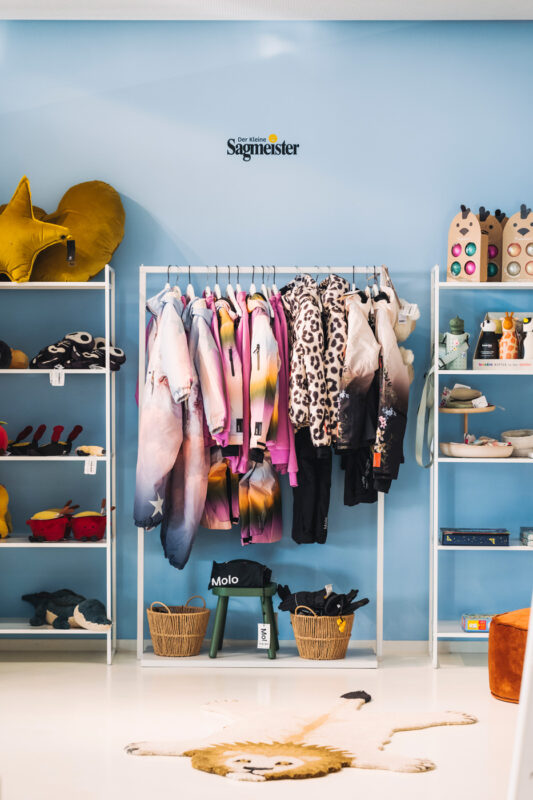
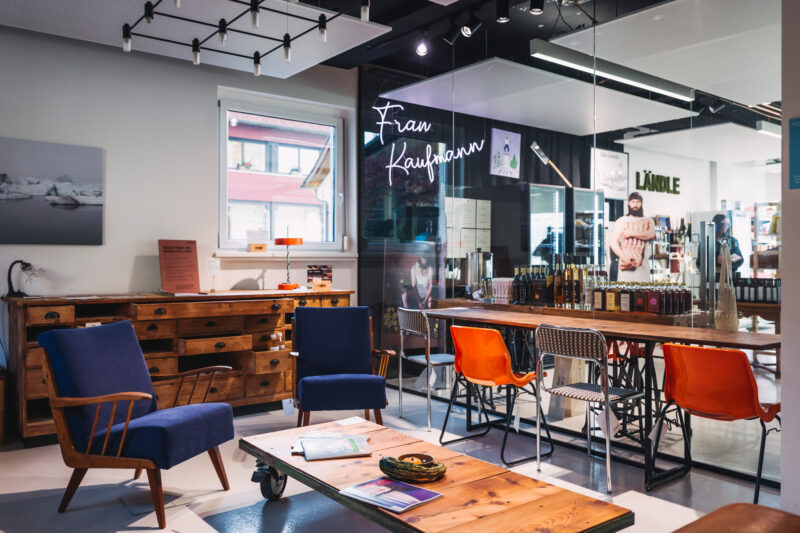
At the moment, this is Aquarium in Bregenz, a temporary space at the lakefront, filled with products and the work of manufacturers of local importance. The pop-up store is constantly changing its product range and therefore remains exciting. We’ll see how it will evolve.
© A. Lamprecht
© A. Lamprecht
What are your 3 favourite apps that you use every day and couldn’t live without?
The Timer, Safari, and Calendar. With these, I set the starting point for my days, check the most urgent to-dos for the day and week, plan my time, and ensure to inform myself online about things that are relevant. I, of course, also use other apps. Yet, I hope to channel the usage of my smart-phone to the more meaningful activitites anyway in the future.
Do you have any favourite newspapers or online magazines? And how do you keep up to date with politics or social and cultural issues?
My favorite newspaper is the NZZ. Their lengthy, well-informed, and properly nuanced articles force me not to swipe through relevant news, as it would be just some sort of trivial information. The NZZ is also the place I am up to date with politics or social issues. News on culture, design and architecture I follow on Instagram, Divisare and IGNANT.
© Photo: Wolfgang Weiser, Unsplash
Imagine you could be mayor for a year—what would you change?
In Bregenz, it is easy: Offering workshops and longer educational stays to young artistic and culture-driven people between 18-26. Lacking higher education in the capital of Vorarlberg, the most adventurous and daring forces to constantly question the status quo, and, therefore, also to propose critical actions, are missing. In Zurich, it is more difficult. Plenty of things blossom—the younger generations find their spot. Intelligent creatives are present in abundance. However, one of the real downside for young creatives are the high rents and the exceptionally high costs of living. But maybe, as a mayor for one year, I could offer unused spaces for cultural programmes and 1:1 design prototypes to creatives without fees.
One last question: If you could choose another place to live—regardless of financial or time constrains—which one would you choose?
I would have said Copenhagen for a while—as I lived there in my mid-20s and never felt more at home anywhere. However, inner voices tell me that this is not the case anymore, so I will keep my eyes and heart open. Vague feelings tell me, it is either culturally very far from what I am used to now—with a language that is new to me—or exactly, where I am, at the brink of Austria and Switzerland, always on the hunt for unknown but close places, revealed by travelling and looking closely. After all, it might not be about a place, but places. I want to see and understand the world.


