


Evalie Wagner’s work moves between poetry and conceptual art, combining botanical knowledge with aesthetic sensibility and artisanal skill. Rooted in ecology and a careful attention to place, her compositions unfold as quiet but powerful metaphors: atmospheric narratives that respond to their location and open up new ways of perceiving coexistence and our relationship with our surroundings. She describes herself as an avant-gardist—cultivating spaces where artistic vision, design sensibility and the living world gently merge.
© Maximilian Haidacher
Which place do you currently call home and where do you work on your projects?
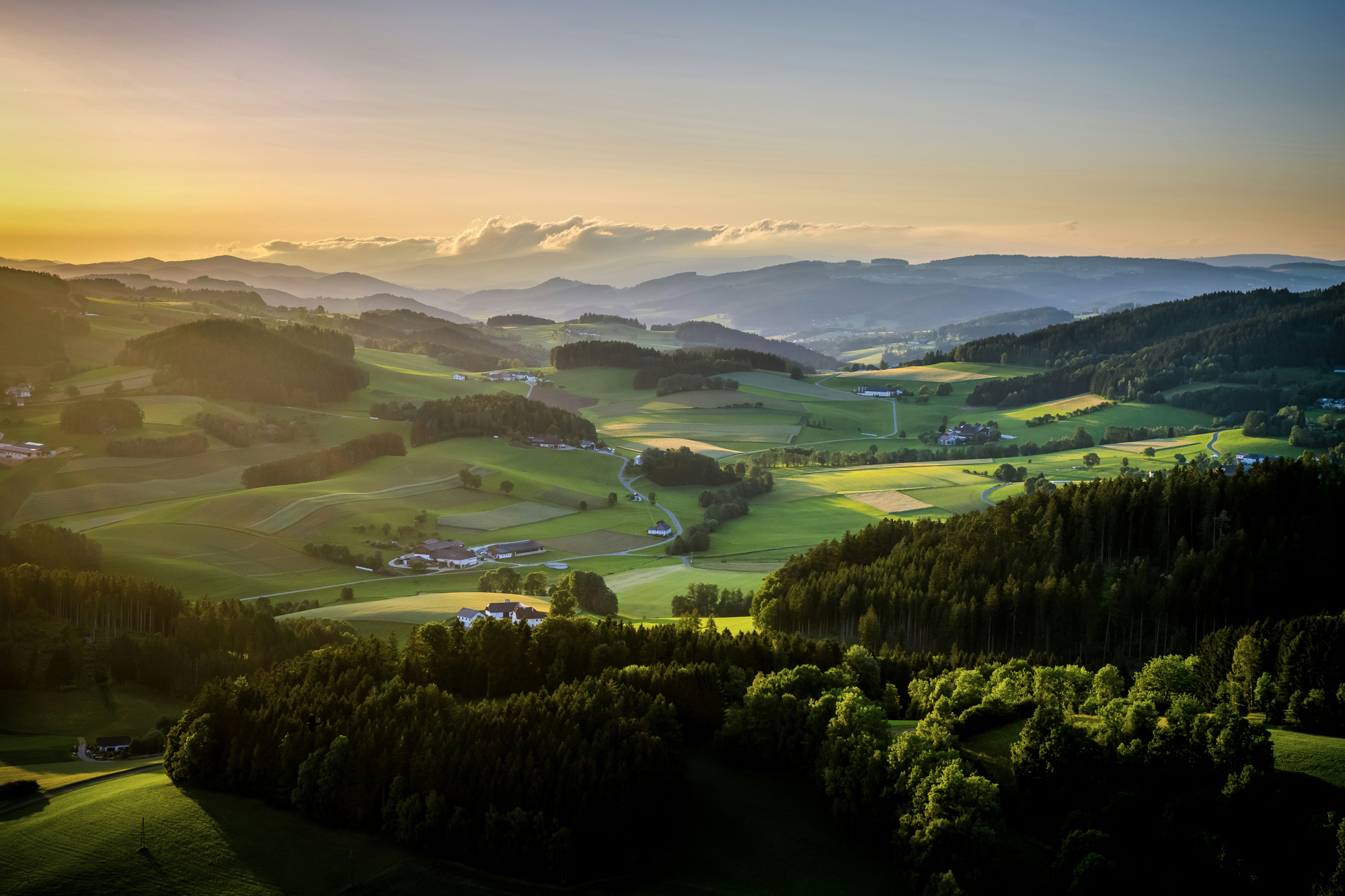
My home is a small village between forests and fields in Upper Austria. I live and work on the farm where I grew up—a place where the rhythm of nature is always present, where seasons, light, and weather shape the days. My projects often begin here, in close dialogue with the surrounding landscape, yet my thoughts frequently wander elsewhere. My studio is part laboratory, part garden, part archive.
Where is your studio located & how does it look?
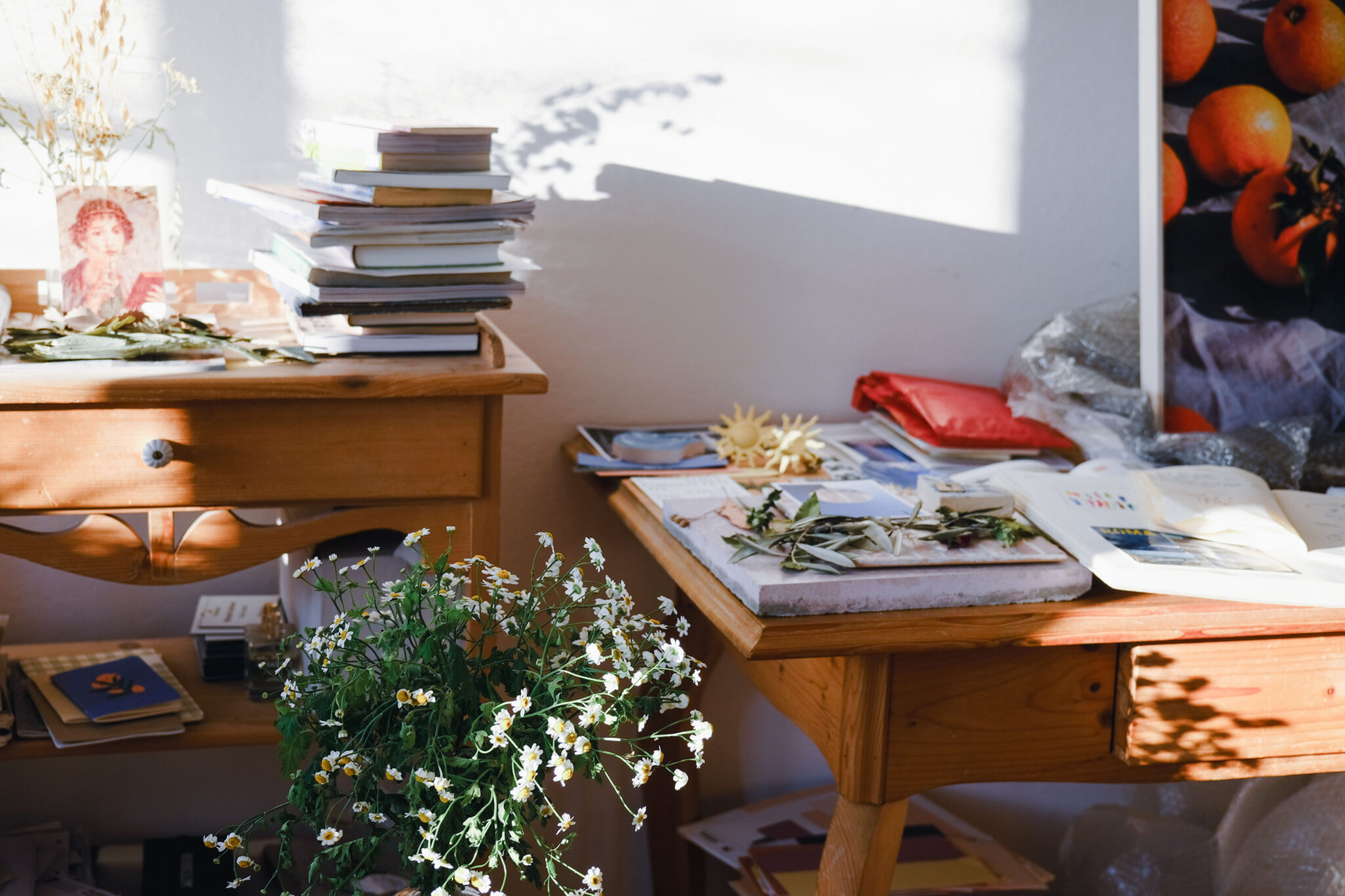
My studio shifts with the seasons. In the colder months, I work in a small, cocoon-like laboratory—a warm space lined with materials, books, and traces of ongoing projects. When spring unfolds, I move into a 400-year-old wooden hut in my garden, once a grain store. There, everything opens up: the air, the sounds, the light. Cats and birds become silent collaborators. This rhythm between indoors and outdoors keeps the process alive.
© Evalie Wagner
Are there any projects that are personally important to you—whether recently completed or currently in progress
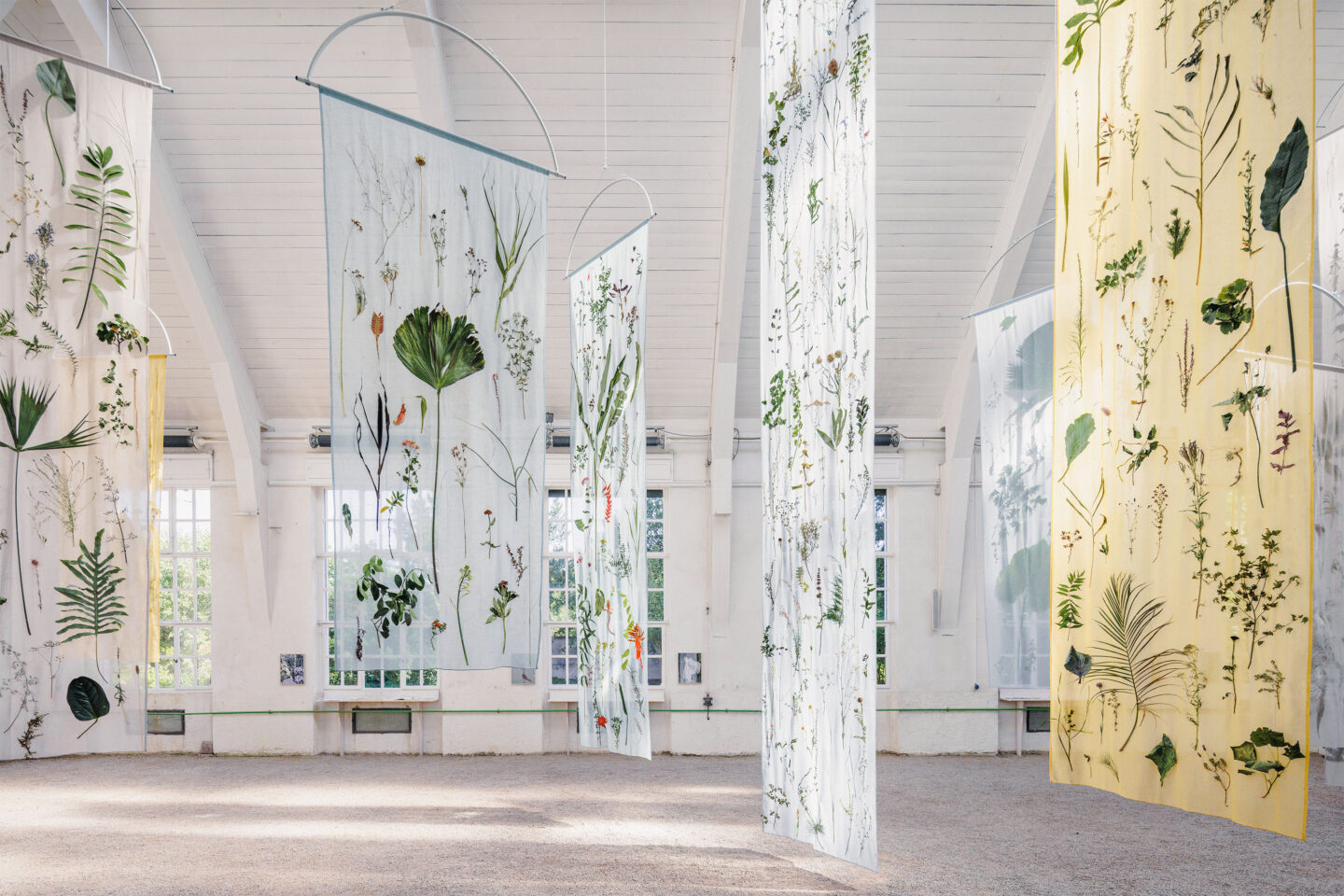
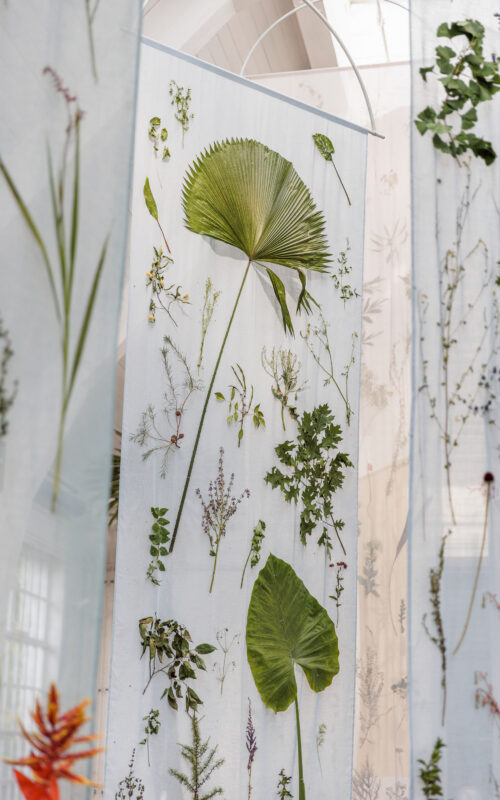
I’m currently developing a series of installations and site-specific interventions that explore the subtle relationships between humans and plants—ways to experience nature sensually. One of these projects, the installation “Avantgarden”, has been presented in the Botanical Gardens of Vienna and Munich. It is a giant walk-through herbarium, celebrating biodiversity. Another project, “Gravity and Growth”, was created for the Cultural Capitol Salzkammergut, where I hosted a residency program bringing together art and science in a rural alpine garden setting.
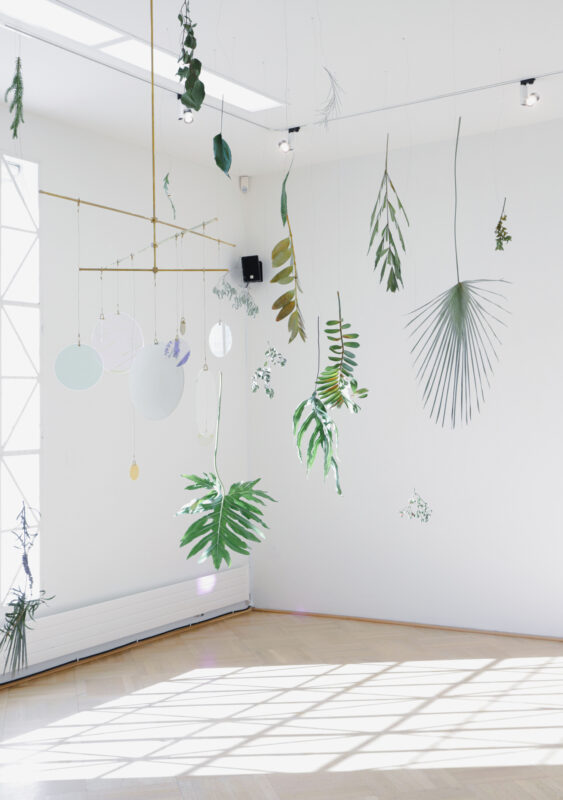
There is also “Planetary Garden”, inspired by the ideas of gardener and philosopher Gilles Clément—a planetary system made of brass, glass, and plants. My newest project leads me back to the Mediterranean, exploring how every garden holds an ancient heart.
© Maximilian Haidacher
© Christian Ecker
Do you have a favorite place in your area where you like to relax and linger?
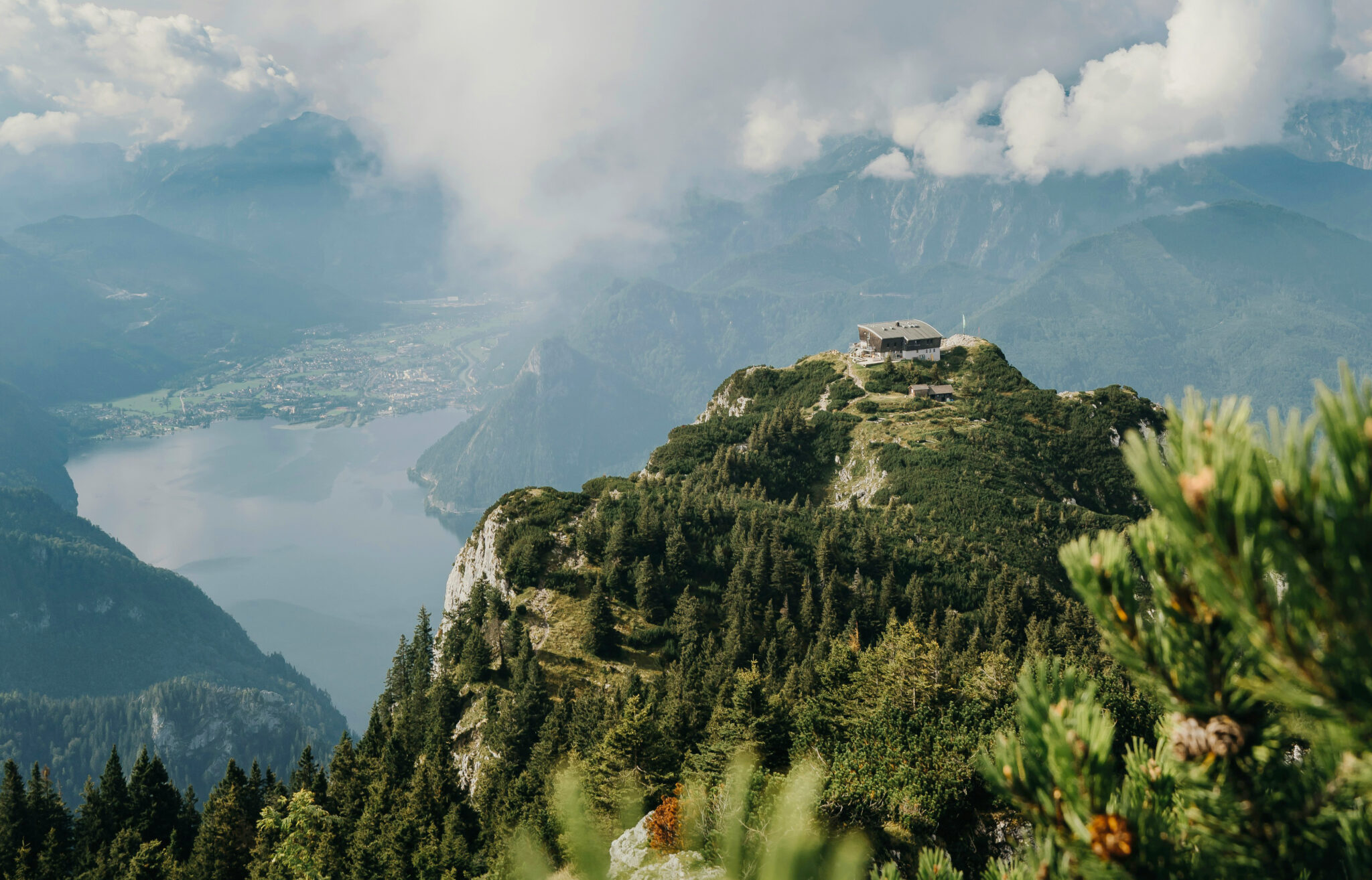
Just a few minutes from my home stands an old nut tree, where I go once a day to watch the sunset—a quiet ritual, a moment to breathe with the fading light. When time allows, I drive to the lakes and mountains of the Salzkammergut—Traunsee, Attersee, Wolfgangsee, Altaussee… I love the colour and clarity of these waters, and the gentle presence of the mountains that surround them.
Are there any urgent political issues or problems in your region?
In my region, some urgent issues concern how we treat the land and our ecological resources. Rapid land consumption, careless urban development, and the spread of cheap, unsightly architecture threaten the balance between nature and human activity. These challenges are deeply intertwined with my work—observing, documenting, and creating with an awareness of how fragile and precious our environment truly is.
In your opinion, what has developed well in the last 5 years—and what has not?
In recent years, I’ve noticed a growing awareness of ecology and sustainability, both in art and in daily life. More people are paying attention to how we interact with the environment. What has not developed well, however, is respect for long-term care—whether of land, architecture, or cultural heritage. Rapid construction, cheap design, and short-term thinking continue to threaten the balance between human activity and the natural world. We only care for what we truly feel connected to, which is why I try to offer a fresh perspective on nature—cultivating awareness through aesthetics.
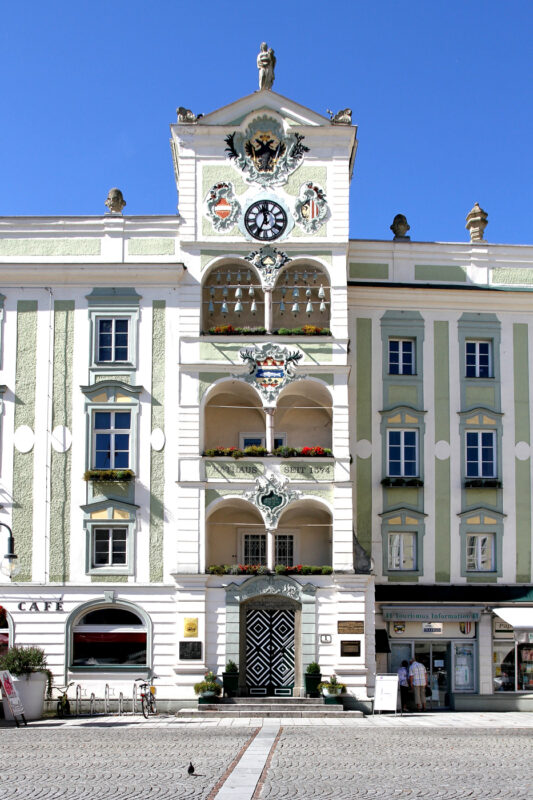
© C.Stadler/Bwag, Gmunden – Rathaus, Risalit, adjusted colours, CC BY-SA 3.0 AT
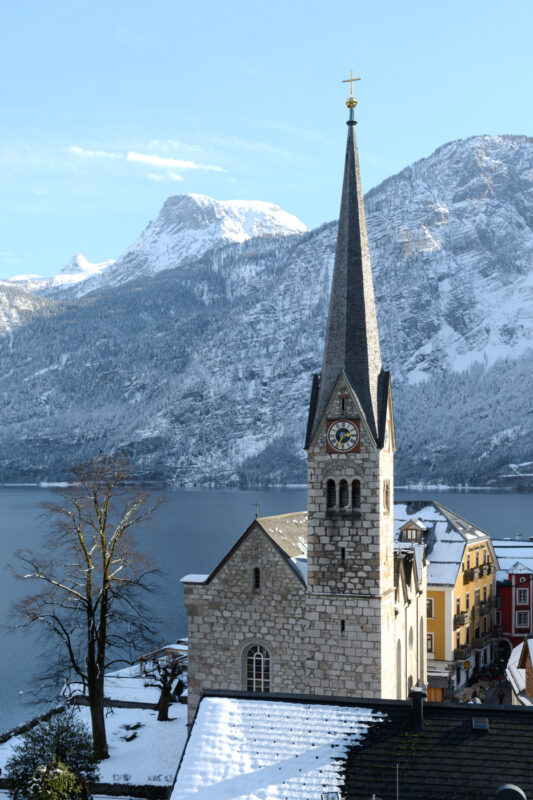
© Uoaei1, Hallstatt evangelische Kirche 20180206, adjusted colours, CC BY-SA 4.0
Do you know a hidden gem when it comes to local manufacturers—whether it’s arts and crafts, sustainable products or food?
In the nearby Mühlviertel, linen is a true local treasure. Workshops like Vieböck Leinen and Blaudruckerei Wagner produce fabrics that carry the touch of tradition. The Eferdinger Becken, a well-known vegetable-growing region, is a great place to visit local farm shops. I also enjoy visiting Sarastro Stauden, where rare perennials can be discovered for the garden. Companies like Grüne Erde offer products that are both ecological and beautiful, and Liv Ceramics in Altaussee is always worth a visit.
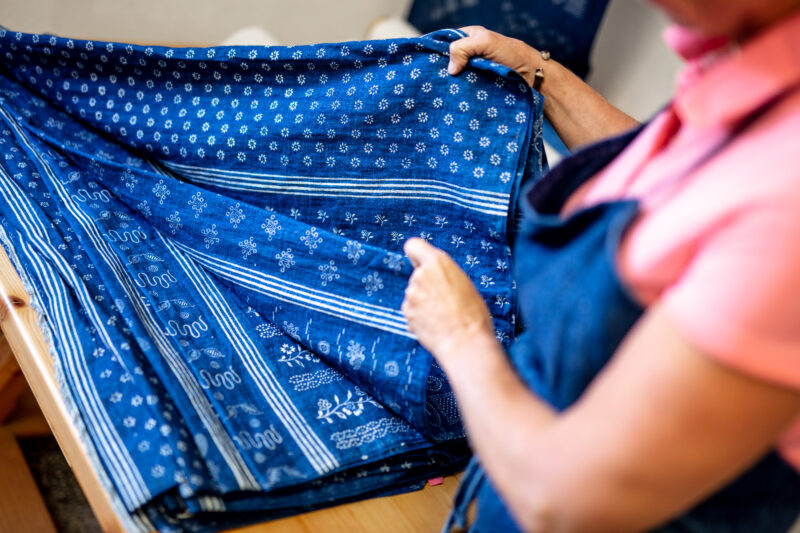
© Blaudruckerei Wagner
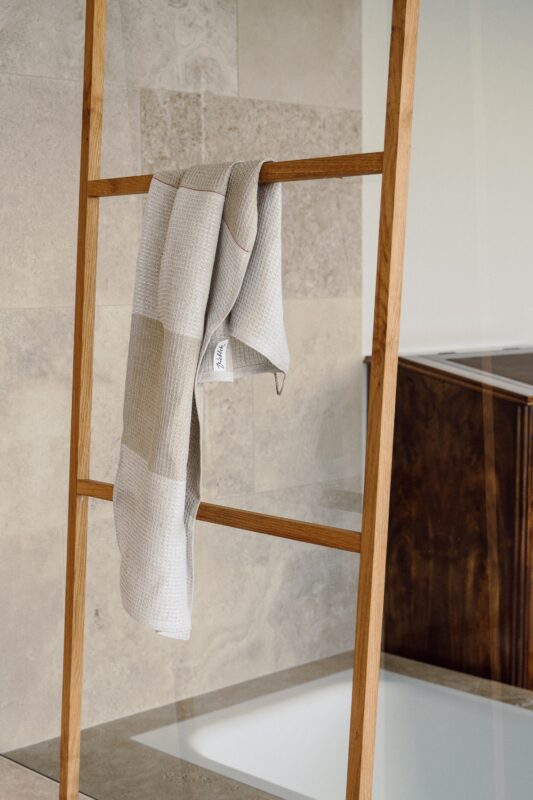
© Vieböck
Is there anything particularly innovative in your region? Also in comparison to other places you have already visited?
Innovation in my region is mostly driven by digital culture, while my own work remains rooted in the analogue world. I’m drawn to traditional crafts and hands-on processes, and I find it interesting to see how digital innovation interacts with these practices—sometimes complementing, sometimes challenging them. I believe this tension between the digital and the handmade is something we face everywhere in the world today.
Do you have a secret restaurant tip that you would like to share with us?
For coffee and raspberry cake, I love visiting the café in Garten der Geheimnisse in Stroheim during the summer, or stopping by Café Anton or Café Hornsteiner in Passau. For truly inspiring food experiences, Fernruf 7 in Neufelden is exceptional and Genussufer offers good food combined with a lovely view on lake Attersee. But what I really recommend is the Kaspressknödelsuppe at mountain huts like Goiserer Hütte—a simple, hearty delight after a long hike!
Is there a local shop whose products are only available in your region?
Several local shops offer products that are unique to the region. For food, there is Efi in Eferding, a small shop devoted to regional delicacies and local producers. For textiles, I would recommend Haslach, where linen and wool are still woven by hand at the Manufaktur Haslach. And then there is Gmundner Keramik—their green-flamed pattern can be found in nearly every home in Upper Austria, a quiet emblem of local tradition and everyday life.
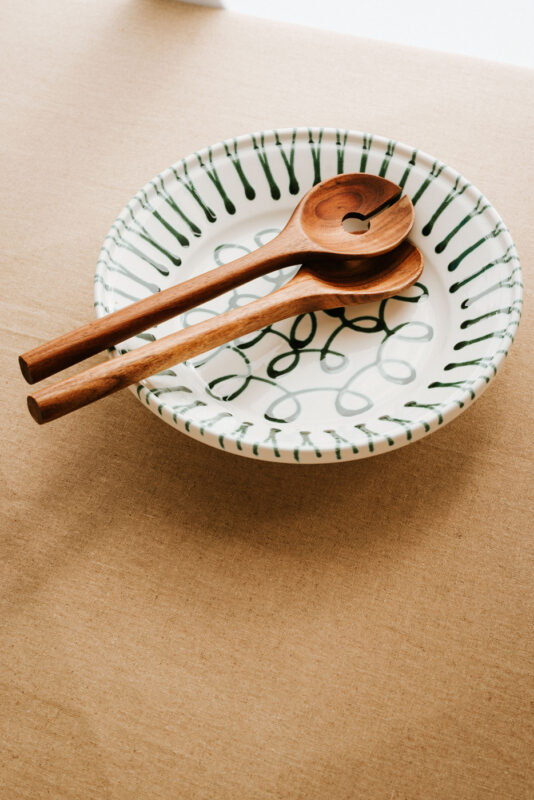
© Gmundner Keramik
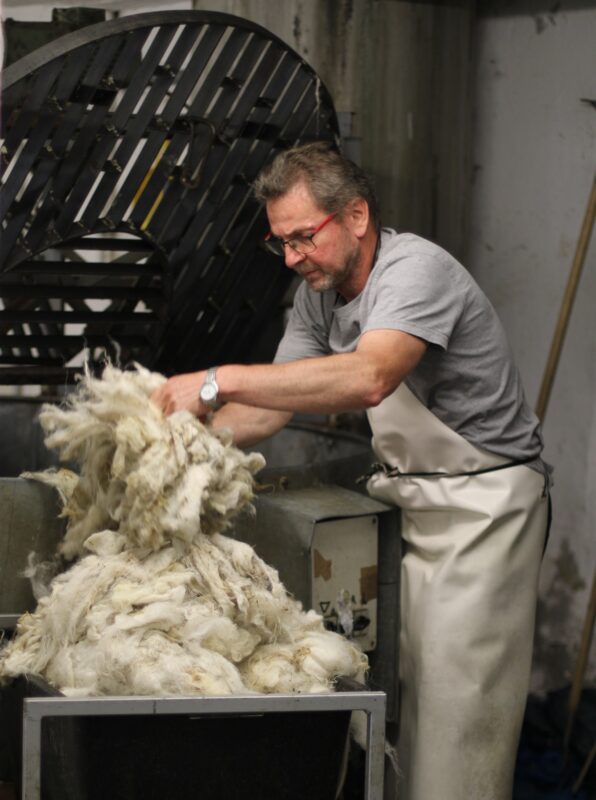
© Manufaktur Haslach
What are your 3 favourite apps that you use every day and couldn’t live without?
Probably Notes, because it’s where ideas, sketches, and fragments of thoughts begin. Maps, since I’m often exploring new routes, gardens, or places connected to art and craft. And Spotify, for the soundscape that carries me through the day—music is a constant companion.
Do you have any favourite newspapers or online magazines? And how do you keep up to date with politics or social and cultural issues?
I enjoy reading See All This Magazine for its thoughtful coverage of culture, art, and contemporary trends. For news and broader social or political issues, I usually turn to Zeit Online, which offers in-depth analysis and well-researched reporting. I also keep an eye on the local newspaper to stay connected with regional events and developments. This combination helps me stay informed while exploring both global and local perspectives.
Imagine you could be mayor for a year—what would you change?
I would focus on protecting both the natural environment and the region’s cultural heritage. I would promote biodiversity in gardens and public spaces, discouraging plastic fences and sterile stone-only landscapes, while also safeguarding traditional buildings and the local architectural character. My goal would be to create a balance between ecological sustainability and the preservation of historical identity, so that both nature and heritage can thrive together.
One last question: If you could choose another place to live—regardless of financial or time constrains – which one would you choose?
Somewhere under the Alps… Italy, I suppose. A place with warm sunlight, good food, and a rich cultural heritage. A place where I can walk barefoot and discover meadows full of wildflowers. It sounds quite poetic—but I would take it!


