

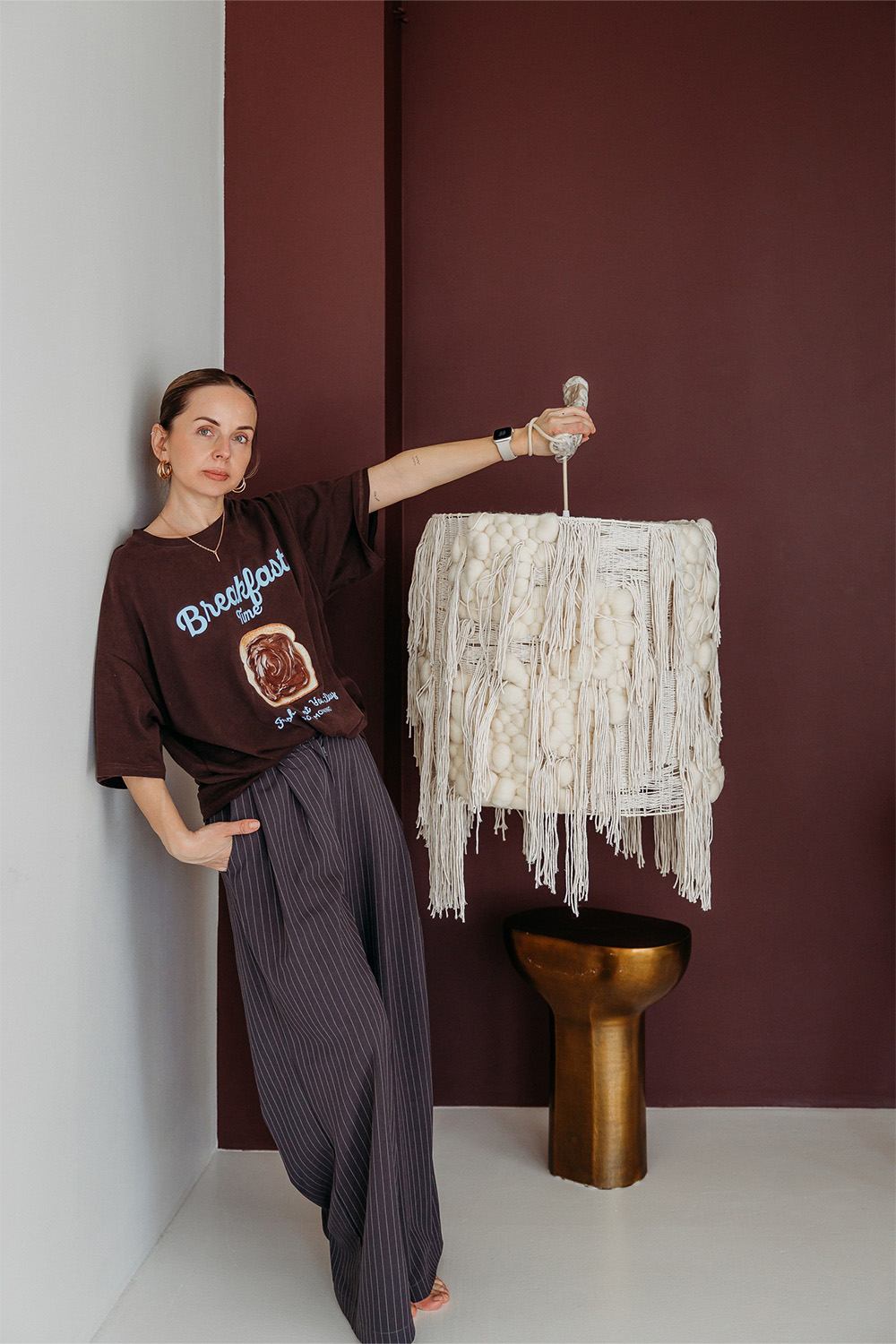
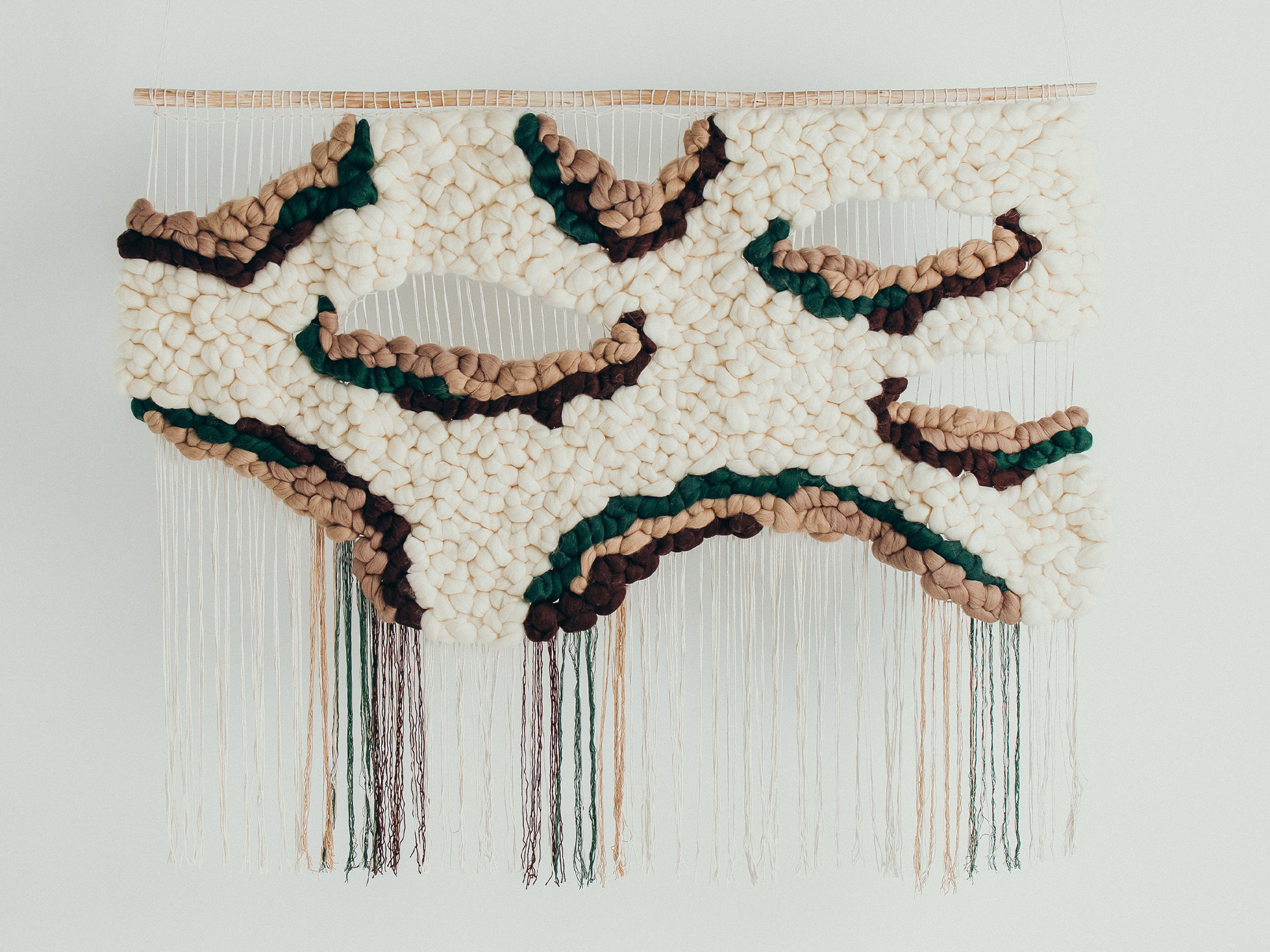
Each strand of wool glides through her hands, resulting in a unique piece that bears her signature. Elena Mazur’s contemporary vision, combined with her expertise in traditional weaving techniques, leads to a completely new approach to textile art. Using only Australian merino wool, Mazur pairs thick, chunky yarns with delicate fine threads.
© Courtesy of the artist
Which place do you currently call home and where do you work on your projects?
I currently divide my life between Russia and Indonesia. My textile studio Helen Loom is based in Krasnodar, Russia, where I create contemporary woven artworks and textile objects for interiors and hospitality spaces.
Where is your studio located & how does it look?
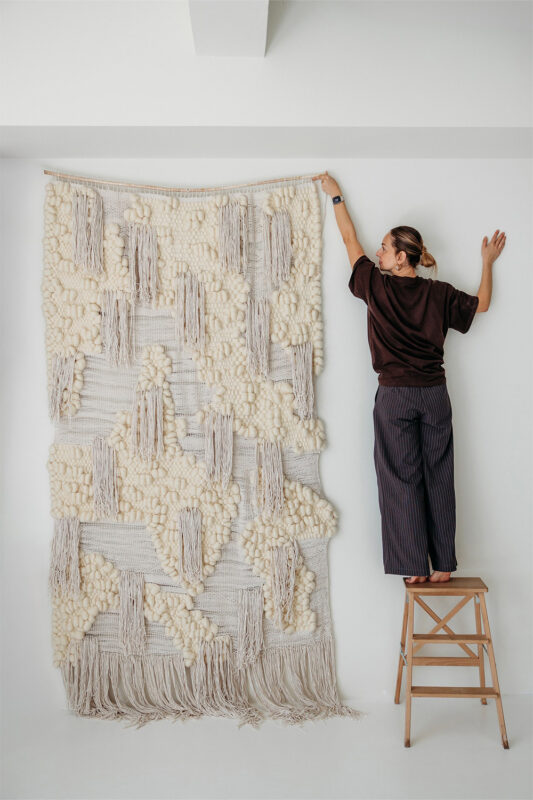
Our studio is a large loft-style creative space filled with natural light, high ceilings, brick walls, large weaving frames, and oversized textile pieces. It is not a polished showroom, but a living workshop where materials, experiments, and handmade processes shape the atmosphere every day.
© Courtesy of the artist
© Courtesy of the artist
Are there any projects that are personally important to you—whether recently completed or currently in progress?
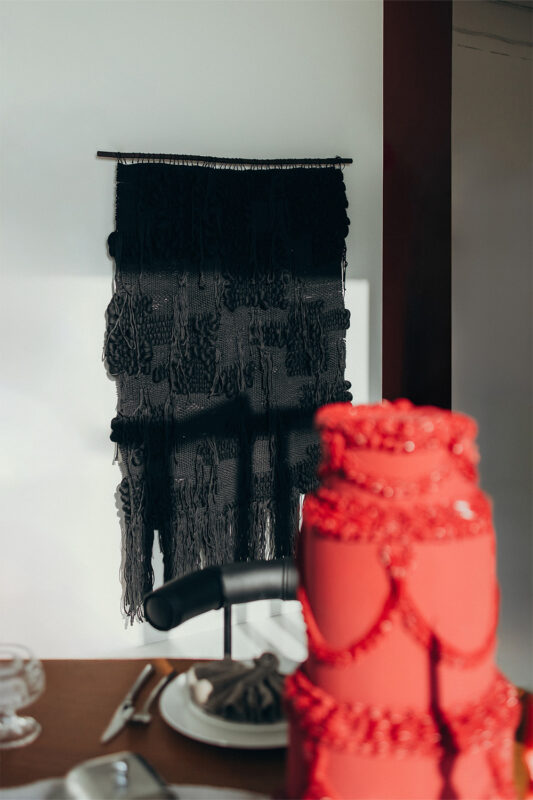
One of the ideas that runs through all my projects is uniqueness. Since every piece is handmade, no object can ever become a perfect copy of another. I am especially interested in rethinking traditional weaving techniques through a contemporary lens by combining minimalism, sculptural forms, natural materials, and modern interior aesthetics.
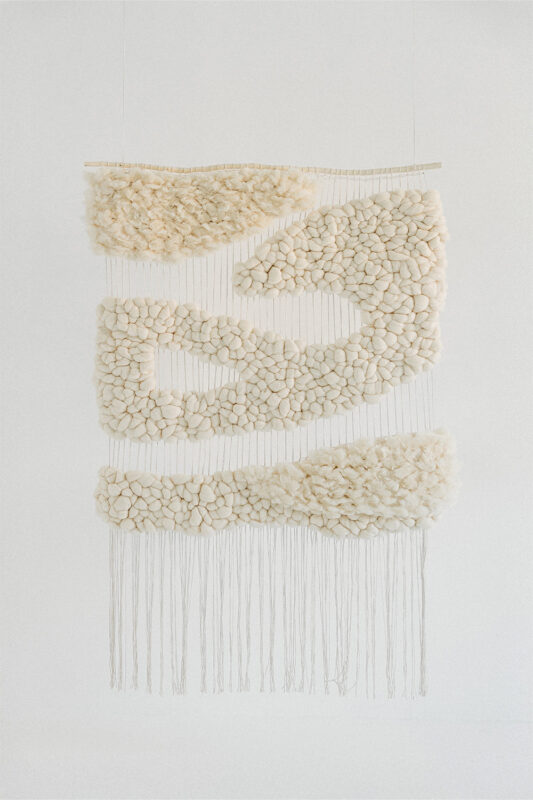
© Courtesy of the artist
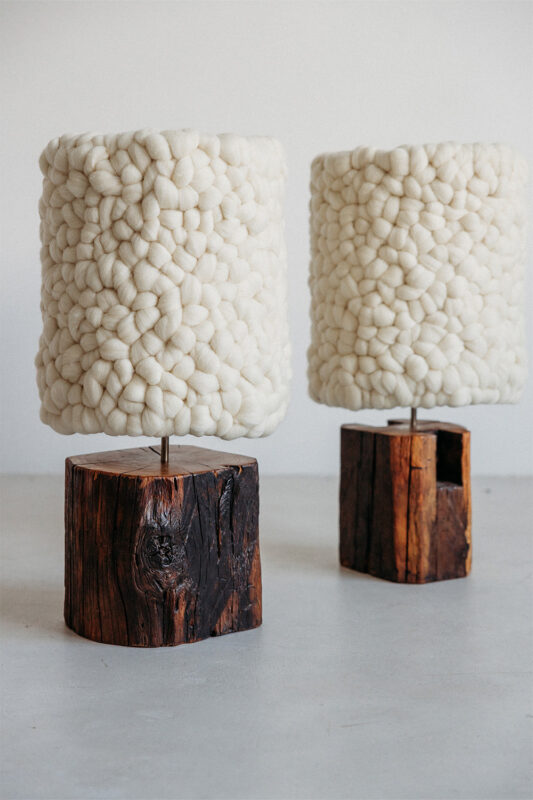
© Courtesy of the artist
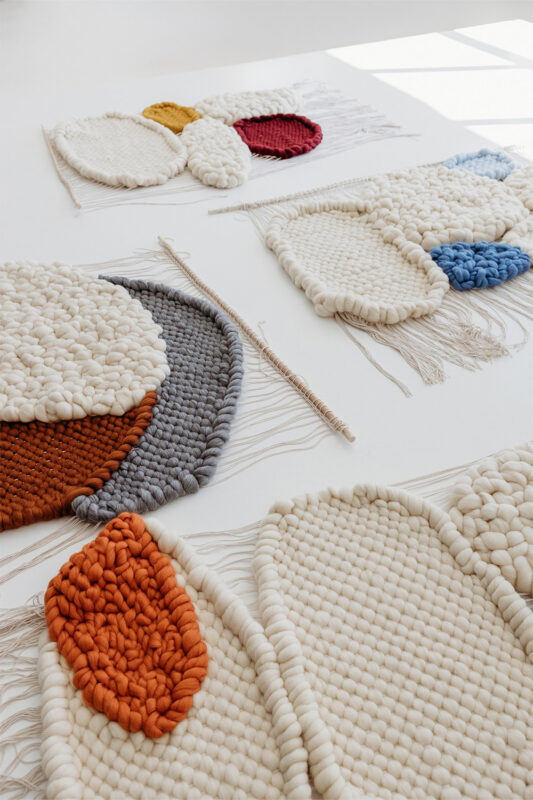
© Courtesy of the artist
Do you have a favourite place in your area where you like to relax and linger?
One of my favorite places in my city is Park Krasnodar — an incredibly ambitious architectural park that combines nature, design, scale, and atmosphere in a very inspiring way.
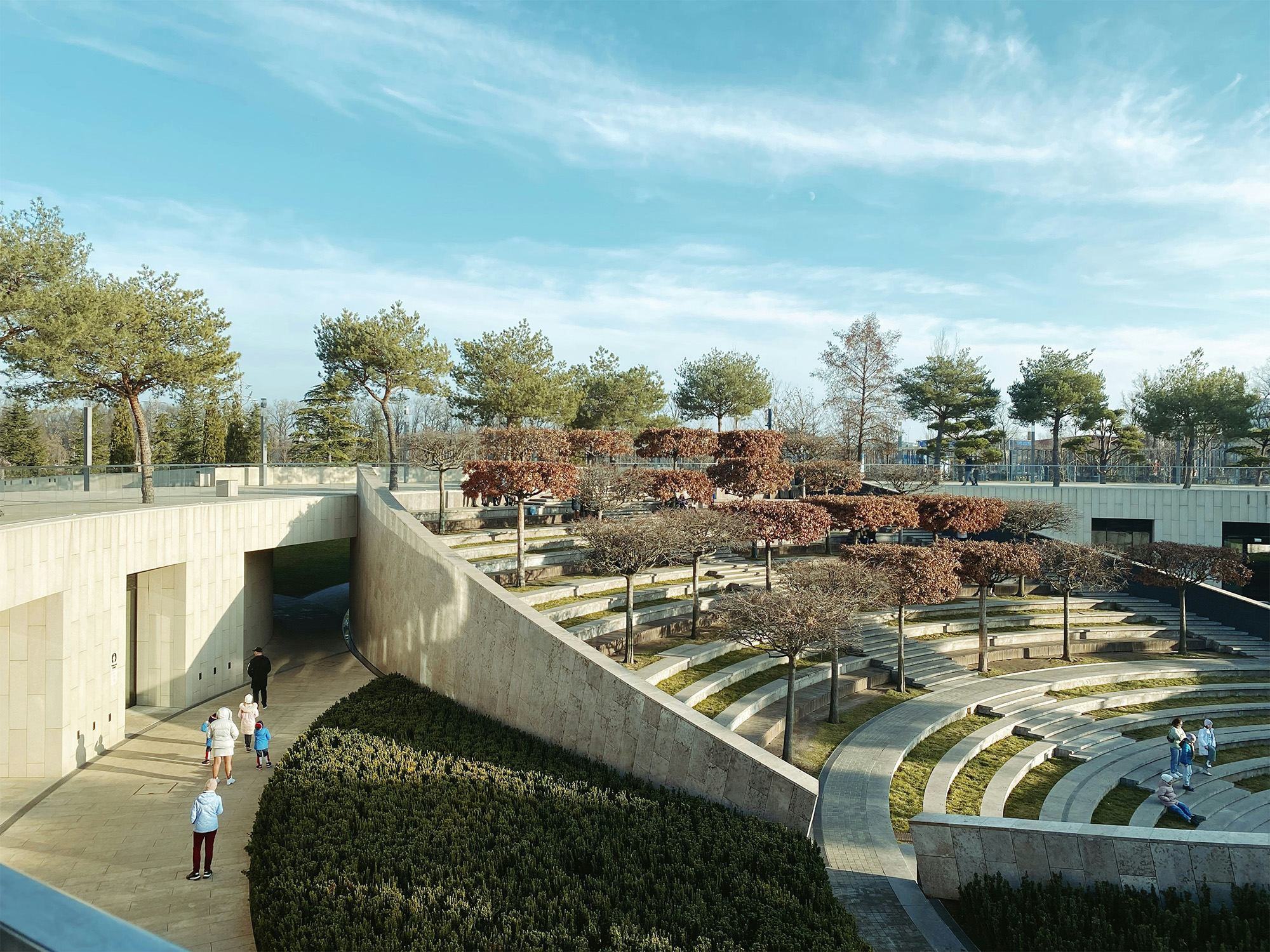
© Photo: Kirill Sirazheev, Unsplash
Are there any urgent political issues or problems in your region?
Like many places today, there is a strong feeling of uncertainty connected to social, political, and economic changes. I think people increasingly search for emotional comfort, authenticity, and spaces that feel human and calm.
In your opinion, what has developed well in the last 5 years—and what has not?
Over the last years, I think there has been a growing appreciation for craftsmanship, handmade objects, and thoughtful design. At the same time, the speed of trends and constant information can make it difficult to preserve individuality and authentic creative voices.
Do you know a hidden gem when it comes to local manufacturers—whether it’s arts and crafts, sustainable products or food?
I am deeply inspired by local makers working with ceramics, wood, glass, and textiles — especially small independent studios that preserve handmade techniques while reinterpreting them in contemporary ways.
Is there anything particularly innovative in your region? Also in comparison to other places you have already visited?
I think one of the most interesting things is the growing dialogue between traditional craftsmanship and contemporary design. More and more creators are combining local materials and handmade processes with modern aesthetics and architecture.
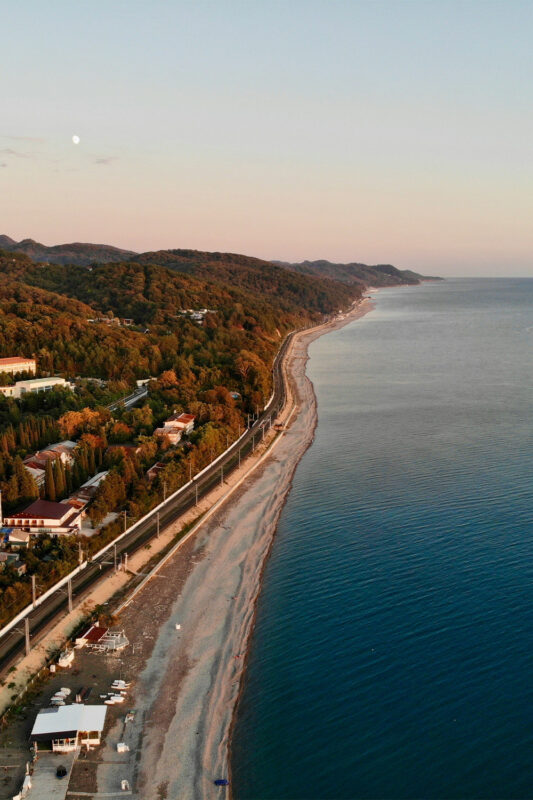
© Photo: Denis Arslanbekov, Unsplash
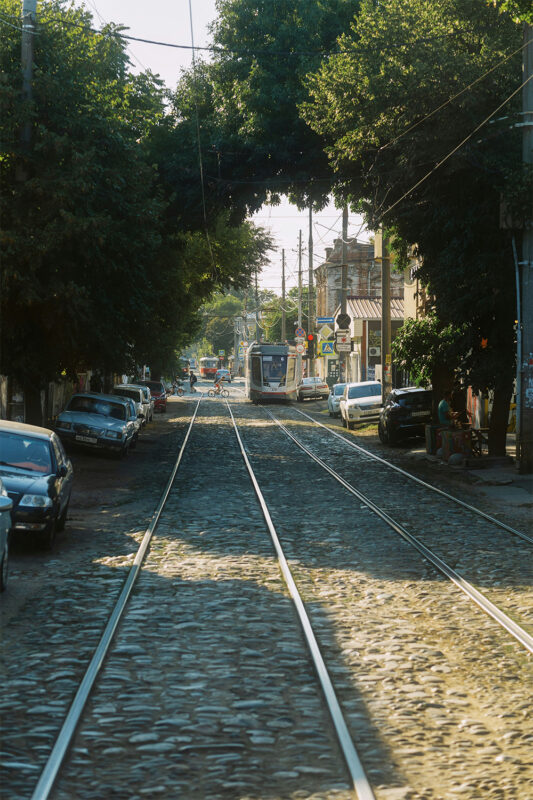
© Photo: Ivan Konev, Unsplash
Do you have a secret restaurant tip that you would like to share with us?
One place I really enjoy is Cou Cou Bistro — I love its atmosphere, interiors, and attention to detail. Also a local place that reflects the growing contemporary gastronomy scene in Krasnodar is Bésame Mucho which combines atmosphere, aesthetics, music, and author cuisine. And near Park Krasnodar there is Kappu Cha, a calm coffee place that I personally love for its quiet atmosphere, minimal interiors, and connection to the slower rhythm of the city.
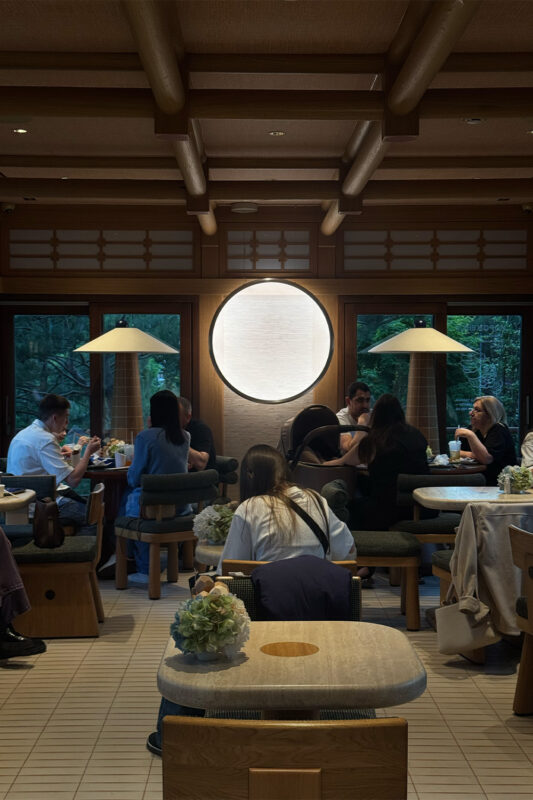
© Kappu Cha

© Bésame Mucho
Is there a local shop whose products are only available in your region?
I especially appreciate small independent concept stores and local artisan studios where objects are still produced in small quantities by hand. On the Black Sea coast there is Beliy Mys in Gelendzhik it’s a new contemporary wine and gastronomy project that combines architecture, hospitality, wine culture, and cultural events in a very interesting way.
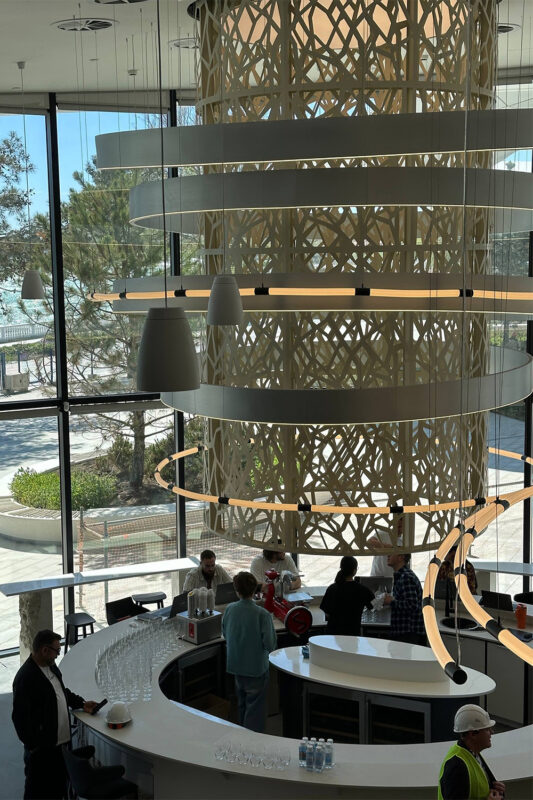
© Beliy Mys
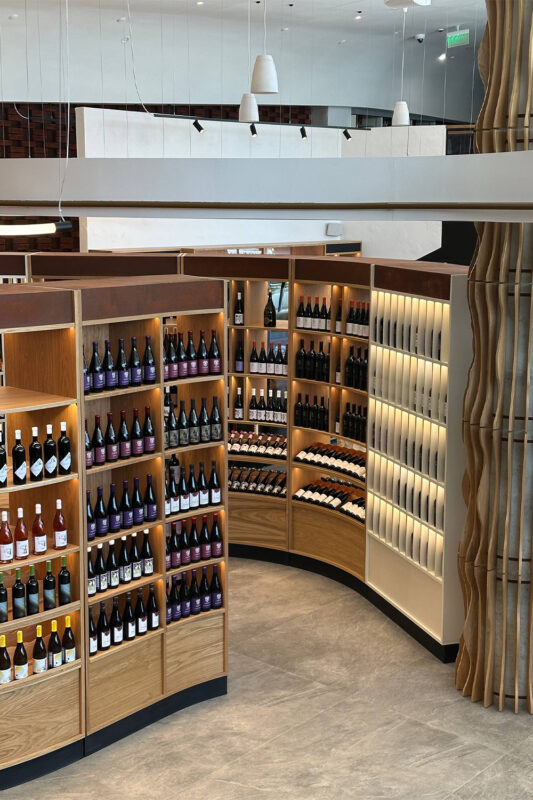
© Beliy Mys
What are your 3 favourite apps that you use every day and couldn’t live without?
Do you have any favourite newspapers or online magazines? And how do you keep up to date with politics or social and cultural issues?
I mostly follow independent online magazines focused on art, architecture, interiors, and culture. I also try to stay informed through conversations, observation, and international media sources rather than only traditional news channels.
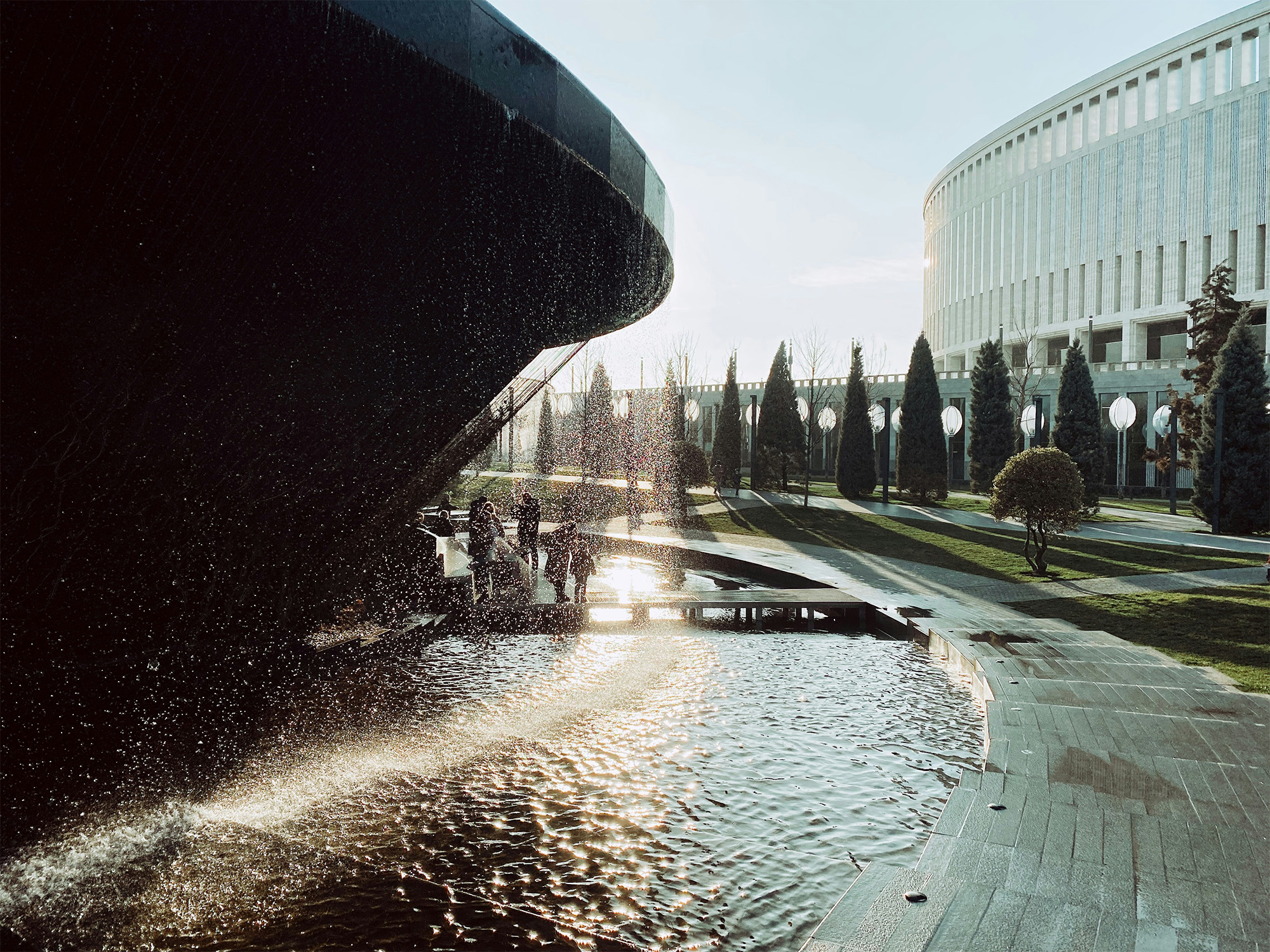
© Photo: Kirill Sirazheev, Unsplash
Imagine you could be mayor for a year—what would you change?
I would invest more into public cultural spaces, parks, creative education, and support for independent artists and local craftsmanship.
One last question: If you could choose another place to live—regardless of financial or time constrains—which one would you choose?
If I could choose another place to live one day, it would probably be Norway. I feel very connected to northern landscapes, quietness, natural textures, and the relationship between people and nature there.


