

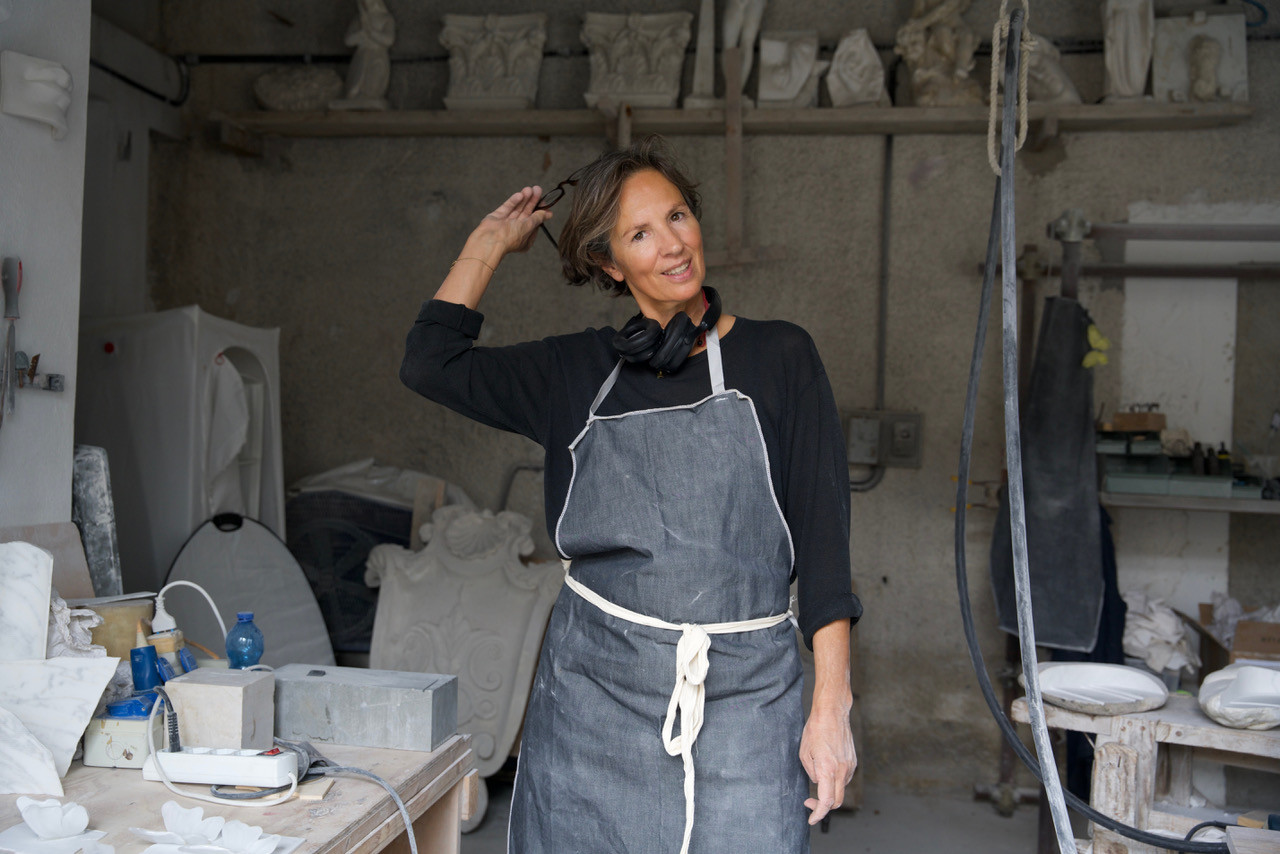
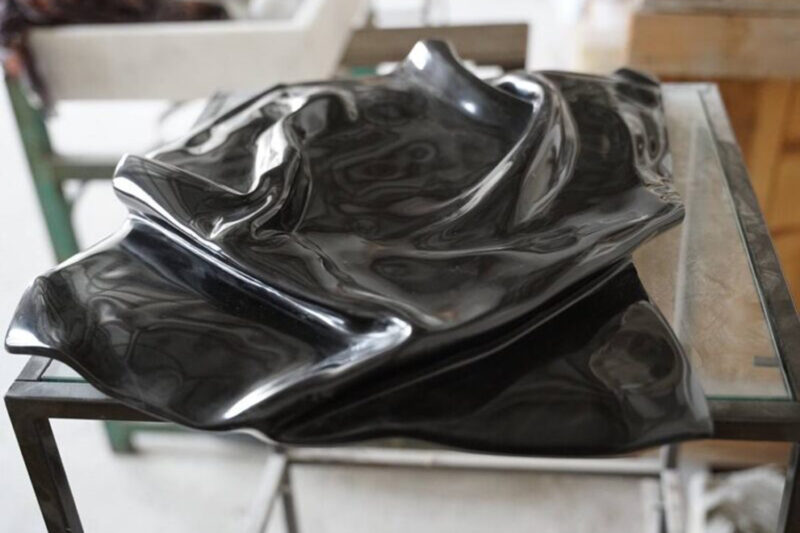
A defining aspect of Barbara Adamsky’s work is her sensitivity to atmosphere and surface. Rather than focusing on literal representation, she is interested in how form can emerge through layers, texture and gesture. Her artistic language lies in her approach to materiality. She often works with multi-layered processes in which traces of earlier phases remain visible, creating depth and temporal complexity. As a result, her works often appear fluid and soft, allowing the hardness of the material to recede into the background.
© Courtesy of the artist
Which place do you currently call home and where do you work on your projects?
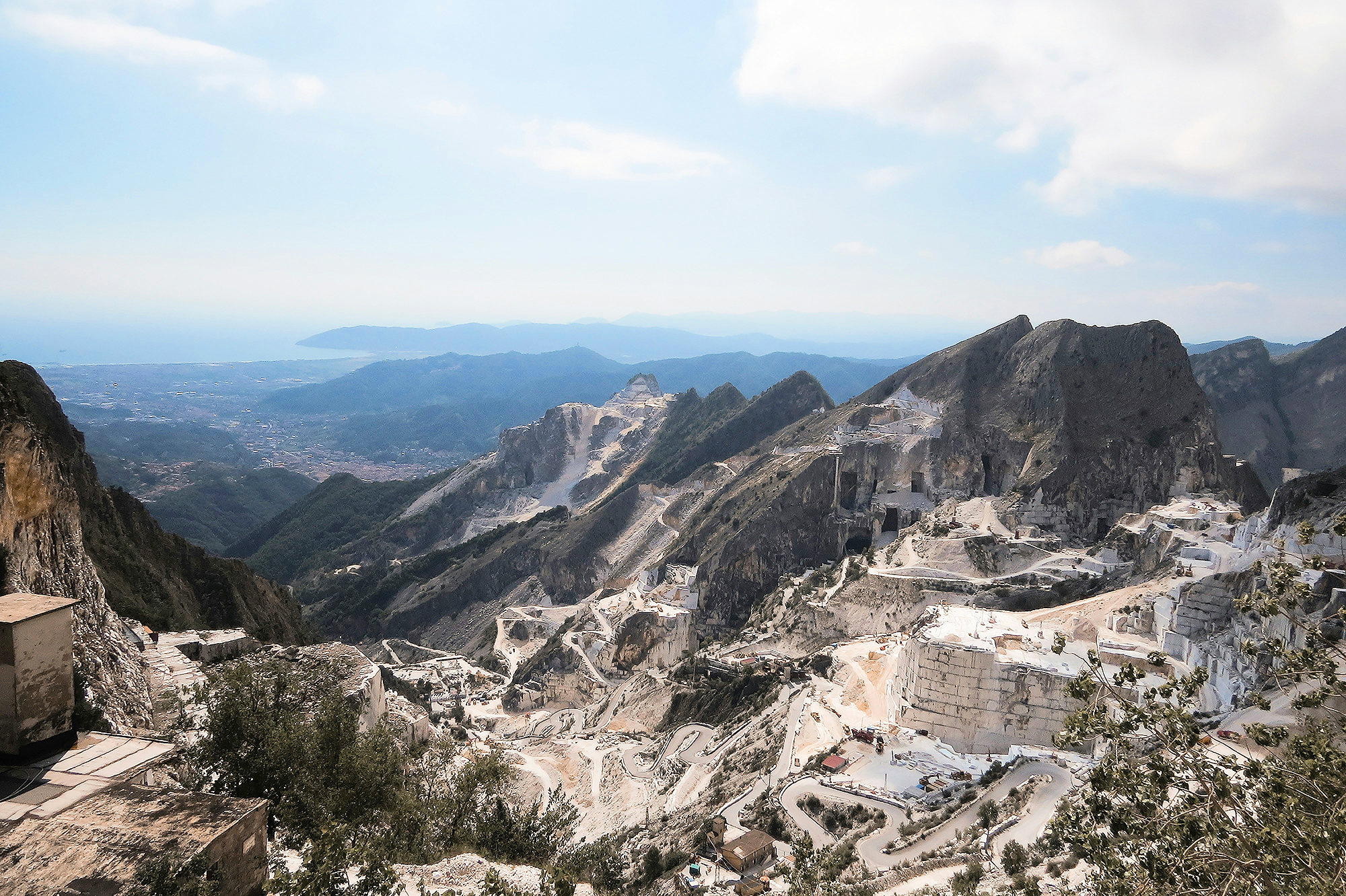
I live and work in Pietrasanta, a small town in nothern Tuscany between the Mediterranian Sea and the Apuan Alps. For centuries this place has been a center of the sculptural arts, thanks to its proximity to the marble quarries of Carrara and Seravezza. Artists and sculptores from all over the world come here to work, and many have stayed,drawn by the expert craftsmen and deep rooted traditions of doing sculptures.
Where is your studio located & how does it look?
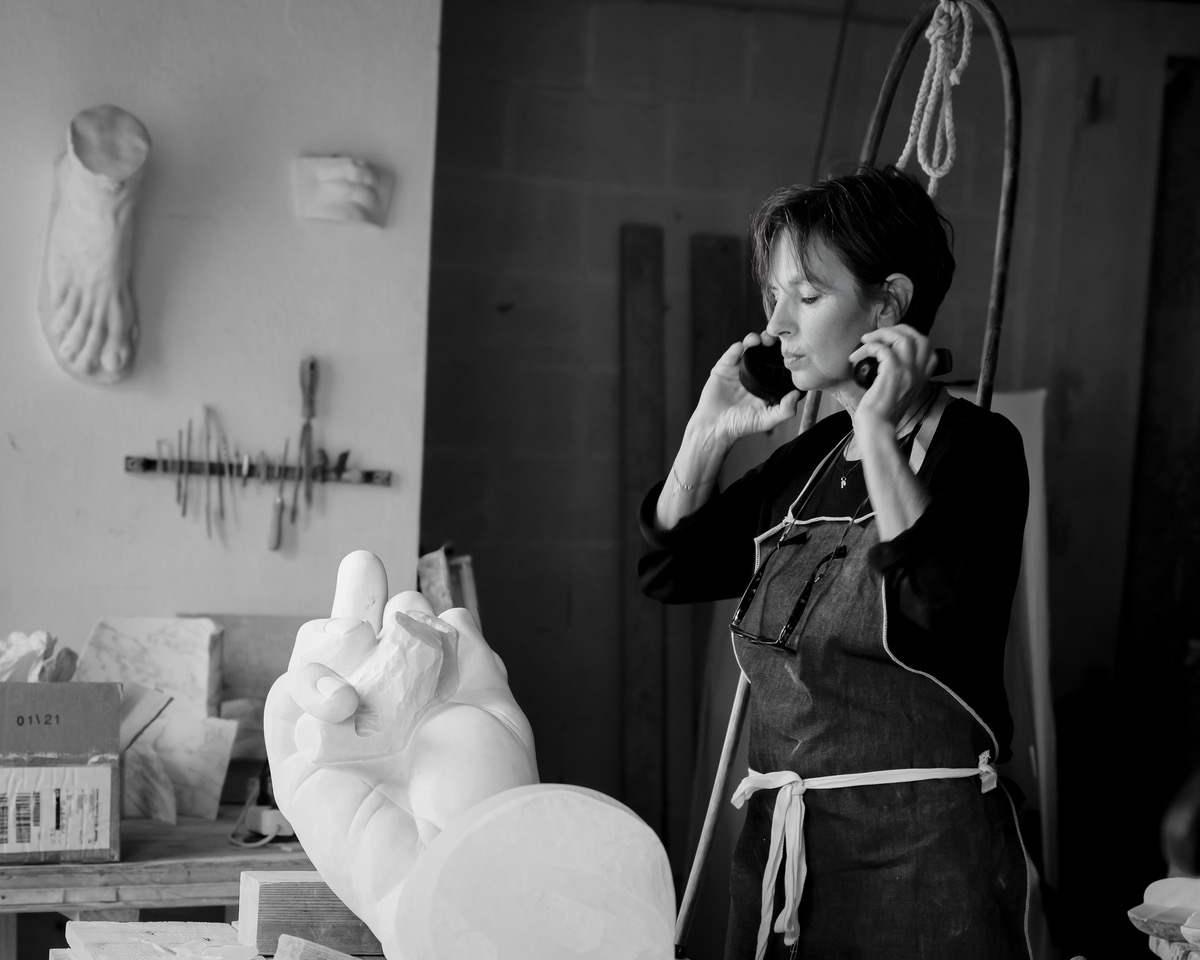
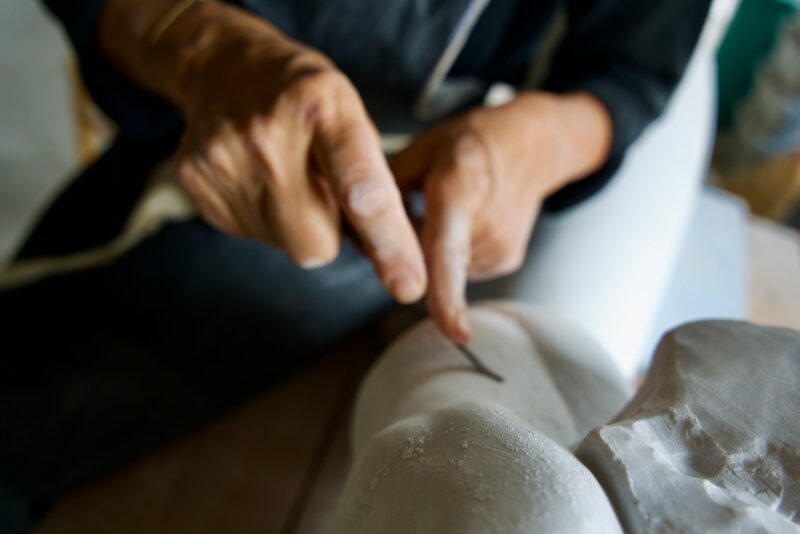
My studio is located 5 Minutes walking distance from the center, near by a big marble workshop. I mostly work with a jackhammer for sculptors and cisels. Sometimes, especially in the early stages of a piece, I use an electric saw for rough cuts. The finishing is always done with rasps, sandpaper and corrunt stones, traditional tools that allow me to bring out the surface and soul of the material.

© Courtesy of the artist
Are there any projects that are important to you personally, that you have recently completed or that you are still working on?
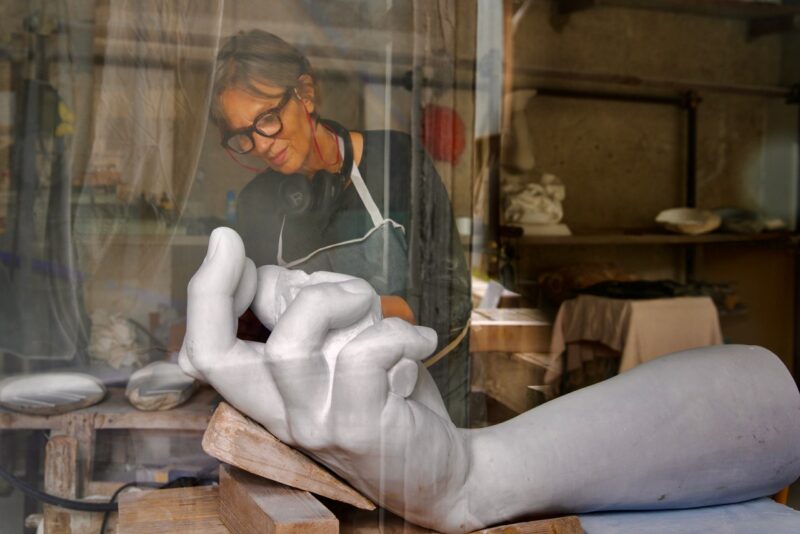
I’m working on diffrent projects at the moment. Marble reliefs that look like crumbled paper and I just finished the copy of the right hand of the David of Michelangelo in original size for a show at Bolgheri Green, a vegetarian restaurant in Castagneto Carducci, Tuscany.
© Courtesy of the artist
© Courtesy of the artist
© Courtesy of the artist
Do you have a favorite place in your area where you like to relax and linger?
Between the seaside and the mountain there are so many places to relax, hang out or do sports. The mountains are great for hiking and good food in the rural villages. The beaches are perfect for a refreshing swim and a nice lunch in summer and long walks in winter or of season. I also like the nearby cities as Florence, Lucca, Siena etc to go and see beautiful art.
© Photo: Megan Andrews, Unsplash
Are there any urgent political issues or problems in your region?
In Italy the gap between the low incom and very high costs for living has always been a problem and here the luxury tourism in nearby Forte dei Marmi doesn’t help.
In your opinion, what has developed well in the last 5 years—and what has not?
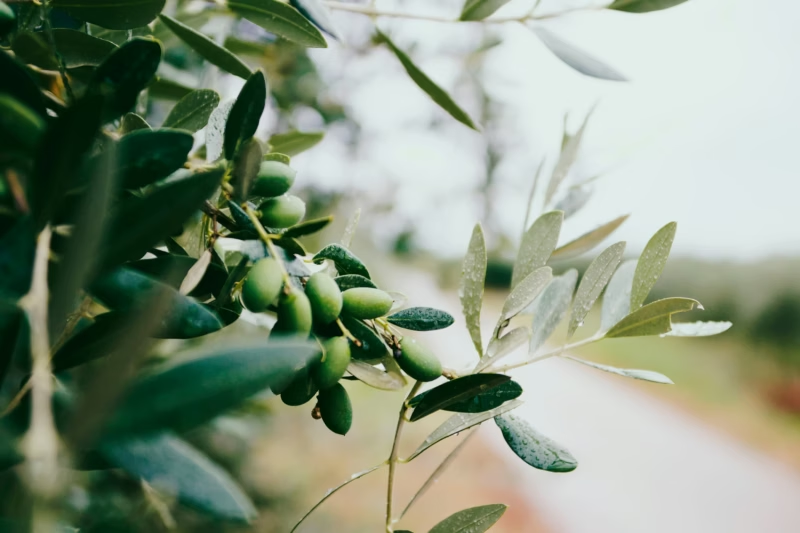
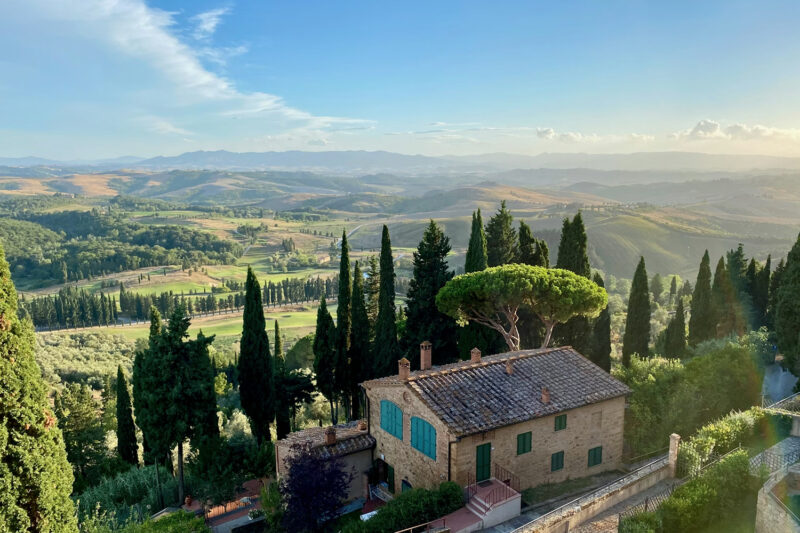
One of the most inspiring developments has been the rise of young people who have taken the step of starting agricultural businesses. Their commitment to producing high quality regional organic food while repopulating the mountain countriside with all his villages is something that I deeply appreciate. These people are choosing substainibility, responsibility and local impact. They’re not only revitalizing the rural villages and their economy but also helping to build a stronger more connected community, one that values where our food comes from. At the same time the luxury tourism had brought pressure on both, the environment and the costs of living for the people in this area.
© Photo: Nazar Hrabovyi, Unsplash
© Photo: Moira Nazzari, Unsplash
Do you know a hidden gem when it comes to local manufacturers—whether it’s arts and crafts, sustainable products or food?
In the quiet mountain village of Pomezzana, above Seravezza, a blacksmith ‘Milani Utensili’ still forges tools for sculptors and artists by hand, using traditional methods passed down through generations. Every tool is handmade and unique, for marble bronze, wax, clay, plaster and mosaic manufacturing. Their working methods are the same like 100 years ago.
In the center of Pietrasanta you’ll find the studio of the Hat Maker Olga Pong, there she creats her ‘one of a kind’ pieces of art to wear.
Il Museo Dei Bozzetti is located in the old cloister of S Agostino in the main square, piazza del Duomo, Pietrasanta. Founded in 1984 by the danish woman Jette Muhlendorph. It shows 700 plaster moldes by more than 350 artists who chosed to realize their art with the help of the experts craftsmen of the workshops of Pietrasanta.
Is there anything particularly innovative in your region? Also in comparison to other places you have already visited?
In Pietrasanta and Carrara 3Dscanning, robotics and CNC machines are transforming marble craftsmanship. These tecnologies bring unmatched precision and speed to sculpture and architectural work. While rooted in centuries old tradition of marble and craftsmanship, the integrating of these new methods has opened new possibilties.
Do you have a secret restaurant tip that you would like to share with us?
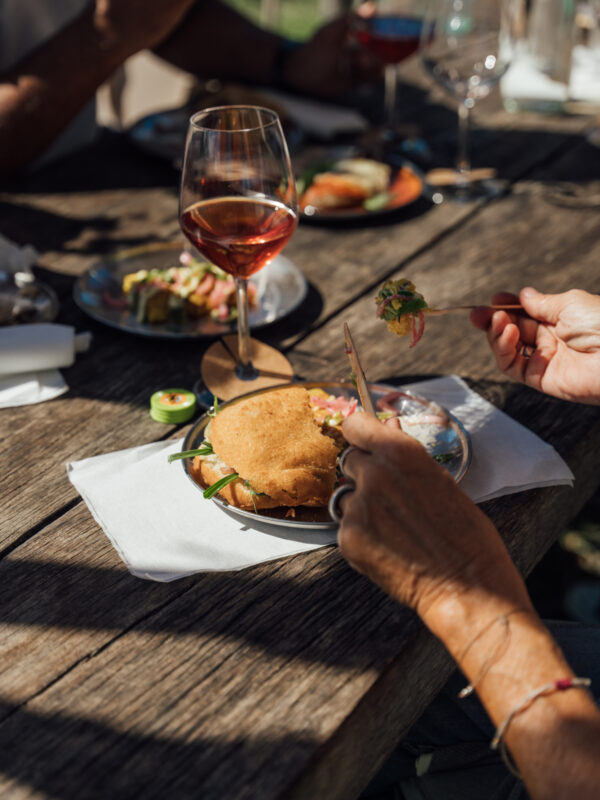
Agriturismo Le Coppelle is a beautiful place high up in the mountain run by two young people Simone and Carolina. Almost every ingredient they serve is produced by their own hands, Carolina even crafts her own cheese, her company is called Belato Nero.

© Bolgheri Green
© Bolgheri Green
Is there a local shop whose products are only available in your region?
Olga Pong Hats sells Milani Tools for Sculptors.
What are your 3 favourite apps that you use every day and couldn’t live without?
I like to use Audible, Instagram and WhatsApp, but I could live without any of them.
Do you have any favourite newspapers or online magazines? And how do you keep up to date with politics or social and cultural issues?
I usually read the Sueddeutsche Zeitung, Die Zeit, NYTimes, Internazionale.

© Photo: Jonathan Körner, Unsplash
Imagine you could be mayor for a year—what would you change?
My goal would be to make Pietrasanta even more livable, safe and environmentally conscious. I would build a network of bicycle paths throughout the area, increase public transport options, especially at night on the weekends to help young people getting home safe after parties etc and create more green oasis by planting trees and enhancing urban green spaces.
One last question: If you could choose another place to live—regardless of financial or time constrains—which one would you choose?
The french Atlantic Coast.


