

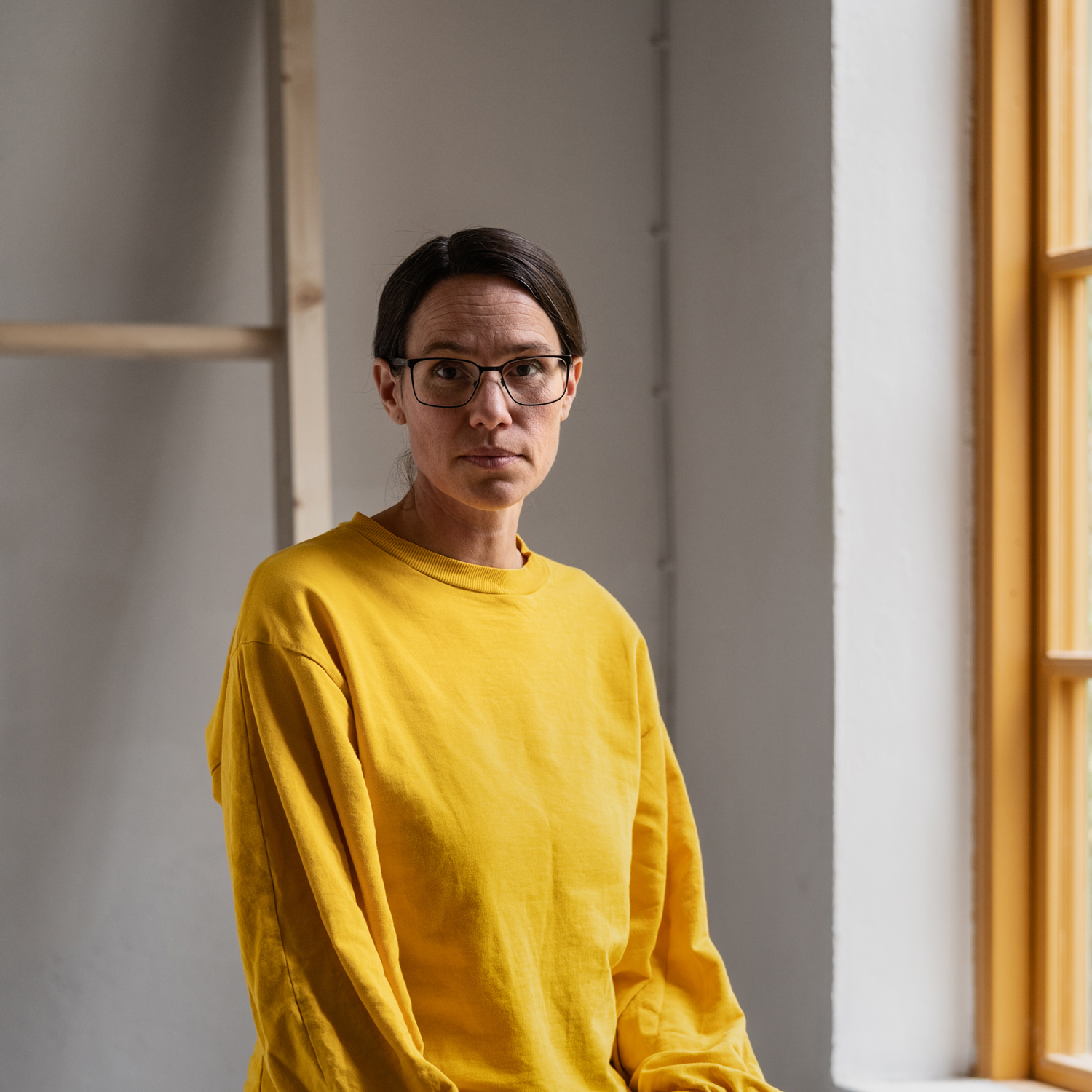
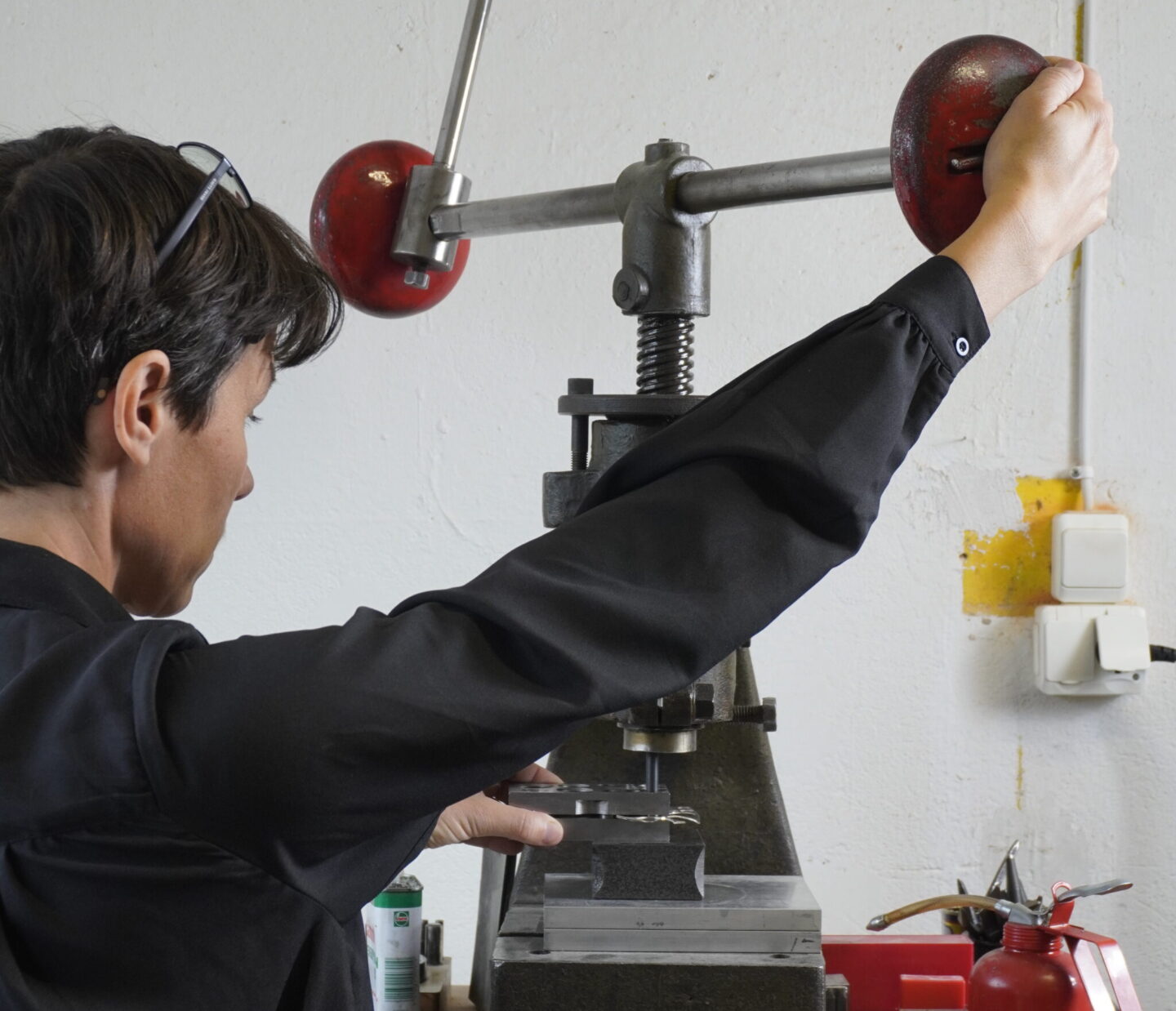
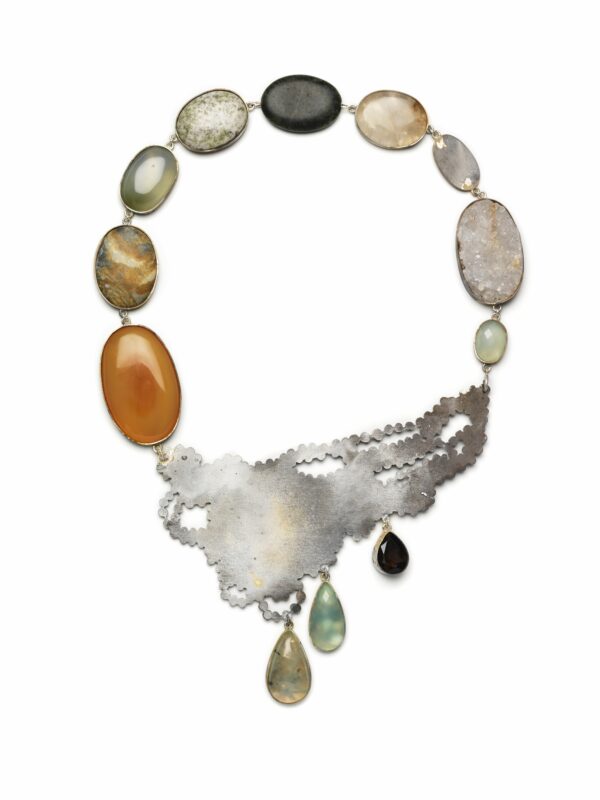
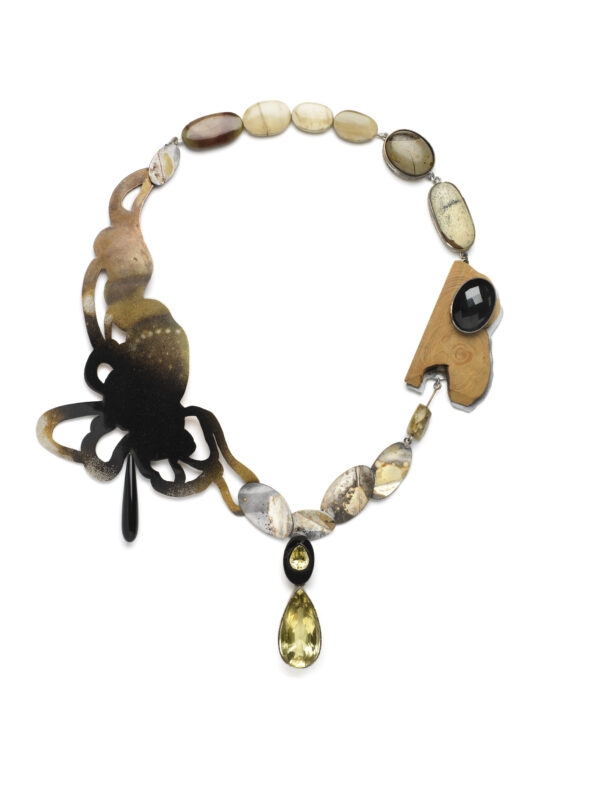
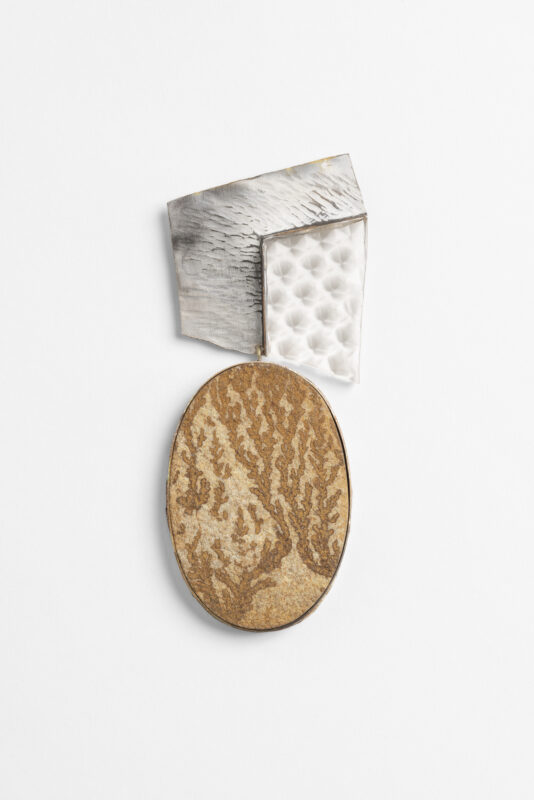
Fragments of earlier pieces return in Åsa Lockner’s jewellery, reassembled and layered into new forms. Ovals, drops, stones and pierced metal come together in compositions that balance between tension and harmony. Her work embraces change rather than perfection. Each piece carries traces of process and relates closely to the body, where imperfection and transformation become part of its quiet beauty.
© Courtesy of the artist
Which place do you currently call home and where do you work on your projects?
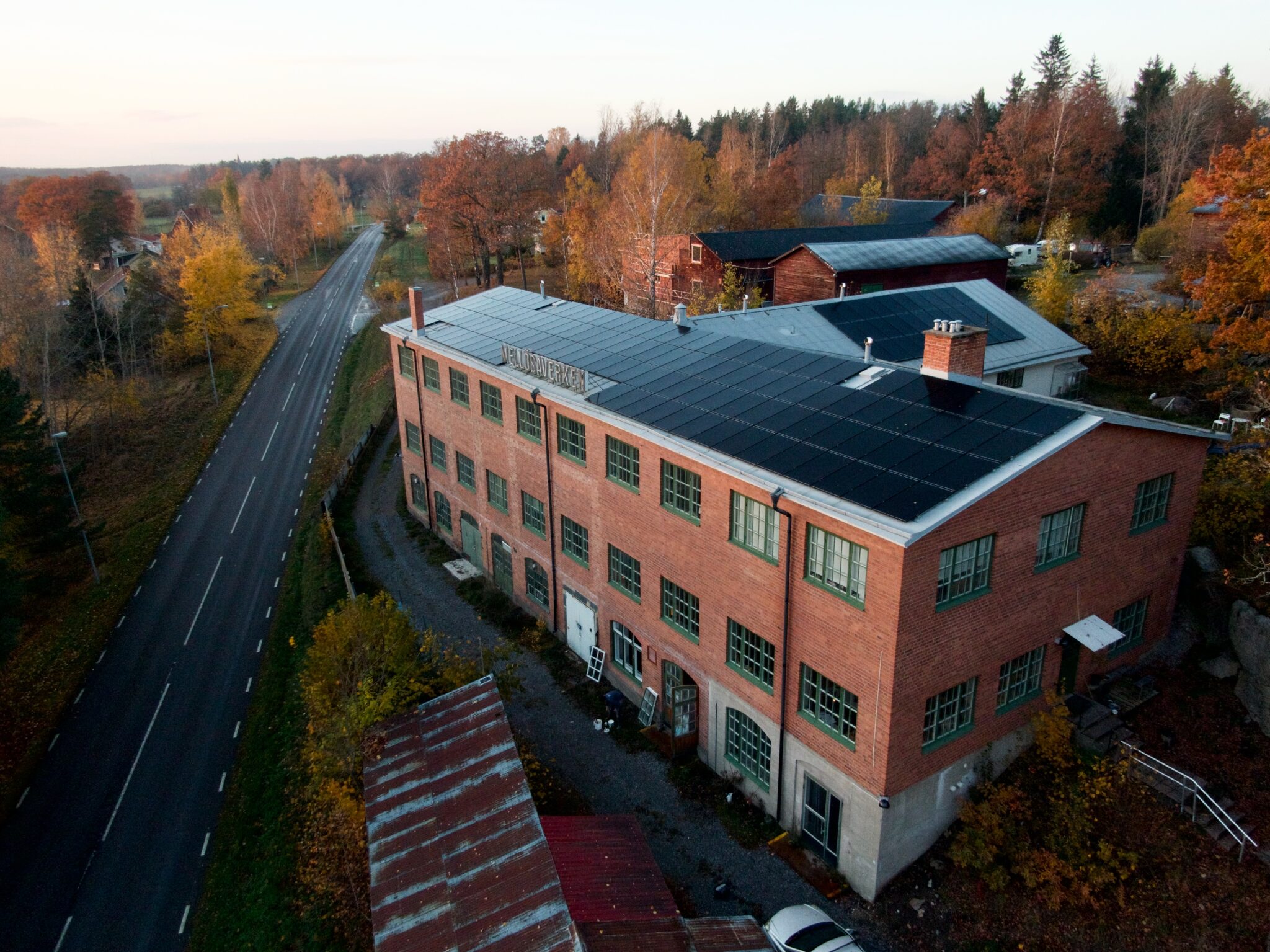
Seven years ago I moved from Stockholm to a small village in Sörmland called Mellösa. I had stumbled over a deserted factory and took a leap of faith. It took a couple of years to transform into a home and studio space. So now I live and work in Mellösaverken, a beautiful old brick building that was purpose built in 1909 as an inventors workshop.
Do you have a favorite place in your area where you like to relax and linger?
I have a number of really good places to go, including other cute villages like Malmköping and walks in the forest around Harpsund. (btw Harpsund is where the Swedish Government has its summer home). My favourite is a walk around the lake in neighbouring Hälleforsnäs, especially during the berry picking season, the forest is full of blueberries around there. There is also a really good coffee place in Hälleforsnäs which is a huge bonus. During summer it’s extremely relaxing to go and sit on the jetty on the lake beside our house, eat lunch, take a swim. It’s such luxury!
© Courtesy of the artist
Are there any urgent political issues or problems in your region?
Growing intolerance and polerisation, it effects everyone negatively at all levels, this sadly seems to be the major societal trend internationally at the moment. When opinions become more important than facts and interests win over common sense we get to where we are today with the eroding of trust in the fundamentals like science, medicine, democracy.
In your opinion, what has developed well in the last 5 years—and what has not?
Sörmland has attracted a large number of people who want to grow things and to live in closer proximity to nature, living locally to find a higher quality of life. This has created an atmosphere where environmental & climate issues and culture & social sustainability thrive and engage people. The proximity to Stockholm, which was previously a bit of an obstacle, in such a way that everything pointed in that direction, has changed. Previously people commuted both in and out of the area every day, with the Covid years working from home became much more common, meaning fewer commuting out and more people moving into the area as working from home meant the best of both worlds, a well paid job in the city… in the country.
However not everything is rosy. The disparity in house prices between here and Stockholm (an hour away by train) is promoting an influx of pensioners. I have nothing against people over 65 but retirees from the population centers are pricing the young and families with small kids out of the market, the people we need to create the future for rural Sweden.
© Photo: Simon RöderUnsplash
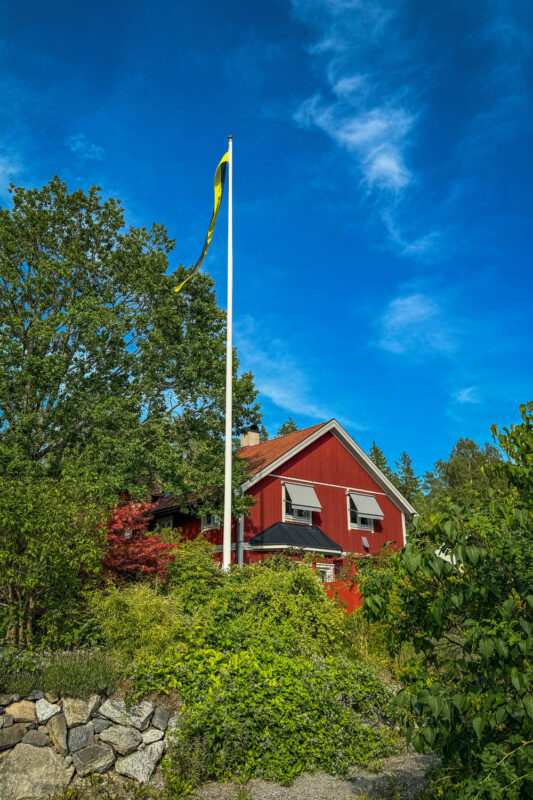
© Photo: Ayma,Unsplash
Do you know a hidden gem when it comes to local manufacturers—whether it’s arts and crafts, sustainable products or food?
David Taylor, Mojave Grönt and Kerstin Neumüller are all situated at Mellösaverken together with me which is a really nice setup. Near us you can visit Högtorp Gård and Jürss for intelligent food made locally. Swedens only Terazzo factory is located in Flen (5km)
Is there anything particularly innovative in your region? Also in comparison to other places you have already visited?
Last year the ”robot” shop opened in the village, its an unmanned village shop where you gain entry by using an authentication app and pay with a payment app (Swish). What a lift!
Do you have a secret restaurant tip that you would like to share with us?
In the small community of Sparreholm there is a restaurant that only opens once a month. It’s called Locale and they always serves a 4-course meal based on seasonal local produce. You need to book in advance, there is one sitting and everyone eats at the same time. It creates a very nice atmosphere and the food is wonderful! Malmköpings old town hall houses a café with lots of atmosphere and good bakery. If you pass by Mellösa in the summertime we have the best garden café in our ”hembygdsgård” where you’ll get introduced to all the locals and eat home baked cakes. Bonus when local musicians turn up to entertain the crowd.
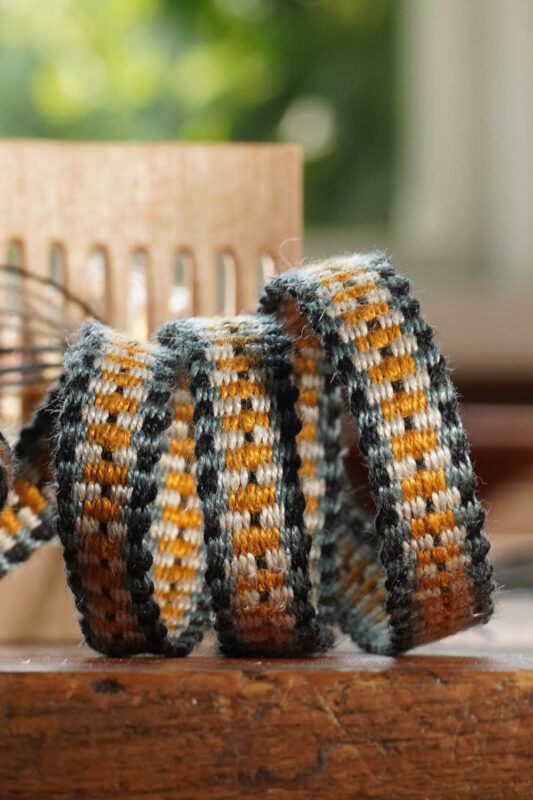
© Kerstin Neumüller
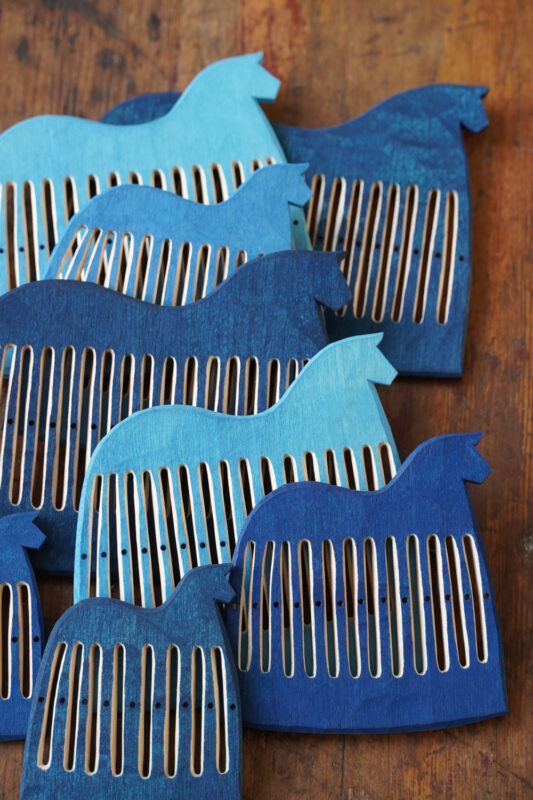
© Kerstin Neumüller
Is there a local shop whose products are only available in your region?
Jürss, they make amazing cheese, Högtorps Gård, they make products from what can be found in the forest, Warbro kvarn for for all kinds of organic locally grown and milled flour.
What are your 3 favourite apps that you use every day and couldn’t live without?
Nextory (for books), Instagram (for obvious reason) and Swish (for sending money to my kids)
Do you have any favourite newspapers or online magazines? And how do you keep up to date with politics or social and cultural issues?
Dagens Nyheter, the biggest daily newspaper is my main source. I read a lot, listen to the radio and various current affairs podcasts. Other than that I like to find articles with the help of my Facebook fiends. I receive number of monthly publication covering design, art, nature and the environment which are old fashioned print media.
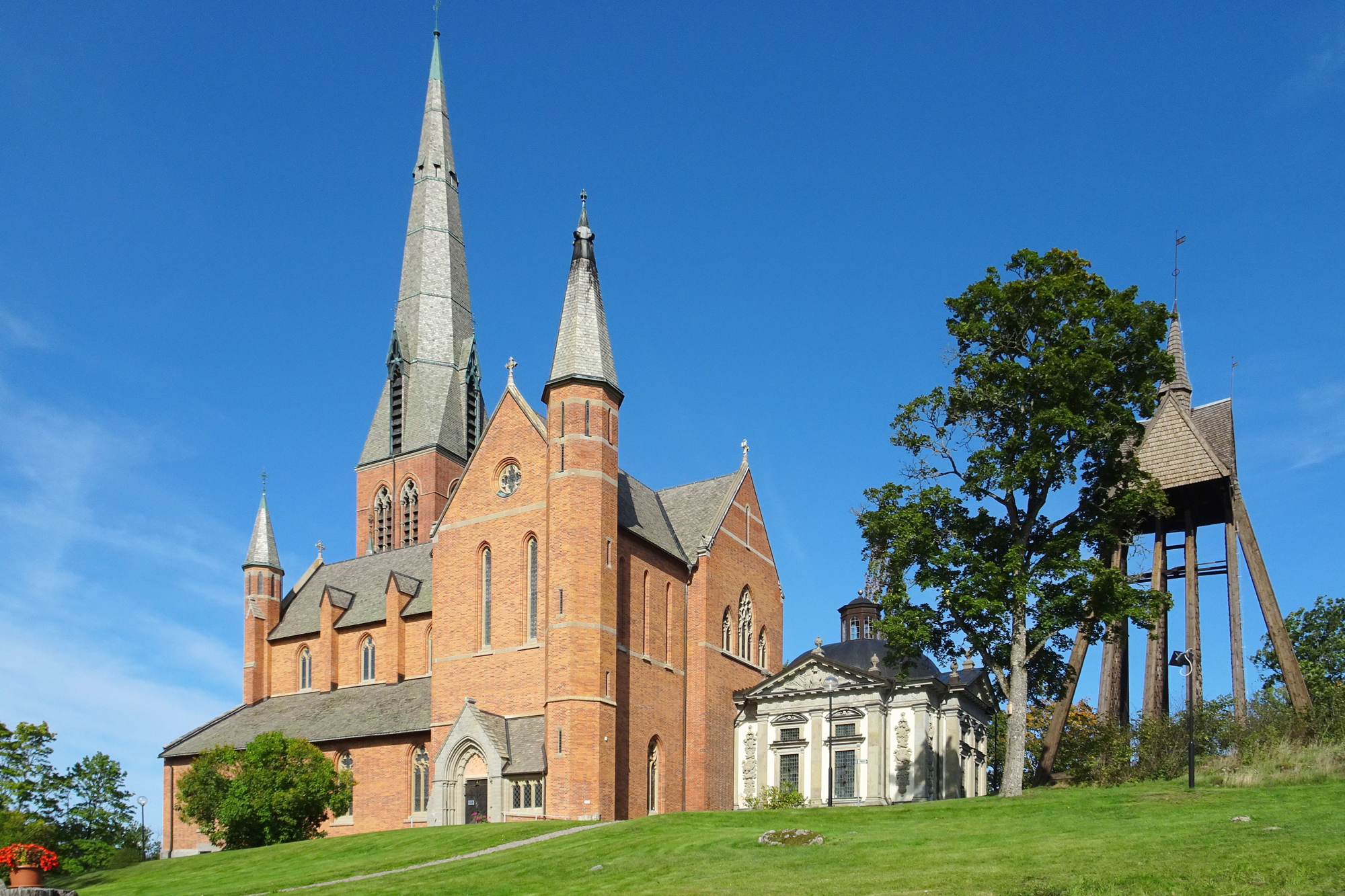
© Holger.Ellgaard, Floda kyrka, Södermanland, sept 2020a, Adjusted Colours , CC BY-SA 4.0
Imagine you could be mayor for a year—what would you change?
I would focus on changing the structures that allow people to avoid taking responsibility. Passiveness is frustrating and believing that everything is someone else’s responsibility is wrong. So many opportunities are lost in this way, by not feeling confident in the fact that we are all part of something. The strength of our municipality is its size, we are so small that we could all meet up in the central park! We should not see this as a weakness, quite the opposite! All the challenges that face our community are interconnected and as the man on the street we need to understand the power of the powerless is in working together, I see this as an obvious way to build a better and stronger community.
One last question: If you could choose another place to live—regardless of financial or time constrains—which one would you choose?
Up until a couple of years ago I would have said that countries close to the Mediterranean Sea were most attractive but now I feel like it would maybe be too warm for me during the summer. It would be really nice to live a year each in my neighbouring country’s Norway, Finland and Denmark. From all the places I have visited in my life there are of course some that stand out more than others; the food i South Korea, the friendliness in Ghana and the fantastic massage in Laos.
© Courtesy of the artist
© Courtesy of the artist
© Courtesy of the artist


