

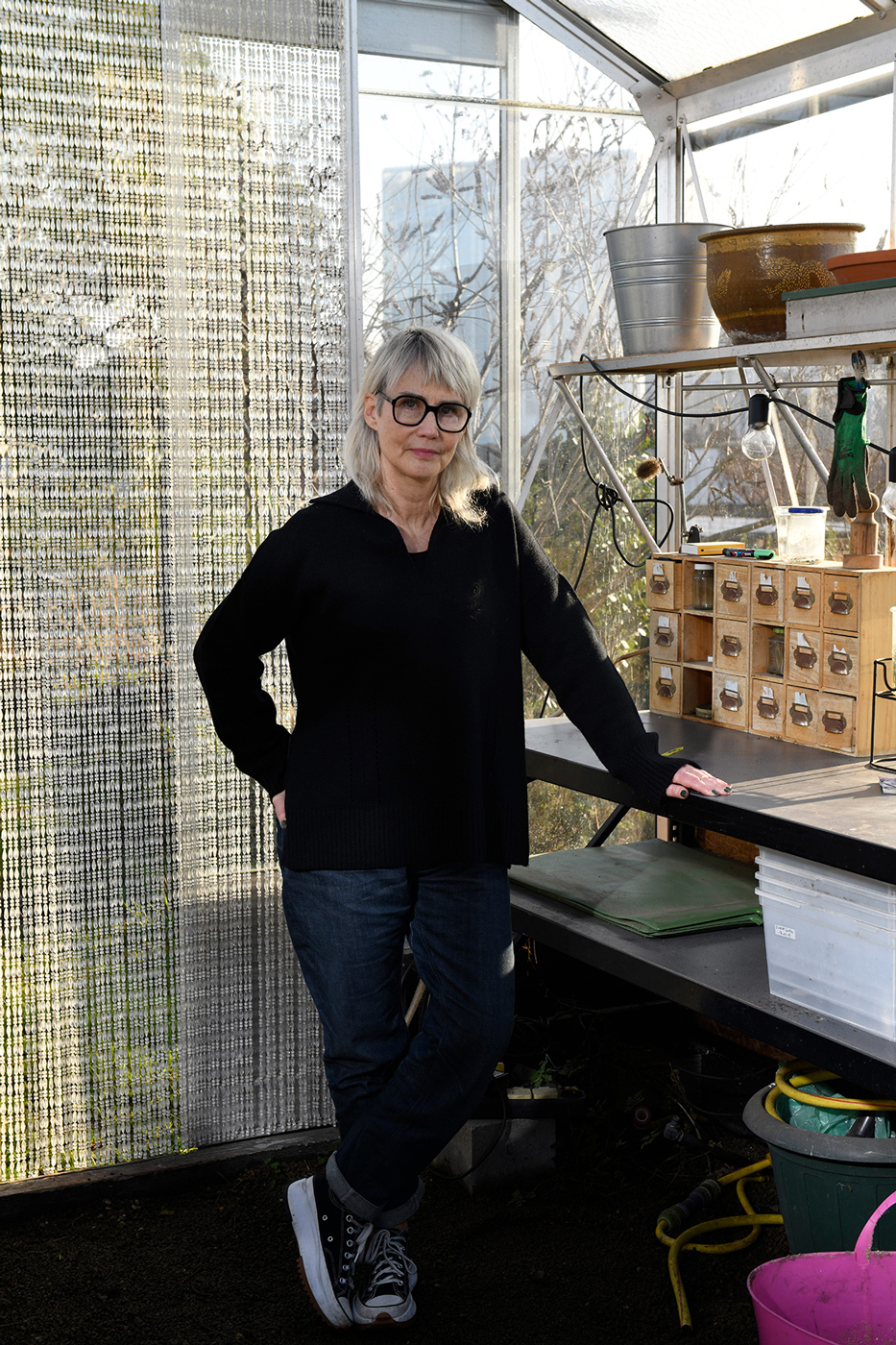
Transforming living materials such as plants, microbes and insects into dynamic works of art lies at the heart of Anna Marie Maes’s practice. Her creations, which evolve over time and reflect a deep engagement with the non-human world, can be viewed as long-term investigations. Maes not only studies the behaviour of pollinating insects, cultivation of microbial skin and organic materials, but also explores ways to create environments that promote coexistence with non-human life.
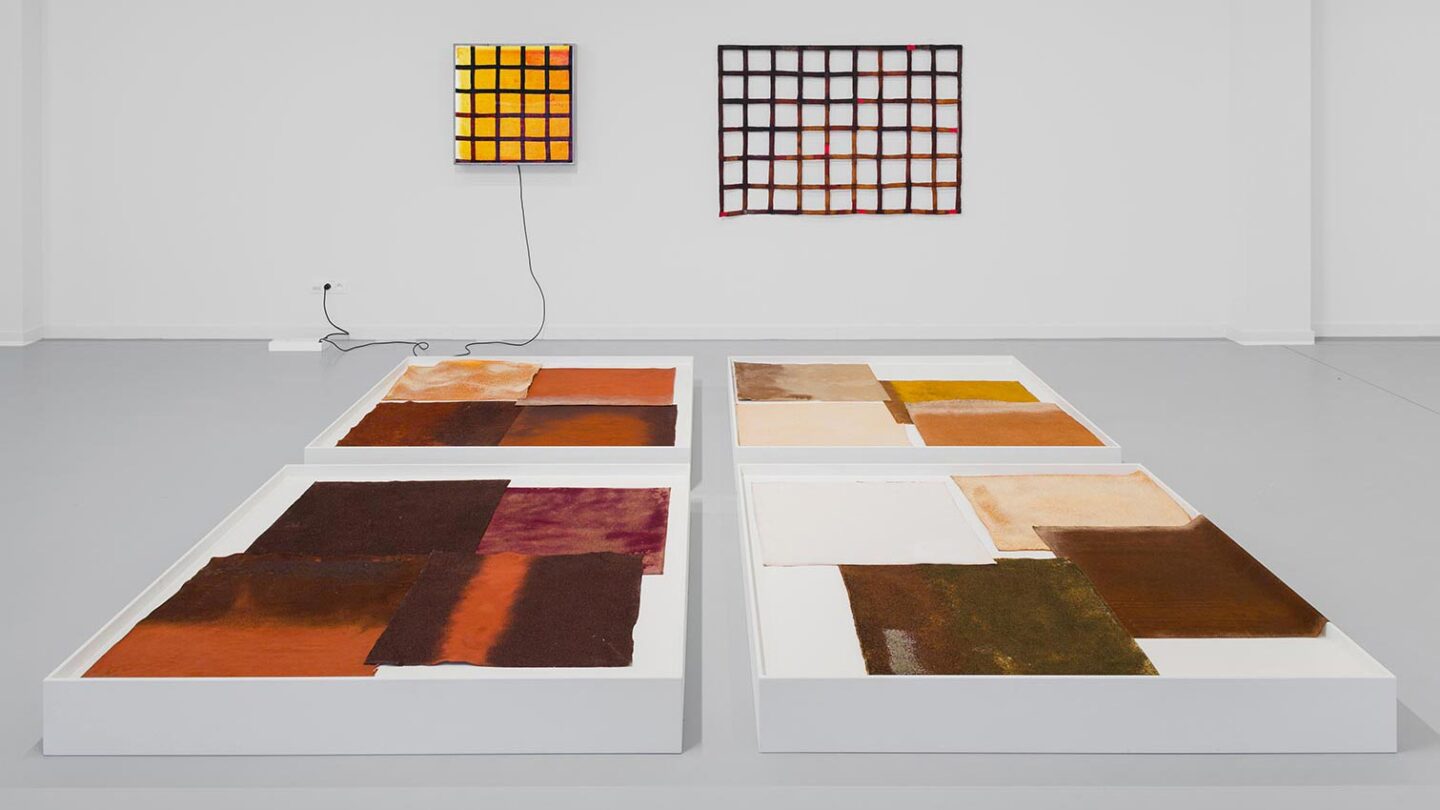
©Courtesy of the artist
Which place do you currently call home and where do you work on your projects?
Currently I spent most of my time in Brussels, the city that I call my home. My studio is also located here, but occasionally I do residencies and develop projects abroad.
Where is your studio located & how does it look?
My studio is an open-air laboratory, situated in a rooftop garden in the center of Brussels. Surrounded by the shifting microclimates of the city, this garden-studio offers space for experimenting with living materials—bacteria, plants, insects and fungi—whose growth and transformations become part of the work itself. Processes unfold slowly, guided by sunlight, wind and seasonal rhythms rather than by the controlled conditions of an indoor studio.
Working here means collaborating with the non-human inhabitants of the roof: observing, cultivating, harvesting, and sometimes simply waiting for matter to change. The open-air laboratory does not separate research from practice, or nature from culture; instead, the garden becomes a site where art, biology and ecology continuously influence each other. The results are not just objects, but evolving organisms, traces of time, and material conversations with the more-than-human world.
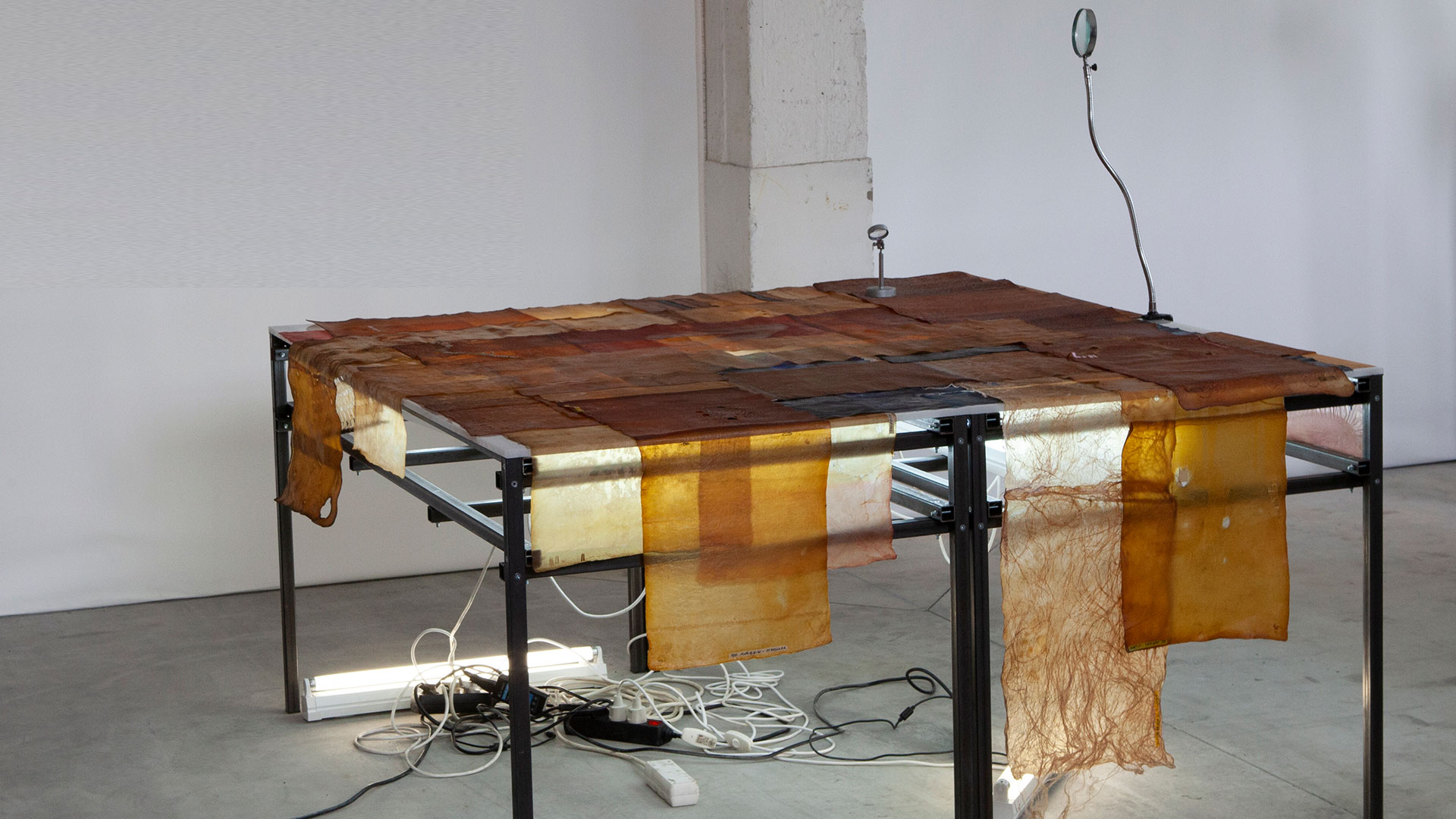
©Courtesy of the artist
Are there any projects that are important to you personally, that you have recently completed or that you are still working on?
Over the years, three interconnected lines of research have gradually taken shape in this environment. The first emerges from long observation of pollinating insects and their fragile ecologies—an inquiry that began with bees, and that continues to unfold through close encounters with colonies, foraging pathways, and the changing urban biodiversity around the garden. The second research line develops from learning to grow and transform organic matter: microbial skins, vegetal fibres, bio-pigments and bacterial dyes become tactile carriers of time, responsive to humidity, temperature, and the invisible presence of microorganisms that co-create their appearance. A third trajectory concerns the architecture of cohabitation itself: how spaces, shelters, or sculptural environments might support entanglement rather than extraction, and how artistic forms can host rather than simply represent the more-than-human.
These three lines continuously intersect on the rooftop, where experiments never remain isolated but influence each other across seasons. Works are not conceived as final, autonomous objects, but as evolving outcomes of long-term relations—material negotiations between insects, plants, microbes and the human hand.
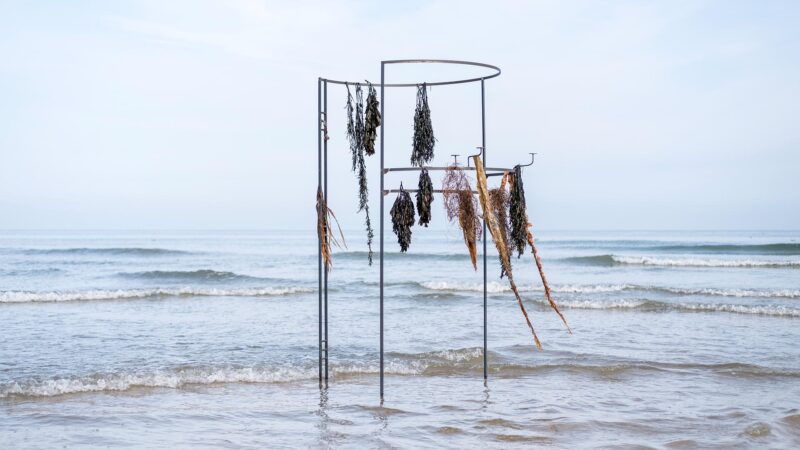
©Courtesy of the artist

©Courtesy of the artist
Do you have a favorite place in your area where you like to relax and linger?
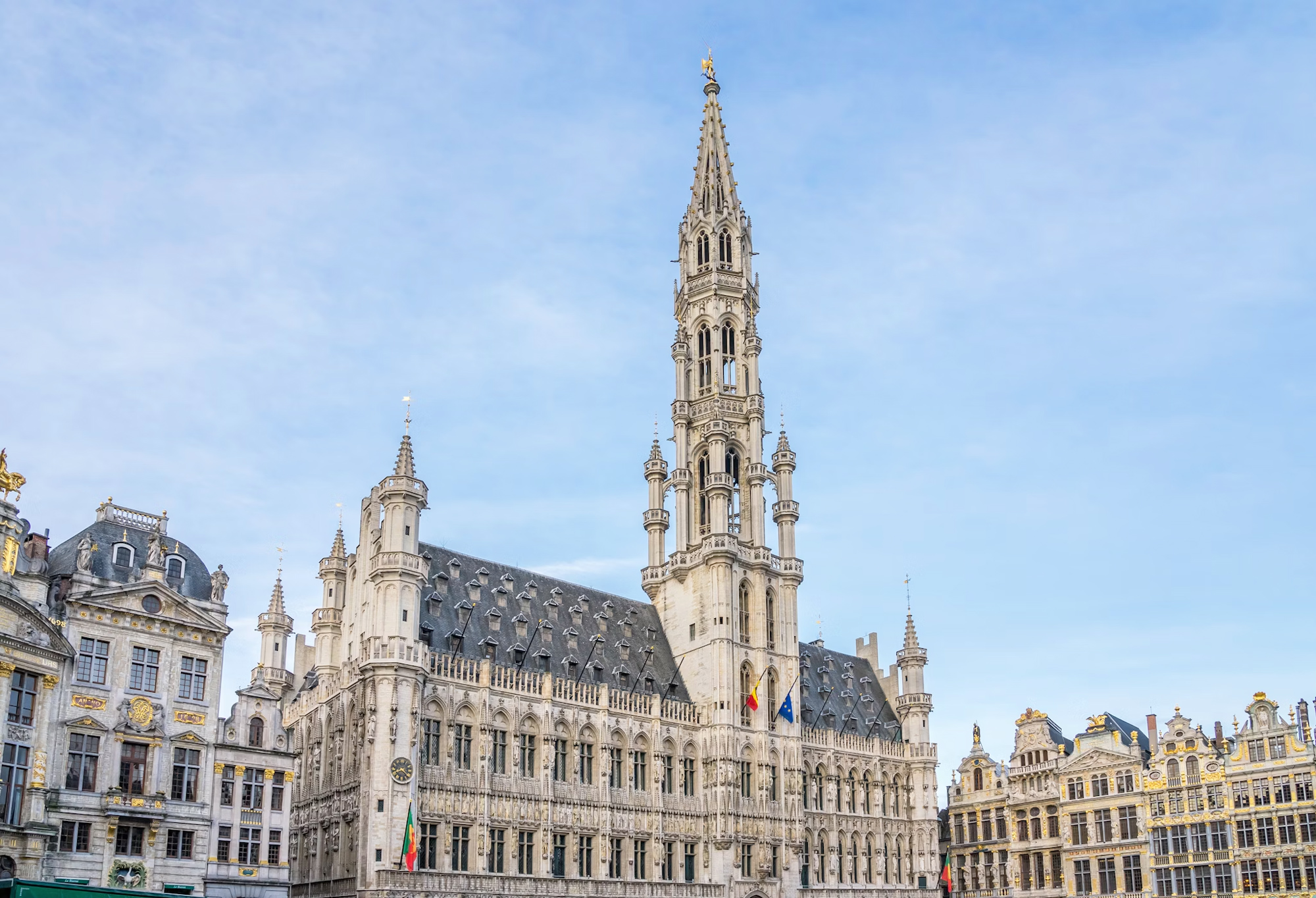
Yes, I love to spend time in the Brussels art centres. They offer an extraordinary diversity of exhibitions—ranging from ancient collections to very contemporary practices, from internationally renowned artists to unexpected discoveries. What I value most is the possibility to wander without a fixed goal, to encounter artworks that open new perspectives or resonate with my own research in unexpected ways. These spaces allow me to slow down, to observe how artistic ideas circulate across time, and to feel connected to a larger cultural ecosystem that is constantly renewing itself within the city.
© Photo:Leonhard Niederwimmer, Unsplash
Are there any urgent political issues or problems in your region?
I don’t perceive urgent political issues within my immediate surroundings, but living in Brussels—the European capital—means that European and even global matters are constantly present in daily life. Policies, debates, and decisions that affect the continent are discussed, protested, or implemented here almost visibly. The city becomes a stage where broader political currents intersect, from climate initiatives and migration policies to economic and social regulations. Even if local issues feel less pressing, there is an undeniable awareness of the wider structures and challenges that shape life across Europe, and one cannot remain untouched by the ongoing dialogue and tensions that circulate in this urban context.
In your opinion, what has developed well in the last 5 years—and what has not?
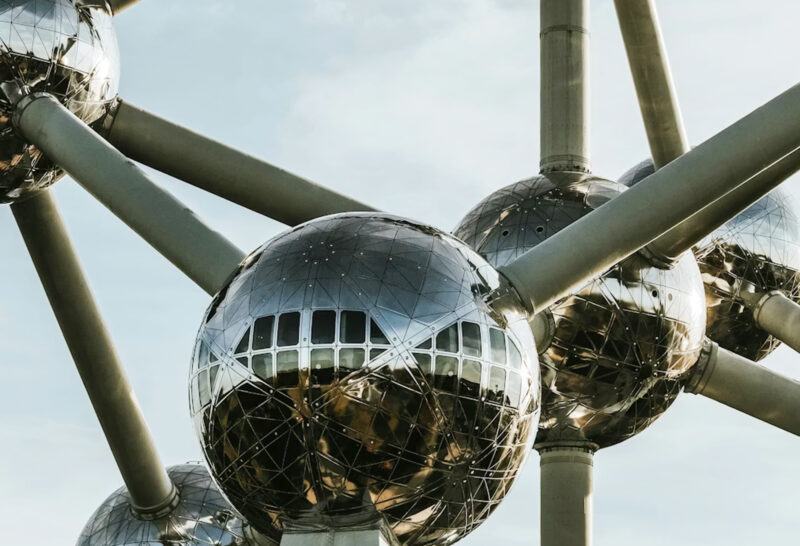
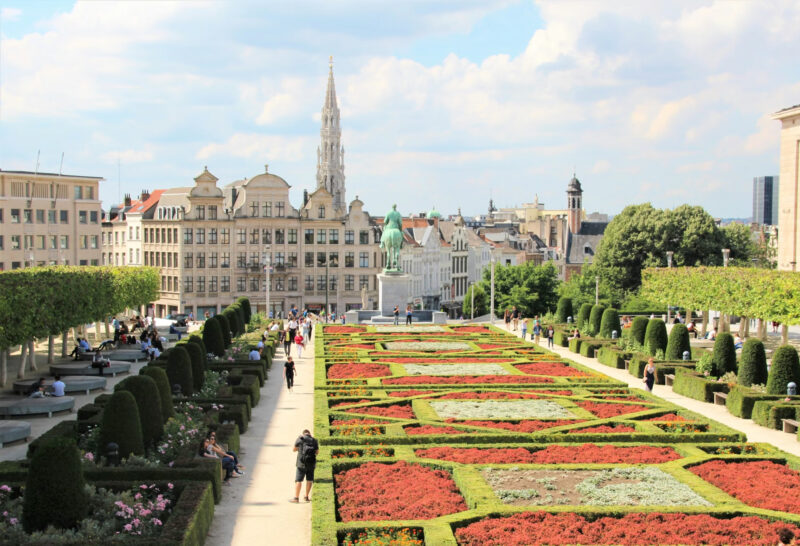
From a cultural and artistic perspective, Brussels has developed remarkably in the past five years. The city has seen a flourishing of contemporary art spaces, experimental projects, and international collaborations, creating a rich ecosystem where emerging and established artists coexist. Festivals, biennials, and public art initiatives have gained visibility, allowing a dialogue between local creativity and global trends. There is also a growing awareness of ecological and socially engaged art practices, which reflects a broader sensitivity to sustainability and collective responsibility.
At the same time, progress in political, social, and economic realms has been uneven. Affordable housing and social inequality remain pressing concerns, and the city struggles to reconcile its international status with the needs of its residents. Bureaucratic and infrastructural challenges can slow initiatives, and access to cultural resources is not always equally distributed across communities. While the artistic and cultural vitality is impressive, it exists alongsid (…)
© Photo: Cosmin Serban, Unsplash
© Photo: Sergio Otoya, Unsplash
Do you know a hidden gem when it comes to local manufacturers—whether it’s arts and crafts, sustainable products or food?
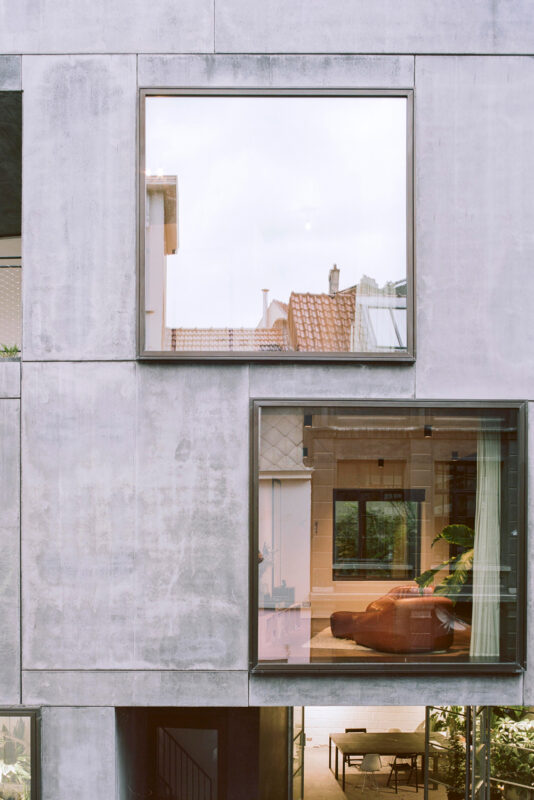
Yes, my neighborhood, around the rue de Flandre in the heart of Brussels, is full of little hidden gems that reflect the city’s creative and eclectic spirit. One standout is Kline, a brutalist-inspired restaurant that also doubles as a hotel named Teddy Picker, offering a unique blend of architecture, hospitality, and design. Just a short walk away, the Marollen district and its famous flea market reveal a wealth of curiosities—from vintage furniture to artisanal objects—where the everyday and the artistic coexist in surprising ways. The area is also home to the beautiful local swimming pool, a quiet architectural treasure where the city seems to slow down. On the cultural horizon, the imminent opening (end of 2026) of Kanal, a major contemporary art project, promises to transform the neighborhood even further, bridging history, modern art, and community engagement. As a local artistic initiative, I recently helped set up From Brussels with Love, a project with a few fellow artists that explores collaboration, community, and creative exchange in the city.

© Teddy Picker
© Teddy Picker
Is there anything particularly innovative in your region? Also in comparison to other places you have already visited?
I have spent quite some time in Barcelona and Venice—both fantastic cities with an incredible richness of art and cultural history, stretching from the past to the present. Yet in Brussels, I find a particular kind of innovation that sets it apart. Cultural spaces like Bozar, WIELS, and numerous smaller art centers create an ecosystem where contemporary art is not isolated from daily life, but embedded within it. Here, artistic experimentation, dialogue, and public engagement are woven into the city’s rhythms, making art a living, participatory experience rather than a distant spectacle. This integration of art into everyday urban life, combined with Brussels’ openness to both established and emerging practices, gives the city a unique cultural vitality that I find particularly inspiring.
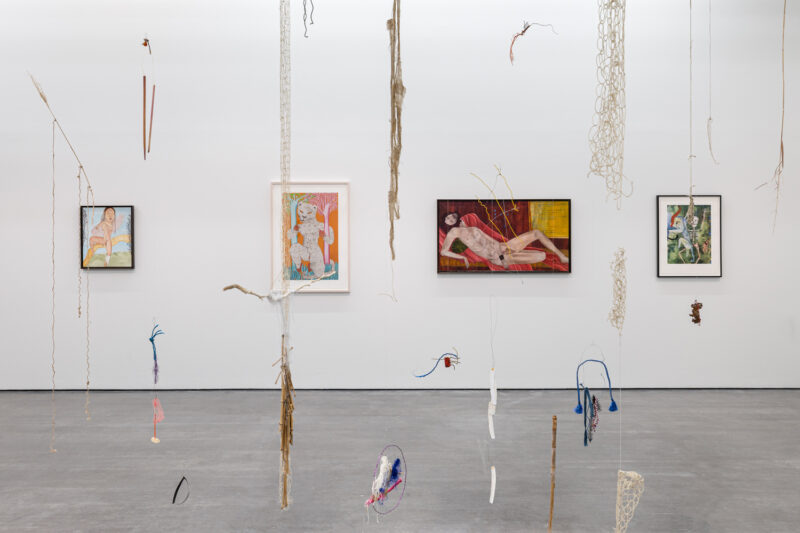
©WIELS
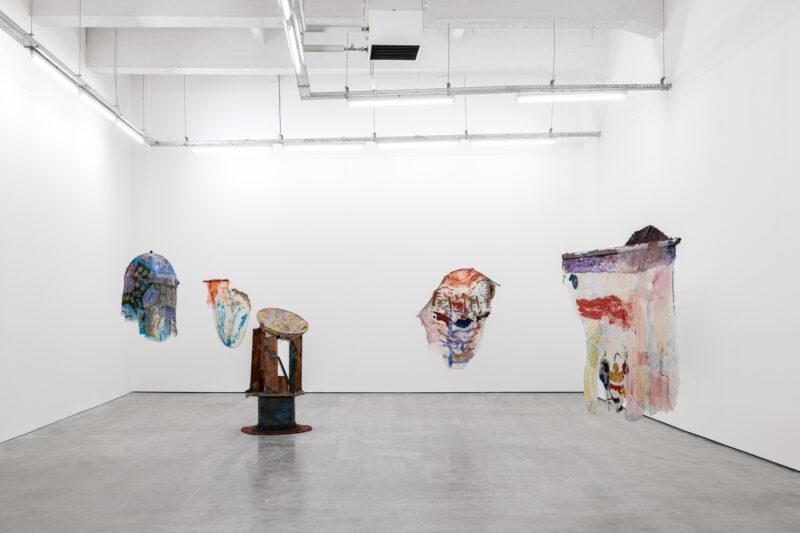
©WIELS
Do you have a secret restaurant tip that you would like to share with us?
Yes, I can recommend Kline restaurant.
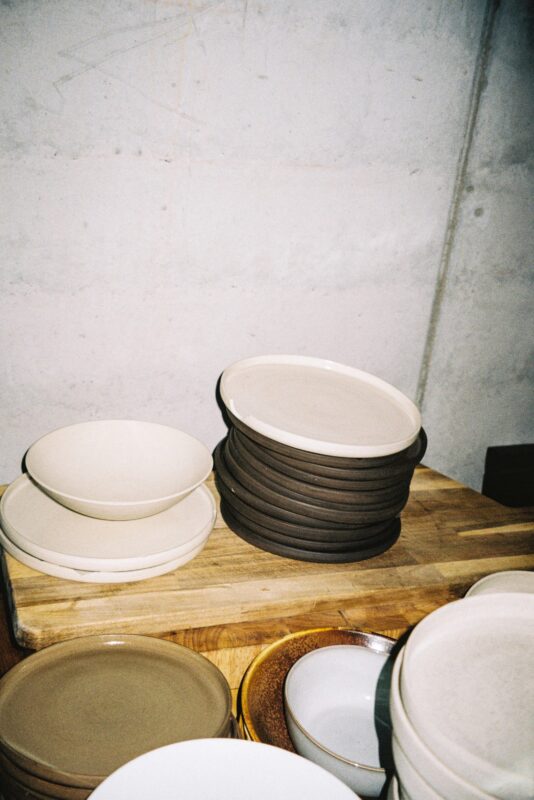
©Kline

©Kline
Is there a local shop whose products are only available in your region?
Yes, there are a few local shops in Brussels that offer products truly rooted in the city. Around the rue de Flandre and the Marollen district, for example, small artisanal boutiques sell items that you can find nowhere else—handcrafted ceramics, bespoke textiles, and locally produced gourmet goods. Some shops combine traditional craftsmanship with contemporary design, reflecting the city’s unique blend of heritage and experimentation. And, of course, there is the iconic Belgian chocolate and Belgian beer, now complemented by a growing selection of Belgian wine and spumante, which highlight the region’s evolving dedication to quality and craft. These products are not just consumables, but tangible expressions of place, culture, and the creativity of their makers.
What are your 3 favourite apps that you use every day and couldn’t live without?
I can easily live without any app!
Do you have any favourite newspapers or online magazines? And how do you keep up to date with politics or social and cultural issues?
Yes, I prefer printed publications—I like to support the makers and the craft of publishing. For art and culture, I regularly read Glean.art, Metropolis M, Cura, Flash Art, and Apartamento, which offer thoughtful perspectives on contemporary practices, design, and visual culture. For daily reading, I follow the local newspapers as well as international sources like The New York Times, staying informed about current events while keeping a broader cultural and political perspective.
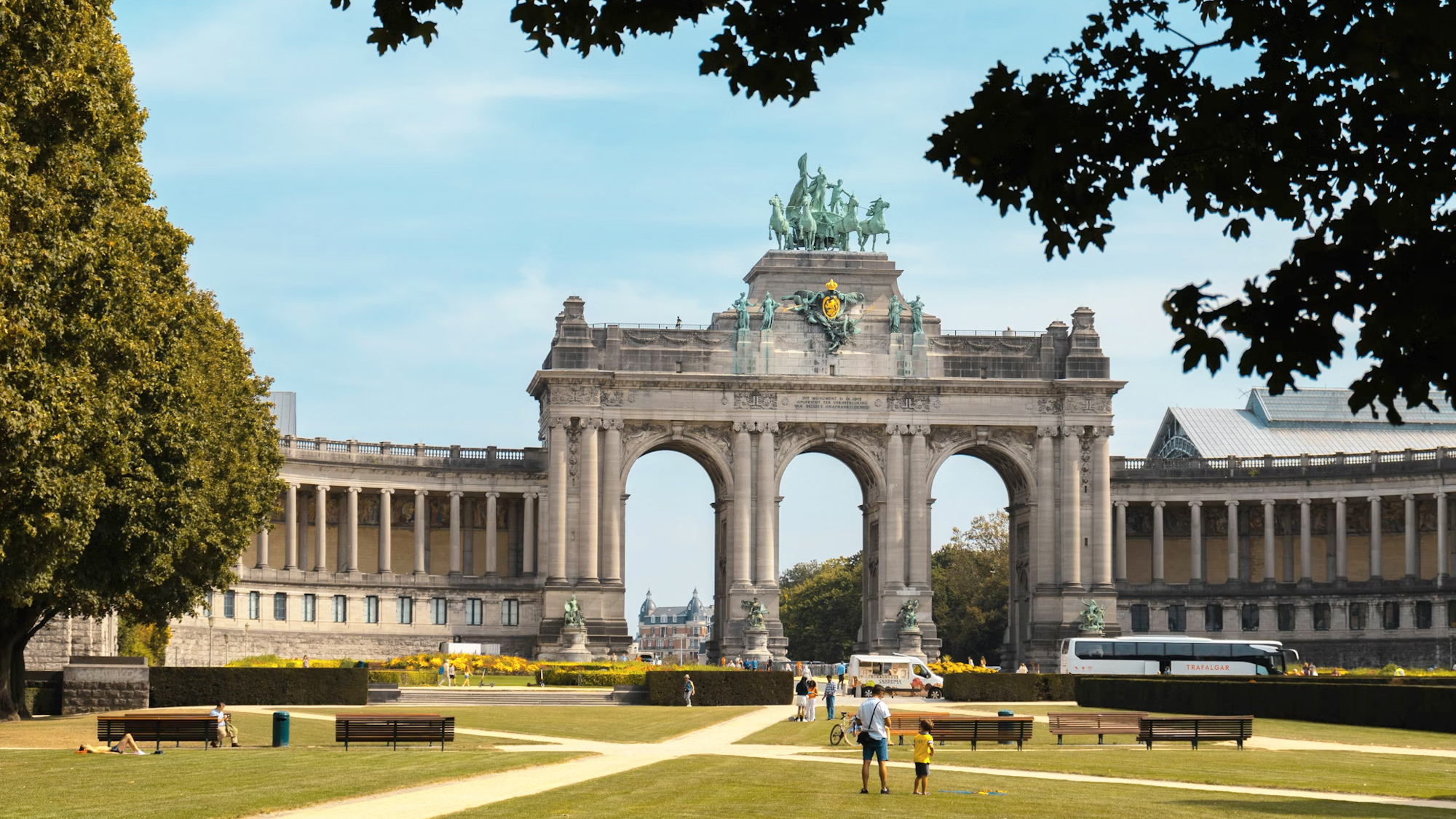
© Photo: François Genon, Unsplash
Imagine you could be mayor for a year—what would you change?
If I could be mayor for a year, I would focus on even more art and culture. I believe that art and culture are the missing link connecting the city’s extraordinary diversity of people. And by art and culture, I mean more than exhibitions alone—I envision workshops, guided walks, informal meetings, and encounters in unexpected or non-traditional spaces throughout the city. Spaces where people can meet, exchange, experiment, and co-create, breaking down barriers and building shared experiences. In this way, culture would not just be something to observe, but a living, participatory force that nurtures understanding, curiosity, and connection across communities.
One last question: If you could choose another place to live—regardless of financial or time constrains—which one would you choose?
I have lived, temporarily, in many different cities—Barcelona, Venice, Berlin—each offering its own unique rhythms, histories, and atmospheres. Yet, after all these experiences, I am perfectly happy to be back in Brussels. The city’s cultural richness, its mix of local and international influences, and the way art and daily life intersect here make it a place where I feel both inspired and at home. And, of course, not to forget: my friends! Their presence and companionship make the city truly meaningful.


