

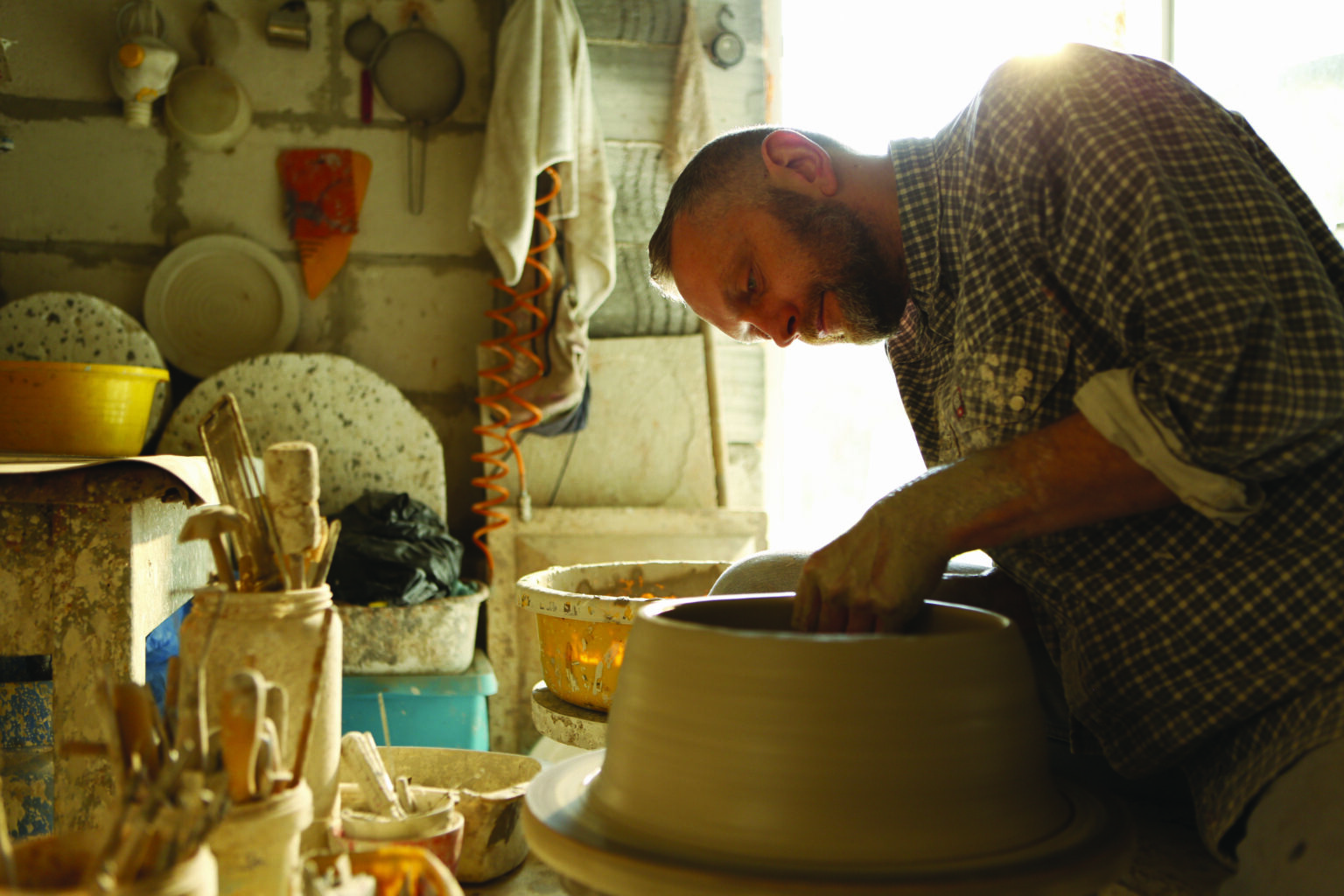
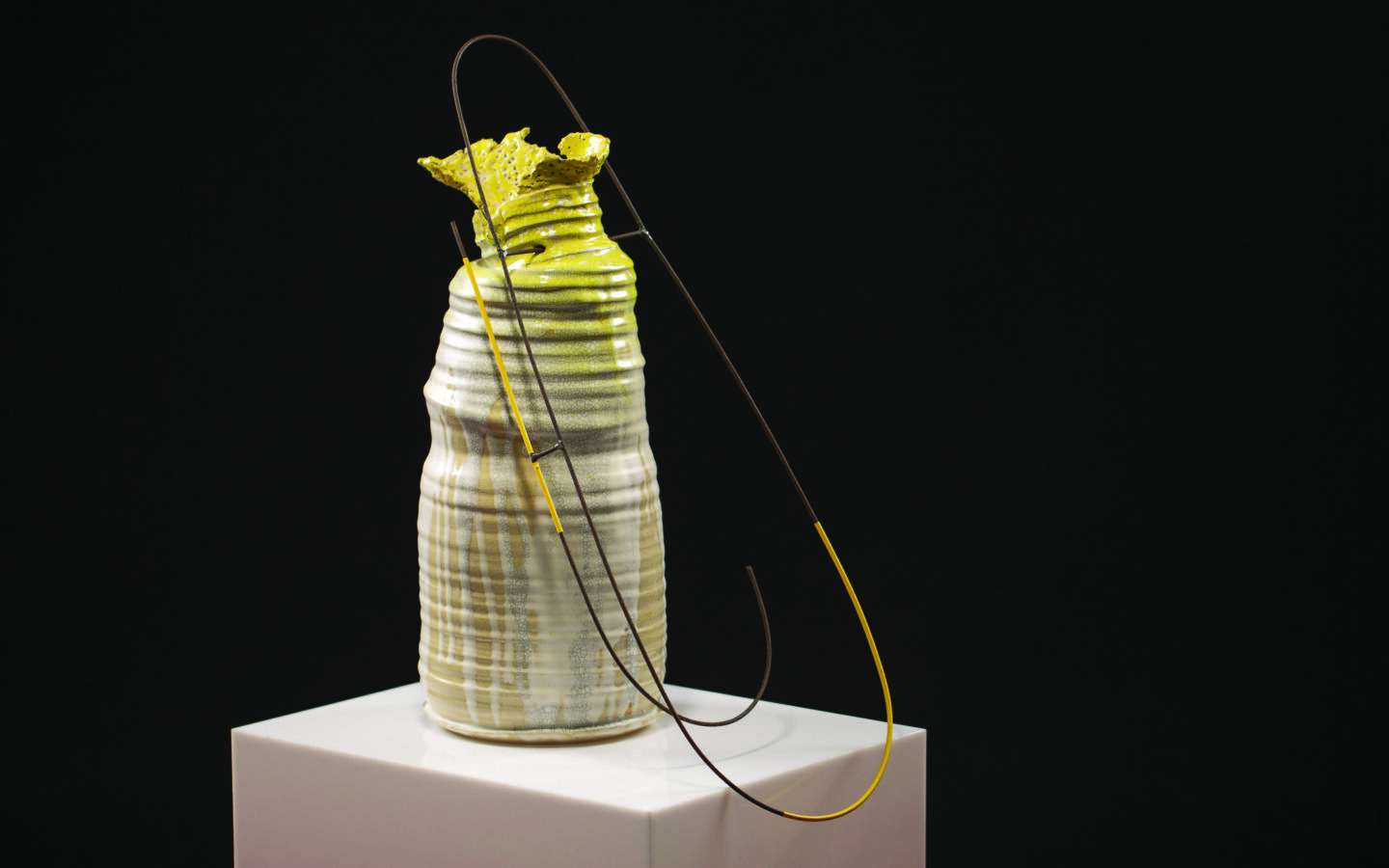
Rooted in Poland for generations, Adam Sobota’s practice moves between control and unpredictability, where clay becomes a quiet record of transformation. His works, both functional and sculptural, embrace irregularity.
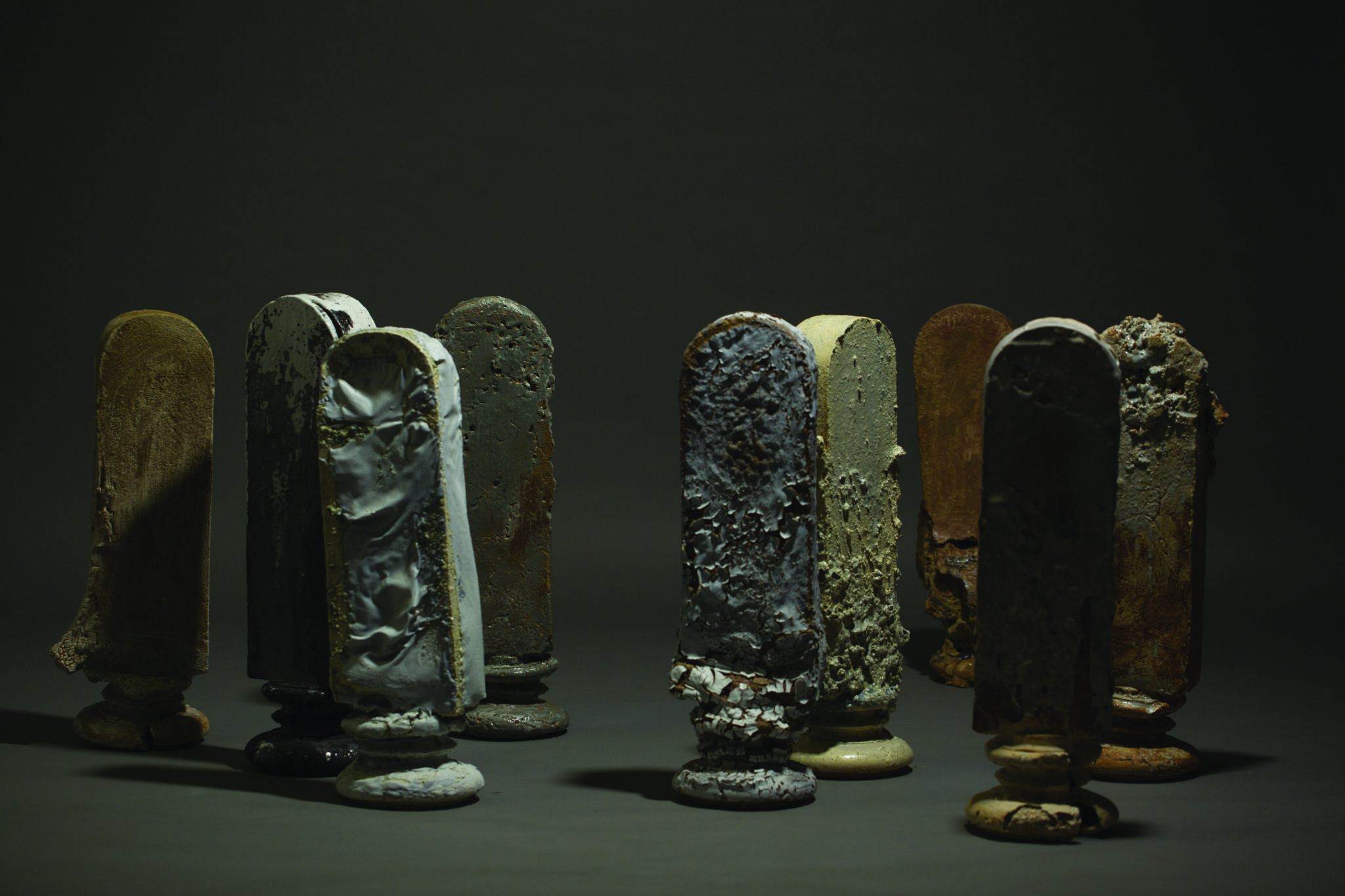
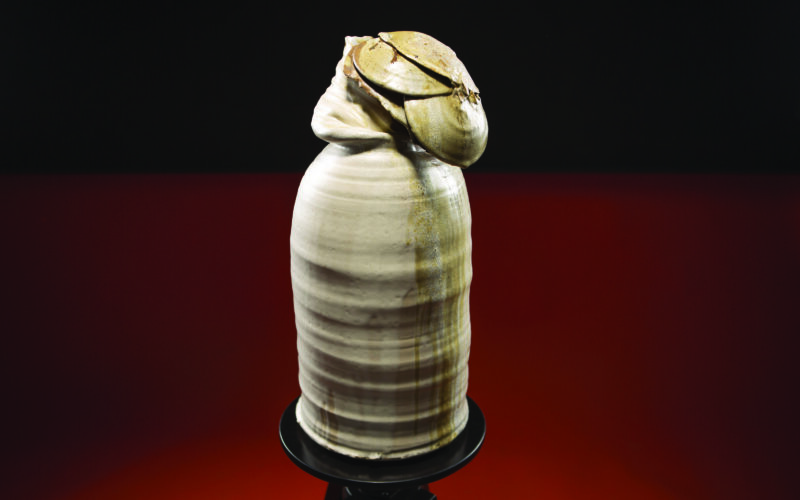
Surfaces carry organic traces, fractures and pores that echo time, instability and the persistence of change. Forms emerge that feel at once intentional and fragile, as if shaped as much by the material itself as by the artist’s hand.
© Courtesy of the artist
Which place do you currently call home and where do you work on your projects?
I live and work in Przyszowice, a small town in Upper Silesia, southern Poland.
Where is your studio located & how does it look?
My ceramic studio is located in the garden, right next to my family home in Przyszowice. I affectionately call it the Burrow because it’s small, covered in clay, and has a low ceiling. The entrance to the studio is hidden behind long vines hanging down from the roof. Inside, there is a constant state of chaos, which probably reflects my own chaotic nature.
© Courtesy of the artist
Are there any projects that are personally important to you—whether recently completed or currently in progress?
I am currently working on two projects. Next spring, I will be opening an installation at the BWA Gallery in Kielce. In the park surrounding the gallery, a clay cast of my body — a Golem — will be placed. It will be made from clay mixed with various types of seeds. Inside the cast, there will be a small fired ceramic figurine, also representing a human figure. The outer shell, exposed to atmospheric conditions, will gradually deteriorate, revealing the figure hidden inside. The entire process is to be photographed regularly over the course of three years, and the documentation will be presented in a concluding exhibition.
The second exhibition, which I am slowly beginning to work on, is closely connected to my home region — Upper Silesia. It will address the industrial heritage of Silesia and its influence on the landscape of my small homeland. For the Silesian Museum in Katowice, I intend to create sculptural objects inspired by mining waste heaps.
© Courtesy of the artist
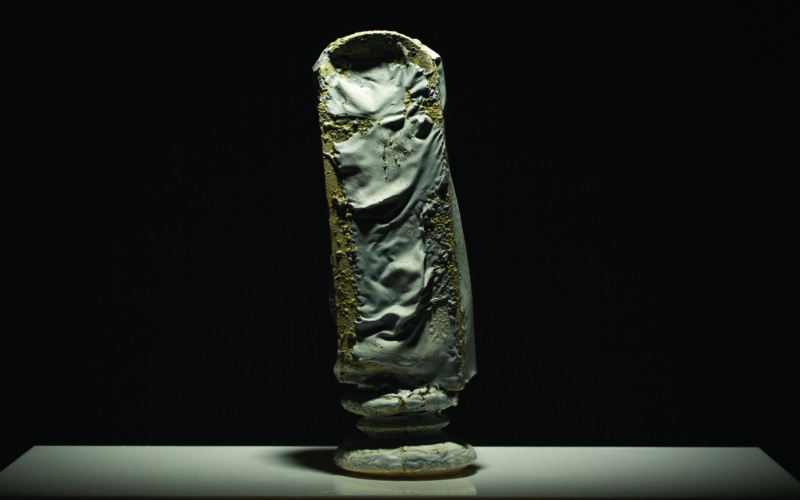
© Courtesy of the artist
Do you have a favorite place in your area where you like to relax and linger?
I have two places that are very different from each other and both perfectly reflect the complexity of my region.
The first one is the slightly uneven area behind my grandparents’ house which is intersected by cultivated fields. During my walks I like to observe the colors and textures of the plants and how they change with the seasons.
The second place is the area on and around the mining waste heaps. The unfriendly and alienated look of that land gives the impression of a landscape from another planet. The invasive vegetation found in this area is going to cover it in a few years time.
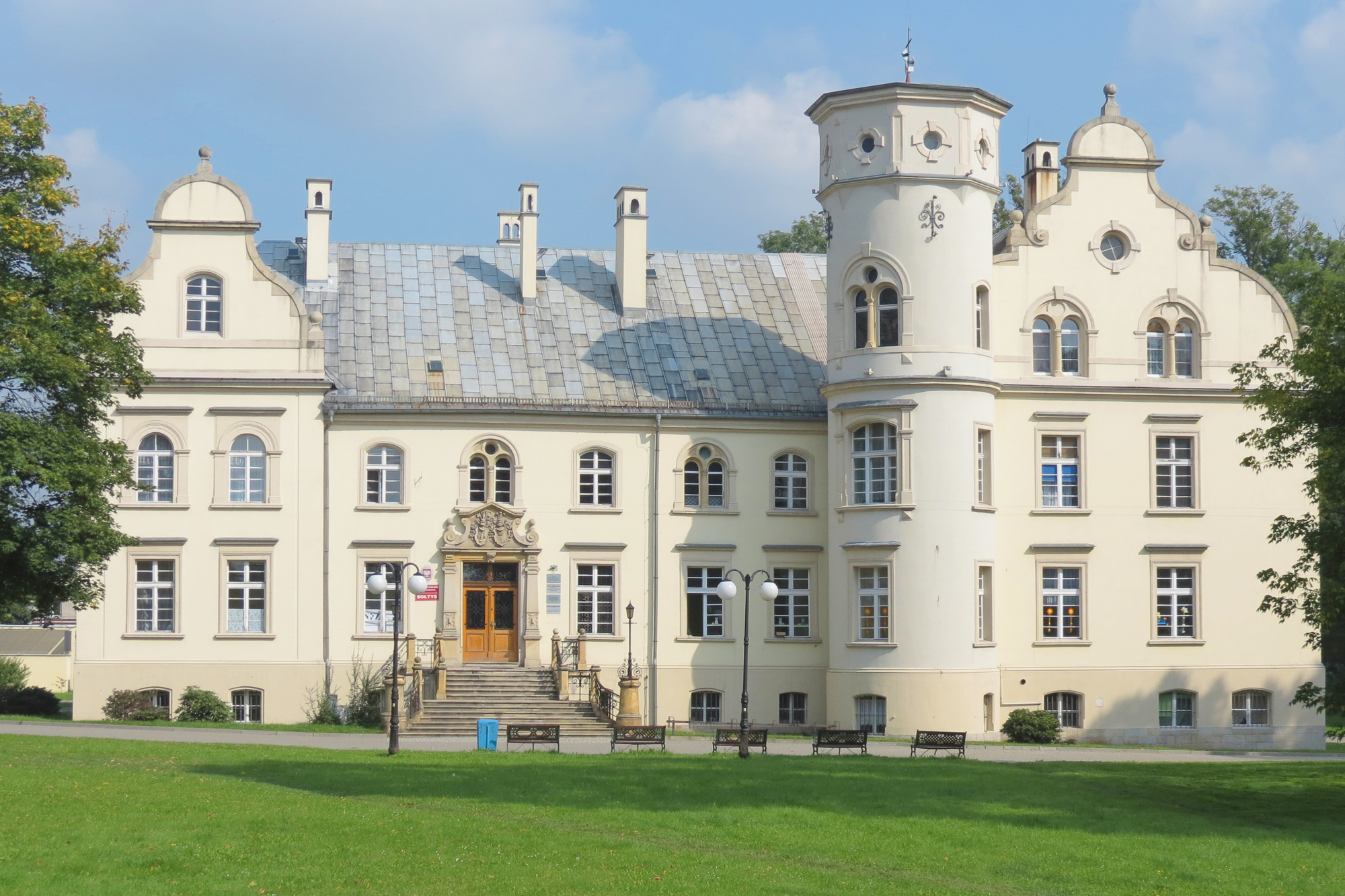
© Bazie, Przyszowice, pałac, widok od pd., Adjusted Colours, CC BY-SA 3.0 PL
Are there any urgent political issues or problems in your region?
As in other parts of Europe, the politics in my country has recently greatly polarized our society. We see everything in black and white colors, and our politicians often lose their common sense and take no interest in the future of their electorate.
In your opinion, what has developed well in the last 5 years—and what has not?
There have been some rapid changes taking place in Poland, and these changes are perhaps more visible in Upper Silesia than in other parts of the country.
Our infrastructure has developed significantly. The regeneration has taken place in many urban areas, which has given some cities a more modern, fresher look. The local authorities begin to recognize the importance of sustainable development which can improve the quality of everyone’s life.
At the same time, some other cities are struggling to recover from the decline of the heavy Silesian industry. These areas are falling into neglect and starting to depopulate.
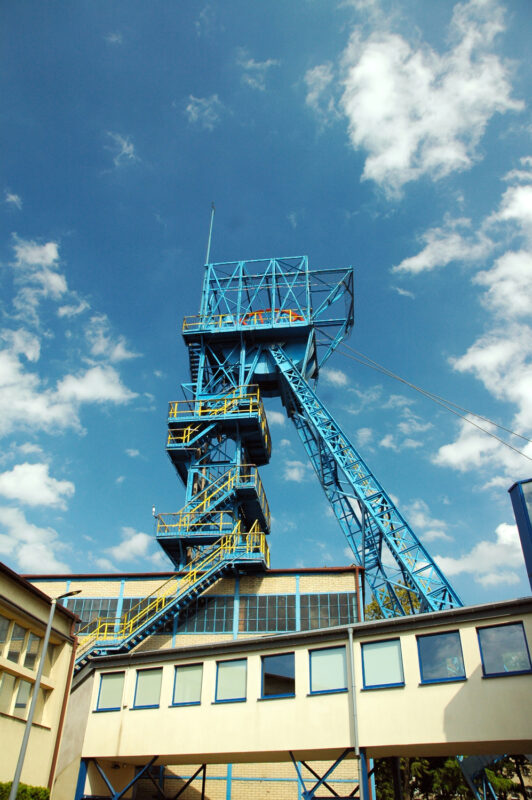
© Zwiadowca21, Zabrze – Kopalnia Guido – szyb – 10.08.2024 15-21-20, Adjusted colours , CC BY-SA 4.0
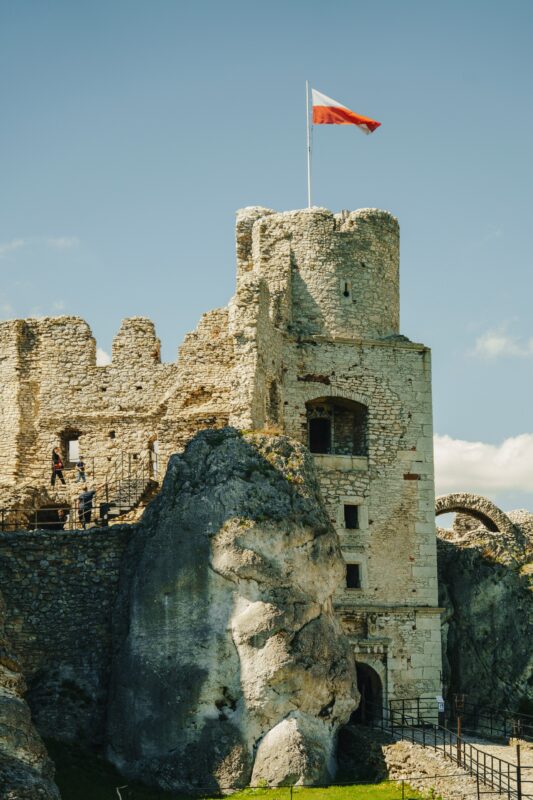
© Photo: Dawid Tkocz,Unsplash
Do you know a hidden gem when it comes to local manufacturers—whether it’s arts and crafts, sustainable products or food?
I am a huge coffee enthusiast and I’m glad that in my nearest town, Gliwice, there is a fantastic coffee roastery called “Kafar“.
The employees are true coffee lovers who not only ensure the highest quality of their products but also promote the knowledge about coffee amongst their customers.
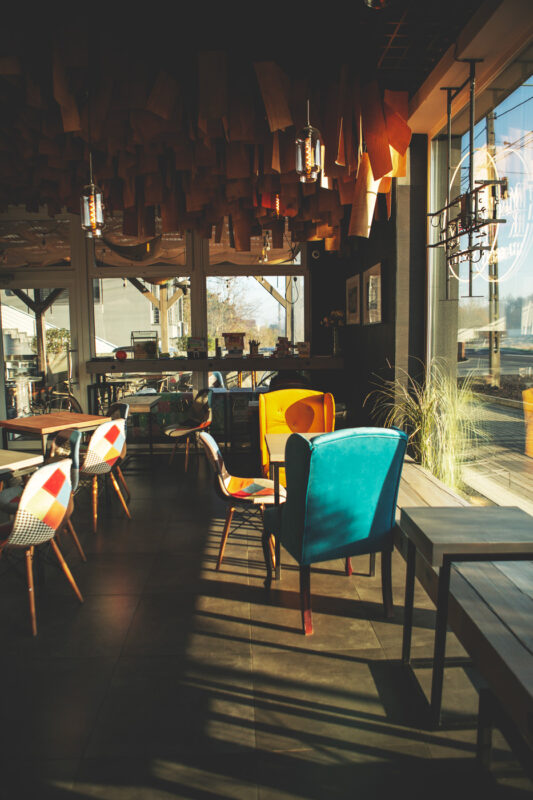
© Maszkety u Grety
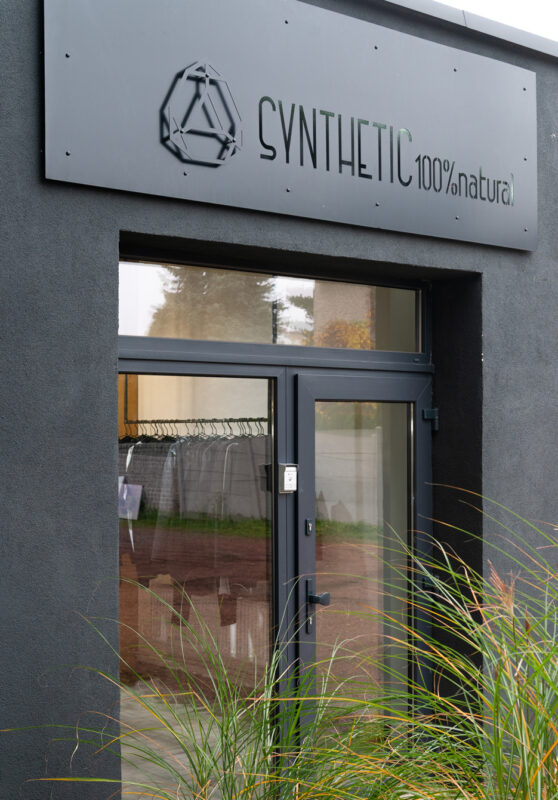
© Synthetic 100% natural
Is there anything particularly innovative in your region? Also in comparison to other places you have already visited?
The gradual decline of heavy industry took place after the fall of communism, however many highly educated people remained working in Silesia. There are a number of renowned technical colleges preparing our young people for work in companies based on new technologies. I believe that the progressive information technologies and robotics make our region stand out.
Do you have a secret restaurant tip that you would like to share with us?
My favorite place in my town is the café “Maszkety u Grety“. It may not be a ‘Michelin- starred’ cafe, but I love the atmosphere of this place.
It gives me real pleasure to see the cafe staff’s joy and passion in baking cakes, and making desserts, and chocolates. Thanks to the dedication and commitment of the cafe owners, the place also serves as a cultural venue. It often hosts author meetings, films screenings and culinary events. And above all you can drink an excellent espresso served in my own cup!
Is there a local shop whose products are only available in your region?
One of the great companies based in Katowice, the capital of Silesia, is “Brokat“. This company specializes in creating jewelry made from coal. For decades, coal was mined in Upper Silesia, and jewelry made from this rock make a unique and original souvenir.
On the other hand in Gliwice, there is a clothing company called “Synthetic 100% natural”. The designer and the entire production team are Silesians. Their clothing design creatively refers to the spirit of Upper Silesia. The dominant color of the clothes is black, which resembles coal. The characteristic angular cuts of the clothing match the specific tectonics of Silesian soil.
What are your 3 favourite apps that you use every day and couldn’t live without?
Three apps I use every day? Instagram, Instagram, Instagram
Do you have any favourite newspapers or online magazines? And how do you keep up to date with politics or social and cultural issues?
I mainly get my daily news from the Internet. To deepen my knowledge about the world, politics and culture, I read various monthly magazines, which I still buy in paper form.
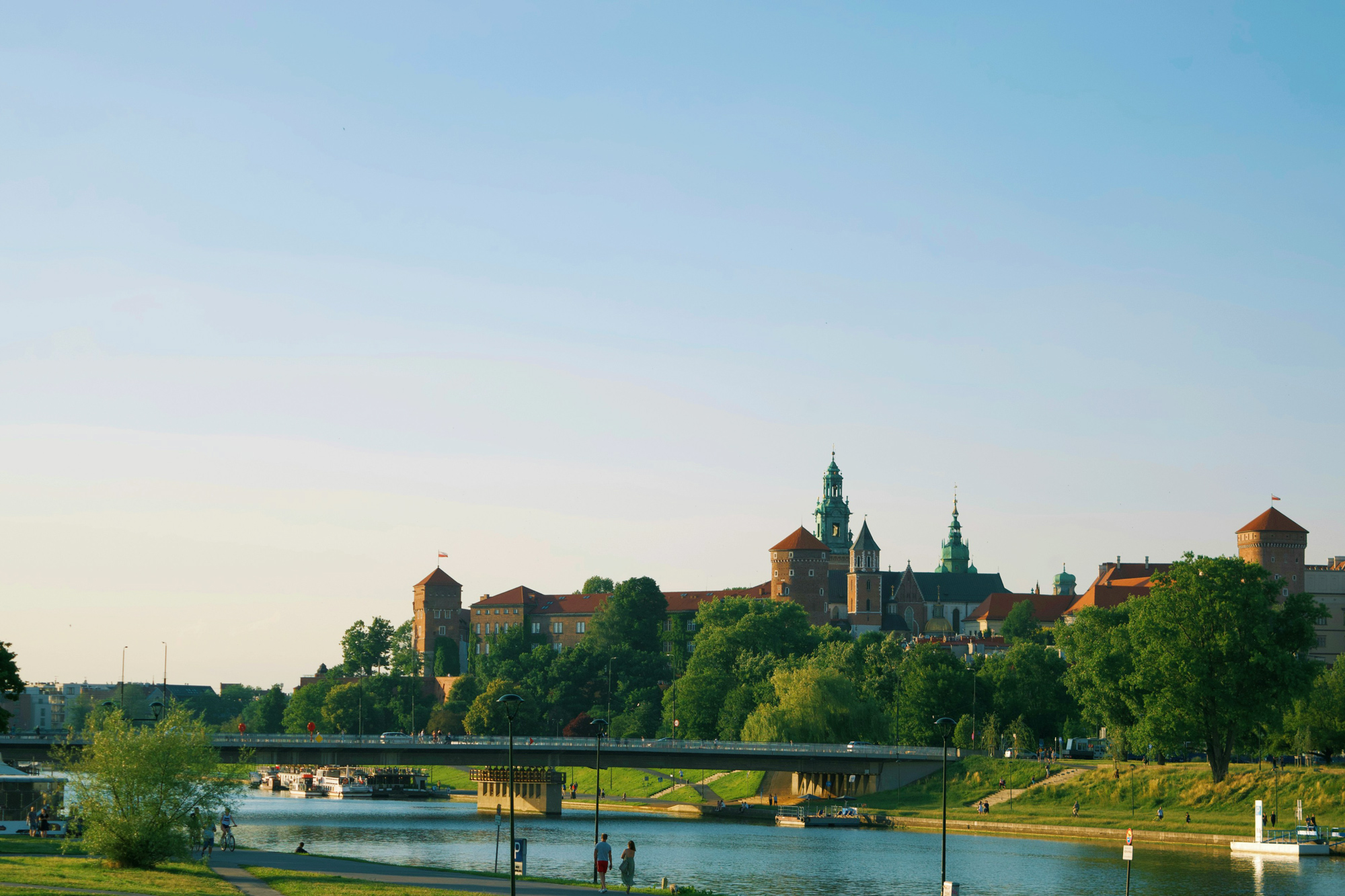
© Photo: Dawid Tkocz,Unsplash
Imagine you could be mayor for a year—what would you change?
In Przyszowice, there is a palace and a well-kept park that adjoins it. Unfortunately, their potential is not sufficiently utilized by the village authorities.
That’s why I would like to transform this area into a cultural center that integrates and strengthens social ties in my village.
One last question: If you could choose another place to live—regardless of financial or time constrains—which one would you choose?
I am happy with the place and time in which I live.


