

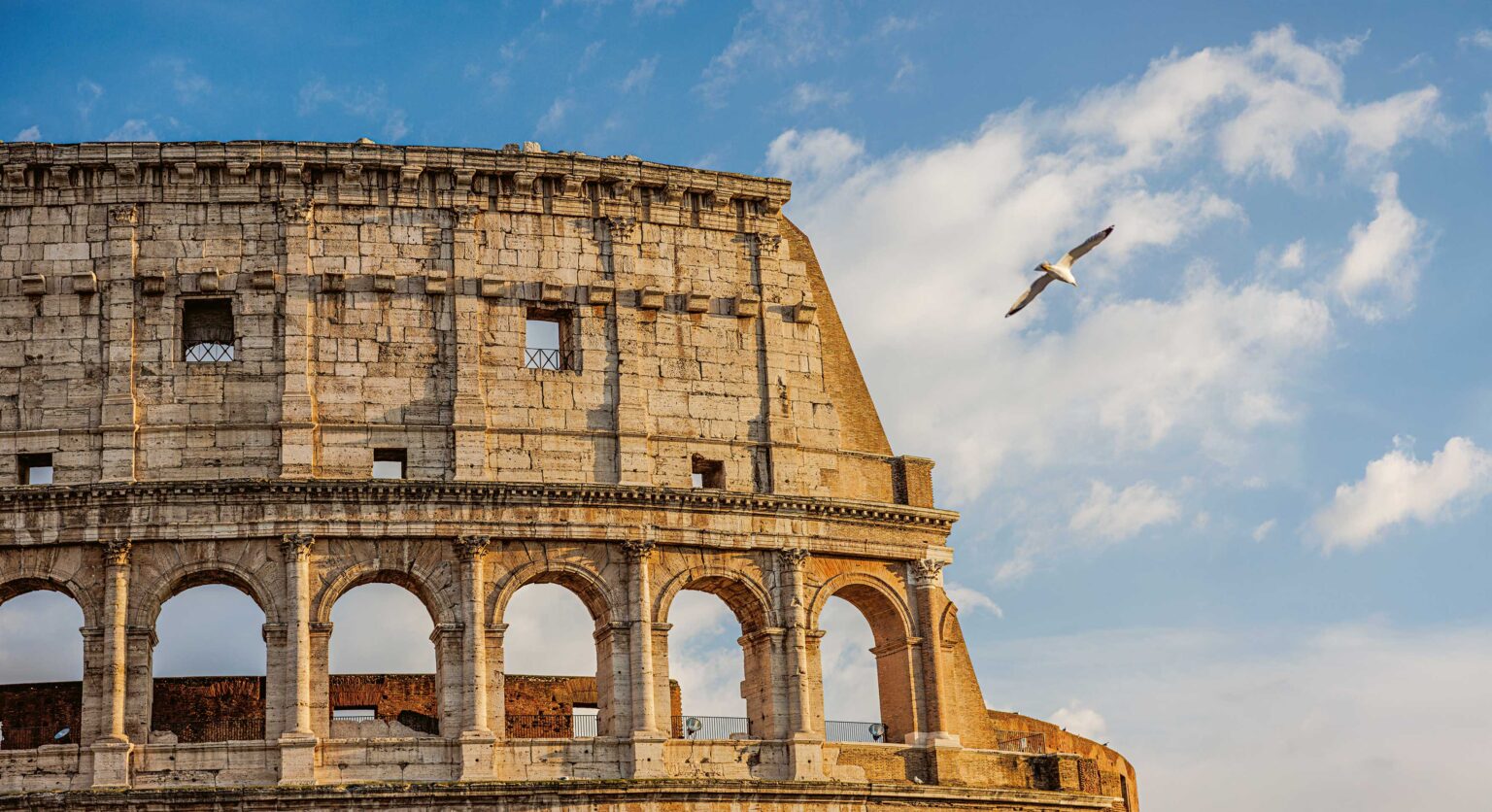

Rome is more than just a city; it is a living history book. For over two and a half millennia, the Eternal City has shaped the world: first as the political center of an empire, later as the spiritual heart of Christianity. Rome is not just about the past. It is a place where history lives on—amid ancient ruins, Baroque masterpieces, and the vibrant life of a modern metropolis.
© Andrea di Lorenzo
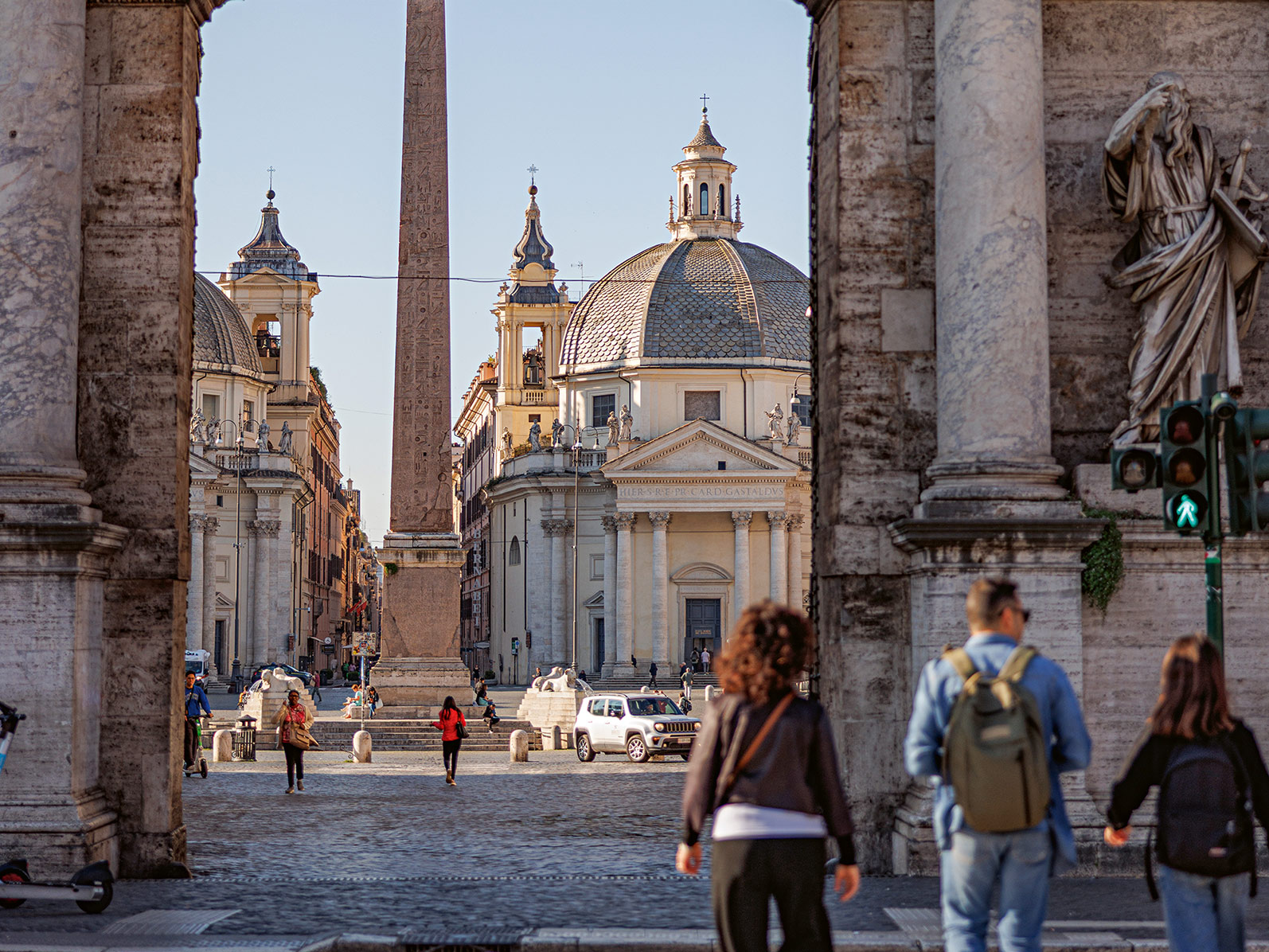
“The most amazing city in the universe”—that’s how Asterix described the metropolis, and indeed, every street here seems to be a monument. Buildings such as the Colosseum and the Pantheon bear witness to a civilization that has had a lasting influence on our laws, our politics, and even our calendar—thanks to Julius Caesar.
The Roman legal system was so sophisticated that by the year 500, the collected regulations were half as long as the Bible. The principle, still valid today, of letting a guilty person go free rather than punishing an innocent person can already be found in the year 223. The evidence of the city’s history piles up, and in the midst of it all—today’s life—is as full as ever.
© Andrea di Lorenzo
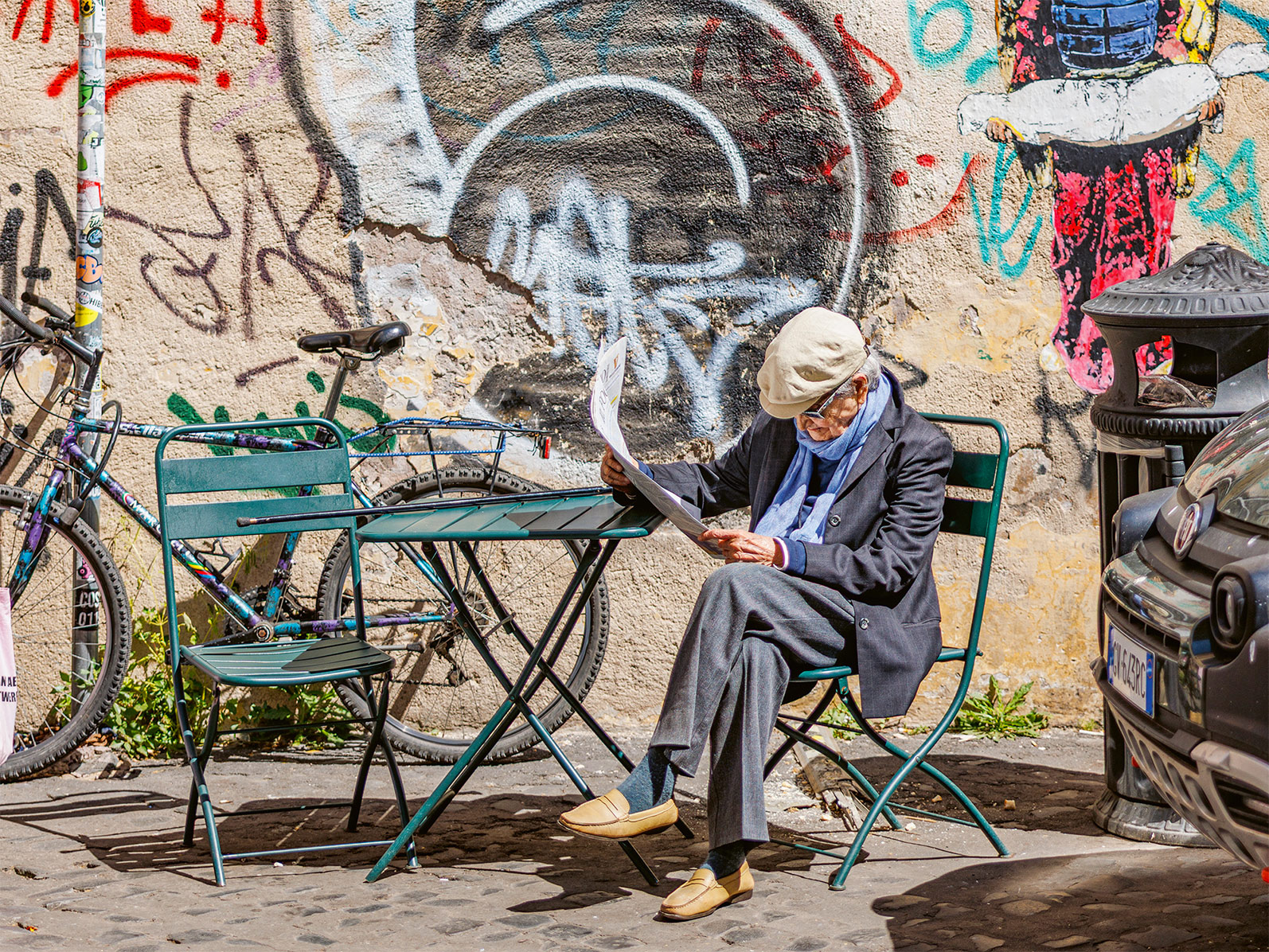
Not only does the city offer endless opportunities for learning about history, but there are also culinary treasures waiting to be discovered in every corner. In his book “Zu Gast in Rom” (Traveling in Rome), German author and journalist Stefan Mailwald explores the secrets of Roman cuisine. First taking readers to Trastevere, affectionately known as the “belly of Rome.” Mailwald uncovers the secret of one of Italy’s most sought-after dishes—the legendary ingredient: eggs!
© Andrea di Lorenzo
© Andrea di Lorenzo
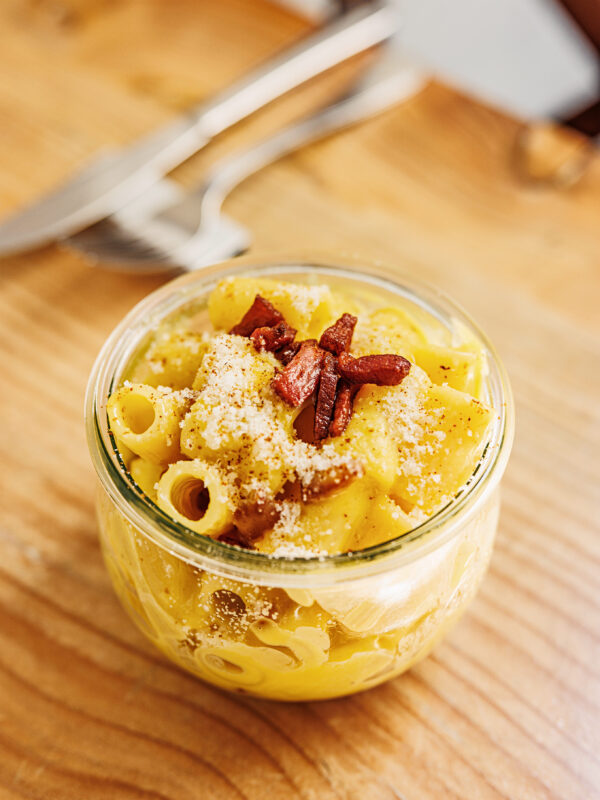
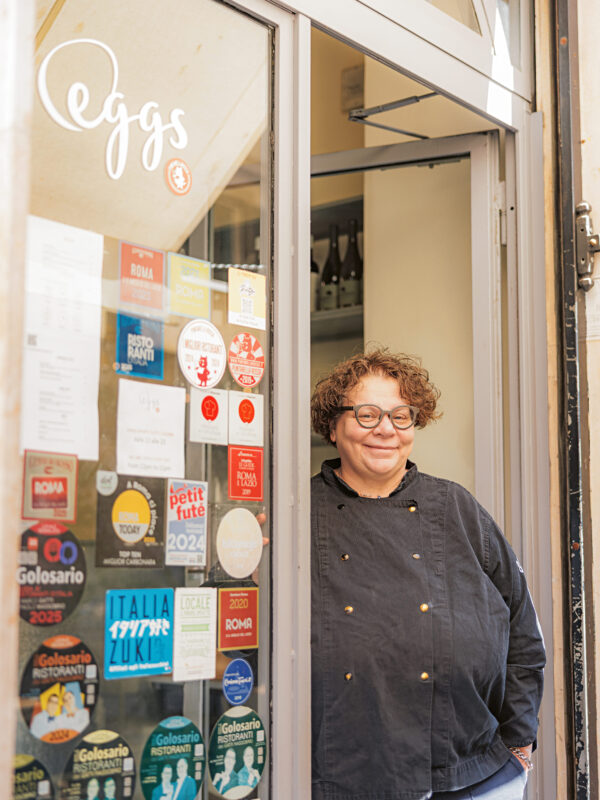
Barbara Agosti—the queen of carbonara—shows that the story of Italian classics is far from over. In her restaurant “Eggs,” she offers Rome’s favorite dish in 15 different variations and has studied the history of carbonara extensively. The popular anecdote that after World War II, the GIs brought bacon and powdered eggs in their daily rations and the Roman signorine invented carbonara from them is charming, but historically unverifiable. And traditionalists must now be brave: “The first carbonaras were almost certainly not made with fresh eggs, but were more like a frittata.
© Andrea di Lorenzo
© Andrea di Lorenzo
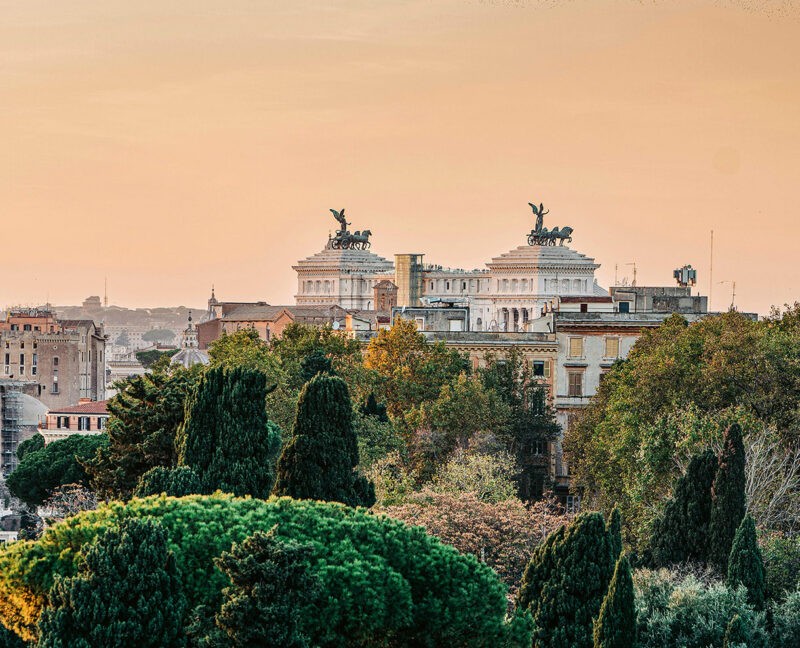
With an area of 0.44 square kilometers, the Vatican is the smallest state in the world, has a population of around 750, and is the only country with a birth rate of zero. And yet these tiny 0.44 square kilometers are so important that embassies from over 180 countries are dedicated exclusively to the Holy See. There are excellent places to eat around the Vatican City, in every price range. This is not only due to its proximity to church leaders and numerous embassies, but also to the popularity of the neighboring Prati district, which is considered both chic and lively.
© Andrea di Lorenzo
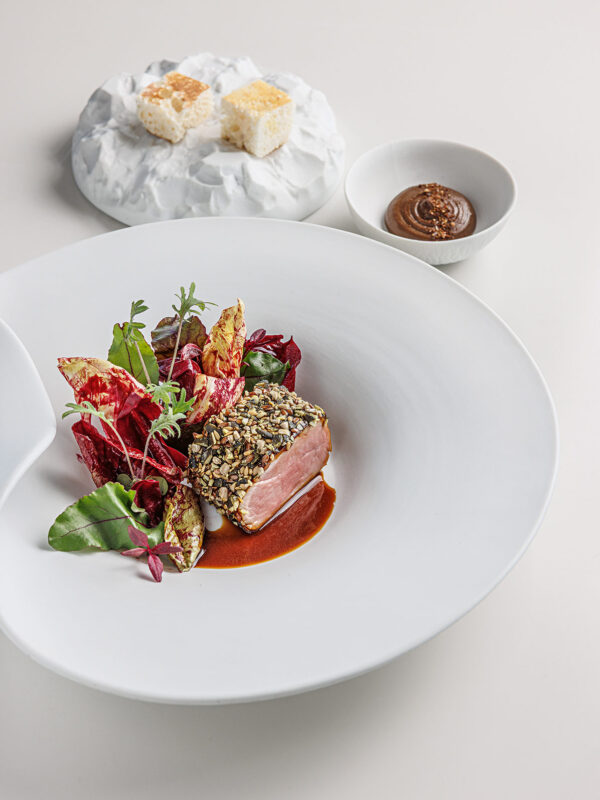
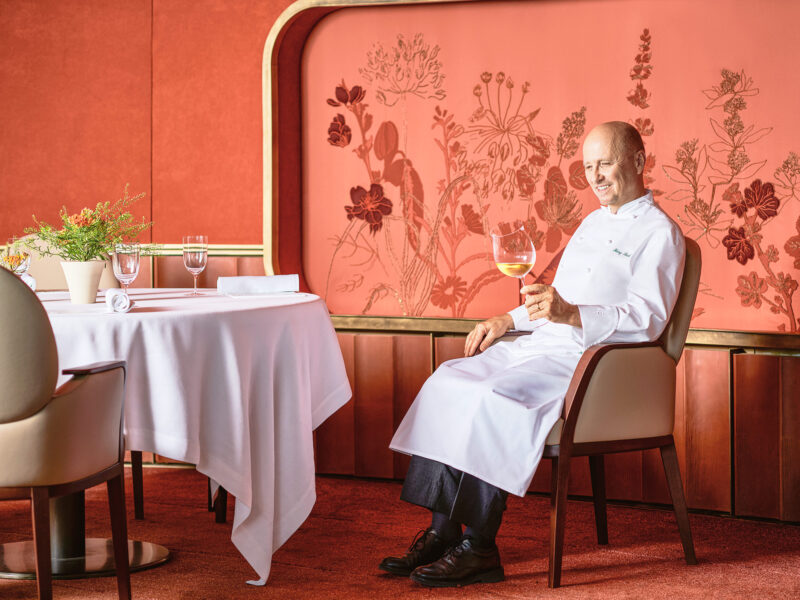
Thirty years ago, a young German chef received a call from Rome. A luxury hotel in the northwest of the city asked if he would like to take over the management of the hotel kitchen. No, thank you—the German politely declined. After all, he didn’t speak a word of Italian! Now, three decades later, Heinz Beck is still the head chef at the restaurant “La Pergola” on the ninth floor of the hotel, which is now called “Cavaliere Rome, A Waldorf Astoria Hotel.” And Heinz Beck simply rules everything from up here. He is the only three-star chef in Rome.
© Andrea di Lorenzo
© Andrea di Lorenzo
Monti Esquilino & San Lorenzo—even in ancient times, venerable Romans shunned the gloomy alleys east of the city center. This is where the poor lived, and there was a simple, geological reason for this: Monti is higher than other parts of the city, which is why there was once no functioning water supply there. But then a small miracle happened. Perhaps it was because the city administration declared large parts of Monti a Zona al Traffico Limitato—a pedestrian zone where only a few vehicles are allowed to drive. And urban life returned. Botteghe settled in the formerly inexpensive ground-floor shops, artists found affordable living and working spaces, and even craftsmen were not driven out by high rents.
© Andrea di Lorenzo
© Andrea di Lorenzo
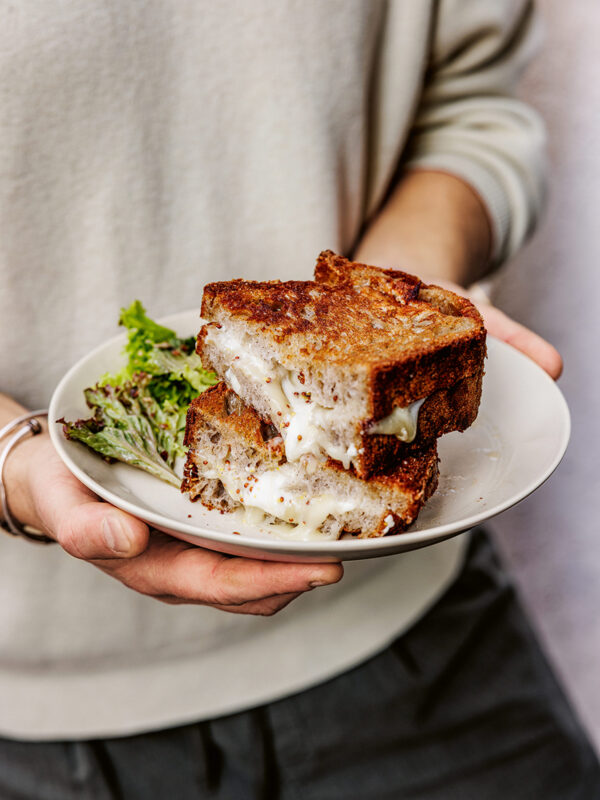
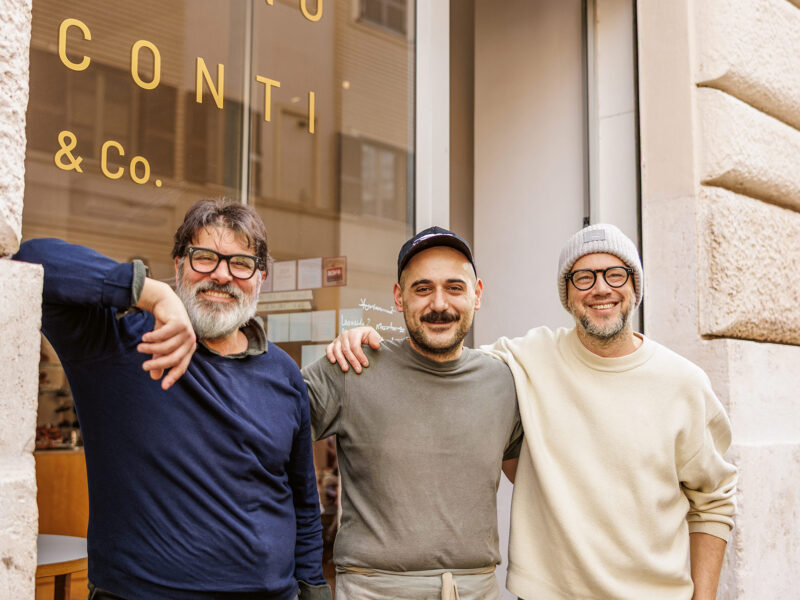
Like “bottega,” ‘forno’ is a typical Roman word that is used slightly differently here than in the rest of Italy. Although it means “oven,” in the capital it refers to a bakery and sometimes also a pizzeria—places where all kinds of delicious things are baked at particularly high temperatures. The bakery and café “Forno Conti” opened in the Esquilino district at the end of 2021.
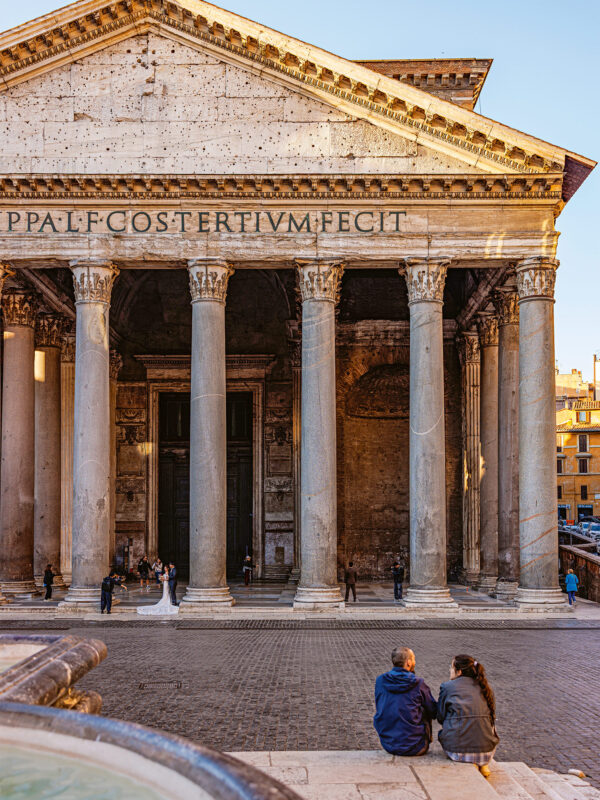
The historical center cannot be described in words in all its splendor. The Pantheon is definitely worth seeing—it is almost a symbol of Rome’s eternity. More than 2,000 years old, as monumental as it is mysterious, it exemplifies the greatness of antiquity. To this day, even modern architects puzzle over how the builders managed to construct the enormous dome without any supporting columns.

© Andrea di Lorenzo
© Andrea di Lorenzo
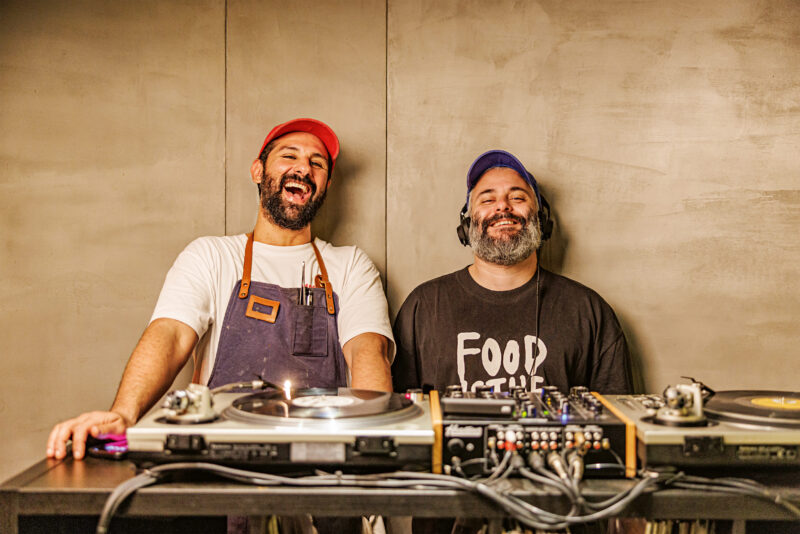
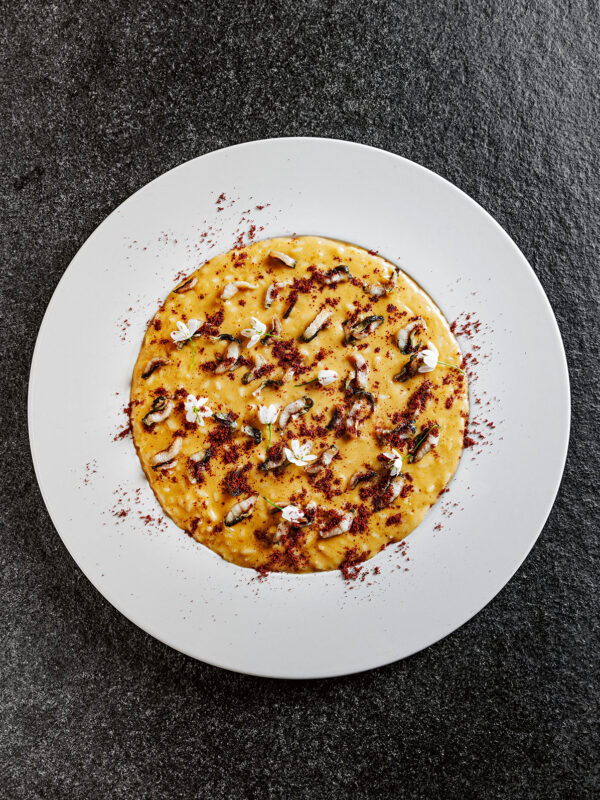
Alessandro Miocchi and Giuseppe Loiudice, the two owners of the Retrobottega restaurant, have impressive careers behind them, with stints in numerous Michelin-starred restaurants and with the very best in the business. “Guests especially love coming here for our risottos,” Alessandro says proudly. The 40-year-old, who grew up in the countryside around Rome, offers a specialty that is rather unusual for Rome—and that’s precisely why it’s so popular.
© Andrea di Lorenzo
© Andrea di Lorenzo
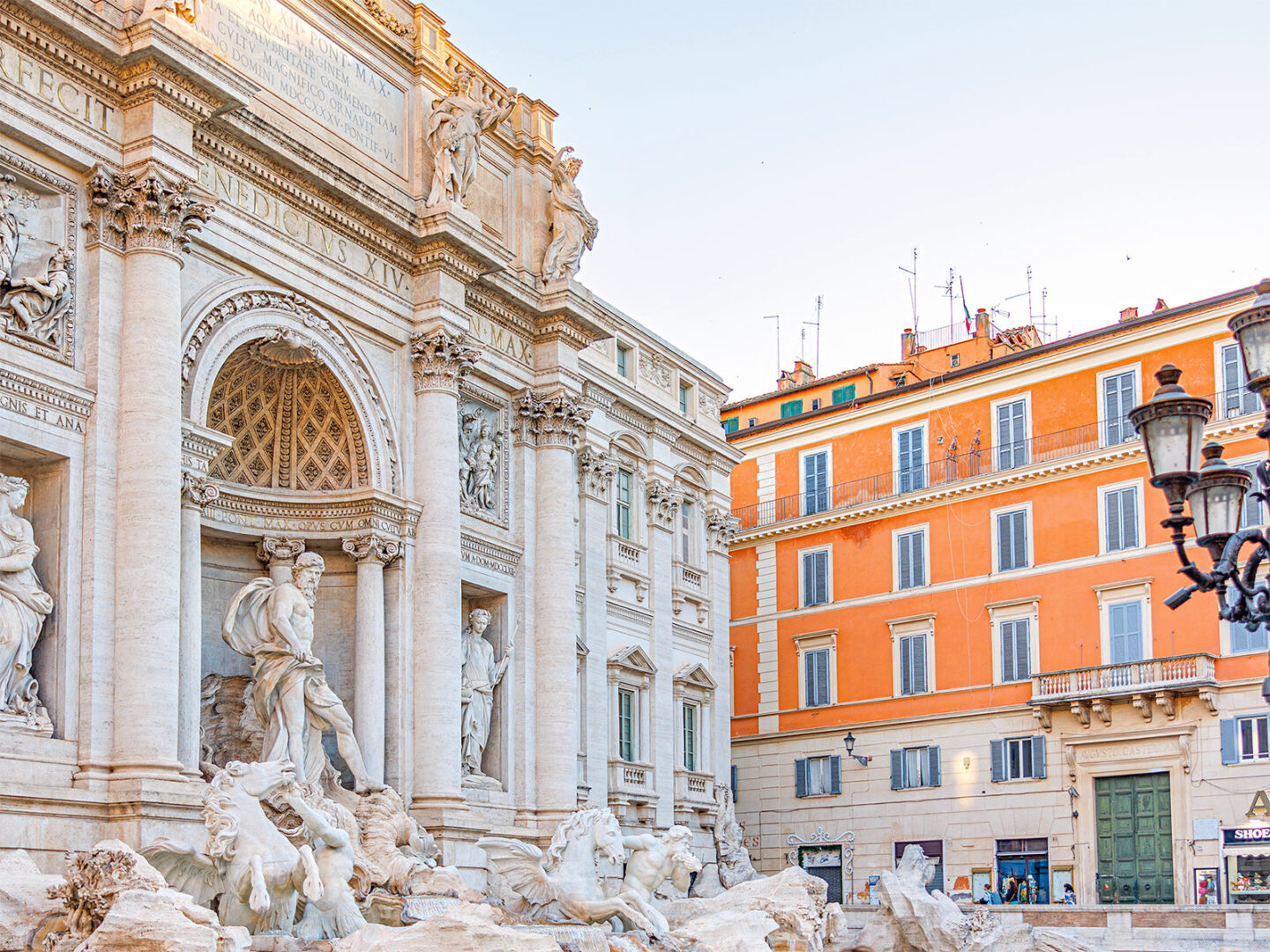
Trevibrunnen & Tridente—just north of the historic center are the newer districts, although the word “new” is relative in a city as old as Rome: the Trevi Fountain, immortalized by Anita Ekberg’s iconic swim in Fellini’s masterpiece “La Dolce Vita,” is just 250 years old—practically a new building.
The area is one of the most popular in the city center. “Every wish comes true in the shopping streets,” writes the Roman Tourist Board, “but you have to expect prices with lots of zeros.”
© Andrea di Lorenzo
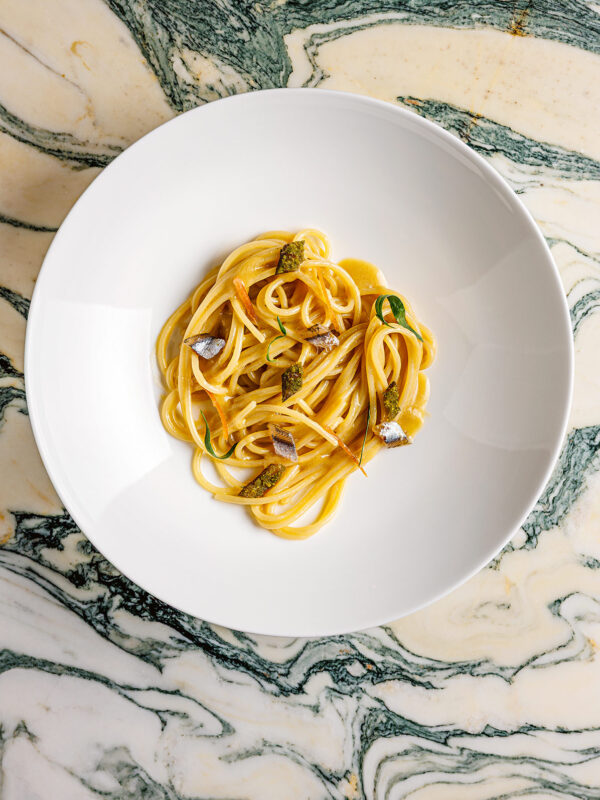
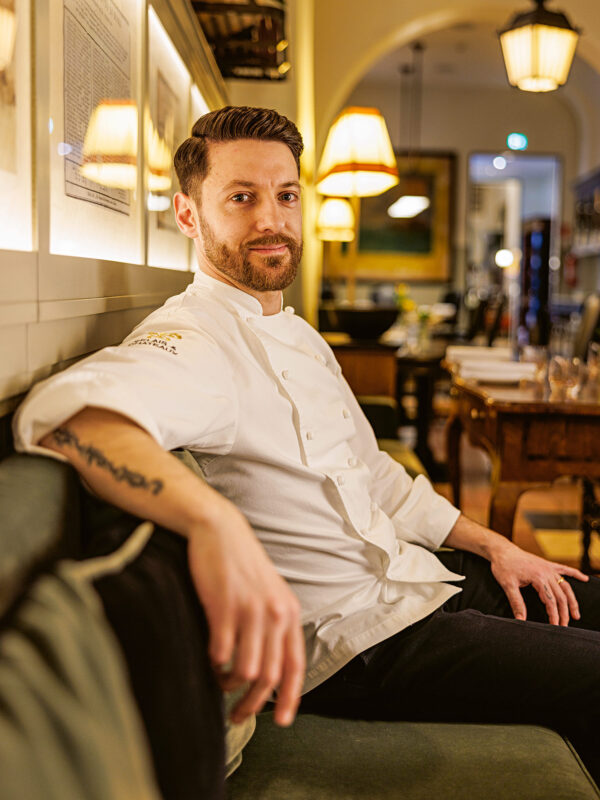
Christian Spalvieri was born and raised in Rome, he worked for Gordon Ramsey in London and later for Davide Puleio in Milan, among others. But in the end, he returned to Rome—to prove himself here. “That’s logical,” says Christian. “Rome is the city where culture, history, and flavors come together”.
At San Baylon, the restaurant in the elegant Hotel Palazzo Ripetta, the 36-year-old combines Roman and international influences with seemingly effortless ease. He manages to compose dishes that are as clear as they are surprising, using simple but excellent products.
© Andrea di Lorenzo
© Andrea di Lorenzo
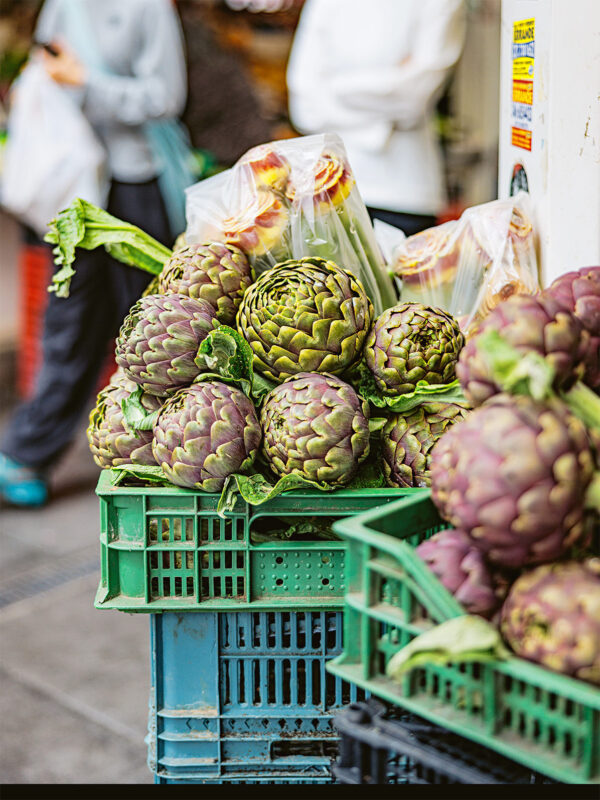
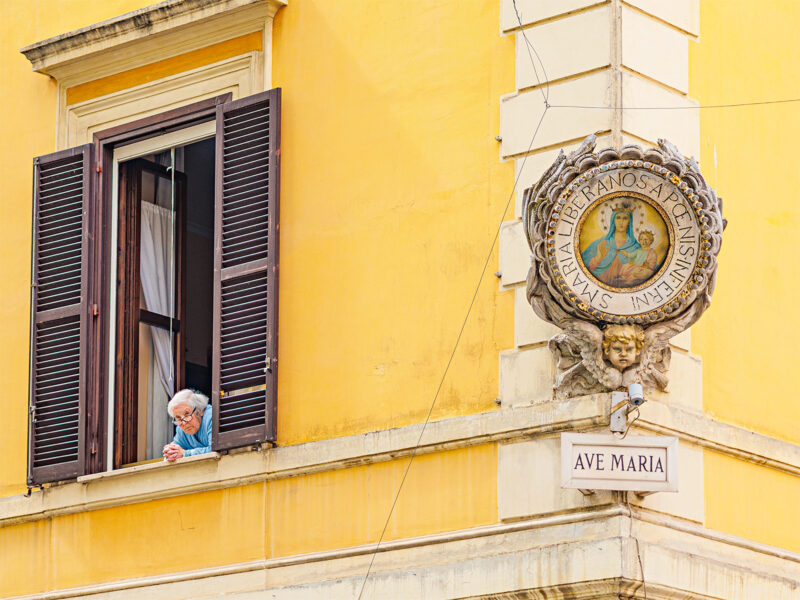
The south—few tourists stray here, and certainly not those who visit Rome for just a day or two and “work their way through” the major sights in the center. They are missing out on a lot. Because this is precisely where Rome still appears unadulterated and at the same time astonishingly innovative. In the former working-class district of Testaccio and neighboring San Giovanni, rents for boutiques, studios, bars, and restaurants are not as high as in the more touristy areas.
© Andrea di Lorenzo
© Andrea di Lorenzo
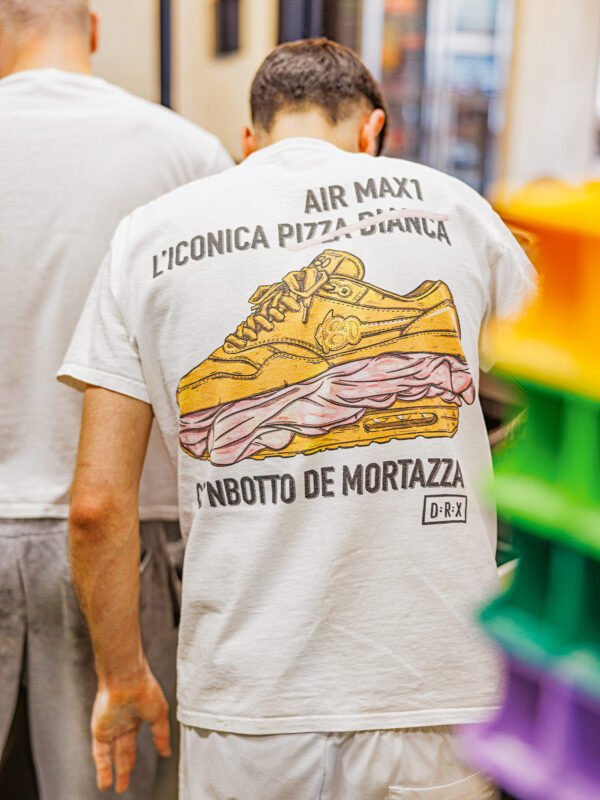
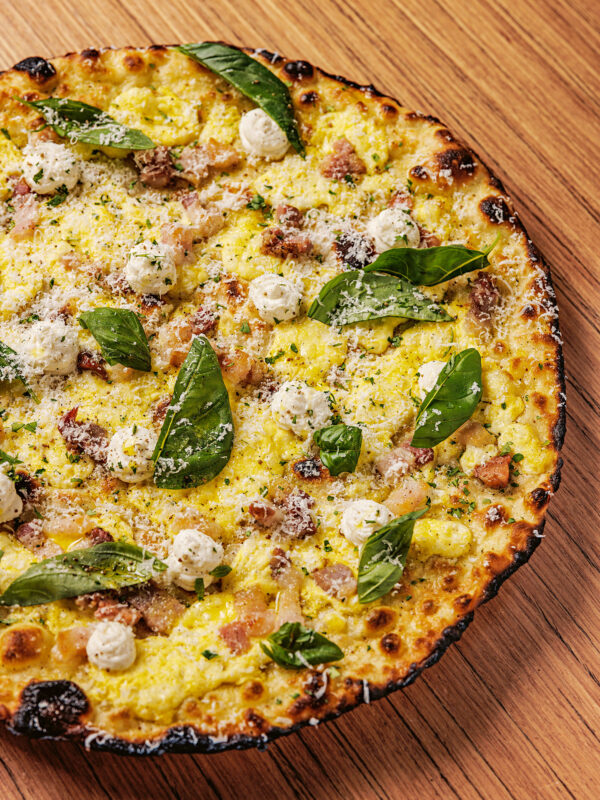
Jacopo Mercuro has every reason to be proud of his pizzeria, “180 gr.” But he is a driven man—and always wants to achieve more. “When I wake up in the morning, I think about my pizzeria, and when I go to sleep, I think about my pizzeria. I don’t know if that’s healthy,” he smiles. Pizza, says the 37-year-old, is real comfort food at the highest level. And at the same time, it is full of potential for further development—just like Roman cuisine as a whole. Jacopo’s pizza “Carbonara, how it’s made” shows that he has a sense of humor as well as creativity.
© Andrea di Lorenzo
© Andrea di Lorenzo
About Stefan Maiwald
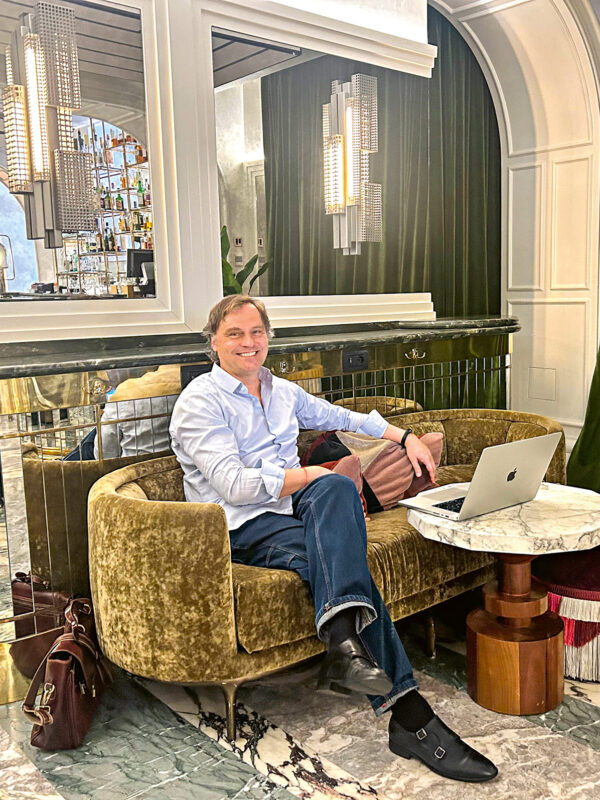
German author and journalist Stefan Maiwald is one of the best-known voices when it comes to capturing the Italian way of life in literature. He has been living in Italy with his Italian family for many years, which has had a strong influence on his work: his books combine personal experiences, humor, and culinary discoveries to provide a very accessible insight into everyday life in the south.
Zu Gast in Rom
Pages: 240
Price: 45.00€
ISBN: 98-3-7667-2770-1
Publisher: Callwey
Shop: Callwey

© Callwey
© Callwey