
Frank Sinatra sang “New York, New York” twice. Maybe he was trying to tell us something: that there are, beneath the surface, 2 cities, 2 faces, 2 speeds inhabiting the same name. New York contradicts itself at every street corner, and it is precisely this contradiction that sets it apart. Its 2 sides, fast and slow, do not oppose each other: they develop simultaneously, each pushing toward its own extreme. This is not a tension between “the real New York” and “the tourist New York”: both are genuine, both coexist within the same urban grid, yet represent 2 entirely different ways of living the city. The question asks itself: how can the same place be this saturated, and this silent, sometimes within 5 minutes’ walk of each other?
© Bruckmann Verlag / Michael Moll
The city that never stops
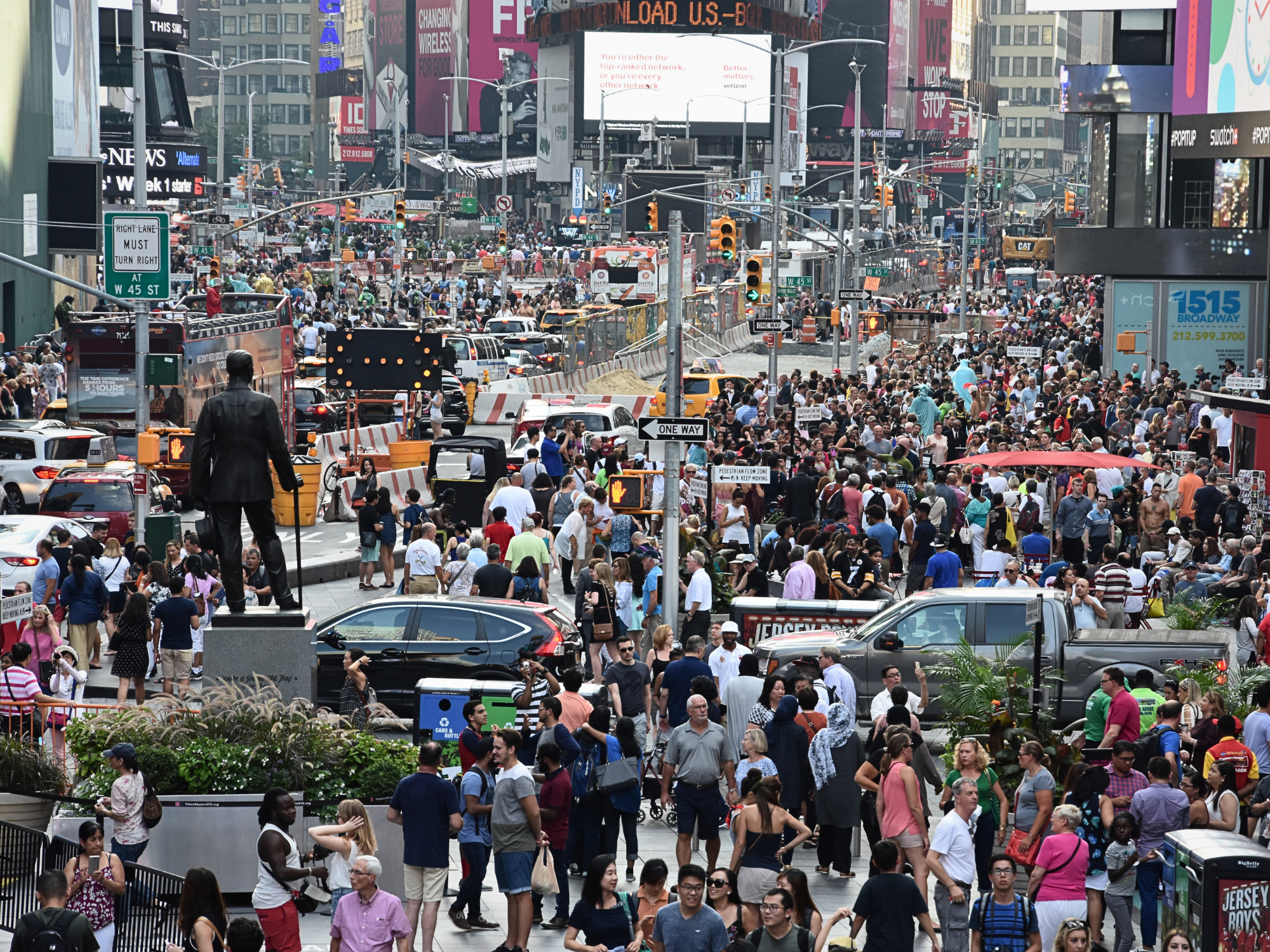
Around 360,000 people cross Times Square every day. On peak days, that figure can reach 450,000. This is not a metaphor for New York’s restlessness: it is a count, precise and automated, the way one measures the current of a river, except that this river never stops, day or night, and its banks are lined with massive advertising screens.
A few blocks south, in the Financial District, the rhythm changes in nature without changing in intensity. This is no longer a tourist flow, it’s a financial one . The world’s major banks, law firms and investment funds structure their days around the opening and closing of markets. At noon, the city lurches into motion: thousands of workers leave their offices at the same time, pour into the same streets, search for somewhere to eat within the same quarter of an hour. A pressure that is not incidental, but atmospheric, inherent to the city itself, and which its inhabitants absorb as a condition of simply being here.
© Bruckmann Verlag / Michael Moll
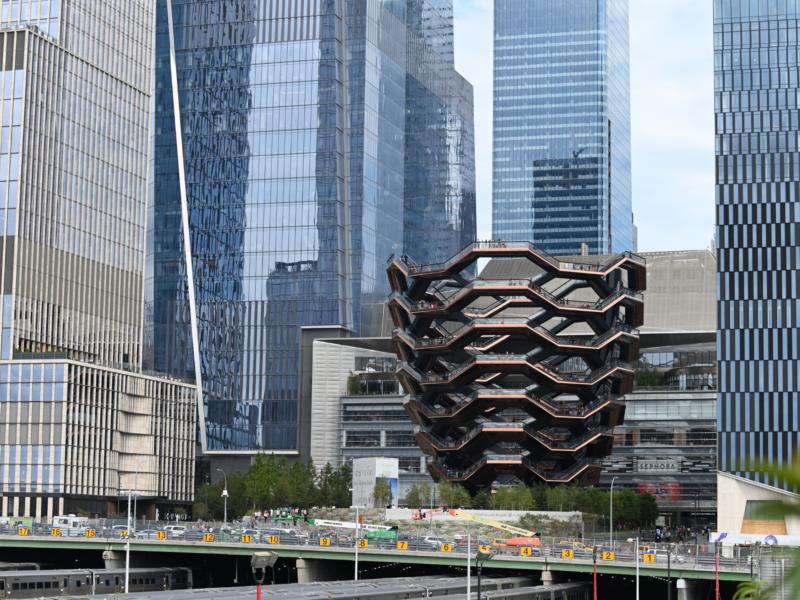
At Hudson Yards, New York’s appetite for scale becomes almost literal. On the long-abandoned site of an 11-hectare freight rail yard, the city approved what has been described as the largest private real estate development in American history. Its first phase opened on 15 March 2019: glass towers rising to 100 floors, retail galleries, restaurants, cultural spaces, and the promise of a new neighbourhood built almost from scratch.
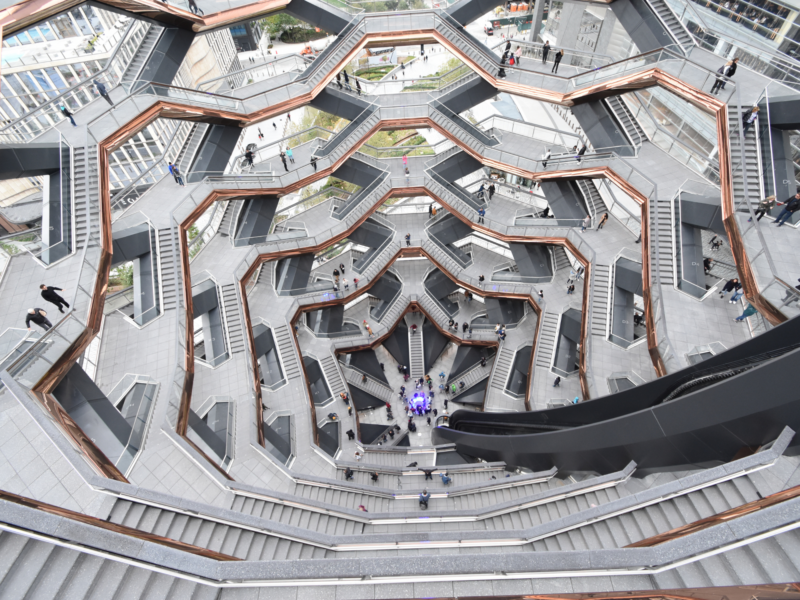
At its centre stands the Vessel, a 46-metre structure designed by Thomas Heatherwick, 2,500 copper steps assembled in a spiral, presented as a work of public art accessible to all. Within 2 years of opening, 4 suicides had already been documented on the site. The Vessel was closed, then reopened in October 2024 with safety nets in place. To this day, the upper floor remains closed to the public. Perhaps the embodiment of too tall, too gleaming, too fast.
A few hundred metres away, the Oculus at the World Trade Center closes the composition. A transport hub designed by Santiago Calatrava, opened on 3 March 2016 after 12 years of construction at an estimated cost of nearly 4 billion dollars, double the initial budget of 2.2 billion: a white hall of concrete ribs whose silhouette resembles a bird spreading its wings above the tracks. The fast city spares no expense. It builds large, expensive, visible. And then it starts again.
© Bruckmann Verlag / Michael Moll
© Bruckmann Verlag / Michael Moll
The same city, at another speed
Less than 5 kilometres separate Hudson Yards from Governors Island. One rises to 100 floors and cost 25 billion dollars. The other reaches 3 floors at most, is car-free and accessible for 2 dollars by ferry. They do not face each other. They ignore each other. It is precisely this mutual indifference that is striking.
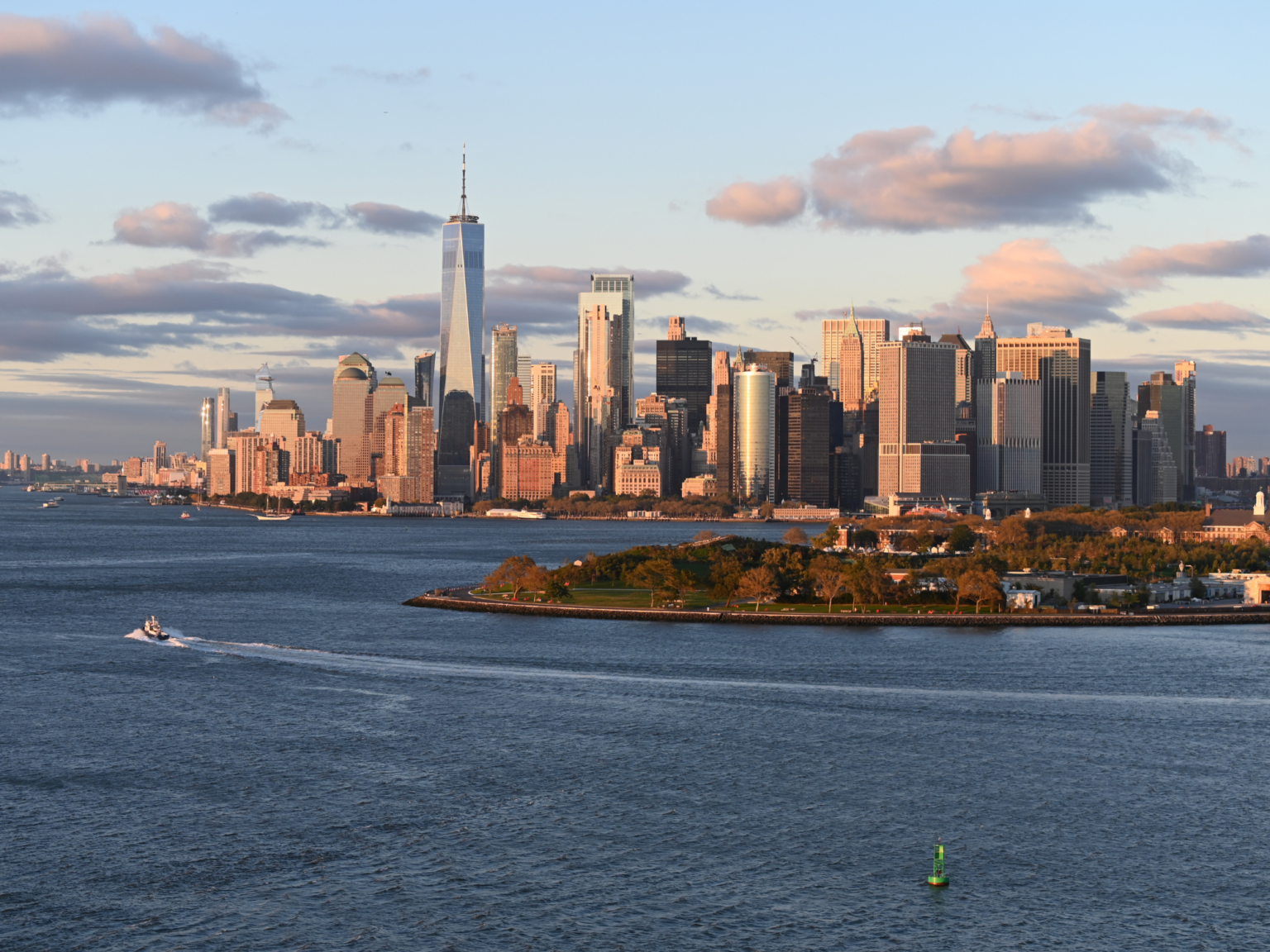
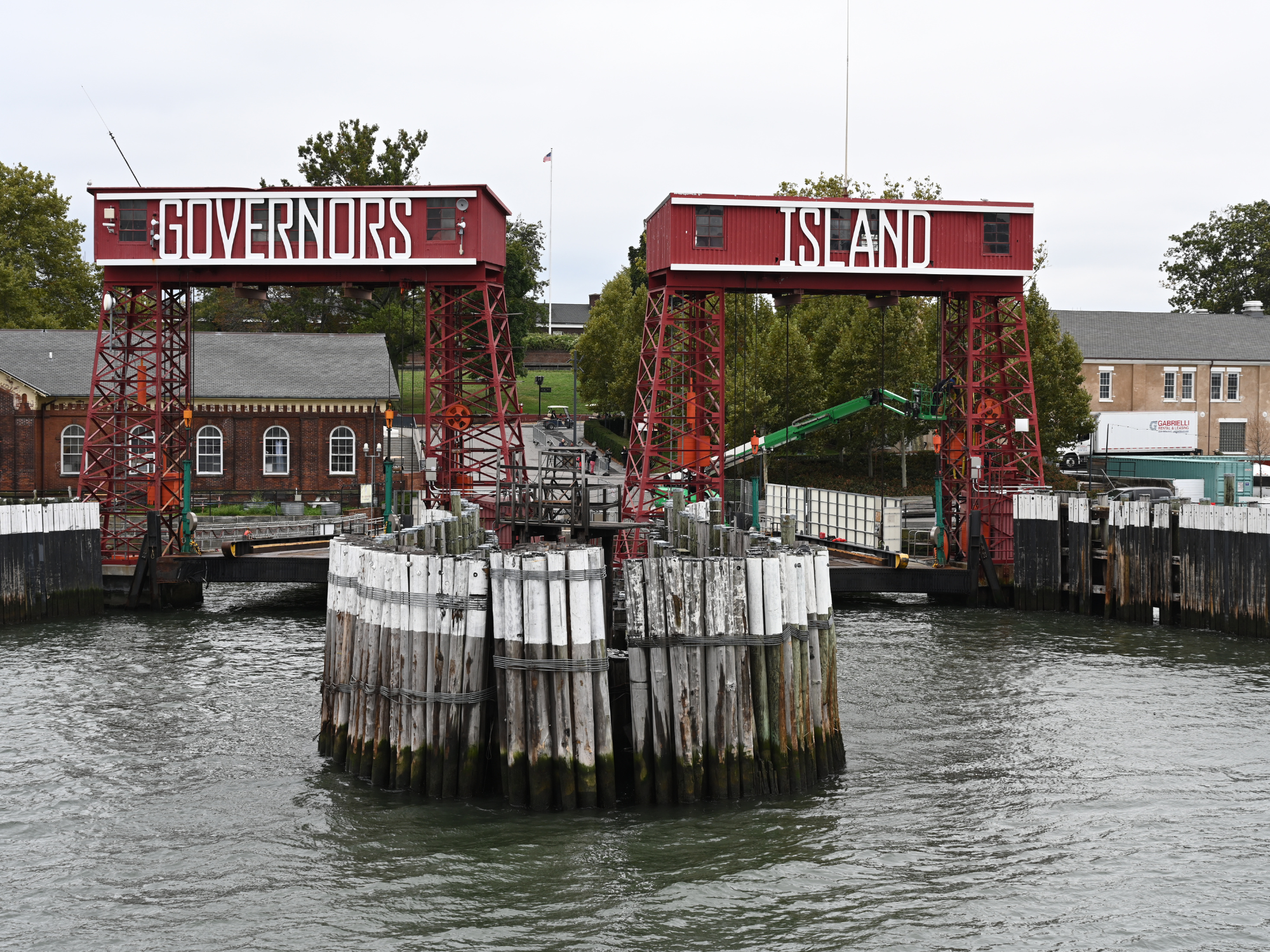
Governors Island: 70 car-free hectares, 800 metres from the southern tip of Manhattan. A former American military base from 1794 to 1996, accessible only by ferry, open to the public year-round since 2021. No horns, no pedestrian flow, no giant screen. The ground is flat, the sky is wide, and the Manhattan skyline reads from the island as something distant, almost abstract. The same towers that press down on the Financial District worker at noon appear, from here, as a thin line drawn against the sky. Present, but no longer pressing.
From the island, the Statue of Liberty is closer than from most points in Manhattan. A symbol so familiar it has long since stopped being looked at becomes, at this distance, a real object again: copper-green, precise, surprisingly human in scale. This is not another New York. It is the same one, seen from another rhythm.
© Bruckmann Verlag / Michael Moll
Along the Hudson and the East River, former port and industrial infrastructure has been converted into public spaces. Not designed to impress. Designed to be inhabited.
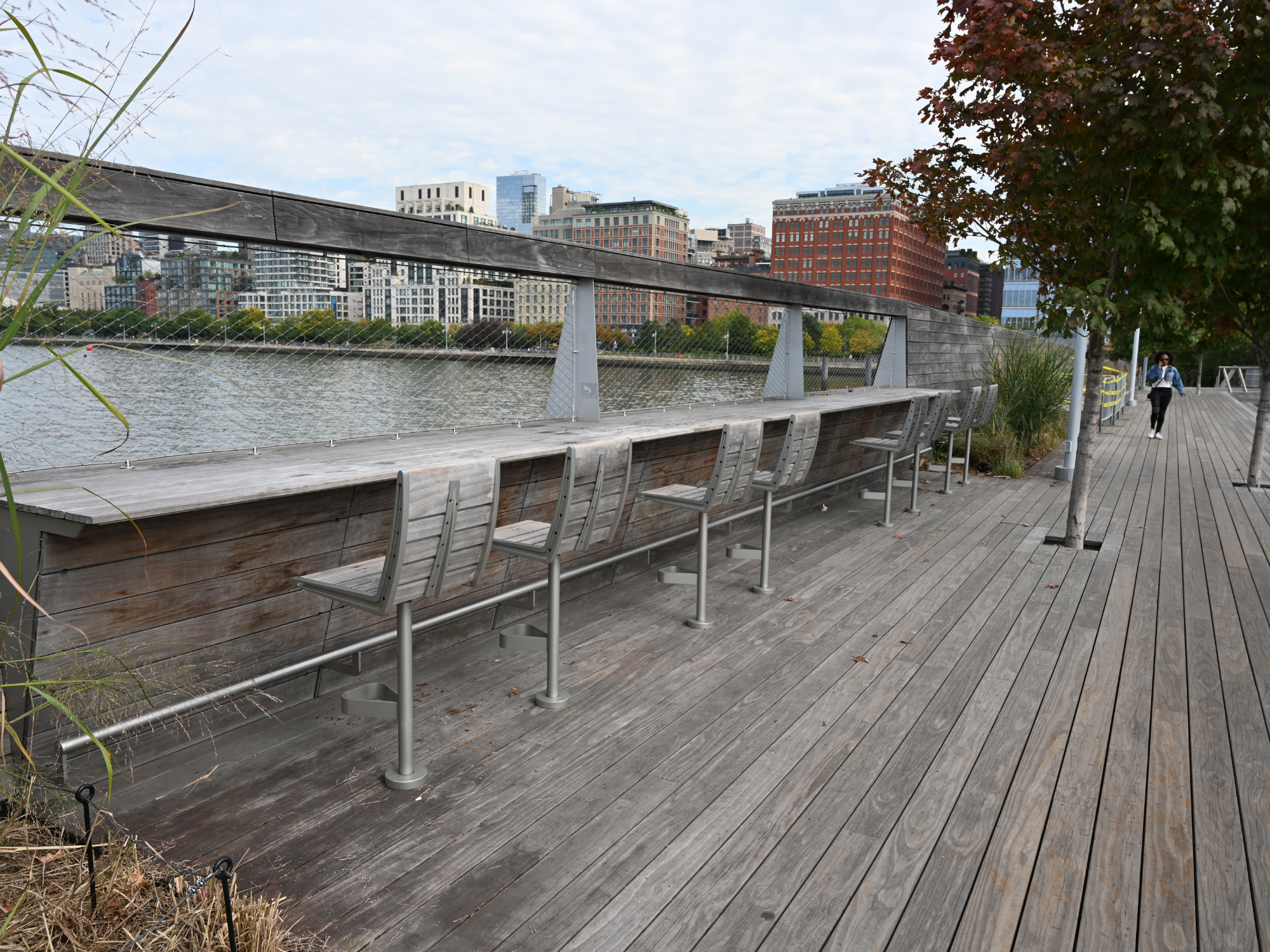
Pier 26 is the clearest example of this logic. A former industrial quay, repurposed without design artifice: wooden stools facing the water, public tennis courts, a barefoot trail along the planks. A few subway stops from the Vessel and its 2,500 copper steps, a man sits on a wooden stool and watches the river. No queue, no ticket, no instruction. Both scenes belong to the same city, at the same moment. The distance between them is not geographical. It is a matter of register.
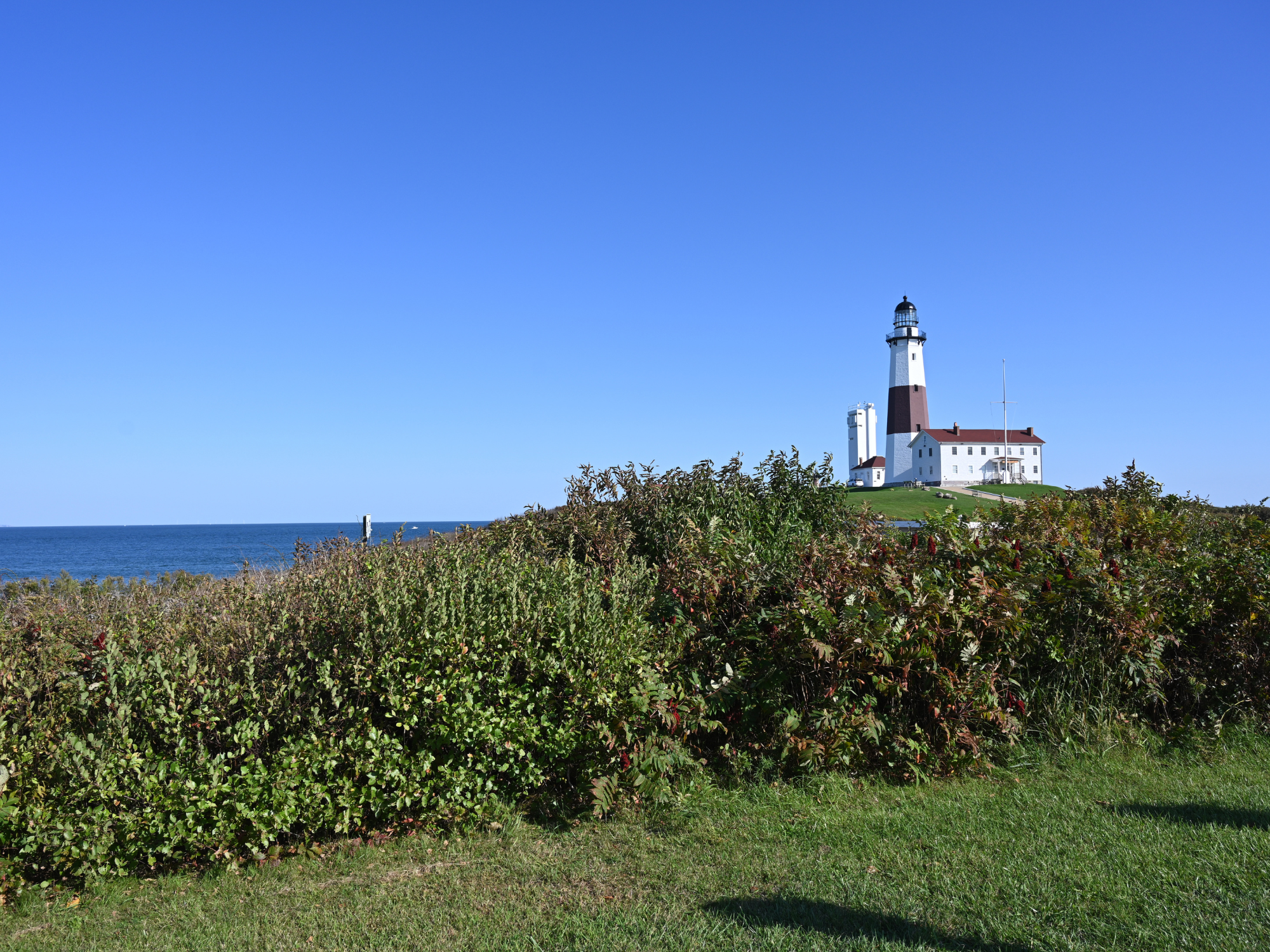
The Montauk Lighthouse represents the other extreme of the slow pole: no longer slowness within the city, but slowness at the end of the city, where Manhattan finishes and where human scale becomes the only scale possible. The first lighthouse built in New York State, authorised by the 2nd Congress under George Washington, it stands at the eastern tip of Long Island, 180 kilometres from the Financial District. The cliff beneath it had narrowed, according to the Montauk Historical Society, from 91 metres to less than 30 metres from the edge due to coastal erosion. Consolidation works, completed in August 2023, were jointly funded by the federal Army Corps of Engineers, New York State and the Montauk Historical Society. While Manhattan was building Hudson Yards for 25 billion dollars, Long Island was spending 44 million to keep a lighthouse from falling into the ocean. The priorities say everything about the 2 speeds.
Neither side acknowledges the other. They simply coexist, within the same city, often within a few subway stops of one another, each pushing further in its own direction. It is this irresolution, not either side taken alone, that makes New York what it is.
© Bruckmann Verlag / Michael Moll
What the city eats at noon
New York carries its layers of immigration in daily practices more than in monuments. Nowhere is this more legible than at the table.
A few steps from Trinity Church, the buffet at 65 Market Place feeds thousands of Financial District workers every noon. Plastic trays, warm soup, cold Asian dishes, fried plantain, everything weighed at the till. No menu, no concept, no narrative. The variety of the counter is not a curatorial choice. It is simply the reflection of who prepares, who serves, and who eats in this neighbourhood, on this particular Tuesday, at this particular hour.
The bagel carries a longer memory. First mentioned in Yiddish in 17th-century Kraków, it arrived in New York with the waves of east European Jewish immigration. Black Seed Bagels, a few blocks from the Flatiron Building, applies the Montreal method in a wood-fired oven: briefly poached before baking, dense, glossy. Three centuries superimposed in a ring of dough. The form has not changed. The city around it has changed several times over.
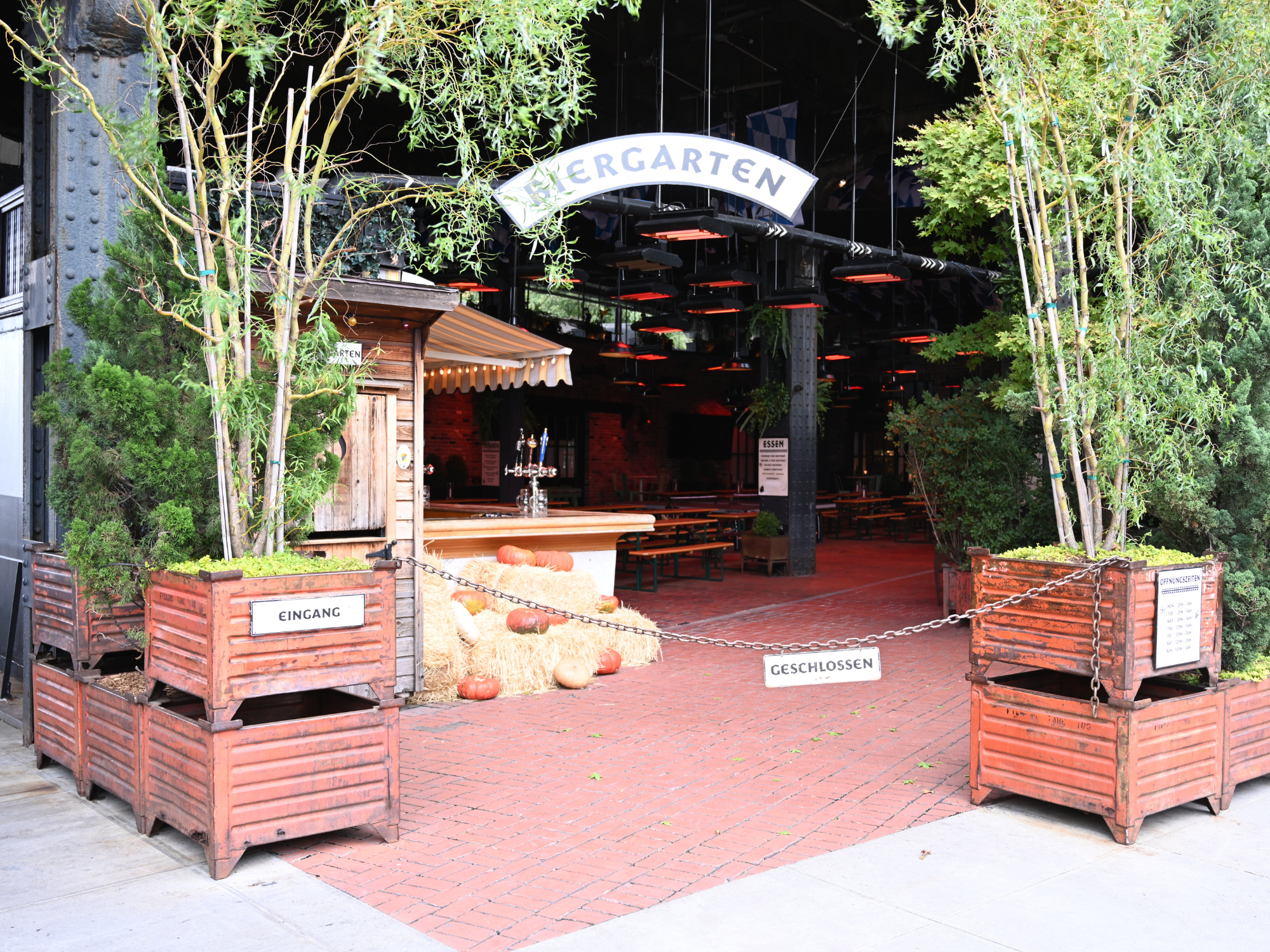
The Standard Biergarten, in the shadow of the High Line’s steel columns in the Meatpacking District, completes the picture. German signs, pretzels, long wooden bench tables. German communities formed one of the earliest significant waves of immigration to New York in the 19th century. This is not a themed venue. It is a layer of immigration still being practiced, not archived.
© Bruckmann Verlag / Michael Moll
What slowness allows one to see
It is in the space between the 2 speeds that something becomes visible. Not a secret. Not a hidden layer accessible only to those who know where to look. Simply what reveals itself when one has stopped moving at the city’s pace and started moving at one’s own.
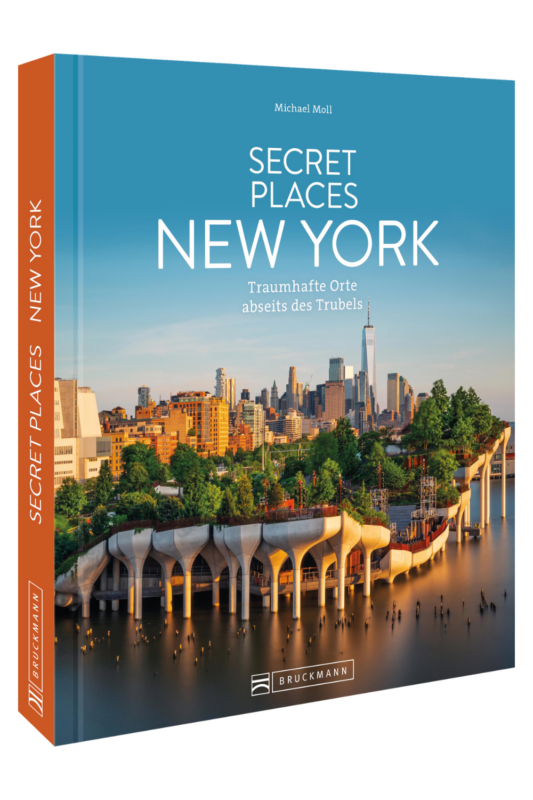
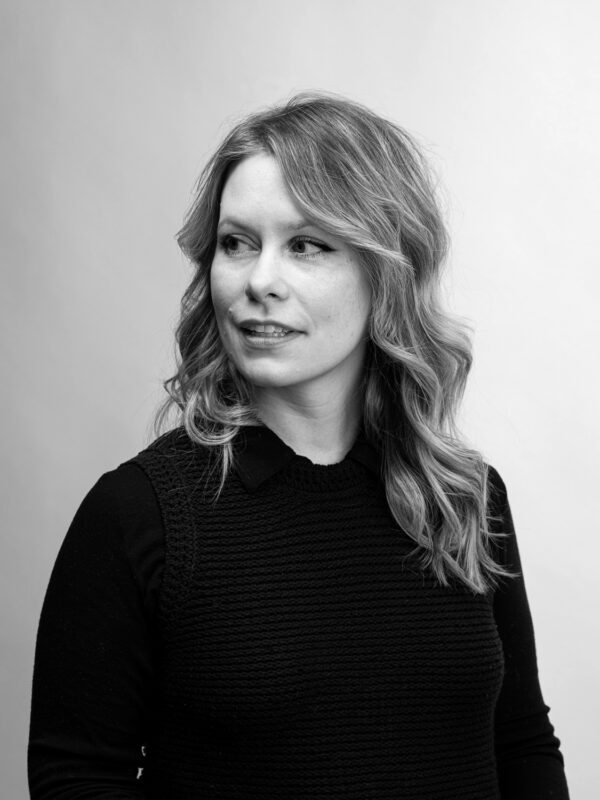
Michael Moll, a German travel journalist and founder of the travel account Die Weltenbummler, publishes in 2026 with Bruckmann Verlag a book that maps precisely this space. Secret Places New York does not catalogue obscure places. It catalogues the spots where the city slows down, where layers accumulate, where something discloses itself when one has stopped running. The title is, in a sense, misleading: none of these places are secret. They are simply the ones that require a different pace to be seen.
© Bruckmann Verlag / Michael Moll
44 entries, from Lower Manhattan to Long Island, with no prestige hierarchy between them. No star ratings, no urgency, no instruction to move on to the next one.
Moll’s personal list of 10 favourite places is the clearest signature of the method. The High Line in 1st position, not for its design or its planted grasses, but for the possibility it offers of crossing the city without crossing a single street, suspended above the flow. The buffet at 65 Market Place in 3rd. The Montauk Lighthouse in 9th. None of these choices is spectacular in the conventional sense. None demands to be seen. All answer the same question: what does this place reveal about the city when one stops to look?
Steel, timber and what remains
The city does not erase what it has been. It builds on top of it, around it, sometimes through it. Its industrial surfaces carry their history in plain view, for those who look at the right level.
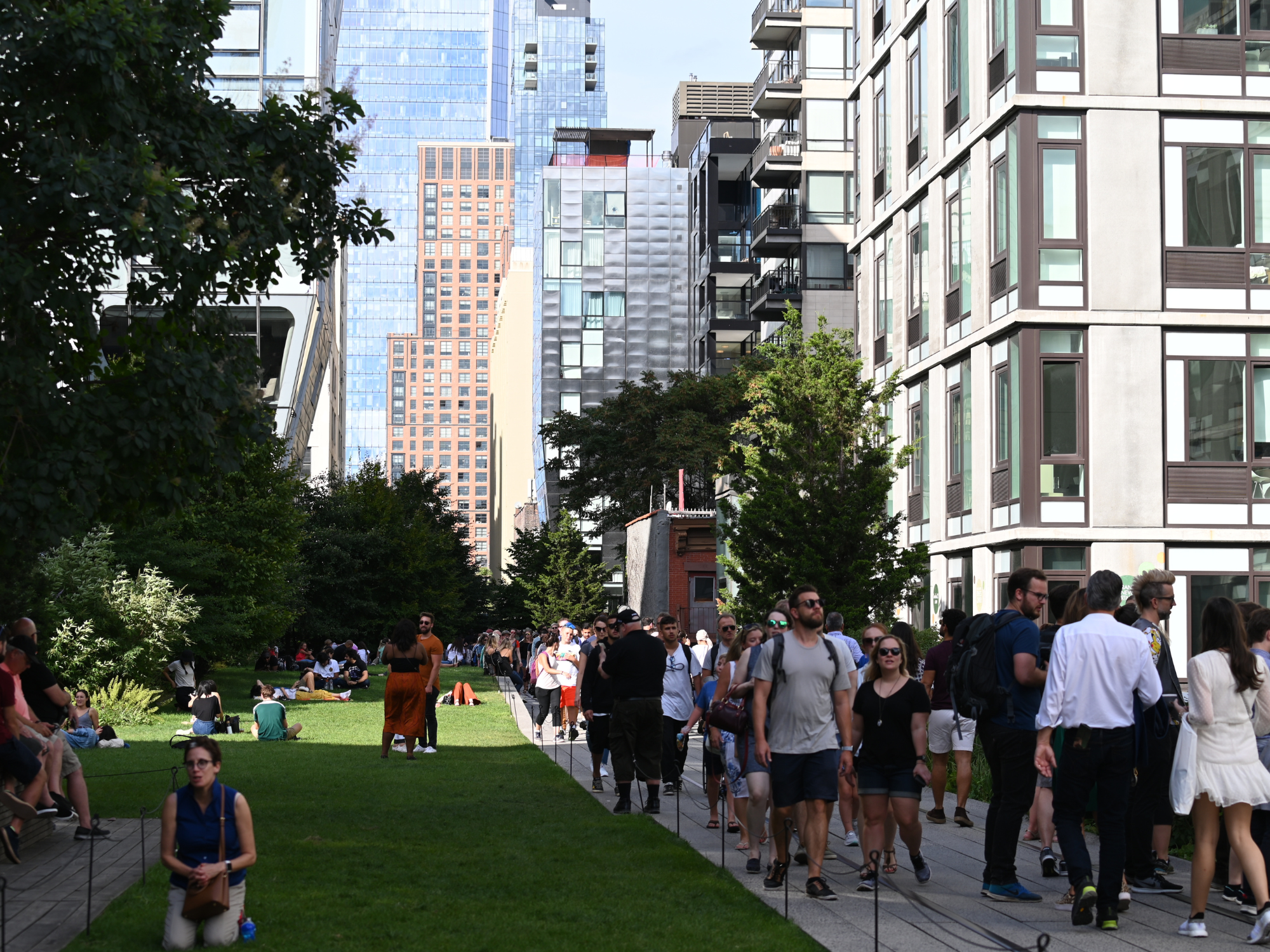
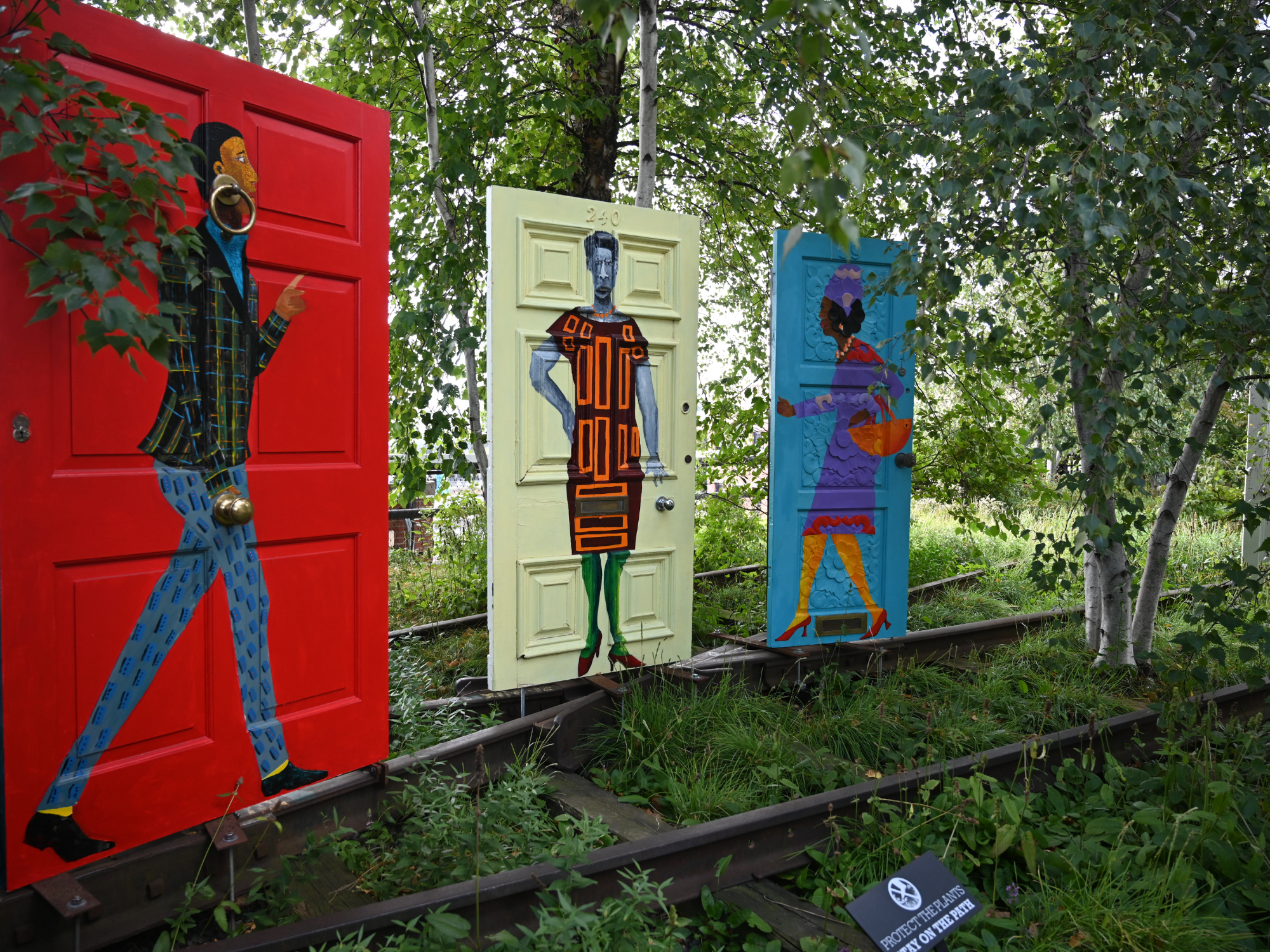
The High Line was a freight railway before it was a park. Threatened with demolition in the 1980s, its first section reopened in 2009 after the Friends of the High Line secured its preservation. Dutch landscape designer Piet Oudolf planted 500 species and cultivars along its length, grasses and perennials that shift with the seasons. The original rails remain visible beneath, rusted and precise. Art installations sit directly on the old tracks, in dialogue with the ironwork rather than despite it. A promenade that was never designed to be walked. The vegetation has colonised the metal, and the two have reached an understanding.
© Bruckmann Verlag / Michael Moll
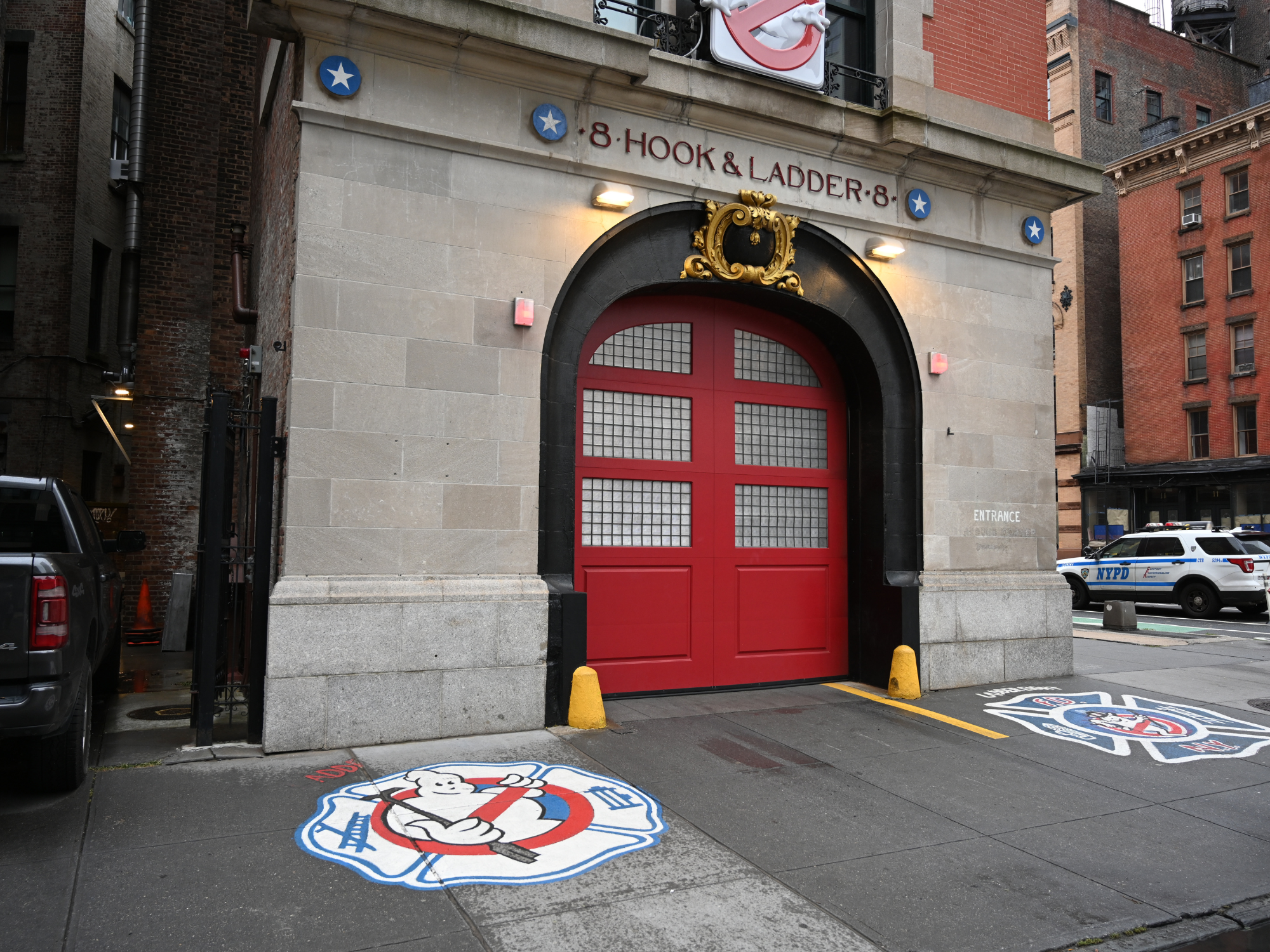
Hook & Ladder 8 on North Moore Street in Tribeca carries 2 histories simultaneously. The ornamental facade, the red doors, the Ghostbusters logo painted on the pavement: this is the station that appeared in the 1984 film, and it has drawn visitors ever since. The other history is quieter. On 11 September 2001, Lieutenant Vincent Halloran of this station drove toward the World Trade Center. He was 43. He is among the 343 FDNY firefighters who died that day. The building holds both histories side by side, without ranking one above the other. It is not a memorial. It is not a film set. It is both, at the same time, on the same facade.
Pier 26 closes the loop. A former industrial quay abandoned in the 1990s, repurposed without design artifice: simple wooden stools facing the water, river air, a public tennis court. Nothing has been added to make it more than it is. The slow city, in its most stripped-back form.
© Bruckmann Verlag / Michael Moll
The city, at the right distance
The 2 speeds do not resolve. They persist, each in its own direction, each pushing further from the other with every new tower built and every industrial quay given back to the river. This is not a problem to be solved. It is the condition of the city.
From Governors Island, 800 metres from the southern tip of Manhattan, Times Square is 10 minutes by ferry. The distance is not geographical. It is a distance of rhythm. One does not travel far to find the other New York. One simply changes speed.
To travel here with this structure in mind is to have access to a city that most visitors only ever see half of. Not because the other half is hidden. But because it asks, quietly, for a different kind of attention.
© Bruckmann Verlag / Michael Moll