
The most decorated franchise in NBA history is called the Boston Celtics. Its logo carries a leprechaun. Its colours are green. Every year since 1962, the city of Chicago dyes its river green for St Patrick’s Day. These are not anecdotes. They are the visible surface of something structural: a culture that crossed an ocean, took root in another nation, and never stopped belonging to both sides of the Atlantic simultaneously.
A country whose 70 million descendants live elsewhere cannot define its identity the way other countries do, by territory, by borders, by the continuity of those who stayed. Irishness was built in dispersal as much as on the island itself. The leaving was not an accident of history. It was the condition.
What that produces is an identity that functions differently from the inside than from the outside. From Boston or Chicago or Buenos Aires, Ireland is a set of symbols, colours, a language carried across generations. From Dublin or Donegal or the Aran Islands, it is something harder to name: a way of inhabiting the present that has never fully let go of everything that left. The tension between these two versions of the same country is not a problem to be solved. It is the country.
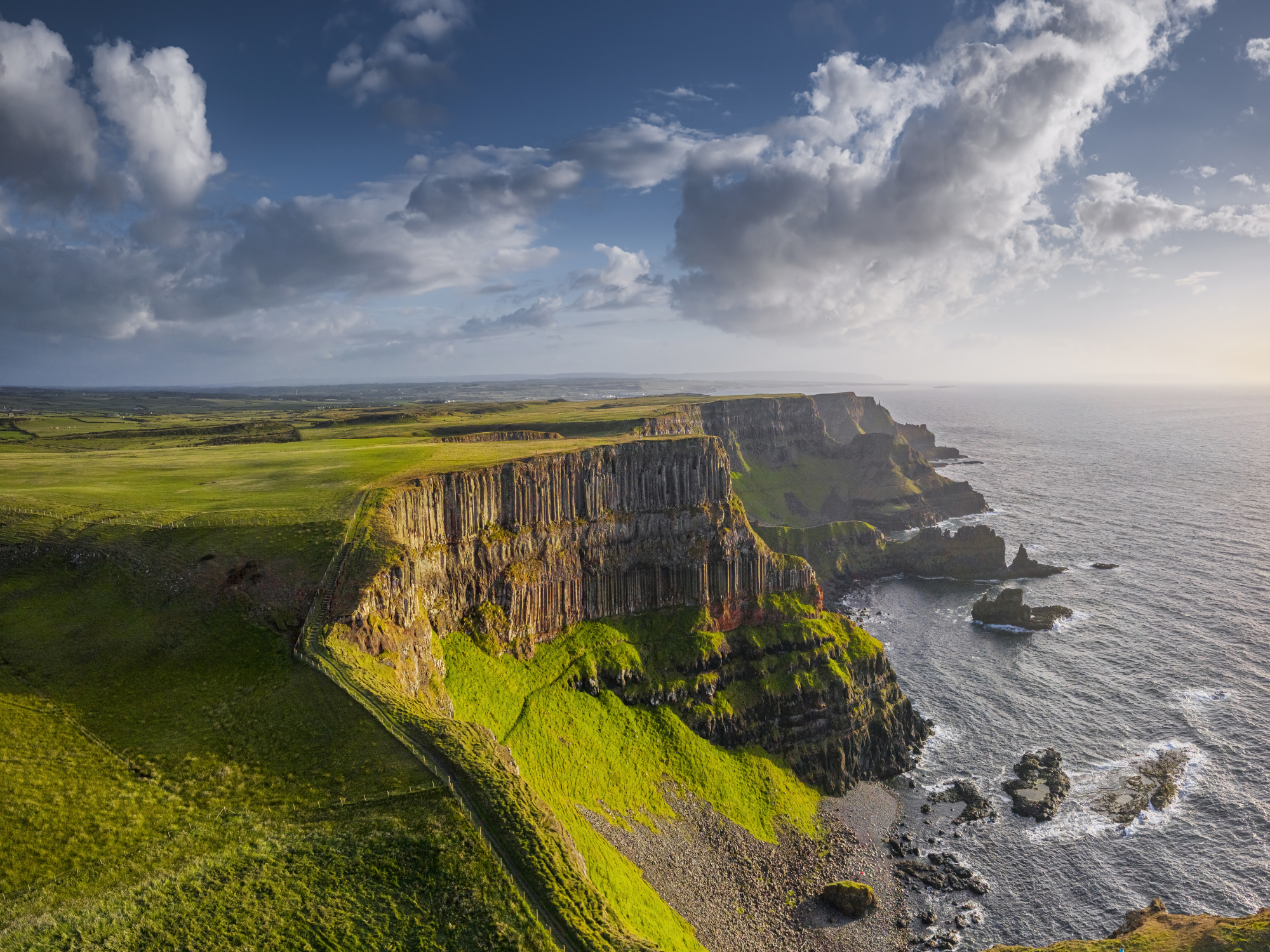
© Frederking & Thaler Verlag/ Bruckmann Verlag
The underground language
English did not simply replace Irish. It was imposed through a sequence of legislative texts spanning four centuries, each one tightening what the previous had left loose. The Statute of Kilkenny in 1367 was the first: English settlers were forbidden to speak Irish, and native Irish were forbidden to speak it when interacting with them, under penalty of treason. The Statute of Ireland in 1537 banned it from parliament. An act of 1541 extended that ban across all areas under English rule. The Administration of Justice (Language) Act of 1737 removed it from every courtroom in the country, imposing a fine of £20 for each infraction. In 1882, during the Maamtrasna murder trial, a group of monolingual Irish-speaking defendants were tried, convicted and sentenced in a language they could not understand.
What is remarkable is not that these laws existed. It is that they never fully worked. The bans were enforced where English power was strongest, in the towns, in the courts, in the institutions. They were not enforced where that power barely reached: the Atlantic coastlines, the islands, the mountain regions of the west. The language did not survive through organised resistance or deliberate secrecy. It survived geographically, in the places where English had simply not yet arrived as the language of daily life. Persistence, not defiance. That distinction matters.
Those who left
The Great Famine of 1845-1852 is the pivot. In less than a decade, the population fell from 8.18 million in 1841 to 6.55 million by 1851, according to the UK census of that year. Emigration continued for decades after: by 1931, the island held just over 4 million people. Some died. Most left. The movement that began then never fully stopped: by 1891, the island’s population had slipped below 5 million, according to historical census records. Emigration had become not a crisis but a structure, the ordinary trajectory of a life begun in Ireland.
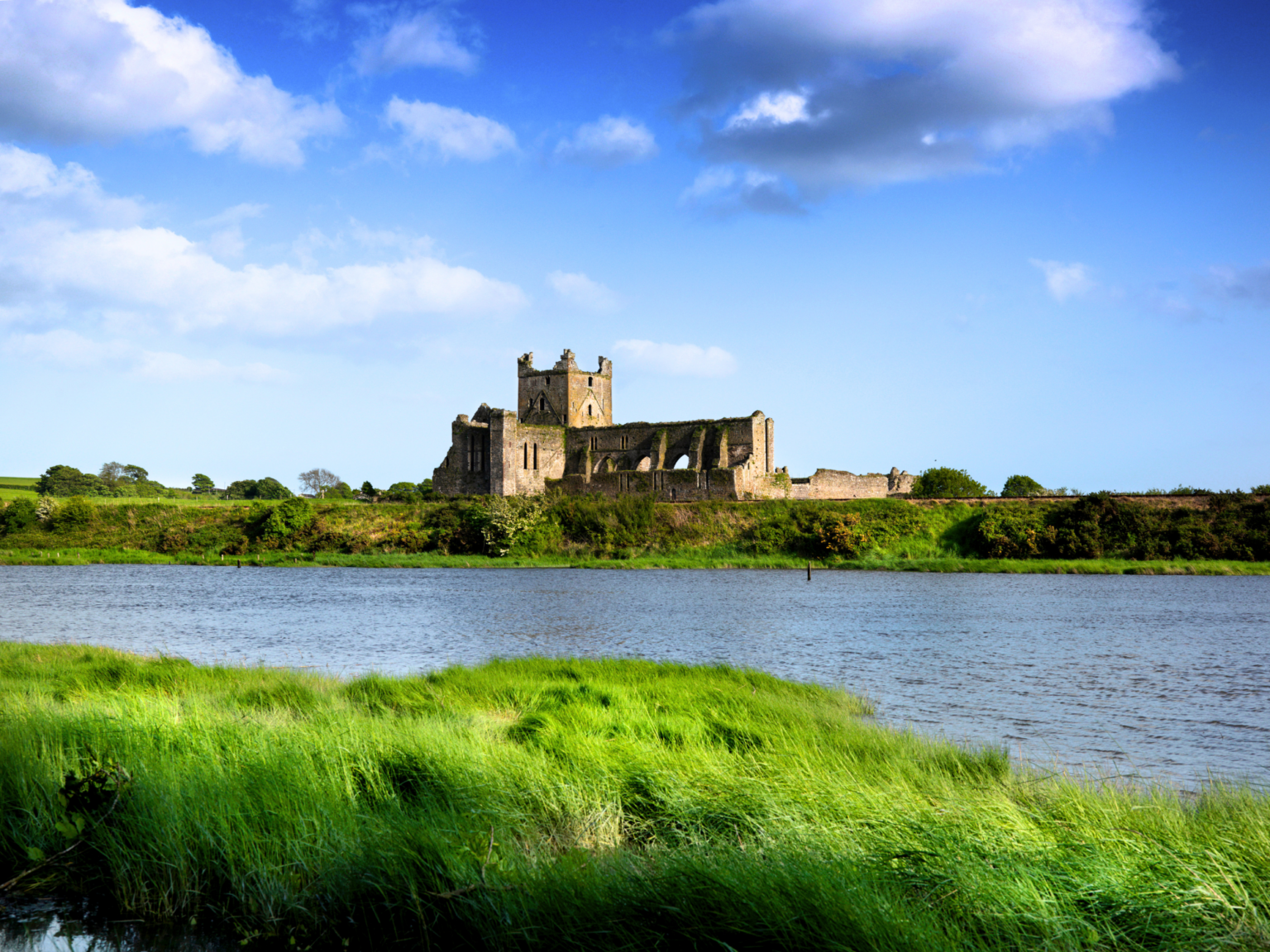
Cobh, in County Cork, was then called Queenstown. It was the last port before the Atlantic, the final point of contact with the island for generations of emigrants. At New Ross in Wexford, the Dunbrody Famine Ship, a replica of a vessel converted to carry emigrants across the ocean, makes that crossing tangible. These are not memorials to an exceptional moment. They are markers of a habit.
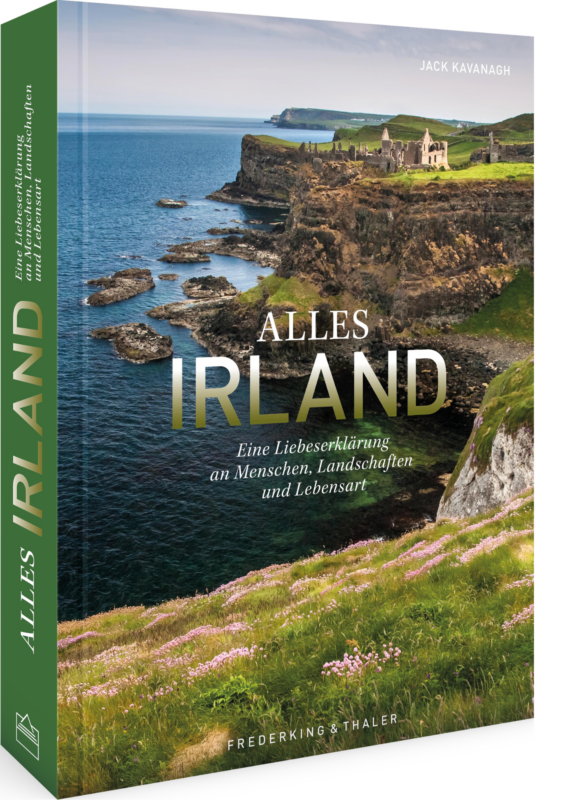
The habit persisted. In 1995, a young Dublin journalist named Jack Kavanagh left for London, then the United States. Ireland had not yet entered the economic expansion that would follow in the decade ahead. His departure was not exceptional. It was the ordinary movement of an entire generation, one of many that had made the same calculation since 1845.
What accumulates across those 150 years is something more than demographic loss. According to the US Census Bureau, 32.7 million Americans declared Irish ancestry in 2022. That figure is six times the current population of the Republic. An identity built on that scale of dispersal cannot be purely territorial. It lives in the memory carried by those who left as much as in the practices of those who stayed. The island exports people. The people carry the island.
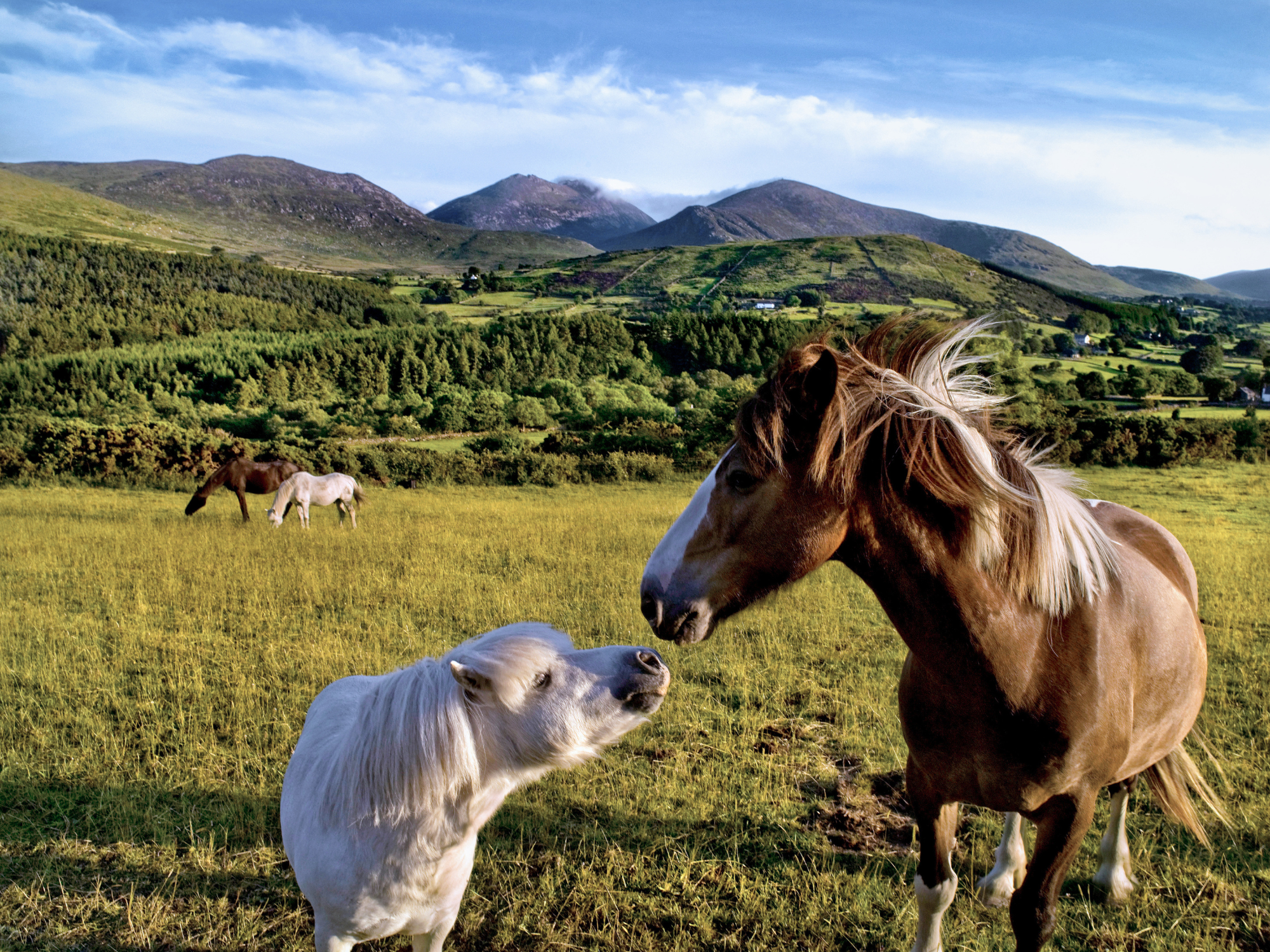
© Frederking & Thaler Verlag/ Bruckmann Verlag
Those who stayed
According to the Central Statistics Office, 1.87 million people in Ireland declared they could speak Irish in the 2022 census. That is roughly a third of the population of the Republic. The number who actually speak it daily in Gaeltacht areas is 20,261. The distance between those two figures is not hypocrisy. It is the precise measure of what a language becomes when it survives without being transmitted: a belonging without a practice, an identity without a daily instrument.
The Gaeltacht, the zones where Irish remains a living vernacular, follow the Atlantic fringe almost exactly: Donegal, Galway, Mayo, Kerry, Cork. A total of 106,000 inhabitants. They occupy, not coincidentally, the same geography where the colonial bans were least enforced, the coastlines, the islands, the places the English administration reached last. The map of Irish-speaking Ireland and the map of English institutional weakness are nearly identical.
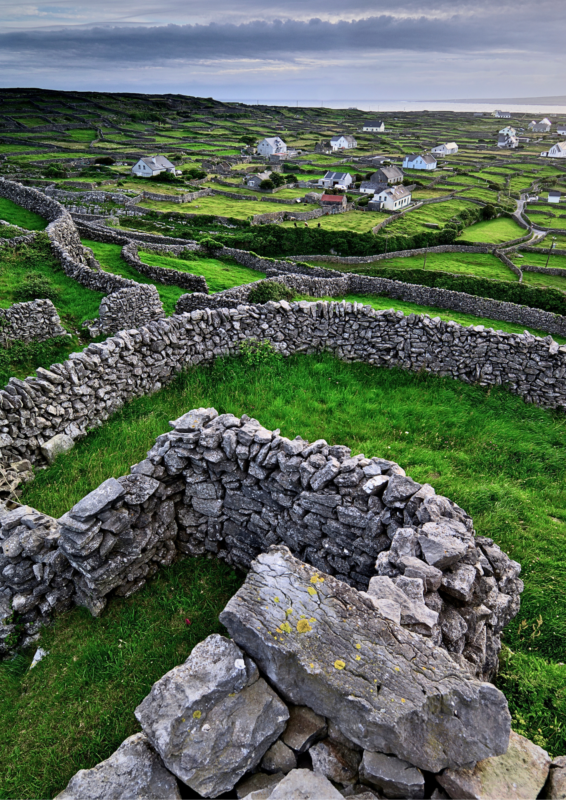
Inisheer, the smallest of the Aran Islands, makes that geography visible. Its dry-stone walls have divided the limestone plateau into the same interlocking parcels since the Middle Ages, each boundary laid without mortar, each one still standing. The island did not resist modernity. It simply remained at a distance from the conditions that made Irish disappear elsewhere.
This is not romantic resistance. It is not frozen folklore preserved behind glass. It is a way of being Irish that comes from the same historical place as the Silicon Docks, shaped by the same centuries of pressure, and arrives at a different answer. The two coexist without needing to fight each other. They never had to.
© Frederking & Thaler Verlag/ Bruckmann Verlag
The island that came a long way
In 2022, for the first time since 1851, the population of the Republic of Ireland crossed back above five million. The last time it had stood at that level, the Great Famine was still under way. The recovery took 170 years.
What drove it back across that threshold was not a reversal of the emigration logic but something closer to its inversion. The country that had spent a century and a half exporting minds and bodies had become a destination for capital and talent. Sixteen of the world’s top 20 technology companies now have a presence in Ireland, according to Dublin.ie. Google chose Dublin for its European headquarters. So did Apple, Meta, Microsoft and Amazon. The area along the south bank of the Liffey, once a stretch of derelict docklands, is now known as the Silicon Docks. LinkedIn runs its hub for Europe, the Middle East and Africa from the same city. Kavanagh notes both facts in his introduction. He notes them in English.
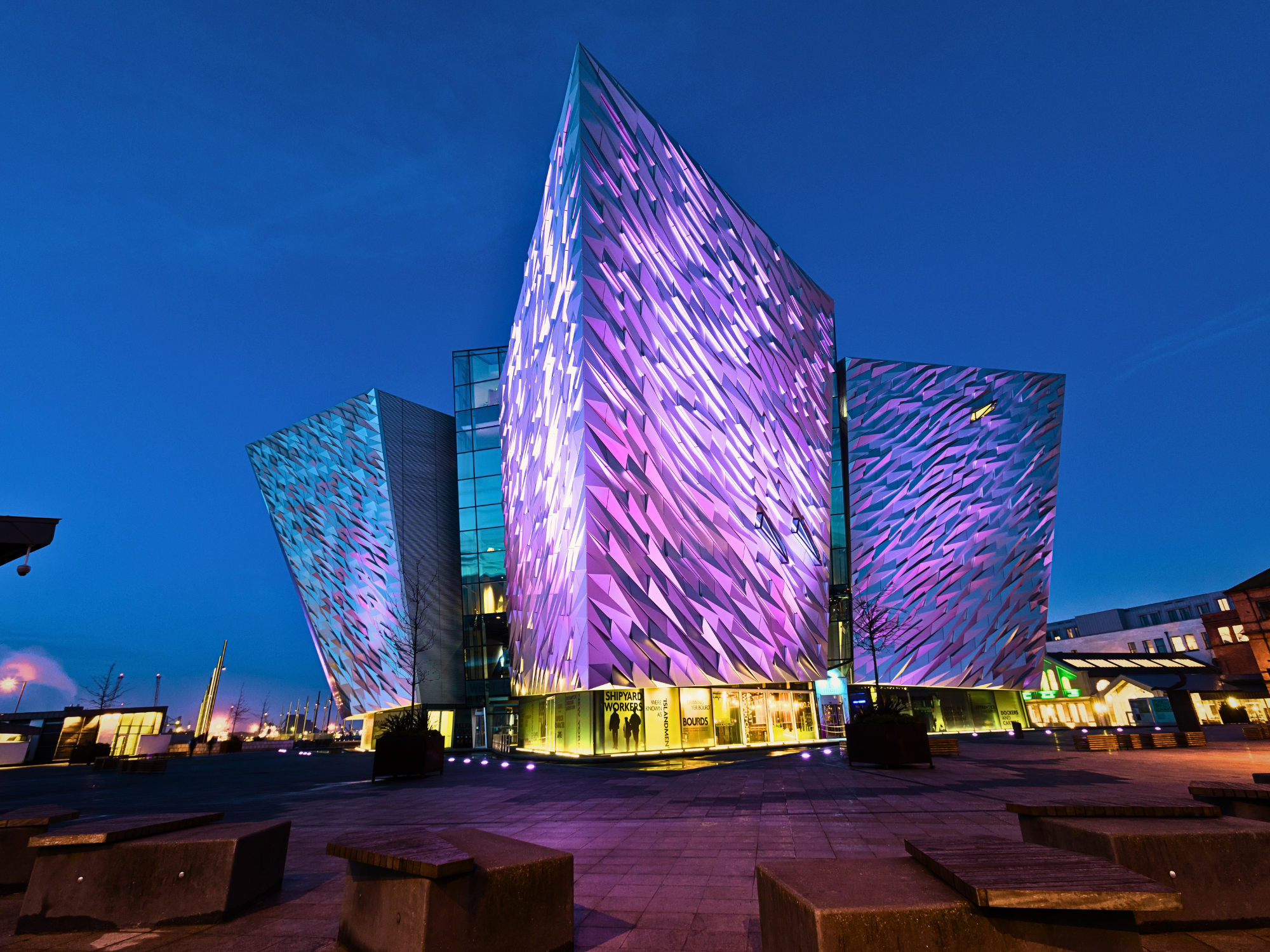
© Frederking & Thaler Verlag/ Bruckmann Verlag
That last detail is not incidental. The economic reconquest of Ireland was conducted entirely in the language inherited from occupation. Not because Ireland forgot what that language cost, but because it had spent four centuries learning to use it better than those who imposed it. Four Nobel Prizes in Literature. Joyce’s Ulysses, published in 1922, written in the language of the country that had spent four centuries suppressing Irish. A global tech hub that operates, negotiates and codes in English. The contradiction is not new. It is the same one that has been running since 1367. It has simply changed address.

© Frederking & Thaler Verlag/ Bruckmann Verlag
The returning exile’s gaze
Jack Kavanagh left Dublin in 1995. He spent the next 25 years between London and the United States, returning occasionally but never staying. When he came back to write this book, it was not nostalgia that brought him. It was a commission: the National Geographic project “Tales and Traditions of the Emerald Isle.” What the commission gave him was something harder to manufacture alone, a methodological reason to look at his own country as if he had never known it. He writes it himself: the project offered him the opportunity to see Ireland with the eyes of a first-time visitor. Twenty-five years of absence, turned into a tool for seeing.
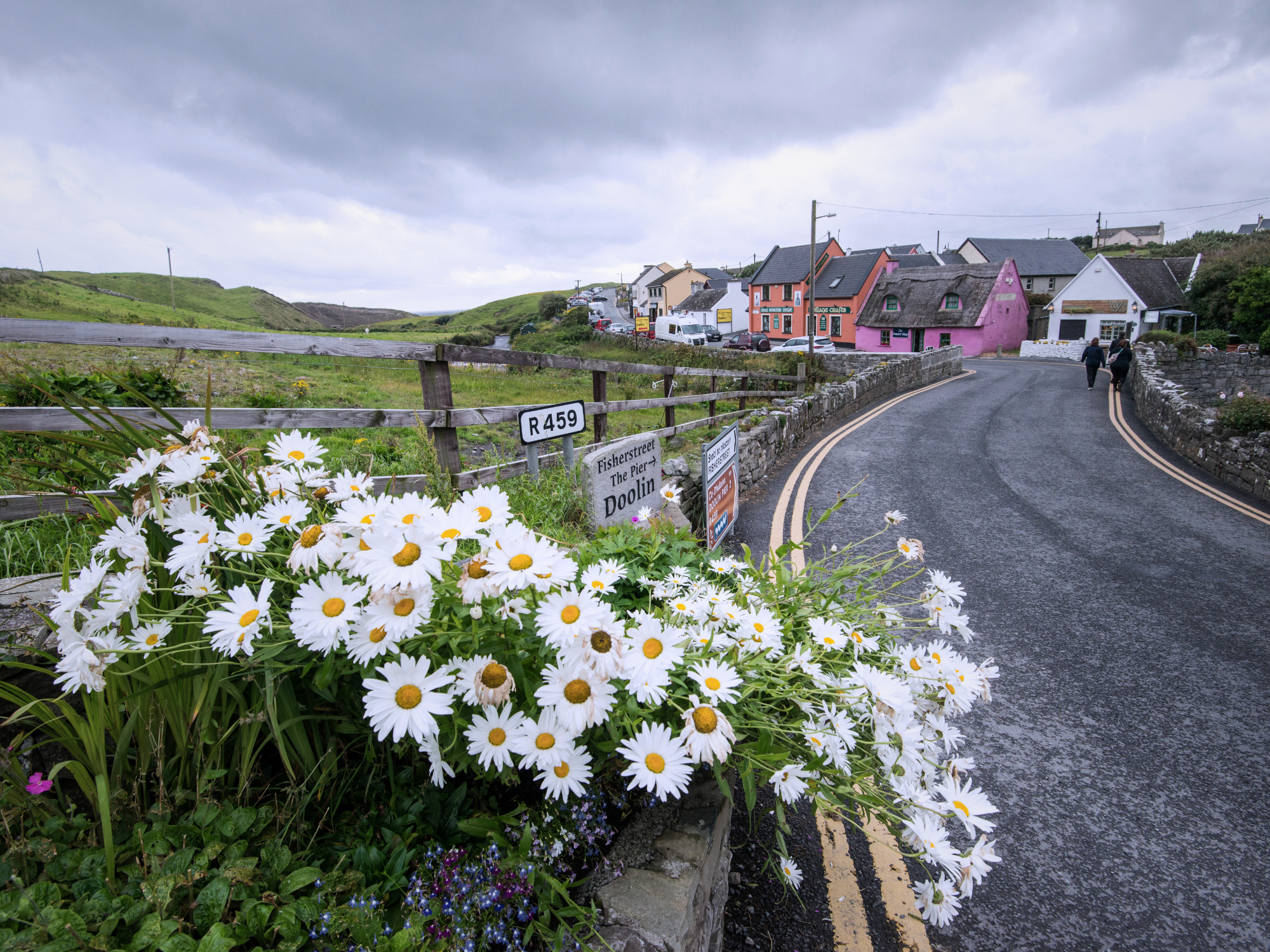
That double gaze is the book’s device. Walking through Dublin’s lanes with a local historian, he moves between two registers simultaneously: the one who knows that this corner once meant something specific, and the one who has to ask what it means now. Legends of JFK and Yeats layer over tech company addresses. A seanchaí in Galway tells stories in a tradition older than the pubs that now broadcast Premier League football on three screens. The pub itself, that most exported of Irish institutions, remains a space where oral storytelling has not yet been fully displaced by the feed.
Ireland has produced four Nobel Prizes in Literature. Yeats in 1923, Shaw in 1925, Beckett in 1969, Heaney in 1995. All four wrote in English, the language of the country that spent four centuries suppressing Irish. Kavanagh himself writes in English a book whose subject is, in part, the language that English replaced. The contradiction does not resolve at this point in the story. It deepens.
© Frederking & Thaler Verlag/ Bruckmann Verlag
At the edge
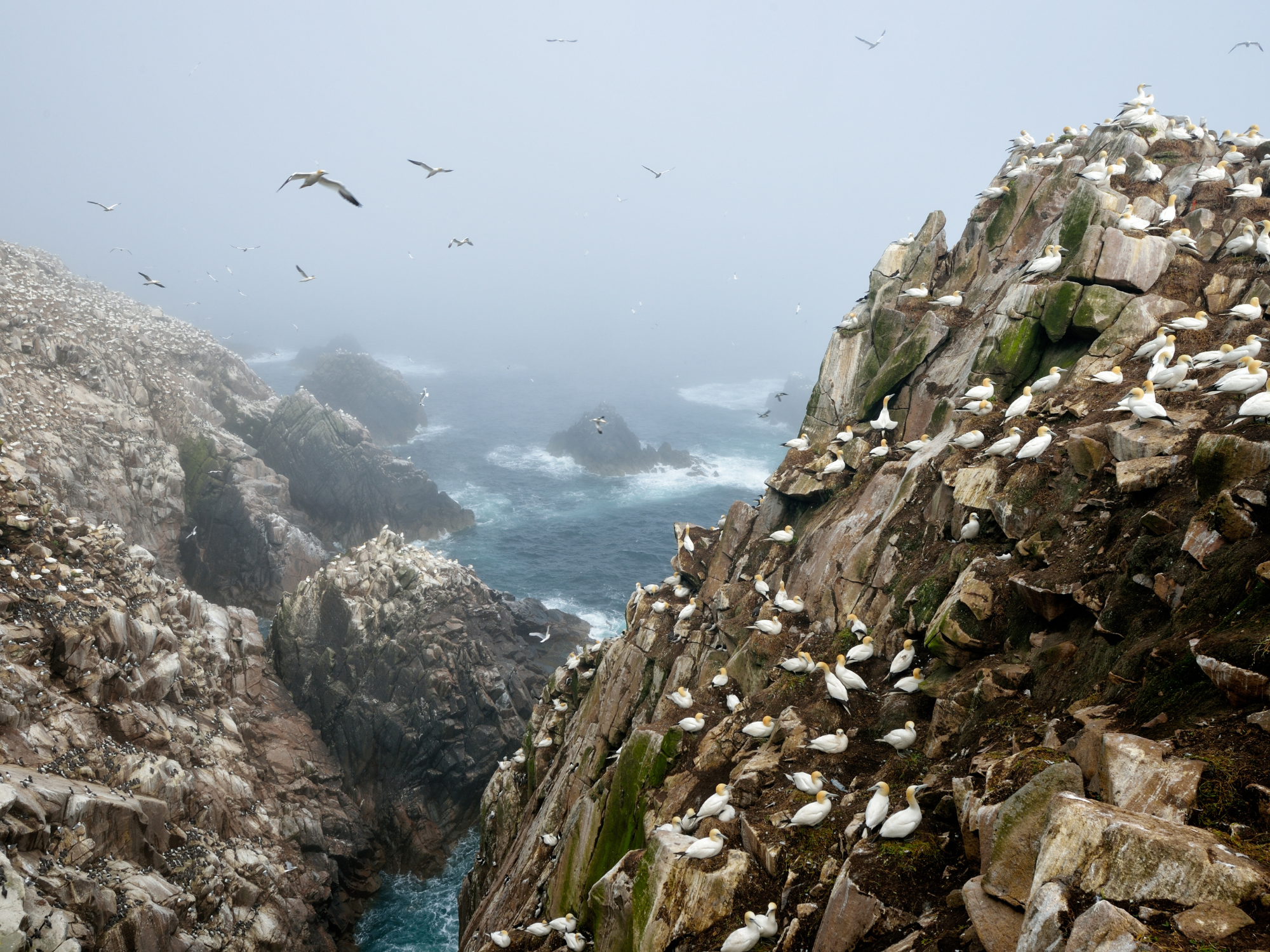
The islands off the Irish coast are not appendages of the mainland. They are intensifications of it. Everything the continent has diluted over time, through roads, institutions, connectivity, administrative reach, the islands have kept at a higher concentration. They are where the logic of this country becomes most legible.
Skellig Michael stands eight miles off the Kerry coast, a pyramidal rock rising 218 metres from the Atlantic. In the sixth century, Irish monks chose it precisely because nothing else was there. They built a monastery on its upper ridge, cut steps into the rock face, and spent generations copying the Gospels while Rome fell to the Visigoths and the knowledge of classical Europe dissolved on the continent. The manuscripts survived. In 2014, the production team for Star Wars: The Force Awakens filmed there. Both facts are true at the same time. Neither cancels the other. The capacity to hold extreme spiritual austerity and global entertainment franchise in the same location without apparent contradiction is, Kavanagh suggests, not a paradox specific to Skellig. It is a habit of mind.
That habit runs deeper than history. Road engineers in Ireland have been known to reroute construction projects to avoid disturbing fairy forts, the circular earthworks believed to be inhabited by the Tuatha Dé Danann, the ancient supernatural race of Irish mythology. This is not superstition in the conventional sense. It is a structural refusal to treat the imaginary as less real than the visible. The Irish, Kavanagh notes, have always inhabited both registers simultaneously, without feeling the need to choose between them.
© Frederking & Thaler Verlag/ Bruckmann Verlag
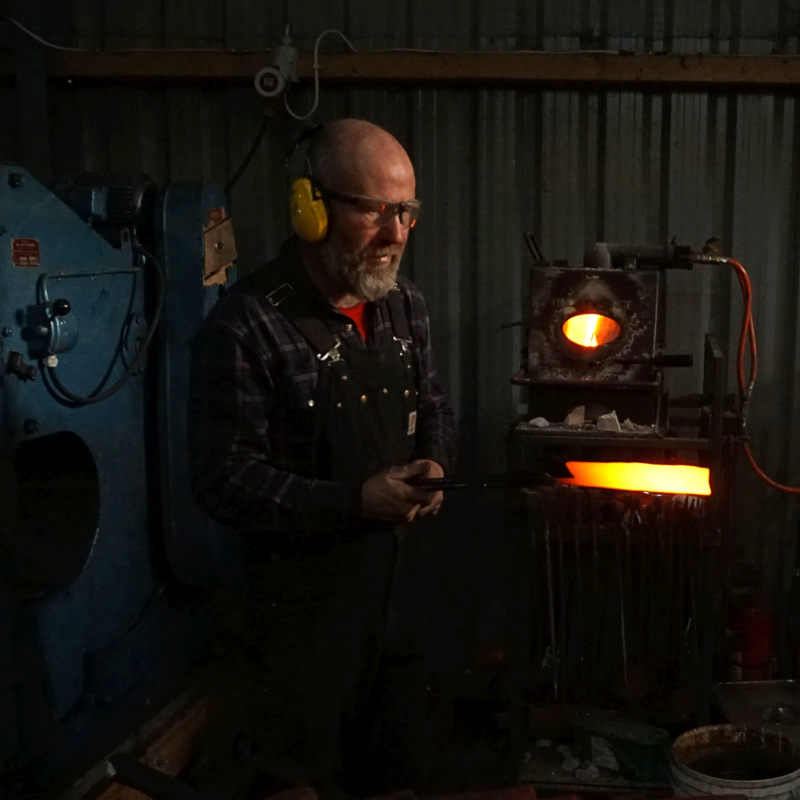
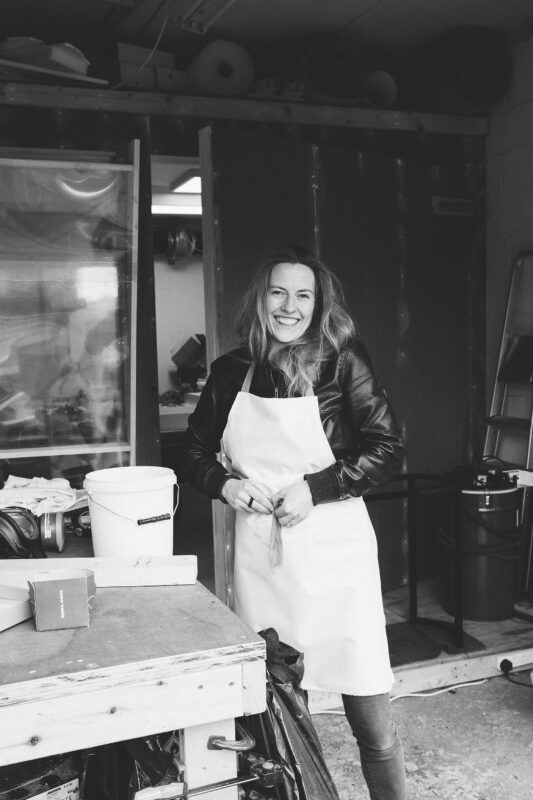
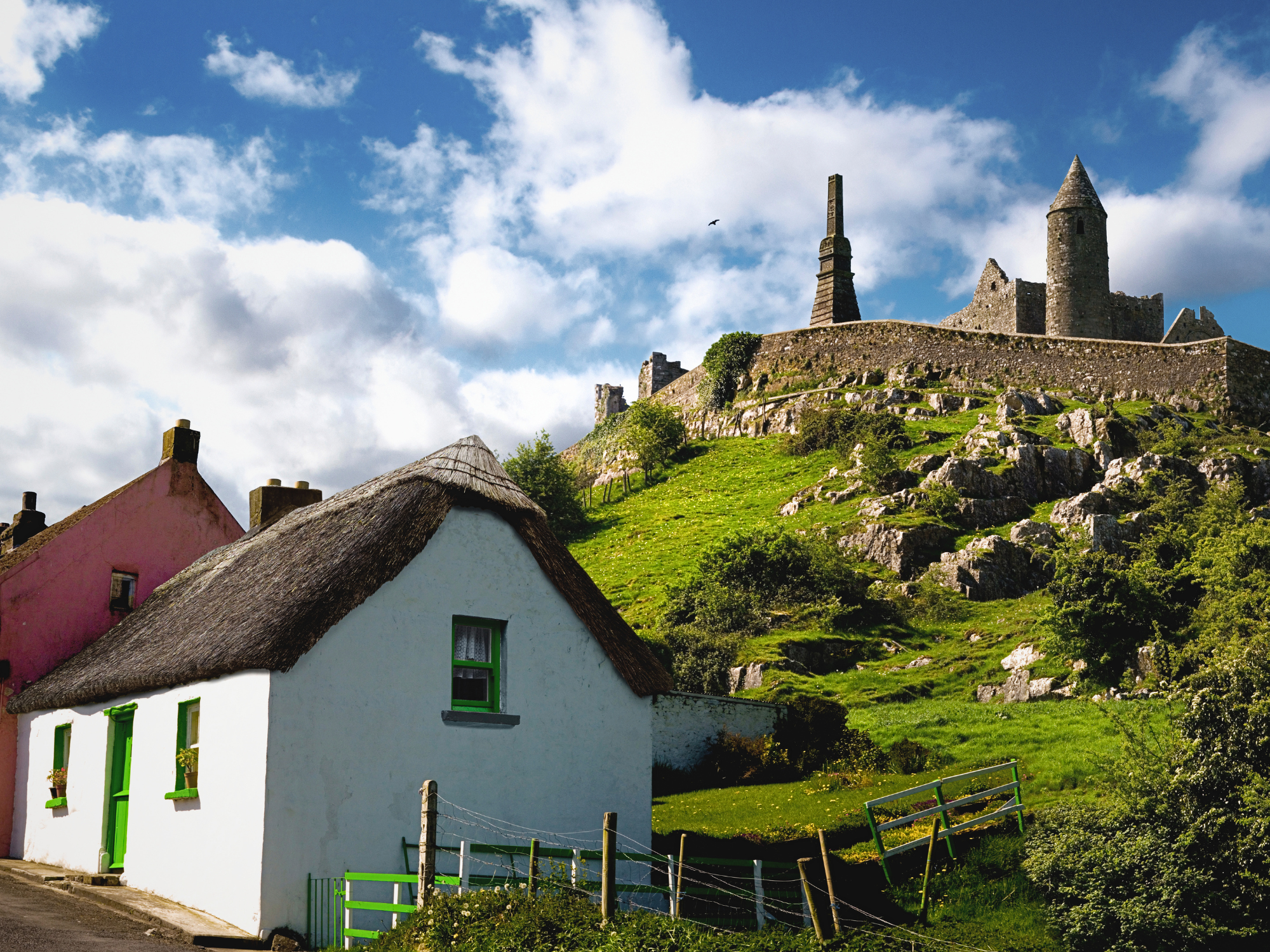
Dursey Island, off the tip of the Beara Peninsula in Cork, is the only Irish island connected to the mainland by cable car. Its permanent population stood at 3 residents at the time of the 2022 census. It has one pub and four thousand years of traceable human history. The Aran Islands, further north, remain the last zone where Irish functions as a dense daily vernacular, their fields divided by dry-stone walls that Inisheer’s inhabitants have maintained since the Middle Ages. In Donegal, Magee 1866 and Donegal Yarns produce tweed by hand from local wool, exported worldwide since the 1980s, a craft that survived not by becoming a museum piece but by finding a market on its own terms.
Ireland is not read from the centre. It is read from the edges, where the pressure of history has been greatest and where something held regardless. The islands did not hold because they were protected. They held because they were far enough from the places where things were taken away.
© Frederking & Thaler Verlag/ Bruckmann Verlag
What the crossing keeps
The Boston Celtics still play in green. The Chicago River runs green every March. Those images, which opened this piece as curiosities, read differently now. They are not nostalgia. They are not heritage tourism. They are the residue of a process that began in 1845 and has not fully stopped: a country that learned to exist in more places than the one on the map.
To travel to Ireland is to arrive at the source of something that already reached you before you left. The symbols were already there, in the sports teams, in the surnames, in the particular way certain American cities light up on the seventeenth of March. What the journey adds is not the symbols themselves but the conditions that produced them: the four centuries of legislative suppression, the ports of Cork, the monks on the rock, the dry-stone walls that divided fields no one could legally own, the pubs where stories were kept alive because there was nowhere else to keep them.
Kavanagh understood his own country most clearly from Philadelphia. That is not a coincidence. Irish identity has never been most legible from the inside. It is legible from the distance that loss creates, from the position of someone who carries the island without standing on it. You do not come to Ireland to discover it. You come to recognise what the distance had already been teaching you, without your knowing what it was about.
The tension does not resolve on arrival. It sharpens.