

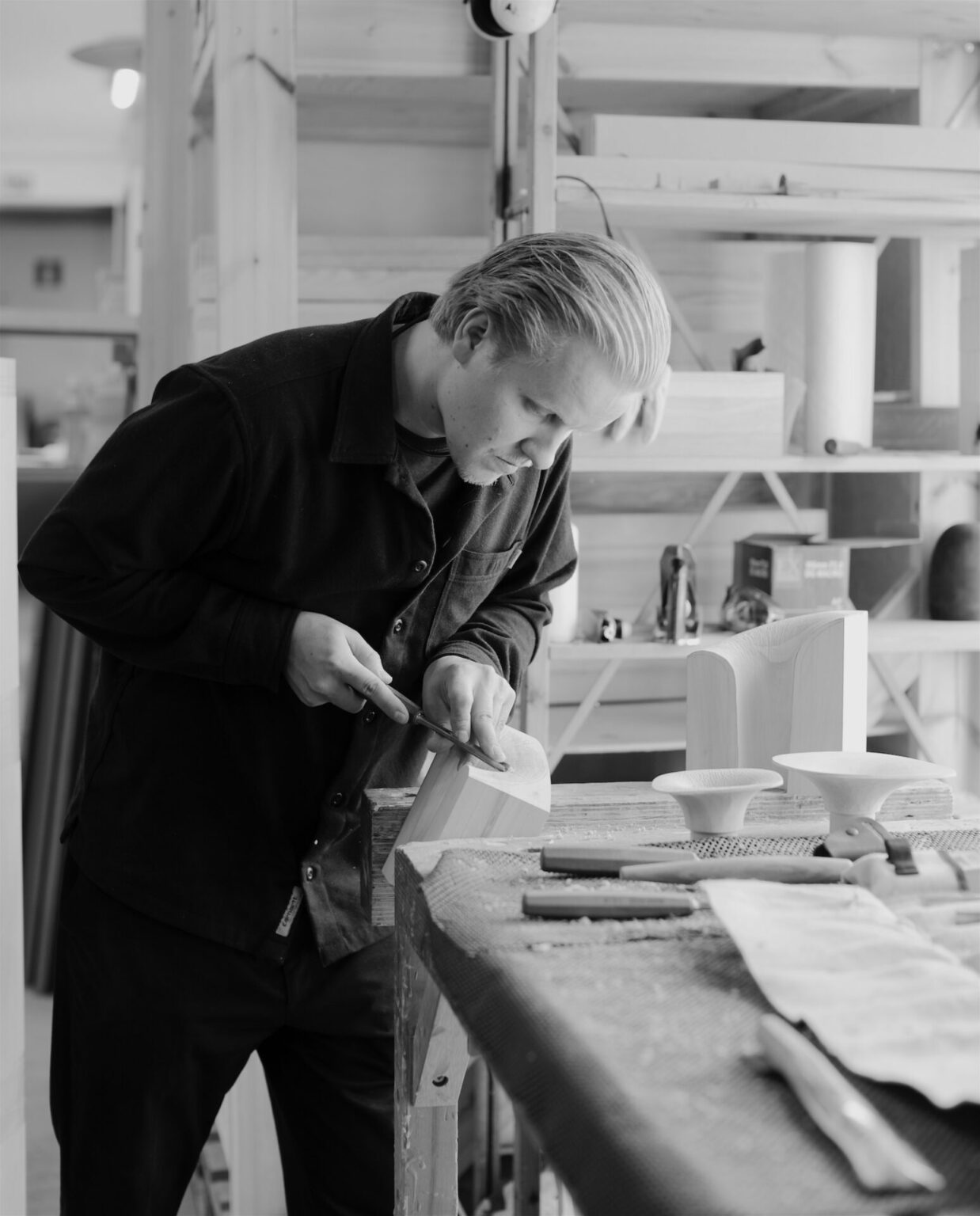
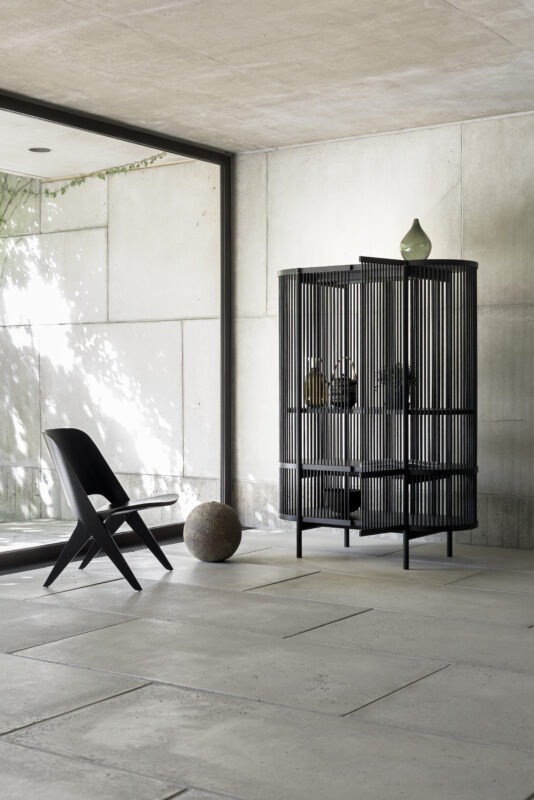
The alteration of nature, whether by humans or other forces such as water, runs through the works of Antrei Hartikainen. Sometimes deep furrows cut through the wood, left behind by liquid matter, other times hundreds of pine rods cover the surface of a cabinet, graphically recreating the path of rain.
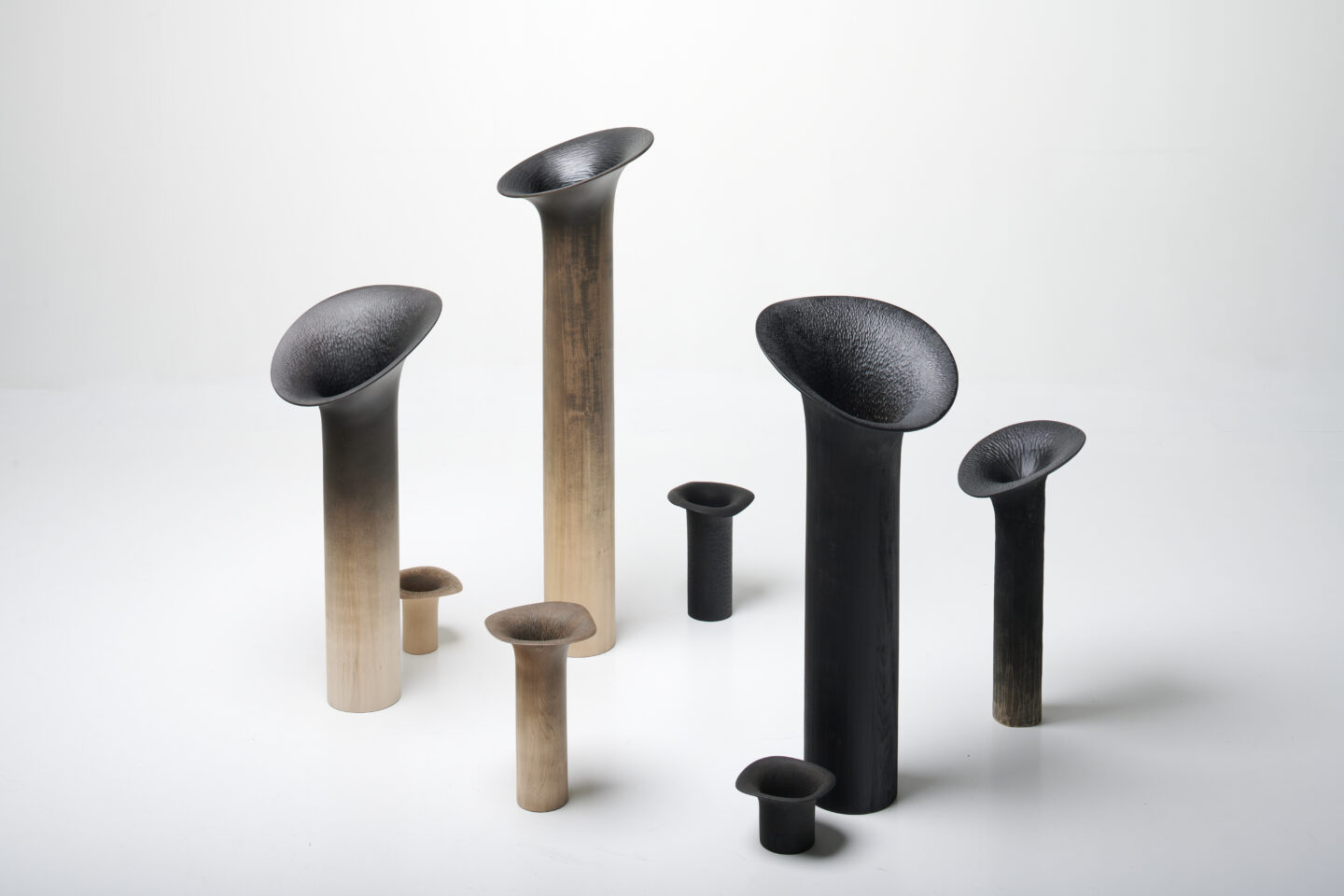
His works repeatedly straddle the boundary between furniture and sculpture, between functional objects and art. At times, they are both. But some of his works are clearly sculptural, with shapes inspired by mushrooms or other references of to the surrounding landscape.
© Courtesy of the artist
Which place do you currently call home and where do you work on your projects?
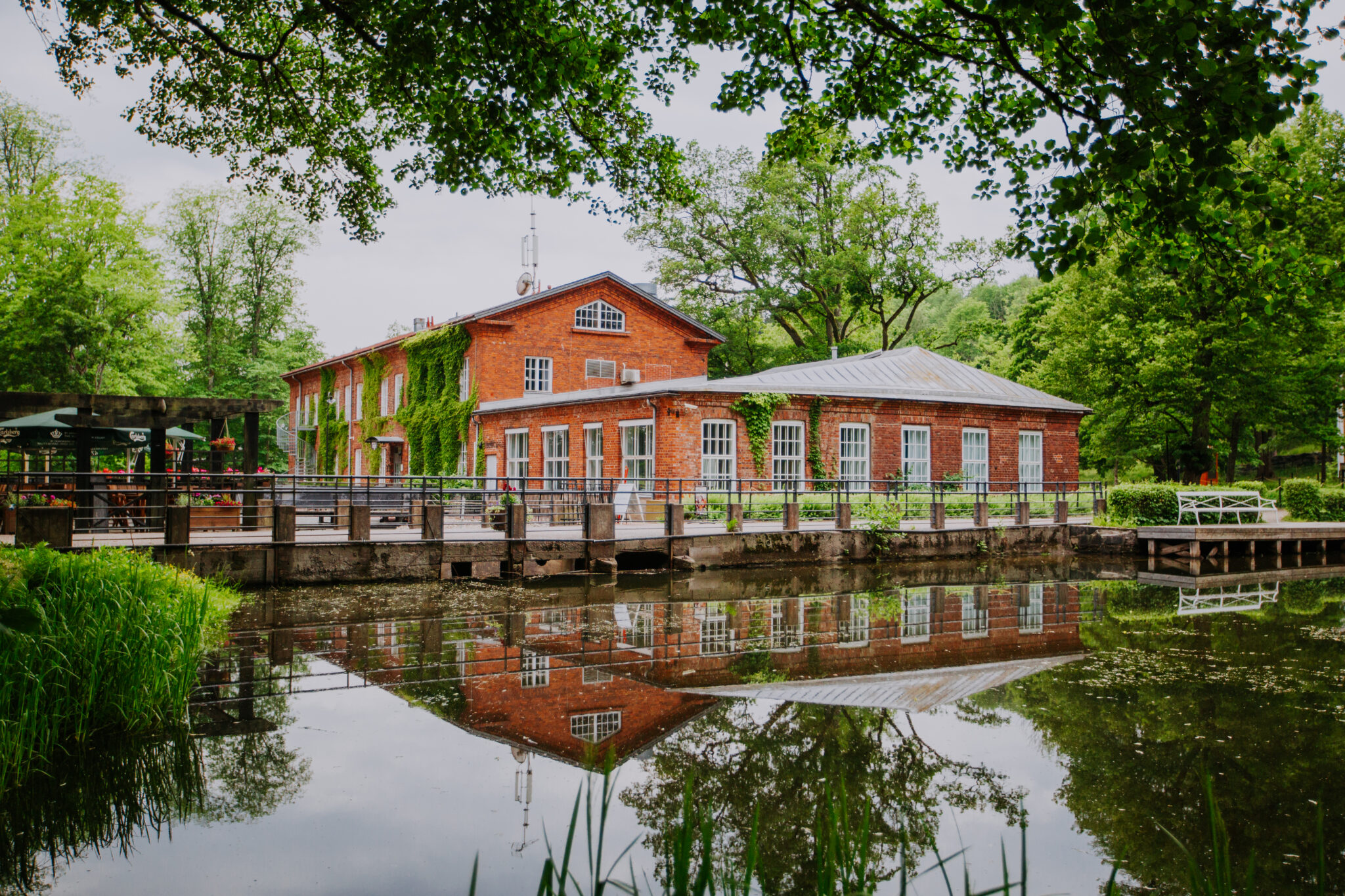
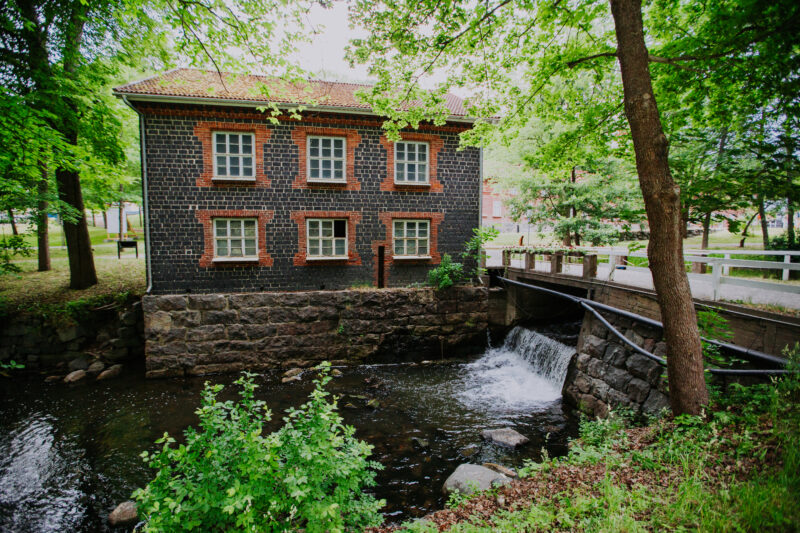
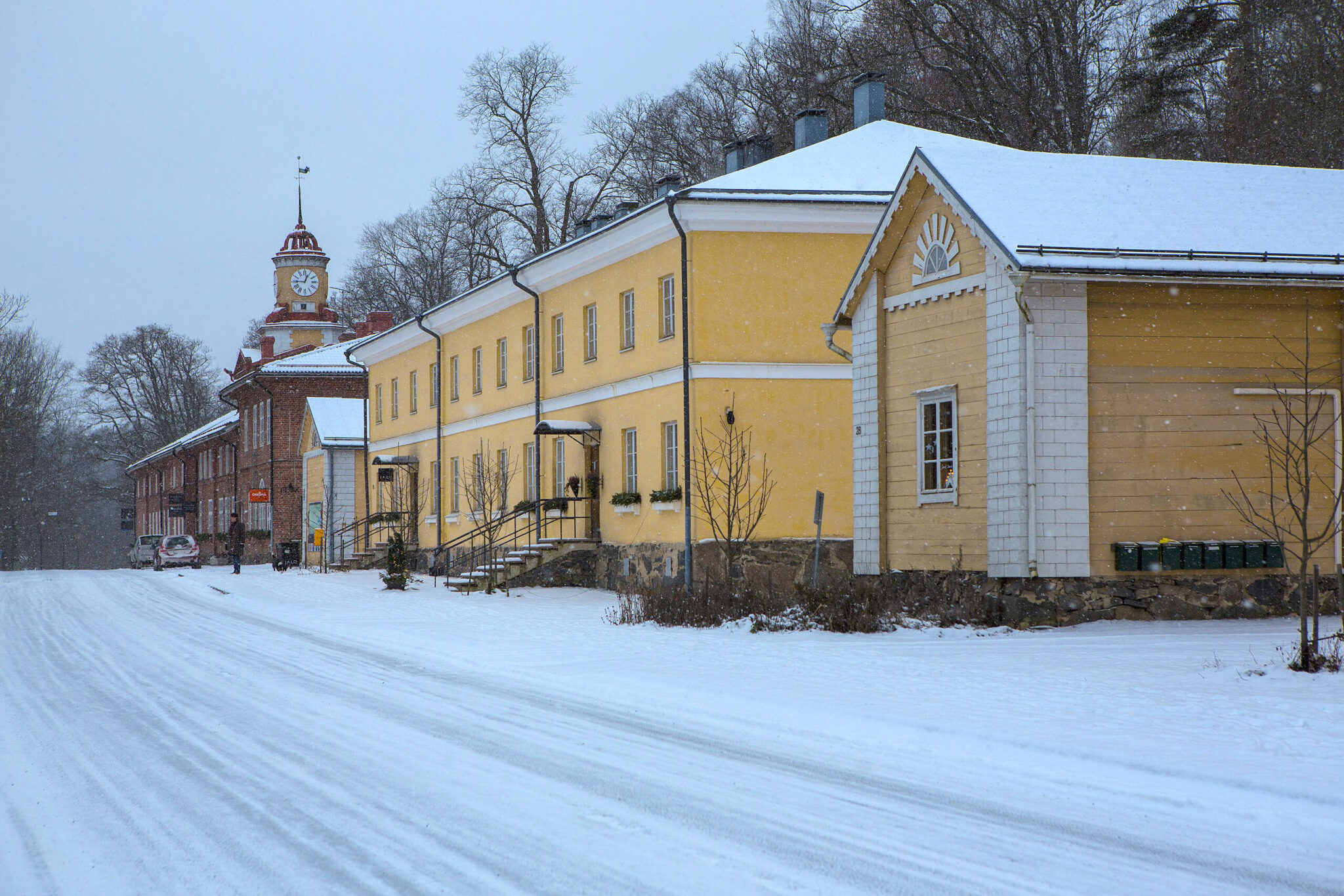
I live and work in Fiskars village. It’s an historical ironworks village in Raseborg, Southern Finland.
Where is your studio located & how does it look?
The studio / workshop is located in Pohjankuru, Southern Finland. Few kilometers from Fiskars, an old ironworks village where I live.

© Courtesy of the artist
Are there any projects that are personally important to you—whether recently completed or currently in progress?
On my October 17th my first museum exhibition opened at the Didrichsen Art Museum in Helsinki. It will run until February 25th, 2026.
© Courtesy of the artist

© Courtesy of the artist

© Courtesy of the artist
Do you have a favorite place in your area where you like to relax and linger?
The nature surrounding the village of Fiskars offers everything I need for relaxation. The location is not only unique in its history but also in its nature. The microclimate of the river valley differs from the surrounding areas, which is reflected in an exceptionally rich flora and fauna, which includes many species that are rare for these latitudes.
About 13 km away in Karjaa, in Bio Pallas, we also often go to the movies. It is a cozy family-owned movie theater that plays both Hollywood productions and smaller arthouse films. When the longing hits to get to the city, my wife and I spend the day in Helsinki’s versatile galleries, museums and restaurants.
© Julia Kivela
Are there any urgent political issues or problems in your region?
When living in Finland, things are generally relatively good. The shocking events in Ukraine have shaken the sense of security in Finland as well, because we share a very long border with Russia. As a result, a new era has begun in Finland due to the recent NATO membership.
In your opinion, what has developed well in the last 5 years—and what has not?
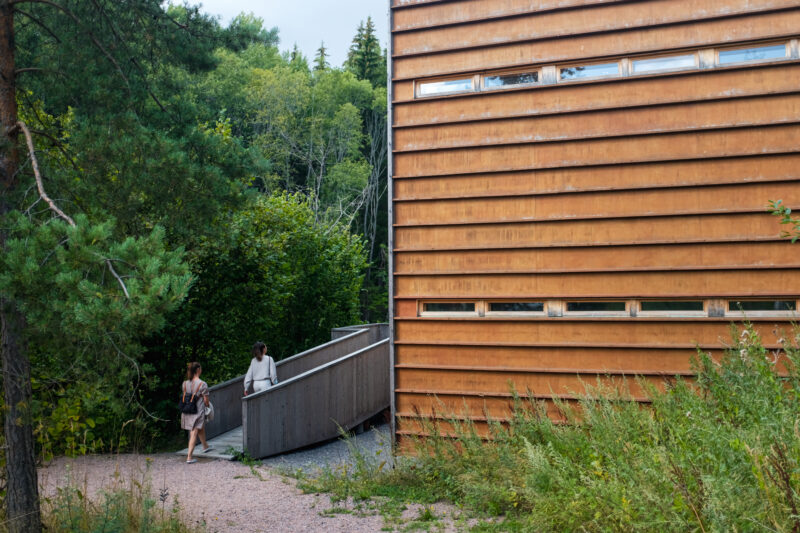
It has been a victory in the fight that the village still has its own elementary school. It has required activity, tenacity and determination from the locals.
Closing the school has been on the municipality’s action list almost every year, as an effort to improve efficiency and save money. What made it possible for the creators of the creative industry to arrive at first was affordable work and living spaces. In the last five years and even before, rent levels have risen to the point that it excludes many interested small business owners and individual artists. Here, there is a big risk that what used to be genuine and special will turn too commercial and boring.
© Mariia Kauppi
© Julia Kivela
Do you know a hidden gem when it comes to local manufacturers—whether it’s arts and crafts, sustainable products or food?
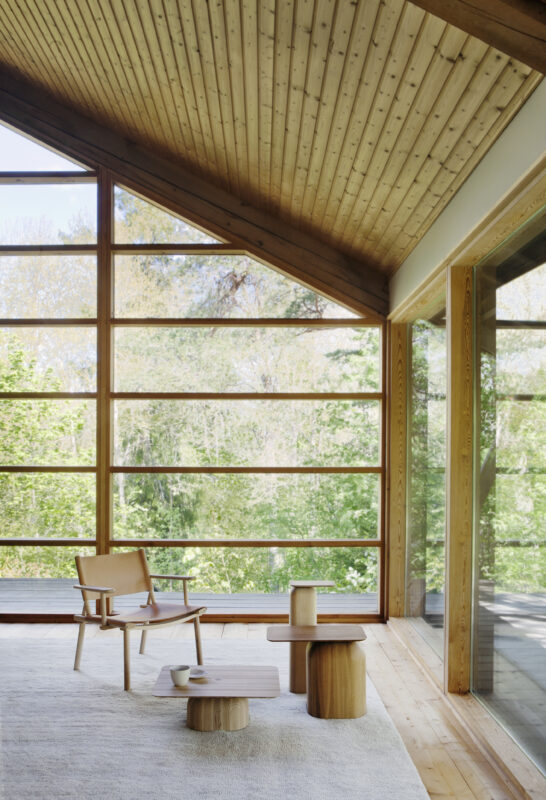
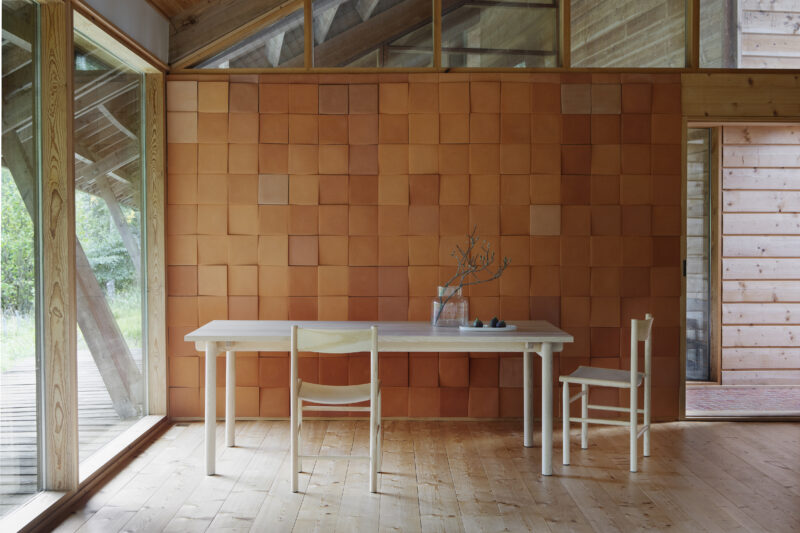
Nikari is a wood furniture manufacturer, established in 1967. The first years were marked by close collaboration with masters of Finnish architecture and design, such as Alvar Aalto and Kaj Franck. The company foundations rest upon the idea of working for bringing out the best of wood in contemporary design. The Nikari studio-workshop is located in the oldest machinery workshop of the country.
© Nikari
© Nikari
Is there anything particularly innovative in your region? Also in comparison to other places you have already visited?
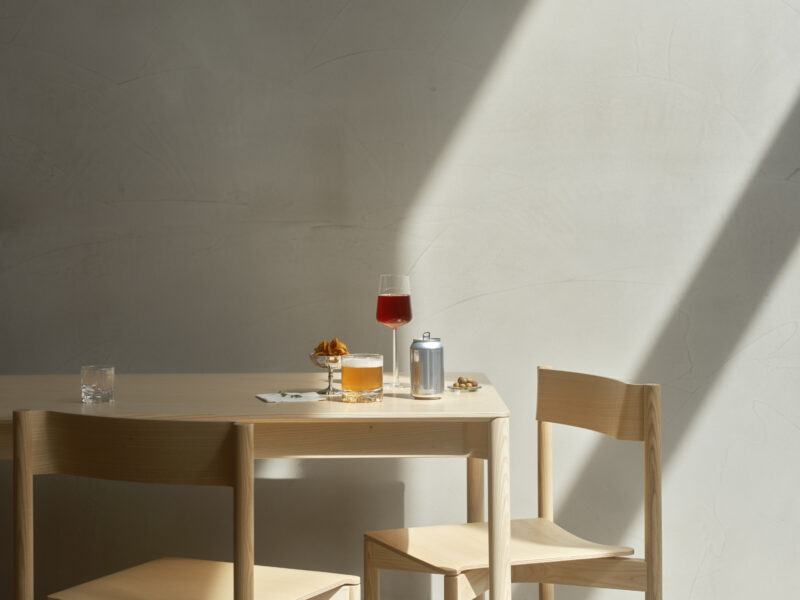
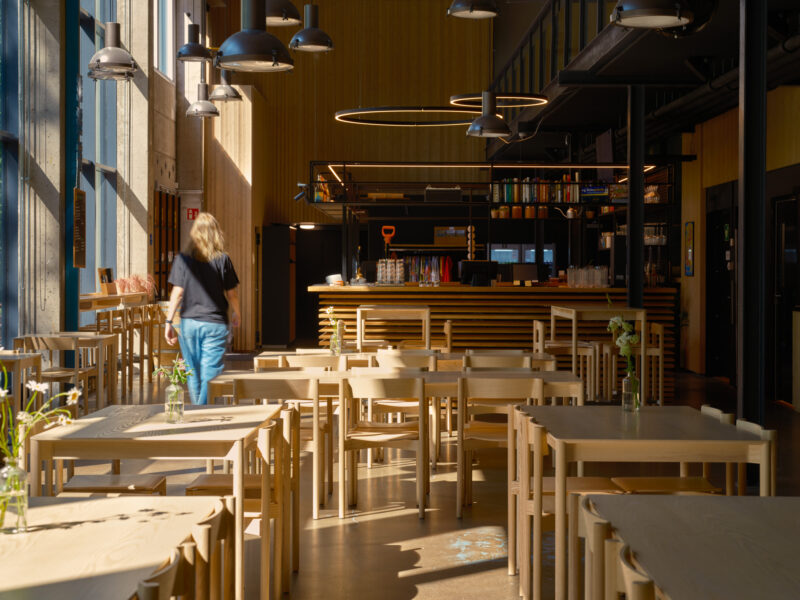
The specialty of Fiskars village is how it has been renewed from the history of the ironworks to the present day, when all the historical buildings were finally emptied after the last factories moved elsewhere in the 90s. The buildings slowly filled up and the place developed into a cradle of culture, when designers, craftspeople and artists took the place as their own. In the 2020s, expanding further as a center for art, design and food and drink culture. A few innovations in the field of culture in recent years have been, for example, Fiskars Village Art&Design Biennale, KWUM ceramic museum and the Fiskars Knife Factory. All this is mostly miraculous because there are about 500 inhabitants living here in total!
© Fiskars Knife Factory
© Fiskars Knife Factory
Do you have a secret restaurant tip that you would like to share with us?
There is one of the best pizzerias in Finland in Tammisaari, which is about a 30-minute drive from our home. Founded in 2019 by Nick and Peik Victorzon. YLP! is the first zero waste pizzeria in Finland and Scandinavia, and the vibe is “locality”. They serve up sustainable pizzas and desserts with zero, or even a positive, impact on the environment. This includes the life cycle perspective: local suppliers, composting and energy efficiency. Only things imported are wine, coffee, olive oil & salt. Almost 99% of the ingredients are local and come from a radius of about 60 km from the restaurant.
Is there a local shop whose products are only available in your region?
Founded in the historical ironworks village in Raseborg in 1996, Onoma the Cooperative of Artists, Designers and Artisans in Fiskars is one of the oldest operating cooperative of artists in Finland. Onoma’s 143 members represent dozens of different fields of design, arts and crafts, and each of them either lives or works in Fiskars village. Onoma’s most visible form of activity is organizing high quality summer exhibitions every year. Curated and often international exhibitions are the most prominent annual events in Fiskars village. Members also have their own store, ONOMA Shop, which is located in the heart of the village.
What are your 3 favourite apps that you use every day and couldn’t live without?
– Instagram
– HS ( news )
– WhatsApp
Do you have any favourite newspapers or online magazines? And how do you keep up to date with politics or social and cultural issues?
– Helsingin Sanomat (Largest subscription newspaper in Finland and the Nordic countries)
– YLE (the Finnish Broadcasting Company)
– Monocle
– The New York Times
I read most of my daily news through news websites or radio news. I like to read more in-depth articles in a newspaper or periodical.
© Olga1969, Village Fiskars, Adjusted colors and saturation, CC BY 4.0
Imagine you could be mayor for a year—what would you change?
I would improve public transport connections, increase the number of staff in kindergartens. I would make sure that in all the city’s decisions, sustainable development has great importance and that it would also be implemented on a practical level and without any kind of greenwashing.
One last question: If you could choose another place to live—regardless of financial or time constrains—which one would you choose?
I would still live half of the year in Fiskars and the other half in changching locations in Italy, Portugal and Spain. Even though I really like the Finnish winter, even a shorter time would be enough. The best aspects of the pleasant temperatures of the Finnish summer, the brilliant colors of the autumn fall and the short joy of winter. In addition to these, the year would bring new highlights from the best surf spots in Portugal, the food culture of Italy and the greenery and culture of my
wife’s native Galicia in northern Spain.


