

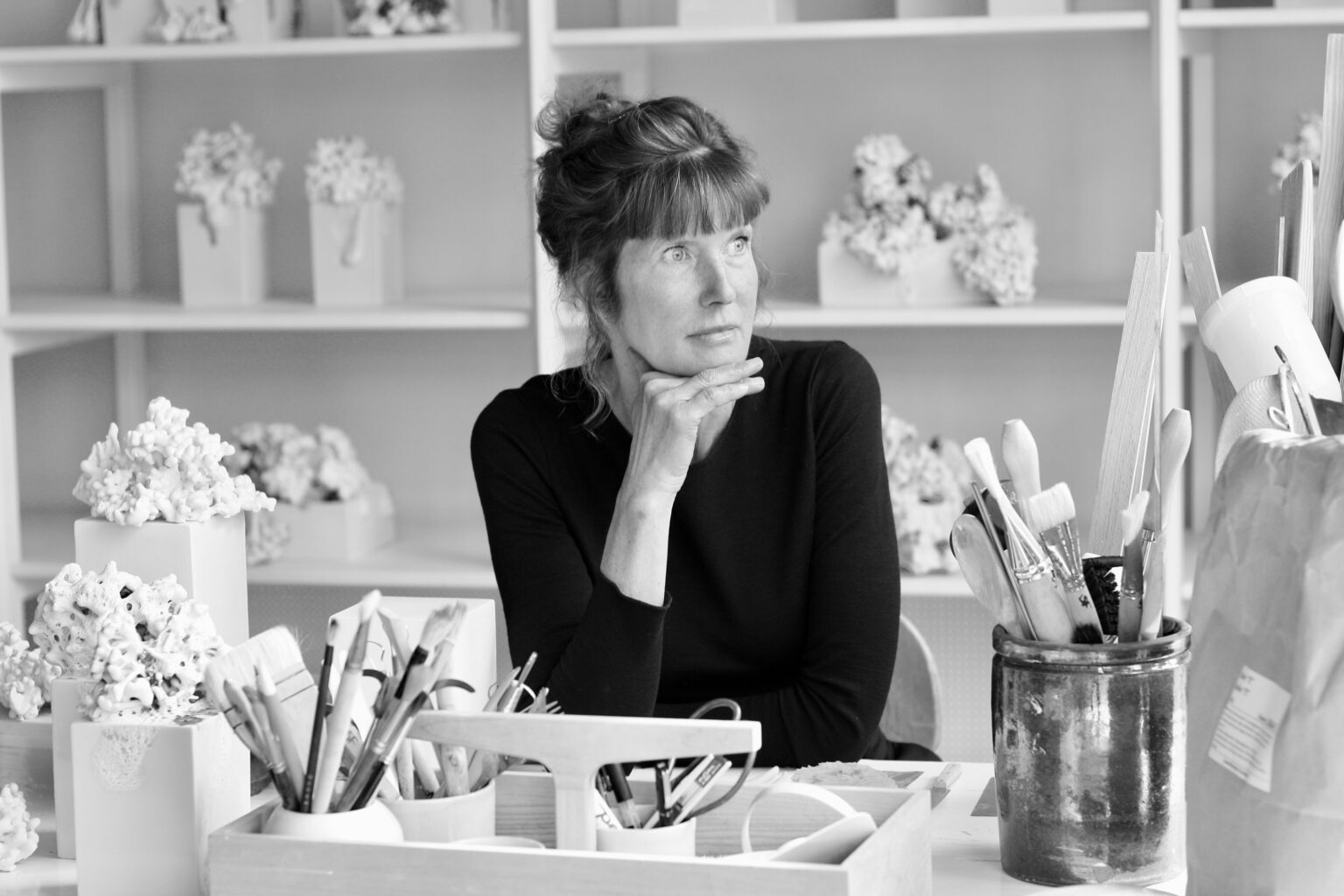
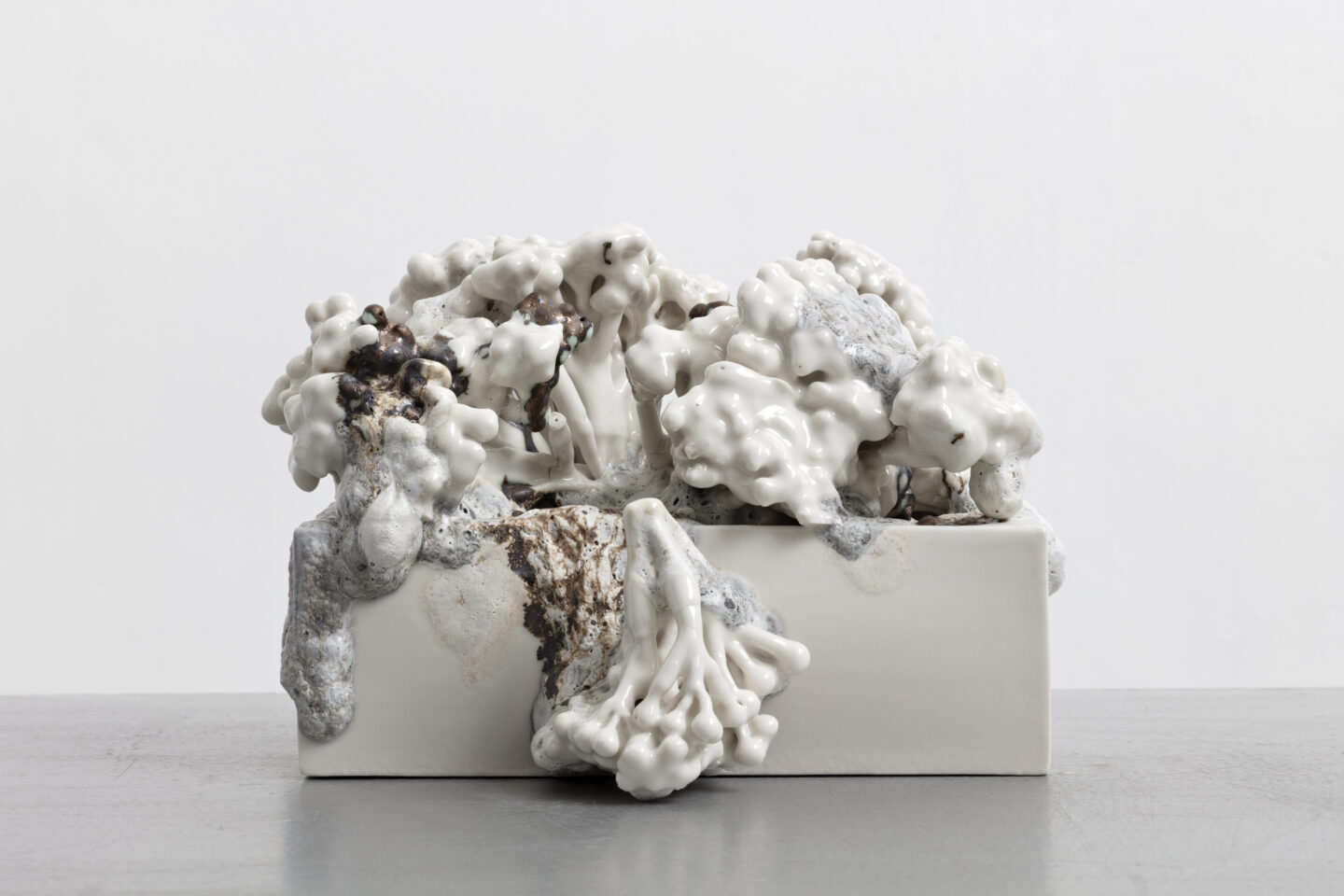
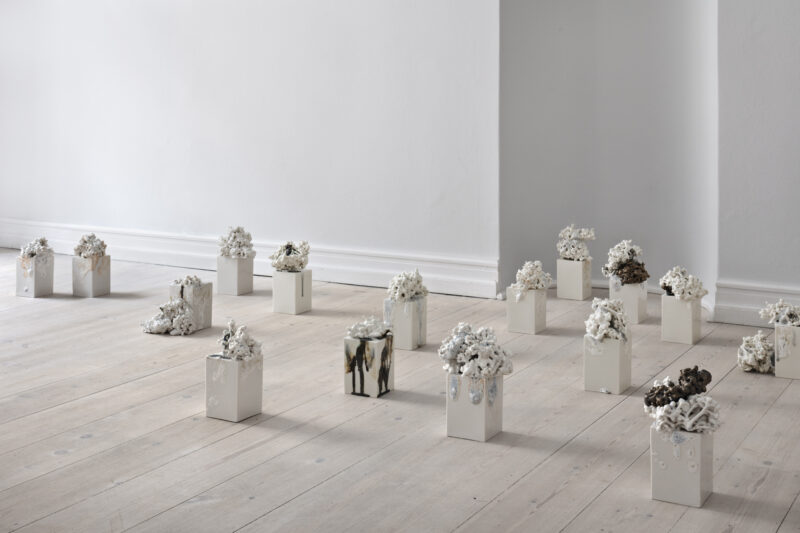
The interaction between a precisely calculated result and a certain loss of control during the creative process characterises Fensholt’s artistic work. While she creates perfect forms, her foaming glazes burst into unpredictable bubbles in the kiln—resulting in rich textures and colourful surfaces. With their earthy, appealing feel, the glazes form a clear contrast to the shiny white porcelain.
In her work, Fensholt focuses primarily on nature: fragile balance, growth, decay and the everlasting ability to adapt. Inspired by the natural forms she finds in the region, Fensholt wants to reconnect us with nature and its processes, encouraging us to treat it with the respect and care it most certainly deserves.
© Courtesy of the artist
Which place do you currently call home and where do you work on your projects?
I live outside Copenhagen in an old farmhouse. My ceramic studio is closer to the city, a 10-minute bike ride from the city center. I have been living for many years in the city center and I still enjoy the rich cultural life in town and feel that it is my town.
Where is your studio located, and what does it look like?
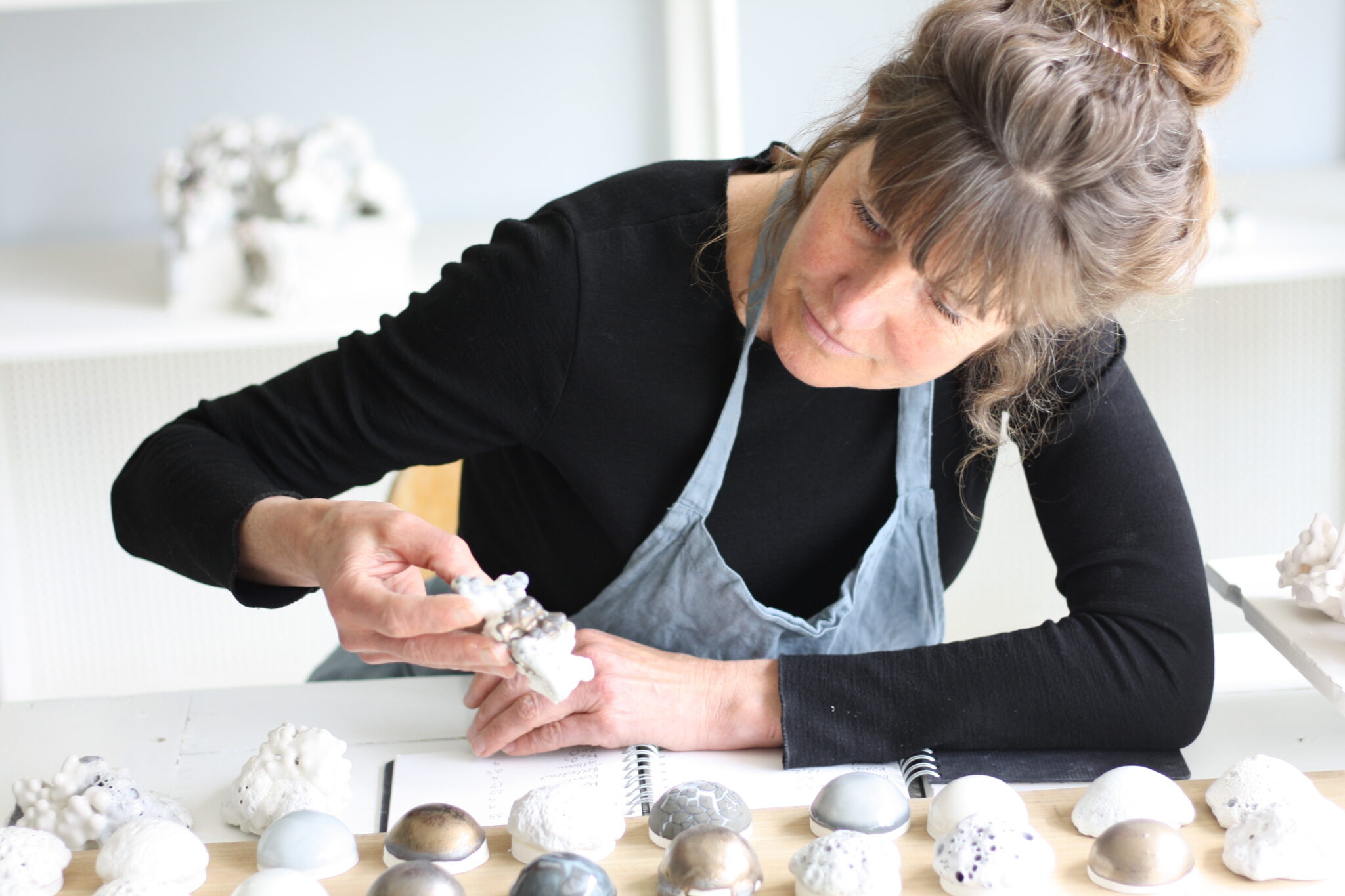
My studio is located in Hellerup, an urban area a little north of central Copenhagen. It is a bright space with high ceilings and all the equipment needed for a professional ceramic studio. The atmosphere is calm and there is this special smell of wet clay. Work in progress take up the space on the tables and on the shelves—finished pieces are at show.
© Courtesy of the artist
Are there any projects that are personally important to you—whether recently completed or currently in progress?
The last years I have been working on a project about pushing the ceramic practice in a more sustainable direction. I have excellent results in reusing high fired ceramic waste in new ceramic works up to 50%. Materials for ceramics such as clay and minerals are not renewable resources, some minerals are already impossible to get anymore. Therefore we need to find alternatives and to consider our use of virgin materials. The waste is crushed, finely grinded and added to my slip casting clay or plastic clay. Also ceramic glazes can successfully be made of waste glass and waste ceramics. And stone powder, which is a waste material from a granite quarry on my home Island Bornholm, has turned out to be an amazing colorant creating all kinds of yellow green and brown in ceramic glazes. The project is to be shown at Køppe Contemporary Objects at Bornholm in September 2025.
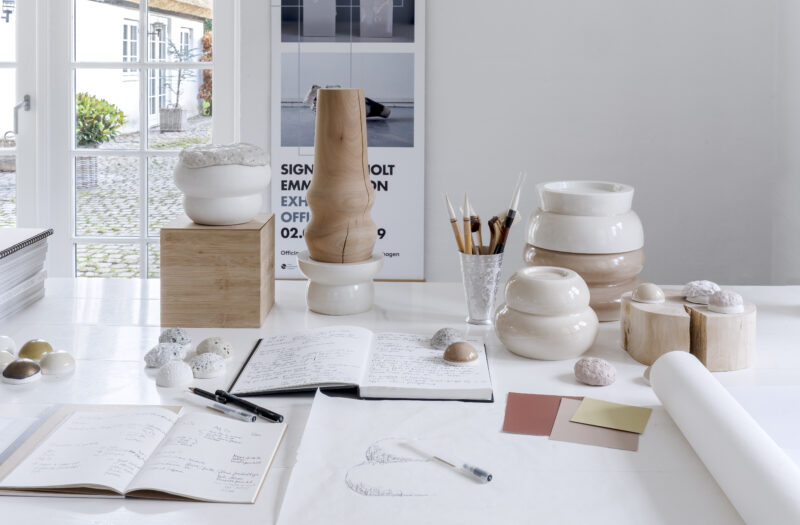
Besides I’m working on a larger artistic collaboration in a group of 4 designers/artists for an exhibition to be shown at two galleries in Denmark 2027. The project explores and challenges the concepts of centrifugal force, hierarchy, and the plinth. Rooted in design practice but unbound by functional requirements, the works oscillate between sculpture and design object, offering a hybrid language of form.
© Courtesy of the artist

© Courtesy of the artist
© Courtesy of the artist
Do you have a favourite place in your area where you like to relax and linger?
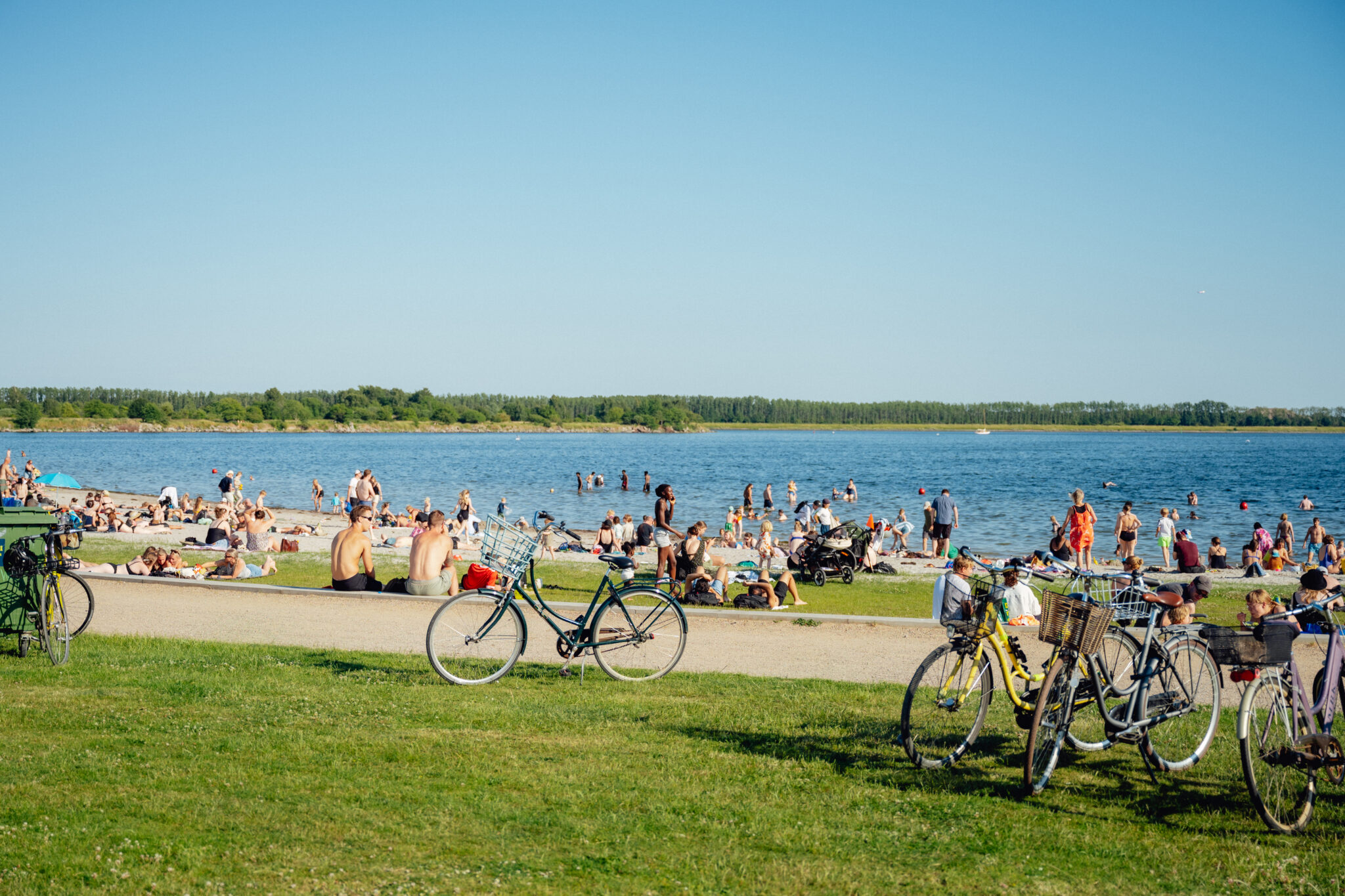
The sea is very close to where I live, and here I recharge my body and soul by kayaking, swimming or simply sitting on the beach and watching the horizon and the movement of the waves. You can find the same calming qualities in a lot of places along the harbourside of Copenhagen with water so clean that you can take a swim and enjoy the smell of salt water. The islands Brygge and Helgoland are among my favorites.
© Visit Copenhagen, Abdellah Ihadian
Are there any urgent political issues or problems in your region?
The highly current conflicts in Ukraine and Gaza are of course political issues that we are deeply involved in. In addition to human conflict and suffering, we are all concerned about the climate crisis and political solutions. As a young adult, I had a strong consciousness about how we should protect nature and produce sustainably. I am so proud that my 4 kids now are among the most insisting on the demand for a sustainable world.
In your opinion, what has developed well in the last 5 years—and what has not?
Over the last few years, Copenhagen has succeeded in integrating the harbourfront as a recreational space. This is a major gift for the people living in and visiting the city. A whole new area called Refshaleøen, a former industrial area is now one of the hippest areas in easy reach from the city center. Here you can enjoy food, drinks, culture, and go for a swim in between.
Traffic is a growing problem and unfortunately, there is no political will to solve it by financially supporting collective transport or even closing the city center for private cars.
Do you know a hidden gem when it comes to local manufacturers—whether it’s arts and crafts, sustainable products or food?
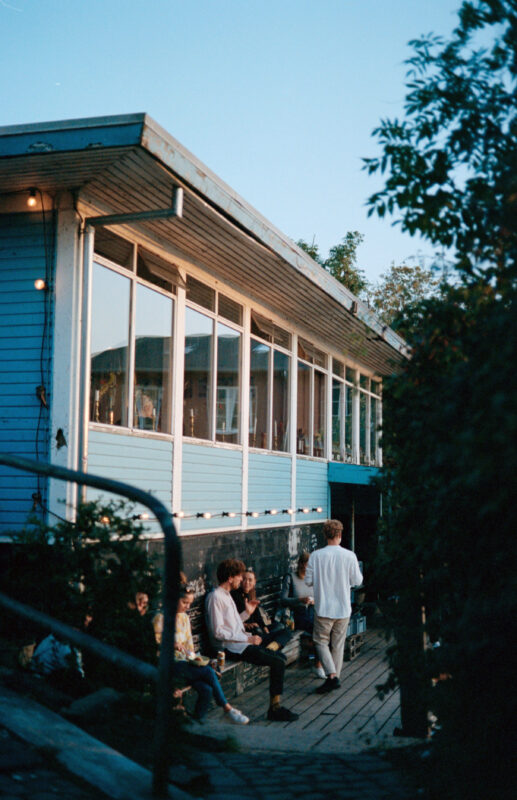
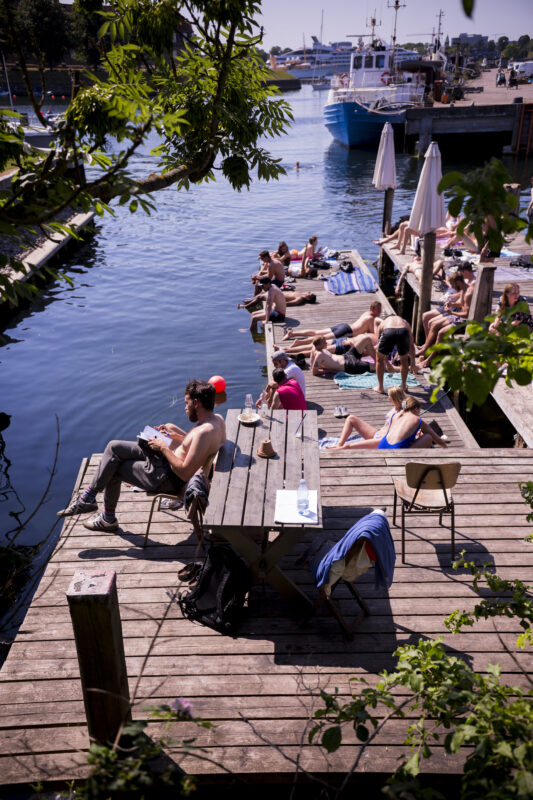
At Refshaleøen – a peninsula in the harbor area – I would recommend La Banchina. It is a totally low-key place with eco-food and natural vines. You can sit on the wooden piers or in the cutest little cafe watching the skyline with the many old church towers of Copenhagen. At sunset, it is absolutely gorgeous.
Another lovely place is the street in the Nørrebro area called Jægersborggade. Here you will find a lot of shops, food, and wine bars with a sustainable profile and a really nice atmosphere. There’s also a little oasis called Flere Fugle (meaning “more birds”) – a place for food, talks and music.
© Philip Høpner
© Eder López Ponce
Is there anything particularly innovative in your region? Also in comparison to other places you have already visited?
Copenhagen is a city where the only reasonable way to get around is by bike. Safe bikeways have been prioritised. As a visitor, you should rent a bike to get around.
From an architectural point of view, the city is really harmonious and well-preserved. Great efforts were made to restore rather than rebuild. This has also been realised by governmental support.
Visitors are often surprised how clean the city is. I think that we have managed quite well dealing with our garbage and also with detailed sorting of the garbage in the households. It has taken a lot of energy for people to get used to sorting and to create systems that make it easy. But I think we have come a long way here.
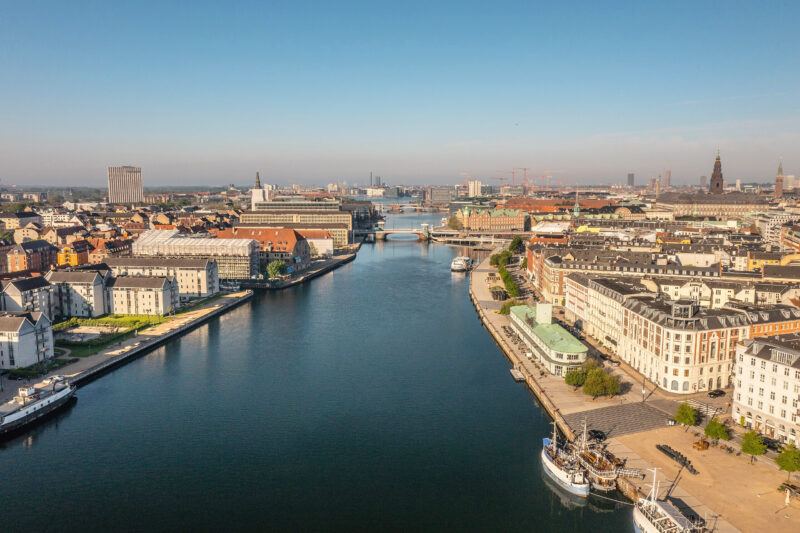
© European Union, 2025, Copenhagen Harbour, adjusted colors, CC BY 4.0
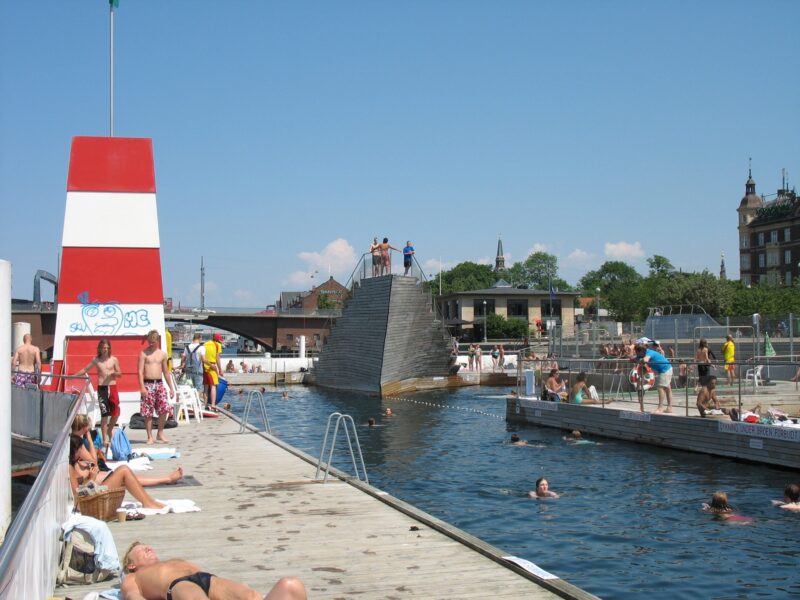
©milgrammer, Harbour Bath, Islands Brygge, CC BY 2.0
Do you have a secret restaurant tip that you would like to share with us?
Aamanns started as a lunch restaurant focused on the traditional Danish open rye bread interpreted in a contemporary style. Ecological, local and more the fine dining way than the alternative brown/orange way from the seventies. Now there are three well-located places where you can go for dinner too.
The Gro Spiseri is a vegetarian rooftop restaurant where you sit in the open air among the vegetables grown in high beds or in the beautiful greenery. Food and ambiance are extraordinary.
Nærvær is a little pricey but absolutely worth visiting looking for top-quality ecological food. Located at the waterfront in the sunset if you go there for dinner.
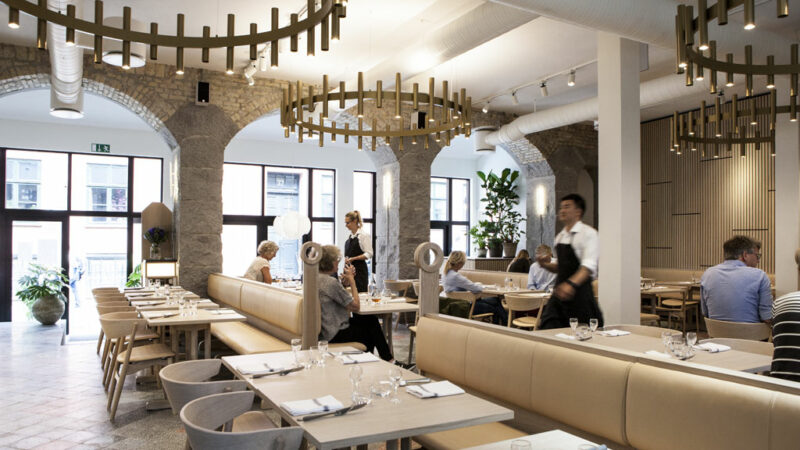
© Aamanns
Is there a local shop whose products are only available in your region?
Cinnober is a bookstore specialised in books about craft, design, and architecture. In addition, you find notebooks, bags, and tools for drawing and writing. It is lovely.
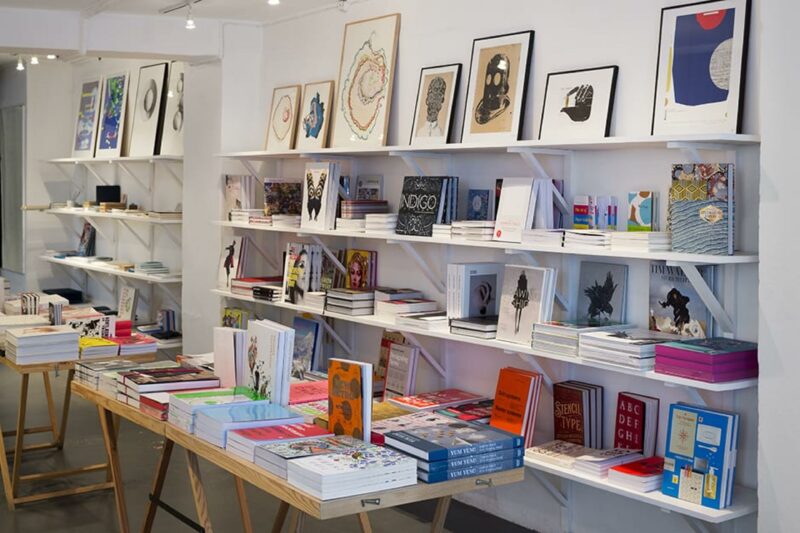
© Cinnober
What are your 3 favourite apps that you use every day and couldn’t live without?
– Instagram
– YR – the Norwegian weather forecast (absolutely reliable in Denmark as well)
– My app for podcasts, I listen to it a lot
Do you have any favourite newspapers or online magazines? And how do you keep up to date with politics or social and cultural issues?
The Danish daily newspaper Information as well as news and debates on the radio are my main source of information. I rarely buy magazines but the ARK journal is my favourite. It’s written in English – with a Danish editor – but has an international view of architecture, art, and design.
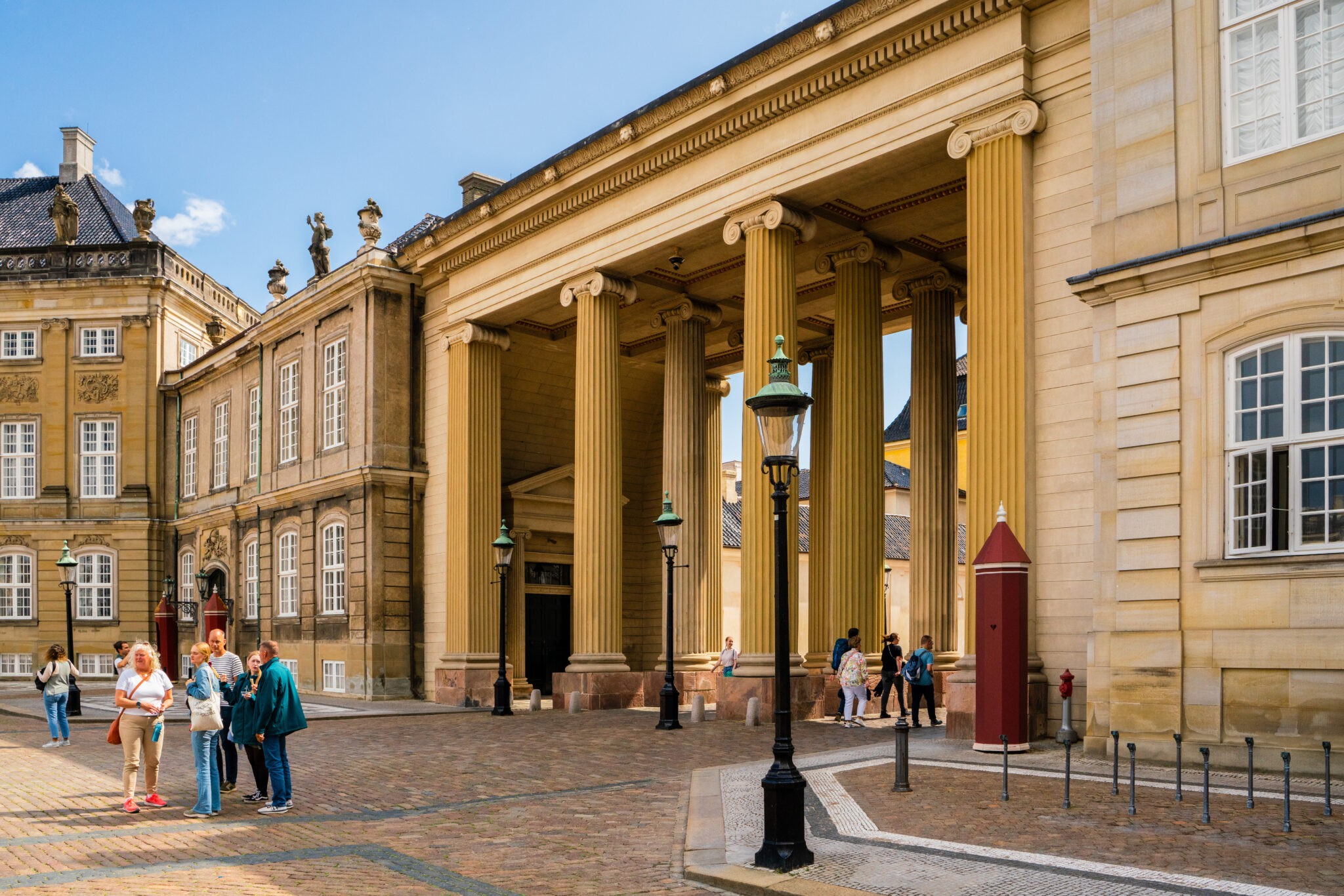
© Visit Copenhagen, Lukas Bukoven
Imagine you could be mayor for a year—what would you change?
I would try to find a solution for the growing problem of finding affordable flats. It is a major problem for students and young people to find a place to live in the city.
One last question: If you could choose another place to live—regardless of financial or time constrains—which one would you choose?
Living by the sea would be wonderful – to view and sense the water from the place I live would make me feel very rich. It has a healing effect on the soul and lightens up the mind.


