

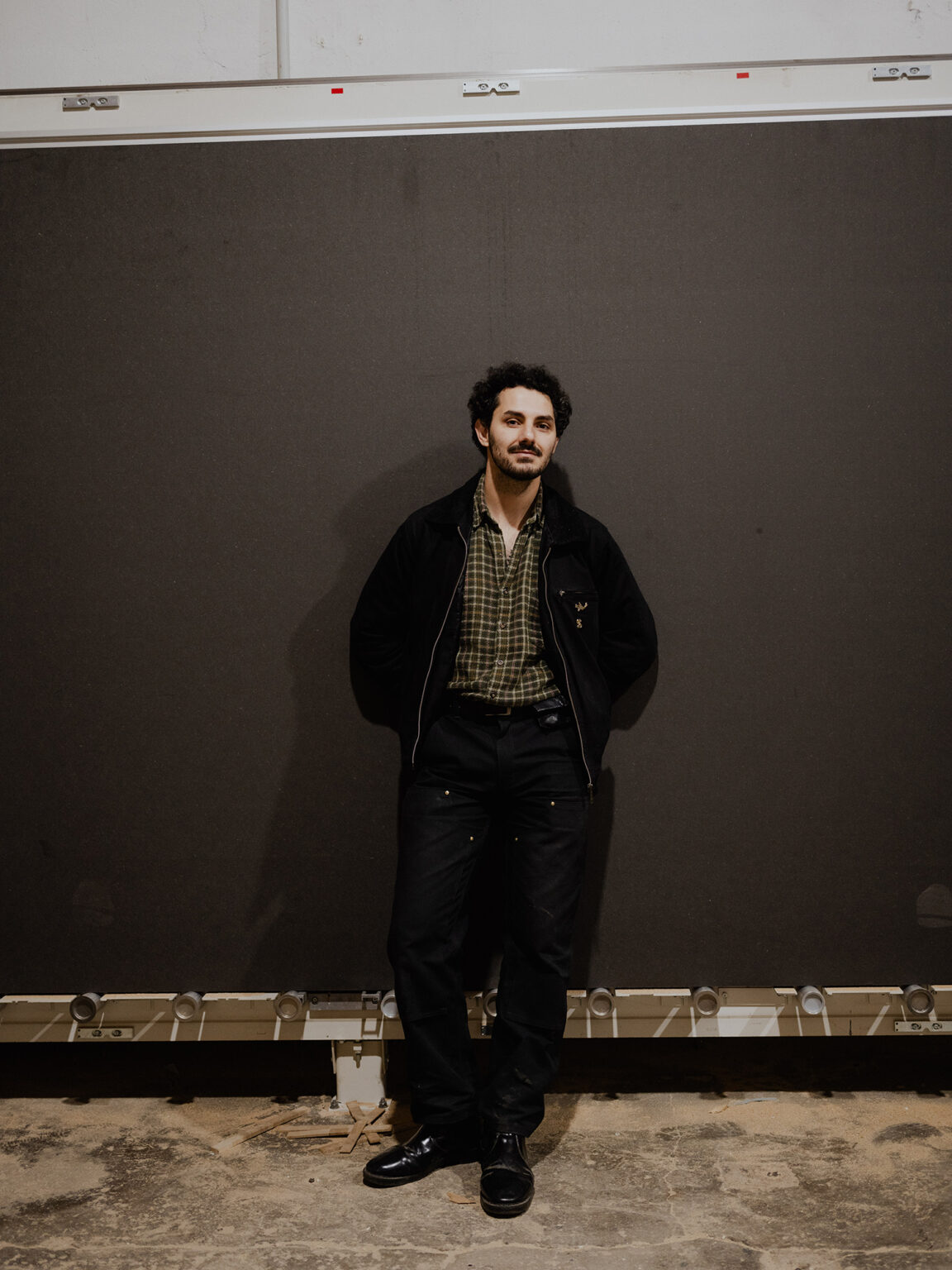
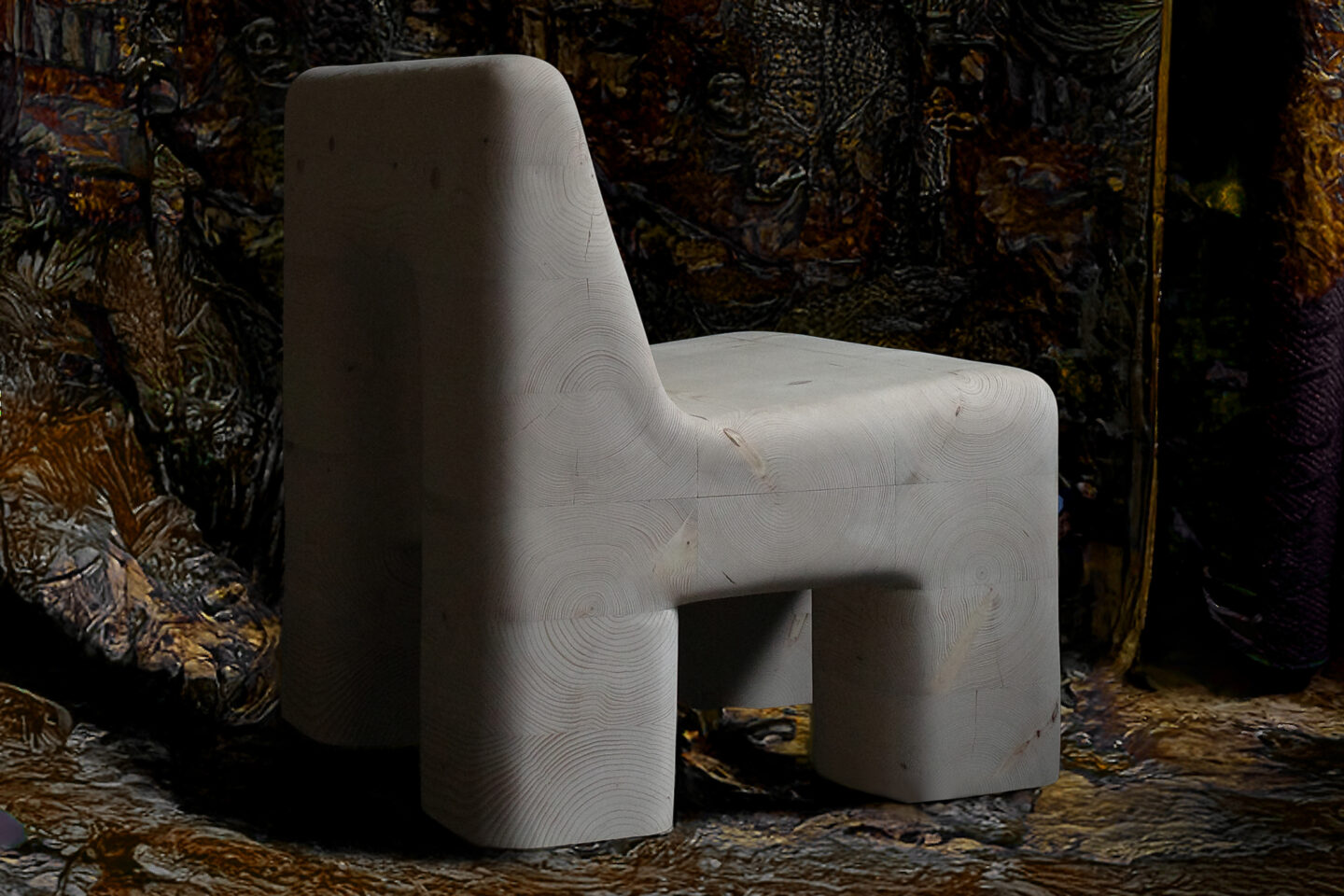
With a keen eye for detail, Żebrowski brings together craftsmanship and creativity, placing particular emphasis on color and form. Shaped by experiences in Japan, Switzerland, and France, his creative approach explores traditional crafts across different cultures and historical periods. His works invite viewers to rediscover the beauty of simplicity, to find a sense of calm, and engage more consciously with the world around them.
© Courtesy of the artist
Which place do you currently call home and where do you work on your projects?
I consider my studio in Oberschöneweide my true home. Since moving to Berlin about two and a half years ago, I’ve been spending almost every day there. It’s where my daily life, my thoughts and my work naturally merge. At the moment, I live in the western part of the city, which unfortunately is quite far from the studio. I really miss being able to cycle to work every day. Who knows—maybe someone reading this has a suitable apartment in the east of Berlin for me. 🙂
Where is your studio located & how does it look?
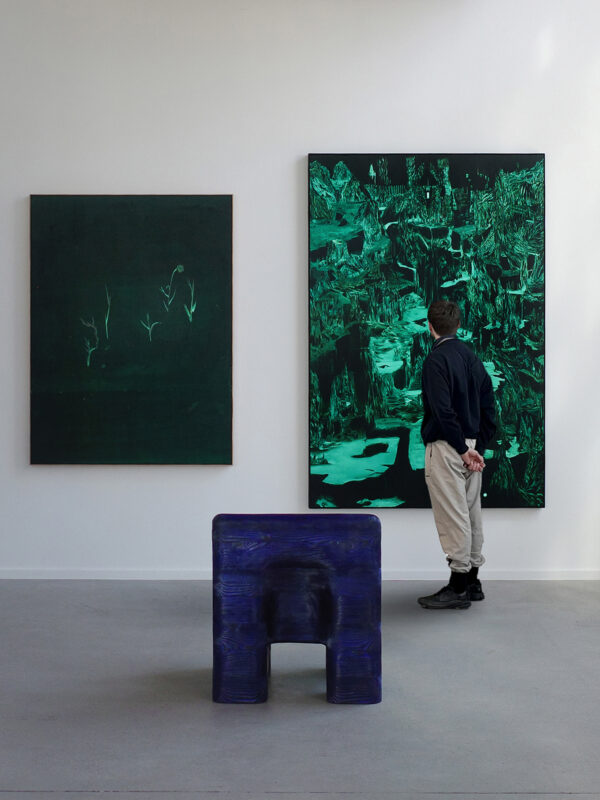
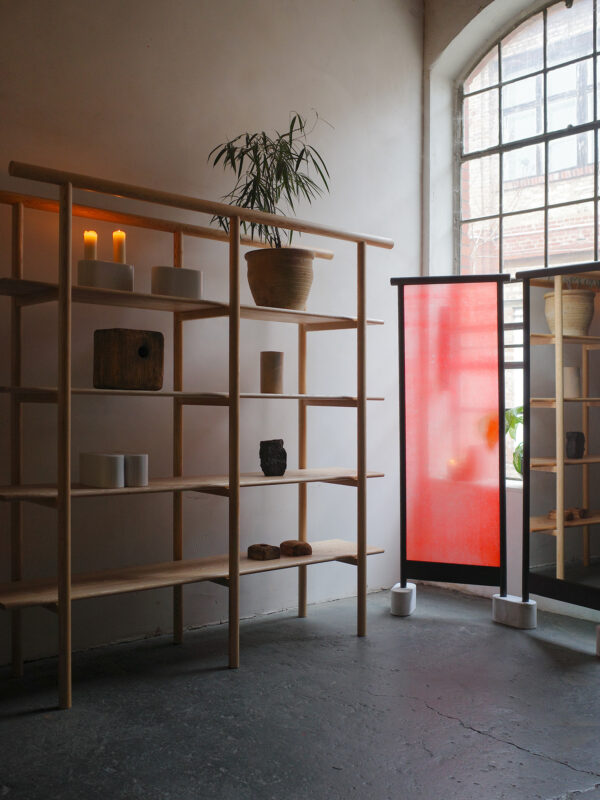
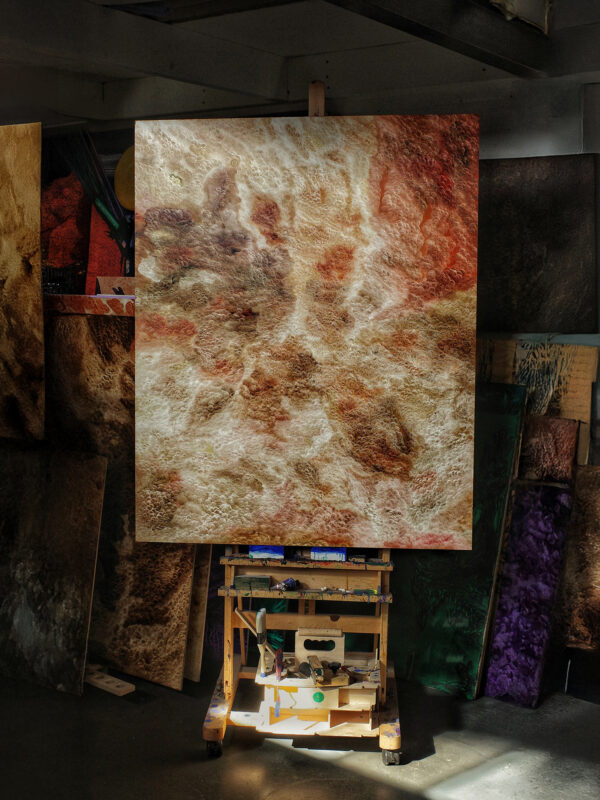
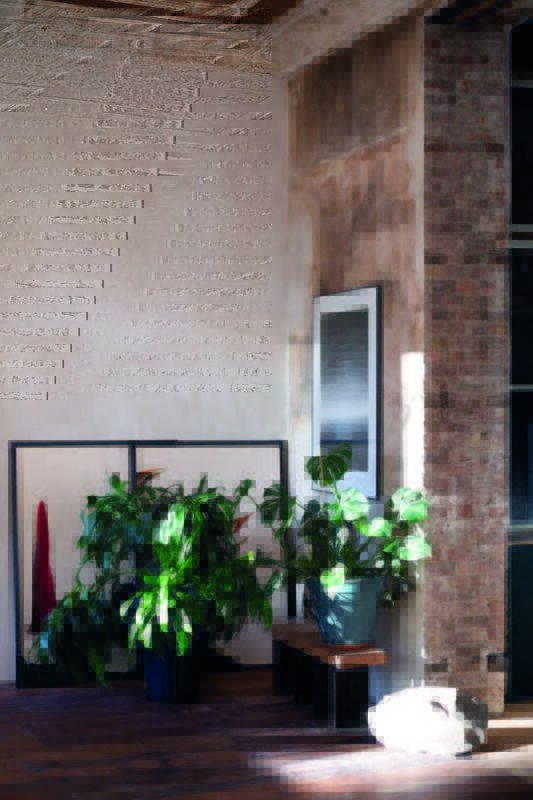
My studio is located in a listed historic industrial hall right by the River Spree, in Oberschöneweide in the South-East of Berlin. I share this space with friends who are designers and carpenters—together we run a large woodworking workshop. Here, I can create noise and dust at any time of day and night, which feels like pure luxury to me. At the same time, I have a separate, dust-free room where I paint my oil paintings. Oberschöneweide is an area full of former industrial buildings with a very specific atmosphere. Artists such as Alicja Kwade and Jorinde Voigt, among many other talented minds, work here, giving the neighborhood its unique energy.
© Courtesy of the artist
© Courtesy of the artist
Are there any projects that are personally important to you—whether recently completed or currently in progress?
A project that constantly accompanies me is not confined to the studio. I spend a lot of time in the forest, observing the textures of bark, leaves and soil, trying to understand the forest as a living biotope—a system in permanent adaptation, shaped by cycles of growth, decay and renewal. These observations slowly find their way into my work, not as literal representations, but as tactile
memories.
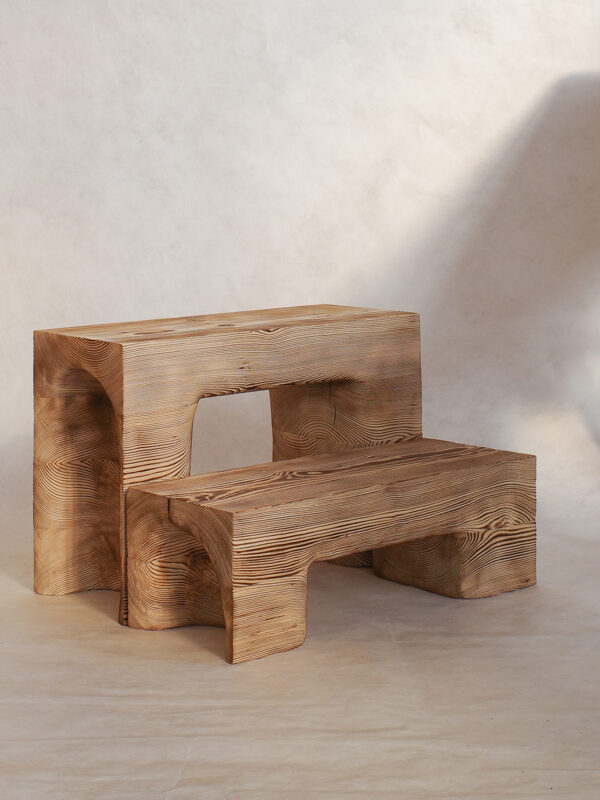
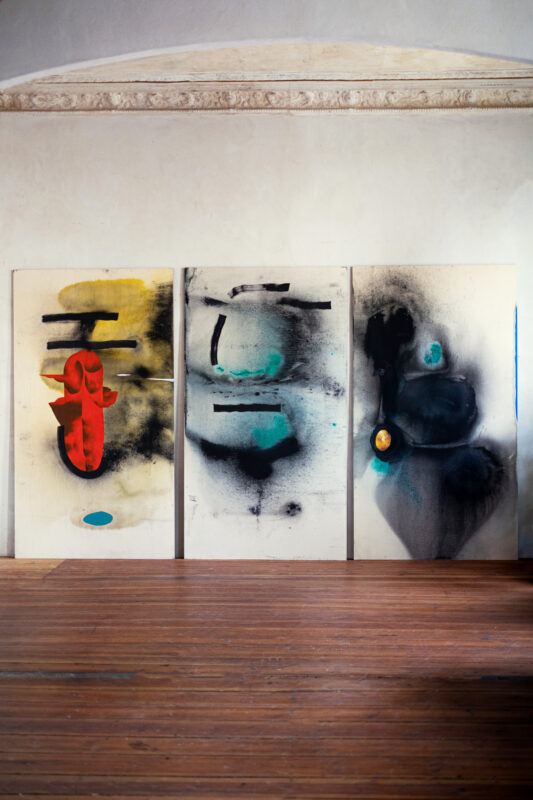
Alongside this, I am currently developing the scenography for an interactive opera. It is a longterm project that allows me to bring together all my creative disciplines: furniture making, costume design, painting and spatial composition. Through painting, I work with depth and atmosphere, creating spaces that feel immersive rather than illustrative. At its core, this project is about bringing the forest into the city—not visually, but sensorially. I am interested in touching all senses: light that feels like a clearing at dusk, sound that moves like wind through branches, materials that carry weight and warmth, and spaces that evoke emotion before they are understood intellectually. It is a quiet attempt to create places where people can slow down and feel connected to something older and more cyclical than the urban rhythm surrounding them.
© Courtesy of the artist
©Courtesy of the artist
Do you have a favorite place in your area where you like to relax and linger?
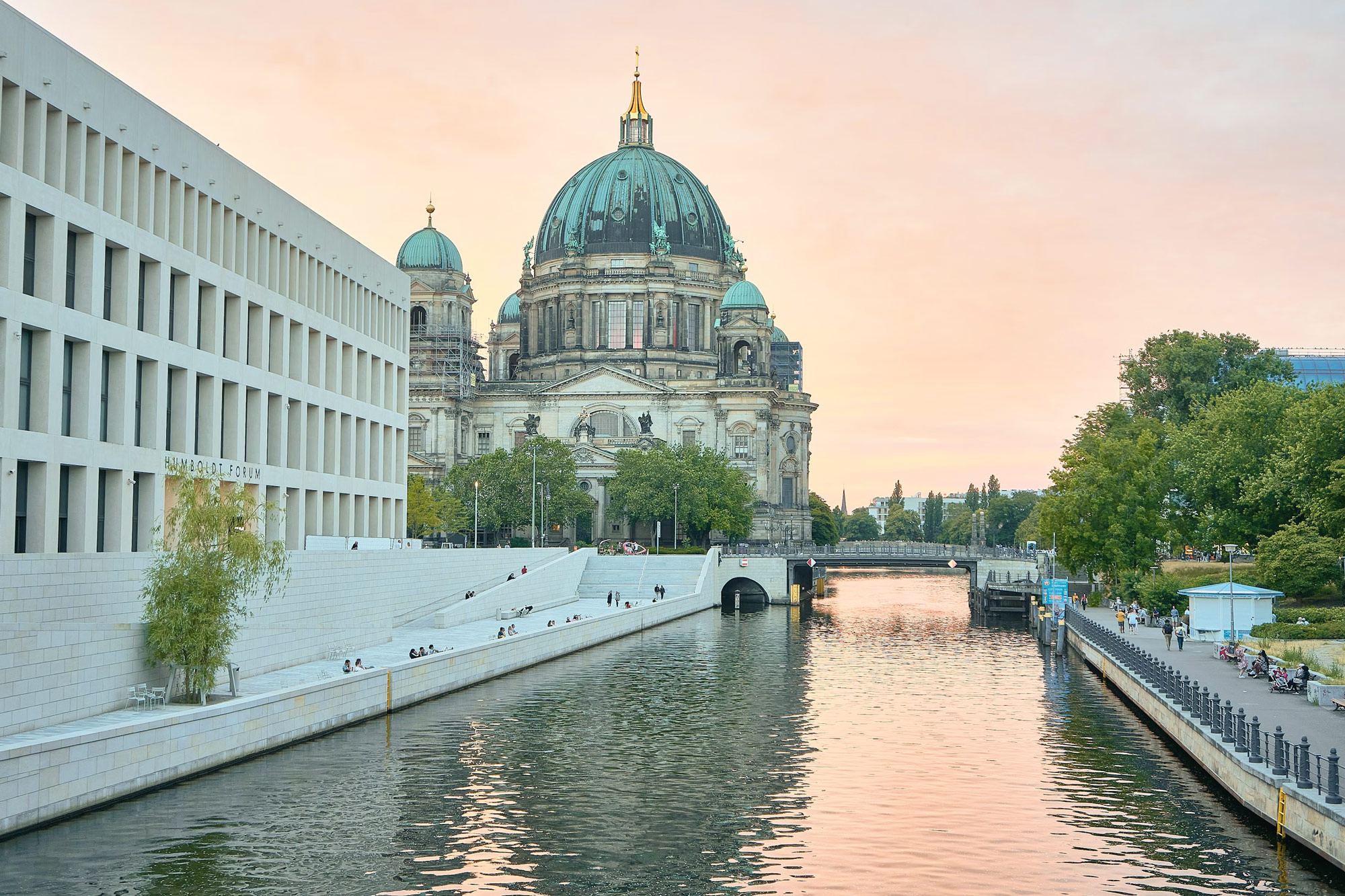
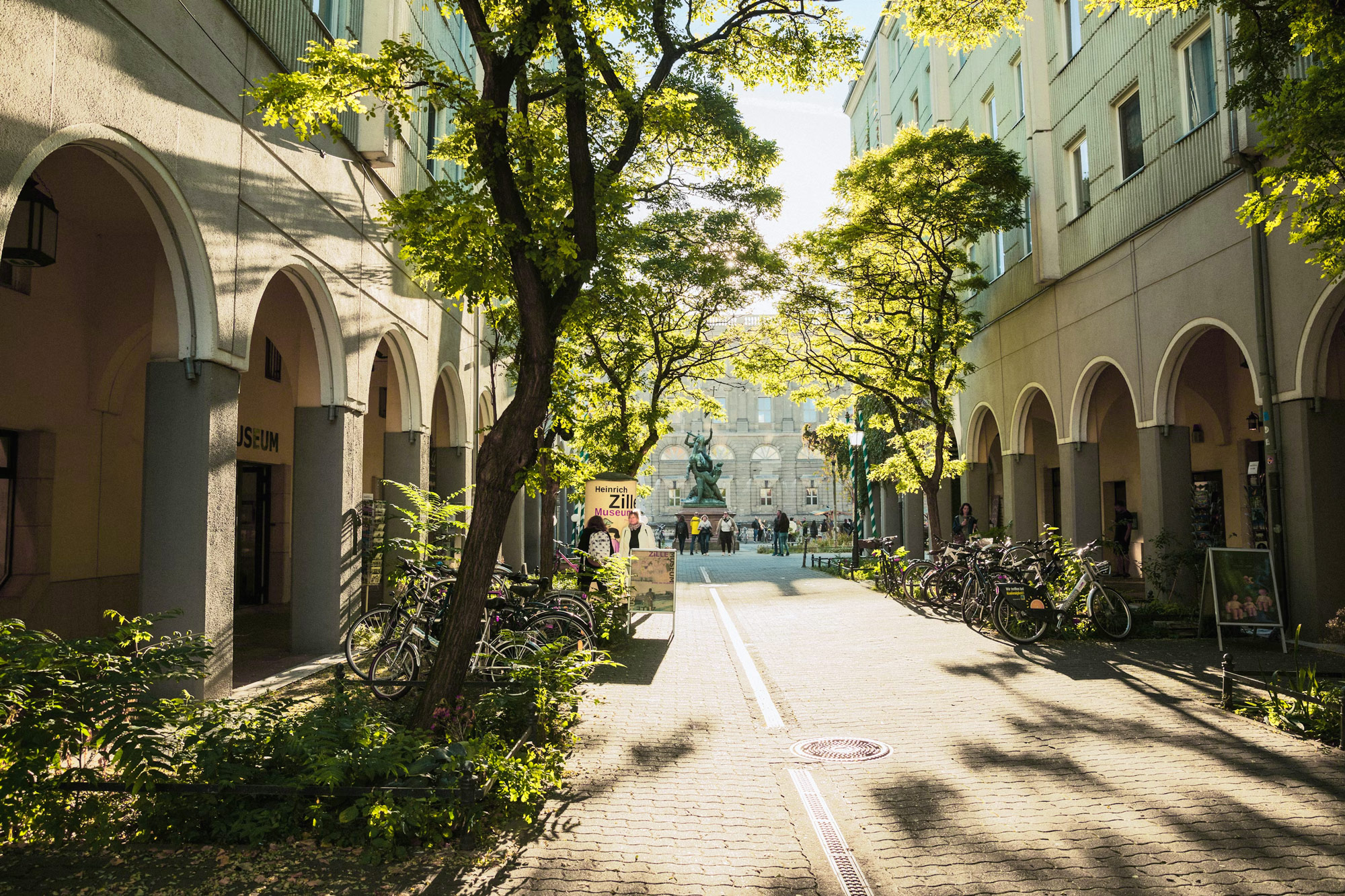
I either like to sit by the River Spree right next to my studio—especially on warm days, there’s a lot happening on the water. From small, self-built rafts to large party boats, everything passes by. It’s quite entertaining to watch. Otherwise, I enjoy spending time in the Königsheide, a protected forest that has been left largely untouched for years. It’s very close to my studio. In general, Berlin is an ideal city for wandering and exploring, especially if you’re curious and don’t mind climbing over construction fences—abandoned industrial sites, in particular, have a strong pull for me.
© Photo: Bastian Pudill, Unsplash
Are there any urgent political issues or problems in your region?
One urgent issue is the ongoing cuts to cultural funding. Culture is often politically underestimated, even though it shapes how we think, feel and interact with one another. Creativity creates spaces for dialogue, empathy and imagination. Maybe that’s why many of us became artists — and didn’t end up working in glass office buildings (no offense, of course <3).
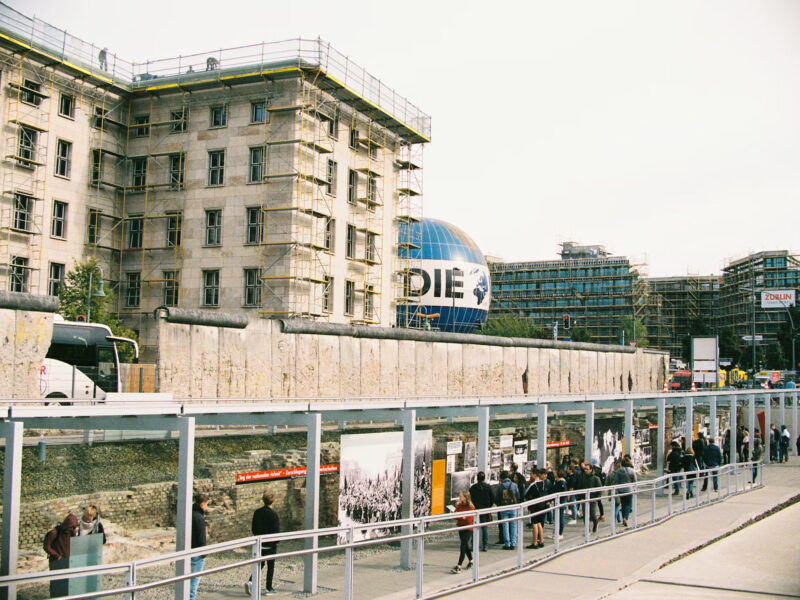
At the same time, right-wing voices are becoming louder again, which is something we should all take seriously. Berlin carries a heavy historical memory of where exclusion, hatred and authoritarian thinking can lead. The years between 1933 and 1945 were a time of profound horror, and this chapter of history ended only through immense suffering. Remembering this is not a burden — it is a responsibility. That is why it feels especially important to protect spaces of openness, culture and exchange.
Berlin has always stood for diversity and multiple ways of thinking. If we want a sense of togetherness, we need to remain attentive, respectful—and even a little kind and humorous with one another. Sometimes resistance begins quietly: in listening, in sharing space, and in staying human.
In your opinion, what has developed well in the last 5 years—and what has not?
I only know Berlin from the past two and a half years. Everything before that feels like stories—poor but sexy, as people like to say. What I deeply value about the city is the creative exchange. Growing up in a small town surrounded by forest, this density of ideas and people from all over the world is overwhelming in the best possible way. It connects us.
In Berlin, my two main passions—art and music—naturally come together. Many of my closest friends work in the music scene, and the merging of these worlds feels very important to me. Especially within club culture, there is still a rare sense of freedom, which has shaped me profoundly.
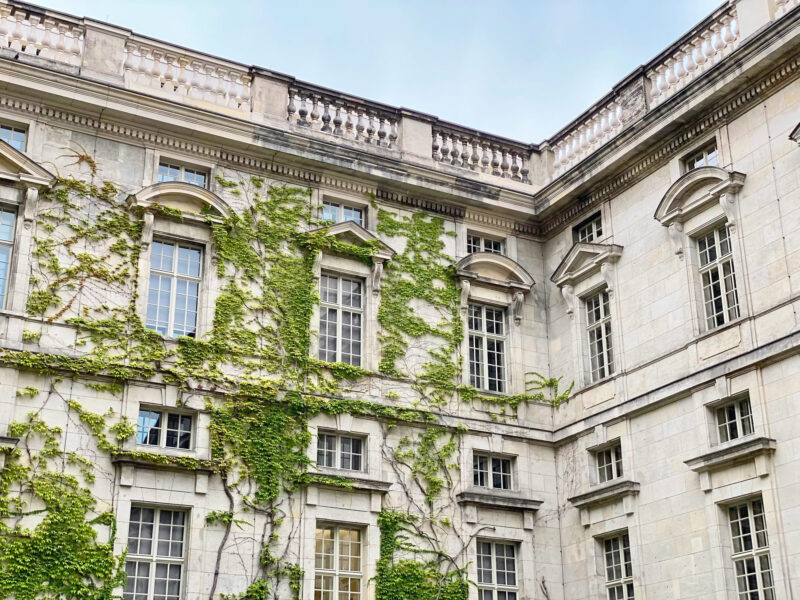
What has not developed well are the rising costs of living and studio spaces. Artists should not be pushed out of the city. Office spaces do not necessarily need to occupy pedestrian shopping streets. How beautiful would it be to have streets filled with ateliers, workshops and exchange instead?
© Photo: Aliaksei Lepik, Unsplash
© Photo: Gonzalo Leon Jasin, Unsplash
Do you know a hidden gem when it comes to local manufacturers —whether it’s arts and crafts, sustainable products or food?
A place that feels like a quiet retreat to me is Gut Kerkow, outside Berlin in Brandenburg. Whenever I go there, I truly slow down. It’s an organic farm with products from their own production, surrounded by land and air that feel generous. There is also a restored barn and villa used for art exhibitions—perfect for a day of countryside calm.
In the city, I love spending time at Bock Atelier, at the corner of Urbanstraße and Gräfestraße. It’s a wonderful place for relaxed evenings, guided by Delia Fröhlich and Max Funkat — both incredibly talented artists and dear friends. And check out the stunning paintings by lovely Anja Rausch. To be honest, I haven’t explored Berlin’s culinary scene as much as it deserves. I probably spend too much time in the studio. That should change at some point… hopefully soon.
© Max Funkat
© Max Funkat
Is there anything particularly innovative in your region? Also in comparison to other places you have already visited?
What feels particularly innovative in Berlin is the way different creative scenes overlap and coexist.
Art, music, design and performance are not separated into fixed categories but constantly influence one another. This creates a cultural landscape that is fluid, informal and open to experimentation.
Despite rising rents, Berlin is still comparatively affordable when measured against many other major cities worldwide. This means that people from very different social and economic backgrounds are still able to live and work within the city. I value this diversity deeply—it allows for real encounters, shared spaces and unexpected exchanges, which are essential for a living cultural ecosystem.
In many places I’ve visited, cities feel increasingly segmented. Berlin, for now, still resists that to some extent, and this mixture of people, practices and perspectives is something truly special and worth protecting.
Do you have a secret restaurant tip that you would like to share with us?
Apart from ice cream parlours, I still have a lot to discover.
One place I truly love is “Marina macht Eis”—absolutely wonderful ice cream. Luckily, there’s also excellent sorbet right next to my studio, which feels like a small, sweet luxury. Another place I enjoy is
Mellowpark in the east of Berlin—technically a skate park, but also a great place to spend time by the river. Cold drinks, relaxed people and a very unpretentious atmosphere.
What are your 3 favourite apps that you use every day and couldn’t live without?
– Shazam: to find music
– Bandcamp: to get music
– Seek: for studying flora and fauna
Do you have any favourite newspapers or online magazines? And how do you keep up to date with politics or social and cultural issues?
Hometown Journal is an absolutely wonderful magazine. I especially enjoy their videos visiting artists in their studios.
In general, I prefer to stay informed through long-form conversations, cultural platforms and direct encounters, rather than constant news cycles.
© Photo: Adam Tamasi, Unsplash
Imagine you could be mayor for a year—what would you change?
I would focus on creating more public spaces. There are so many rooftops that could become meeting places with views over the city. I’d introduce ice cream vouchers for people who use their cars less, invest more in cycling infrastructure and public transport, and make museums free for low-income visitors and young people. Also a better support for those in need, especially homeless people and more street music—because, after all, this is Berlin.
One last question: If you could choose another place to live—regardless of financial or time constrains—which one would you choose?
Without financial limits, I would restore an old castle ruin, monastery or manor house at the edge of a forest, with a wide view.
It would become a place for concerts, gatherings and shared experiences. Parts of it would be open to the public—a large artsy playground for all ages: tree houses, caves, lookout towers, slides, seesaws and swings and a big green animal sanctuary.
Something like Anselm Kiefer’s spaces—just a bit more fun and little less dramatic. Even though I deeply admire his work.

