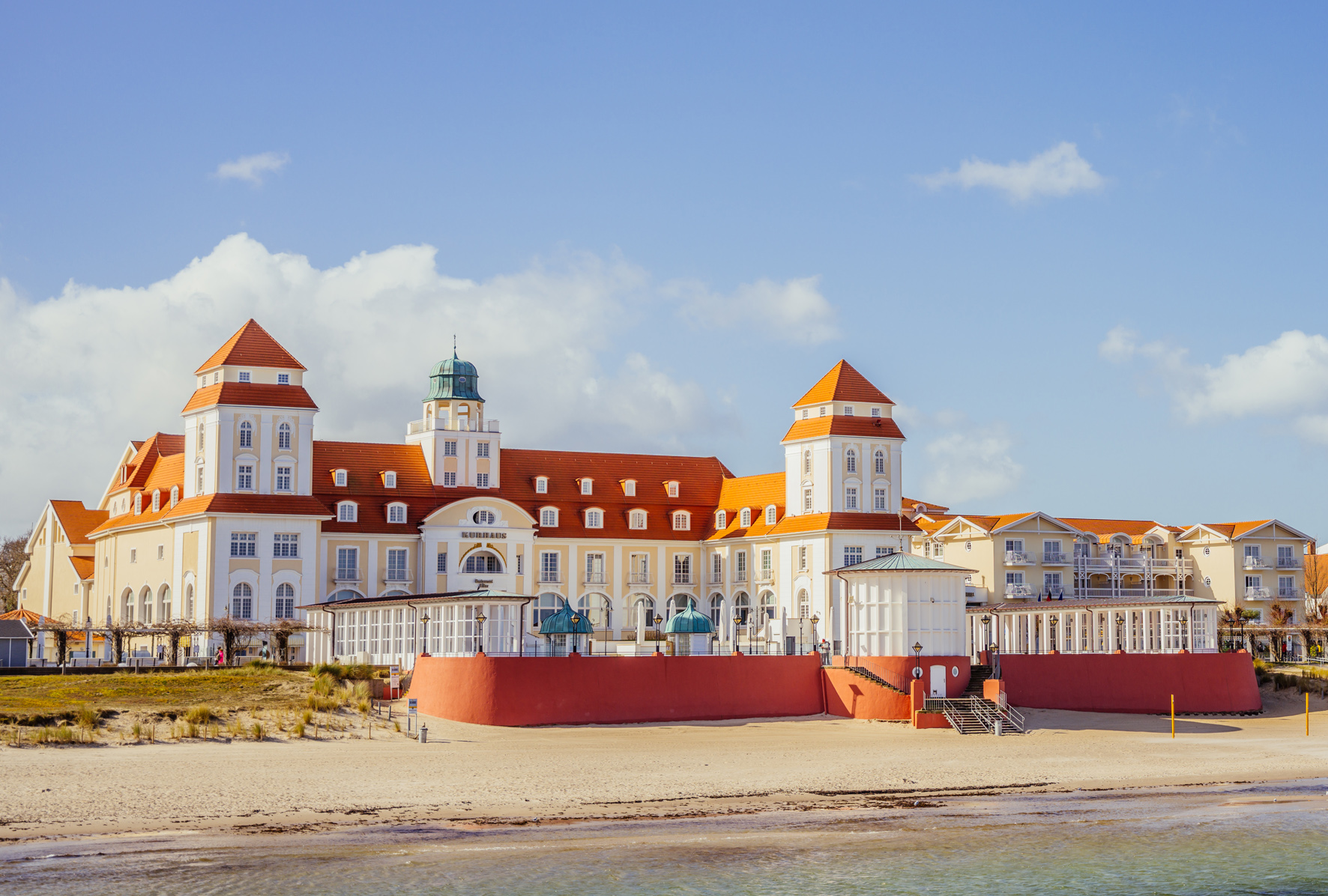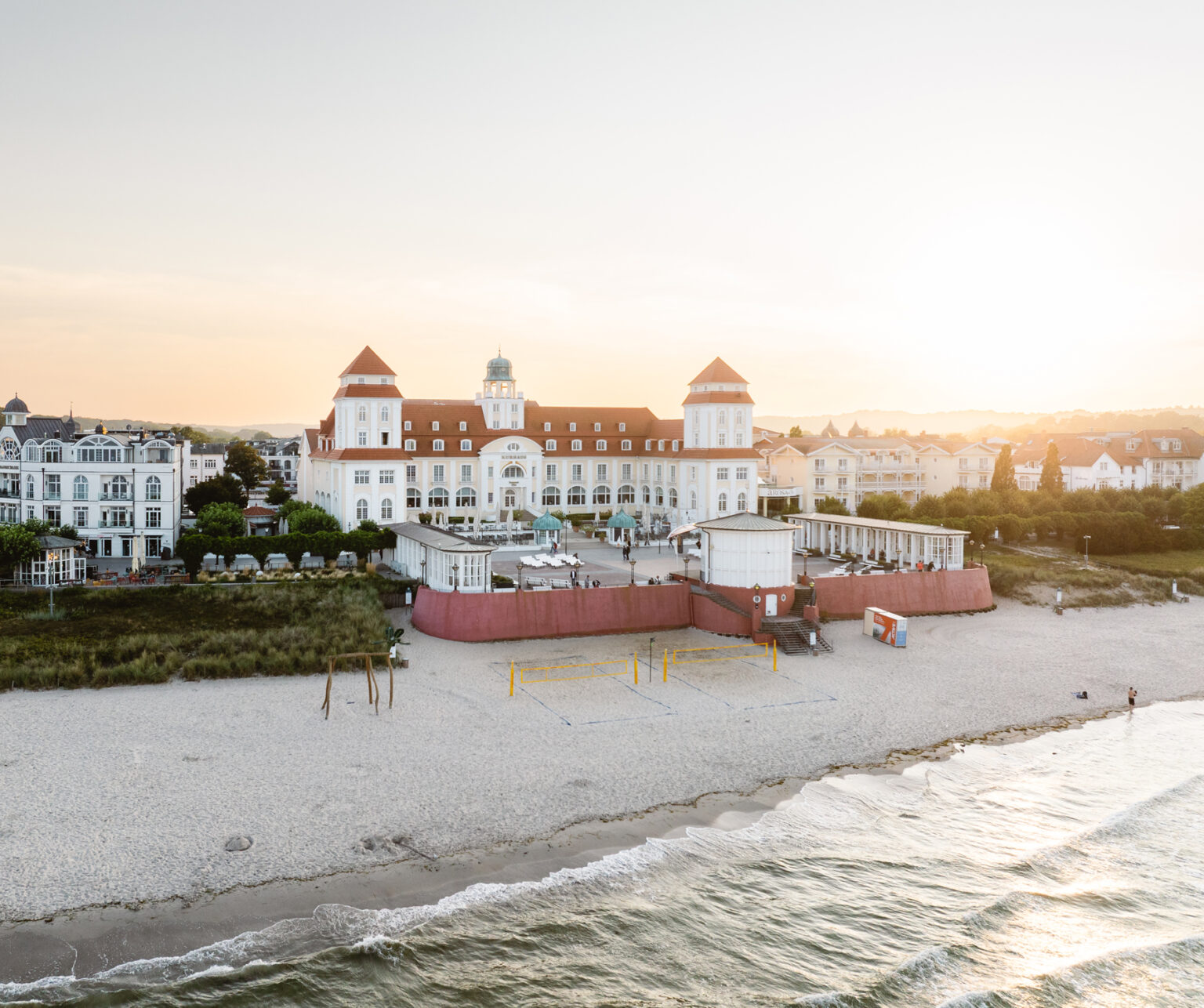

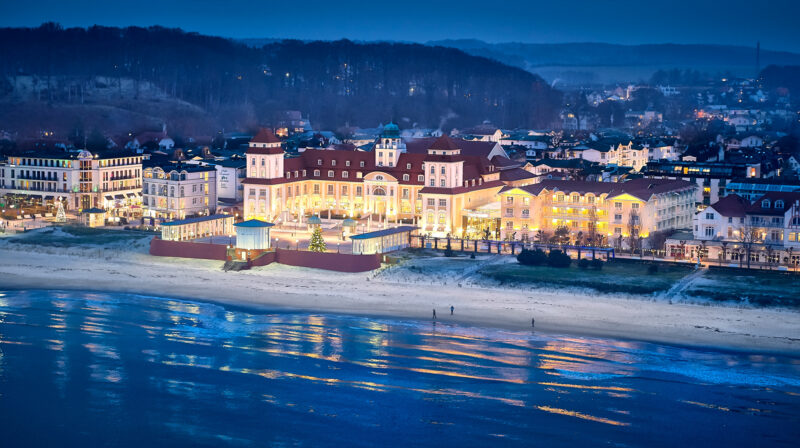
Nevertheless, the A-ROSA Kurhaus Binz is considered one of the most popular hotels on the island of Rügen, as it combines a prime location with luxurious flair. The hotel has 137 rooms and suites, several restaurants and a café. In addition, an approx. 1,500 m² wellness area with pools and sauna facilities is part of the ensemble and promises its guests an unforgettable holiday on the sunny island of Rügen.
The location
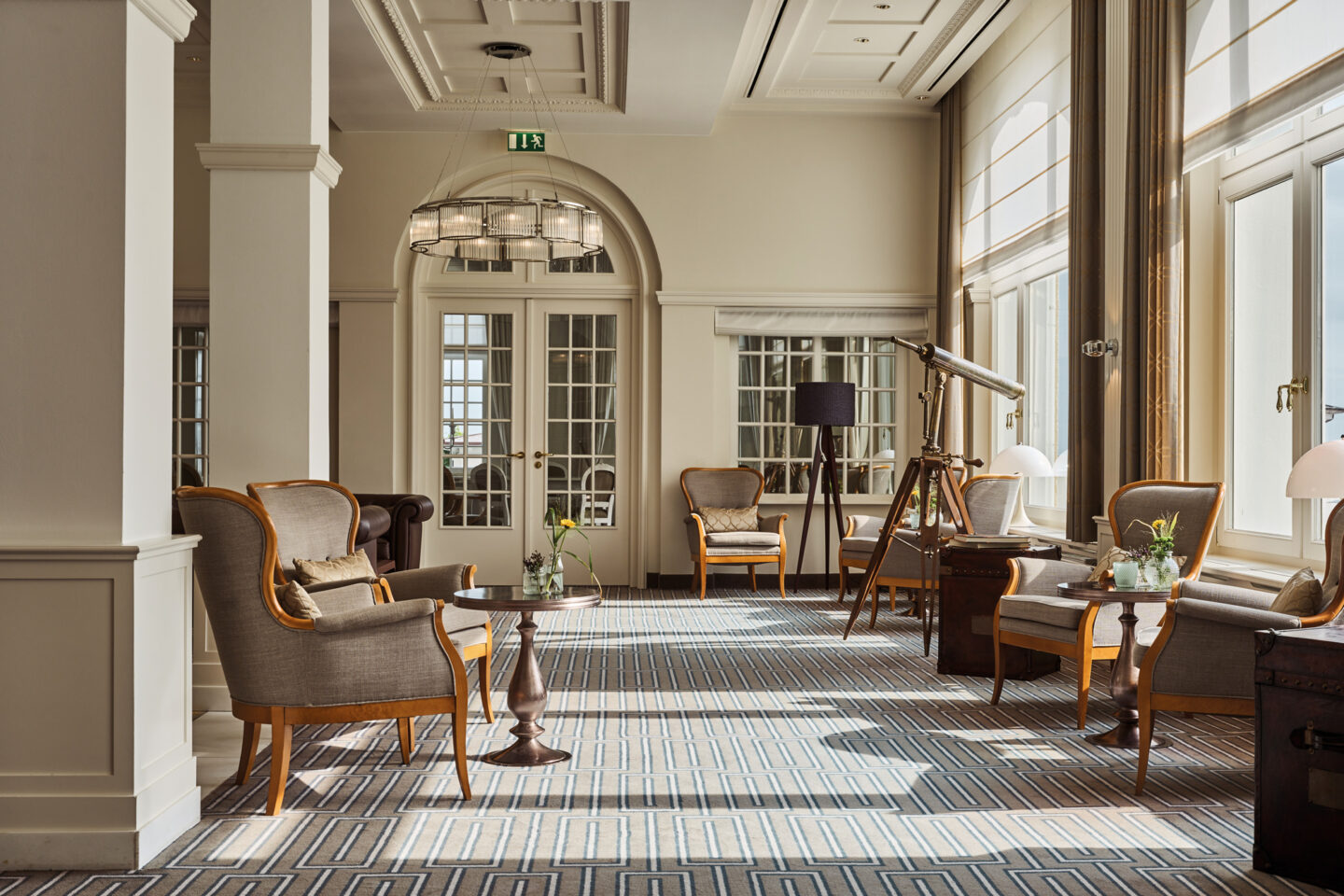
Countless hotels and apartment complexes have squeezed in between the old beach villas, and on some summer days crowds of people throng the spa promenade, making it impossible to enjoy a leisurely stroll. But one oasis remains amid the hustle and bustle: the Kurhaus. Not only does it offer an incomparable view of the Baltic Sea, but its interior also exudes luxury and comfort.

Based on the English model, the 3.2-kilometer-long Binz promenade with views of the beach and the Baltic Sea was built in 1895. To this day, it remains the “catwalk” for everyone. For the 2016 season, the promenade was extended by 890 meters and now connects the Baltic resort of Binz with Prora and Binz Bay. Pretty much in the center is the magnificent A-ROSA Kurhaus, which forms the heart of the town.
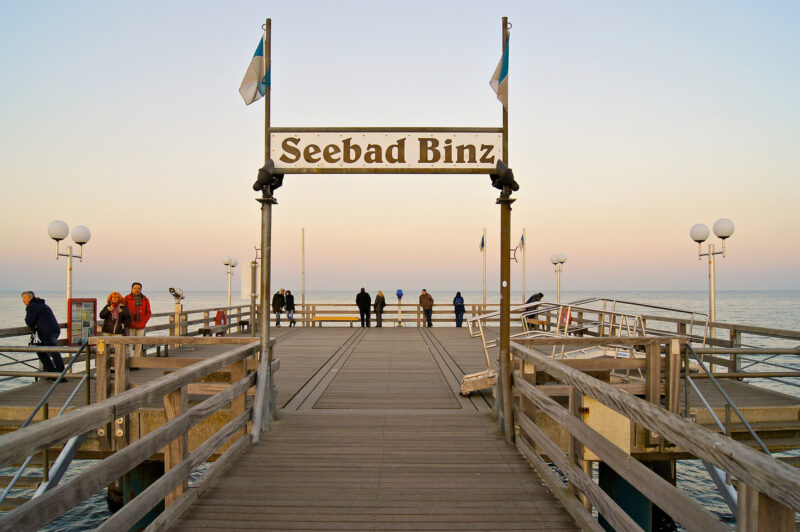
© flamenc, Binz Pier, adjusted colours, CC BY-SA 3.0
The back story
The origins of the Kurhaus date back to 1890, when the Baltic resort of Binz experienced a rapid rise from a small fishing village to a fashionable seaside resort. With the advent of spa tourism, wealthy citizens from Berlin and other major German cities sought relaxation on the Baltic Sea. The first spa hotel was opened in 1890—an elegant but still comparatively simple wooden building that served as the social centre of spa life.
Around 1900, Berlin bankers discovered the charm of the fishing village of Binz and built their villas here. However, as there was no luxury hotel to attract the wealthy, the Kurhaus was built and officially opened in July 1908. In the 1920s, the Kurhaus became a meeting place for the rich and beautiful. Empress Auguste Victoria started this trend, followed by stars and starlets from theatre and film such as Lilian Harvey and Theo Lingen, and of course boxing star Max Schmeling. Behind the hotel was a theatre where operettas such as ‘Der Walzertraum’ and comedies were performed. The ‘Koralle’ cabaret offered variety shows and frivolous chanson evenings, while the Kakadubar offered even the most hardened night owls more than just liquid refreshments.

© R. Lederbogen, Halberstadt, Rügen Postkarte 020, als gemeinfrei gekennzeichnet, Details auf Wikimedia Commons
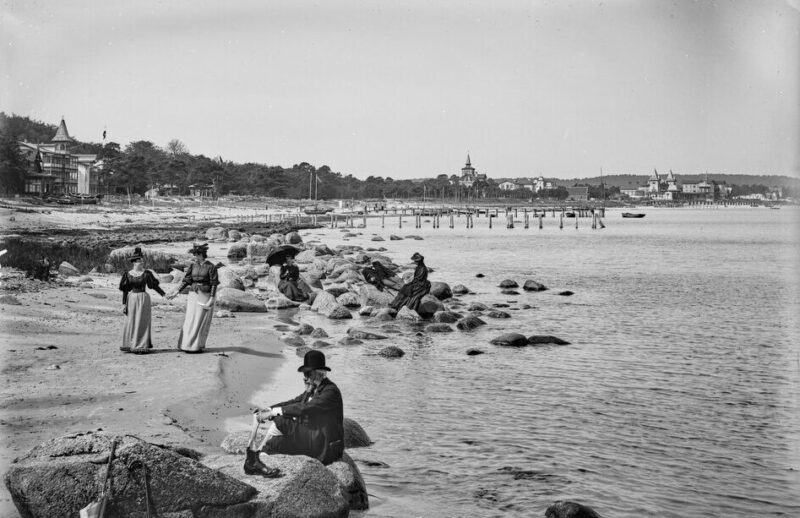
©CH-NB Photoglob-Wehrli EAD-WEHR-7611-B, als gemeinfrei gekennzeichnet, Details auf Wikimedia Commons
Investor and co-owner Adalbert Kaba-Klein turned the Kurhaus into the glamorous centre of the island, especially during the golden 1920s. A variety theatre, a casino and much more attracted many industrialists and academics. However, in the course of developments during the Nazi era, Kaba-Klein was expropriated twice due to his Jewish origins. In 1955, the Kurhaus, owned by the National People’s Army, served as a recreation centre for officers. In 1961, the ‘Travel Agency of the GDR’ took over and allowed the Kurhaus to be used by socially better-off and prominent guests.
After reunification in 1990, the hotel underwent extensive renovation at the end of the 1990s. From 1997 to 2001, the Kurhaus was reconstructed in accordance with the original plans of architect Otto Spalding, modernized inside, and the Kaiserhof was rebuilt. The Kurhaus with its Kurhaus Hall has been shining in new splendor since December 2001. In 2024, the building was taken over by A-ROSA Resort GmbH.
Interior & architecture
The building complex, which was constructed during the imperial era, was carefully brought up to date in several stages. Interior designers from the Stuttgart-based creative agency Geplan Design worked with great sensitivity, making changes where necessary.
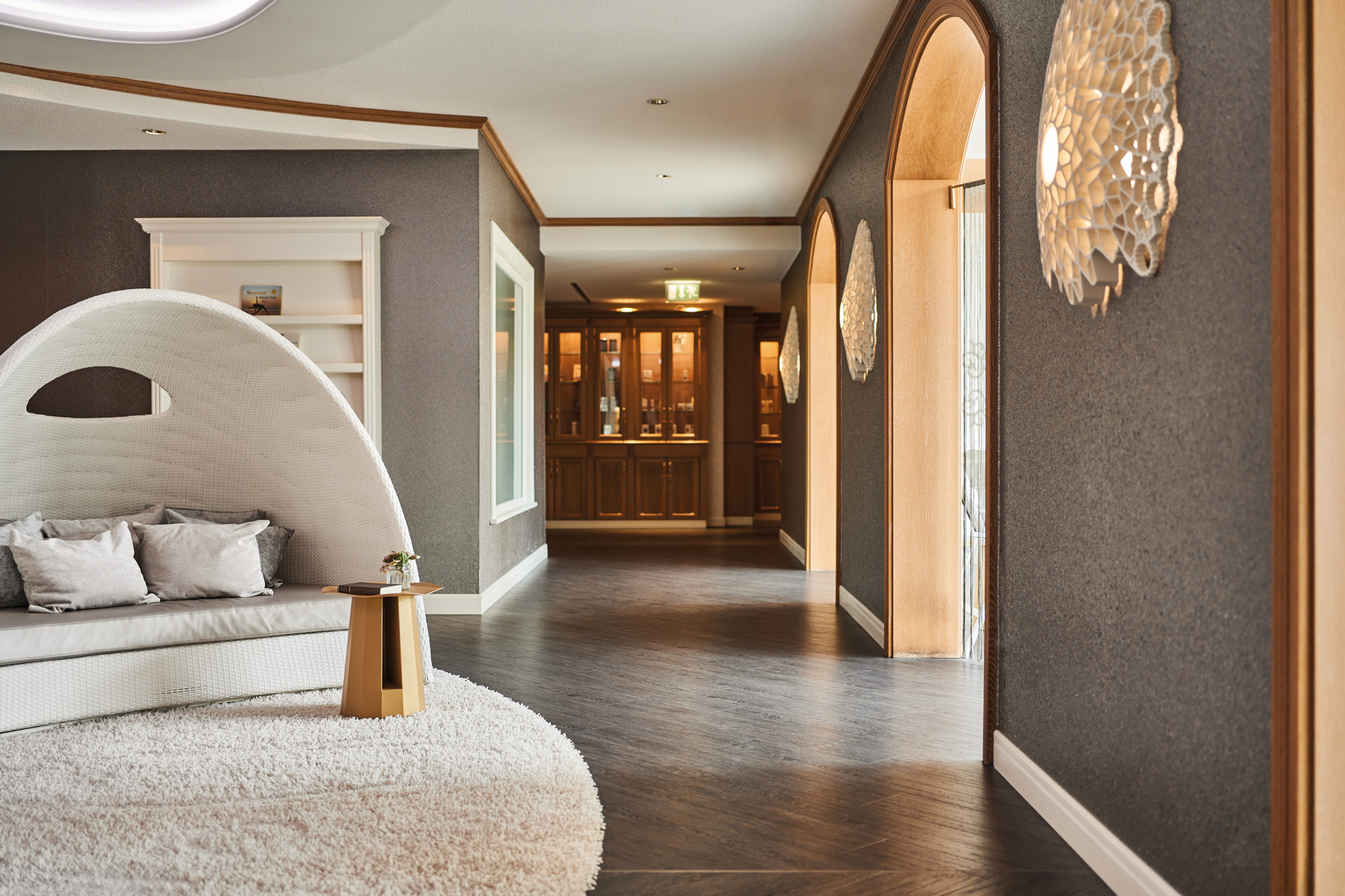
And they left everything that gives the building its charm intact. ‘The first priority was to preserve the character of the “old lady”,’ recalls Geplan boss Cord Glantz. The simplicity of contemporary aesthetics highlights the architectural details more strongly than before.
A look inside
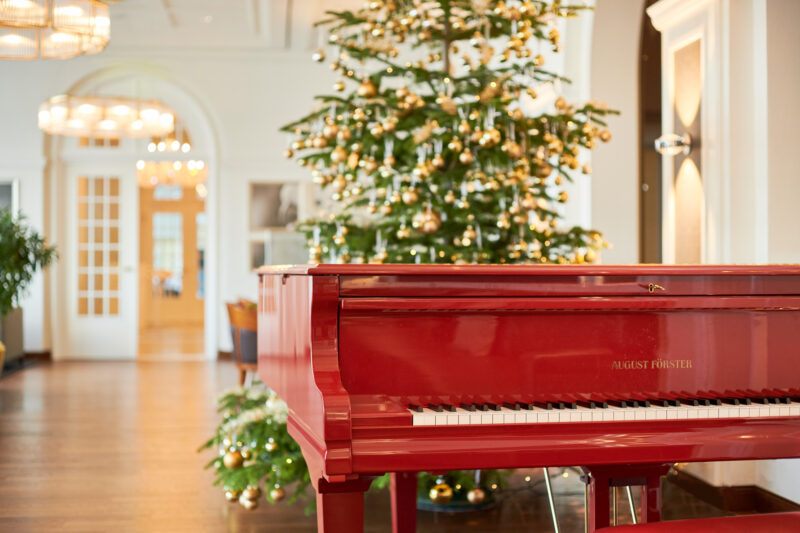
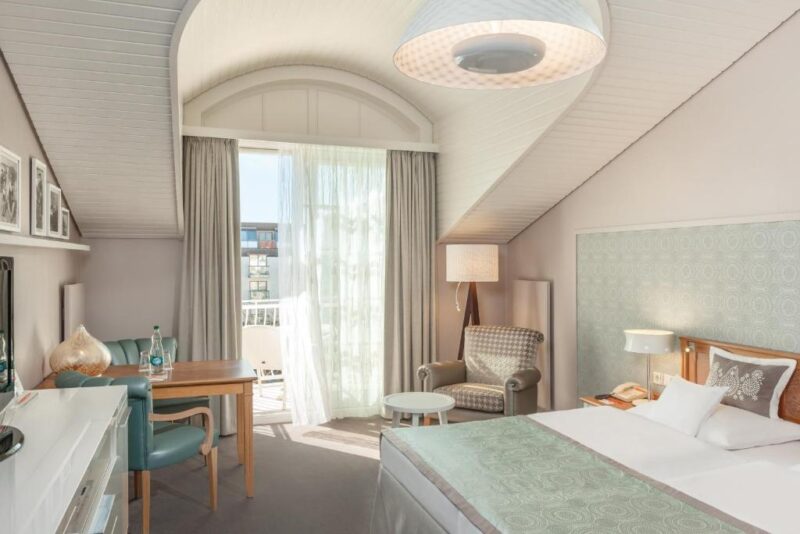
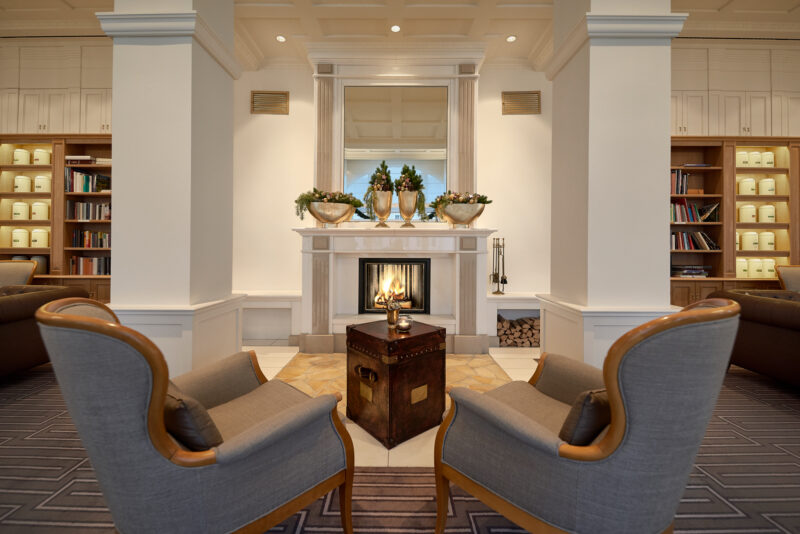
Snow-white lattice windows, original stucco mouldings, elegant wooden elements—the simplicity of contemporary aesthetics has actually accentuated them even more. Tasteful furniture, subtle colours, innovative fabrics, wallpaper and lighting create a fresh spatial experience, while black-and-white photographs as a stylistic element of the Golden Twenties recount the hotel’s historic past in a new context. The A-ROSA Kurhaus Binz comprises a total of 137 rooms, junior suites and suites.
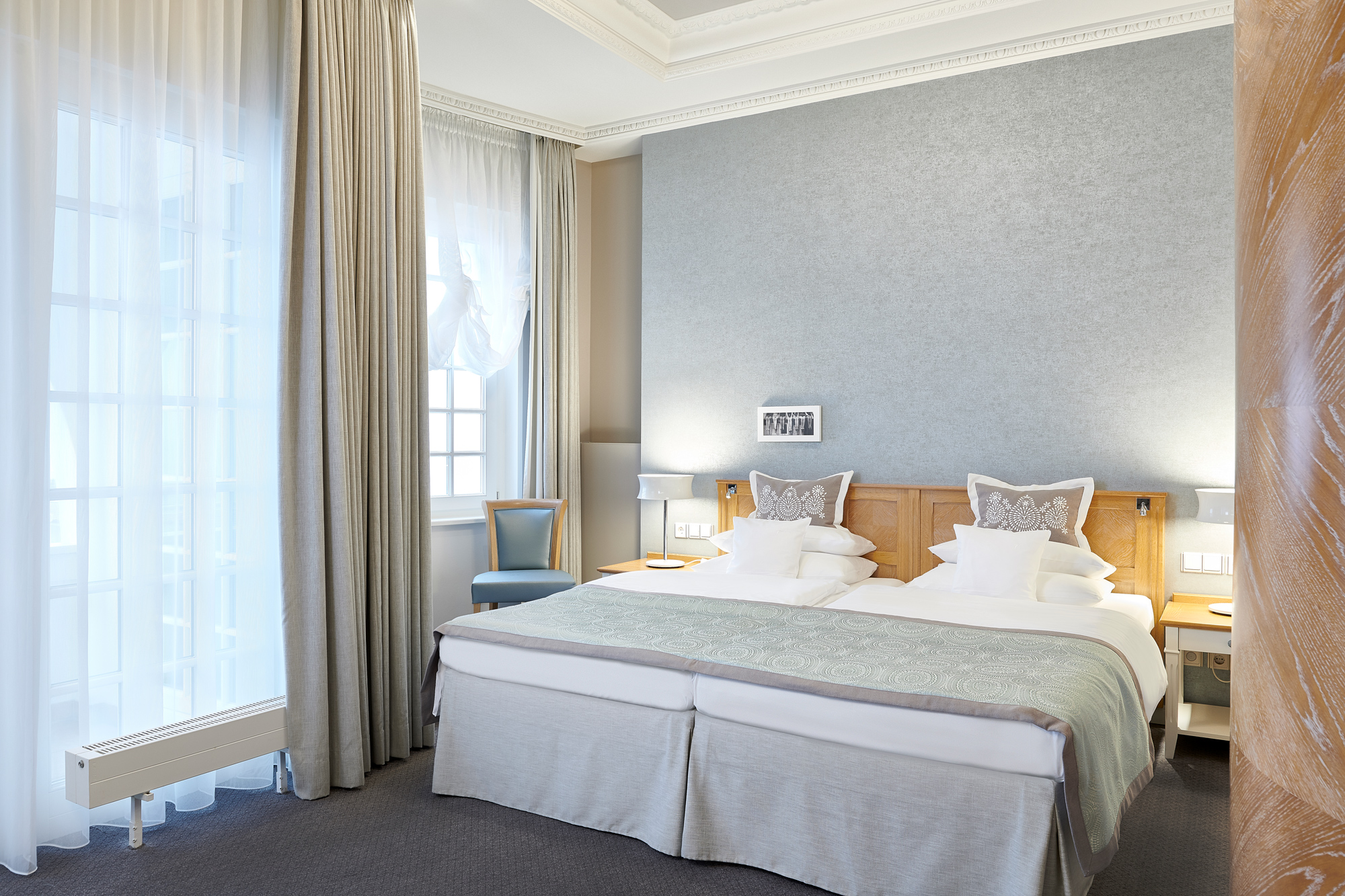
Room 209 is not only a popular choice among the guests, but has also hosted many celebrities. Max Schmeling stayed here with his wife in the early 1930s. Years later, Henry Maske also became a regular guest at the A-ROSA Kurhaus Binz and began staying in this princely suite in 2002. He felt very honoured to stay in the same room as his role model and good friend.
Spa
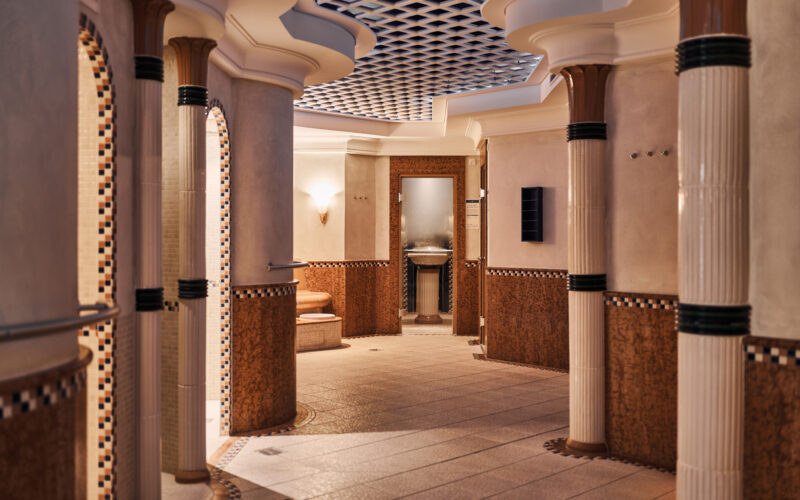
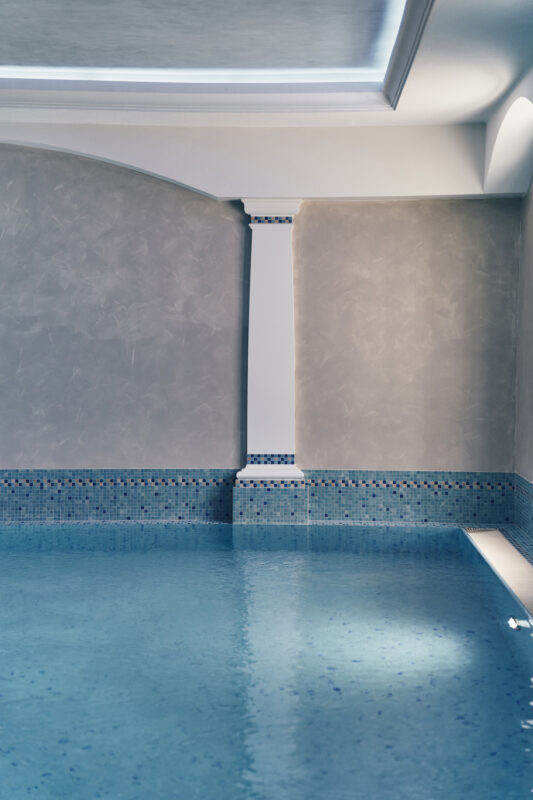
The wellness area is complemented by three baths: an Egyptian sweat bath with a temperature of 40 degrees and 20% humidity, which Mick found too cold (do you know anyone else who feels cold in the sauna?), the Egyptian lily bath with a temperature of 50 degrees and 60% humidity. But our absolute favourite is the Nefertiti bath at 45 degrees and 100% humidity. It’s so nice to sit there and feel how good the bath is for your respiratory tract. But it’s incredible how hot 45 degrees can be! OK, I know that 45 degrees always remains 45 degrees, but the high humidity makes it feel as hot as a Finnish sauna!
Cuisine
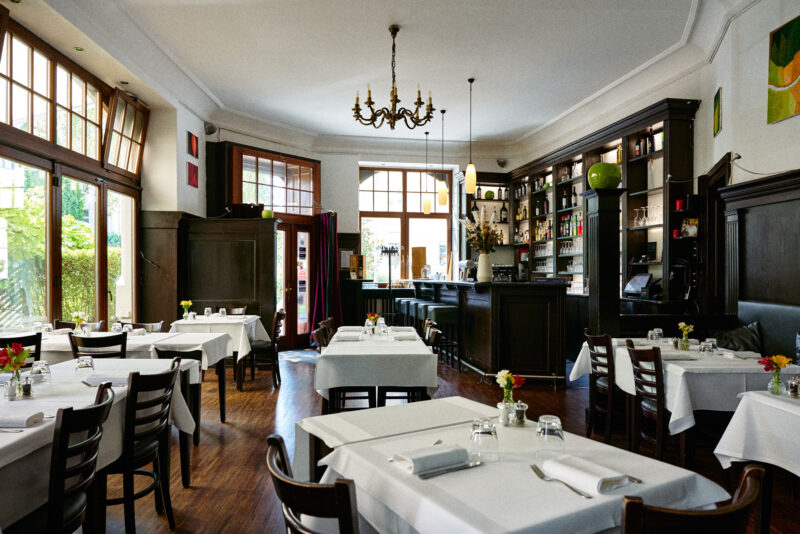
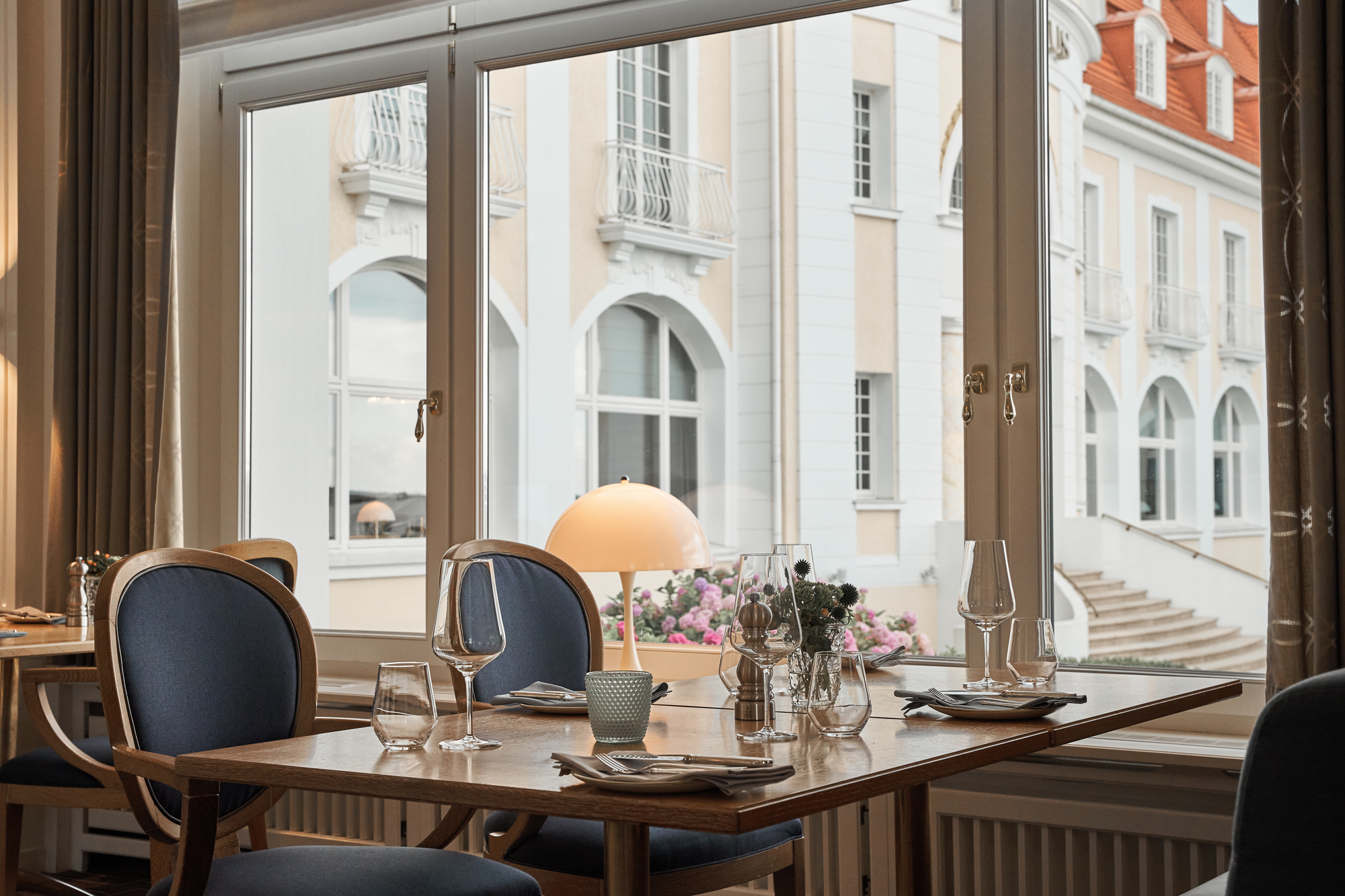
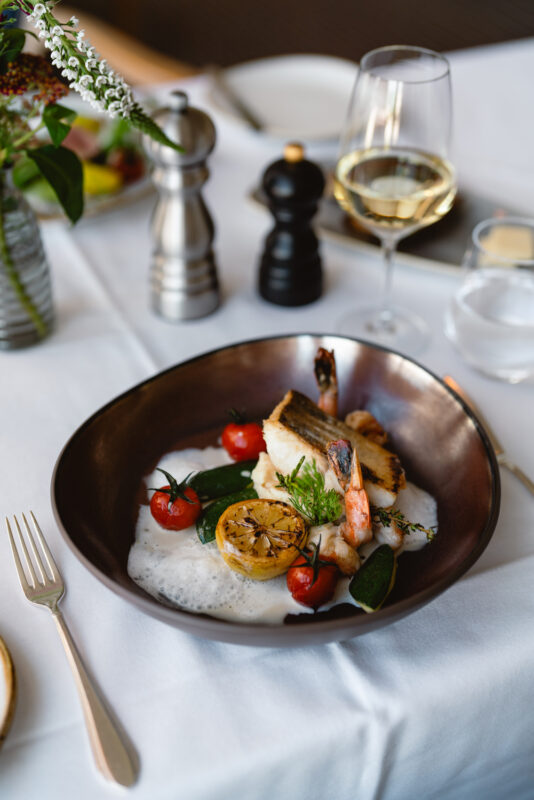
Guests can start their day with freshly baked rolls, a fried egg straight from the pan, aromatic coffee or tea and a selection of fresh delicacies. After a walk on the beach, a glass of red wine on the terrace or in the fireplace room creates a feeling of cosiness. Dinner at the Kurhaus restaurant is a treat for all the senses. The bright colours of the restaurant gently, clearly and sparklingly reflect the evening atmosphere of the Baltic Sea. The view of the sea sets the mood for the crowning glory of a day’s holiday. Fresh regional ingredients, seasonal specialities and the finest culinary artistry come together in a four-course menu. The A-ROSA Kurhaus Binz Hotel offers a first-class à la carte restaurant: enjoy the delicacies of the dishes and the lightness of healthy, vitamin-rich cuisine.
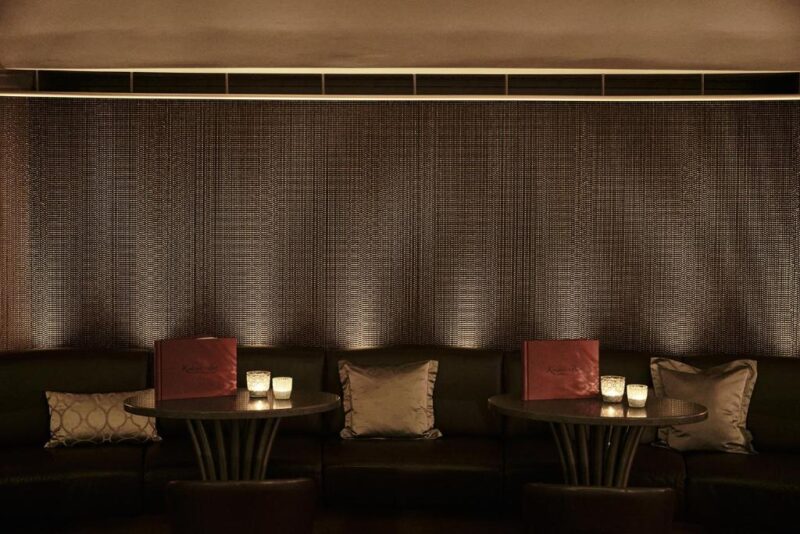
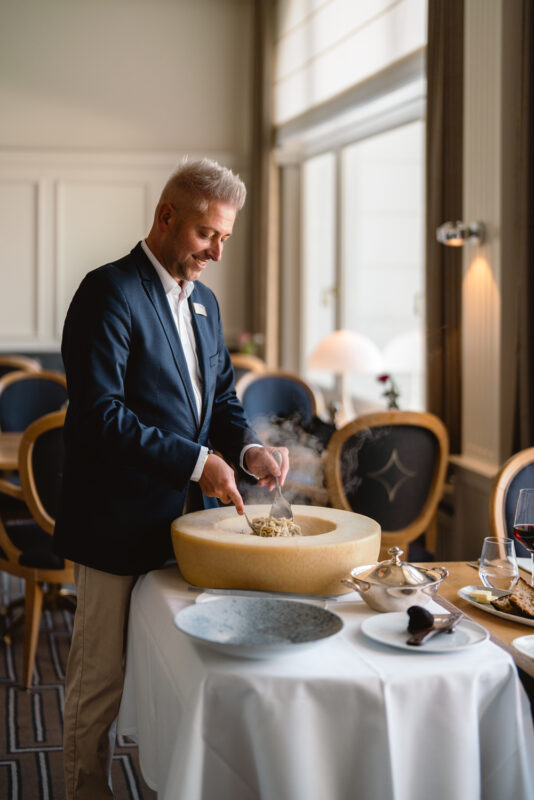
At the Kakadu Café, guests can dine in an elegant and relaxed atmosphere—during the day in the modern lounge or in the evening in the atmospheric bar. Every day, a selection of fresh cakes from our own patisserie is served, including the traditional ‘Kurhaus cake’, as well as coffee specialities from Darboven. The steak restaurant offers the best juicy grilled beef steaks, crisp fresh salads and burgers—all in the renowned top quality. On the Kurhaus terrace, located directly on the beach promenade and the Kurplatz Binz, guests can watch the hustle and bustle of the Baltic Sea resort.
Surrounding area
Rügen, Germany’s largest island, can be reached from the mainland via the Rügen Bridge in the Hanseatic city of Stralsund. Formed during the Ice Age, the island is characterised by hilly, water-rich nature with numerous peninsulas and lagoons. Natural attractions include the famous chalk cliffs and the mighty beech forest on the Jasmund peninsula, which are part of the UNESCO World Heritage Site and located in the Jasmund National Park.
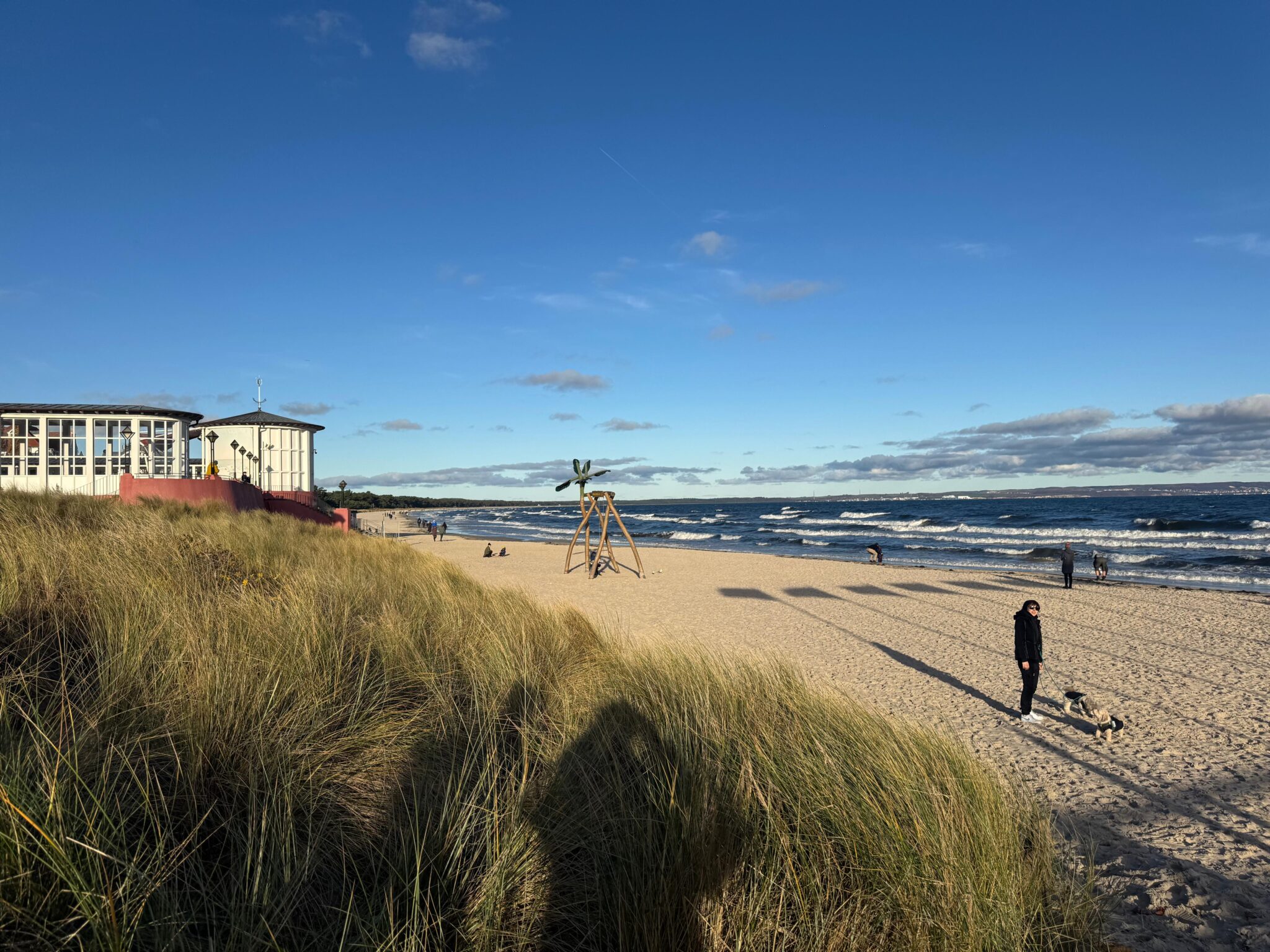
The island of Rügen has numerous seaside resorts such as Binz, Sellin, Baabe and Breege-Juliusruh, some of which have restored and new piers. In many of these and other places, you can discover attractive seaside resort architecture, picturesque thatched fishermen’s and captains’ houses, as well as castles and manor houses in Ralswiek, Putbus and Spyker.
The island’s tourist crown jewels are, of course, the extensive, fine sandy beaches with a wide range of leisure activities, from surfing and kitesurfing to sailing. These include the beaches at Tromper Wiek between Juliusruh and Glowe, as well as the south-eastern beaches off Binz, Sellin and Göhren. No less worth experiencing are the Bodden waters, such as the Große and Kleine Jasmunder Bodden, or the north and west coasts of the island.
Interesting spots
The former rescue tower at the beach entrance rises out of the dunes like a UFO and offers a fantastic panoramic view of the Baltic Sea, the beach and the chalk coast through its oval windows. Made by architect Ulrich Müther, whose buildings have shaped an important chapter in architecture, it contrasts with the standardised prefabricated buildings of the GDR. His multi-curved shells are gems of engineering, important examples of GDR modernism, architectural works of art: planetariums, exhibition halls, bobsleigh and luge tracks, a cycling track in Havana, restaurants.

© JoachimKohler-HB, Ehem. Rettungsstation Binz auf Rügen, CC BY-SA 4.0
The Hochuferweg is considered one of the most beautiful hiking trails on the Baltic Sea. It is located in the middle of the Jasmund National Park on Rügen and runs directly along the chalk cliffs. The hiking trail connects the two villages of Sassnitz and Lohme. Part of the Hochuferweg is even a World Heritage Site. UNESCO protects the rustic, old beech forests in the heart of the national park. The hike also offers scenic stops along the way, allowing for sweeping views of the sea and the chalk coast. The highlight of the hike is the 118-metre-high Königsstuhl (King’s Chair) in the Große Stubenkammer. There is a viewing platform and the Königsstuhl National Park Centre, which provides information about the history, flora and fauna of the Jasmund National Park.
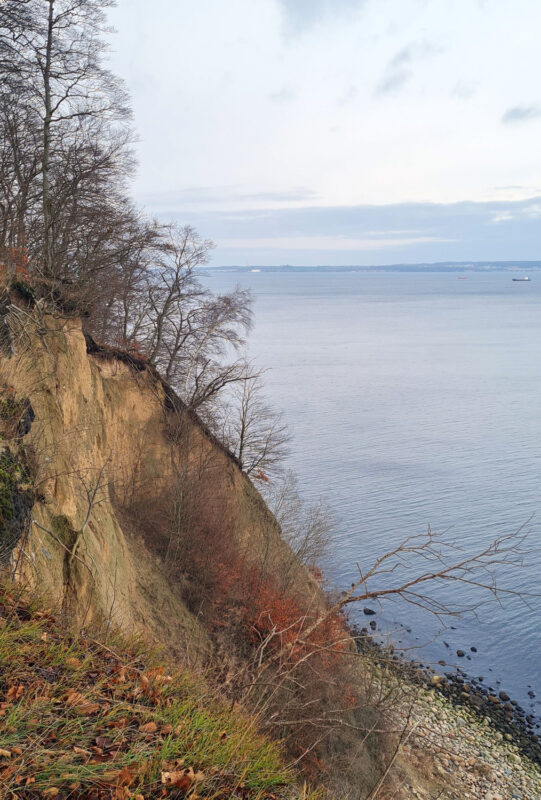
© Derbrauni, Hochuferweg zwischen Seelin und Binz 11, CC BY 4.0
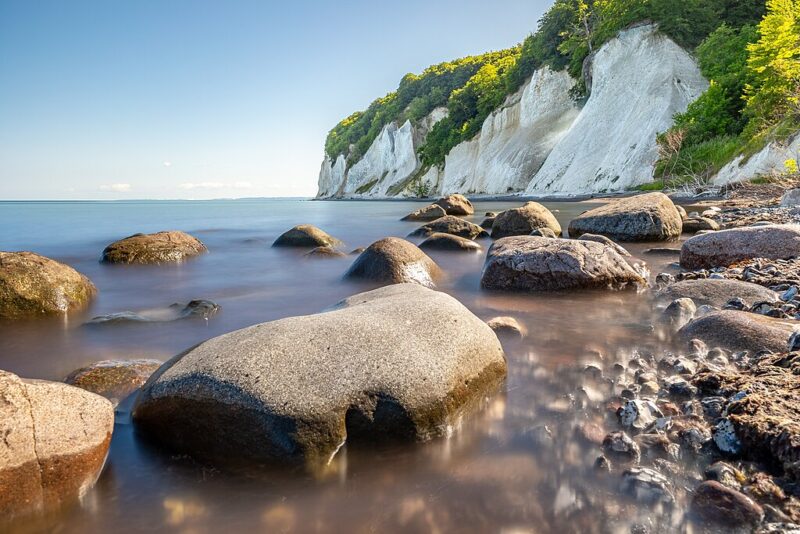
© Ichwarsnur, FFH-Gebiet Jasmund Kreidefelsen Ostsee Felsen Sommer HDR Langzeitbelichtung 2025-06 01, CC BY-SA 4.0
An eleven-kilometre-long chalk coast stretches between Sassnitz and Lohme on Rügen’s Jasmund peninsula. The white cliffs, whose highest point is the Königsstuhl, inspired many painters and poets as early as the 19th century. One of them was the Caspar David Friedrich, who captured his impressions in his 1818 painting ‘Chalk Cliffs on Rügen’.
What we love about it?
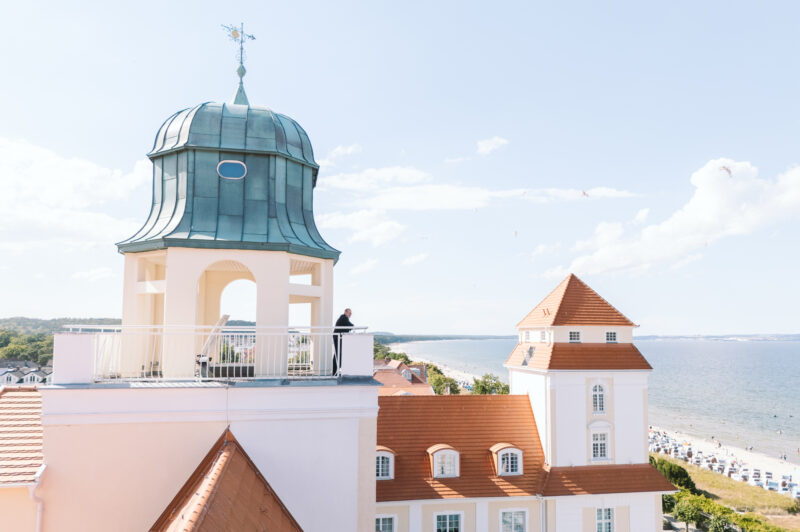
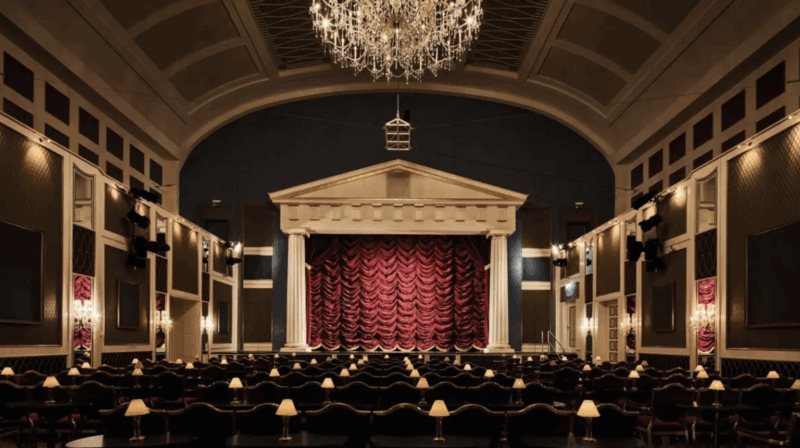
At any time, even in bad weather, guests can enjoy the unlimited view of the Baltic Sea from the covered balcony. In addition, the suite is always flooded with light thanks to its large windows, making it bright and friendly. When concerts and events are held on the spa square and the promenade, booking this suite gives you the best seats in the house. But the event hall in the A-ROSA Kurhaus Binz is also worth seeing.
Details
Rooms
- Single Room
- Double Room Land Side
- Double Room Side Sea View
- Double Room Sea View without Balcony
- Double Room Sea Side with Balcony
- Double Room Sea View with Balcony
- Junior Suite Side Sea View
- Junior Suite Land Side
- Large Junior Suite with Sea View
- Large Junior Suite with Sea View and Balcony
- Maisonette
- Seebrücken Suite
- Ostsee Suite
- Kurhaus Suite
- Residence Type 1
- Residence Type 2
- Residence Type 3 or 4
Events
The hotel offers exclusive events such as live concerts and readings, but also gives guests the opportunity to experience their own events, such as weddings, at the A-ROSA Kurhaus Binz.
SPA-ROSA Binz opening hours
- Heated outdoor pool: daily from 7:00 a.m. to 9:00 p.m.
- Sauna: daily from 1:00 p.m. to 9:00 p.m.
- Wellness treatments: daily from 8:00 a.m. to 7:00 p.m.
- Fitness area: daily from 7:00 a.m. to 10:00 p.m.
Wellbeing offers
- Personal fitness training
- Yoga
- Sauna area with five different saunas
- Indoor and outdoor pool and whirlpool
- Facial treatments
- Massages
- Relaxation areas