

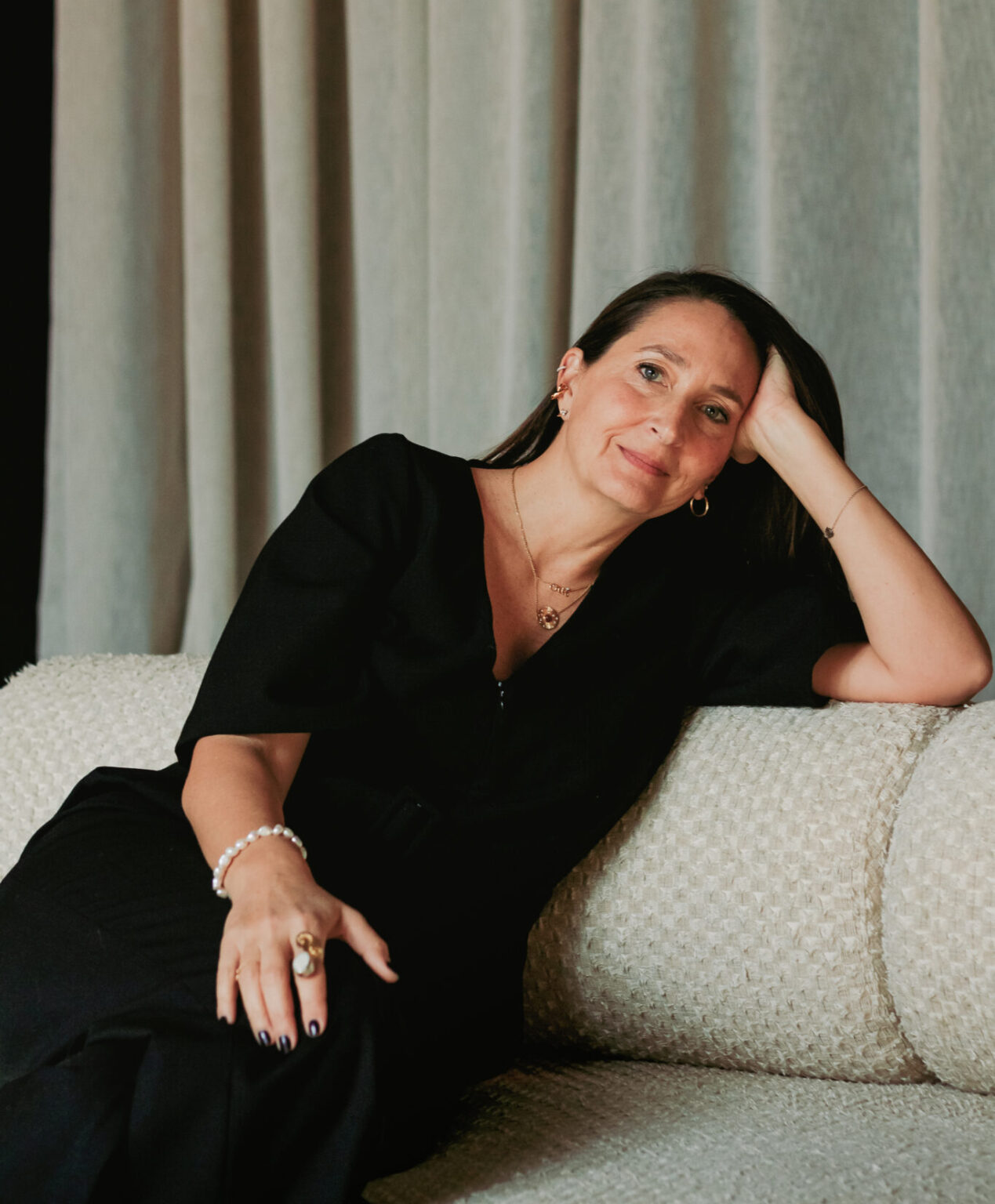
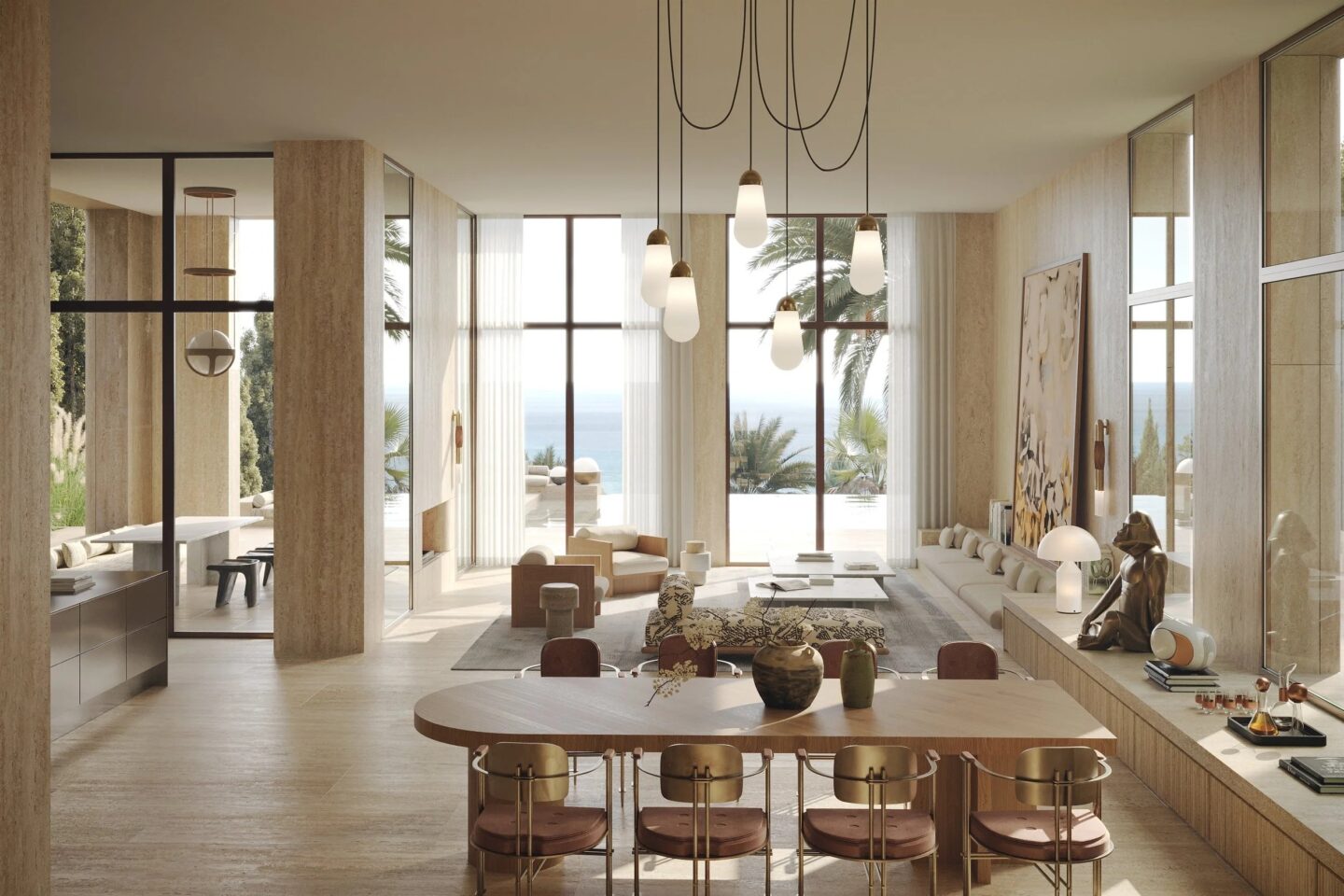
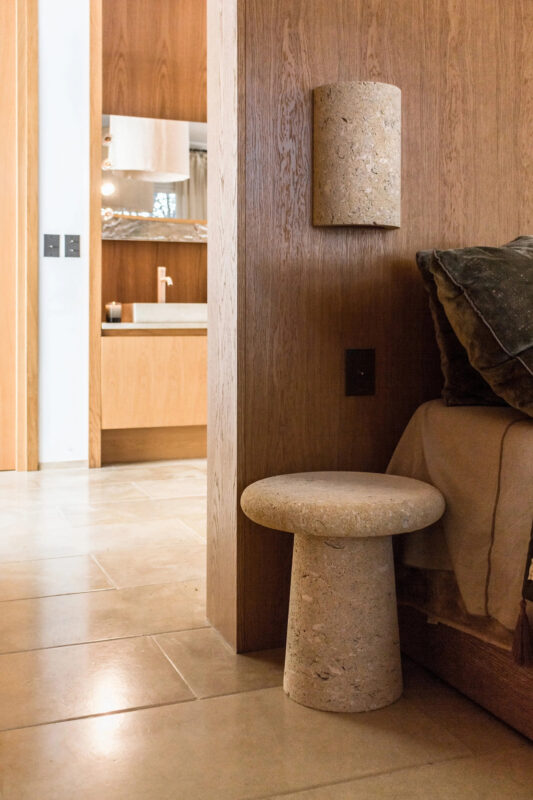
Between the rawness of the craft and the glamour of cinematic daydreams, Aurélia Bouyssonié’s creations capture a timeless Mediterranean style. Her work is clearly influenced by a minimalist design language, where the elegance of high-quality natural materials takes centre stage. Cold metal is paired with warm brown wood bearing natural grain, and ornate tiles meet polished marble.
© Courtesy of the artist
Which place do you currently call home and where do you work on your projects?
I live and work in La Marsa, a small seaside town near Tunis. I grew up in Tunisia, it is my second home, the country of my heart.
Where is your studio located & how does it look?
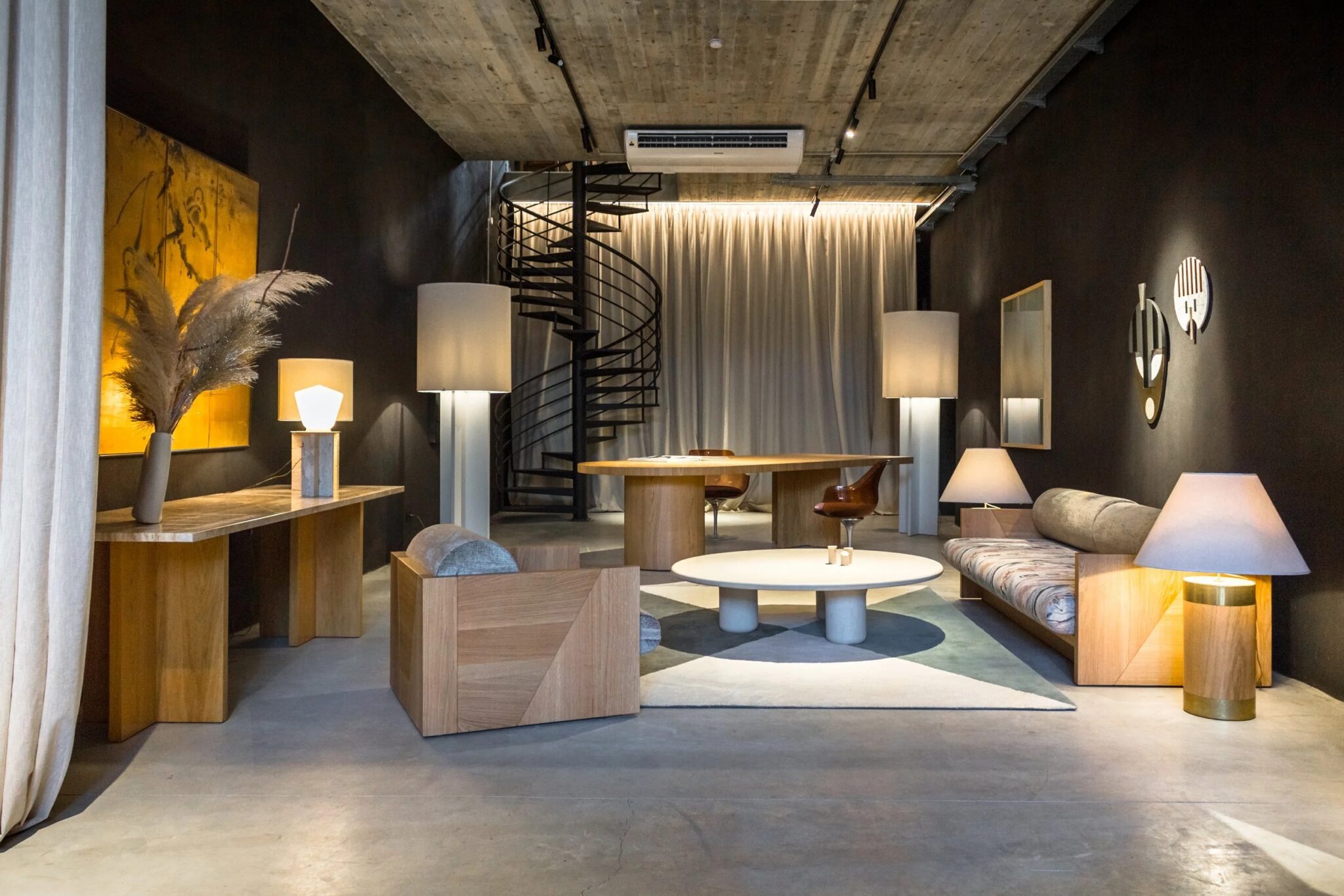
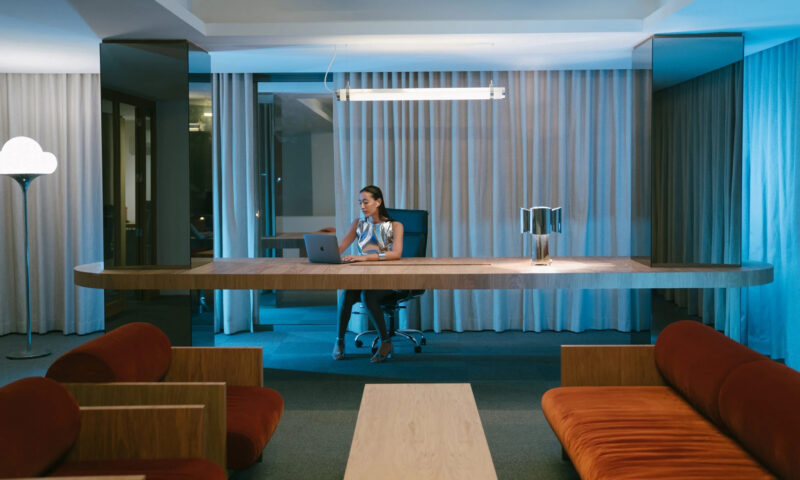
My office is an agency/gallery: since I started designing furniture in addition to my work as an architect, I was looking for a place that could accommodate both aspects of my work. I opted for a beautiful space with high ceilings and a mezzanine.
It is located in an industrial area on the outskirts of the city, it was a bold choice. Other designers followed suit, and we created the PHosPhor collective. We hold open days twice a year to showcase our spaces and our creations.
© Courtesy of the artist
Are there any projects that are personally important to you—whether recently completed or currently in progress?
I am currently working on a clubhouse concept that combines several activities such as a restaurant, a café and a gym. It is a beautiful project located in the centre of a golf course. I am fortunate to have clients who trust me and give me free rein in my designs. This is the second project we have worked on together—the first was a beach restaurant, an institution in Tunisia.
© Courtesy of the artist
© Courtesy of the artist
Do you have a favorite place in your area where you like to relax and linger?
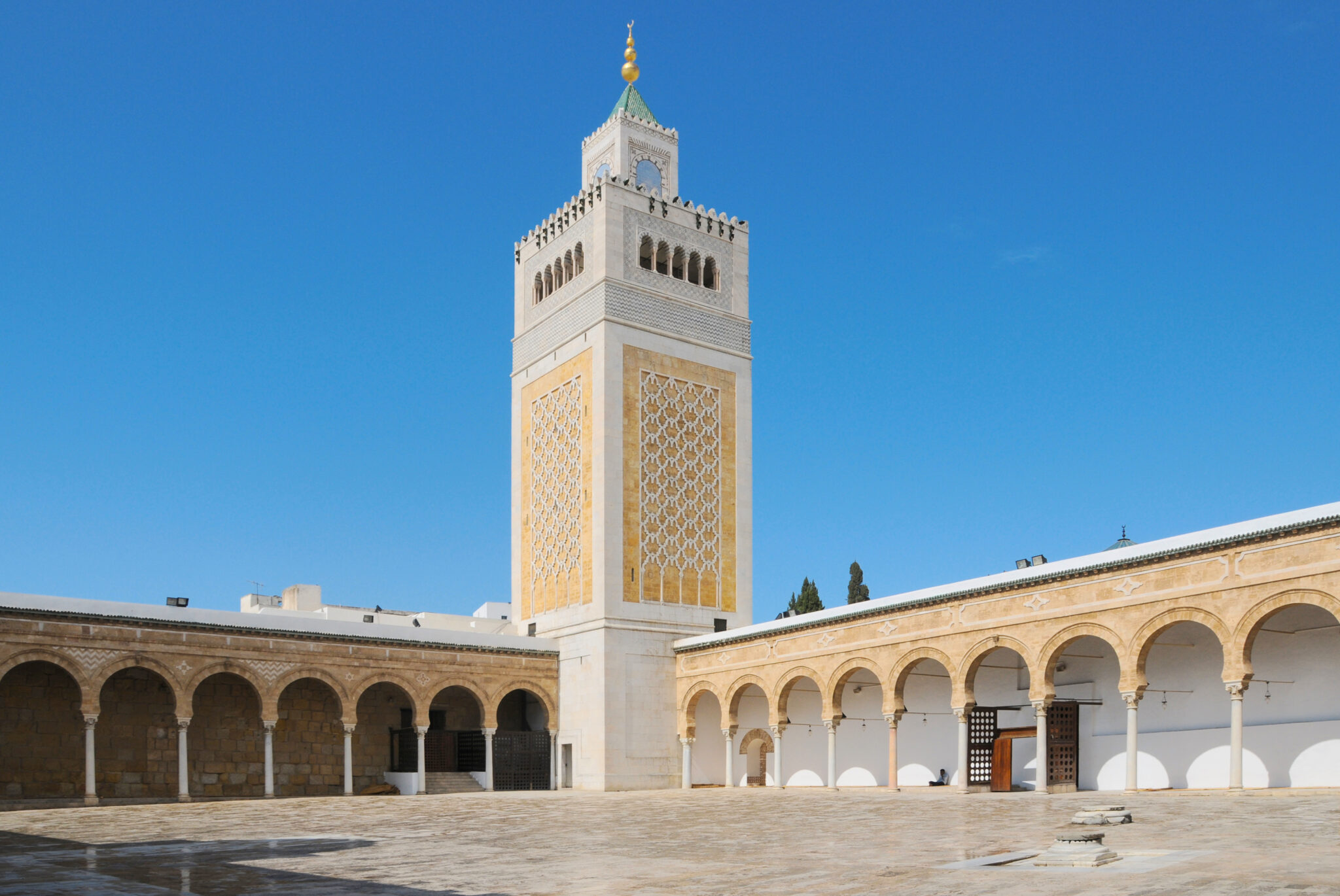
I love going to the spa for a Hammam and a massage—in Tunisia, it’s a tradition. It’s a very feminine world and I love the atmosphere where the focus is on the body and relaxation. The old town is also a fascinating place, a journey in itself.
© Citizen59, MinaretMosqueeZitounaTunis, adjusted colours and perspective, CC BY-SA 3.0
Are there any urgent political issues or problems in your region?
Life is expensive in Tunisia and purchasing power is low: daily life is difficult for most people. We also lack quality public services. Despite these difficulties, relationships are full of humanity.
In your opinion, what has developed well in the last 5 years—and what has not?
The arts sector is expanding: since the revolution, young artists have emerged and some of them are internationally recognised.
At the same time, Tunisia is suffering from a “brain drain”, with large numbers of skilled people (engineers, doctors, IT specialists, etc.) leaving the country in search of better living conditions. This is slowing down local development and reducing opportunities for progress.
Do you know a hidden gem when it comes to local manufacturers—whether it’s arts and crafts, sustainable products or food?
I regularly collaborate with artisans on my projects. Glassblower Sadika Keskes creates exceptional pieces in her traditional workshop. Her works travel all over the world.
I also work with the Tilli Tanit embroidery workshop, where Najib and her team create pieces for renowned artists. Their expertise is a real treasure.
Is there anything particularly innovative in your region? Also in comparison to other places you have already visited?
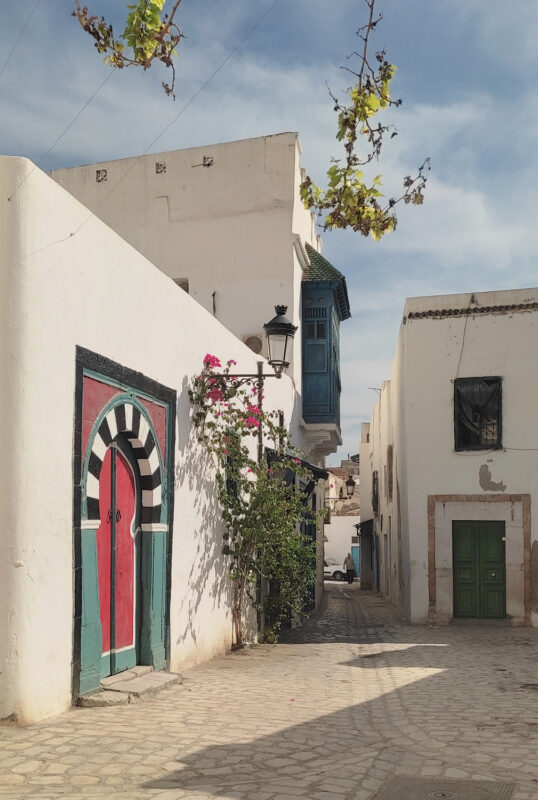
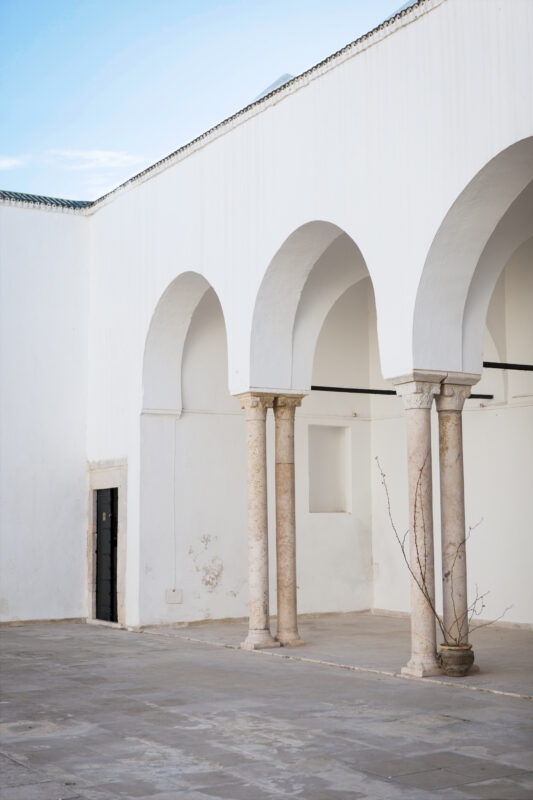
The traditional old town of Tunis is a captivating destination, a journey in itself. Unlike other medinas that have succumbed to tourism, Tunis’s medina remains remarkably authentic. Its streets, free from cars, reveal a rich neighborhood life and a tapestry of vernacular architecture. Hidden palaces showcase exquisite traditional designs, offering glimpses of a bygone era. Every corner inspires, blending history, culture, and everyday life into an unforgettable experience.
© Noomen9, Médina de Tunis 2, adjusted colours, cropped, CC BY-SA 4.0
© Albine Daruce, La Marsa-Palais El-Abdellia 04, adjusted colours, CC BY-SA 4.0
Do you have a secret restaurant tip that you would like to share with us?
L’Arbre à Couscous for a traditional dish and a vegetarian version. Gégé, the owner, is quite a character. Not traditional but delicious, Casa Lico has been voted the best pizzas in the country two years running. My cousin Federico is the chef at this must-visit restaurant.
Le Golfe, a waterfront institution serving Mediterranean cuisine. I redesigned the interior two years ago. I created a large travertine marble bar that looks like a rock eroded by the sea. We also designed a private room for exclusive dinners.
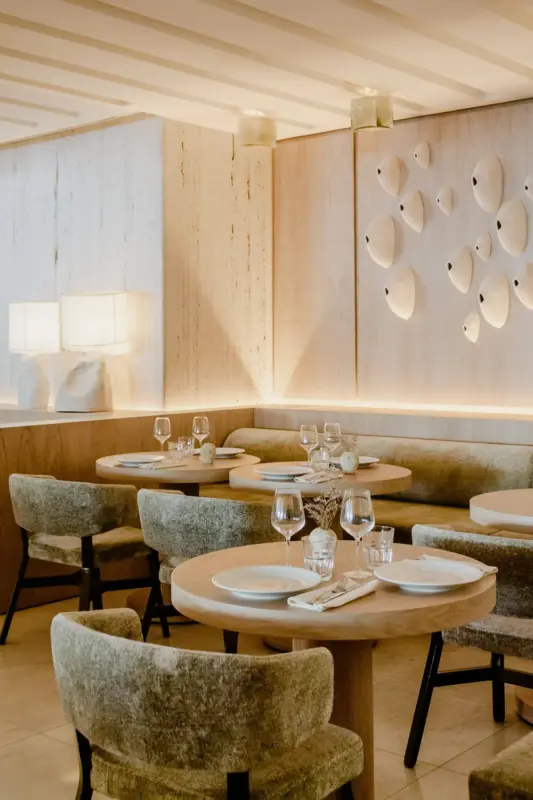
© Mehdi Ben Temessek
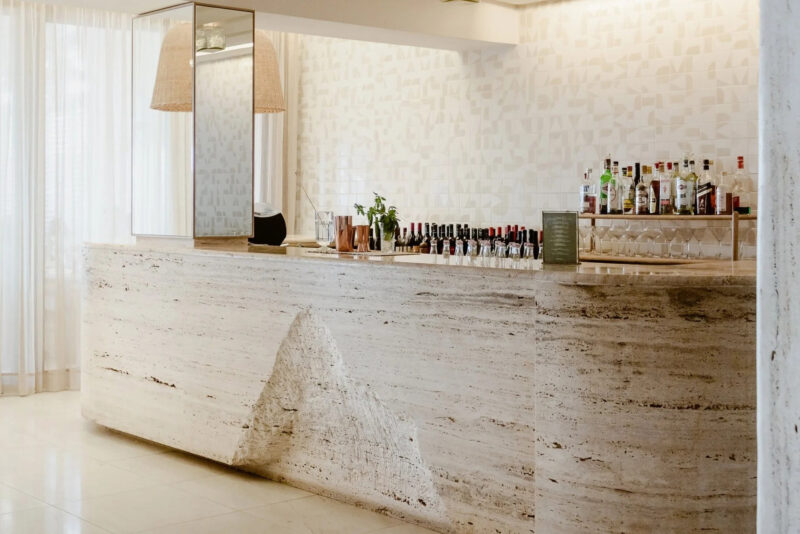
© Mehdi Ben Temessek
Is there a local shop whose products are only available in your region?
These are no longer hidden treasures, but for me they are two essential references! Family business obliges! My mother and sister created the Zina brand about fifteen years ago. They reinterpret Tunisian craftsmanship by creating contemporary furniture and objects. My other sister and brother-in-law, both designers trained at ECAL in Lausanne, offer a rich and sophisticated selection of Tunisian designers in their concept store Supersouk.
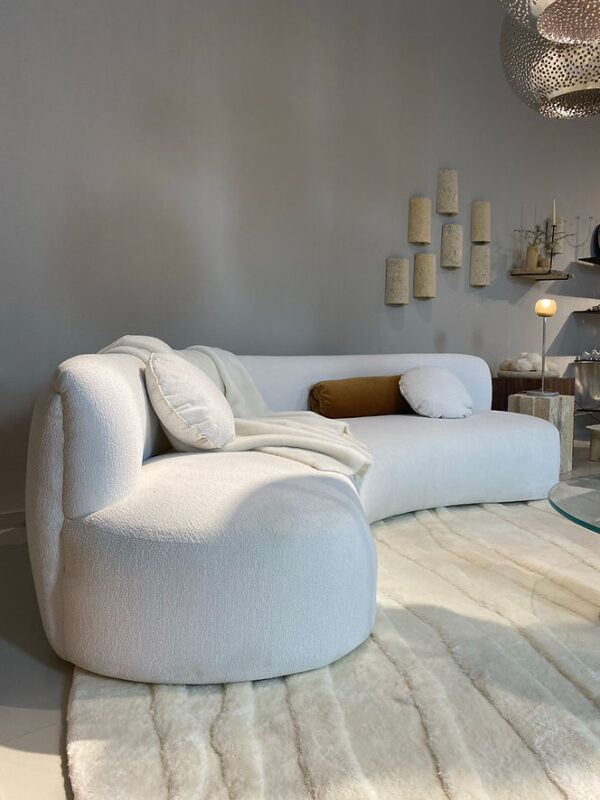
© Zina
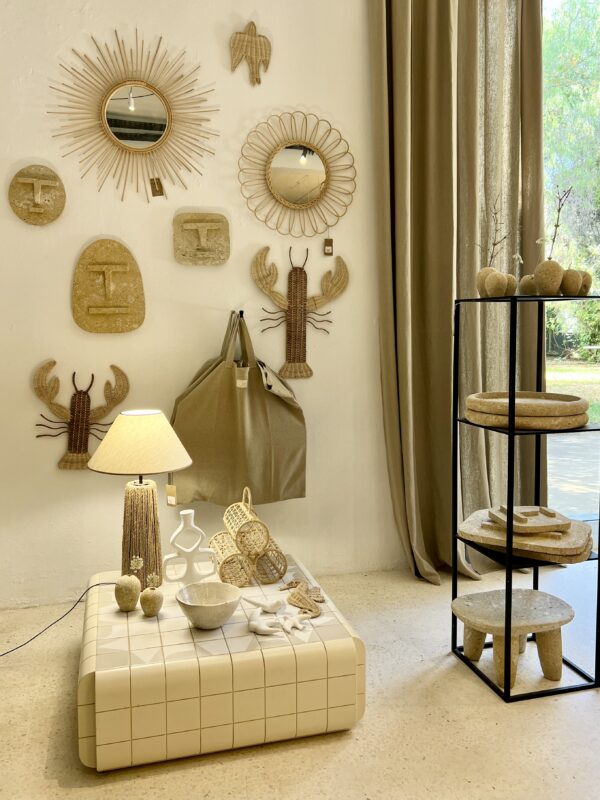
© Supersouk
What are your 3 favourite apps that you use every day and couldn’t live without?
Instagram (professional communication and entertainment), WhatsApp (all my chats! Professional and personal), the drive to access my files wherever I am.
Do you have any favourite newspapers or online magazines? And how do you keep up to date with politics or social and cultural issues?
AD! I’ve been reading this magazine since it first came out. For me, it’s the only reference for design and architecture. I’m glad that AD Middle East exists. The focus on this region is very well done and really showcases the talent here. For news, I listen to the radio (France Info) in the morning while I’m having breakfast. I prefer to avoid images. Instagram for cultural and artistic news.
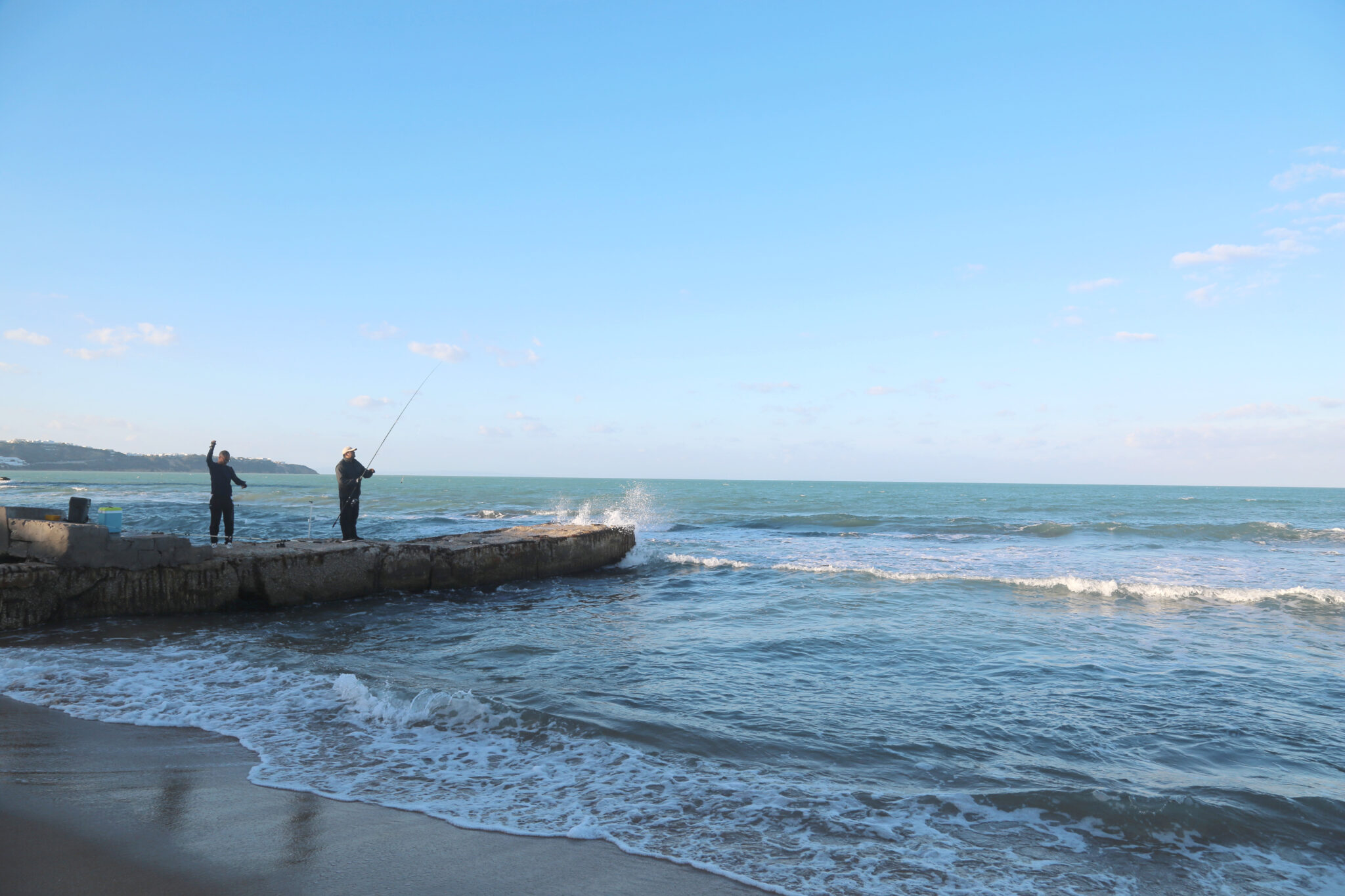
© Faiza affes, Fishermen of Marsa, Tunisia, adjusted colours, CC BY-SA 4.0
Imagine you could be mayor for a year—what would you change?
The cleanliness and quality of public spaces have always fascinated me as an architect. When I travel, I pay close attention to the details—pavements, benches, gutters, and gardens—as they reveal much about a country’s quality of life and the strength of its institutions. Public spaces should be more than functional: they must be places of sharing, equality, and community.
One last question: If you could choose another place to live—regardless of financial or time constrains—which one would you choose?
I love cities—big, vibrant cities. New York, London… yet Paris remains the most beautiful of them all. The energy of these urban centers both inspires and invigorates me. Walking through their streets, you never know what you might encounter: an orchestra rehearsing in a courtyard, the flurry of a restaurant kitchen. It’s this density of activity and passion that truly captivates me.


